Can Joint Complex Ease Widespread Aches in Long COVID and ME/CFS?
March 5, 2026
Joint ComplexLong COVIDME/CFS
Share:
Disclaimer: The information provided here is for educational purposes only and is not intended as medical advice. It should not be used to diagnose, treat, cure, or prevent any medical condition. Instead, use it as a starting point for discussion with your healthcare provider. Always consult with a qualified healthcare provider before starting any new medication, supplement, device, or making changes to your health regimen.
You wake up, and before you even open your eyes, you feel it. A deep, pervasive ache settling into your knees, your hips, and your hands. It feels as though you ran a marathon the day before, or perhaps fought off a severe case of the flu, yet you barely left your bed. For individuals living with complex chronic conditions like Long COVID, myalgic encephalomyelitis/chronic fatigue syndrome (ME/CFS), dysautonomia, and mast cell activation syndrome (MCAS), this debilitating joint and muscle pain is a daily reality. It is a symptom that is frequently dismissed by traditional medical practitioners as mere 'wear and tear' or, worse, a psychosomatic manifestation of severe fatigue. The frustration of navigating a medical system that often fails to recognize the physiological reality of your pain can be just as exhausting as the physical symptoms themselves.
However, emerging scientific research paints a very different, highly validating picture. The joint pain experienced in post-viral syndromes is rarely a localized orthopedic issue; rather, it is the downstream result of systemic immune dysregulation, chronic neuroinflammation, and the active, enzyme-driven degradation of connective tissue. When your immune system is locked in a perpetual state of hyper-vigilance, your joints and extracellular matrix become collateral damage. Addressing this complex web of dysfunction requires more than just over-the-counter painkillers, which often come with severe gastrointestinal side effects and fail to address the root cause. It requires a targeted, scientifically grounded approach to modulate the immune response, help slow cartilage degradation, and restore cellular lubrication. This is where comprehensive nutraceutical formulations like Joint Complex come into play, offering a multi-mechanistic approach to supporting joint health and reclaiming your mobility.
TL;DR
Joint pain in Long COVID and ME/CFS is often driven by systemic inflammation, not just wear and tear.
Targeted supplements may help modulate immune responses and support cartilage health against enzymatic degradation.
Ingredients like UC-II, 5-LOXIN, and Meriva offer scientifically backed support for joint comfort and mobility.
What is Joint Complex?
The Anatomy of a Healthy Synovial Joint
To truly understand how a targeted supplement works, we must first look at the incredible biological engineering of a healthy synovial joint. Synovial joints, such as the knees, hips, and elbows, are the most common and most movable type of joint in the human body. They are encapsulated within a fibrous joint capsule that is lined by a specialized tissue called the synovial membrane. This membrane secretes synovial fluid, a viscous, egg-white-like substance that bathes the joint cavity, providing essential lubrication and reducing friction between the moving bones. Without this fluid, the sheer mechanical force of daily movement would rapidly destroy the joint structures, leading to severe pain and immobility.
The ends of the bones within this capsule are covered by articular cartilage, a smooth, white, and highly resilient tissue. Unlike most tissues in the body, articular cartilage is avascular, meaning it does not have its own blood supply. Instead, the specialized cells within the cartilage, known as chondrocytes, rely entirely on the diffusion of nutrients and oxygen from the surrounding synovial fluid. These chondrocytes are the master builders of the joint; they continuously synthesize and maintain the extracellular matrix (ECM), a complex, three-dimensional meshwork of proteins and carbohydrates that gives the cartilage its unique shock-absorbing properties. Because they lack a direct blood supply, healing in these tissues is notoriously slow, making proactive protection absolutely vital.
The Structural Pillars: Type II Collagen and Hyaluronic Acid
The extracellular matrix of articular cartilage is primarily composed of two critical structural pillars: water and a dense framework of macromolecules, chief among them being type-II collagen. Type-II collagen forms a highly organized, triple-helical fibril network that provides the cartilage with its immense tensile strength, allowing it to resist the pulling and stretching forces of movement. This collagen network acts like the steel rebar in reinforced concrete, holding the entire structural integrity of the joint together. When this collagen network is compromised, the cartilage begins to fray and degrade, leading to the bone-on-bone friction characteristic of severe osteoarthritis and other degenerative joint diseases.
Interwoven within this collagen network are proteoglycans, massive molecules that trap water, and hyaluronic acid (HA). Hyaluronic acid is a naturally occurring glycosaminoglycan—a long, unbranched chain of complex sugars. In the joint, HA acts as the primary molecular shock absorber and lubricant. It binds to water molecules, creating a gel-like substance that gives the synovial fluid its viscoelasticity. During slow movements, HA makes the fluid thick and lubricating; during rapid movements or impacts (like jumping or sudden shifts in weight), it causes the fluid to become highly elastic, absorbing the mechanical shock and protecting the underlying chondrocytes from physical trauma. The continuous replenishment of HA is essential for maintaining this protective barrier.
The Biochemical Environment and Inflammatory Modulation
In a healthy body, the joint exists in a state of dynamic equilibrium, carefully balancing anabolic (tissue-building) and catabolic (tissue-degrading) processes. This delicate balance is regulated by a complex signaling network of cytokines, growth factors, and enzymes. When a joint is subjected to normal mechanical stress or minor injury, a transient, healthy inflammatory response is triggered to clear away damaged cells and stimulate the chondrocytes to repair the extracellular matrix. This acute inflammation is a necessary and beneficial part of the healing process, provided it resolves quickly once the repair is complete.
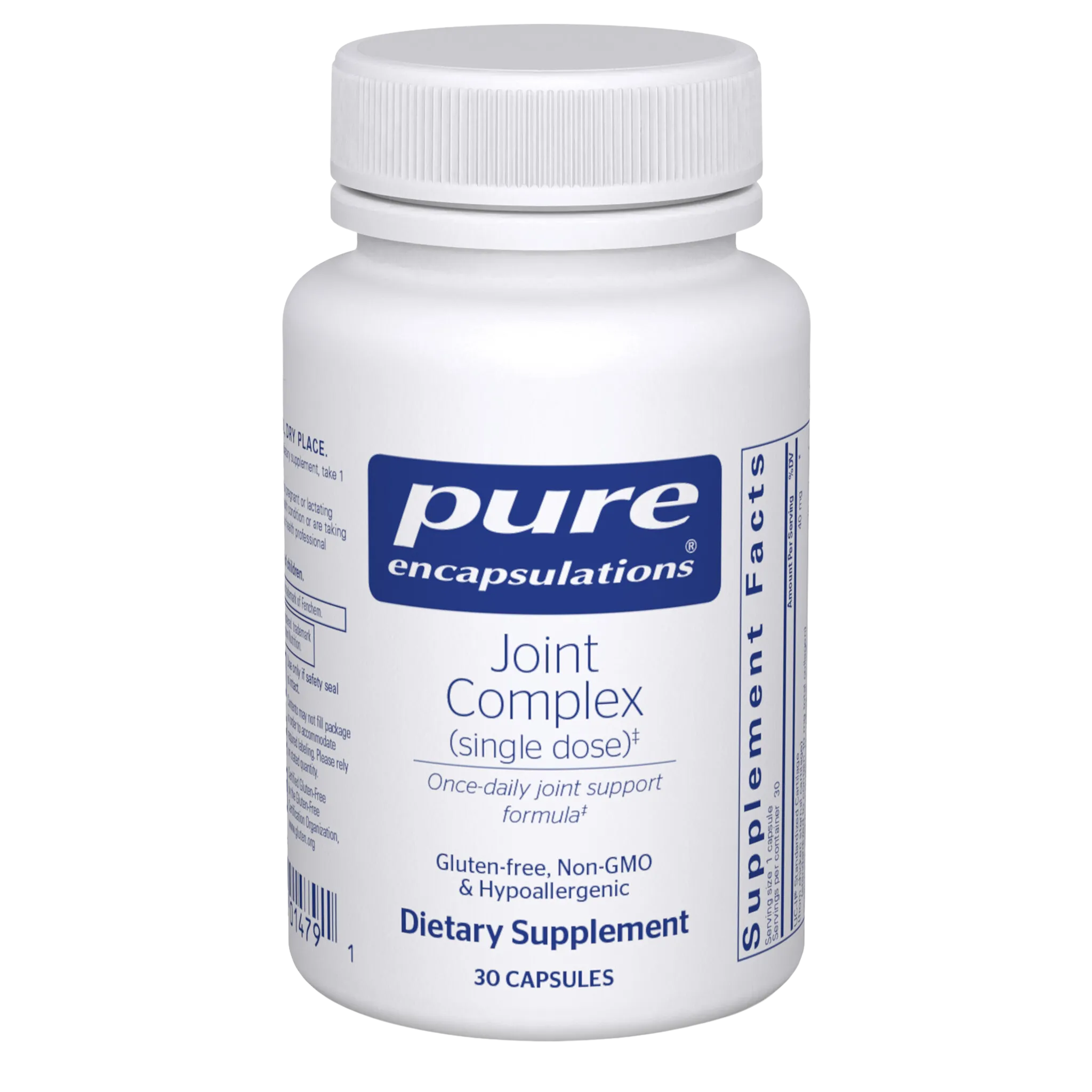
However, if the inflammatory response becomes chronic or excessive, it shifts the joint environment into a catabolic state. Pro-inflammatory cytokines flood the synovial fluid, activating degradative enzymes that begin to actively dismantle the collagen and hyaluronic acid networks faster than the chondrocytes can rebuild them. Joint Complex is formulated with specific botanical extracts, such as Boswellia serrata and turmeric, alongside structural modulators like methylsulfonylmethane (MSM), to specifically intervene in these biochemical pathways. By targeting the root enzymatic and immune drivers of inflammation, these compounds help restore the joint's natural equilibrium, moving it away from destruction and back toward repair and maintenance.
How Long COVID and ME/CFS Impact Joint Health
The Cytokine Cascade and Systemic Inflammation
In conditions like Long COVID and ME/CFS, the joint pain experienced by patients is fundamentally different from the mechanical 'wear and tear' of traditional osteoarthritis. It is driven by systemic pathophysiology. Both Long COVID and ME/CFS are frequently triggered by a viral infection—such as SARS-CoV-2 or Epstein-Barr virus—that incites a massive, acute immune response. However, in these patients, the immune system fails to return to its baseline state after the initial threat has passed. This failure to resolve the immune response leads to a state of chronic, low-grade systemic inflammation, characterized by the persistent release of pro-inflammatory cytokines into the bloodstream.
Research has consistently shown that patients with Long COVID and ME/CFS exhibit elevated levels of specific cytokines, most notably Interleukin-6 (IL-6), Interleukin-1 beta (IL-1β), and Tumor Necrosis Factor-alpha (TNF-α). According to a comprehensive review of cytokine-based pathophysiology, these circulating inflammatory molecules do not just stay in the bloodstream; they infiltrate the synovial fluid of the joints. Once inside the joint capsule, IL-6 and TNF-α directly sensitize nociceptors (the specialized nerve endings responsible for transmitting pain signals to the brain). This cytokine-induced sensitization means that even normal, everyday movements are perceived by the central nervous system as intensely painful, a phenomenon known as allodynia or hyperalgesia.
Extracellular Matrix Degradation and Hypermobility
Beyond merely causing pain, this chronic inflammatory state actively destroys the physical structure of the joint. The persistent presence of cytokines like IL-1β triggers the chondrocytes and synovial cells to overproduce a family of destructive enzymes known as Matrix Metalloproteinases (MMPs). Under normal conditions, MMPs are carefully regulated and used to clear away old, damaged tissue. However, in the dysregulated immune environment of Long COVID and ME/CFS, MMPs—particularly MMP-3 and MMP-13—run rampant, aggressively digesting the type-II collagen and aggrecan that make up the extracellular matrix. This enzymatic destruction is a primary driver of the physical joint deterioration seen in these patient populations.
This enzyme-driven degradation is particularly relevant given the startling clinical overlap between post-viral syndromes and connective tissue disorders. Studies indicate that joint hypermobility is found in up to 57% of patients with ME/CFS, Long COVID, and POTS, compared to a much smaller percentage in the general population. When the extracellular matrix is actively being degraded by MMPs, the connective tissues lose their tensile strength, leading to joint laxity, micro-dislocations, and profound instability. This structural weakness forces the surrounding muscles to work overtime to stabilize the joints, contributing heavily to the severe muscle fatigue and post-exertional malaise (PEM) that define these conditions.
Thrombo-inflammation and Endothelial Dysfunction
Another critical mechanism driving joint and muscle pain in Long COVID is the phenomenon of thrombo-inflammation and endothelial dysfunction. The SARS-CoV-2 virus is known to cause significant damage to the endothelium—the delicate inner lining of the blood vessels. This damage triggers a cascade of clotting abnormalities, leading to the formation of persistent, microscopic blood clots (microclots) that are highly resistant to the body's natural breakdown processes. These microclots physically block the tiny capillaries that supply oxygen and nutrients to the tissues, creating a state of chronic cellular starvation.
According to research on the pathophysiology of long COVID, this widespread microvascular clotting leads to localized tissue hypoxia (oxygen starvation) in the muscles, bones, and joint capsules. When tissues are deprived of oxygen, they switch to anaerobic metabolism, rapidly accumulating lactic acid and other metabolic waste products. This ischemic environment is highly acidic and intensely painful, manifesting as the deep, throbbing, and widespread aches that patients frequently report. The combination of cytokine-driven nerve sensitization, enzyme-driven structural degradation, and microclot-driven oxygen starvation creates a vicious cycle of chronic pain that requires highly targeted, multi-pathway interventions to disrupt.
Joint Complex: Supporting Joint Function and Comfort
UC-II Collagen and the Magic of Oral Tolerance
One of the most innovative ingredients in Joint Complex is UC-II®, a patented, undenatured form of type-II collagen. Unlike traditional hydrolyzed collagen supplements, which are broken down into small peptides and act merely as structural building blocks, UC-II operates through a sophisticated immunological mechanism known as oral tolerance. Because UC-II is minimally processed, it retains its natural, three-dimensional molecular structure and active biological regions called epitopes. These intact epitopes are robust enough to survive the harsh acidic environment of the stomach and travel intact into the small intestine, where they can interact with the body's immune surveillance systems.
Once in the small intestine, UC-II interacts directly with the gut-associated lymphoid tissue (GALT), specifically targeting immune hubs known as Peyer’s patches. Here, the intact collagen epitopes bind to dendritic cells, which then 'educate' and transform naive T-cells into specialized T-regulatory (Treg) cells. These Treg cells are specifically programmed to recognize type-II collagen. They migrate through the bloodstream and, upon encountering type-II collagen in the joint cartilage, they secrete powerful anti-inflammatory cytokines, including Interleukin-10 (IL-10) and Transforming Growth Factor-beta (TGF-beta). This localized release of IL-10 helps modulate the immune system's misguided response to its own joint cartilage, mitigating pro-inflammatory mediators and stimulating chondrocytes to begin repairing the damaged tissue.
5-LOXIN and the Inhibition of Cartilage Degradation
To combat the aggressive enzymatic breakdown of the extracellular matrix, Joint Complex features 5-LOXIN®, a highly specialized extract of Boswellia serrata (Indian frankincense). While standard Boswellia extracts contain a mix of various boswellic acids, 5-LOXIN is uniquely standardized to contain 30% AKBA (3-O-acetyl-11-keto-beta-boswellic acid), the most potent anti-inflammatory compound found in the resin. AKBA functions as a direct, targeted inhibitor of the 5-lipoxygenase (5-LOX) enzyme, a key player in the body's inflammatory cascade.
The 5-LOX enzyme is a critical catalyst in the arachidonic acid cascade; it is responsible for converting arachidonic acid into leukotrienes (specifically LTB4), which are highly potent pro-inflammatory mediators that drive swelling, pain, and immune cell infiltration into the joint. By inhibiting the 5-LOX enzyme, AKBA helps inhibit this specific inflammatory cascade at its source. Furthermore, clinical research demonstrates that 5-LOXIN helps suppress the activity of Matrix Metalloproteinases (MMPs), specifically MMP-3. By inhibiting MMP-3, 5-LOXIN helps slow the active enzymatic digestion of cartilage and connective tissue, offering vital structural protection for patients dealing with hypermobility and post-viral joint laxity.
Meriva Turmeric and Systemic Inflammatory Control
Addressing the systemic cytokine storm requires a broad-spectrum inflammatory modulator, which is provided by Meriva® turmeric phytosome. Curcumin, the primary bioactive compound in turmeric, is widely recognized in scientific literature as a master switch of inflammation. It exerts its effects primarily by inhibiting Nuclear Factor-kappa B (NF-κB), a master transcription factor that resides in the cytoplasm of cells. When activated by viral triggers or stress, NF-κB travels to the cell nucleus and triggers the expression of hundreds of pro-inflammatory genes, including those responsible for producing COX-2, LOX enzymes, and cytokines like IL-6 and TNF-α.
By blocking the activation of NF-κB, the curcumin in Meriva effectively silences this inflammatory signaling at the genetic level. Clinical evaluations of Meriva have shown that it helps reduce specific systemic inflammatory biomarkers. In clinical registry studies of osteoarthritis patients, those taking Meriva experienced a massive, statistically significant plummet in their C-Reactive Protein (CRP) levels, alongside significant decreases in pro-inflammatory cytokines like IL-1β and IL-6. This systemic reduction in inflammatory mediators is crucial for desensitizing the central nervous system and helping to alleviate the widespread, all-over body ache characteristic of ME/CFS and Long COVID.
MSM and Low Molecular Weight Hyaluronic Acid
To address oxidative stress and cellular lubrication, the formula includes Methylsulfonylmethane (MSM) and Low Molecular Weight Hyaluronic Acid (LMWHA). MSM is an organosulfur compound that operates at the intricate crosstalk between inflammation and oxidative stress. It influences the activation of Nrf2 (Nuclear factor erythroid 2-related factor 2), a transcription factor that regulates the expression of the body's internal antioxidant proteins. By activating Nrf2, MSM boosts the production of glutathione—the body's master antioxidant—and superoxide dismutase (SOD), effectively neutralizing the reactive oxygen species that cause cellular damage during post-exertional malaise (PEM) crashes.
Simultaneously, the inclusion of LMWHA addresses the physical depletion of joint lubrication. Standard hyaluronic acid molecules are massive and cannot easily cross the intestinal barrier when taken orally. However, LMWHA is specifically engineered to have a smaller molecular weight (typically between 50 and 300 kDa), allowing for highly efficient, dose-dependent intestinal permeability. Once absorbed into the bloodstream, biodistribution studies demonstrate that LMWHA actively distributes to the joint synovial fluid, where it not only replenishes the physical lubrication of the joint but also stimulates the local synovial cells to upregulate their own natural, endogenous production of high molecular weight hyaluronic acid.
Symptoms Joint Complex May Help Manage
Widespread Joint Pain (Arthralgia): By utilizing Meriva turmeric and MSM to downregulate master inflammatory pathways like NF-κB, the supplement helps reduce the systemic circulation of cytokines (IL-6, TNF-α). This reduction desensitizes the nociceptors in the joint capsule, alleviating the deep, pervasive aching that characterizes post-viral neuroinflammation.
Morning Stiffness and Immobility: The inclusion of Low Molecular Weight Hyaluronic Acid (LMWHA) provides highly bioavailable molecules that actively distribute to the synovial fluid. This replenishes the joint's viscoelasticity, reducing the severe mechanical friction and stiffness that patients often experience upon waking or after periods of prolonged rest.
Exercise-Induced Discomfort and PEM: Intense physical exertion or even mild daily activities can trigger massive oxidative stress and microtrauma in patients with ME/CFS. MSM acts as a potent Nrf2 activator, boosting endogenous glutathione production to neutralize reactive oxygen species, thereby helping to mitigate the severe musculoskeletal pain associated with post-exertional malaise (PEM) crashes.
Hypermobility-Related Aches and Instability: For patients dealing with connective tissue laxity (often overlapping with hEDS), the 5-LOXIN Boswellia extract provides critical structural defense. By specifically inhibiting Matrix Metalloproteinase-3 (MMP-3), it helps slow the active enzymatic digestion of collagen and aggrecan, protecting the physical integrity of the extracellular matrix and reducing the pain of joint instability.
Swelling and Localized Inflammation: The targeted inhibition of the 5-LOX enzyme by the AKBA in 5-LOXIN helps reduce the production of pro-inflammatory leukotrienes (like LTB4). This directly reduces localized swelling, fluid accumulation, and the infiltration of immune cells into the joint space, promoting overall joint comfort and mobility.
Practical Considerations: Forms, Dosing, and Absorption
Overcoming the Bioavailability Hurdle
When evaluating botanical supplements, the most critical factor is bioavailability—the proportion of the active ingredient that actually enters systemic circulation and reaches the target tissues. Standard curcumin (from turmeric) is notoriously poorly absorbed; it is fat-soluble, rapidly metabolized in the gut, and quickly excreted by the liver, meaning very little ever reaches the inflamed joints. To overcome this, Joint Complex utilizes Meriva®, which employs proprietary Phytosome® technology. This process binds the curcuminoids at a molecular level with phosphatidylcholine, a phospholipid derived from sunflower or soy lecithin. Because human cell membranes are made of phospholipids, this complex allows the curcumin to be easily recognized and absorbed by the intestinal tract, improving the bioavailability of total curcuminoids by roughly 29-fold compared to standard extracts.
Similarly, the physical size of a molecule dictates its absorption. Naturally occurring hyaluronic acid (HA) in the body is a massive, high-molecular-weight compound. If taken orally in this natural state, it is largely destroyed by stomach acids and fails to cross the intestinal barrier. Joint Complex utilizes Low Molecular Weight Hyaluronic Acid (LMWHA), which has been specifically engineered into smaller fragments. This precise sizing allows the molecules to successfully bypass the intestinal barrier, enter the bloodstream, and travel directly to the synovial fluid, where they exert their lubricating and signaling effects.
Understanding Undenatured vs. Hydrolyzed Collagen
Patients are often confused by the dosage of collagen in Joint Complex compared to standard collagen powders. Traditional hydrolyzed collagen supplements require massive daily doses—often 10 to 15 grams—because they are broken down into small amino acid peptides intended to be used by the body as raw structural building blocks for new tissue. However, the UC-II® in Joint Complex is an undenatured type-II collagen. It is minimally processed at low temperatures to retain its intact, three-dimensional molecular structure.
Because UC-II functions as an immune modulator via the gut's Peyer's patches (the process of oral tolerance), it does not need to be absorbed into the bloodstream as a building block. Instead, it acts as a signaling molecule to train T-regulatory cells. Therefore, the clinically validated and highly effective dose is exceptionally small—just 40 mg per day. This targeted immunological approach is what allows a single, small capsule to provide profound joint support without the need for scooping large amounts of powder into your daily beverages.
Dosing, Timing, and Safety Profile
The suggested use for Joint Complex is 1 capsule daily, taken with a meal, or as directed by a healthcare professional. Taking the supplement alongside a meal that contains healthy fats (such as avocado, olive oil, or nuts) is highly recommended, as the fat content will further assist in the optimal absorption of the lipophilic botanical extracts like Boswellia and the Meriva phytosome. Consistency is key; while some ingredients like 5-LOXIN can act rapidly, immune modulation via UC-II and structural replenishment via LMWHA typically require several weeks of daily use to reach their full therapeutic potential.
Regarding safety, the ingredients in Joint Complex have excellent clinical profiles. Unlike standard NSAIDs (like ibuprofen or meloxicam), which inhibit COX-1 enzymes and can cause severe gastrointestinal bleeding or cardiovascular complications over time, these targeted botanicals bypass those pathways and are exceptionally well-tolerated for long-term use. However, it is important to note the allergen warning: the product contains soy (utilized in the Phytosome delivery system). Furthermore, as with all potent botanical extracts, it is not to be taken by pregnant or lactating women, and you should always consult your healthcare provider before introducing a new supplement, especially if you are taking prescription blood thinners or immunosuppressants.
Follow the Science
Clinical Efficacy of UC-II and 5-LOXIN
The individual ingredients in Joint Complex have been the subject of rigorous, double-blind, placebo-controlled clinical trials, demonstrating significant efficacy in managing joint pain and structural degradation. A landmark trial evaluated the efficacy of 40 mg of UC-II® against the traditional joint-health combination of glucosamine and chondroitin (G+C) in patients with osteoarthritis. After 90 days, the UC-II group experienced a highly significant 33% reduction in their overall WOMAC (Western Ontario and McMaster Universities Osteoarthritis Index) score, compared to just a 14% reduction in the G+C group. Furthermore, Visual Analog Scale (VAS) pain scores dropped by an impressive 40% for UC-II users, demonstrating its capability in modulating joint discomfort through oral tolerance.
Similarly, the targeted Boswellia extract, 5-LOXIN®, has shown remarkable speed and efficacy in clinical settings. In a prominent 90-day trial published in Arthritis Research & Therapy, patients receiving 250 mg/day of 5-LOXIN experienced a statistically significant reduction in pain and improvement in joint functional ability in as little as 7 days. More importantly, researchers analyzed the synovial fluid of the patients' knees and found that MMP-3 (the enzyme responsible for digesting cartilage) was reduced by 46.4% compared to the placebo, providing concrete biochemical proof that 5-LOXIN actively protects the physical structure of the extracellular matrix.
Meriva's Long-Term Osteoarthritis Data
The long-term safety and efficacy of Meriva® turmeric phytosome have been extensively documented, particularly in its ability to manage chronic inflammatory joint conditions. In a 3-month registry study involving 50 patients with osteoarthritis, those taking Meriva experienced a 58% decrease in their global WOMAC scores. The clinical improvements translated directly into enhanced mobility; patients in the treatment group saw their treadmill walking distance increase dramatically from an average of 76 meters to 332 meters. Furthermore, an 8-month long-term registry study involving 100 patients confirmed sustained clinical and biochemical improvements, noting a significant reduction in the patients' reliance on standard management, highlighting Meriva's potent ability to safely support systemic inflammatory balance over extended periods.
Emerging Research on Post-Viral Joint Pain
While clinical trials testing this exact multi-ingredient formula specifically on Long COVID and ME/CFS cohorts are still emerging, the targeted mechanisms of these ingredients align perfectly with the latest discoveries regarding post-viral pathophysiology. For example, groundbreaking 2025 research from Yale University identified distinct immunotypes in ME/CFS patients, characterized by highly elevated levels of matrix metalloproteinases (MMPs) and specific cytokines in the central nervous system. Because ingredients like 5-LOXIN directly inhibit MMPs, and Meriva directly suppresses pro-inflammatory cytokines, the scientific rationale for utilizing these targeted nutraceuticals to manage the systemic joint pain and connective tissue degradation seen in complex chronic illnesses is exceptionally strong and clinically sound.
The Path Forward
Validating Your Lived Experience
Living with the unpredictable, widespread joint pain associated with Long COVID, ME/CFS, and dysautonomia is an exhausting daily battle. It is crucial to understand and internalize that your pain is not a manifestation of deconditioning, nor is it 'all in your head.' It is a very real, very physiological consequence of a dysregulated immune system, chronic neuroinflammation, and the active enzymatic breakdown of your connective tissues. Validating this biological reality is the first, and often most empowering, step toward reclaiming your quality of life and finding therapies that actually address the root cause of your discomfort.
Building a Comprehensive Management Strategy
While the clinically studied ingredients in Joint Complex offer powerful, multi-mechanistic support for reducing inflammation and protecting cartilage, they are most effective when integrated into a broader, comprehensive management strategy. Supplements cannot replace the foundational importance of aggressive pacing, nervous system regulation, and careful symptom tracking to avoid the severe metabolic crashes associated with post-exertional malaise (PEM). We encourage you to explore our resources on how to maintain your independence with chronic illness to discover practical, daily strategies for managing your energy envelope while supporting your body's physical structures.
Taking the Next Step in Your Journey
If you are struggling with persistent joint stiffness, hypermobility-related aches, or the deep, systemic pain of post-viral inflammation, targeted nutritional support may be a valuable addition to your protocol. Always consult with a literate healthcare provider who understands the complexities of your condition before starting any new supplement regimen, especially to ensure it aligns safely with your current medications. When you are ready to explore how targeted immune modulation and extracellular matrix protection can support your mobility, we invite you to learn more about this specialized formulation.
Sources
A review of cytokine-based pathophysiology of Long COVID symptoms
Pathophysiology and mechanism of long COVID: a comprehensive review
The Hidden Link Between Inflammation and Hypermobility in Long COVID, ME/CFS, POTS, and MCAS
Curcumin Formulations for Better Bioavailability: What We Learned from Clinical Trials Thus Far?
Role of oral hyaluronic acid for joint health: insights from rat models and clinical trials