Can Liquid Iron Support Energy and Manage POTS Symptoms in Long COVID?
March 5, 2026
Iron LiquidLong COVIDPOTS
Share:
Disclaimer: The information provided here is for educational purposes only and is not intended as medical advice. It should not be used to diagnose, treat, cure, or prevent any medical condition. Instead, use it as a starting point for discussion with your healthcare provider. Always consult with a qualified healthcare provider before starting any new medication, supplement, device, or making changes to your health regimen.
Months or even years after an acute viral infection, many individuals find themselves battling a complex web of debilitating symptoms—crushing fatigue, a racing heart upon standing, and a persistent brain fog that makes daily tasks feel insurmountable. For those living with Long COVID, myalgic encephalomyelitis/chronic fatigue syndrome (ME/CFS), and postural orthostatic tachycardia syndrome (POTS), these symptoms are not just "tiredness"; they are manifestations of profound physiological disruptions. One of the most critical, yet frequently overlooked, pieces of this complex puzzle is iron dysregulation. While standard blood tests might show normal hemoglobin levels, a deeper look at cellular iron storage often reveals a system in distress, starving the body's mitochondria of the essential elements needed to produce energy.
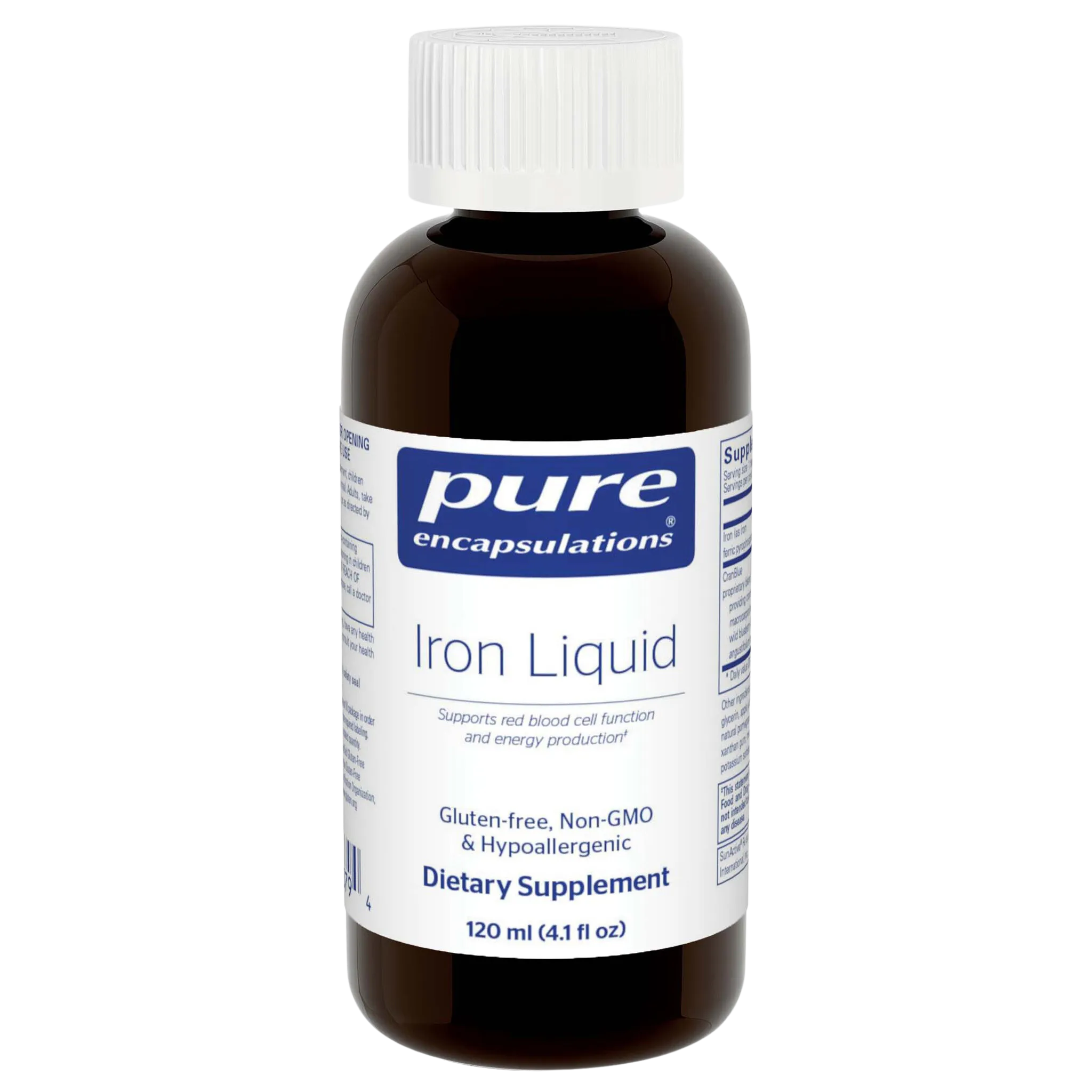
In the search for validating, science-backed management strategies, understanding the intricate relationship between iron, autonomic function, and cellular energy is paramount. Iron is not merely a building block for blood; it is a fundamental catalyst for life, driving oxygen transport, neurotransmitter synthesis, and microvascular health. However, traditional iron supplements are notorious for causing severe gastrointestinal distress and poor absorption, leaving many patients frustrated. This is where advanced formulations, such as Pure Encapsulations Iron Liquid, come into play. By combining highly bioavailable, micronized iron with antioxidant-rich berry extracts, this specific formulation offers a targeted approach to supporting healthy hemoglobin, restoring blood volume, and protecting the delicate endothelial lining of our blood vessels.
TL;DR
Iron dysregulation is a key driver of fatigue and autonomic dysfunction in Long COVID and POTS.
Traditional iron supplements often cause GI distress, but micronized forms offer better absorption and tolerability.
Restoring iron levels supports cellular energy production, blood volume expansion, and microvascular health.
Always consult a healthcare provider for a complete iron panel before starting supplementation.
What is Iron Liquid?
The Foundation of Oxygen Transport and Storage
Iron is an essential trace mineral that plays an indispensable role in almost every biological process in the human body, most notably in the transport and utilization of oxygen. At the molecular level, iron is the central atom in the heme group, a complex ring-like structure found in hemoglobin—the protein inside red blood cells responsible for carrying oxygen from the lungs to every tissue in the body. Without adequate iron, the body cannot synthesize enough hemoglobin, leading to a state of cellular hypoxia where tissues are literally starved of oxygen. This oxygen deprivation is a primary driver of the profound, debilitating fatigue experienced by many individuals with chronic, complex illnesses. Furthermore, iron is equally critical for the formation of myoglobin, a specialized protein that stores oxygen directly within muscle cells, ensuring that skeletal and cardiac muscles have a ready supply of oxygen during physical exertion.
Beyond oxygen transport, iron is a non-negotiable cofactor in the mitochondrial electron transport chain (ETC), the cellular machinery responsible for producing adenosine triphosphate (ATP), the energy currency of the cell. Within the mitochondria, iron-sulfur clusters are embedded in Complex I, Complex II, and Complex III, while heme iron is a structural component of the cytochromes in Complex III and Complex IV. As electrons are passed down this chain, these iron-dependent complexes pump protons across the mitochondrial membrane, creating the electrochemical gradient necessary for ATP synthesis. When intracellular iron levels drop, this entire energy-producing assembly line slows down, resulting in a catastrophic drop in cellular energy output. This biochemical bottleneck explains why iron deficiency can cause severe physical and cognitive exhaustion long before clinical anemia is diagnosed.
The Innovation of SunActive Fe and CranBlue Extract
While the biological importance of iron is clear, delivering it effectively into the body has historically been a significant clinical challenge. Traditional iron supplements, such as ferrous sulfate, are highly reactive and often cause severe gastrointestinal irritation, nausea, and constipation. Pure Encapsulations Iron Liquid utilizes a proprietary, advanced form of iron known as SunActive® Fe (iron ferric pyrophosphate). Standard ferric pyrophosphate is water-insoluble and poorly absorbed, but SunActive Fe employs a sophisticated super-dispersion technology. This process micronizes the iron particles down to an average size of 0.3 micrometers and suspends them in a water-soluble matrix. This micronization dramatically increases the surface area of the iron, allowing it to achieve a high relative bioavailability that mimics ferrous sulfate, but without the harsh gastrointestinal side effects or the metallic taste.
Complementing this advanced iron delivery system is the CranBlue proprietary blend, which provides concentrated extracts of cranberry (Vaccinium macrocarpon) and wild blueberry (Vaccinium angustifolium). These specific berries are exceptionally rich in secondary plant metabolites known as polyphenols, particularly anthocyanins and A-type proanthocyanidins (PACs). In a healthy body, these polyphenols serve as potent antioxidants that protect the delicate microvascular network—the smallest blood vessels and capillaries—from oxidative damage. By neutralizing free radicals and supporting the endothelial lining, these berry extracts work synergistically with iron to ensure that newly oxygenated blood can efficiently navigate the microvasculature and reach the deep tissues that need it most.
How Long COVID and Dysautonomia Impact Iron Status
The Iron Dyshomeostasis Paradox in Post-Viral Illness
In the context of complex chronic conditions like Long COVID and myalgic encephalomyelitis/chronic fatigue syndrome (ME/CFS), the body's relationship with iron becomes profoundly dysregulated. Recent breakthrough research has identified a phenomenon known as "iron dyshomeostasis" or inflammatory anemia as a primary trigger for lingering post-viral symptoms. During an acute infection, such as SARS-CoV-2, the innate immune system initiates an evolutionary defense mechanism by drastically increasing the production of hepcidin, a hormone synthesized in the liver. Hepcidin's primary function is to lower iron levels in the bloodstream by trapping it inside cells (stored as the protein ferritin). The biological intent is to starve the invading pathogen of the iron it needs to replicate. However, in Long COVID, this inflammatory response fails to switch off, creating an ongoing "iron desert" in the blood plasma.
A landmark 2024 study published in Nature Immunology by researchers at the University of Cambridge revealed that this poor iron regulation is visible as early as two weeks post-infection in those who eventually develop Long COVID. In severely affected individuals, serum iron levels remained abnormally low for up to 270 days, while ferritin (iron storage) remained elevated for up to 180 days. This creates a vicious cycle: the blood lacks the free iron necessary to produce healthy red blood cells and transport oxygen, leading to systemic hypoxia, while the trapped iron in the tissues drives continuous oxidative stress and inflammation. This paradoxical state—having low functional iron but high storage iron—is a hallmark of the severe, unremitting fatigue and immune impairment seen in post-viral syndromes.
Low Ferritin and the Pathophysiology of POTS
While Long COVID often presents with high ferritin due to inflammation, another highly prevalent autonomic condition—postural orthostatic tachycardia syndrome (POTS)—is strongly associated with profound, non-anemic iron deficiency (low ferritin). POTS is a form of dysautonomia characterized by an abnormal heart rate increase of at least 30 beats per minute upon standing, accompanied by dizziness, palpitations, and blood pooling in the lower extremities. Up to 70% of POTS patients suffer from hypovolemia, or chronically low blood volume. Because iron is a fundamental building block of red blood cells, a deficiency in iron directly reduces red blood cell mass, severely compounding this volume depletion. When a patient with low blood volume stands up, less blood returns to the heart, prompting the sympathetic nervous system to trigger a reactive, compensatory tachycardia to maintain cardiac output and keep blood flowing to the brain.
The clinical data connecting low ferritin to POTS is striking. A pivotal 2014 study published in Neurology reviewed female patients at an autonomic clinic and found that the mean serum ferritin level in POTS patients was significantly lower (37.1 ng/mL) compared to patients with other autonomic dysfunctions (57.8 ng/mL). Furthermore, patients with a serum ferritin level below 50 ng/mL were found to be 2.8 times more likely to exhibit POTS. This intracellular iron deficiency, driven by the hyperadrenergic (high-adrenaline) state of POTS, also impairs the synthesis of crucial neurotransmitters like dopamine and norepinephrine, exacerbating the brain fog, peripheral neuropathy, and cognitive dysfunction that make living with Long-Term COVID and dysautonomia so incredibly challenging.
Iron Liquid: Supporting Energy, Blood Volume, and Vascular Health
Restoring Red Blood Cell Mass and Autonomic Balance
For individuals living with dysautonomia and POTS, addressing underlying iron deficiency is a critical step in managing orthostatic intolerance. By providing a highly bioavailable source of micronized iron, Iron Liquid directly supports the synthesis of new hemoglobin, which is essential for rebuilding depleted red blood cell mass. As red blood cell volume increases, overall blood volume stabilizes. This physiological improvement may help counteract the hypovolemia that drives POTS symptoms. With adequate blood volume, the heart does not have to work as frantically to pump blood against gravity when a patient transitions from sitting to standing. This can lead to a noticeable reduction in reactive tachycardia, fewer episodes of presyncope (feeling faint), and improved orthostatic tolerance, allowing patients to remain upright for longer periods without triggering a severe symptom flare.
Furthermore, restoring intracellular iron levels helps to normalize the body's production of Nitric Oxide (NO). In states of iron insufficiency, the body often overproduces NO, a potent vasodilator that causes blood vessels to relax excessively. This excessive vasodilation promotes the severe blood pooling in the legs and abdomen that is characteristic of POTS. By correcting the iron deficit, the autonomic nervous system can better regulate vascular tone, ensuring that blood vessels constrict appropriately upon standing to push blood back up to the brain. This mechanism is why many dysautonomia specialists target optimal ferritin levels (often above 40-50 ng/mL) rather than just settling for "normal" hemoglobin levels when managing complex autonomic dysfunction.
Enhancing Mitochondrial ATP Production
At the cellular level, the iron provided by SunActive Fe acts as a direct catalyst for mitochondrial resuscitation. In patients with ME/CFS and Long COVID, profound post-exertional malaise (PEM) is driven by the mitochondria's inability to meet the energy demands of the body. By replenishing the iron-sulfur clusters and heme-dependent cytochromes within the electron transport chain, supplementation helps to clear the biochemical bottlenecks that halt ATP production. When Complex III and Complex IV have the iron they need to function optimally, the mitochondria can efficiently convert glucose and fatty acids into usable cellular energy. This restoration of ATP synthesis is crucial for lifting the heavy, leaden feeling in the limbs and clearing the cognitive exhaustion that defines post-viral fatigue.
Microvascular Support via Berry Polyphenols
The inclusion of the CranBlue proprietary blend elevates this formula from a simple mineral supplement to a comprehensive vascular support tool. The polyphenols found in cranberry and wild blueberry extracts have been shown to directly improve microvascular endothelial function. These compounds activate the redox-sensitive PI3K/Akt signaling pathway in human endothelial cells, which stimulates the production of endothelial nitric oxide synthase (eNOS). This targeted, healthy production of NO helps maintain the flexibility and health of the capillary walls. This robust antioxidant defense helps protect the delicate microvasculature from the systemic oxidative stress and inflammation that are notoriously elevated in mast cell activation syndrome (MCAS) and Long COVID, ensuring that the newly oxygenated red blood cells can successfully deliver their cargo to oxygen-starved tissues.
Symptoms Iron Liquid May Help Manage
Targeted Symptom Relief for Chronic Illness
When incorporated into a comprehensive management plan, highly bioavailable iron combined with microvascular antioxidant support may help alleviate several debilitating symptoms associated with chronic complex conditions. By addressing both cellular energy deficits and hypovolemia, this formulation targets the physiological root causes of these manifestations:
Orthostatic Tachycardia (Racing Heart): By supporting red blood cell mass and expanding blood volume, iron helps reduce the compensatory, rapid heart rate that occurs upon standing in patients with POTS and dysautonomia.
Profound Fatigue and Weakness: Iron is a non-negotiable cofactor for mitochondrial ATP production; restoring iron levels helps clear the biochemical bottlenecks in the electron transport chain, improving baseline cellular energy.
Brain Fog and Cognitive Dysfunction: The brain requires a massive amount of oxygen and energy to function; by improving hemoglobin levels and microvascular blood flow, iron and berry polyphenols support better oxygen delivery to cerebral tissues.
Post-Exertional Malaise (PEM): By supporting healthy myoglobin function in skeletal muscles, iron ensures that muscles have the localized oxygen storage needed to tolerate mild exertion without immediately triggering an anaerobic, lactic-acid-producing state.
Cold Extremities and Poor Circulation: The combination of iron for red blood cell production and CranBlue polyphenols for endothelial health helps improve microvascular circulation, reducing the icy feeling in hands and feet common in dysautonomia.
Dizziness and Presyncope: By stabilizing blood volume and improving vascular tone, adequate iron levels may help prevent the sudden drops in cerebral blood pressure that lead to feeling faint or lightheaded when changing positions.
Practical Considerations: Forms, Dosing, and Absorption
The Bioavailability Advantage of SunActive Fe
When considering iron supplementation, bioavailability—the proportion of the nutrient that enters the circulation and is able to have an active effect—is the most critical factor. Traditional ferrous sulfate is considered the clinical gold standard for absorption, but its high reactivity causes significant issues. SunActive Fe (micronized dispersible ferric pyrophosphate) offers a revolutionary solution. By reducing the iron particles to an average size of 0.3 micrometers and utilizing super-dispersion technology, SunActive Fe transforms a normally insoluble, poorly absorbed iron compound into a highly bioavailable, water-soluble suspension.
GI Tolerability and Optimal Absorption
One of the most significant barriers to recovering from iron deficiency is patient compliance, as traditional iron pills frequently cause severe nausea, stomach pain, and constipation. Because SunActive Fe is based on ferric pyrophosphate, it does not release free iron ions into the stomach in the same abrasive, oxidative manner as ferrous salts. This makes Iron Liquid exceptionally gentle on the gastrointestinal tract, which is particularly important for patients with Long COVID or MCAS who often suffer from concurrent gut permeability or severe GI sensitivities. Furthermore, because it is highly stable against oxidation, it does not have the harsh, metallic taste associated with standard liquid iron supplements, making it highly palatable and easy to incorporate into a daily routine.
Dosing, Timing, and Co-factors
The suggested use for Pure Encapsulations Iron Liquid is 1 teaspoon, 1-2 times daily, with meals, providing 15 mg of elemental iron per serving alongside 30 mg of the CranBlue proprietary blend. To maximize absorption, it is generally recommended to take iron away from calcium supplements, dairy products, and high-tannin beverages like black tea or coffee, as these can bind to iron in the digestive tract and inhibit its uptake. Conversely, taking iron alongside a source of Vitamin C can further enhance its absorption. Because rebuilding red blood cell mass and replenishing deep tissue ferritin stores takes time, patients should expect to take iron consistently for several weeks to months before noticing significant changes in systemic fatigue or orthostatic tolerance. As always, it is crucial to work with a healthcare provider to monitor your ferritin and full iron panel to ensure you are hitting optimal targets without risking iron overload.
Follow the Science
Clinical Trials on SunActive Fe and Bioavailability
The efficacy of SunActive Fe is supported by robust, stable-isotope clinical trials that measure exact absorption rates.
Furthermore, long-term efficacy was demonstrated in a 16-week randomized, double-blind, placebo-controlled study involving 122 women. In this trial, supplementation with SunActive Fe successfully and significantly promoted healthy iron status across multiple hematological markers. The researchers recorded notable, statistically significant improvements in hemoglobin levels, serum ferritin (stored iron), and transferrin saturation compared to the placebo group, proving that the micronized iron effectively replenishes deep tissue stores over time.
Research on Iron Deficiency in POTS and Long COVID
The clinical connection between iron deficiency and dysautonomia is a rapidly expanding area of medical research. Beyond the 2014 Neurology study that found POTS patients had significantly lower ferritin (37.1 ng/mL) than non-POTS patients, pediatric data is equally compelling. A study from Texas Children's Hospital evaluated adolescents with POTS and found that 50% of the POTS patients had low iron storage (ferritin ≤ 25 μg/L), compared to just 14% of the general pediatric population. The severity of this overlap has prompted major medical institutions to take action; for instance, the Mayo Clinic is currently conducting a clinical trial (NCT04855266) to evaluate the efficacy of intravenous iron in patients with POTS and non-anemic iron deficiency, specifically targeting those with ferritin levels below 20 ug/L.
In the realm of post-viral illness, a pivotal 2023 study published in the Journal of Clinical Medicine by Yamamoto et al. investigated 234 Long COVID patients to find biomarkers for those who transitioned into ME/CFS. The study found that serum ferritin levels were independently and significantly altered in these cohorts, highlighting the profound iron dyshomeostasis that occurs post-infection. Additionally, research into the polyphenols found in the CranBlue extract, such as a 12-week randomized controlled trial on highbush blueberry powder, demonstrated a massive 96% higher absolute Flow-Mediated Dilation (FMD), confirming that these specific antioxidants directly improve the microvascular endothelial function that is so often compromised in Long COVID patients.
The Path Forward
Integrating Iron into Your Chronic Illness Toolkit
Living with the unpredictable, invisible symptoms of Long COVID, ME/CFS, and POTS can be an incredibly isolating and frustrating experience. When your heart races simply from standing up, or when a seemingly minor task triggers a profound crash, it is easy to feel betrayed by your own body. It is vital to remember that these symptoms are not in your head; they are rooted in complex, measurable physiological disruptions, including cellular hypoxia, hypovolemia, and iron dyshomeostasis. Validating this reality is the first step toward reclaiming your quality of life. While there is no single miracle cure for these intricate conditions, targeted nutritional support can be a powerful lever in restoring physiological balance.
Supplementing with a highly bioavailable, gentle formulation like Iron Liquid is just one piece of a comprehensive, multifaceted management strategy. It works best when combined with meticulous pacing to avoid post-exertional malaise, adequate hydration and electrolyte intake for blood volume expansion, and ongoing symptom tracking to understand your unique triggers. Because iron metabolism in post-viral conditions can be complex—sometimes presenting as low ferritin in POTS and high ferritin in inflammatory Long COVID—it is absolutely essential to work with a knowledgeable healthcare provider to run a complete iron panel before beginning supplementation. By understanding your specific biomarkers, you can safely and effectively use tools like SunActive Fe to support your cellular energy, rebuild your blood volume, and protect your microvascular health.
Next Steps for Your Health
If you and your healthcare provider have determined that iron supplementation is appropriate for your specific needs, exploring advanced, highly tolerable formulations can make a significant difference in your daily symptom management and overall well-being.