Can Iron-C Support Energy Levels and Oxygen Transport in Long COVID and POTS?
March 5, 2026
IronVitamin CLong COVID
Share:
Disclaimer: The information provided here is for educational purposes only and is not intended as medical advice. It should not be used to diagnose, treat, cure, or prevent any medical condition. Instead, use it as a starting point for discussion with your healthcare provider. Always consult with a qualified healthcare provider before starting any new medication, supplement, device, or making changes to your health regimen.
For many individuals living with complex, chronic conditions, the fatigue they experience is not just a simple tiredness that can be cured with a good night's sleep. It is a heavy, leaden exhaustion—a profound lack of cellular energy that makes even the smallest tasks feel like climbing a mountain. Patients with Long COVID, myalgic encephalomyelitis/chronic fatigue syndrome (ME/CFS), and postural orthostatic tachycardia syndrome (POTS) often describe a sensation of "air hunger," a racing heart upon standing, and a persistent brain fog that clouds their daily lives. While these conditions are deeply complex and multifaceted, emerging medical research is increasingly pointing to a fundamental, often-overlooked piece of the puzzle: iron dysregulation and cellular oxygen transport.
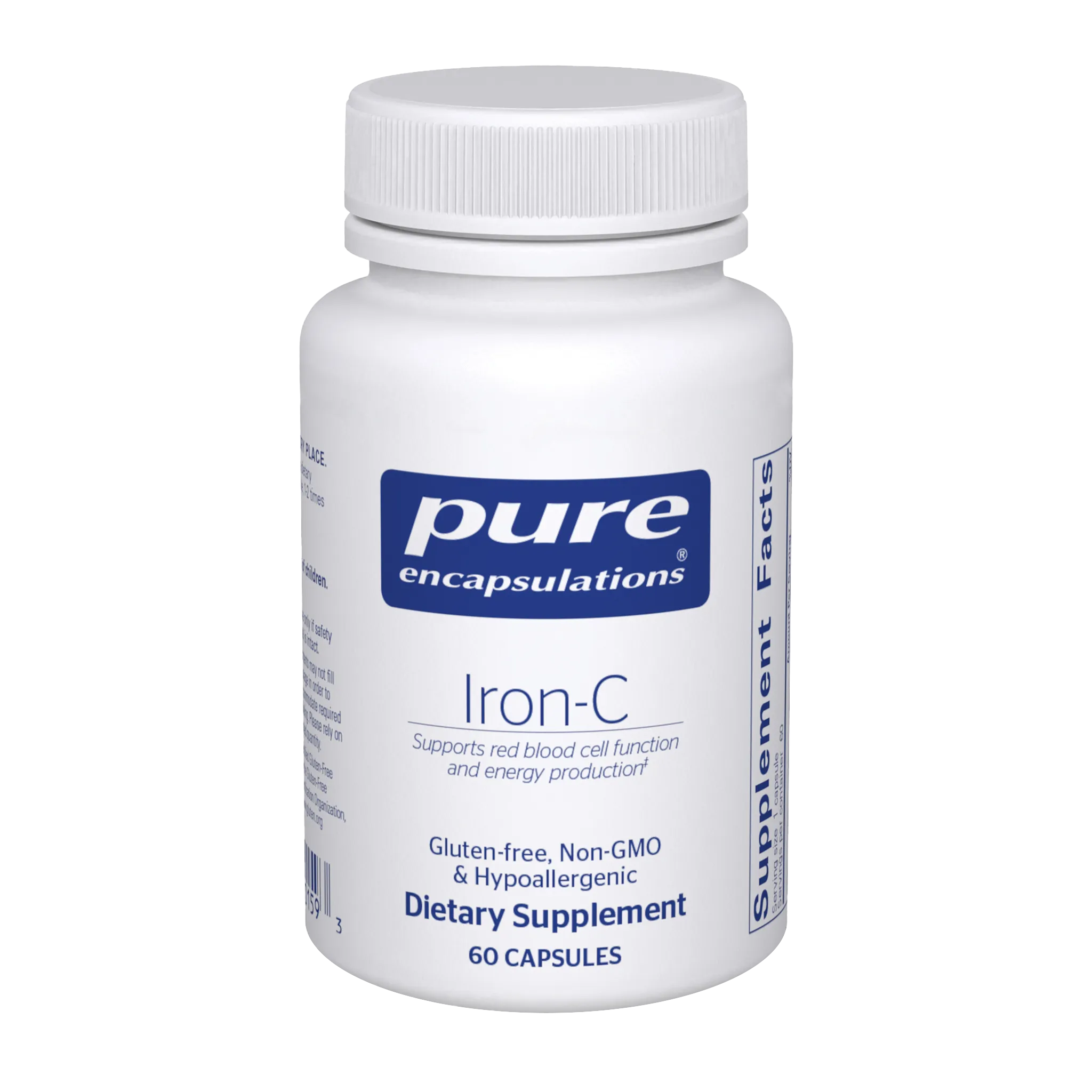
When the body cannot properly utilize or store iron, the entire system suffers. Oxygen delivery falters, mitochondria struggle to produce energy, and the autonomic nervous system goes into overdrive trying to compensate. This is where targeted nutritional support becomes a critical component of a comprehensive management strategy. Iron-C, a specialized formula combining highly bioavailable iron (as iron glycinate and iron aspartate) with vitamin C, is designed to support red blood cell formation, enhance iron absorption, and promote efficient energy production. In this comprehensive guide, we will explore the intricate biochemistry of iron and vitamin C, how chronic illness disrupts these vital pathways, and how carefully formulated supplementation may help patients reclaim their energy and improve their quality of life.
TL;DR
Iron dysregulation and poor cellular oxygen transport are key drivers of fatigue in complex chronic conditions.
Vitamin C enhances iron absorption and supports cellular iron metabolism by stimulating ferritin synthesis.
Chelated iron forms, like iron glycinate, offer better absorption and are gentler on the digestive system.
Targeted nutritional support may help manage symptoms like profound exhaustion, brain fog, and muscle weakness.
What is Iron-C?
The Role of Iron in Oxygen Transport and Cellular Respiration
To understand the profound impact of Iron-C, we must first look at the essential role iron plays in the human body. Iron is a foundational trace mineral required for the synthesis of hemoglobin, the complex protein inside red blood cells that binds to oxygen in the lungs and carries it through the bloodstream to every tissue and organ. Without adequate iron, the body cannot produce enough healthy red blood cells, leading to a state of systemic hypoxia (low oxygen). This lack of oxygen delivery is a primary driver of the debilitating fatigue and shortness of breath often seen in chronic illness. Furthermore, iron is necessary to manufacture myoglobin, a specialized oxygen-binding protein found specifically in muscle tissue. Myoglobin stores oxygen and releases it during periods of physical exertion, initiating the chemical reactions required for muscle contractions and endurance.
Beyond its well-known role in the bloodstream, iron is absolutely critical at the microscopic level within our cells. It is a non-negotiable component of cellular respiration, the process by which our bodies convert food into usable energy. This energy is stored in a molecule called adenosine triphosphate (ATP), which acts as the primary energetic currency for all biological processes. When iron levels are depleted, whether through poor absorption or chronic inflammation, the entire chain of energy production is compromised. This cellular energy crisis is a key factor in why patients with complex conditions experience such profound exhaustion, even when they are resting.
The Mitochondrial Electron Transport Chain
To truly appreciate iron's role in energy production, we must zoom in on the mitochondria, often referred to as the powerhouses of the cell. Inside the inner membrane of the mitochondria lies the electron transport chain (ETC), a series of four protein complexes that pass electrons down a line to generate the electrical gradient needed to create ATP. Iron is a structural and functional requirement for this process. It exists within the ETC in the form of iron-sulfur clusters and heme groups, which act as the actual conduits that shuttle electrons from one complex to the next. Specifically, Complexes I, II, and III rely heavily on these iron-sulfur clusters to function properly.
If the body lacks bioavailable iron, the mitochondria cannot assemble these crucial electron-shuttling clusters. As a result, the electron transport chain stutters and slows down, drastically reducing the amount of ATP the cell can produce. This biochemical bottleneck means that the brain, heart, and skeletal muscles are starved of the energy they need to perform their daily functions. For patients wondering What Causes Long COVID? or ME/CFS fatigue, this mitochondrial dysfunction—driven in part by intracellular iron depletion—is a major area of ongoing medical research. Restoring iron levels is therefore not just about building red blood cells; it is about reigniting the cellular engines that power human life.
Vitamin C: The Master Absorption Enhancer
While iron is essential, it is notoriously difficult for the human body to absorb, particularly in its non-heme form (the type of iron found in plant foods and many standard supplements). This is where vitamin C (ascorbic acid) enters the picture as a powerful, synergistic partner. The absorption of dietary iron primarily occurs in the duodenum, the first part of the small intestine. However, iron must be in a specific chemical state—the ferrous (Fe2+) state—to cross the intestinal lining. Most non-heme iron exists in the oxidized, ferric (Fe3+) state, which is poorly absorbed and tends to precipitate into insoluble compounds as it moves from the acidic stomach into the more alkaline intestine.
Vitamin C acts as a master enhancer of iron absorption through a brilliant dual mechanism. First, in the stomach, vitamin C binds to the ferric iron, forming an ascorbic acid-iron chelate that protects the mineral from precipitating, keeping it soluble and ready for absorption. Second, at the cellular level of the intestinal lining, vitamin C acts as an electron donor for an enzyme called Duodenal Cytochrome b (Dcytb). This enzyme uses the electrons provided by vitamin C to reduce the iron from its poorly absorbed Fe3+ state into its highly absorbable Fe2+ state. Once reduced, a transport protein called Divalent Metal Transporter 1 (DMT1) sweeps the iron into the bloodstream. By combining iron with 175 mg of vitamin C, Iron-C ensures that the mineral is primed for maximum intestinal absorption and cellular utilization.
How Chronic Illness Impacts Iron and Oxygen Transport
Long COVID and the "Iron Desert"
The pathophysiology of Long COVID has puzzled researchers for years, but recent breakthroughs have highlighted a massive disruption in how the body handles iron following a SARS-CoV-2 infection. When the body is invaded by a pathogen, it mounts an immune response that includes a defense mechanism known as "nutritional immunity." Because viruses and bacteria need iron to replicate, the body intentionally pulls iron out of the bloodstream and locks it away in storage proteins like ferritin. This is driven by an inflammatory cytokine called Interleukin-6 (IL-6), which triggers the liver to produce a hormone called hepcidin. Hepcidin effectively shuts down iron absorption in the gut and traps existing iron inside cells, creating what researchers call an "iron desert" in the blood plasma.
In a healthy immune response, this iron desert is temporary. However, in patients who develop Long COVID, chronic inflammation prevents this defense mechanism from shutting off. The body continues to hoard iron, leading to a state of functional iron deficiency, even if the patient's diet is rich in the mineral. Without accessible iron in the blood, the body cannot produce healthy red blood cells, leading to a condition known as anemia of inflammation. This ongoing iron sequestration directly starves the mitochondria of the iron-sulfur clusters they need to make ATP, resulting in the profound, crushing fatigue that characterizes the condition. Understanding this mechanism is crucial for patients learning how to live with long-term COVID, as it explains why their exhaustion feels so deeply physiological.
POTS, Dysautonomia, and Hypovolemia
Postural orthostatic tachycardia syndrome (POTS) and other forms of dysautonomia are heavily impacted by iron status, even in the absence of clinical anemia. A primary driver of POTS symptoms is hypovolemia, or abnormally low blood volume. When a person with POTS stands up, gravity pulls their already-low blood volume down into their lower extremities. The autonomic nervous system panics, triggering a massive release of adrenaline (epinephrine) to force the heart to beat faster (tachycardia) in a desperate attempt to pump blood back up to the brain. This hyperadrenergic state causes palpitations, dizziness, tremors, and presyncope (near-fainting).
When ferritin (iron storage) levels drop, the body struggles to maintain adequate red blood cell mass. Because red blood cells make up a significant portion of total blood volume, low iron directly worsens the hypovolemia that drives POTS. Furthermore, iron is required for the synthesis of neurotransmitters like dopamine and serotonin, which regulate autonomic nervous system function. When iron is depleted, the nervous system becomes more erratic, exacerbating the dysautonomia. This vicious cycle explains why many POTS patients experience a severe worsening of their symptoms when their ferritin levels drop, even if their standard hemoglobin tests appear normal.
ME/CFS and the Cellular Energy Crisis
Myalgic encephalomyelitis/chronic fatigue syndrome (ME/CFS) is characterized by a hallmark symptom known as post-exertional malaise (PEM)—a severe, delayed exacerbation of symptoms following even minor physical or cognitive exertion. For patients wondering Can Long COVID Trigger ME/CFS?, the answer is yes, and the overlap in pathophysiology is striking. In ME/CFS, the body's ability to generate aerobic energy is fundamentally broken. Instead of efficiently using oxygen and iron in the mitochondria to make abundant ATP, the cells are forced to rely on anaerobic glycolysis, an inefficient backup system that produces very little energy and generates toxic byproducts like lactic acid.
Iron depletion plays a significant role in this metabolic failure. Without sufficient iron to supply the electron transport chain, the mitochondria cannot meet the energy demands of the body during exertion. When a patient with ME/CFS attempts to push through their fatigue, their iron-starved cells simply cannot keep up, leading to a metabolic crash. Additionally, the oxidative stress generated by this dysfunctional energy production damages cellular membranes. Vitamin C, a potent antioxidant, is rapidly depleted in ME/CFS patients as the body attempts to neutralize these free radicals. The combined deficiency of iron for energy and vitamin C for antioxidant defense leaves the patient trapped in a cycle of profound exhaustion and cellular damage.
Iron-C: Supporting Oxygenation and Autonomic Function
Restoring Red Blood Cell Mass and Blood Volume
Supplementing with a highly bioavailable formula like Iron-C can provide critical support for patients battling the complex cardiovascular and autonomic symptoms of chronic illness. By supplying the body with easily absorbed iron glycinate and iron aspartate, the supplement directly supports the synthesis of new hemoglobin. As hemoglobin levels rise, the body can produce more healthy, oxygen-rich red blood cells. This increase in red blood cell mass is particularly vital for patients with POTS and dysautonomia, as it helps to gently expand total blood volume. By addressing the underlying hypovolemia, the autonomic nervous system does not have to work as hard to fight gravity, which may help to calm the exaggerated heart rate and reduce the severity of orthostatic intolerance.
Furthermore, improved red blood cell function means that oxygen is delivered more efficiently to the brain and peripheral tissues. Many patients with Long COVID and ME/CFS suffer from cerebral hypoperfusion—a measurable decrease in blood flow and oxygen to the brain when upright. This lack of oxygen is a primary cause of the debilitating brain fog, memory issues, and cognitive dysfunction that plague these communities. By optimizing oxygen transport through targeted iron supplementation, Iron-C supports neurological function, helping to lift the cognitive haze and improve mental clarity.
Bypassing the Iron Desert with Bioavailable Forms
One of the greatest challenges in treating iron deficiency in chronically ill patients is overcoming the "iron desert" created by inflammation. Standard iron supplements, such as ferrous sulfate, rely heavily on the body's natural digestive environment to be absorbed. However, in states of high inflammation, the hormone hepcidin blocks standard absorption pathways, leaving the iron to sit in the gut where it causes severe gastrointestinal distress. Iron-C utilizes chelated forms of iron—iron glycinate and iron aspartate. In these forms, the iron molecule is bound to amino acids, which protects it through the harsh environment of the stomach and allows it to be absorbed through different, more efficient cellular pathways in the intestines.
This advanced bioavailability means that the body can successfully absorb the iron even when traditional pathways are compromised by chronic illness. Once absorbed, this bioavailable iron can be shuttled directly to the mitochondria. Here, it is utilized to rebuild the critical iron-sulfur clusters within the electron transport chain. By restoring the physical infrastructure of the mitochondria, Iron-C supports the resumption of efficient aerobic energy production. Over time, this cellular repair can help to raise the patient's energetic baseline, reducing the frequency and severity of post-exertional malaise (PEM) and alleviating the crushing, leaden fatigue that makes daily life so difficult.
Vitamin C's Dual Role in Cellular Health
The inclusion of 175 mg of vitamin C in the Iron-C formula does more than just enhance intestinal absorption; it provides independent, vital support for patients with complex chronic conditions. In conditions like mast cell activation syndrome (MCAS), which frequently overlaps with Long COVID and POTS, the immune system is highly reactive and constantly releasing inflammatory mediators like histamine. Vitamin C modulates iron metabolism by stimulating ferritin synthesis and decreasing cellular iron efflux, providing a gentle, natural way to support cellular iron regulation.
Additionally, chronic illness places the body under immense oxidative stress. When mitochondria are dysfunctional, they leak reactive oxygen species (free radicals) that damage surrounding tissues and DNA. Vitamin C is one of the body's most potent intracellular antioxidants. It scavenges these free radicals, neutralizing them before they can cause harm. By pairing vitamin C with iron, the Iron-C formula ensures that as the mitochondria ramp up their energy production, the cells are simultaneously protected from oxidative damage. This synergistic approach not only maximizes the utility of the iron but also supports overall cellular resilience and longevity.

Symptoms Iron-C May Help Manage
Based on the clinical mechanisms of iron and vitamin C, supplementing with Iron-C may help manage several debilitating symptoms associated with complex chronic conditions:
Debilitating Fatigue and PEM: By supplying the essential iron required to build mitochondrial iron-sulfur clusters, Iron-C supports the electron transport chain, helping to restore efficient ATP (energy) production and potentially raising the threshold for post-exertional malaise.
Tachycardia and Palpitations (POTS): Adequate iron levels are necessary to maintain red blood cell mass. By supporting healthy blood volume, iron helps reduce the hypovolemia that triggers the autonomic nervous system to dangerously spike the heart rate upon standing.
Brain Fog and Cognitive Dysfunction: Iron is crucial for hemoglobin synthesis. More hemoglobin means better oxygen delivery to the brain, which can help alleviate the cerebral hypoxia that causes memory lapses, confusion, and difficulty concentrating.
Shortness of Breath (Air Hunger): Patients often feel they cannot get enough air, a symptom driven by poor oxygen transport. Supporting red blood cell function ensures that the oxygen breathed into the lungs is actually delivered to starving tissues.
Muscle Weakness and Heavy Limbs: Iron is required to manufacture myoglobin, the protein that stores oxygen in muscle tissue. Replenishing iron stores supports muscle endurance and reduces the sensation of having "lead weights" attached to the limbs.
Cellular Iron Regulation: The vitamin C in the formula acts as a natural antioxidant and supports cellular iron metabolism by stimulating ferritin synthesis and decreasing cellular iron efflux.
It is important to remember that while nutritional support is powerful, symptoms in conditions like Long COVID and ME/CFS often fluctuate. Patients frequently ask, Do Long COVID Symptoms Come and Go?, and the reality is that recovery is rarely linear. Supplements like Iron-C are designed to provide foundational support to help stabilize these unpredictable symptom flares over time.
Practical Considerations: Forms, Dosing, and Absorption
Iron Bisglycinate vs. Iron Sulfate
When considering an iron supplement, the chemical form of the mineral is arguably the most important factor. Historically, doctors have prescribed ferrous sulfate as the first-line treatment for iron deficiency. However, ferrous sulfate is an inorganic salt that breaks down easily in the stomach. This leaves the raw iron exposed, where it can irritate the gastric lining and bind with dietary inhibitors like phytates (found in grains) and tannins (found in tea and coffee), preventing it from being absorbed. The unabsorbed iron then travels down the digestive tract, causing notorious side effects such as severe nausea, abdominal cramping, and constipation. For patients with dysautonomia who already suffer from gastrointestinal dysmotility, these side effects are often intolerable.
Iron-C bypasses these issues by utilizing iron glycinate (also known as iron bisglycinate) and iron aspartate. In these chelated forms, the iron is securely bound to amino acids. This molecular structure protects the iron from being broken down in the stomach and prevents it from interacting with dietary inhibitors. Because it is absorbed so efficiently in the intestines, very little iron is left behind to irritate the gut. This results in a drastically lower rate of gastrointestinal side effects, making it a vastly superior option for patients with sensitive digestive systems.
Optimal Lab Ranges and Ferritin Testing
Before starting any iron supplement, it is critical to undergo proper laboratory testing. Many patients are told their iron levels are "normal" because their hemoglobin falls within standard reference ranges. However, this only rules out full-blown anemia; it does not rule out absolute iron deficiency. Dysautonomia specialists emphasize the importance of checking a full iron panel, with a specific focus on serum ferritin, which measures the body's deep iron stores. Standard lab ranges for ferritin are incredibly broad, often ranging from 16 to 150 ng/mL.
For patients with POTS, ME/CFS, or Long COVID, surviving at the bottom of the "normal" range is often not enough to support autonomic function. Many leading specialists suggest that a ferritin level under 30 ng/mL represents absolute iron deficiency, and they often target an optimal ferritin range of 75 to 100 ng/mL to fully resolve orthostatic symptoms. It is essential to work with a healthcare provider who understands how to interpret these nuanced biomarkers, especially since chronic inflammation can sometimes falsely elevate ferritin levels. A comprehensive evaluation ensures that supplementation is both safe and targeted to your specific biological needs.
Timing, Diet, and Potential Interactions
To maximize the benefits of Iron-C, timing and dietary habits play a crucial role. While the chelated iron in this formula is highly resistant to dietary inhibitors, it is generally recommended to take iron supplements on an empty stomach (at least one hour before or two hours after meals) to achieve absolute peak absorption. However, if you have an extremely sensitive stomach, the gentle nature of iron glycinate allows it to be taken with a small amount of food without drastically compromising its efficacy. The built-in vitamin C (175 mg) acts as a powerful absorption booster, eliminating the need to take the supplement with a glass of orange juice, as is often recommended with older iron pills.
Patients must also be mindful of potential interactions. Calcium is a well-known inhibitor of iron absorption; therefore, Iron-C should not be taken at the same time as calcium supplements, dairy products, or calcium-fortified antacids. Additionally, iron can interfere with the absorption of certain medications, including thyroid hormone replacement therapy (levothyroxine) and certain classes of antibiotics (like tetracyclines and fluoroquinolones). Always separate iron supplements from these medications by at least two to four hours, and consult your pharmacist or prescribing doctor to establish a safe and effective dosing schedule.

Follow the Science
Clinical Data on POTS and Ferritin Levels
The connection between autonomic dysfunction and iron storage has been heavily documented in clinical literature, validating the experiences of countless dysautonomia patients. A landmark retrospective study published in 2013 by researchers at Texas Children's Hospital evaluated adolescents presenting with orthostatic intolerance and suspected POTS.
These findings have been echoed in adult populations as well. Research from Boston University Medical Center investigating postural tachycardia syndrome associated with ferritin deficiency found that the average ferritin level in adult POTS patients was significantly lower than in non-POTS control patients. This robust body of evidence has led leading dysautonomia clinics to routinely screen for non-anemic iron deficiency, recognizing that replenishing ferritin stores is a critical, non-pharmacological intervention for stabilizing heart rate and improving orthostatic tolerance.
The Groundbreaking Long COVID Iron Studies
In the realm of post-viral illness, recent research has fundamentally shifted how we understand fatigue. A major 2024 study published in Nature Immunology by researchers at the University of Cambridge and Oxford analyzed blood samples from over 200 individuals for a full year following their initial COVID-19 infection. The researchers discovered that iron dysregulation and persistent inflammation were detectable as early as two weeks post-infection in the individuals who eventually developed Long COVID. This disruption occurred independently of the severity of the acute infection, proving that the virus triggers a long-term "iron desert" that starves the body of energy.
Further research published in 2025 highlighted the compounding factors that exacerbate this iron crisis. A collaborative study analyzing over 12,000 UK women found that Long COVID is linked to heavier, longer menstrual periods. This dual hit—viral-induced iron sequestration combined with increased physical blood loss—puts menstruating patients at a severe risk for profound iron deficiency. These studies validate the extreme fatigue reported by patients and underscore the necessity of targeted, highly absorbable iron supplementation to overcome the inflammatory blocks and restore cellular energy production.
The Superiority of Chelated Iron and Vitamin C in Trials
The scientific consensus heavily favors the specific ingredients found in the Iron-C formula. A comprehensive 2023 systematic review and meta-analysis evaluated the efficacy and tolerability of ferrous bisglycinate compared to traditional iron salts.
Additionally, the mechanism by which vitamin C enhances iron absorption has been proven at the atomic level. A groundbreaking 2018 structural study utilizing X-ray crystallography revealed exactly how vitamin C cooperates with the duodenal enzyme Dcytb to reduce iron into its absorbable state. The researchers proved that vitamin C structurally stabilizes the metal ion's bond to the transport enzymes, dramatically promoting the absorption of non-heme iron. This precise biochemical synergy is what makes the combination of iron and vitamin C in a single capsule so clinically effective.
The Path Forward
Comprehensive Symptom Management
Living with a complex chronic condition is an exhausting, unpredictable journey. If you are struggling with the heavy, leaden fatigue of Long COVID, the racing heart of POTS, or the severe post-exertional crashes of ME/CFS, it is vital to know that your symptoms are real, physiological, and rooted in complex biology. While there is no single miracle cure for these conditions, targeted nutritional support can be a powerful tool in your management arsenal. By addressing foundational issues like cellular oxygen transport and mitochondrial energy production, supplements like Iron-C can help stabilize your baseline and improve your daily quality of life.
However, supplementation is just one piece of a much larger puzzle. Managing chronic illness requires a holistic approach that includes aggressive pacing to avoid PEM, careful symptom tracking, nervous system regulation, and adequate hydration and sodium intake for dysautonomia. For patients navigating the diagnostic process, understanding How Does a Doctor Diagnose Long COVID? is an important step in building a comprehensive care plan. Combining smart supplementation with these lifestyle management strategies offers the best path forward for reclaiming your energy and autonomy.
Consulting Your Care Team
Because iron is a heavy metal that the body cannot easily excrete, it is incredibly important not to supplement blindly. Excess iron can accumulate in the organs and cause dangerous toxicity. Always consult with your primary care physician or a dysautonomia specialist before adding iron to your regimen. Request a full iron panel, including serum ferritin, TIBC, and iron saturation, to establish your baseline and determine the appropriate dosage for your specific needs. Your doctor can help you monitor your levels over time to ensure you are safely reaching your optimal targets.
If you and your healthcare provider determine that your oxygen transport and cellular energy pathways need support, consider exploring high-quality, bioavailable options that won't disrupt your digestive system. Explore Iron-C to learn more about how this specialized combination of chelated iron and vitamin C can support your red blood cell function and help you fight back against the fatigue of chronic illness.
Sources
News Medical. (2024). Iron dysregulation linked to Long Covid development.
Tech Explorist. (2024). Iron deficiency from infection may trigger long COVID.
The Guardian. (2025). Long Covid linked to heavier periods and risk of iron deficiency.
Standing Up To POTS. (n.d.). Clinical Testing for Nutrient Imbalances.
National Center for Biotechnology Information. (2023). Biochemistry, Iron Absorption. StatPearls.