Can High-Dose Iodine and Selenium Support Thyroid Function in Long COVID and ME/CFS?
March 6, 2026
IodineSeleniumLong COVID
Share:
Disclaimer: The information provided here is for educational purposes only and is not intended as medical advice. It should not be used to diagnose, treat, cure, or prevent any medical condition. Instead, use it as a starting point for discussion with your healthcare provider. Always consult with a qualified healthcare provider before starting any new medication, supplement, device, or making changes to your health regimen.
Months or even years after recovering from an initial viral infection, many individuals find themselves fighting a relentless battle against debilitating symptoms like profound fatigue, brain fog, and severe cold intolerance. For patients navigating complex chronic conditions such as Long COVID, Myalgic Encephalomyelitis/Chronic Fatigue Syndrome (ME/CFS), and dysautonomia, these symptoms often perfectly mimic clinical hypothyroidism. Yet, when they undergo routine blood tests, their thyroid results frequently return completely normal, leaving them frustrated and searching for answers in a medical system that relies heavily on standard reference ranges.
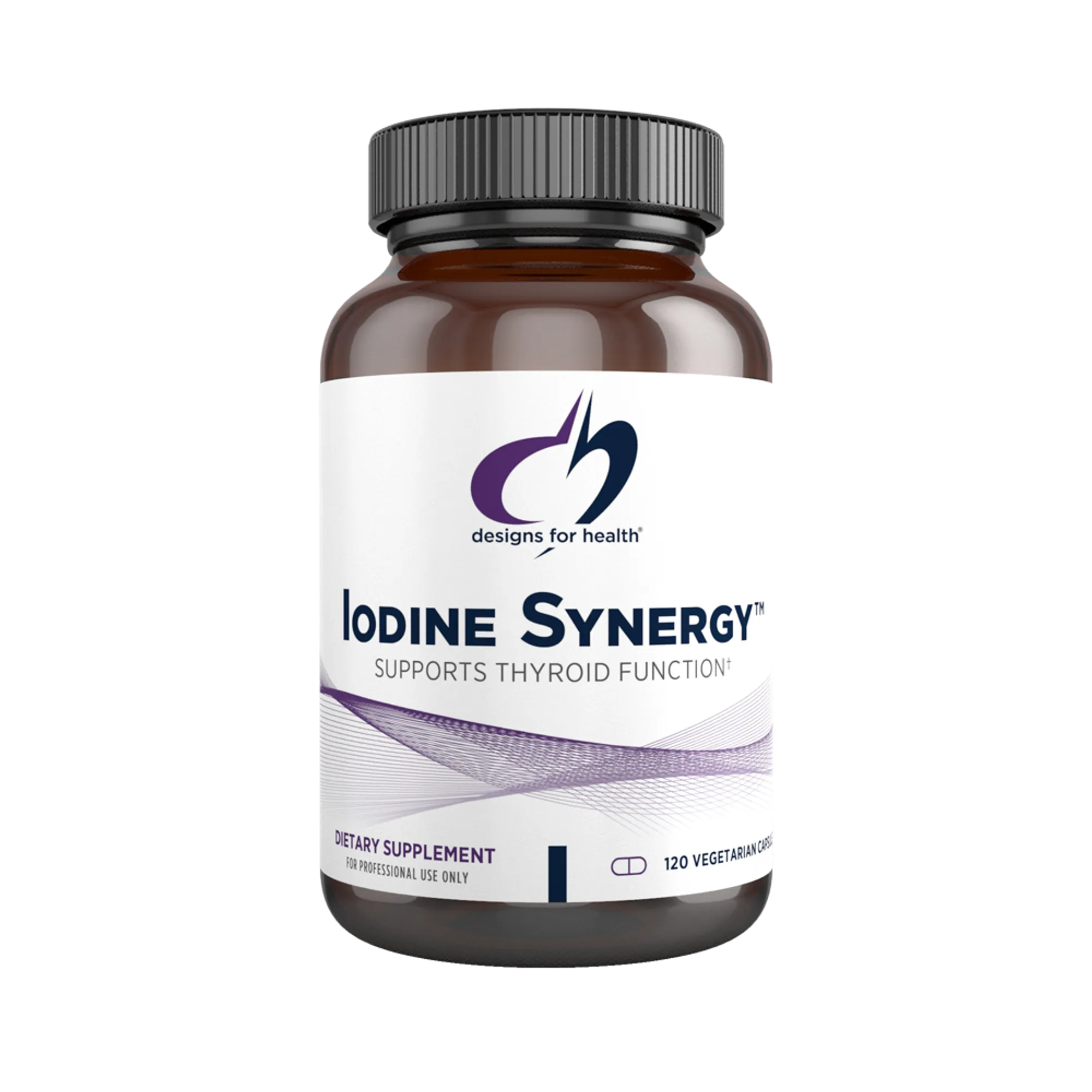
The emerging science of post-viral illness is finally shedding light on this frustrating paradox, revealing that the problem often lies not in the thyroid gland itself, but in how the body's cells convert and utilize thyroid hormones under chronic immune stress. This is where the profound biochemical relationship between iodine and selenium takes center stage. Iodine Synergy™ by Designs for Health offers a highly targeted, high-potency formulation of potassium iodide and selenomethionine designed to address these complex metabolic roadblocks. By providing the essential structural fuel for hormone synthesis alongside the specific organic catalyst required for cellular activation, this supplement aims to restore metabolic equilibrium from the cellular level up.
TL;DR
Chronic illnesses can cause cellular hypothyroidism, where tissues lack active thyroid hormone despite normal blood tests.
Iodine and selenium work synergistically to support thyroid hormone production and cellular activation.
Iodine Synergy™ provides targeted nutrients that may help manage fatigue, brain fog, and metabolic symptoms.
Always consult a healthcare provider before starting high-dose iodine therapy due to potential thyroid risks.
What is Iodine Synergy™?
The Structural Role of Iodine in Hormone Synthesis
The thyroid gland serves as the master regulator of the human body's metabolic rate, dictating energy production, temperature control, and cellular function across virtually every organ system. To perform this massive physiological task, the thyroid relies entirely on specific nutritional building blocks, primarily iodine. Dietary iodine is absorbed into the bloodstream as iodide and is actively pulled into the thyroid gland via a specialized cellular pump known as the sodium-iodide symporter (NIS). Once inside the delicate thyroid follicles, an enzyme called Thyroid Peroxidase (TPO) oxidizes the iodide into active iodine. This active iodine is then bound to a large protein called thyroglobulin, creating the foundational thyroid hormones: thyroxine (T4), which contains four iodine atoms, and triiodothyronine (T3), which contains three.
However, this intricate hormone synthesis process comes with a significant and dangerous biological cost. The oxidation of iodide by the TPO enzyme inherently generates massive amounts of hydrogen peroxide (H2O2) as a metabolic byproduct. Hydrogen peroxide is a highly reactive oxygen species (ROS) that can cause severe oxidative stress and cellular damage if left unchecked. In a healthy, well-nourished thyroid gland, this oxidative stress is carefully managed and neutralized. But when specific nutritional deficiencies occur, this naturally occurring hydrogen peroxide can begin to destroy the very thyroid tissue that created it, leading to localized inflammation, tissue necrosis, and the initiation of autoimmune cascades.
Selenium’s Role as the Master Catalyst and Protector
This is exactly where selenium enters the biochemical picture, acting as the ultimate protector and catalyst for the entire endocrine system. The thyroid contains the highest concentration of selenium per gram of tissue of any organ in the human body, underscoring its absolute critical importance. Selenium functions by being incorporated into specialized, highly active proteins known as selenoproteins. Among these, the most crucial for thyroid health are the glutathione peroxidase (GPx) enzymes. Glutathione peroxidase acts as a powerful, localized antioxidant defense system, specifically targeting the toxic hydrogen peroxide generated during iodine oxidation and safely neutralizing it into water, thereby protecting the thyroid cells from destroying themselves.
Beyond its protective antioxidant role, selenium is the absolute master key for thyroid hormone activation. While the thyroid gland primarily produces T4, this hormone is biologically inactive and cannot be used by the body's cells to generate ATP (cellular energy). To become active, T4 must be converted into T3 by having one specific iodine atom removed at the cellular level. This delicate conversion process is entirely controlled by a family of selenium-dependent enzymes known as iodothyronine deiodinases (specifically DIO1 and DIO2). Without adequate selenium, these deiodinase enzymes cannot be synthesized, and the body's ability to activate its own thyroid hormones grinds to a complete halt, regardless of how much T4 the thyroid produces.
The Biochemical Synergy of the Thyroid Gland
The relationship between iodine and selenium is one of the most critical and delicate synergistic dependencies in human endocrinology. Iodine acts as the essential structural fuel, driving the production of thyroid hormones and inherently creating oxidative stress in the process. Selenium acts as the essential biological brake and catalyst, neutralizing that oxidative stress to help prevent tissue damage while simultaneously activating the hormones so the body can actually use them. Supplementing high doses of iodine without sufficient selenium leaves the thyroid highly vulnerable to oxidative damage, which is a primary biochemical trigger for autoimmune conditions like Hashimoto’s thyroiditis.
Conversely, correcting a selenium deficiency without addressing an underlying iodine deficiency can actually accelerate clinical hypothyroidism. If a patient takes selenium alone, the newly activated deiodinase enzymes will rapidly convert what little T4 exists into T3, aggressively depleting the body's remaining iodine stores. Therefore, a balanced, synergistic intake of both minerals is a physiological prerequisite for supporting thyroid health, maintaining systemic metabolic health, and ensuring that the cellular engines of the body have the active hormones they need to function optimally.
How Long COVID and ME/CFS Impact Thyroid Function
Viral Infection and the Hypothalamic-Pituitary-Thyroid Axis
SARS-CoV-2, the virus responsible for COVID-19, has been shown to have a profound, multi-systemic impact that extends far beyond the respiratory tract, heavily infiltrating the endocrine system. The thyroid gland highly expresses Angiotensin-Converting Enzyme 2 (ACE2) receptors and TMPRSS2, which are the exact cellular doorways the virus uses to enter and infect human cells. This direct viral infiltration can cause subacute thyroiditis, an acute inflammation of the thyroid gland that disrupts its normal architecture and hormone-producing capabilities. For many patients, this acute viral damage sets the stage for long-term endocrine dysregulation, contributing significantly to the complex clinical picture of Long COVID. To understand more about the origins of these lingering symptoms, you can read our detailed breakdown on What Causes Long COVID?.
Following the initial infection, the body frequently enters a state of chronic, low-grade inflammation characterized by elevated cytokines like Interleukin-6 (IL-6). This systemic inflammatory response can trigger a condition known as Non-Thyroidal Illness Syndrome (NTIS), which profoundly alters how the body metabolizes thyroid hormones. In NTIS, the communication between the brain and the thyroid—known as the Hypothalamic-Pituitary-Thyroid (HPT) axis—becomes suppressed. The brain senses the chronic immune stress and deliberately down-regulates thyroid function to conserve energy, resulting in a complex metabolic hibernation state that leaves patients struggling with debilitating fatigue and cognitive impairment long after the acute virus has cleared.
Tissue-Level Hypothyroidism and the Reverse T3 Trap
For decades, patients living with Myalgic Encephalomyelitis/Chronic Fatigue Syndrome (ME/CFS) have reported a constellation of symptoms that perfectly mimic clinical hypothyroidism, including profound fatigue, severe cold intolerance, cognitive slowing, and widespread muscle aches. However, when these patients undergo routine blood tests to check their Thyroid-Stimulating Hormone (TSH) levels, the results almost always return within the normal reference range, leading many conventional practitioners to mistakenly rule out thyroid dysfunction. Recent breakthroughs in endocrine research have finally identified why this frustrating clinical paradox occurs, revealing a phenomenon known as "tissue-level" or "cellular" hypothyroidism.
Under conditions of chronic immune stress, viral persistence, and systemic inflammation—hallmarks of both ME/CFS and Long COVID—the body fundamentally alters its enzymatic pathways. Instead of using the selenium-dependent DIO1 and DIO2 enzymes to convert inactive T4 into the energy-producing active T3 hormone, the body shunts the T4 toward the DIO3 pathway. This alternative pathway converts T4 into "reverse T3" (rT3), an inactive metabolic byproduct that physically blocks T3 receptors on the cells. Consequently, while the thyroid gland may be producing normal amounts of hormone and the blood work looks fine, the body's actual tissues, muscles, and brain cells are starved of active thyroid hormone, trapped in a state of severe energy depletion.
The SELENOP Autoantibody Breakthrough in ME/CFS
The connection between ME/CFS, Long COVID, and disrupted thyroid conversion was further illuminated by a groundbreaking 2023 study focusing on selenium transport mechanisms. Researchers discovered that a significant subset of ME/CFS patients possess elevated autoantibodies against a specific protein called SELENOP. SELENOP is the primary transporter responsible for carrying selenium through the bloodstream and delivering it into the body's cells. When autoantibodies attack and neutralize this transporter, selenium cannot enter the cells, completely crippling the intracellular deiodinase enzymes that rely on selenium to convert T4 to T3.
This autoimmune blockade creates a localized, cellular selenium deficiency, even if the patient is consuming adequate selenium in their daily diet. The resulting inability to produce active T3 at the tissue level creates a localized state of "hypothyroidism of the muscle" and brain, directly contributing to the severe post-exertional malaise (PEM) and brain fog that define these complex chronic illnesses. This discovery highlights the intricate ways in which post-viral immune dysregulation can sabotage metabolic function. For more information on how viral triggers overlap with these conditions, explore our article on Can Long COVID Trigger ME/CFS? Unraveling the Connection.
Iodine Synergy™: Supporting Thyroid and Metabolic Health
Fueling the Sodium-Iodide Symporter and T4 Production
Iodine Synergy™ is meticulously formulated to address the complex biochemical needs of the thyroid gland, providing a substantial 10,000 mcg (10 mg) of iodine in the form of potassium iodide. This high-potency dose is designed to fully saturate the sodium-iodide symporter (NIS), ensuring that the thyroid gland has an abundant, uninterrupted supply of the structural building blocks required for hormone synthesis. By providing a robust supply of iodide, this formulation supports the optimal function of the Thyroid Peroxidase (TPO) enzyme, allowing it to efficiently oxidize and bind iodine to thyroglobulin, thereby maximizing the production of the foundational T4 prohormone.
In the context of chronic illnesses like Long COVID and dysautonomia, where the body is under immense physiological stress, ensuring adequate structural fuel for the endocrine system is paramount. When the thyroid is starved of iodine, it physically enlarges in a desperate attempt to trap more of the scarce mineral from the bloodstream, leading to goiter and structural degradation. By supplying a pharmacologic dose of potassium iodide, Iodine Synergy™ helps maintain the structural integrity and resilience of the thyroid gland, helping to prevent the compensatory hypertrophy that can occur during prolonged periods of metabolic demand and systemic inflammation.
Activating Deiodinase Enzymes for T4 to T3 Conversion
The true clinical power of Iodine Synergy™ lies in its inclusion of 40 mcg of selenium in the highly bioavailable form of selenomethionine. As established, producing T4 is only the first step in the metabolic equation; the hormone must be converted to active T3 to be utilized by the cells. The selenomethionine in this formula acts as the direct biological precursor to the iodothyronine deiodinase enzymes (DIO1 and DIO2). By supplying this essential organic selenium, the supplement actively "turns on" the enzymatic machinery required to strip the necessary iodine atom from T4, facilitating the crucial conversion process that brings active energy to the body's tissues.
This targeted support for T4 to T3 conversion is especially critical for patients trapped in the "reverse T3" cycle commonly seen in ME/CFS and Long COVID. By bolstering the selenium-dependent DIO1 and DIO2 pathways, the body is better equipped to push thyroid hormone metabolism toward the production of active, energy-yielding T3, rather than shunting it toward the inactive rT3 metabolite. This biochemical shift helps alleviate the cellular hypothyroidism that drives profound fatigue, helping to restore a more normal metabolic rate and improving the efficiency of mitochondrial energy production across all organ systems.
Glutathione Peroxidase and Antioxidant Defense
Beyond hormone activation, the synergistic pairing of high-dose iodine with selenomethionine provides a vital, non-negotiable layer of antioxidant protection for the thyroid gland. Because the 10,000 mcg dose of iodine will significantly increase the activity of the TPO enzyme and subsequently generate high levels of hydrogen peroxide (H2O2) during hormone synthesis, the thyroid requires an equally robust antioxidant defense to help prevent tissue necrosis. The selenomethionine directly fuels the production of glutathione peroxidase (GPx), the specific antioxidant enzyme responsible for neutralizing this localized oxidative stress.
By ensuring that glutathione peroxidase levels remain optimal, Iodine Synergy™ protects the delicate thyroid follicles from being damaged by their own metabolic byproducts. This protective mechanism is the primary reason why iodine and selenium must be supplemented together; it helps prevent the oxidative damage that can trigger the leakage of autoantigens into the bloodstream, thereby mitigating the risk of inducing or exacerbating autoimmune conditions like Hashimoto’s thyroiditis. This careful biochemical balancing act allows patients to reap the benefits of high-dose iodine therapy while minimizing the associated risks of glandular inflammation.
Beyond the Thyroid: Breast and Prostate Tissue Health
While the thyroid gland is the most famous consumer of iodine, it is not the only tissue that relies heavily on this vital mineral. Breast tissue and prostate tissue also express the sodium-iodide symporter (NIS) and actively concentrate iodine from the bloodstream. In these tissues, iodine does not make metabolic hormones; instead, it acts as a powerful, localized antioxidant and anti-proliferative agent. Clinical research has demonstrated that high-dose iodine supplementation can help maintain the healthy cellular architecture of breast tissue, reducing the swelling, pain, and cyst formation associated with fibrocystic breast disease.
Similarly, the prostate gland utilizes iodine to maintain cellular health and regulate normal growth cycles. By providing a systemic, high-potency dose of 10,000 mcg, Iodine Synergy™ ensures that there is enough iodine available to satisfy the demands of the thyroid gland while leaving an abundant surplus to saturate and protect these secondary target tissues. This whole-body approach to iodine sufficiency supports comprehensive endocrine and reproductive health, addressing the widespread, systemic needs of the body that are often overlooked by standard, low-dose nutritional guidelines.
Symptoms Iodine Synergy™ May Help Manage
Targeted Symptom Relief for Complex Conditions
When the delicate balance of thyroid hormone production and conversion is disrupted by chronic illness, the resulting symptoms can be widespread, debilitating, and incredibly difficult to manage. Because thyroid hormones dictate the metabolic rate of virtually every cell in the body, cellular hypothyroidism manifests across multiple organ systems simultaneously. Iodine Synergy™ is designed to address the root biochemical deficiencies that drive these symptoms, providing targeted support for patients navigating the complexities of Long COVID, ME/CFS, and dysautonomia. If you are currently navigating the diagnostic process for these conditions, you may find our guides on How Does a Doctor Diagnose Long COVID? and What Are the Symptoms of Long COVID? helpful.
By supplying the essential building blocks for hormone synthesis and the catalysts required for cellular activation, this synergistic formulation helps restore metabolic equilibrium. The following is a detailed breakdown of the specific symptoms that optimized iodine and selenium levels may help manage, and the biochemical reasons why this targeted nutritional intervention can make a clinical difference.
Key Symptoms Addressed by Thyroid Optimization
Profound Fatigue and Post-Exertional Malaise (PEM): By supporting the selenium-dependent conversion of T4 to active T3, this supplement helps ensure that the mitochondria have the hormonal signaling required to produce ATP (cellular energy). This can help alleviate the crushing, systemic fatigue and delayed recovery times characteristic of PEM.
Brain Fog and Cognitive Slowing: The brain relies heavily on localized Type 2 Deiodinase (DIO2) enzymes to convert T4 to T3 for neurological function. Optimizing selenium levels supports this localized conversion, helping to clear the cognitive sluggishness, memory issues, and lack of focus frequently reported by Long COVID patients.
Cold Intolerance and Temperature Dysregulation: Active T3 hormone is the primary driver of basal metabolic rate and thermogenesis (heat production). By restoring active T3 levels at the cellular level, the body can better regulate its internal temperature, reducing the severe cold intolerance and poor circulation often seen in dysautonomia.
Muscle Aches and Weakness: Cellular hypothyroidism causes muscles to become starved of energy, leading to widespread aching, stiffness, and weakness. By shifting the metabolic pathway away from reverse T3 and toward active T3, muscle tissues receive the vital hormonal fuel they need to function and recover properly.
Fibrocystic Breast Pain: High-dose iodine acts as a localized antioxidant in breast tissue, helping to down-regulate estrogen receptors and reduce the cellular proliferation that causes painful cysts and swelling during the menstrual cycle.
Hair Loss and Dry Skin: Thyroid hormones dictate the rapid cellular turnover required for healthy hair follicles and skin maintenance. Supporting robust T4 production and T3 conversion helps restore the normal growth phases of hair and improves skin hydration and elasticity.
Practical Considerations: Forms, Dosing, and Absorption
Understanding Pharmacologic Dosing (10,000 mcg)
When evaluating Iodine Synergy™, it is crucial to understand that its 10,000 mcg (10 mg) dose of iodine represents a pharmacologic, high-dose intervention rather than a standard daily nutritional supplement. For context, the Recommended Dietary Allowance (RDA) for iodine is merely 150 mcg per day, an amount established primarily to prevent the formation of goiter. However, pioneers in orthomolecular medicine argue that this minimal RDA is vastly insufficient for whole-body health, particularly for the optimal function of the breasts, prostate, and immune system. They advocate for doses ranging from 12.5 mg to 50 mg to achieve true systemic iodine sufficiency.
Because 10,000 mcg is nearly ten times the established Tolerable Upper Intake Level (UL) of 1,100 mcg, this supplement must be utilized with profound respect for its biological power. Introducing this much iodine into the body rapidly alters thyroid dynamics and enzymatic activity. While it can be highly therapeutic for specific conditions like fibrocystic breast disease or severe systemic deficiency, it is not a casual daily vitamin. Patients must approach this dosage level as a targeted metabolic therapy, understanding that it requires careful monitoring to ensure the thyroid responds positively rather than becoming overwhelmed by the sudden influx of structural fuel.
Potassium Iodide vs. Other Forms of Iodine
The iodine in Iodine Synergy™ is delivered entirely in the form of potassium iodide (KI). Potassium iodide is a weak salt compound that is highly stable and exceptionally well-tolerated by the human digestive tract. When a capsule of potassium iodide reaches the acidic environment of the stomach and the enzymatic environment of the gut, it readily and easily dissociates, splitting apart to leave free iodide ions. These free iodide ions are the exact molecular form that the sodium-iodide symporter (NIS) requires to pull the mineral from the bloodstream into the thyroid gland.
Unlike complex elemental iodine solutions (such as Lugol's solution), which can sometimes cause gastrointestinal irritation or mucosal burning if not properly diluted, encapsulated potassium iodide provides a gentle, highly efficient delivery mechanism. The rapid dissociation of KI ensures near-complete bioavailability, meaning the vast majority of the 10,000 mcg dose successfully enters systemic circulation. This efficient absorption profile makes potassium iodide the gold standard for clinical applications requiring precise, high-dose iodine delivery, including preoperative thyroid preparation and targeted nutritional therapy.
The Superior Bioavailability of Selenomethionine
The selenium in this formulation is provided as selenomethionine, an organic amino acid complex that perfectly mimics the form of selenium naturally found in food sources like Brazil nuts and high-quality grains. The distinction between organic selenomethionine and inorganic forms of selenium (such as sodium selenite) is critical for clinical efficacy. Inorganic selenite is poorly absorbed by the gut—often hovering around a 50% absorption rate—and is rapidly excreted by the kidneys, making it difficult to build up stable tissue reserves.
In stark contrast, selenomethionine boasts an exceptional bioavailability profile, with intestinal absorption rates exceeding 90%. Because the body recognizes selenomethionine as a standard amino acid, it readily absorbs it and incorporates it directly into the body's protein stores, creating a stable, long-lasting reservoir of selenium in the tissues. When the thyroid gland needs to synthesize glutathione peroxidase or deiodinase enzymes, it can easily draw upon these deep tissue reserves. This superior retention makes selenomethionine the preferred form for correcting cellular deficiencies and providing sustained antioxidant protection to the thyroid.
Safety, Contraindications, and Medical Supervision
The use of high-dose iodine carries significant, well-documented clinical risks that must be carefully managed. When the thyroid is exposed to a massive, sudden influx of iodine, it can trigger the Wolff-Chaikoff effect—a protective mechanism where the gland temporarily shuts down hormone synthesis to prevent the creation of lethal amounts of thyroid hormone. While most healthy individuals "escape" this block within a few days, patients with underlying thyroid autoimmunity may fail to escape, leading to severe, iodine-induced hypothyroidism. Conversely, in patients with latent hyperthyroidism or autonomous thyroid nodules, excess iodine can act as uncontrolled fuel, triggering the Jod-Basedow phenomenon and causing dangerous hyperthyroidism.
Due to these profound physiological effects, Iodine Synergy™ should absolutely never be taken without strict medical supervision. It is strictly contraindicated for pregnant or nursing women, as massive doses of iodine can cross the placenta and permanently impair fetal brain development by inducing neonatal hypothyroidism. Before initiating a high-dose iodine protocol, patients must work with a knowledgeable healthcare provider to establish baseline thyroid panels—including TSH, Free T3, Free T4, and TPO antibodies—and continue to monitor these biomarkers closely throughout treatment to ensure the intervention remains safe and effective.
Follow the Science: Clinical Evidence for Iodine and Selenium
Reversing Conversion Defects in Clinical Trials
The biochemical synergy between iodine and selenium is not merely theoretical; it is heavily supported by decades of rigorous clinical research. One of the most compelling demonstrations of selenium's power to activate thyroid hormones occurred in a landmark clinical trial observing populations in severely iodine- and selenium-deficient regions of Northern Zaire. Researchers administered daily selenomethionine to the subjects and meticulously tracked their thyroid biomarkers. The results were striking: mean serum T4 drastically decreased, while inactive reverse T3 (rT3) plummeted. The supplementation successfully "turned on" the dormant Type 1 Deiodinase enzymes, causing the pooled, inactive hormones to be rapidly processed and metabolized into active T3.
Similar conversion improvements have been documented in modern clinical settings. A pilot study involving hemodialysis patients—a population notorious for severe T4 to T3 conversion impairments—utilized Brazil nuts to deliver an average of 58.1 mcg of organic selenomethionine per day. Over the course of three months, plasma selenium levels dramatically increased, and correspondingly, the patients' active T3 levels nearly doubled. This compelling data confirms that even modest doses of highly bioavailable selenomethionine can effectively restore the localized enzymatic pathways required to overcome cellular hypothyroidism.
Protecting Against Autoimmune Thyroiditis
The protective, antioxidant role of selenium in mitigating iodine-induced damage is equally well-documented. In a highly cited clinical trial by Duntas et al., 65 patients suffering from autoimmune Hashimoto's thyroiditis were given 200 mcg of selenomethionine alongside their standard Levothyroxine therapy. After six months, the group receiving the selenomethionine experienced a massive 55.5% decrease in Thyroid Peroxidase Antibodies (TPOAb). This significant reduction in autoimmune attack markers proves that selenium directly fuels glutathione peroxidase, neutralizing the destructive hydrogen peroxide in the thyroid and calming the localized inflammatory fire.
Furthermore, recent investigations into the pathophysiology of ME/CFS and Long COVID have highlighted the critical nature of selenium transport. A 2023 breakthrough study discovered that up to 15.6% of ME/CFS patients possess autoantibodies against SELENOP, the primary selenium transporter protein. By identifying this autoimmune blockade, researchers have provided a clear, measurable mechanism explaining why these patients suffer from severe tissue-level hypothyroidism despite normal routine blood work, underscoring the necessity of targeted, highly bioavailable nutritional interventions to bypass these transport defects.
The Orthomolecular Perspective on High-Dose Iodine
While mainstream endocrinology remains cautious about high-dose iodine, orthomolecular researchers have published substantial data supporting its targeted use. Clinical trials investigating fibrocystic breast disease have repeatedly demonstrated that doses of iodine ranging from 3 mg to 6 mg can significantly reduce breast pain, nodularity, and cyst formation by acting as a powerful localized antioxidant. These studies argue that the breasts and prostate require vastly more iodine than the thyroid gland to maintain optimal cellular architecture, justifying the use of 10,000 mcg doses in specific clinical scenarios.
However, even the most staunch advocates of high-dose iodine therapy emphasize the absolute necessity of synergistic co-factors. The "Iodine Project," pioneered by Dr. Guy E. Abraham, strictly mandates that high-dose iodine must be accompanied by 200 mcg of selenium, magnesium, and Vitamin C to help reduce the risk of autoimmune thyroiditis. The clinical consensus across both conventional and alternative medicine is clear: iodine provides the necessary fuel, but selenium provides the non-negotiable protection required to utilize that fuel safely and effectively.
The Path Forward
Integrating Thyroid Support into Chronic Illness Care
Living with a complex chronic illness like Long COVID, ME/CFS, or dysautonomia often feels like navigating a labyrinth of invisible symptoms and frustratingly "normal" lab results. If you are experiencing profound fatigue, cognitive slowing, and temperature dysregulation despite being told your thyroid is fine, your experience is entirely valid. The emerging science of tissue-level hypothyroidism and deiodinase dysfunction proves that the standard medical understanding of endocrine health is rapidly evolving, finally catching up to the reality of what patients experience every day. For practical strategies on managing these daily challenges, explore our guide on How Can You Live with Long-Term COVID.
While supplements like Iodine Synergy™ offer a powerful, biochemically targeted tool for supporting thyroid hormone production and cellular activation, they are just one piece of a comprehensive management strategy. True recovery and symptom management require a holistic approach that includes aggressive pacing to help prevent post-exertional malaise, nervous system regulation, and identifying underlying viral or autoimmune triggers. By addressing the root causes of cellular energy depletion, patients can begin to rebuild their metabolic resilience from the ground up.
Next Steps and Medical Guidance
Because Iodine Synergy™ utilizes a highly potent, pharmacologic dose of potassium iodide, it is imperative that you approach this therapy with caution and professional guidance. Do not attempt high-dose iodine therapy without first consulting a healthcare provider who understands the complexities of the Wolff-Chaikoff effect, reverse T3 pooling, and autoimmune thyroiditis. Together, you can run the necessary comprehensive thyroid panels and determine if this synergistic formulation is the right metabolic key for your unique clinical picture.
Disclaimer: This blog is for educational purposes only and does not constitute medical advice. Always consult your healthcare provider before starting any high-dose supplement, especially if you have a history of thyroid disease or are pregnant/nursing.
Sources
NIH: The Synergistic Relationship Between Iodine and Selenium
Frontiers in Endocrinology: Thyroid function and post-COVID complications
BBIH: Identification of CD8 T-cell dysfunction associated with symptoms in ME/CFS and Long COVID
MDPI: Predisposing and Precipitating Factors in Epstein–Barr Virus-Caused ME/CFS