Can Iodine Support Thyroid Health and Energy Levels in Long COVID and ME/CFS?
March 5, 2026
IodineLong COVIDME/CFS
Share:
Disclaimer: The information provided here is for educational purposes only and is not intended as medical advice. It should not be used to diagnose, treat, cure, or prevent any medical condition. Instead, use it as a starting point for discussion with your healthcare provider. Always consult with a qualified healthcare provider before starting any new medication, supplement, device, or making changes to your health regimen.
Living with a complex chronic illness often feels like navigating a labyrinth in the dark. For individuals battling Long COVID, myalgic encephalomyelitis/chronic fatigue syndrome (ME/CFS), and dysautonomia, the daily reality is frequently defined by debilitating fatigue, unpredictable brain fog, and a profound lack of cellular energy. You might sleep for ten hours and wake up feeling as though you haven't rested at all. You may experience severe cold intolerance, muscle aches, and cognitive sluggishness that makes simple tasks feel monumental. Often, patients undergo standard blood tests only to be told that everything looks "normal," leaving them without answers and questioning their own lived experiences. This medical gaslighting is a heavy burden, but your symptoms are real, physiological, and rooted in complex biochemical disruptions.
One of the most critical, yet frequently overlooked, systems impacted by these chronic conditions is the thyroid gland and its intricate relationship with cellular metabolism. When the body is subjected to severe viral insults, chronic inflammation, or autonomic nervous system dysfunction, the foundational metabolic pathways can grind to a halt. At the center of this metabolic engine is a simple, essential trace mineral: iodine. Specifically formulated as potassium iodide, this nutrient is the absolute prerequisite for the synthesis of thyroid hormones, which dictate the energy production of nearly every cell in your body. In this comprehensive guide, we will explore the profound molecular mechanisms of iodine, how chronic illnesses like Long COVID disrupt thyroid function, and how targeted, physiological supplementation might help you reclaim your metabolic baseline.
TL;DR
Iodine is a crucial mineral that supports thyroid hormone production and cellular energy metabolism.
Chronic illnesses like Long COVID and ME/CFS can disrupt thyroid function, causing profound fatigue.
Physiological doses of potassium iodide (e.g., 225 mcg) may help safely restore metabolic balance.
Always consult a healthcare provider before starting iodine, especially with autoimmune thyroid conditions or dysautonomia.
What is Iodine (Potassium Iodide)?
The Foundation of Thyroid Hormones
To understand the critical importance of iodine (potassium iodide), we must first look at its primary destination in the human body: the thyroid gland. Located at the base of your neck, the thyroid acts as the master regulator of your body's basal metabolic rate. However, the thyroid cannot manufacture its metabolic hormones out of thin air; it requires specific elemental building blocks. Iodine is an essential trace mineral that the human body cannot produce on its own, meaning it must be obtained entirely through diet or targeted supplementation. When you ingest potassium iodide, it is rapidly absorbed into the bloodstream and actively transported into the thyroid gland to begin a fascinating and highly regulated biochemical manufacturing process.
At the cellular level, the journey of iodine is a marvel of biological engineering. Iodide ions (I⁻) circulating in the bloodstream are pulled into the thyroid follicular cells against a steep concentration gradient by a specialized transport protein known as the Sodium/Iodide Symporter (NIS). Once inside the cell, another transporter called pendrin moves the iodide into the follicular lumen, a pool of fluid known as the colloid. Here, the iodide meets an enzyme called thyroid peroxidase (TPO). According to research published in the Journal of Clinical Investigation, TPO utilizes locally generated hydrogen peroxide to oxidize the inactive iodide into reactive molecular iodine. This reactive iodine is then attached to tyrosine residues on a massive protein called thyroglobulin, a process known as organification.
This intricate assembly line ultimately produces the two primary thyroid hormones: thyroxine (T4), which contains four iodine atoms, and triiodothyronine (T3), which contains three. T4 serves as a stable, long-lasting storage hormone circulating in your blood, while T3 is the highly active, potent hormone that directly interacts with your cells. Without adequate iodine, this entire manufacturing process halts. The brain senses the lack of circulating hormones and pumps out more Thyroid Stimulating Hormone (TSH) in a desperate attempt to force the thyroid to work harder, often leading to an enlarged thyroid gland (goiter) and systemic metabolic sluggishness.
Cellular Metabolism and Mitochondrial Energy
The true magic of iodine-derived thyroid hormones happens after they leave the thyroid gland and enter the individual cells of your body. T3 and T4 have the unique ability to cross cellular membranes and enter the cytoplasm. Once inside, T4 is converted into the active T3 by specialized enzymes called deiodinases. T3 then travels directly into the nucleus of the cell, where it binds to specific thyroid hormone receptors attached to your DNA. This binding acts like a genetic switch, upregulating the transcription of numerous genes responsible for energy production, enzyme synthesis, and thermogenesis (heat production).
The most profound impact of T3 is on the mitochondria, the microscopic powerhouses inside your cells responsible for generating adenosine triphosphate (ATP), the primary energy currency of the body. T3 directly stimulates the mitochondrial electron transport chain (ETC). It enhances the activity of Complex I and Complex III, the critical protein complexes that shuttle electrons and pump protons across the mitochondrial membrane to create an electrochemical gradient. This gradient drives ATP synthase, the molecular turbine that churns out the energy required for every thought, heartbeat, and muscle contraction. By ensuring adequate iodine intake, you are fundamentally providing the raw materials needed to keep this mitochondrial engine running at optimal capacity.
Furthermore, thyroid hormones dictate the rate at which your body consumes oxygen and utilizes carbohydrates and fats for fuel. In tissues with high metabolic demands, such as the skeletal muscles, the liver, and the brain, optimal T3 levels ensure that energy is produced efficiently and sustainably. When iodine levels drop, mitochondrial efficiency plummets. The electron transport chain slows down, ATP production drops, and the body shifts into a state of metabolic hibernation. This cellular energy crisis is what patients experience as the crushing, unrelenting fatigue that makes even basic daily activities feel impossible.
How Chronic Illness Impacts Thyroid and Metabolic Function
Viral Disruption and Thyroid Damage in Long COVID
The emergence of Long COVID has brought a new wave of complex endocrine and metabolic challenges. When investigating What Causes Long COVID?, researchers have discovered that the SARS-CoV-2 virus does not merely affect the lungs; it is a multisystemic pathogen that heavily targets the endocrine system. The virus gains entry into human cells by binding to ACE2 receptors. The thyroid gland expresses exceptionally high levels of these ACE2 receptors, making it a direct target for viral infiltration and subsequent immune-mediated damage. This direct viral attack can severely disrupt the delicate iodine-dependent pathways required for hormone synthesis.
According to a comprehensive review on the long-term impacts of COVID-19 on thyroid health, up to 61.9% of severe COVID-19 patients exhibit some form of thyroid abnormality. A common manifestation is subacute thyroiditis, an inflammatory condition where the viral infection causes the thyroid follicles to rupture. This initially spills stored thyroid hormones into the bloodstream, causing a temporary hyperthyroid state characterized by anxiety, rapid heart rate, and tremors. However, once the stored hormones are depleted, the damaged gland cannot utilize iodine effectively to synthesize new hormones, plunging the patient into a prolonged state of post-viral hypothyroidism. This sudden drop in metabolic hormones is a major driver of the profound fatigue, brain fog, and weight changes seen in Long Haulers.
Furthermore, the chronic systemic inflammation that characterizes Long COVID interferes with the peripheral conversion of T4 to the active T3 hormone. Inflammatory cytokines suppress the deiodinase enzymes required for this conversion. Even if a patient has adequate iodine and their thyroid is producing T4, the systemic inflammation prevents the tissues from converting it into the active T3 needed by the mitochondria. This creates a state of "tissue-level hypothyroidism" where standard blood tests (like TSH and T4) might look perfectly normal, but the patient is still suffering from severe cellular energy deficits. Understanding this mechanism is crucial when exploring How Can You Live with Long-Term COVID and seeking effective management strategies.
"Low T3 Syndrome" and Metabolic Hibernation in ME/CFS
For decades, patients with myalgic encephalomyelitis/chronic fatigue syndrome (ME/CFS) have reported symptoms that perfectly mirror severe hypothyroidism: debilitating fatigue, cold extremities, cognitive impairment, and post-exertional malaise (PEM). Yet, their standard thyroid panels often return without glaring abnormalities. This paradox was deeply investigated in a pivotal 2018 study published in Frontiers in Endocrinology, which compared ME/CFS patients to healthy controls. The researchers discovered that while TSH levels were normal, the ME/CFS patients had significantly lower levels of key active thyroid hormones and exhibited a distinct "Low T3 Syndrome."
Crucially, this study revealed that ME/CFS patients had significantly lower urinary iodine status alongside markers of low-grade metabolic inflammation. In this state of chronic illness, the body perceives a constant threat and attempts to conserve energy by shifting into a hypometabolic state—akin to a cellular hibernation. Instead of converting T4 into the energy-boosting T3, the body shunts the T4 into a different pathway, creating "reverse T3" (rT3). Reverse T3 is an inactive metabolite that binds to cellular receptors and blocks the active T3 from doing its job. The combination of foundational iodine deficiency and this inflammatory shunting creates a vicious cycle of profound energy depletion that defines the ME/CFS experience.
Recent research has further illuminated this complex web. A study examining autoantibodies in CFS patients found that many individuals possess autoantibodies against Selenoprotein P, a crucial transporter for selenium. Because selenium is absolutely required for the enzymes that convert T4 to T3 and protect the thyroid from iodine-induced oxidative stress, this autoimmune disruption severely impairs thyroid hormone metabolism. This acquired resistance to thyroid hormone further explains why patients with ME/CFS struggle to generate cellular energy, even when their baseline iodine intake might seem adequate on paper. This interconnectedness highlights why asking Can Long COVID Trigger ME/CFS? yields such complex, overlapping answers.
The Dysautonomia and Iodized Salt Trap
Dysautonomia, particularly Postural Orthostatic Tachycardia Syndrome (POTS), frequently co-occurs with Long COVID and ME/CFS. POTS is characterized by an inability of the autonomic nervous system to properly regulate blood flow, leading to a rapid heart rate upon standing, dizziness, and severe fatigue. As noted in recent literature on cerebral blood flow in orthostatic intolerance, these patients suffer from marked drops in cerebral perfusion when upright, driving symptoms of brain fog and lightheadedness. The primary lifestyle intervention prescribed by cardiologists for POTS is a massive increase in dietary sodium and fluids to expand blood volume and improve circulation to the brain.
However, this medically necessary high-salt diet creates a dangerous, hidden trap regarding iodine. In the United States and many other countries, standard table salt is fortified with iodine to help prevent goiters in the general population. If a POTS patient consumes the massive amounts of salt required to manage their dysautonomia (often 5 to 10 grams daily) using standard iodized table salt, they will inadvertently ingest toxic, pharmacological doses of iodine. According to warnings from Dysautonomia International, this massive influx of iodine can trigger the Wolff-Chaikoff effect, a phenomenon where the thyroid gland completely shuts down hormone production to protect itself from iodine toxicity.
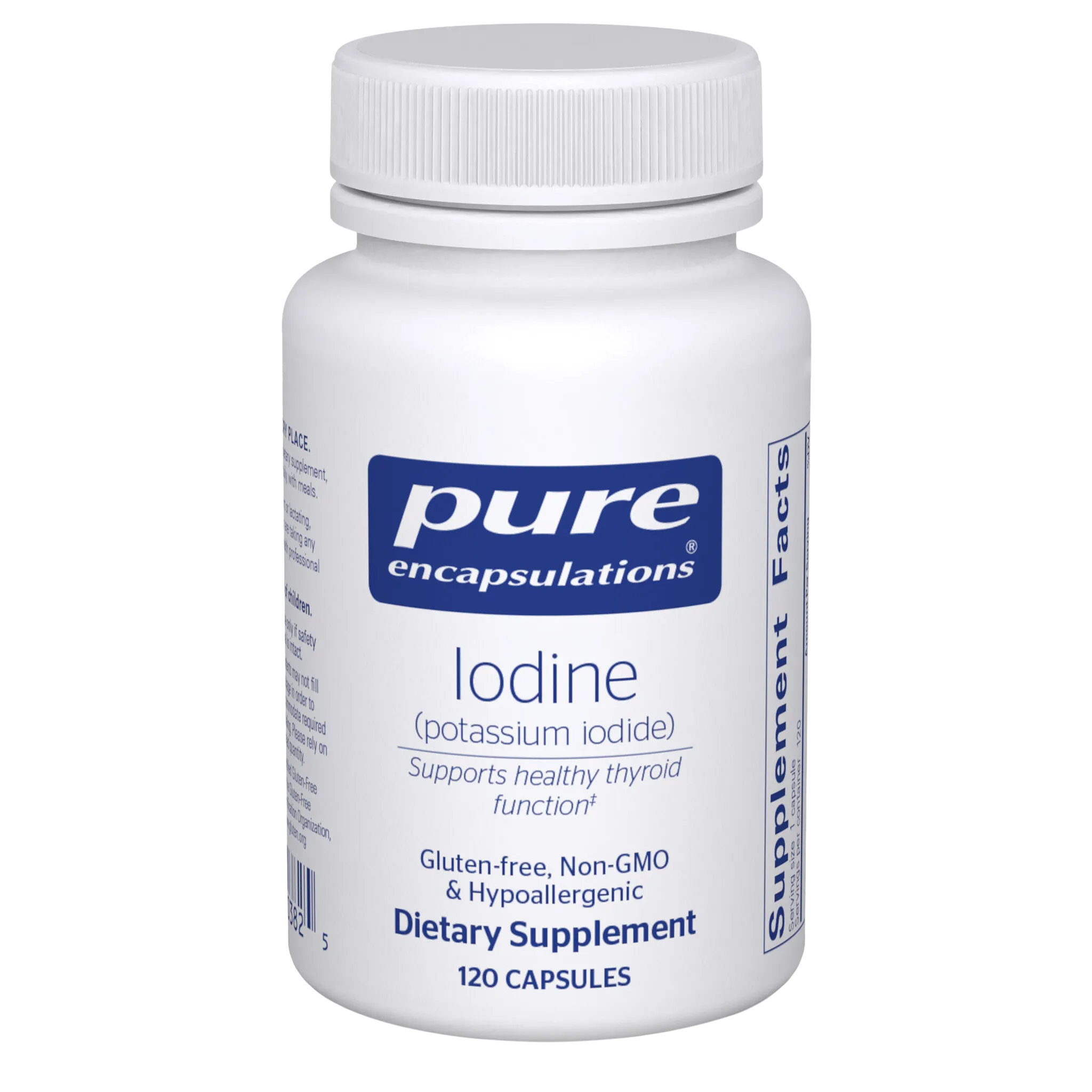
Alternatively, in susceptible individuals, this excess iodine can trigger an autoimmune flare-up, leading to Hashimoto's thyroiditis or Graves' disease. When a dysautonomia patient accidentally induces thyroid dysfunction through excess iodized salt, it catastrophically exacerbates their baseline autonomic symptoms, causing severe tachycardia, chills, and worsening fatigue. Therefore, dysautonomia patients are advised to source their medical sodium from non-iodized sources like pure sea salt or specialized electrolyte capsules. However, by eliminating iodized salt entirely, they must be careful not to swing in the opposite direction and develop a true iodine deficiency. This is where a controlled, physiological dose of a supplement like Pure Encapsulations Iodine (225 mcg) becomes a vital tool to maintain metabolic balance without triggering toxicity.
Iodine: Supporting Thyroid Health and Cellular Energy
Restoring the T4/T3 Production Line
When dealing with the profound metabolic exhaustion of Long COVID or ME/CFS, targeted supplementation with potassium iodide aims to restore the foundational biochemical pathways that have been disrupted. By providing a highly bioavailable, physiological dose of iodine (225 mcg), you are directly supplying the thyroid gland with the exact raw materials it needs to restart the T4 and T3 production line. This is not a stimulant that forces the body into artificial overdrive; rather, it is a restorative nutrient that fills a critical nutritional void. When the Sodium/Iodide Symporter (NIS) has an adequate supply of iodide to pull from the bloodstream, the thyroid can efficiently resume the organification process, binding iodine to thyroglobulin to create stable reserves of metabolic hormones.
This restoration is particularly important for patients who have experienced post-viral thyroiditis or those who have had to eliminate iodized salt from their diets to manage dysautonomia. By bypassing the unpredictable iodine levels found in dietary sources and providing a precise, measured dose, patients can ensure their thyroid has a steady, reliable supply. This steady supply helps to stabilize the Hypothalamus-Pituitary-Thyroid (HPT) axis. When the brain senses that adequate T4 and T3 are being produced, it stops over-secreting TSH, which can reduce the systemic stress and inflammation associated with a struggling, overworked thyroid gland.
Furthermore, restoring this production line is essential for overcoming the "Low T3 Syndrome" seen in chronic fatigue conditions. While iodine alone cannot force the peripheral tissues to convert T4 to T3, it guarantees that there is an ample supply of the T4 precursor available. When combined with holistic management strategies that lower systemic inflammation—such as pacing, mast cell stabilization, and optimizing cofactors like selenium and zinc—the body can begin to shift away from producing the inactive reverse T3 (rT3) and return to generating the active, energy-yielding T3 hormone.
Enhancing Mitochondrial Output and Enzyme Synthesis
The therapeutic angle of iodine supplementation extends far beyond the thyroid gland itself; its ultimate target is the mitochondria within every cell. When iodine supplementation successfully raises intracellular T3 levels, research suggests it may act as a catalyst to support mitochondrial function. T3 binds to receptors on the mitochondrial genome, directly stimulating the synthesis of new mitochondrial proteins. This process, known as mitochondrial biogenesis, increases both the size and the number of mitochondria within the cells, particularly in high-demand tissues like the skeletal muscles and the brain. For a Long COVID patient struggling with severe muscle weakness and post-exertional malaise, increasing mitochondrial density is a critical step toward regaining physical stamina.
Moreover, the T3 generated from supplemented iodine directly upregulates the enzymes involved in the Krebs cycle (citric acid cycle) and the electron transport chain. It increases the expression of cytochrome c oxidase, a vital enzyme in Complex IV of the ETC, which facilitates the final transfer of electrons to oxygen, driving the massive production of ATP. By optimizing this cellular machinery, iodine helps ensure that the food you eat and the oxygen you breathe are efficiently converted into usable cellular energy, rather than being wasted or converted into excessive reactive oxygen species (ROS) due to mitochondrial dysfunction.
Additionally, thyroid hormones play a crucial role in lipid metabolism and glucose clearance. They enhance the synthesis of enzymes responsible for breaking down stored fats (lipolysis) and improve the efficiency of glucose transporters (GLUT4) in muscle cells. This means that adequate iodine not only helps generate energy but also ensures that the cells have access to the necessary fuel sources. This comprehensive metabolic support is why functional medicine practitioners view physiological iodine supplementation as a cornerstone therapy for patients trapped in the hypometabolic states of chronic invisible illnesses.
Displacing Environmental Halides and Toxins
Another fascinating, though less commonly discussed, mechanism of iodine supplementation is its role in cellular detoxification, specifically regarding environmental halides. Iodine belongs to a group of elements on the periodic table known as halogens, which also includes fluorine, chlorine, and bromine. Because these elements share a similar atomic structure, they can aggressively compete with iodine for absorption in the gastrointestinal tract and for binding sites on the cellular receptors, including the NIS transporter in the thyroid gland. In our modern environment, we are constantly exposed to these competing halides through fluoridated water, chlorinated pools, and brominated flame retardants and baked goods.
When a patient is deficient in iodine, the body will mistakenly absorb and store these toxic halides in the thyroid and other glandular tissues. These compounds cannot be used to make thyroid hormones, leading to a functional hypothyroidism even if the gland appears structurally normal. Supplementing with a bioavailable form of potassium iodide may help saturate the cellular receptors with the correct, life-sustaining mineral. Through the law of competitive inhibition, research suggests a steady supply of iodine may help displace stored bromine and fluorine, supporting the body's ability to excrete these toxins through the urine.
This displacement process is highly relevant for patients with complex chronic conditions who often suffer from impaired detoxification pathways and high toxic burdens. By gently pushing out competing halides, iodine supplementation may help to "clean" the cellular receptor sites, ensuring that the thyroid and peripheral tissues can communicate effectively. It is important to note, however, that this detoxification process must be managed carefully. Rapid displacement of bromine can cause temporary detox symptoms, which is why utilizing a gentle, physiological dose like 225 mcg is far safer than jumping into high-dose iodine protocols without medical supervision.
Symptoms Iodine May Help Manage
Targeted Symptom Relief
Because iodine is the fundamental building block for the hormones that regulate systemic metabolism, restoring adequate levels can have a profound, wide-ranging impact on the body. While it is not a cure for complex conditions like Long COVID or ME/CFS, supporting the thyroid axis can help alleviate specific symptoms driven by hypometabolism and cellular energy deficits. Here are the primary symptoms that physiological iodine supplementation may help manage:
Profound Fatigue and Lethargy: By providing the raw materials for T3 production, iodine directly supports the mitochondrial electron transport chain, increasing ATP (cellular energy) output, which may help lift the heavy, debilitating exhaustion that characterizes chronic illness.
Brain Fog and Cognitive Sluggishness: The brain requires massive amounts of energy to function. Thyroid hormones regulate cerebral metabolism and blood flow. Improving T3 levels can enhance mental clarity, focus, and memory retrieval.
Cold Intolerance and Chills: Thyroid hormones dictate thermogenesis (heat production) at the cellular level. Adequate iodine helps the body maintain a normal basal body temperature, which may help reduce the constant feeling of being freezing cold, even in warm environments.
Muscle Aches and Weakness: Hypothyroidism slows down muscle repair and energy utilization, leading to heavy, aching limbs. Supporting thyroid function improves mitochondrial density in skeletal muscle, which may aid in recovery and help reduce baseline myalgia.
Hair Loss (Telogen Effluvium): Both Long COVID and thyroid dysfunction can cause severe hair shedding. Iodine supports the metabolic rate of hair follicles, which may help transition them out of the resting phase and back into active growth.
Sluggish Digestion and Constipation: Thyroid hormones regulate the motility of the gastrointestinal tract. Improving metabolic rate may help stimulate peristalsis, supporting the alleviation of chronic constipation frequently seen in dysautonomia and hypothyroidism.
Unexplained Weight Gain: By optimizing the basal metabolic rate and improving lipid and glucose metabolism, iodine may help the body utilize stored energy more efficiently, which can assist in stabilizing unpredictable weight fluctuations.
Tracking Your Progress
When introducing a new supplement like potassium iodide, it is crucial to monitor how your body responds over time. Because thyroid hormones take time to synthesize, build up in the bloodstream, and alter cellular transcription, you may not notice immediate, overnight changes. It is highly recommended to keep a daily symptom journal. Track your baseline energy levels, your waking body temperature, the severity of your brain fog, and your digestive regularity. Over the course of several weeks, you may begin to notice a subtle lifting of the metabolic fog and an increase in your baseline stamina.
If you are also managing dysautonomia or POTS, pay close attention to your heart rate and autonomic symptoms. Because the thyroid and the autonomic nervous system are deeply interconnected, stabilizing your metabolism can sometimes help smooth out autonomic spikes. However, if you notice an increase in palpitations, anxiety, or jitteriness, this could indicate that your thyroid is becoming overstimulated, and you should consult your healthcare provider immediately to adjust your protocol or run updated thyroid lab panels.
Practical Considerations: Forms, Dosing, and Absorption
The "Goldilocks" 225 mcg Dosage
When navigating the world of iodine supplementation, patients are often confronted with wildly conflicting advice. Some sources advocate for massive, milligram-level doses (such as Lugol's solution at 12.5 mg to 50 mg), while others warn against taking any iodine at all. For patients with complex chronic illnesses, the Pure Encapsulations dosage of 225 micrograms (mcg) represents a strategic, physiological "Goldilocks" approach. This dose provides exactly 150% of the FDA's Recommended Daily Value (150 mcg), making it high enough to gently correct daily nutritional deficiencies without aggressively overwhelming a sensitive system.
The danger of high-dose iodine cannot be overstated, particularly for those with underlying immune dysregulation. As detailed in research published in Endocrinology, exposing thyroid cells to acute, high concentrations of iodide triggers massive oxidative stress. The excess iodine peroxidizes mitochondrial membranes, overwhelms the electron transport chain, spikes superoxide levels, and initiates a caspase-driven apoptotic cascade (programmed cell death). This is the cellular mechanism behind the Wolff-Chaikoff effect, where the thyroid completely shuts down hormone synthesis to protect itself from toxicity. By utilizing a gentle 225 mcg dose, patients can safely bypass this toxic threshold and provide steady, supportive nourishment to the gland.
Furthermore, a low, physiological dose minimizes the risk of triggering severe detoxification reactions. When high doses of iodine rapidly displace stored environmental halides (like bromine and fluorine) from cellular receptors, these toxins flood the bloodstream, causing a severe Herxheimer-like reaction characterized by worsening fatigue, headaches, and skin eruptions. For a Long COVID or ME/CFS patient whose system is already incredibly fragile, a harsh detox reaction can trigger a massive symptom crash. The 225 mcg dose allows for a slow, gentle displacement of toxins that the body's impaired detoxification pathways can actually manage.
Bioavailability and Absorption Dynamics of Potassium Iodide
The specific form of iodine used in supplementation dictates how effectively it can be utilized by the body. Pure Encapsulations utilizes potassium iodide (KI), an inorganic chemical compound that is highly prized in pharmacology for its exceptional absorption characteristics. Potassium iodide is classified as a Biopharmaceutics Classification System (BCS) Class I compound, meaning it possesses both high solubility in water and high intestinal permeability. When you ingest a capsule of potassium iodide, it dissolves rapidly in the gastric fluids and is almost completely absorbed in the upper gastrointestinal tract.
Clinical pharmacological data demonstrates that the systemic bioavailability of orally administered potassium iodide is near perfect, ranging from 96.4% to 100%. Unlike some complex botanical extracts or poorly formulated minerals that pass through the digestive tract unabsorbed, nearly every microgram of the 225 mcg dose will successfully enter your systemic circulation. The absorption process is highly efficient and is generally complete within two hours of administration. Once in the bloodstream, the iodide ions rapidly exchange with extracellular fluids and are swiftly taken up by the Sodium/Iodide Symporter (NIS) in the thyroid gland.
The plasma half-life of iodide in the systemic circulation is relatively short, averaging approximately six hours, and it is primarily eliminated by the kidneys via rapid glomerular filtration. Because of this relatively fast clearance rate, the suggested use of taking one capsule 1 to 2 times daily with meals ensures a steady, sustained supply of iodide throughout the day. Taking the supplement with food does not diminish its overall absorption, though it may slightly delay the time to peak concentration, which can actually be beneficial for providing a smooth, continuous delivery of the mineral while minimizing any potential gastrointestinal irritation.
The Crucial Role of Selenium and Safety Precautions
In functional medicine, it is a cardinal rule that iodine should rarely, if ever, be supplemented in isolation. The biochemical process of synthesizing thyroid hormones—specifically the oxidation of iodide by the enzyme thyroid peroxidase (TPO)—generates hydrogen peroxide (H₂O₂) as a natural byproduct. Hydrogen peroxide is a potent free radical. In a healthy thyroid, an antioxidant enzyme called glutathione peroxidase immediately neutralizes this hydrogen peroxide, converting it safely into water. However, glutathione peroxidase is a selenium-dependent enzyme. If you are deficient in selenium and begin supplementing with iodine, you will increase the production of hydrogen peroxide without the ability to neutralize it.
This unchecked oxidative stress can cause severe inflammation and damage to the thyroid tissue, and it is a primary trigger for autoimmune thyroid conditions like Hashimoto's Thyroiditis. Therefore, practitioners strongly advise pairing iodine supplementation with a high-quality selenium supplement (typically 100 to 200 mcg daily) to protect the thyroid gland and facilitate the safe conversion of T4 to T3 in the peripheral tissues. This synergistic relationship is vital for patients with Long COVID and ME/CFS, who already suffer from high levels of systemic oxidative stress and depleted antioxidant reserves.
Finally, it is imperative to discuss potential interactions and contraindications. Because this supplement contains potassium, patients taking ACE inhibitors, Angiotensin Receptor Blockers (ARBs), or potassium-sparing diuretics must exercise caution, as combining these medications with potassium supplements can increase the risk of hyperkalemia (high blood potassium). Additionally, individuals with known autoimmune thyroid disease (Hashimoto's or Graves' disease) should never begin an iodine protocol without strict medical supervision and comprehensive lab testing, including TPO and TgAb antibody panels, as inappropriate iodine use can severely exacerbate these conditions. Always consult your healthcare provider to ensure this supplement fits safely into your comprehensive care plan.
Follow the Science
Evidence in ME/CFS and Tissue-Level Hypothyroidism
The scientific understanding of how chronic invisible illnesses intersect with thyroid function has expanded significantly in recent years. A cornerstone piece of literature in this field is the 2018 study published in Frontiers in Endocrinology, which provided empirical evidence for what patients had been reporting for decades: ME/CFS is deeply intertwined with a hypometabolic state. By comparing 98 ME/CFS patients with 99 healthy controls, researchers demonstrated that the patient cohort exhibited significantly lower serum levels of active T3 and T4, alongside lower urinary iodine status, despite having "normal" TSH levels. This study validated the concept of "tissue-level hypothyroidism" and highlighted the necessity of looking beyond standard TSH tests when evaluating chronic fatigue.
Further illuminating this complex dynamic is a recent investigation into autoantibodies in CFS patients. This research discovered that a significant subset of CFS patients possess autoantibodies against Selenoprotein P, the primary transporter for selenium. Because selenium is required to protect the thyroid during iodine metabolism and to convert T4 to active T3, this autoimmune disruption leads to an acquired resistance to thyroid hormone. These findings underscore that the severe energy deficits in ME/CFS are not psychosomatic; they are driven by measurable, biochemical disruptions in the iodine-thyroid-mitochondrial axis, validating the use of targeted nutritional interventions to support these pathways.
Additionally, the intricate mechanics of how thyroid hormones dictate cellular energy have been thoroughly mapped. Research published in the Journal of Clinical Investigation details the exact molecular pathways by which T3 enters the cellular nucleus, binds to DNA receptors, and upregulates the transcription of the mitochondrial electron transport chain. This foundational science proves that without the initial building block of iodine, the entire downstream process of ATP generation is compromised, providing a clear mechanistic rationale for why iodine deficiency manifests as profound, unrelenting fatigue.
Post-Viral Thyroid Dysfunction and Immune Modulation
In the context of Long COVID, the scientific literature has rapidly documented the devastating impact of the SARS-CoV-2 virus on the endocrine system. A comprehensive review on the long-term impacts of COVID-19 on thyroid health confirmed that the virus directly infiltrates the thyroid gland via ACE2 receptors, causing subacute thyroiditis and subsequent post-viral hypothyroidism. This direct structural and functional damage explains why so many Long Haulers develop new-onset metabolic sluggishness, hair loss, and cold intolerance months after their initial acute infection has resolved.
Beyond its role in hormone synthesis, emerging research has highlighted potassium iodide's potential role in immune modulation and antiviral defense. A fascinating randomized clinical trial published in PLOS ONE investigated the use of oral potassium iodide in hospitalized COVID-19 patients. The researchers found that iodine administration significantly increased pulmonary type I interferon responses—a critical component of the body's innate antiviral immune system. While this specific trial utilized high therapeutic doses to manage acute severe disease, it highlights the profound, systemic biological activity of iodine beyond basic metabolism, suggesting it plays a vital role in helping the immune system clear viral persistence.
Finally, the delicate balance of iodine in dysautonomia patients has been clearly outlined by patient advocacy and research groups. Dysautonomia International has published specific clinical warnings regarding the high-salt diets required for POTS management. Their guidelines emphasize that consuming massive amounts of iodized table salt can trigger the Wolff-Chaikoff effect or autoimmune thyroiditis due to iodine toxicity. This clinical insight reinforces the necessity for dysautonomia patients to separate their medical sodium intake from their iodine intake, utilizing pure salt for blood volume expansion while relying on controlled, low-dose supplements like a 225 mcg capsule to safely meet their physiological iodine requirements without triggering an autonomic crisis.
The Path Forward
A Foundational Piece of the Metabolic Puzzle
Living with Long COVID, ME/CFS, or dysautonomia is an exercise in profound resilience. The daily battle against invisible symptoms—the crushing fatigue, the cognitive fog, the autonomic instability—can leave you feeling disconnected from your own body. It is vital to remember that your symptoms are not a personal failure; they are the result of complex, measurable biochemical disruptions. When viral infections or chronic inflammation damage the intricate machinery of your thyroid and mitochondria, your body is simply doing its best to survive in a state of metabolic hibernation. Understanding the science behind these pathways is the first step toward validating your experience and reclaiming your health.
Potassium iodide is not a miracle cure, nor is it a standalone fix for complex multisystemic illnesses. However, it is a foundational piece of the metabolic puzzle. By providing your thyroid gland with the exact elemental building blocks it needs to synthesize T4 and T3, you are directly supporting the cellular engines that generate your daily energy. When utilized carefully, at a physiological dose, and in conjunction with necessary cofactors like selenium, iodine supplementation can help lift the metabolic fog, improve mitochondrial output, and provide your body with the energetic resources it needs to engage in deeper healing processes.
Integrating Iodine into Your Care Plan
As you consider adding Pure Encapsulations Iodine to your regimen, remember that chronic illness management requires a comprehensive, holistic approach. Supplements are most effective when paired with strategic lifestyle interventions. Continue to practice strict pacing to avoid post-exertional malaise, utilize symptom tracking to understand your unique triggers, and explore resources like learning to eat nutritionally with changes to your sense of smell and taste to support your overall dietary intake. If you are navigating the complexities of diagnosis, reviewing How Does a Doctor Diagnose Long COVID? can help you advocate for the comprehensive lab testing—including full thyroid panels—that you deserve.
Always consult with a knowledgeable healthcare provider before beginning any new supplement, especially if you have a history of autoimmune thyroid conditions or are taking prescription medications. Together with your medical team, you can determine if a gentle, supportive dose of potassium iodide is the right step for your unique biochemical needs. By addressing the root causes of metabolic dysfunction and supporting your body at the cellular level, you can begin to rebuild your energetic foundation and move toward a more stable, vibrant quality of life.
Sources
Mechanisms of thyroid hormone action - Journal of Clinical Investigation
Long-Term Impacts of COVID-19 on Thyroid Health - PubMed Central
Autoantibodies to Selenoprotein P in Patients with Chronic Fatigue Syndrome - SSRN
Iodide Excess Induces Apoptosis in Thyroid Cells Involving Oxidative Stress - Endocrinology