Can Iodine and L-Tyrosine Support Thyroid Function and Energy in Long COVID and ME/CFS?
March 5, 2026
IodineL-TyrosineLong COVID
Share:
Disclaimer: The information provided here is for educational purposes only and is not intended as medical advice. It should not be used to diagnose, treat, cure, or prevent any medical condition. Instead, use it as a starting point for discussion with your healthcare provider. Always consult with a qualified healthcare provider before starting any new medication, supplement, device, or making changes to your health regimen.
Months or even years after recovering from an initial viral infection, many individuals find themselves battling a relentless, heavy fatigue that sleep simply cannot fix. If you are living with Long COVID, myalgic encephalomyelitis/chronic fatigue syndrome (ME/CFS), or dysautonomia, you may have experienced the frustration of having your thyroid tested, only to be told your results are "completely normal." Yet, your body tells a different story—one of profound exhaustion, brain fog, cold intolerance, and a metabolism that feels like it has ground to a halt. This disconnect between standard blood tests and your lived reality is incredibly common in complex chronic illnesses, where the issue often lies not in the brain's signaling, but in the cellular production and conversion of metabolic hormones.
At the very core of this metabolic engine are two foundational building blocks: iodine and L-tyrosine. Without sufficient quantities of both, your thyroid gland simply cannot manufacture the hormones required to power your cells, regulate your autonomic nervous system, and clear the cognitive fog. In the context of post-viral illness, where systemic inflammation and oxidative stress rapidly deplete the body's resources, ensuring an adequate supply of these raw materials becomes a critical piece of the recovery puzzle. By understanding how iodine and L-tyrosine work synergistically at the molecular level, we can begin to unravel the complex web of post-viral metabolic dysfunction and explore targeted strategies to support your body's innate energy production systems.
TL;DR
Iodine and L-tyrosine are essential building blocks that support thyroid hormone production and neurotransmitter synthesis.
Chronic conditions like Long COVID and ME/CFS can disrupt hormone conversion, leading to severe fatigue.
Supplementing these nutrients may help improve cellular energy, cognitive clarity, and resilience to stress.
Always consult your healthcare provider before starting supplements, especially if you have existing thyroid conditions.
What is Iodine and L-Tyrosine?
The Foundation of Thyroid Health
Iodine and L-tyrosine are the two fundamental molecular building blocks required for the biosynthesis of thyroid hormones. While many supplements act as cofactors or catalysts in the body, these two nutrients physically combine to create the hormones themselves. Iodine is an essential trace mineral that the human body cannot synthesize on its own; it must be obtained entirely through diet or supplementation. Its primary, almost exclusive physiological role is to serve as the critical element in thyroid hormone structure. Without adequate iodine, the entire metabolic engine of the human body begins to stall, leading to widespread systemic dysfunction.
L-tyrosine, on the other hand, is a conditionally essential amino acid. While the body can synthesize it from another amino acid called phenylalanine, periods of severe physical stress, chronic illness, or prolonged viral infection can rapidly deplete the body's natural reserves. In the context of thyroid health, L-tyrosine provides the carbon-ring backbone—essentially the physical chassis—onto which iodine molecules are attached. Together, they form the structural basis of Thyroxine (T4) and Triiodothyronine (T3), the hormones responsible for dictating the metabolic rate of virtually every cell in your body.
The Biochemical Synthesis of T3 and T4
The creation of thyroid hormones is a highly orchestrated biochemical process that takes place within the thyroid follicles, which are spherical structures lined by follicular cells surrounding a protein-rich core called the colloid. The journey begins when dietary iodine is absorbed into the bloodstream as iodide. This iodide is actively pumped into the thyroid follicular cells by a specialized transport protein known as the Sodium-Iodide Symporter (NIS). Once inside, the iodide is transported across the cell into the follicular lumen via another protein called pendrin, where it awaits the next crucial step of the synthesis process.
Simultaneously, the follicular cells produce a massive glycoprotein called thyroglobulin, which contains approximately 120 to 132 L-tyrosine amino acid residues. Once the iodide enters the colloid, it must be made reactive. An enzyme called Thyroid Peroxidase (TPO), working alongside hydrogen peroxide generated by Dual Oxidases (DUOX), oxidizes the iodide into active iodine. TPO then catalyzes the attachment of this active iodine to the specific L-tyrosine residues on the thyroglobulin protein. This process, known as organification, is the exact moment where iodine and L-tyrosine merge to become the precursors of metabolic life.
Depending on how the iodine attaches, different compounds are formed. Attaching one iodine molecule to a tyrosine residue creates Monoiodotyrosine (MIT), while attaching two creates Diiodotyrosine (DIT). The TPO enzyme then couples these molecules together: combining two DIT molecules forms T4 (which contains four iodine atoms), and combining one MIT with one DIT forms T3 (which contains three iodine atoms). These newly minted hormones are eventually cleaved from the thyroglobulin protein and secreted into the bloodstream, where they travel to target tissues to initiate cellular energy production.
Beyond the Thyroid: Catecholamine Production
While L-tyrosine's role in thyroid hormone synthesis is critical, its biological responsibilities extend far beyond the neck. L-tyrosine is the direct biochemical precursor to a group of vital neurotransmitters known as catecholamines, which include dopamine, norepinephrine, and epinephrine (adrenaline). This synthesis pathway occurs primarily in the brain and the adrenal glands. The process begins when the enzyme tyrosine hydroxylase converts L-tyrosine into L-DOPA, which is subsequently converted into dopamine. Dopamine is then synthesized into norepinephrine, and finally into epinephrine, creating the chemical messengers that drive motivation, focus, and the body's stress response.
In a healthy individual, this pathway operates smoothly to maintain cognitive sharpness and autonomic balance. However, under conditions of severe, prolonged stress—such as navigating the complex landscape of a chronic post-viral illness—the demand for these neurotransmitters skyrockets. The body rapidly burns through its available catecholamines to maintain blood pressure, heart rate, and mental alertness. If the available pool of L-tyrosine is depleted by this constant neurological demand, it creates a systemic shortage. This shortage can bottleneck both neurotransmitter production and thyroid hormone synthesis, leading to a vicious cycle of profound physical fatigue and debilitating brain fog.
How Chronic Illness Impacts Thyroid Function
Long COVID and Subacute Thyroiditis
The SARS-CoV-2 virus is known to have a direct and lasting impact on the endocrine system, fundamentally altering how the body manages energy. The thyroid gland highly expresses ACE2 receptors, making it directly vulnerable to viral invasion, immune-mediated damage, and the systemic inflammation often referred to as a cytokine storm. Research indicates that up to 20% of patients experience thyroid dysfunction during acute COVID-19, and these abnormalities frequently persist long after the initial infection clears. Understanding what causes Long COVID requires a deep dive into these exact endocrine disruptions, as they drive many of the most debilitating lingering symptoms.
One of the most common manifestations of this viral damage is subacute thyroiditis (SAT). A comprehensive 2024 systematic review published in MDPI analyzed 28 studies encompassing 419 patients with post-COVID thyroid complications. The researchers found that the virus frequently triggers SAT, an inflammatory condition that causes a temporary hyperthyroid phase as damaged cells spill stored hormones into the blood, followed by a prolonged, exhausting hypothyroid phase. While SAT is usually self-limiting, the study noted that 5% to 15% of patients develop permanent hypothyroidism, leaving them entirely dependent on external support to maintain basic metabolic function.
ME/CFS and Non-Thyroidal Illness Syndrome (NTIS)
For decades, patients and researchers have noted that the symptoms of ME/CFS—profound fatigue, cognitive impairment, and severe cold intolerance—perfectly mimic clinical hypothyroidism. Yet, standard TSH blood tests routinely return "normal" results, leading to immense patient frustration. Recent breakthroughs have uncovered that ME/CFS patients frequently suffer from specific blockages in thyroid hormone conversion, a state often referred to as "tissue-level hypothyroidism" or Non-Thyroidal Illness Syndrome (NTIS). This helps explain can Long COVID trigger ME/CFS, as the viral trigger initiates the exact same metabolic blockades seen in classic ME/CFS cohorts.
A landmark 2018 study led by Dr. Begoña Ruiz-Núñez compared 98 ME/CFS patients to 99 healthy controls. The researchers discovered that despite having normal TSH levels, the ME/CFS patients had significantly lower serum levels of active T3 and T4, alongside higher levels of reverse T3 (rT3)—an inactive form of the hormone that blocks cellular receptors. The body essentially shifts its production, converting T4 into the inactive rT3 rather than the active T3, starving the cells of energy. Furthermore, recent 2024 research identified elevated autoantibodies to the selenium transporter Selenoprotein P (SELENOP-aAb) in ME/CFS patients. Because the enzymes that convert T4 to T3 are strictly selenium-dependent, these autoantibodies severely impair conversion, locking the patient in a state of cellular exhaustion.
Dysautonomia and the Autonomic-Thyroid Axis
Dysautonomia, including conditions like Postural Orthostatic Tachycardia Syndrome (POTS), is a malfunction of the autonomic nervous system (ANS), which controls involuntary functions like heart rate, blood pressure, and digestion. Thyroid hormones play a foundational role in regulating this system. A June 2024 study evaluating patients with hypothyroidism demonstrated a direct link between low thyroid function and significantly reduced Heart Rate Variability (HRV). Reduced HRV is a primary biomarker of dysautonomia, indicating a severe imbalance between the sympathetic (fight-or-flight) and parasympathetic (rest-and-digest) nervous systems.
When the body's cells lack active T3 due to post-viral conversion issues, the brain senses this critical drop in cellular energy. To compensate, the adrenal glands dump massive amounts of adrenaline and norepinephrine into the bloodstream in a desperate attempt to force the body to keep moving. This sympathetic overdrive triggers classical dysautonomia symptoms: racing heart rates, dizziness, sodium wasting, and palpitations. This explains why many patients wonder do Long COVID symptoms come and go; as adrenaline levels spike and crash in response to fluctuating cellular energy demands, the severity of autonomic symptoms waxes and wanes unpredictably.
Iodine and Tyrosine: Supporting Metabolic and Cognitive Function
Restoring the Raw Materials for Hormone Synthesis
When chronic illness disrupts the endocrine system, the thyroid gland often struggles to keep up with the body's fluctuating metabolic demands. Supplementing with a synergistic combination of iodine and L-tyrosine provides the exact biochemical substrates the thyroid needs to resume optimal hormone synthesis. By delivering these raw materials in highly bioavailable forms, the body does not have to expend additional, precious energy scavenging for trace minerals or synthesizing amino acids from scratch. This targeted nutritional support helps bypass the metabolic bottlenecks created by systemic inflammation and post-viral oxidative stress.
At the cellular level, providing ample L-tyrosine ensures that the thyroglobulin protein has sufficient binding sites (the carbon-ring chassis) available. Simultaneously, supplying readily absorbable potassium iodide ensures that the Thyroid Peroxidase (TPO) enzyme has an abundance of active iodine to attach to those sites. This direct supply chain optimization encourages the steady, reliable production of T4 and T3. For patients dealing with the lingering effects of how long does Long COVID last, stabilizing this foundational hormone production is often a crucial first step in rebuilding baseline stamina and metabolic resilience.
Combating Cognitive Fatigue Under Stress
The cognitive impairment associated with chronic illness—often described as a thick, impenetrable brain fog—is heavily linked to the depletion of catecholamine neurotransmitters. Because L-tyrosine is the direct precursor to dopamine, norepinephrine, and epinephrine, supplementing it provides a powerful buffer against neurological exhaustion. During periods of severe physical or mental stress, the brain's turnover rate of these neurotransmitters exceeds the body's ability to synthesize them from dietary protein alone. This leads to a rapid decline in working memory, focus, and cognitive flexibility, leaving patients feeling overwhelmed by even simple tasks.
Clinical research has repeatedly demonstrated L-tyrosine's unique ability to preserve brain function under extreme duress. When supplemented, free-form L-tyrosine rapidly crosses the blood-brain barrier via specific amino acid transporters. Once inside the brain, it saturates the tyrosine hydroxylase enzyme, ensuring that the synthesis of dopamine and norepinephrine continues uninterrupted despite the stressful environment. This mechanism does not act as an artificial stimulant; rather, it acts as a neurological shield, preventing the depletion of the very chemicals required to maintain clear, organized thought processes during a post-exertional crash.
Mitochondrial Energy Production at the Cellular Level
The ultimate goal of supporting thyroid hormone synthesis is to enhance mitochondrial function. Mitochondria are the powerhouses of the cell, responsible for generating adenosine triphosphate (ATP), the primary energy currency of the body. Active thyroid hormone (T3) has the unique ability to cross cellular membranes and bind directly to thyroid hormone receptors located within the cell nucleus and on the mitochondria themselves. Once bound, T3 acts as a master genetic switch, upregulating the transcription of enzymes required for the electron transport chain and oxidative phosphorylation.
In the context of ME/CFS and Long COVID, mitochondrial dysfunction is a primary driver of post-exertional malaise (PEM). When cells are starved of T3 due to conversion blockades or raw material shortages, the mitochondria cannot produce enough ATP to meet the demands of even mild physical exertion. By supporting the upstream production of thyroid hormones with iodine and L-tyrosine, we encourage a downstream increase in mitochondrial activity. This enhanced enzymatic synthesis is particularly vital in metabolically active tissues like skeletal muscle and the liver, helping to slowly rebuild the cellular energy reserves required for daily living.

Symptoms Iodine and Tyrosine May Help Manage
Metabolic and Physical Symptoms
Because thyroid hormones dictate the basal metabolic rate of the entire body, restoring their foundational building blocks can help alleviate a wide array of physical symptoms associated with chronic illness. Here is how the combination of iodine and L-tyrosine targets specific metabolic dysfunctions:
Profound Fatigue and Lethargy: By providing the raw materials for T3 and T4 synthesis, this combination supports mitochondrial ATP production, directly addressing the cellular energy deficits that cause heavy, unyielding exhaustion.
Cold Intolerance: Thyroid hormones regulate thermogenesis (heat production) in brown adipose tissue. Supporting thyroid function helps restore the body's ability to maintain a comfortable core temperature, reducing the sensation of constantly freezing hands and feet.
Unexplained Weight Changes: A sluggish thyroid drastically slows down the metabolic rate, leading to weight gain despite dietary restrictions. Optimizing hormone synthesis helps restore baseline metabolic burning and enzymatic synthesis in the liver and muscles.
Muscle Weakness and Aches: T3 is crucial for the maintenance and repair of skeletal muscle tissue. Improving thyroid hormone levels can help reduce the heavy, leaden feeling in the limbs often experienced during post-exertional crashes.
Cognitive and Neurological Symptoms
The dual action of L-tyrosine—supporting both thyroid hormones and brain catecholamines—makes it uniquely suited to address the neurological manifestations of post-viral syndromes. Here is how it supports cognitive and autonomic health:
Brain Fog and Poor Concentration: By supplying the direct precursor for dopamine and norepinephrine, L-tyrosine prevents the depletion of neurotransmitters required for working memory, focus, and clear executive functioning under stress.
Orthostatic Intolerance (POTS/Dysautonomia): The autonomic nervous system relies on a delicate balance of catecholamines to regulate blood vessel constriction upon standing. Supporting this pathway helps stabilize the sympathetic nervous system's response to postural changes.
Mood Fluctuations and Apathy: Dopamine is the brain's primary reward and motivation chemical. Replenishing its precursor helps combat the flat, apathetic, or depressed moods that frequently accompany chronic neurological fatigue.
Stress Resilience: During a symptom flare or crash, the body is under immense physiological stress. L-tyrosine acts as a buffer, ensuring the brain has the chemical resources necessary to weather the storm without total neurological exhaustion.
Practical Considerations: Forms, Dosing, and Absorption
The Superiority of Free-Form L-Tyrosine over NALT
When selecting an L-tyrosine supplement, bioavailability and mechanism of action are critical factors. In the supplement industry, there is a prominent debate between using Free-Form L-Tyrosine and N-Acetyl L-Tyrosine (NALT). However, Examine.com notes that L-Tyrosine is an amino acid used as a precursor for the synthesis of catecholamines like dopamine and norepinephrine, which are depleted under stressful conditions. Supplementation may help alleviate acute stress-induced cognitive decline by restoring these levels in the brain.
By providing the body with L-tyrosine, it can directly support these pathways. For optimal absorption, free-form L-tyrosine should be taken on an empty stomach, as it competes with other dietary amino acids for absorption pathways.
Potassium Iodide vs. Kelp Extracts
Similarly, the form of iodine dictates how effectively the thyroid gland can utilize it. Potassium Iodide (KI) is an inorganic salt and a widely studied form of bioavailable iodine. It dissociates easily into potassium and iodide ions in the gastrointestinal tract, requiring no enzymatic breakdown, and is rapidly absorbed into the bloodstream.
Safety, The Wolff-Chaikoff Effect, and Interactions
While iodine is essential, its supplementation follows a strict "U-shaped" safety curve, meaning both deficiency and excess can cause significant clinical harm. The most critical safety consideration is the Wolff-Chaikoff effect, an acute autoregulatory response where a massive influx of iodine temporarily inhibits the TPO enzyme, rapidly halting thyroid hormone synthesis. While healthy individuals "escape" this block within 48 hours, those with underlying autoimmune thyroiditis (Hashimoto's) may fail to escape, leading to severe iodine-induced hypothyroidism. Conversely, the Jod-Basedow phenomenon can trigger dangerous hyperthyroidism if excess iodine is given to someone with autonomous thyroid nodules or latent Graves' disease.
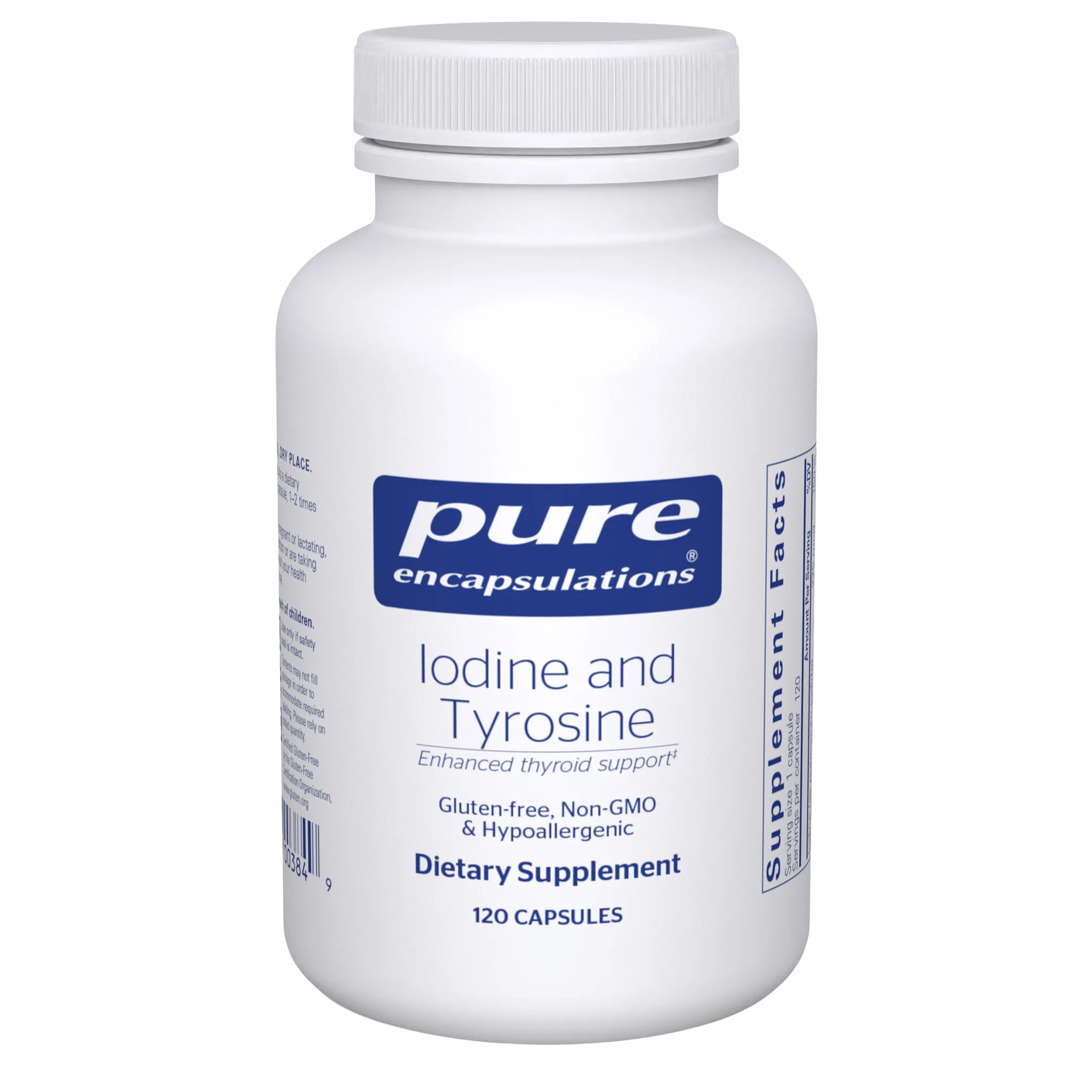
Because of these powerful physiological responses, conservative dosing is paramount. The formula provided in this supplement utilizes 225 mcg of iodine, which safely supports daily requirements without approaching the dangerous mega-doses (12.5 mg to 50 mg) advocated by some alternative practitioners. Furthermore, patients taking Levodopa (L-Dopa) for Parkinson's disease should consult their physician, as L-tyrosine competes directly with this medication for absorption in the brain. Always work with a healthcare provider to monitor your thyroid panel—including Free T3, Free T4, and antibodies—when initiating supplementation.

Follow the Science
The Antarctic Winter Study on Stress and TSH
The intersection of L-tyrosine, extreme environmental stress, and thyroid function has been rigorously tested in unique clinical settings. One of the most notable trials is the Antarctic Residence Study published in the International Journal of Circumpolar Health. Researchers conducted a randomized, placebo-controlled trial on humans deployed to Antarctica, an environment known to induce "Polar T3 Syndrome"—a condition characterized by an elevation of TSH, decreased active T3, mood degradation, and profound fatigue that closely mirrors post-viral exhaustion.
Subjects were given either a daily dose of 12 grams of L-tyrosine, a combined T4-T3 thyroid medication, or a placebo during the harsh winter deployment. The findings revealed that with placebo in summer, mood did not change while TSH decreased by 28%; in winter, there was a 136% degradation in mood and TSH increased by 18%. With the combined T4-T3 supplement, there was a 51% degradation in mood in summer and a 135% degradation in winter, alongside reductions in TSH.
Military Trials on Cognitive Flexibility
Beyond extreme cold, L-tyrosine has been extensively studied by military researchers looking to preserve cognitive function under acute, uncontrollable stress. Various trials have exposed subjects to severe physical stressors, including sleep deprivation, cold water immersion, and high-altitude hypoxia. A consistent data point across these studies is that dosages of 100 mg to 150 mg per kg of body weight, taken prior to the stressful event, successfully prevent the decline in working memory, information processing, and focus that typically accompanies catecholamine depletion.
A recent 2024 clinical trial (NCT05592561) evaluated the effects of L-tyrosine during a highly stressful virtual reality active shooter drill. Eighty subjects were given 2,000 mg of L-tyrosine, L-theanine, or a placebo prior to the stress test. While L-tyrosine did not lower physiological stress markers in the saliva, the tyrosine group had significantly fewer missed responses during the complex cognitive challenges compared to the placebo group. The data confirms that while tyrosine does not erase the physical reality of stress, it preserves executive brain function and prevents the neurological fatigue that leads to panic and confusion.
Research on Post-Viral Thyroid Dysfunction
The clinical relevance of supporting the thyroid axis has never been more apparent than in the wake of the COVID-19 pandemic. The MDPI systematic review on post-COVID thyroid complications definitively established that the virus frequently triggers subacute thyroiditis and long-term glandular inflammation. Furthermore, the foundational 2018 Dutch study on ME/CFS proved that chronic fatigue cohorts suffer from severe blockages in T4 to T3 conversion, resulting in high reverse T3 and cellular starvation. Together, these studies validate the urgent need for targeted nutritional interventions—like highly bioavailable iodine and L-tyrosine—to support the raw material supply chain of a deeply compromised endocrine system.
The Path Forward
Validating Your Metabolic Struggles
Living with a complex chronic illness often means fighting a two-front war: battling the debilitating physical symptoms while simultaneously fighting to be believed by a medical system that relies heavily on standard, often inadequate, lab tests. If your routine thyroid panels have come back "normal" but you still experience profound fatigue, cognitive impairment, and autonomic dysfunction, your experience is valid. The emerging science clearly shows that post-viral conditions profoundly disrupt the cellular conversion and utilization of metabolic hormones, creating a state of tissue-level exhaustion that standard tests simply cannot detect. Understanding this biochemical reality is the first step toward reclaiming your health.
A Comprehensive Approach to Recovery
While the synergistic combination of iodine and L-tyrosine provides critical raw materials for thyroid hormone synthesis and neurotransmitter production, it is just one piece of a comprehensive management strategy. True recovery requires a multi-faceted approach that includes aggressive pacing to prevent post-exertional malaise, meticulous symptom tracking, and working with a literate healthcare provider to monitor your complete thyroid and autonomic function. If you are struggling with sensory changes, learning to eat nutritionally with changes to your sense of smell and taste can also help ensure you are getting the baseline macronutrients needed to support these supplement pathways.
By providing your body with highly bioavailable, free-form nutrients, you are actively supporting its innate ability to generate energy, clear cognitive fog, and restore autonomic balance. Always consult with your healthcare provider before introducing new supplements, especially if you have a history of autoimmune thyroid conditions or are taking medications that affect neurotransmitter levels. With patience, targeted support, and a deep understanding of your body's unique metabolic needs, you can begin to rebuild your cellular resilience.