Can Intestin-ol Essential Oils Repair the Gut Microbiome in Long COVID and Dysautonomia?
March 6, 2026
Intestin-olLong COVIDDysautonomia
Share:
Disclaimer: The information provided here is for educational purposes only and is not intended as medical advice. It should not be used to diagnose, treat, cure, or prevent any medical condition. Instead, use it as a starting point for discussion with your healthcare provider. Always consult with a qualified healthcare provider before starting any new medication, supplement, device, or making changes to your health regimen.
Months or even years after recovering from an initial viral infection, many individuals find themselves battling a bewildering array of systemic symptoms. From profound, crushing fatigue and cognitive dysfunction to unpredictable heart rates and severe digestive distress, the daily reality of complex chronic illness is often debilitating. For patients navigating Long COVID, myalgic encephalomyelitis/chronic fatigue syndrome (ME/CFS), and dysautonomia, the search for answers frequently leads to a surprising origin point: the gastrointestinal tract. Medical research is increasingly demonstrating that the gut microbiome is not just a passive bystander in chronic illness, but an active driver of systemic inflammation, immune dysregulation, and neurological dysfunction.
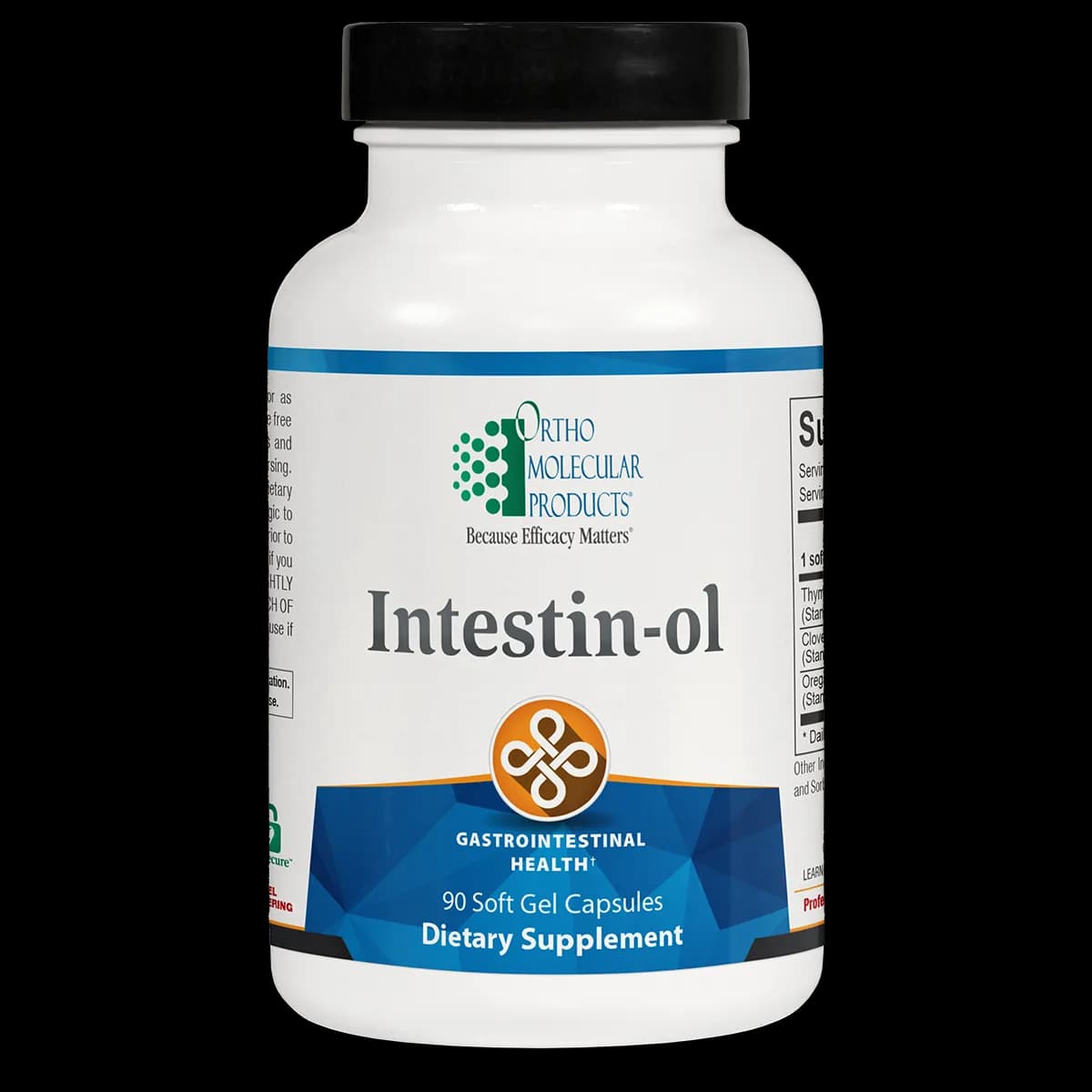
As the medical community deepens its understanding of the gut-brain and gut-immune axes, targeted botanical therapies have emerged as powerful tools for restoring microbial harmony. Intestin-ol, a professional-grade formulation by Ortho Molecular Products, harnesses the highly concentrated, scientifically validated power of thyme, clove, and oregano essential oils. By specifically targeting pathogenic overgrowths, disrupting protective bacterial biofilms, and soothing intestinal inflammation, this synergistic blend offers a foundational approach to healing the gut. In this comprehensive guide, we will explore the intricate biochemistry of these essential oils, how chronic illness disrupts the microbiome, and how Intestin-ol may help patients reclaim their gastrointestinal health and overall well-being.
TL;DR
Intestin-ol uses thyme, oregano, and clove oils to support gut microbiome balance and manage dysbiosis.
The supplement targets pathogenic bacteria and disrupts biofilms while preserving beneficial gut flora.
Improving gut health may help alleviate systemic Long COVID and ME/CFS symptoms like fatigue and brain fog.
Consult a healthcare provider before use, as these potent oils can interact with certain medications.
What is Intestin-ol?
The Evolution of Botanical Antimicrobials
To understand the profound clinical efficacy of Intestin-ol, we must first look to the evolutionary biology of plants. For millions of years, botanicals have had to survive in highly competitive, microbe-rich soil environments without the benefit of a mobile immune system. To protect themselves against invasive fungi, parasitic insects, and pathogenic bacteria, plants evolved to synthesize complex, highly concentrated volatile organic compounds known as essential oils. These secondary metabolites act as the plant's innate biochemical warfare system. In human medicine, we can harness these exact same compounds to support the body against opportunistic microbes and restore balance to our own internal ecosystems. Intestin-ol is a precisely engineered, professional-grade dietary supplement that captures these potent botanical defense mechanisms to support optimal gastrointestinal health and immune function.
Unlike broad-spectrum pharmaceutical antibiotics, which often act as a "scorched earth" intervention that indiscriminately eradicates both harmful and beneficial bacteria, the botanical compounds found in Intestin-ol function as targeted eubiotics. Eubiotics are agents that actively promote a healthy, balanced state within the microbiome. They exhibit a remarkable degree of selective antimicrobial activity, meaning they possess the biochemical intelligence to suppress pathogenic overgrowths while largely sparing the commensal, health-promoting bacteria that our bodies desperately need. This selective action is crucial for patients with complex chronic illnesses, whose microbiomes are already severely compromised and cannot afford further collateral damage from aggressive pharmaceutical interventions.
Thyme and Oregano: The Phenolic Powerhouses
The foundation of the Intestin-ol formula rests on two incredibly powerful monoterpene phenols: thymol and carvacrol. Intestin-ol provides 200 mg of thyme oil (standardized to contain 30-75% thymol) and 100 mg of oregano oil (standardized to contain 55-80% carvacrol) per softgel. These two compounds are structural isomers, meaning they share the exact same chemical formula but have a slightly different arrangement of atoms. This unique molecular structure grants them extraordinary antimicrobial properties. Thymol and carvacrol are highly lipophilic (fat-loving), allowing them to easily interact with and penetrate the lipid-based cell membranes of harmful bacteria and fungi.
Once these phenolic compounds make contact with a pathogen, they initiate a rapid cascade of cellular destruction. They insert themselves into the bacterial cell membrane, causing severe structural distortion and increasing the membrane's permeability. This disruption destroys the pathogen's proton motive force—the mechanism it uses to generate energy. As the membrane loses its integrity, vital intracellular components, including adenosine triphosphate (ATP) and essential potassium ions, leak out into the surrounding environment. Without these crucial resources, the pathogenic cell quickly undergoes lysis (rupture) and dies. This mechanism is highly effective against a wide range of gastrointestinal troublemakers, including Escherichia coli, Salmonella, and various strains of Candida.
Clove Oil: The Ultimate Biofilm Disruptor
The third critical pillar of the Intestin-ol formula is 100 mg of clove oil, standardized to contain a minimum of 80% eugenol. Eugenol is a phenylpropene that serves a highly specialized and vital role in the management of chronic gut infections: it acts as a premier biofilm disruptor. In the hostile environment of the gastrointestinal tract, pathogenic bacteria and yeast rarely exist as free-floating, vulnerable single cells. Instead, they secrete a thick, glue-like extracellular polymeric substance (EPS) to construct highly organized, fortified colonies known as biofilms. These biofilms act as impenetrable shields, protecting the pathogens from the host's immune system and rendering them up to 1,000 times more resistant to standard antimicrobial approaches.
Eugenol possesses the unique biochemical ability to interfere with quorum sensing, the chemical communication system that bacteria use to coordinate the construction and maintenance of these biofilms. By interrupting these communication signals, eugenol helps stop new biofilms from forming and actively degrades existing ones. It dissolves the protective EPS matrix, effectively tearing down the bacterial fortresses and exposing the hidden pathogens. Once the biofilm is compromised, the thymol and carvacrol from the thyme and oregano oils can easily access and destroy the previously protected microbes. This synergistic interplay between the three essential oils is what makes Intestin-ol such a formidable tool in the management of stubborn, deeply entrenched gastrointestinal dysbiosis.
How Long COVID and Dysautonomia Impact the Gut Microbiome
Viral Persistence and the Breakdown of the Intestinal Barrier
To understand why a gut-targeted supplement like Intestin-ol is so relevant for complex chronic conditions, we must examine how these illnesses fundamentally alter the gastrointestinal landscape. In the context of Long COVID, the pathogenesis often begins at the cellular receptor level. The SARS-CoV-2 virus gains entry into human cells by binding to Angiotensin-Converting Enzyme 2 (ACE2) receptors, which are abundantly expressed along the epithelial lining of the small intestine. When the virus binds to these receptors, it drastically downregulates their expression. Because ACE2 plays a critical role in regulating the local immune response and maintaining microbial homeostasis, its depletion triggers an immediate and severe cascade of gut dysfunction, as detailed in studies on COVID-19's hidden organ damage.
This viral interference leads to a rapid loss of beneficial, commensal bacteria, particularly those responsible for producing short-chain fatty acids (SCFAs) like butyrate. Butyrate is the primary fuel source for the cells lining the colon and is absolutely essential for maintaining the integrity of the tight junction proteins (such as zonulin and occludin) that glue our intestinal cells together. When butyrate levels plummet due to dysbiosis, these tight junctions begin to degrade and pull apart, creating microscopic gaps in the intestinal wall. This condition, medically known as increased intestinal permeability or "leaky gut," allows undigested food particles, bacterial endotoxins like lipopolysaccharides (LPS), and fungal antigens to escape the confines of the gut and spill directly into the systemic bloodstream.
The SIBO and Dysautonomia Connection
The consequences of a leaky gut extend far beyond localized digestive discomfort; they are a primary driver of systemic, body-wide symptoms. When bacterial endotoxins enter the bloodstream, the immune system recognizes them as foreign invaders and mounts a massive, chronic inflammatory response. This systemic inflammation is a key mechanism behind the profound fatigue, joint pain, and neuroinflammation seen in patients with ME/CFS and Long COVID. Furthermore, this gut dysfunction is deeply intertwined with the autonomic nervous system. Recent research on the gut-brain interaction highlights a staggering correlation between gut dysbiosis, specifically Small Intestinal Bacterial Overgrowth (SIBO), and autonomic disorders like Postural Orthostatic Tachycardia Syndrome (POTS).
In a healthy gut, the small intestine contains relatively few bacteria compared to the densely populated colon. However, chronic illness, poor motility, and immune dysfunction can allow colonic bacteria to migrate upward and overpopulate the small intestine, resulting in SIBO. The localized inflammation and tissue damage caused by SIBO place an immense stress load on the body. In response to this chronic stress and endotoxemia, the sympathetic nervous system (the "fight-or-flight" branch) becomes hyperactivated, triggering continuous surges of the neurotransmitter norepinephrine. This excess norepinephrine directly drives the rapid heart rate, palpitations, adrenaline dumps, and orthostatic intolerance that characterize dysautonomia and POTS, creating a vicious cycle where gut dysfunction fuels neurological instability.
Mast Cell Activation and the Histamine Cycle
The disruption of the gut microbiome also plays a critical role in the development and exacerbation of mast cell activation syndrome (MCAS), a condition frequently co-occurring with Long COVID and ME/CFS. Mast cells are key immune sentinels located abundantly in the mucosal lining of the gastrointestinal tract. When the gut is in a state of dysbiosis, the overgrowth of pathogenic bacteria and the constant leakage of endotoxins keep these mast cells in a state of hyper-vigilance. Research on mast cell microbiotic interactions demonstrates that this constant stimulation causes mast cells to degranulate inappropriately, releasing massive amounts of inflammatory mediators, including histamine, into the surrounding tissues and bloodstream.
To complicate matters further, many of the opportunistic bacteria that overgrow during dysbiosis are actually histamine-producing strains. Simultaneously, the damage to the intestinal lining impairs the body's ability to produce diamine oxidase (DAO), the primary enzyme responsible for breaking down dietary histamine. This creates a perfect storm: the body is producing excess histamine via mast cell activation, the gut bacteria are synthesizing additional histamine, and the damaged gut lining cannot clear it away. This systemic histamine overload triggers a wide array of debilitating symptoms, including sudden food intolerances, flushing, hives, severe brain fog, and unpredictable gastrointestinal distress. Addressing the root cause of this cycle requires a targeted intervention to clear the pathogenic overgrowth and restore the mucosal barrier.
Intestin-ol: Supporting Microbial Balance and Immune Function
Selective Disruption of Pathogenic Cell Membranes
When patients with complex chronic illnesses turn to Intestin-ol, they are utilizing a highly sophisticated botanical intervention designed to dismantle the exact vicious cycles of dysbiosis and inflammation described above. The primary mechanism of action lies in the potent antimicrobial properties of thymol and carvacrol. As these lipophilic phenols travel through the gastrointestinal tract, they actively seek out and bind to the lipid bilayers of pathogenic bacteria and yeast. By inserting themselves into these membranes, they cause severe structural instability, leading to the rapid leakage of intracellular contents and the subsequent death of the pathogen. This mechanism provides a powerful, natural alternative for clearing out the overgrowths associated with SIBO and general dysbiosis.
Crucially, this antimicrobial action is highly selective. While broad-spectrum antibiotics indiscriminately wipe out the entire microbiome, essential oil constituents like thymol and carvacrol are thought to preferentially target pathogenic and opportunistic microbes while causing minimal disruption to beneficial, commensal populations like Lactobacillus and Bifidobacterium. This selectivity is thought to be related to the structural differences in the cell walls of different bacterial species, as well as the specific microenvironments they inhabit. By preserving the beneficial flora, Intestin-ol helps maintain the foundational ecosystem required for long-term gut recovery, helping to avoid the secondary overgrowths (like severe yeast infections) that often follow traditional antibiotic use.
Eradicating Protective Bacterial Biofilms
The inclusion of eugenol-rich clove oil in the Intestin-ol formula addresses one of the most significant hurdles in managing chronic gut infections: biofilm resistance. Pathogens like Candida albicans and the bacteria responsible for SIBO are notoriously difficult to eradicate because they encase themselves in protective, glue-like extracellular matrices. These biofilms not only shield the microbes from the host's immune system but also block antimicrobial agents from reaching their targets. Eugenol acts as a highly effective biochemical solvent, disrupting the quorum-sensing signals that bacteria use to build these structures and actively dissolving the existing EPS matrix.
By breaking down these defensive barriers, eugenol essentially "unmasks" the hidden pathogens, rendering them vulnerable to the immune system and the destructive effects of thymol and carvacrol. This biofilm-disrupting capability is absolutely essential for patients who have struggled with recurrent or management-resistant gut issues. Often, patients will experience temporary relief from standard approaches, only to relapse weeks later because the underlying biofilm was never fully dismantled, allowing the pathogens to quickly repopulate. Intestin-ol's multi-targeted approach ensures that both the free-floating microbes and the deeply entrenched, biofilm-protected colonies are effectively addressed.
Restoring Tight Junctions and the Intestinal Barrier
Beyond their antimicrobial properties, the essential oils in Intestin-ol play a vital role in repairing the structural integrity of the gastrointestinal lining. The chronic inflammation and endotoxemia associated with Long COVID and ME/CFS cause severe damage to the intestinal epithelium, leading to the "leaky gut" phenomenon. Research has shown that thymol and carvacrol actively promote the healing of this vital barrier. They stimulate the localized production of protective mucus and upregulate the genetic expression of crucial tight-junction proteins, such as occludin and claudin. By increasing the density and strength of these proteins, Intestin-ol helps to physically reseal the microscopic gaps in the intestinal wall.
As the intestinal barrier is repaired, the constant leakage of bacterial endotoxins (LPS) and undigested food particles into the systemic bloodstream is halted. This effectively shuts off the primary source of the chronic, body-wide immune activation that drives so many debilitating symptoms. By stopping the influx of inflammatory triggers, the immune system is finally allowed to stand down from its state of hyper-vigilance. This reduction in systemic endotoxemia is a critical step in lowering the overall inflammatory burden on the body, providing much-needed relief for overtaxed immune and nervous systems.
Quelling Localized Oxidative Stress and Inflammation
Finally, the phenolic compounds in Intestin-ol serve as potent localized antioxidants and anti-inflammatory agents. The battle between the immune system and pathogenic overgrowths generates massive amounts of reactive oxygen species (ROS), which cause severe oxidative stress and tissue damage within the gut. Eugenol, thymol, and carvacrol act as powerful free-radical scavengers, neutralizing these damaging molecules and protecting the delicate intestinal epithelial cells from further harm. They also actively inhibit pro-inflammatory signaling pathways, such as nuclear factor-kappa B (NF-kB) and tumor necrosis factor-alpha (TNF-α), which are often chronically elevated in patients with complex illnesses.
By soothing this localized inflammation, Intestin-ol helps to create a hospitable environment for the regrowth of beneficial, SCFA-producing bacteria. As the microbiome shifts back toward a state of eubiosis (balance), the newly flourishing commensal bacteria produce higher levels of butyrate, which further nourishes the gut lining and reinforces the anti-inflammatory effects. This comprehensive, multi-faceted mechanism of action—combining selective pathogen destruction, biofilm eradication, barrier repair, and inflammation reduction—makes Intestin-ol a uniquely powerful tool for addressing the complex gastrointestinal dysfunctions seen in Long COVID, ME/CFS, and dysautonomia.
Symptoms Intestin-ol May Help Manage
Gastrointestinal and Digestive Symptoms
By selectively targeting pathogenic overgrowths, disrupting protective biofilms, and soothing localized inflammation, Intestin-ol can help manage a wide array of debilitating symptoms associated with chronic gut dysfunction.
Severe Bloating and Abdominal Distension: In conditions like SIBO, overgrown bacteria rapidly ferment dietary carbohydrates in the small intestine, producing large volumes of hydrogen and methane gas. By eradicating these misplaced bacteria, Intestin-ol reduces this abnormal fermentation, significantly alleviating painful bloating and visible distension.
Unpredictable Diarrhea and Constipation: Dysbiosis severely disrupts the gut's migrating motor complex (MMC) and alters water absorption in the colon. By restoring a healthy microbial balance, Intestin-ol helps to normalize bowel transit times, reducing the erratic swings between urgent diarrhea and stubborn constipation often seen in post-infectious IBS.
Food Sensitivities and Intolerances: A "leaky gut" allows partially digested food proteins to enter the bloodstream, triggering immune reactions and new food allergies. By upregulating tight junction proteins and resealing the intestinal barrier, Intestin-ol helps keep these proteins from escaping, gradually reducing the severity of food sensitivities.
Histamine Reactions and MCAS Flares: Overgrown pathogenic bacteria often produce excess histamine, while a damaged gut lining fails to produce the DAO enzyme needed to break it down. By clearing out these histamine-producing strains and allowing the mucosa to heal, Intestin-ol lowers the overall histamine burden, reducing symptoms like flushing, hives, and sudden gastrointestinal distress.
Systemic and Neurological Symptoms
Because the gut is intimately connected to the brain and the autonomic nervous system, repairing the microbiome with Intestin-ol can have profound effects on systemic, body-wide symptoms.
Brain Fog and Cognitive Dysfunction: Intestinal permeability allows bacterial endotoxins (LPS) to cross the blood-brain barrier, triggering severe neuroinflammation. By sealing the gut and stopping this endotoxemia, Intestin-ol helps clear the inflammatory mediators clouding the brain, leading to improved focus, memory, and cognitive clarity.
Postural Tachycardia and Palpitations: The massive immune stress caused by SIBO and leaky gut triggers the sympathetic nervous system to release continuous surges of norepinephrine, driving the rapid heart rates seen in POTS. By resolving the underlying gut infection, Intestin-ol removes this chronic stressor, allowing the autonomic nervous system to exit its "fight-or-flight" state and stabilize heart rates.
Profound Systemic Fatigue: Fighting a chronic, localized gut infection drains massive amounts of cellular energy (ATP) and keeps the immune system in a state of exhausting hyper-activation. By clearing the pathogenic burden, Intestin-ol frees up this vital energy, helping to alleviate the crushing, systemic fatigue characteristic of ME/CFS and Long COVID.
Joint Pain and Generalized Inflammation: The systemic circulation of inflammatory cytokines originating from a dysbiotic gut can settle in the joints and muscle tissues, causing widespread aching and pain. By neutralizing localized oxidative stress and reducing the overall inflammatory load, Intestin-ol can help diminish this generalized, body-wide discomfort.
Practical Considerations: Forms, Dosing, and Absorption
Lipid-Suspended Delivery for Lower Bowel Absorption
When utilizing highly concentrated essential oils for gastrointestinal therapy, the delivery mechanism is just as important as the active ingredients themselves. Raw essential oils of oregano, thyme, and clove are extremely volatile and caustic; if taken directly or in poorly formulated capsules, they can cause severe burning and irritation to the delicate mucosal lining of the esophagus and stomach. Furthermore, these volatile compounds are rapidly degraded by stomach acid and upper digestive enzymes, meaning they often fail to reach the small intestine and colon where the dysbiosis is actually located. To overcome this significant physiological hurdle, Ortho Molecular has engineered a specific, targeted delivery system for Intestin-ol.
Intestin-ol utilizes a specialized lipid-suspended softgel matrix. The active essential oils are carefully suspended in a base of rice bran oil (or olive oil, depending on the specific manufacturing batch) and enclosed within a protective softgel made of gelatin, glycerin, and purified water. This lipid suspension serves a dual purpose: it buffers the caustic nature of the phenolic compounds, protecting the upper gastrointestinal tract from irritation, and it shields the volatile oils from premature enzymatic degradation. This ensures that the active constituents—thymol, carvacrol, and eugenol—survive the harsh environment of the stomach and are delivered intact to the lower gastrointestinal tract, where they can exert their powerful, localized antimicrobial and biofilm-disrupting effects directly on the pathogenic colonies.
Clinical Dosing and Managing the "Die-Off" Reaction
The standard manufacturer's suggested use for Intestin-ol is 1 softgel capsule taken three times per day, or as specifically directed by a qualified healthcare professional. Because this is a professional-grade, highly potent botanical antimicrobial, integrative practitioners rarely recommend it for continuous, indefinite use. Instead, it is typically utilized in targeted, short-term "pulse" protocols—often lasting 4 to 6 weeks—to actively eradicate SIBO, Candida overgrowths, or general dysbiosis. Once the pathogenic burden has been cleared, practitioners usually transition the patient to a maintenance protocol focused on rebuilding the microbiome with specific probiotics and prebiotics.
Patients beginning an Intestin-ol protocol must be aware of the potential for a Herxheimer reaction, commonly referred to as "die-off." As the essential oils successfully dismantle biofilms and rupture the cell membranes of pathogenic bacteria and yeast, these dying microbes release a sudden flood of intracellular toxins and endotoxins (like LPS) into the gut. This sudden toxic burden can temporarily overwhelm the liver's detoxification pathways, leading to a transient flare-up of symptoms, including increased fatigue, brain fog, mild nausea, or exacerbation of joint pain. To mitigate this, practitioners often recommend pairing Intestin-ol with a systemic toxin binder (such as activated charcoal or zeolite) taken away from the supplement, which helps to "mop up" these released toxins and safely excrete them from the body.
Crucial Contraindications and Drug Interactions
While Intestin-ol is derived from natural botanical sources, its highly concentrated active compounds carry significant pharmacological interactions that must be carefully managed. The most critical interaction involves anticoagulant medications. The phenolic compounds in oregano possess inherent blood-thinning properties, while clove is known to have only minor drug interactions. More importantly, the polyphenols in oregano are known to strongly inhibit the CYP2C9 and CYP3A4 enzymes in the liver. These are the exact enzymatic pathways responsible for metabolizing prescription blood thinners like Warfarin. Taking Intestin-ol concurrently with these medications can cause the drug to accumulate in the bloodstream, dangerously spiking INR levels and presenting a severe bleeding risk. Patients on anticoagulants must strictly avoid this supplement, and it should be discontinued at least two weeks prior to any elective surgery.
Additionally, Intestin-ol carries moderate interactions with antidiabetic medications. Both oregano and thyme extracts have been clinically shown to lower blood glucose levels. When taken alongside pharmaceutical diabetes management drugs, such as metformin or sulfonylureas, Intestin-ol may potentiate their effects, potentially triggering unexpected episodes of hypoglycemia. Patients monitoring their blood sugar should do so closely when initiating this therapy. Finally, Intestin-ol is strictly contraindicated for pregnant or nursing women. High, concentrated doses of oregano and thyme essential oils act as potent uterine stimulants and have been historically associated with a heightened risk of miscarriage. As always, it is imperative to consult with a knowledgeable healthcare provider before adding such a powerful botanical intervention to your complex chronic illness management plan.
Follow the Science
Herbal Antimicrobials Versus Standard Antibiotics
The clinical efficacy of botanical essential oils in managing severe gastrointestinal dysbiosis is not merely anecdotal; it is supported by a robust and growing body of peer-reviewed medical literature. For decades, the standard of care for conditions like Small Intestinal Bacterial Overgrowth (SIBO) has been the localized pharmaceutical antibiotic Rifaximin. However, groundbreaking research has demonstrated that targeted herbal therapies can be just as effective, if not superior, to these traditional approaches. A landmark clinical trial conducted by researchers at Johns Hopkins University, published in Global Advances in Health and Medicine, directly compared the efficacy of herbal antimicrobial therapy (utilizing supplements heavily featuring oregano oil, thyme, and berberine) against standard Rifaximin therapy in 104 patients diagnosed with SIBO.
The results of this study were paradigm-shifting for integrative gastroenterology. The researchers found that the herbal therapy group achieved a 46% response rate—defined as the complete normalization of a lactulose breath test and resolution of symptoms—compared to only a 34% response rate in the Rifaximin group. Furthermore, for the subset of patients who completely failed to respond to the pharmaceutical antibiotic, a subsequent crossover to the herbal botanical protocol resulted in a remarkable 57.1% success rate. This data strongly validates the use of complex, multi-targeted essential oil blends like Intestin-ol, highlighting their unique ability to overcome antibiotic-resistant strains and dismantle protective biofilms that traditional pharmaceuticals often leave intact.
Mapping the Microbiome Shifts in Chronic Illness
Simultaneously, advanced metagenomic research is clarifying exactly how profound the microbiome disruptions are in patients with Long COVID and ME/CFS, underscoring the urgent need for eubiotic interventions. A comprehensive 2025 study published in Cell iScience analyzed a prospective cohort of 349 individuals suffering from Long COVID. The researchers utilized advanced 16S rRNA gene sequencing to map the patients' gut microbiomes and discovered that specific microbial signatures were strongly associated with distinct symptom subphenotypes, completely independent of whether the virus was still persistently detectable in the body. Patients with the highest burden of constitutional symptoms exhibited significantly lower alpha diversity (overall microbial richness) and distinct taxonomic shifts directly correlated with symptoms like profound nausea, diarrhea, and cognitive dysfunction.
These findings are supported by broader meta-analyses, such as a comprehensive review of COVID-19's hidden organ damage, which confirmed that the initial viral infection causes immense, long-lasting changes to the gastrointestinal tract. The research consistently shows a severe depletion of beneficial, SCFA-producing commensals (like Faecalibacterium prausnitzii) and a dangerous bloom of opportunistic pathobionts. This microbial rearrangement drastically heightens body-wide systemic inflammation and sustains the "leaky gut" pathology that drives chronic symptoms. By utilizing the selective antimicrobial properties of thymol and carvacrol to suppress these blooming pathobionts, therapies like Intestin-ol directly address the specific dysbiotic patterns identified in these cutting-edge metagenomic studies.
Clinical Outcomes in Integrated Gut Therapies
The ultimate validation of these botanical interventions lies in their impact on patient quality of life. A recent 2024 clinical trial published in Nutrients assessed the efficacy of an integrated treatment protocol for SIBO and dysbiosis, which combined herbal antimicrobials (specifically standardized oregano oil), targeted probiotics, and dietary modifications over a 90-day period. The clinical outcomes were highly significant: 72.6% of the participating patients reported meaningful, sustained improvement in their core gastrointestinal symptoms, including severe abdominal pain, bloating, and erratic bowel movements.
Perhaps even more compelling for the Long COVID and ME/CFS communities was the study's impact on the gut-brain axis. The researchers noted that patients who achieved normalized bowel function through the herbal antimicrobial protocol experienced a corresponding 40% drop in anxiety and depression scores. This dramatic neurological improvement highlights the profound, bidirectional communication between the gut microbiome and the central nervous system. By eradicating the localized gut infection, halting the leakage of endotoxins, and stopping the continuous surges of stress neurotransmitters, therapies like Intestin-ol do more than just soothe digestion—they actively reduce neuroinflammation and help restore crucial autonomic nervous system stability.
The Path Forward
Validating the Invisible Burden of Gut Dysfunction
Living with a complex chronic illness like Long COVID, ME/CFS, or dysautonomia is an exhausting, often isolating experience. When your daily reality is defined by unpredictable heart rates, crushing fatigue, and severe digestive distress, it is incredibly frustrating to be told by conventional medicine that your lab results are "normal" or that your symptoms are merely the result of anxiety. It is vital to understand that your experiences are valid, real, and deeply rooted in measurable physiological dysfunction. The overwhelming body of emerging research confirms that the gastrointestinal tract is a primary battleground in these conditions. The dysbiosis, the leaky gut, and the systemic inflammation you are experiencing are tangible, biological realities—not psychological manifestations. Acknowledging this gut-systemic connection is the first, empowering step toward reclaiming your health.
Building a Comprehensive Healing Strategy
While the science behind botanical antimicrobials is highly compelling, it is important to approach recovery with realistic expectations. Intestin-ol is a powerful, scientifically validated tool for dismantling pathogenic biofilms and restoring microbial balance, but it is not a standalone miracle cure. True healing from complex chronic illness requires a comprehensive, multi-layered strategy. Eradicating overgrowths with essential oils must be paired with diligent pacing to manage post-exertional malaise, nervous system regulation techniques to calm the autonomic "fight-or-flight" response, and targeted nutritional support to rebuild the gut lining once the pathogens are cleared. You can learn more about integrating these strategies by exploring our resources on managing gastrointestinal symptoms seen with Long COVID and understanding how a doctor diagnoses Long COVID.
Taking the Next Steps in Your Health Journey
Navigating the complexities of the gut microbiome and targeted botanical therapies can be overwhelming, especially when you are already managing a heavy symptom burden. Because Intestin-ol is a highly potent, professional-grade intervention with specific dosing protocols and potential interactions, it should always be integrated into your care plan under the guidance of a knowledgeable, integrative healthcare provider. By partnering with a practitioner who understands the intricate connections between dysbiosis, mast cell activation, and autonomic dysfunction, you can safely leverage these powerful plant medicines to address the root causes of your symptoms. With patience, targeted support, and a comprehensive approach, restoring your gastrointestinal health and improving your overall quality of life is entirely possible.