Can Inositol Support Metabolic and Emotional Wellness in Long COVID and Dysautonomia?
March 5, 2026
InositolLong COVIDDysautonomia
Share:
Disclaimer: The information provided here is for educational purposes only and is not intended as medical advice. It should not be used to diagnose, treat, cure, or prevent any medical condition. Instead, use it as a starting point for discussion with your healthcare provider. Always consult with a qualified healthcare provider before starting any new medication, supplement, device, or making changes to your health regimen.
Living with complex chronic conditions like Long COVID, myalgic encephalomyelitis/chronic fatigue syndrome (ME/CFS), and dysautonomia often feels like navigating a maze of unpredictable, overlapping symptoms. One day, you might be battling severe brain fog and profound fatigue; the next, you are dealing with a racing heart, sudden mood swings, or unexplained metabolic shifts. For many patients, these systemic disruptions are not just frustrating—they are deeply invalidating, especially when routine lab work comes back "normal." However, emerging research into cellular metabolism and neuroinflammation is painting a much clearer picture of what is happening beneath the surface.
At the center of this cellular conversation is a naturally occurring compound called inositol. Often referred to informally as vitamin B8, inositol acts as a crucial "second messenger" in the body, translating signals from hormones and neurotransmitters so your cells know how to respond. When viral infections, chronic inflammation, or autonomic nervous system dysfunction disrupt these signaling pathways, the resulting metabolic and neurological fallout can be severe. In this article, we will explore how a targeted combination of myo-inositol and D-chiro inositol—specifically in a clinically researched 3.6:1 ratio—can help support insulin sensitivity, ovarian function, and emotional wellness for those managing complex chronic illnesses.
TL;DR
Inositol acts as a cellular messenger, supporting insulin regulation, energy production, and mood in chronic conditions.
A targeted 3.6:1 ratio of myo-inositol to D-chiro inositol may help overcome metabolic dysfunction and insulin resistance.
Supplementing with inositol may help manage brain fog, severe fatigue, and autonomic nervous system imbalances.
For optimal absorption, take inositol in split doses alongside meals containing protein and healthy fats.
What is Inositol Complex?
To understand how inositol works, we must first look at how cells communicate. Hormones like insulin and neurotransmitters like serotonin cannot simply walk through a cell membrane to deliver their instructions. Instead, they must bind to specific receptors on the outside of the cell. Once they attach, they rely on intracellular "second messengers" to carry the signal deep into the cell's interior to initiate a biological response. Inositol is the foundational building block for one of the most important signaling networks in the human body: the Phosphatidylinositol (PI) signaling pathway.
When a receptor is activated, phosphatidylinositol (a lipid made from inositol) is cleaved into two vital secondary messengers: inositol triphosphate (IP3) and diacylglycerol (DAG). These molecules act like cellular switches, regulating everything from calcium release and gene expression to energy production and neurotransmitter release. Without adequate inositol, the communication lines between your brain, your endocrine system, and your metabolic organs begin to break down, leading to a cascade of systemic dysfunction.
While the body can synthesize inositol from glucose, chronic illness, severe physiological stress, and metabolic dysfunction can rapidly deplete the body's natural reserves. This depletion leaves cells "deaf" to the hormones and neurotransmitters trying to regulate them. By supplementing with exogenous inositol, we can help replenish these crucial second messengers, ensuring that when a hormone like insulin knocks on the cell's door, the cell actually answers.
Inositol exists in nine different structural forms, known as isomers, but the two most biologically significant are myo-inositol (MI) and D-chiro inositol (DCI). Although they share the same chemical formula, their atoms are arranged slightly differently, giving them distinct and highly specialized roles within the body's metabolic pathways. Myo-inositol is the most abundant form, found in high concentrations in tissues that consume massive amounts of glucose, such as the brain, heart, and ovaries. Its primary job is to regulate cellular glucose uptake by activating the IRS-1 and PI3K/Akt pathways, which pull glucose out of the bloodstream and into the cells for immediate use.
Conversely, D-chiro inositol is found in higher concentrations in tissues responsible for glucose storage, such as the liver, fat, and skeletal muscle. DCI is responsible for accelerating the activation of glycogen synthase and pyruvate dehydrogenase, the rate-limiting enzymes that store glucose as glycogen and oxidize it for long-term energy. In a healthy body, an insulin-dependent enzyme called epimerase constantly converts myo-inositol into D-chiro inositol to maintain a delicate balance between immediate energy use and long-term energy storage.
However, research indicates that in states of insulin resistance or chronic metabolic stress, this epimerase conversion process becomes severely impaired. The body loses its ability to convert MI into DCI, creating a localized cellular deficiency of D-chiro inositol. Without enough DCI, glucose cannot be properly stored, leading to a vicious cycle of elevated blood sugar, compensatory insulin spikes, and worsening metabolic dysfunction.
For years, the standard approach to inositol supplementation utilized a 40:1 ratio of myo-inositol to D-chiro inositol, as this mimics the natural baseline ratio found in healthy human blood plasma. However, recent clinical trials have demonstrated that for individuals with severe metabolic dysfunction, hyperandrogenism, or ovarian dysfunction (such as Polycystic Ovary Syndrome), a more targeted 3.6:1 ratio may offer superior clinical benefits.
The rationale behind the 3.6:1 ratio is rooted in the body's broken conversion mechanism. Because the epimerase enzyme is failing to convert MI into DCI in insulin-resistant patients, simply providing the baseline 40:1 ratio may not deliver enough D-chiro inositol to overcome the intracellular deficit. By supplying a much higher concentration of DCI (in the 3.6:1 ratio), the supplement effectively bypasses the broken epimerase enzyme, flooding the energy-storing tissues with the exact messenger they need to regulate insulin and process glucose.
This specialized ratio has been extensively studied for its ability to support healthy ovarian function, improve oocyte (egg) quality, and maintain healthy androgen metabolism. By addressing the root metabolic imbalance with a precise, clinically researched ratio, patients can support their body's natural ability to achieve glucose homeostasis and hormonal equilibrium.
How Chronic Illness Impacts Metabolic and Neurological Function
When exploring what causes Long COVID and ME/CFS, researchers frequently point to profound metabolic dysfunction. Chronic viral infections can trigger a state of severe oxidative stress and systemic inflammation, which fundamentally alters how the body processes energy. One of the most significant consequences of this inflammatory state is the development of acquired insulin resistance. When the body is locked in a chronic immune response, inflammatory cytokines interfere with the insulin signaling pathways, making it increasingly difficult for cells to absorb and utilize glucose.
This metabolic gridlock creates a vicious cycle. As cells become resistant to insulin, the pancreas pumps out even more insulin to compensate, leading to hyperinsulinemia. This excess insulin further impairs the epimerase enzyme, exacerbating the deficiency of D-chiro inositol and preventing the proper storage of glycogen. For patients with ME/CFS and Long COVID, this inability to efficiently process and store cellular energy contributes directly to the profound, debilitating fatigue and post-exertional malaise (PEM) that define these conditions.
Furthermore, within ME/CFS research circles, there is ongoing exploration of a "metabolic trap" affecting the de novo synthesis of ATP. Because inositol is naturally synthesized from glucose-6-phosphate (G6P), a disrupted inositol pathway may bottleneck the body's entire energy production system. When the body cannot efficiently allocate glucose for either immediate energy (via myo-inositol) or storage (via D-chiro inositol), patients are left running on empty, experiencing severe crashes even after minor physical or cognitive exertion.
The impact of chronic illness extends far beyond physical fatigue; it deeply affects the central nervous system. In recent years, advanced neuroimaging techniques have revealed that myo-inositol is a critical biomarker for brain health. A landmark 7-Tesla Magnetic Resonance Spectroscopy (MRS) study analyzing the brains of ME/CFS patients found significantly lowered concentrations of myo-inositol in the anterior cingulate cortex compared to healthy controls.
Because myo-inositol is an established marker for glial cells—the resident immune cells of the central nervous system—a reduction in brain myo-inositol points directly to glial dysfunction and profound neuroinflammation. Glial cells are responsible for maintaining the blood-brain barrier, clearing metabolic waste, and supporting neuronal health. When they become dysfunctional due to a post-viral immune response, the resulting neuroinflammation manifests as severe cognitive dysfunction, memory issues, and the pervasive "brain fog" that patients frequently report.
Additionally, multi-omics studies have identified specific genetic risk factors, such as the ITPRID1 gene, that link inositol signaling pathways directly to the development of Long COVID. This gene is involved in calcium signaling pathways essential for immune cell activation. When viral infections hijack these pathways, they trigger endoplasmic reticulum (ER) stress, leading to a prolonged, neuroinflammatory state that persists long after the acute infection has cleared.
Dysautonomia, including Postural Orthostatic Tachycardia Syndrome (POTS), frequently co-occurs with Long COVID and ME/CFS, adding another layer of complexity to the patient experience. Dysautonomia is characterized by a severe imbalance in the autonomic nervous system, leading to erratic heart rates, blood pressure fluctuations, and adrenaline dumps. These autonomic surges place immense stress on the body's neurotransmitter systems, often resulting in severe anxiety, mood swings, and emotional dysregulation.
Interestingly, there is a massive subset of female patients with dysautonomia who also suffer from Polycystic Ovary Syndrome (PCOS) and underlying insulin resistance. The hyperinsulinemia driven by metabolic dysfunction overstimulates the ovaries, causing an overproduction of androgens (like testosterone) and disrupting normal ovulatory function. This hormonal chaos further destabilizes the autonomic nervous system, creating a feedback loop where metabolic, hormonal, and neurological symptoms constantly trigger one another.
Understanding how a doctor diagnoses Long COVID and its overlapping comorbidities requires looking at these interconnected systems. The depletion of inositol across the brain, metabolic organs, and reproductive tissues serves as a common denominator in this web of dysfunction, highlighting why a targeted, multi-system approach is necessary for meaningful symptom management.
Inositol Complex: Supporting Cellular Signaling and Mood
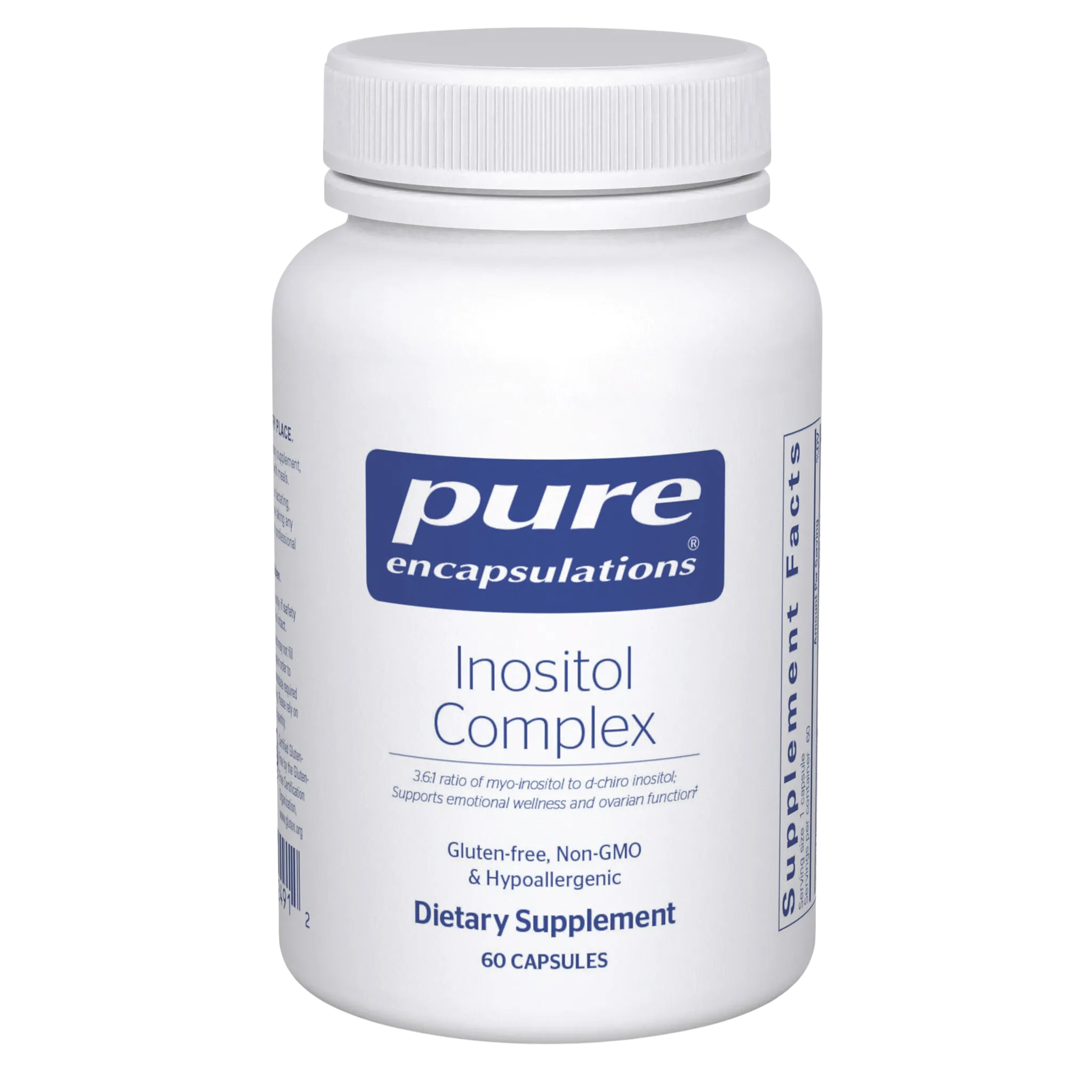
Supplementing with a targeted Inositol Complex directly addresses the intracellular deficits caused by chronic illness and metabolic dysfunction. By providing a clinically researched 3.6:1 ratio of myo-inositol to D-chiro inositol, the supplement acts as a direct post-receptor insulin mediator. When insulin binds to the cell surface, the abundant supply of exogenous inositol ensures that the Phosphatidylinositol (PI) signaling pathway can generate the necessary second messengers (IP3 and DAG) to carry the signal forward.
At the molecular level, the myo-inositol component facilitates the translocation of Glucose Transporter Type 4 (GLUT4) to the cell membrane. GLUT4 acts as a doorway, opening up to pull circulating glucose out of the bloodstream and into the cell. Simultaneously, the D-chiro inositol component accelerates the dephosphorylation and activation of glycogen synthase, the enzyme responsible for packaging that glucose into glycogen for stable, long-term energy storage.
By bypassing the defective epimerase enzyme, this specific ratio restores insulin sensitivity across multiple tissue types. This not only promotes healthy glucose homeostasis but also helps break the cycle of hyperinsulinemia. Lowering circulating insulin levels reduces the inflammatory burden on the body, providing a more stable, reliable source of cellular energy—a critical factor for patients trying to manage the severe fatigue and metabolic crashes associated with ME/CFS and Long COVID.
Beyond its metabolic benefits, inositol plays a profound role in supporting emotional wellness and cognitive function. Neurotransmitters like serotonin and dopamine rely heavily on the inositol-driven PI signaling pathway to exert their effects on the brain. Specifically, myo-inositol is integral to the functioning of the 5-HT2A serotonin receptor subtype, modulating these receptors at the G-protein level and enhancing their sensitivity and efficiency.
In states of chronic illness, neuroinflammation, and autonomic dysregulation, serotonin receptors can become desensitized, leading to profound mood disturbances, anxiety, and depression. By increasing the efficiency of the PI pathway, inositol helps reverse this desensitization, allowing the brain to better utilize the serotonin and dopamine it naturally produces. This mechanism of action is why high-dose inositol has been studied extensively in functional psychiatry as a supportive intervention for mood regulation.
For patients dealing with the neurological sequelae of Long COVID or the adrenaline surges of dysautonomia, supporting these neurotransmitter pathways is essential. By optimizing serotonin and dopamine transmission, Inositol Complex helps lessen occasional nervous tension, promotes a positive mood, and provides a stabilizing effect on a hyper-reactive central nervous system.
At the cellular level, viral infections like SARS-CoV-2 are known to hijack the endoplasmic reticulum (ER)—the cellular organelle responsible for protein folding and lipid synthesis. The virus utilizes a specific stress sensor known as the inositol-requiring enzyme 1 (IRE1) to facilitate its replication, triggering a massive state of ER stress and subsequent cellular inflammation.
While inositol supplementation is not an antiviral treatment, supporting the broader inositol signaling network helps the body manage and recover from this profound cellular stress. By replenishing the intracellular pool of myo-inositol, the body is better equipped to regulate calcium signaling and maintain cellular membrane integrity. This supportive mechanism is particularly relevant when considering what drugs are used for COVID long haulers, as many emerging therapies specifically target neuroinflammation and ER stress pathways.
Furthermore, by addressing the metabolic dysfunction (insulin resistance) and the hormonal imbalances (hyperandrogenism) simultaneously, Inositol Complex provides a comprehensive, multi-angle approach to cellular recovery. It helps calm the systemic inflammatory response, supports healthy ovarian function, and provides the foundational messengers required for the body to return to a state of homeostasis.

Symptoms Inositol Complex May Help Manage
Because inositol acts as a fundamental cellular messenger across the metabolic, neurological, and endocrine systems, supplementing with a targeted 3.6:1 ratio may help manage a diverse array of symptoms associated with complex chronic illnesses. Here are the specific symptoms Inositol Complex targets and the mechanisms behind its supportive action:
Blood Sugar Fluctuations and Crashes: By restoring the intracellular second messengers required for insulin signaling, inositol helps cells efficiently absorb and store glucose. This promotes healthy glucose homeostasis, reducing the severe blood sugar spikes and subsequent crashes that exacerbate fatigue.
Brain Fog and Cognitive Dysfunction: Myo-inositol is a critical biomarker for glial cell health in the brain. Replenishing inositol levels helps support cellular membrane integrity and may help mitigate the neuroinflammation and glial dysfunction that drive cognitive impairment.
Anxiety and Nervous Tension: Inositol modulates the 5-HT2A serotonin receptors and dopamine pathways at the G-protein level. By enhancing neurotransmitter receptor sensitivity, it helps stabilize mood, lessen occasional nervous tension, and support overall emotional wellness.
Menstrual Irregularities and Hormonal Imbalance: The 3.6:1 ratio of myo-inositol to D-chiro inositol specifically targets the broken epimerase conversion in the ovaries. By improving local insulin sensitivity, it helps reduce excess androgen production, supporting healthy ovarian function and menstrual regularity.
Severe Fatigue and Low Cellular Energy: By accelerating the activation of pyruvate dehydrogenase and glycogen synthase, D-chiro inositol helps the body efficiently oxidize glucose for ATP production and store it for long-term use, providing a more stable energy reserve.
Mood Swings and Emotional Dysregulation: Chronic illness and autonomic dysfunction place immense stress on the nervous system. By supporting the Phosphatidylinositol (PI) signaling pathway, inositol helps the brain process stress hormones and neurotransmitters more effectively, promoting a positive, stable mood.
Practical Considerations: Forms, Dosing, and Absorption
When incorporating Inositol Complex into your management strategy, understanding how it is absorbed is critical for maximizing its benefits. Almost all ingested myo-inositol is actively absorbed from the gastrointestinal tract into the bloodstream via sodium-dependent co-transporters (SMIT-1 and SMIT-2). However, because inositol is a sugar alcohol, it shares these exact same absorption pathways with glucose.
This shared pathway creates a phenomenon known as competitive inhibition. If you consume inositol alongside a high-carbohydrate meal, the excess glucose in your digestive tract will outcompete the inositol for access to the transporters, significantly reducing its bioavailability. In fact, clinical data suggests that high blood sugar levels can interfere with proper absorption of standard inositol supplements. To optimize absorption, it is generally recommended to take inositol with meals that are balanced in protein and healthy fats, rather than high-glycemic carbohydrates.
Additionally, other sugar alcohols and artificial sweeteners, such as sorbitol and maltodextrin, can compete for these same carriers. When choosing a supplement, opting for a pure, encapsulated form without unnecessary fillers or artificial sweeteners ensures that the active myo-inositol and D-chiro inositol can be absorbed efficiently without metabolic interference.
The pharmacokinetics of inositol dictate how it should be dosed throughout the day. Following oral ingestion, myo-inositol is absorbed relatively quickly, reaching peak plasma concentrations within 90 to 180 minutes. However, its elimination half-life—the time it takes for half of the supplement to be cleared from your bloodstream by the kidneys—is estimated to be relatively short.
Because of this relatively short half-life, taking a single massive dose of inositol is not the most effective strategy. A single large dose can saturate the intestinal transporters, leading to poor absorption and rapid urinary excretion. Instead, splitting the dose is highly recommended. The suggested use for Inositol Complex is to take 1 capsule, 2 times daily, with meals. This split-dosing strategy prevents transporter saturation and maintains a steady, therapeutic level of inositol in your bloodstream over a 24-hour period.
When considering if Long COVID symptoms come and go, maintaining stable metabolic support is crucial. Consistent, split dosing ensures that your cells have a continuous supply of the second messengers they need to regulate insulin and neurotransmitters, helping to smooth out the unpredictable peaks and valleys of chronic illness symptoms.
Inositol is a naturally occurring compound synthesized by the human body and is classified by the FDA as "Generally Recognized As Safe" (GRAS). At the standard clinical doses used to support metabolic and ovarian health (typically 1 to 4 grams per day), it is generally noted to be well-tolerated and free of significant side effects.
In functional psychiatry, much higher doses of myo-inositol (ranging from 12 to 18 grams per day) are sometimes used to target severe obsessive-compulsive or panic disorders. At these massive doses, inositol can induce mild, non-severe gastrointestinal side effects, such as bloating, gas, loose stools, or mild nausea. However, the doses found in Inositol Complex (550 mg of myo-inositol and 150 mg of D-chiro inositol per capsule) are well within the safe, lower-dose metabolic range, minimizing the risk of GI distress.
While inositol is generally safe, it directly influences blood sugar dynamics and neurotransmitter levels. Patients who are currently taking prescription medications for diabetes, insulin resistance, or psychiatric conditions (such as SSRIs) should consult their healthcare provider before beginning supplementation, as inositol may amplify the effects of these medications, requiring potential dosage adjustments.
Follow the Science
The scientific community has rigorously investigated the specific ratios of myo-inositol to D-chiro inositol, particularly concerning reproductive and metabolic health. A landmark double-blind, multicenter, randomized controlled trial evaluated 60 women with severe metabolic and ovarian dysfunction undergoing fertility treatments. The patients were divided into two groups: one receiving the traditional 40:1 ratio and the other receiving the targeted 3.6:1 ratio for 12 weeks.
The results were highly significant. The group utilizing the 3.6:1 ratio achieved a 65.5% pregnancy rate, compared to just 25.9% in the 40:1 group. Furthermore, the 3.6:1 ratio group demonstrated a statistically superior improvement in oocyte (egg) quality and a significant reduction in the risk of dangerous hyperstimulation complications. This data strongly suggests that for patients with severe, underlying metabolic resistance, providing a higher concentration of D-chiro inositol is necessary to bypass the broken epimerase conversion and restore cellular function.
Additional clinical publications have explored these findings, demonstrating that the 3.6:1 ratio may help support insulin sensitivity. By successfully attenuating the LH/FSH ratio and improving fasting insulin levels, this specific formulation provides a robust, evidence-based approach to managing hyperandrogenism and systemic metabolic stress.
In the context of post-viral syndromes, inositol's role as a diagnostic biomarker has revolutionized how researchers understand neuroinflammation. A pivotal 7-Tesla Magnetic Resonance Spectroscopy (MRS) study provided objective, physical evidence of the cognitive dysfunction experienced by ME/CFS patients. The researchers found significantly lowered concentrations of myo-inositol in the anterior cingulate cortex, directly linking the patients' "brain fog" to glial cell dysfunction and impaired cellular energy metabolism.
This neuroimaging data is critical because it validates the patient experience, proving that the cognitive symptoms of ME/CFS and Long COVID are rooted in profound neurochemical imbalances rather than psychological fatigue. Furthermore, multi-omics research has identified the ITPRID1 gene as a causal factor for Long COVID, highlighting how viral infections disrupt the inositol-driven calcium signaling pathways essential for immune regulation.
These findings are driving ongoing clinical trials that actively use MRS brain scans to measure myo-inositol levels in Long COVID patients. By tracking these levels, researchers can objectively measure the reduction of neuroinflammation and the effectiveness of emerging therapeutic interventions, cementing inositol's place at the forefront of chronic illness research.
The impact of inositol on emotional wellness is supported by decades of functional psychiatry research. Because inositol modulates the Phosphatidylinositol (PI) signaling pathway, it directly influences how the brain processes serotonin and dopamine. A foundational double-blind, placebo-controlled trial evaluated patients with major depression, administering high doses of myo-inositol over a 4-week period.
The study found that patients taking inositol showed a significant overall benefit and symptom reduction on the Hamilton Depression Rating Scale compared to the placebo group, with no adverse changes in hematology or organ function. Similar crossover trials have demonstrated inositol's efficacy in significantly reducing the frequency and severity of panic attacks and agoraphobia compared to placebo, with minimal side effects.
For patients with complex chronic illnesses, the bridge between metabolic and psychiatric health is undeniable. By improving insulin sensitivity and stabilizing blood sugar, inositol indirectly but powerfully alleviates the mood swings and nervous tension that accompany systemic metabolic dysfunction, providing a holistic approach to emotional wellness.
The Path Forward
Managing a complex chronic condition like Long COVID, ME/CFS, or dysautonomia is an ongoing journey that requires patience, self-compassion, and a multi-faceted approach. There is no single "magic pill" that will instantly resolve the intricate web of metabolic, neurological, and autonomic dysfunction. However, targeted nutritional support can play a vital role in restoring the foundational cellular pathways your body needs to heal. By replenishing the crucial second messengers required for insulin and neurotransmitter signaling, Inositol Complex offers a scientifically grounded way to support your body's natural homeostasis.
When integrating a new supplement into your routine, consistency and observation are key. Because inositol works at the cellular level to modulate receptor sensitivity and enzymatic pathways, it may take several weeks of consistent, split dosing to notice subtle shifts in your energy stability, cognitive clarity, or emotional wellness. We encourage you to use symptom tracking to monitor how your body responds over time, paying close attention to changes in your post-exertional malaise (PEM) thresholds and overall mood.
At RTHM, we understand how profoundly invalidating it can be to live with an invisible illness. When routine lab tests fail to capture the severe neuroinflammation or intracellular metabolic gridlock you are experiencing, it is easy to feel dismissed by the traditional medical system. But the emerging science linking Long COVID and ME/CFS to specific biomarkers like myo-inositol proves that your symptoms are real, physiological, and measurable. You are not making this up, and you are not alone in this fight.
Supplements like Inositol Complex are designed to be one piece of a comprehensive management strategy that includes radical pacing, nervous system regulation, and expert medical care. We are committed to providing you with the validating, science-backed tools you need to reclaim your quality of life. Before starting any new supplement regimen, please consult your healthcare provider to ensure it aligns safely with your current medications and individual health needs.