Can InosiCare (Inositol) Support Metabolic Recovery in Long COVID and ME/CFS?
March 6, 2026
InosiCareLong COVIDME/CFS
Share:
Disclaimer: The information provided here is for educational purposes only and is not intended as medical advice. It should not be used to diagnose, treat, cure, or prevent any medical condition. Instead, use it as a starting point for discussion with your healthcare provider. Always consult with a qualified healthcare provider before starting any new medication, supplement, device, or making changes to your health regimen.
Months or even years after an acute viral infection, many individuals find themselves battling a complex web of debilitating symptoms, from profound exhaustion and cognitive dysfunction to unpredictable heart rates and digestive distress. For patients living with Long COVID, myalgic encephalomyelitis/chronic fatigue syndrome (ME/CFS), dysautonomia, and mast cell activation syndrome (MCAS), the search for answers can be incredibly frustrating. Traditional blood panels often return "normal" results, leaving patients feeling invalidated while their bodies remain locked in a state of systemic energy failure and chronic inflammation. However, emerging research is increasingly pointing toward a deeper, cellular explanation for these invisible illnesses: profound metabolic dysfunction and insulin resistance.
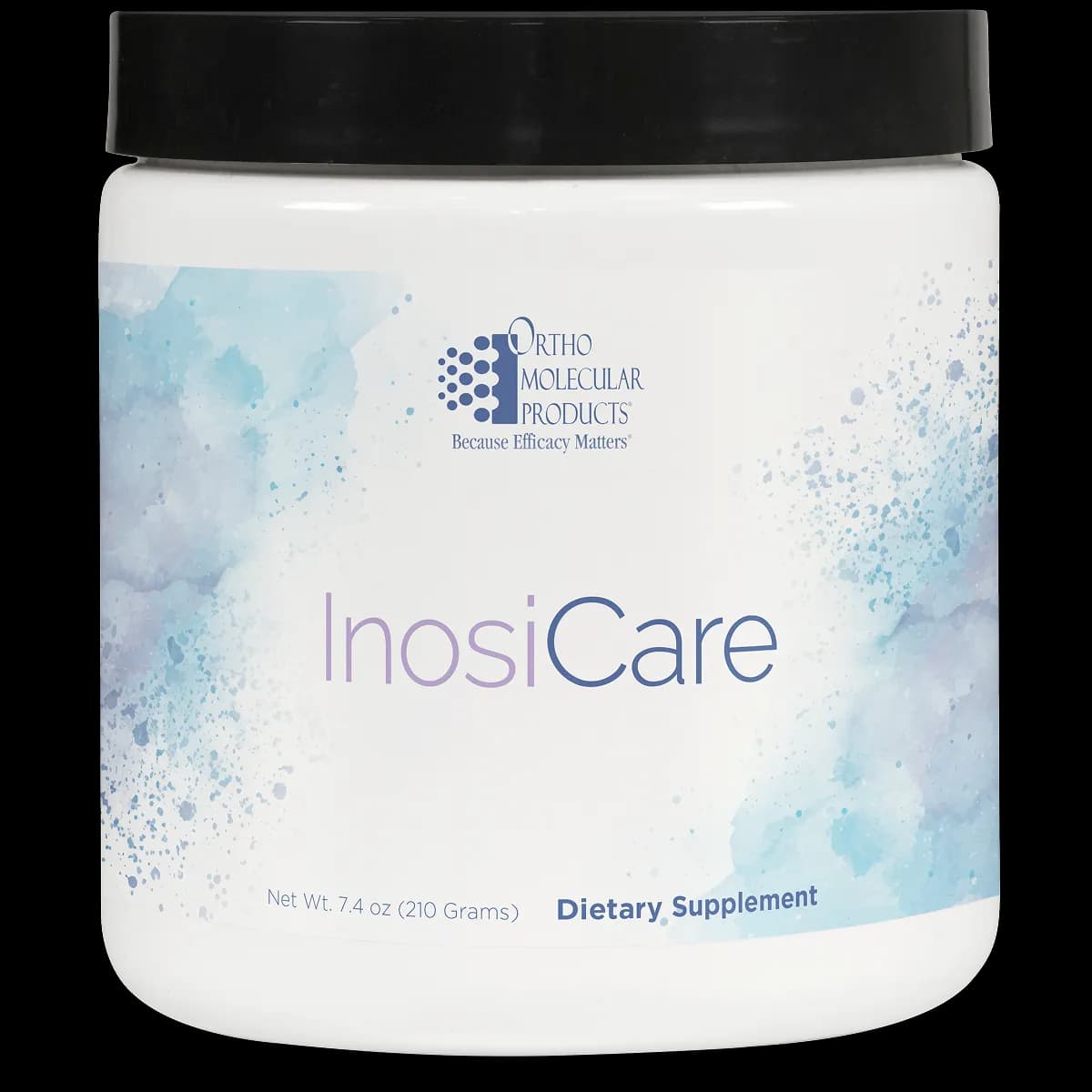
In the wake of the pandemic, medical science has begun to uncover how viral persistence, neuroinflammation, and gut dysbiosis fundamentally alter the way our cells produce and utilize energy. This is where targeted nutritional interventions like InosiCare come into play. Designed by Ortho Molecular, InosiCare is a cutting-edge formula that combines a clinically researched 40:1 ratio of myo-inositol and D-chiro inositol with Solnul® resistant potato starch and essential trace minerals. By addressing the root causes of metabolic gridlock, supporting the gut microbiome, and supporting hormonal balance, this unique blend offers a scientifically grounded approach to managing the complex, interconnected symptoms of chronic post-viral conditions.
TL;DR
InosiCare combines myo-inositol, D-chiro-inositol, Solnul, and trace minerals to support cellular energy and metabolic health.
A 40:1 inositol ratio may help manage insulin resistance and hormonal imbalances linked to chronic conditions.
Solnul resistant starch nourishes beneficial gut bacteria, supporting gut barrier integrity and immune function.
Split dosing with meals maximizes inositol absorption for sustained metabolic and autonomic support.
What is InosiCare?
The Biological Role of Inositols as Cellular Messengers
Inositol is a naturally occurring carbohydrate and sugar alcohol that plays an indispensable role in cellular signaling, membrane integrity, and metabolic homeostasis. Often referred to informally as vitamin B8, inositol functions primarily as an intracellular "second messenger" for several critical hormones, most notably insulin. When insulin binds to a receptor on the surface of a cell, it cannot enter the cell itself; instead, it relies on inositol molecules to transmit its signal inward, effectively "ringing the doorbell" to instruct the cell to absorb glucose from the bloodstream. Without adequate inositol, this signaling pathway breaks down, leaving glucose trapped in the blood and cells starved for energy. This fundamental mechanism is why inositol is heavily researched for its role in metabolic disorders, insulin resistance, and systemic energy deficits.
While there are nine different stereoisomers of inositol, myo-inositol (MI) and D-chiro-inositol (DCI) are the most biologically active and clinically relevant forms. Myo-inositol is the most abundant form in the human body, responsible for activating cellular energy sensors and facilitating glucose uptake in insulin-dependent tissues like skeletal muscle and fat. In contrast, D-chiro-inositol is primarily involved in glycogen synthesis, helping the liver and muscles store glucose for future use. In a healthy body, myo-inositol is naturally converted into D-chiro-inositol by an insulin-dependent enzyme called epimerase, ensuring that both immediate energy needs and long-term storage requirements are met.
The delicate balance between these two isomers is crucial for maintaining both metabolic and hormonal health, particularly in the ovaries and reproductive system. In the ovaries, myo-inositol mediates Follicle-Stimulating Hormone (FSH) signaling and supports the conversion of androgens (male hormones) into estrogens via the aromatase enzyme. Meanwhile, D-chiro-inositol regulates insulin-mediated testosterone synthesis. When this delicate biochemical balance is disrupted by chronic inflammation or metabolic dysfunction, it can lead to a cascade of systemic issues, including irregular ovulation, hyperandrogenism, and profound metabolic fatigue.
The Critical 40:1 Ratio of Myo-Inositol to D-Chiro Inositol
In healthy individuals, the normal plasma ratio of myo-inositol to D-chiro inositol in the bloodstream is strictly maintained at 40:1. However, in states of systemic insulin resistance—such as Polycystic Ovary Syndrome (PCOS) or the metabolic dysfunction frequently seen in Long COVID—a phenomenon known as the "insulin paradox" occurs. Because the body's muscle and fat cells become resistant to insulin, the pancreas compensates by pumping out massive amounts of the hormone, leading to hyperinsulinemia. Unlike muscle tissue, the ovaries do not become resistant to insulin, meaning they are constantly overstimulated by this excess hormone circulating in the blood.
This hyperinsulinemia sends the epimerase enzyme into overdrive within the reproductive organs, rapidly converting too much myo-inositol into D-chiro inositol. As a result, the local ovarian ratio plummets, creating a severe myo-inositol deficiency and a toxic excess of D-chiro inositol. This localized imbalance halts ovulation, degrades egg quality, and drives the excessive production of testosterone. Clinical research suggests that the 40:1 MI/DCI ratio is the best for PCOS therapy aimed at restoring ovulation and normalizing important parameters in these patients.
Solnul® Resistant Potato Starch and the Gut Microbiome
Beyond inositol, InosiCare features a patented, clinically researched prebiotic known as Solnul®, which is an unmodified Type 2 Resistant Starch (RS2) extracted from potatoes. The term "resistant" refers to its unique granular structure, which naturally resists digestion by human alpha-amylase enzymes in the stomach and upper gastrointestinal tract. Because it is not broken down into glucose, it reaches the large intestine completely intact. Once in the colon, it serves as a highly fermentable, insoluble dietary fiber that selectively feeds specific keystone strains of beneficial gut bacteria.
When Solnul reaches the lower GI tract, it is primarily fermented by Bifidobacterium species, which act as the "primary degraders" of the starch. Through a fascinating biological process known as cross-feeding, these bacteria produce primary metabolites like acetate and lactate. These metabolites are then consumed by other beneficial microbes to produce Short-Chain Fatty Acids (SCFAs), most notably butyrate. Butyrate is essential for colon health; it reduces gut inflammation, tightens the intestinal barrier to help manage "leaky gut," and stimulates the secretion of a protective mucus layer. This mucus layer, in turn, provides the perfect environment for Akkermansia muciniphila—a crucial bacteria linked to metabolic regulation and longevity—to thrive and multiply.
Essential Trace Minerals for Metabolic Homeostasis
To round out its comprehensive metabolic support, InosiCare includes highly bioavailable, chelated forms of essential trace minerals: zinc, copper, and chromium. Zinc is a critical immunomodulator with direct antiviral properties, required for the development of innate immune cells and the structural integrity of antioxidant enzymes. Copper works synergistically with zinc in the Cu/Zn-Superoxide Dismutase (SOD) enzyme complex, which is responsible for neutralizing tissue-damaging free radicals and managing oxidative stress throughout the body.
Chromium, provided in the patented ChromeMate® form, is strictly required for normal glucose and lipid metabolism. It binds to a peptide called chromodulin, which physically attaches to the insulin receptor and amplifies its kinase activity. This amplification drastically enhances the cell's sensitivity to insulin, making chromium an indispensable cofactor for anyone struggling with dysglycemia or metabolic syndrome. Together, these trace minerals provide the foundational building blocks required to support damaged metabolic pathways and robust immune function.
How Long COVID and ME/CFS Impact Metabolic and Gut Function
Viral Damage to the Pancreas and Insulin Receptors
To understand why supplements like InosiCare are highly relevant for chronic illness, we must examine how conditions like Long COVID fundamentally damage the body's metabolic infrastructure. During an acute SARS-CoV-2 infection, the virus binds to ACE2 and Neuropilin-1 (NRP-1) receptors to gain entry into human cells. These receptors are highly expressed on pancreatic beta-cells, the exact cells responsible for producing insulin. Recent molecular analyses demonstrate that the virus directly infects these beta-cells, inducing cellular apoptosis (death) and severely impairing the body's ability to regulate blood sugar.
Furthermore, the virus actively downregulates an enzyme called furin, which is required for the maturation of insulin receptors on cell surfaces. Without mature insulin receptors, peripheral tissues cannot respond to insulin, leading to a state of profound, new-onset insulin resistance. This virally induced metabolic blockade prevents cells from absorbing glucose, resulting in the severe, crushing metabolic fatigue that patients experience daily. You can learn more about this phenomenon in our detailed guide on Diabetes and Long COVID: A Pandemic Within a Pandemic.
The Cytokine Storm and Trace Mineral Depletion
Chronic post-viral conditions are heavily characterized by a persistent, hyper-inflammatory state often referred to as a "cytokine storm." In Long COVID and ME/CFS, the immune system fails to return to baseline after the initial infection, continuously pumping out pro-inflammatory cytokines like Interleukin-6 (IL-6) and Tumor Necrosis Factor-alpha (TNF-a). This chronic inflammation acts as a massive stressor on the body, rapidly depleting essential trace minerals required for antioxidant defense.
During this inflammatory cascade, the virus aggressively consumes the body's zinc stores for its own replication, leading to severe intracellular zinc deficiency. Conversely, copper—which acts as an acute-phase reactant—remains abnormally elevated. Research indicates that this skewed Copper-to-Zinc (Cu/Zn) ratio disables the immune system's primary antioxidant enzymes, allowing reactive oxygen species (ROS) to run rampant. This unchecked oxidative stress damages mitochondria, further impairing cellular energy production and exacerbating the debilitating symptoms of post-exertional malaise (PEM).
Neuroinflammation and Glial Cell Dysfunction
The metabolic dysfunction seen in ME/CFS and Long COVID extends far beyond the muscles and pancreas; it deeply impacts the central nervous system. In the brain, specialized cells called glia (astrocytes and microglia) are responsible for maintaining the health of neurons, clearing metabolic waste, and regulating neuroinflammation. These glial cells rely heavily on myo-inositol, using it as a vital osmolyte to maintain their structural integrity and cellular volume.
When systemic inflammation crosses the blood-brain barrier, it triggers microglial activation, leading to chronic neuroinflammation and localized myo-inositol depletion within glial cells. This deficit indicates severe glial cell dysfunction and energetic stress, directly contributing to the profound brain fog, sensory overload, and central fatigue that characterize these complex neurological conditions.
Gut Dysbiosis and the Loss of Keystone Bacteria
The gastrointestinal tract is deeply intertwined with immune function and metabolic health, housing roughly 70% of the body's immune cells. In Long COVID, ME/CFS, and MCAS, patients frequently experience severe gut dysbiosis—a disruption in the balance of beneficial and pathogenic bacteria. Viral persistence in the gut tissue, combined with chronic systemic inflammation, creates a hostile environment that decimates populations of keystone bacteria like Bifidobacterium and Akkermansia muciniphila.
The loss of these crucial microbes halts the production of Short-Chain Fatty Acids (SCFAs) like butyrate. Without sufficient butyrate, the cells lining the colon lose their primary energy source, leading to the degradation of the protective mucosal barrier. This results in increased intestinal permeability, commonly known as "leaky gut." When the gut barrier is compromised, undigested food particles, bacterial endotoxins (LPS), and histamine leak into the bloodstream, triggering widespread mast cell activation and perpetuating the cycle of systemic inflammation. Understanding What Causes Long COVID requires looking closely at this gut-immune axis.
InosiCare: Supporting Cellular Energy, Hormones, and the Gut
Reversing Insulin Resistance via AMPK Activation
InosiCare directly targets the metabolic gridlock seen in chronic illness by utilizing its 40:1 ratio of myo-inositol and D-chiro inositol to support damaged insulin signaling pathways. At the cellular level, myo-inositol acts as a potent activator of AMP-activated protein kinase (AMPK), often described as the master metabolic switch of the cell. When AMPK is activated, it triggers the translocation of GLUT-4 glucose transporters from the interior of the cell to the outer cell membrane.
This mechanism is profoundly important for patients with post-viral fatigue because it allows glucose to enter the cells and be converted into ATP (energy) without requiring massive amounts of insulin. By bypassing the virally damaged insulin receptors and directly facilitating glucose uptake, myo-inositol helps resolve the intracellular energy starvation that drives metabolic fatigue.
Downregulating Neuroinflammation and Cytokine Production
Beyond its metabolic benefits, myo-inositol functions as a powerful immunomodulator capable of quenching the cytokine storms associated with Long COVID and ME/CFS. In metabolomics studies involving stimulated immune cells (macrophages), myo-inositol has been shown to significantly downregulate the genetic expression and protein levels of major pro-inflammatory cytokines, specifically Interleukin-6 (IL-6), Interleukin-1β (IL-1β), and Tumor Necrosis Factor-alpha (TNF-α).
By actively suppressing the interleukin-6/phospho-STAT3 inflammatory signaling pathway, myo-inositol helps protect the vascular endothelium from oxidative damage. Research published in the European Review for Medical and Pharmacological Sciences highlights myo-inositol's ability to drastically reduce IL-6 levels without severe side effects, making it a highly targeted intervention for stopping the chronic neuroinflammation that causes prolonged post-viral fatigue and cognitive dysfunction.
Feeding Akkermansia and Strengthening the Gut Barrier
The inclusion of Solnul® resistant potato starch in InosiCare provides a targeted mechanism for supporting the compromised gut-immune axis. Because Solnul reaches the colon intact, it acts as a precise fuel source for Bifidobacterium, initiating the cross-feeding cascade that results in massive butyrate production. This localized increase in butyrate directly nourishes the colonocytes, prompting them to secrete a thick, healthy layer of protective mucin.
This mucin layer is the exact biological environment required for Akkermansia muciniphila to flourish. A landmark 2023 clinical trial demonstrated that consuming just 3.5 grams of Solnul per day significantly boosted both Bifidobacterium and Akkermansia populations in the gut. By restoring these keystone species, Solnul helps seal the leaky gut barrier, drastically reducing the systemic leakage of endotoxins and lowering serum histamine levels, which is incredibly beneficial for patients managing concurrent MCAS or histamine intolerance.
Restoring Autonomic Nerve Function and Trace Mineral Balance
Dysautonomia, including Postural Orthostatic Tachycardia Syndrome (POTS), is a hallmark comorbidity of both Long COVID and ME/CFS, characterized by a malfunctioning autonomic nervous system. In conditions of metabolic impairment, a phenomenon known as "myo-inositol depletion" occurs inside peripheral nerve tissues. This depletion alters the sodium-potassium ATPase pump activity, leading to slowed nerve conduction and autonomic neuropathy. By supporting myo-inositol levels in peripheral nerve tissues, InosiCare supports the structural health and conduction velocity of the nerves controlling heart rate and blood pressure.
Simultaneously, the chelated trace minerals in InosiCare work to correct the severe imbalances triggered by chronic infection. By providing highly bioavailable zinc (Albion® Zinc Bisglycinate Chelate) and copper, the formula helps normalize the skewed Cu/Zn ratio, supporting the function of Superoxide Dismutase (SOD) and halting widespread oxidative damage. The addition of ChromeMate® chromium further synergizes with the inositol blend to amplify insulin receptor signaling, providing a multi-targeted approach to resolving the metabolic and autonomic crises of chronic illness.
Symptoms InosiCare May Help Manage
Targeted Symptom Relief
Because InosiCare addresses fundamental cellular mechanisms—such as insulin signaling, gut barrier integrity, and neuroinflammation—it can help manage a wide array of interconnected symptoms experienced by patients with complex chronic conditions.
Metabolic Fatigue and Post-Prandial Exhaustion: By activating AMPK and facilitating glucose uptake into cells, the 40:1 inositol ratio helps resolve the intracellular energy starvation caused by virally induced insulin resistance. This can significantly reduce the heavy, "molasses-like" fatigue that many patients experience, particularly after eating meals.
Brain Fog and Cognitive Dysfunction: Myo-inositol replenishes depleted osmolyte levels in the brain's glial cells, supporting their ability to clear metabolic waste and regulate neuroinflammation. This targeted central nervous system support can help alleviate the cognitive slowing, memory issues, and sensory overload associated with ME/CFS and Long COVID.
POTS and Dysautonomia Symptoms: By supporting myo-inositol levels in peripheral nerve tissues, the supplement supports the sodium-potassium ATPase pump, improving nerve conduction velocities. This helps stabilize the autonomic nervous system, potentially reducing inappropriate heart rate spikes, dizziness, and blood pressure fluctuations.
Histamine Intolerance and GI Distress: The Solnul® resistant potato starch feeds keystone bacteria like Akkermansia, driving butyrate production and supporting the mucosal gut barrier. By sealing a "leaky gut," it helps keep endotoxins from triggering systemic mast cell degranulation, which can lower serum histamine levels and reduce symptoms like bloating, diarrhea, and food sensitivities.
Hormonal Imbalances and PCOS Symptoms: The clinically validated 40:1 ratio of MI to DCI overrides defective epimerase conversion in the ovaries, lowering excess testosterone and supporting regular ovulation. This is highly beneficial for patients dealing with irregular menstrual cycles, hyperandrogenism, acne, and concurrent PCOS.
Practical Considerations: Forms, Dosing, and Absorption
The Importance of Split Dosing and Half-Life
When utilizing inositol for metabolic and hormonal support, understanding its pharmacokinetics is essential for achieving optimal clinical results. Myo-inositol is highly water-soluble and is actively transported across the intestinal lining by specific sodium-dependent inositol symporters (SMIT1 and SMIT2). Following oral administration, it is absorbed relatively rapidly, reaching peak plasma concentrations within 1 to 3 hours. However, its elimination half-life is relatively short, ranging from 4 to 8 hours before it is cleared from the bloodstream.
Because of this rapid clearance, taking a single, massive dose of inositol is biologically inefficient; it merely creates a temporary spike in blood levels followed by a sharp drop. To maintain stable, therapeutic levels of inositol in the body over a full 24-hour period, split dosing is mandatory. Clinical studies consistently show that dividing the total daily dose into two separate administrations—typically morning and evening—is the most effective strategy for managing insulin resistance and providing continuous metabolic support throughout the day and night.
Transporter Competition and Food Interactions
While inositol is generally very well tolerated, its absorption can be significantly influenced by dietary factors. Because myo-inositol shares the SMIT1 and SMIT2 transport mechanisms with glucose, high levels of dietary sugar can competitively inhibit its intestinal absorption and cellular uptake. Therefore, it is highly recommended to avoid washing down your supplement with sugary beverages, fruit juices, or high-carbohydrate snacks, as the excess glucose will effectively block the inositol from entering your cells and counteract its insulin-sensitizing benefits.
Conversely, taking inositol shortly before or during a balanced meal containing protein and healthy fats is widely considered the best practical approach. Because inositol acts as an insulin-sensitizing second messenger, having it actively circulating in your system as you digest food helps your body efficiently blunt post-meal blood sugar and insulin spikes. Additionally, excessive caffeine intake should be avoided near the time of supplementation, as it can interfere with the physiological effects of inositol and potentially exacerbate autonomic nervous system overstimulation.
Synergistic Absorption of Trace Minerals
The trace minerals included in InosiCare are specifically formulated to maximize bioavailability and minimize gastrointestinal distress. The zinc and copper are provided as Albion® Bisglycinate Chelates, meaning the mineral ions are bound to glycine amino acids. This chelation process allows the minerals to bypass the standard, easily disrupted mineral absorption pathways in the gut, instead being absorbed through specialized amino acid transporters. This results in significantly higher cellular uptake and drastically reduces the nausea often associated with standard zinc supplements.
Similarly, the chromium in the formula is provided as ChromeMate® (chromium polynicotinate), a unique, patented complex that binds elemental chromium to niacin (Vitamin B3). This specific binding drastically increases the absorption and biological activity of the chromium, ensuring it can effectively reach the insulin receptors and amplify their kinase activity. By utilizing these advanced, highly bioavailable forms, InosiCare ensures that patients with compromised gut function can still absorb and utilize these critical metabolic cofactors.
Follow the Science
Brain Imaging and Glial Dysfunction in ME/CFS
The scientific understanding of myo-inositol's role in chronic illness has expanded dramatically in recent years, particularly through the use of advanced neuroimaging techniques such as magnetic resonance spectroscopy. Because myo-inositol is a primary osmolyte used by glial cells, localized depletion in specific brain regions provides direct, physical evidence of severe glial cell dysfunction and neuroinflammation in ME/CFS, aligning the biochemical deficit with the clinical symptoms of brain fog, sensory overload, and dysautonomia.
This kind of imaging data validates the physiological reality of central fatigue and highlights the critical need for neuro-metabolic support in post-viral syndromes.
New-Onset Insulin Resistance in Post-Viral Syndromes
The connection between viral infections and metabolic collapse has been a major focus of recent Long COVID research, underscoring the necessity of managing Long COVID not just as an immune or respiratory condition, but as a profound metabolic disorder requiring targeted interventions like myo-inositol to support insulin receptor signaling. You can explore more about these systemic impacts in our article on How Does a Doctor Diagnose Long COVID?.
Clinical Trials on Resistant Potato Starch
The efficacy of Solnul® resistant potato starch in modulating the gut microbiome has been rigorously validated in recent clinical trials. A 2023 randomized, double-blind, placebo-controlled study published in the journal Nutrients evaluated the effects of Solnul on 75 healthy adults over 4 weeks. The researchers found that consuming just 3.5 grams per day of Solnul produced a profound prebiotic effect, significantly increasing the relative abundance of both Bifidobacterium and Akkermansia muciniphila.
Remarkably, the study noted that the 3.5-gram dose actually yielded stronger bacterial proliferation than a higher 7-gram dose, proving that low-dose efficacy is optimal for this specific resistant starch. Participants consuming the Solnul also experienced a statistically significant reduction in both diarrhea-associated and constipation-associated bowel movements compared to the placebo, acting as a powerful stool normalizer. This clinical data firmly establishes Solnul as a highly effective intervention for managing gut dysbiosis and supporting the gut-brain axis.
The Path Forward
Validating the Metabolic Reality of Chronic Illness
Living with a complex chronic condition like Long COVID, ME/CFS, or dysautonomia is an incredibly challenging journey, often made harder by a medical system that struggles to understand invisible illnesses. If you have been told that your profound fatigue, brain fog, and unpredictable heart rate are "just anxiety" or that your normal blood panels mean you are perfectly healthy, please know that your experience is valid. The emerging science clearly shows that these conditions are rooted in very real, measurable physiological disruptions—from viral damage to insulin receptors and depleted trace minerals to severe neuroinflammation and gut dysbiosis.
Understanding the cellular mechanisms behind your symptoms is the first step toward reclaiming your health. By recognizing that metabolic gridlock and insulin resistance are driving your systemic energy failure, you can begin to shift your focus toward targeted, science-backed interventions that address the root cause rather than just masking the symptoms. While there is no overnight cure for post-viral syndromes, supporting cellular energy production and supporting the gut-immune axis offers a realistic, hopeful pathway toward improving your quality of life.
Integrating Supplements into a Comprehensive Plan
It is important to remember that supplements, even those as comprehensive as InosiCare, are just one piece of a much larger management puzzle. True recovery from complex chronic illness requires a holistic, multi-disciplinary approach. This includes meticulous symptom tracking, strict adherence to pacing to avoid post-exertional malaise (PEM), dietary modifications to support blood sugar stability, and ongoing medical care from providers who understand the nuances of neuro-immune conditions. You can read more about comprehensive management strategies in our guide on How Can You Live with Long-Term COVID.
Before adding any new supplement to your regimen, it is crucial to consult with your healthcare provider, especially if you are currently taking medications for blood sugar regulation, thyroid function, or autonomic dysfunction. Your provider can help you determine the appropriate dosage, monitor your metabolic biomarkers, and ensure that the intervention safely aligns with your broader treatment goals.
Next Steps for Your Healing Journey
If you are struggling with the heavy, metabolic fatigue, cognitive dysfunction, and hormonal imbalances associated with Long COVID or ME/CFS, targeted nutritional support may help you break the cycle of cellular energy starvation. By combining the clinically validated 40:1 ratio of myo-inositol and D-chiro inositol with microbiome-nourishing Solnul® and essential trace minerals, InosiCare is uniquely formulated to support your body's complex metabolic and immune pathways.