Can InflammaCORE® Help Heal the Gut and Manage Inflammation in Long COVID and ME/CFS?
March 6, 2026
InflammaCORELeaky GutLong COVID
Share:
Disclaimer: The information provided here is for educational purposes only and is not intended as medical advice. It should not be used to diagnose, treat, cure, or prevent any medical condition. Instead, use it as a starting point for discussion with your healthcare provider. Always consult with a qualified healthcare provider before starting any new medication, supplement, device, or making changes to your health regimen.
Months or even years after an initial viral infection, many individuals living with complex chronic conditions like Long COVID, myalgic encephalomyelitis/chronic fatigue syndrome (ME/CFS), dysautonomia, and mast cell activation syndrome (MCAS) continue to experience debilitating, unpredictable symptoms. While respiratory or neurological issues often take center stage in clinical discussions, a growing body of scientific evidence points to a massive, underlying driver of systemic illness: the gastrointestinal tract. Patients frequently report profound digestive distress, sudden food intolerances, and visceral pain, all of which signal a severe breakdown in the gut's delicate mucosal barrier and immune ecosystem. This structural disruption creates a vicious cycle of chronic inflammation that radiates throughout the entire body, exacerbating brain fog, triggering post-exertional malaise (PEM), and driving severe autonomic dysfunction.
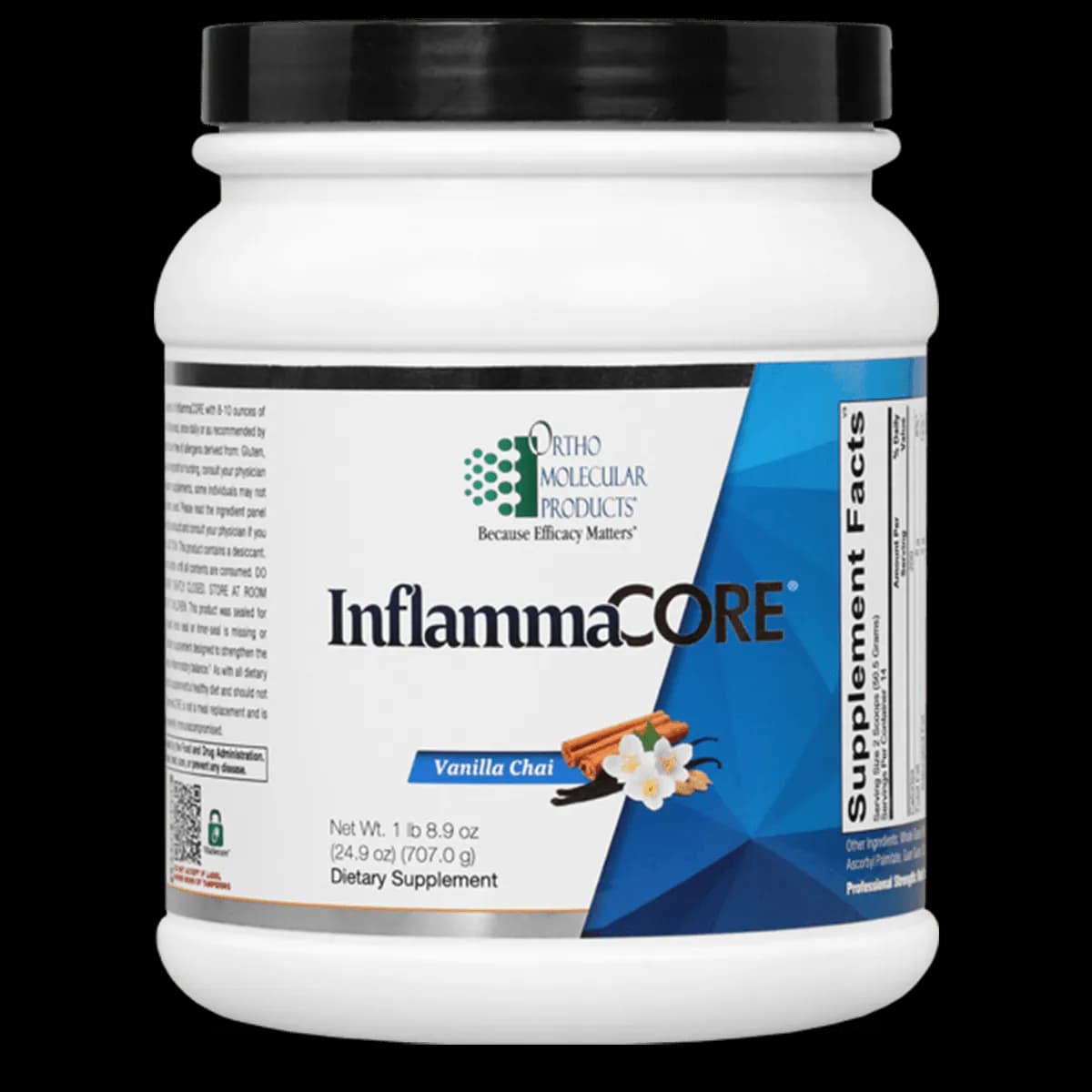
Addressing this foundational gut-immune dysfunction requires more than just masking symptoms with temporary relief; it requires targeted, clinically grounded nutritional support to rebuild the intestinal lining, soothe overactive immune cells, and restore microbial harmony. InflammaCORE® Vanilla Chai by Ortho Molecular is an advanced nutritional formula specifically designed to address these complex immune challenges. By combining high-dose amino acids like L-glutamine with potent botanical mast cell stabilizers and prebiotic fibers, this comprehensive blend aims to maintain normal inflammatory balance and actively strengthen gastrointestinal barrier function. In this comprehensive guide, we will explore the deep molecular mechanisms behind InflammaCORE's key ingredients and examine how they can support patients navigating the complex, often frustrating landscape of chronic, infection-associated illnesses.
TL;DR
Gut dysfunction and "leaky gut" drive systemic inflammation in chronic conditions like Long COVID and ME/CFS.
InflammaCORE® provides amino acids like L-glutamine to help rebuild the intestinal mucosal barrier.
Botanical ingredients like quercetin and turmeric may help stabilize mast cells and soothe localized inflammation.
Healing the gut-immune axis requires consistent nutritional support alongside comprehensive medical management.
What is InflammaCORE®?
The Anatomy of the Intestinal Barrier
The human gastrointestinal tract is a marvel of biological engineering, serving as the primary interface between the external environment and our internal systemic circulation. At its core, the intestinal lining is a vast, semi-permeable mucosal barrier that spans roughly the surface area of a tennis court. Its primary function is highly selective and incredibly demanding: it must efficiently absorb vital water, electrolytes, and dietary nutrients while simultaneously acting as a strict, impenetrable fortress against harmful toxins, undigested food proteins, and pathogenic microbes. This delicate, life-sustaining balance is maintained by a single, microscopic layer of specialized epithelial cells, known as enterocytes, which are tightly bound together by complex protein structures called tight junctions.
These tight junctions act as the dynamic gatekeepers of the gut, constantly opening and closing in response to physiological signals to regulate intestinal permeability. In a healthy, resilient body, this barrier is heavily reinforced by a thick layer of protective mucus and a thriving ecosystem of symbiotic bacteria that produce nourishing short-chain fatty acids. However, when the body is subjected to severe physiological stress, acute viral infections, chronic systemic inflammation, or prolonged medication use, these tight junctions can rapidly degrade and loosen. This structural breakdown leads to intestinal hyperpermeability, colloquially known as "leaky gut," which allows massive macromolecules and bacterial endotoxins to bypass the barrier and flood directly into the bloodstream.
The Role of Acute vs. Chronic Inflammation
Inflammation is fundamentally a natural, protective part of the body’s innate immune response, a complex biochemical cascade triggered to protect the body from harmful stimuli and initiate normal tissue repair. During an acute inflammatory response, plasma proteins and specialized white blood cells are rapidly relocated from the blood into injured or infected tissues. This localized movement is followed by a highly coordinated series of enzymatic events that neutralize threats, clear out cellular debris, and eventually resolve the inflammation once the danger has passed. Acute inflammation is self-limiting and absolutely essential for survival and optimal health.
However, in complex chronic conditions like Long COVID and ME/CFS, this natural resolution phase fails to occur, leading to a state of persistent, low-grade systemic inflammation. When the intestinal barrier is compromised, the continuous leakage of antigenic material into the bloodstream keeps the immune system locked in a perpetual state of high alert. Macrophages and mast cells within the gut-associated lymphoid tissue (GALT) become hyperactive, constantly churning out pro-inflammatory cytokines like interleukin-6 (IL-6) and tumor necrosis factor-alpha (TNF-α). This chronic inflammatory loop not only damages the local gut tissue but also travels systemically, driving neuroinflammation, autonomic nervous system dysfunction, and profound cellular fatigue.
Enter InflammaCORE: A Multi-Targeted Approach
Addressing this relentless cycle of gut permeability and immune overactivation requires a comprehensive, multi-targeted therapeutic strategy. InflammaCORE® is an advanced nutritional formula built specifically to address these profound immune challenges, maintain normal inflammatory balance, and actively strengthen gastrointestinal barrier function. Rather than relying on a single isolated ingredient, it utilizes a synergistic blend of high-dose amino acids, soothing prebiotic fibers, and potent botanical extracts to target the gut-immune axis from multiple biochemical angles. The fructose-free formula is anchored by 19 grams of easy-to-digest brown rice protein, providing a hypoallergenic foundational macronutrient source for patients dealing with severe, unpredictable food sensitivities.
Beyond basic macronutrient nutrition, InflammaCORE delivers therapeutic, clinically relevant doses of L-glutamine and glycine, which act as the primary metabolic fuel for mucosal cell regeneration and the physical reinforcement of tight junctions. This structural support is paired with a proprietary blend of specialized phytonutrients—including quercetin, Chinese skullcap, turmeric, and propolis—that function as powerful intracellular signaling modulators. By directly intervening in the molecular pathways that drive mast cell degranulation and macrophage activation, these botanical ingredients help to quench the localized fire of mucosal inflammation. Together, this comprehensive matrix provides the biological building blocks necessary to transition the gut from a state of chronic alarm back to a state of resilient homeostasis.
How Long COVID, ME/CFS, and MCAS Impact the Gut
Viral Persistence and ACE2 Disruption
The pathophysiology of Long COVID has fundamentally shifted our understanding of post-viral syndromes, revealing that what was once considered a strictly respiratory illness is actually a profound, multi-systemic disease. Central to this pathology is the gastrointestinal tract, which acts as a primary battleground and potential long-term reservoir for the virus. The SARS-CoV-2 virus enters host cells by binding to Angiotensin-Converting Enzyme 2 (ACE2) receptors, which are highly expressed along the epithelial lining of the small and large intestines. When the virus binds to these receptors, it severely downregulates their expression, immediately disrupting critical gut functions such as amino acid absorption, local serotonin production, and the secretion of antimicrobial peptides.
This initial viral invasion often leads to a phenomenon known as viral persistence. Recent clinical frameworks have demonstrated that SARS-CoV-2 viral RNA and spike protein antigens can persist in the intestinal mucosa and stool for many months, or even years, post-infection. Specialized intestinal cells can harbor these viral remnants, allowing them to evade complete immune clearance. This persistent viral presence acts as a constant, low-level trigger, provoking the local gut-associated immune system and generating a continuous stream of pro-inflammatory cytokines. For patients wondering What Causes Long COVID?, this ongoing viral-induced gut inflammation is increasingly recognized as a primary driver of systemic, unrelenting symptoms.
Microbiome Dysbiosis and the Loss of Butyrate
The downstream consequence of this viral persistence and ACE2 downregulation is a catastrophic disruption of the gut's microbial ecosystem, a state known as microbiome dysbiosis. Extensive microbiome sequencing in Long COVID and ME/CFS patients consistently reveals a severely reduced microbial diversity (a low Shannon diversity index) and a profound imbalance between beneficial symbiotic bacteria and opportunistic pathogens. Specifically, patients exhibit severe depletions in crucial short-chain fatty acid (SCFA)-producing bacteria, such as Faecalibacterium prausnitzii and Bifidobacterium species, alongside a marked overgrowth of pro-inflammatory taxa like Ruminococcus gnavus and Enterococcus.
This microbial shift is devastating because it directly halts the production of butyrate, an essential SCFA that serves as the primary energy source for the cells lining the colon. Without sufficient butyrate, colonocytes essentially starve, losing their ability to produce protective mucin and maintain the structural integrity of the intestinal wall. This loss of beneficial bacteria and the subsequent drop in SCFA production creates a highly toxic, acidic local environment that further suppresses healthy microbial growth. This dysbiotic state is a hallmark feature connecting post-viral fatigue syndromes, helping to explain Can Long COVID Trigger ME/CFS? Unraveling the Connection by highlighting the shared underlying gastrointestinal pathology.
The "Leaky Gut" Phenomenon and Systemic Inflammation
The ultimate consequence of butyrate deficiency and localized mucosal inflammation is the physical breakdown of the intestinal barrier, resulting in severe intestinal hyperpermeability, or "leaky gut." As the tight junctions between enterocytes degrade, the gut loses its selective filtering capacity. This structural failure allows highly inflammatory microbial components—most notably bacterial endotoxins like lipopolysaccharides (LPS) and fungal antigens—to leak from the intestinal lumen directly into the systemic bloodstream. The presence of these endotoxins in the blood triggers a severe, body-wide immune reaction known as metabolic endotoxemia, which places an enormous burden on the liver and immune system.
Once these toxins enter systemic circulation, they travel through complex biological communication networks, most notably the gut-brain axis. Pro-inflammatory cytokines and endotoxins can cross the blood-brain barrier, triggering profound neuroinflammation that manifests as the debilitating brain fog, cognitive impairment, and severe neuro-fatigue seen in Long COVID and ME/CFS. Furthermore, this systemic inflammatory burden heavily sensitizes mast cells throughout the body, driving the erratic, multi-system allergic reactions characteristic of MCAS. Understanding this cascade highlights why Gastrointestinal Symptoms Seen with Long COVID are not just localized digestive issues, but the root source of systemic chronic illness.
InflammaCORE®: Supporting Gut Healing and Immune Balance
L-Glutamine and Glycine: Fueling Enterocyte Regeneration
The foundation of InflammaCORE's gut-healing protocol lies in its high concentration of specific amino acids, particularly L-Glutamine (2.5 grams per serving). L-glutamine is the most abundant conditionally essential amino acid in the human body and serves as the preferred, primary metabolic fuel source for enterocytes and colonocytes. When the gut is damaged by viral infection or chronic stress, these rapidly dividing cells require massive amounts of glutamine to proliferate, regenerate, and repair mucosal damage. At a molecular level, research indicates that L-glutamine induces the transactivation of the Epidermal Growth Factor Receptor (EGFR). This activation stabilizes the actomyosin ring and specific tight junction proteins (like claudins and occludin) via complex cellular signaling pathways, physically sealing the "leaks" in the intestinal barrier.
Working in tandem with L-glutamine is Glycine (500 mg) and L-Proline (500 mg). These two amino acids are the primary structural building blocks of collagen, the main structural protein that forms the connective tissue of the intestinal lining. Glycine also acts as a potent anti-inflammatory agent and a crucial inhibitory neurotransmitter. By providing these specific amino acids in high, therapeutic doses, InflammaCORE ensures the body has the exact raw materials required to rebuild the degraded mucosal matrix and restore the physical integrity of the gut barrier, helping to prevent further translocation of bacterial endotoxins into the bloodstream.
Arabinogalactan: Cultivating a Resilient Microbiome
To address the profound microbiome dysbiosis seen in chronic illness, InflammaCORE includes 1 gram of Arabinogalactan, a highly branched, complex prebiotic fiber extracted from the heartwood of the Larch tree. Because it resists digestion by human salivary and small intestinal enzymes, arabinogalactan reaches the large intestine completely intact. Here, it acts as a highly selective fertilizer for symbiotic gut microbiota.
The primary metabolic byproduct of this microbial fermentation is the generation of short-chain fatty acids (SCFAs), principally butyrate, propionate, and acetate. By naturally stimulating the production of butyrate, arabinogalactan indirectly nourishes the colonic epithelial cells, stimulates protective mucin production, and lowers the pH of the colon to create a hostile environment for harmful bacteria. Furthermore, as this complex polysaccharide passes through the gut, it directly interacts with the Gut-Associated Lymphoid Tissue (GALT), stimulating the cytotoxicity of Natural Killer (NK) cells and enhancing the phagocytic activity of macrophages, thereby empowering the innate immune response without triggering excessive inflammation.
Quercetin, Skullcap, and Turmeric: Stabilizing Mast Cells
For patients dealing with MCAS and systemic histamine intolerance, stabilizing hyperactive mast cells is paramount. InflammaCORE features a potent triad of botanical mast cell stabilizers: Quercetin Dihydrate (250 mg), Chinese Skullcap Root Extract (250 mg), and Turmeric Root Extract (250 mg). Quercetin, a heavily researched bioflavonoid, stabilizes mast cells by directly inhibiting intracellular calcium influx—a signaling mechanism strictly required for mast cells to degranulate. It effectively blocks the NF-κB signaling pathway (a master switch for inflammation) and down-regulates the genetic transcription of histidine decarboxylase, the enzyme responsible for synthesizing new histamine.
Chinese Skullcap provides a rich concentration of baicalin, a flavonoid that may help prevent mast cell degranulation by elevating intracellular cyclic adenosine monophosphate (cAMP) levels—a biochemical state that keeps mast cells physically stable and inactive. It actively inhibits the JAK2-STAT5 inflammatory signaling pathways. Meanwhile, Curcumin (the active compound in Turmeric) functions by restricting the signaling pathways that lead to degranulation, helping prevent excessive immune cell activation.
Propolis, Ginger, and Rosemary: Soothing Mucosal Inflammation
To further quench the localized fire of gastrointestinal inflammation, the formula incorporates Propolis Extract (200 mg), Ginger Root Extract (100 mg), and Rosemary Leaf Extract (100 mg). Propolis, a resinous mixture produced by honeybees, is highly concentrated in polyphenols that strongly inhibit major pro-inflammatory signaling pathways in the gut lining, primarily the MAPK pathway. This drastically reduces the secretion of pro-inflammatory cytokines that damage the intestinal tissue. Furthermore, propolis has been shown to strengthen the tight junctions between intestinal epithelial cells by activating the AMPK cellular energy pathways.
Ginger and Rosemary work synergistically to protect the tissue from oxidative destruction. Ginger contains bioactive compounds like galangin and gingerols that act as powerful inflammasome suppressors. By inhibiting specific heat shock proteins, ginger may help prevent the activation of the NLRP3 inflammasome, a multi-protein complex responsible for severe inflammatory responses in the gut. Rosemary provides potent phenolic diterpenes, primarily carnosic acid, which act as heavy-duty antioxidants. These compounds scavenge the massive amounts of reactive oxygen species (ROS) generated during gut inflammation, neutralizing lipid peroxidation in the gut lining and allowing the previously damaged tissue to finally undergo the natural repair process.

Symptoms InflammaCORE® May Help Manage
Gastrointestinal and Digestive Distress
By directly targeting the structural integrity of the intestinal lining and modulating the local microbiome, InflammaCORE provides foundational support for a wide array of debilitating digestive symptoms frequently seen in chronic post-viral conditions:
Chronic Diarrhea and Loose Stools: By reinforcing tight junctions with L-glutamine and promoting water absorption through healthy enterocyte function, the formula helps normalize bowel movements and reduce post-infectious IBS symptoms.
Severe Bloating and Distension: The prebiotic arabinogalactan helps rebalance the microbiome, reducing the overgrowth of gas-producing pathogenic bacteria and fostering a healthier, less reactive fermentation process.
Visceral Pain and Cramping: The potent anti-inflammatory actions of ginger, propolis, and turmeric help soothe the inflamed mucosal lining, downregulating the COX-2 enzymes that drive localized tissue pain and intestinal spasms.
Sudden Food Intolerances: By physically sealing the "leaky gut" barrier, the formula helps prevent undigested food proteins from entering the bloodstream, which is the primary trigger for sudden, severe food sensitivities and immune cross-reactivity.
Systemic and Neurological Symptoms
Because the gut and brain are intimately connected via the gut-brain axis, healing the intestinal barrier has profound downstream effects on systemic and neurological health, addressing symptoms that may not initially seem related to digestion:
Brain Fog and Cognitive Impairment: By stopping the translocation of bacterial endotoxins (LPS) into the bloodstream, the formula reduces the systemic metabolic endotoxemia that crosses the blood-brain barrier and triggers debilitating neuroinflammation.
Profound Cellular Fatigue: Restoring the gut's ability to properly absorb essential nutrients and amino acids ensures the body has the raw materials needed for mitochondrial energy production, helping to combat deep, unyielding exhaustion.
Post-Exertional Malaise (PEM): Chronic gut inflammation drains the body's energy reserves. By quenching this internal inflammatory fire, the immune system requires less energy to function, potentially raising the patient's baseline threshold for exertion and reducing the severity of crashes.
Immune and Allergic Reactivity
For patients dealing with the erratic, multi-system flare-ups characteristic of Mast Cell Activation Syndrome (MCAS), the botanical stabilizers in InflammaCORE offer targeted relief:
Histamine Intolerance: Quercetin and Chinese Skullcap work synergistically to stabilize mast cell membranes, helping to prevent the sudden, massive degranulation of histamine that triggers flushing, tachycardia, and severe allergic responses.
Systemic Joint and Muscle Pain: Curcumin and rosemary extract act as systemic antioxidants and anti-inflammatories, reducing the circulating cytokines that settle in tissues and cause widespread myalgia and arthralgia.
Skin Rashes and Dermatitis: By modulating the Th1/Th2 immune balance and reducing systemic inflammatory signaling, the formula helps calm the immune pathways that drive persistent skin conditions like eczema, hives, and unexplained rashes.
Practical Considerations: Forms, Dosing, and Absorption
Understanding the Formula and Bioavailability
When dealing with severe gastrointestinal dysfunction, the format and bioavailability of a supplement are just as critical as its active ingredients. InflammaCORE is intentionally designed as a comprehensive powder rather than a handful of capsules. This allows for the delivery of massive, therapeutic doses of macronutrients and amino acids—such as 19 grams of brown rice protein and 2.5 grams of L-glutamine—that would be physically impossible to consume in pill form. The brown rice protein base is entirely fructose-free and hypoallergenic, making it exceptionally safe for patients with severe dietary restrictions, celiac disease, or complex food allergies who cannot tolerate dairy (whey) or soy-based proteins.
Furthermore, the formula is intelligently designed to maximize the absorption of its botanical extracts. Compounds like curcumin (from turmeric) and quercetin are notoriously difficult for the body to absorb on their own due to their poor water solubility. To combat this, InflammaCORE includes 1.5 grams of Medium Chain Triglycerides (MCTs) and 1.3 grams of Alpha Linolenic Acid from flaxseed flour. This built-in lipid matrix acts as a highly effective carrier system, dramatically enhancing the intestinal absorption and systemic bioavailability of the fat-soluble flavonoids and Vitamin D3, ensuring these potent anti-inflammatories actually reach the bloodstream and target tissues.
Optimal Timing and Dosing Strategies
For optimal therapeutic effect, the timing of administration is crucial. Because L-glutamine competes with other amino acids for cellular uptake, it is generally most effective when taken on an empty stomach, or at least away from heavy, complex meals. This ensures that the enterocytes lining the damaged gut have priority access to the glutamine for immediate cellular repair. The suggested use is to mix 2 scoops of InflammaCORE with 8-10 ounces of water, almond milk, or the beverage of your choice. Using a shaker bottle or blender can help achieve a smooth, desirable consistency, and the Vanilla Chai flavor provides a soothing, palatable experience even for those with severe nausea.
For patients with severe MCAS, dysautonomia, or extreme chemical sensitivities, it is always recommended to practice the "start low and go slow" method. Rather than beginning with the full 2-scoop dose, consider starting with a quarter or half scoop daily to assess your body's tolerance and monitor for any localized gastrointestinal shifts or die-off reactions as the microbiome begins to adjust. Healing the gut barrier is not an overnight process; clinical trials indicate that consistent, daily supplementation for a minimum of 4 to 8 weeks is typically required to observe significant structural changes in tight junctions and a meaningful reduction in systemic clinical symptoms.
Potential Interactions and Contraindications
While InflammaCORE is formulated with natural, highly tolerable ingredients, its potent biochemical effects require careful consideration, especially for patients on complex medication regimens. The high concentration of botanical anti-inflammatories, particularly turmeric (curcumin) and ginger, can possess mild blood-thinning properties. Patients currently taking prescription anticoagulants (like warfarin or Eliquis) or antiplatelet medications should consult their healthcare provider to monitor for potential synergistic effects. Additionally, because the formula actively modulates immune function and macrophage activity, individuals on heavy immunosuppressive therapies should discuss the integration of these botanicals with their specialist.
It is also important to note that while L-glutamine is incredibly healing for the gut, a very small subset of patients with severe neuroinflammation or specific genetic variants (like GAD mutations) may experience increased anxiety or overstimulation, as glutamine can occasionally convert into the excitatory neurotransmitter glutamate in the brain. If you experience sudden neurological agitation, discontinue use and consult your provider. As always, supplements should be viewed as a powerful adjunct to your medical care, and you should review What Drugs Are Used for COVID Long Haulers? with your clinical team to ensure a safe, cohesive treatment protocol.

Follow the Science
Clinical Evidence for L-Glutamine in Gut Permeability
The use of high-dose L-glutamine to repair intestinal permeability is supported by robust, randomized clinical trial data. In a landmark double-blind, placebo-controlled trial evaluating adults with diarrhea-predominant Irritable Bowel Syndrome (IBS-D) and elevated intestinal permeability following an enteric infection, the results were striking. Patients received either a placebo or 15 grams of L-glutamine per day for 8 weeks. The study found that approximately 80% of the patients in the L-glutamine group achieved a clinically significant response—a massive reduction in symptom severity—compared to only 6% in the placebo group. Intestinal hyperpermeability was entirely normalized in the glutamine group, accompanied by profound improvements in stool frequency and abdominal pain.
Further evidence comes from studies examining exercise-induced gut permeability. Prolonged physiological stress draws blood away from the gut, causing ischemia and subsequent "leaky gut." A study published in the American Physiological Society Journal tested humans undergoing exhaustive physical exertion. The researchers found that when subjects were supplemented with L-glutamine prior to the trial, the permeability ratio (measured via lactulose/rhamnose urine tests) was kept significantly lower compared to the placebo group. This indicates that glutamine may help prevent the stress-induced breakdown of the gut barrier, a mechanism highly relevant for ME/CFS patients experiencing physiological crashes.
The Efficacy of Botanical Mast Cell Stabilizers
The botanical extracts in InflammaCORE are backed by extensive in vitro and in vivo research demonstrating their ability to halt severe allergic inflammation. Quercetin, for instance, has been shown in cellular models to be highly effective at blocking human mast cell cytokine release and inhibiting histamine release.
Similarly, the active compounds in Chinese Skullcap (baicalin) and Turmeric (curcumin) have been heavily validated. In animal models of anaphylaxis, baicalin significantly inhibited skin vascular inflammatory responses induced by compound 48/80, a potent mast cell degranulator. By suppressing Syk kinase activity, curcumin fundamentally restricts the signaling pathways that lead to mast cell activation, providing a multi-target approach to managing MCAS symptoms.
Microbiome Modulation via Arabinogalactan
The inclusion of larch arabinogalactan is grounded in precise microbiological research. Studies utilizing advanced 16S rRNA gene sequencing have demonstrated that this complex polysaccharide acts as a highly effective, selective prebiotic. When consumed, it consistently enriches specific beneficial microbial populations, most notably Bifidobacterium longum, supporting beneficial butyrate production. Furthermore, human clinical trials have shown that prophylactic supplementation with larch arabinogalactan effectively improves the body's innate immune defense, significantly decreasing the incidence of upper respiratory tract infections.
The Path Forward
Validating the Gut-Immune Connection
Living with complex chronic conditions like Long COVID, ME/CFS, dysautonomia, and MCAS is an incredibly isolating and frustrating experience. For months or even years, you may have been told that your severe fatigue, brain fog, and erratic allergic reactions were disconnected, untreatable, or simply a manifestation of anxiety. However, the emerging science surrounding the gut-immune axis provides profound validation for your experience. Your symptoms are not in your head; they are deeply rooted in your biology. The breakdown of the intestinal barrier, the persistent viral-induced inflammation, and the subsequent systemic immune cascade are real, measurable physiological phenomena. Acknowledging this gut-immune connection is the first, crucial step toward reclaiming your health and finding targeted, effective management strategies.
Integrating Nutritional Support into Your Protocol
While the science behind InflammaCORE is highly promising, it is important to remember that there is no single "magic pill" or quick fix for complex chronic illness. Rebuilding a damaged gut barrier and calming a hyperactive immune system takes time, patience, and profound consistency. Supplements should be viewed as one powerful tool within a much broader, comprehensive management strategy. True healing requires a holistic approach that includes radical rest, meticulous pacing to avoid post-exertional malaise, nervous system regulation, and ongoing medical supervision. We encourage you to explore How Can You Live with Long-Term COVID to learn more about integrating these essential lifestyle modifications alongside your nutritional protocols.
Next Steps for Your Healing Journey
If you are struggling with severe gastrointestinal distress, sudden food intolerances, or the systemic inflammation characteristic of Long COVID and MCAS, addressing the health of your intestinal barrier is a critical priority. InflammaCORE® Vanilla Chai offers a scientifically formulated, multi-targeted approach to support mucosal cell regeneration, stabilize hyperactive mast cells, and cultivate a resilient microbiome. By providing your body with the exact amino acids, prebiotic fibers, and botanical modulators it needs, you can begin to transition your gut from a state of chronic alarm back to a state of balance. Always consult with your healthcare provider before beginning any new supplement regimen to ensure it aligns safely with your specific medical needs.
Sources
Mechanisms of long COVID and the path toward therapeutics - ScienceDirect
Silent Invasion: COVID-19′s Hidden Damage to Human Organs - MDPI
Role of Glutamine in Protection of Intestinal Epithelial Tight Junctions - PMC
Glutamine for the Treatment of Patients With Irritable Bowel Syndrome - ClinicalTrials.gov