Can InflammaCORE® Support Gut Healing and Calm Inflammation in Long COVID?
March 6, 2026
InflammaCORELong COVIDMCAS
Share:
Disclaimer: The information provided here is for educational purposes only and is not intended as medical advice. It should not be used to diagnose, treat, cure, or prevent any medical condition. Instead, use it as a starting point for discussion with your healthcare provider. Always consult with a qualified healthcare provider before starting any new medication, supplement, device, or making changes to your health regimen.
For many individuals living with complex chronic conditions, the journey to finding relief can feel like navigating a labyrinth without a map. Long after the initial trigger—whether it be a viral infection or a period of intense physical stress—debilitating symptoms like severe brain fog, unpredictable food sensitivities, and profound exhaustion often remain. A growing body of medical research is pointing to a common denominator in these systemic issues: the gastrointestinal tract. When the delicate lining of the gut is compromised, it sets off a cascade of immune dysregulation and inflammation that echoes throughout the entire body, driving the pathology of conditions like Long COVID, mast cell activation syndrome (MCAS), and myalgic encephalomyelitis/chronic fatigue syndrome (ME/CFS).
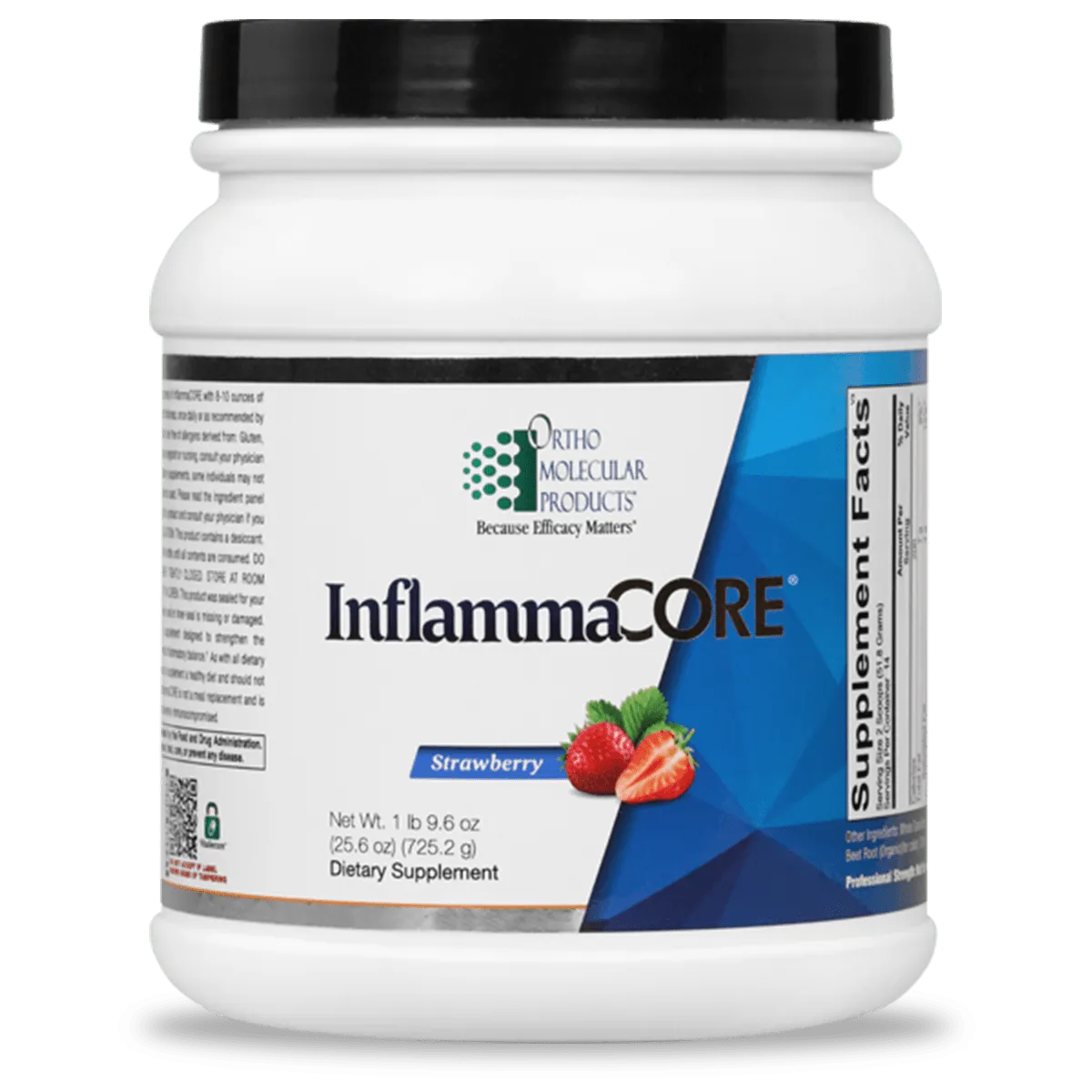
Addressing this foundational gut-immune dysfunction requires more than just masking symptoms; it requires providing the body with the specific biochemical building blocks needed to repair cellular damage and calm hyperactive immune responses. InflammaCORE® is a comprehensive nutritional formula designed specifically to address these immune challenges, maintain normal inflammatory balance, and strengthen gastrointestinal barrier function. By combining high-dose amino acids like L-glutamine with potent botanical extracts like quercetin, turmeric, and Chinese skullcap, this formulation targets the root mechanisms of mucosal breakdown and systemic inflammation. In this article, we will explore the deep science behind these ingredients and how they may support healing for those navigating post-viral and chronic inflammatory syndromes.
TL;DR
Gut health is closely linked to chronic conditions like Long COVID, MCAS, and ME/CFS.
InflammaCORE® provides amino acids and flavonoids to support gut barrier repair and immune balance.
Ingredients like L-glutamine and quercetin may help manage systemic inflammation and mast cell reactivity.
Always consult your healthcare provider before starting new supplements for complex chronic illnesses.
What is InflammaCORE®?
The Foundation of the Gut Barrier
To understand how a comprehensive formula like InflammaCORE® functions, we must first look at the natural roles its key ingredients play in a healthy human body. At the core of this formula are high amounts of L-glutamine (2.5 grams per serving) and glycine (500 mg per serving). L-glutamine is the most abundant conditionally essential amino acid in the human body. Under normal circumstances, the body synthesizes enough of it to meet daily demands. However, during periods of extreme physical stress, trauma, or severe viral infections, the body's demand for L-glutamine rapidly outpaces its production, leading to a hyper-catabolic state of depletion.
At the cellular level, L-glutamine serves as the primary metabolic fuel for enterocytes, the rapidly dividing cells that make up the mucosal lining of the small and large intestines. Rather than utilizing glucose for energy, these intestinal cells preferentially oxidize L-glutamine to drive cell proliferation, tissue repair, and the maintenance of the physical gut barrier. Glycine, another crucial amino acid in the formula, works synergistically with L-glutamine to support mucosal cell regeneration. Glycine is a fundamental building block for collagen and connective tissue, providing the structural framework necessary for a resilient and healthy intestinal lining.
Furthermore, L-glutamine is heavily involved in the regulation of tight junction proteins. These proteins, including claudins, occludin, and zonula occludens-1 (ZO-1), act as the "mortar" that stitches enterocytes together, creating a highly selective barrier that allows nutrient absorption while keeping pathogens and toxins out of the bloodstream. By providing a concentrated dose of these amino acids, alongside 19 grams of easy-to-digest brown rice protein, the formula supplies the raw materials required for continuous intestinal reinforcement.
Flavonoids and Immune Modulation
Beyond structural amino acids, the formula incorporates a robust matrix of bioactive flavonoids and botanical extracts, including quercetin dihydrate (250 mg), turmeric root extract (250 mg), and Chinese skullcap root extract (250 mg). In a healthy immune system, flavonoids act as natural modulators, ensuring that inflammatory responses are proportionate to the threat and resolve quickly once the danger has passed. Quercetin, a bioflavonoid found in apples and onions, is widely recognized in clinical research for its ability to stabilize mast cells. Mast cells are innate immune sentinels that release histamine and other mediators when triggered; quercetin helps maintain the integrity of the mast cell membrane, preventing premature or excessive degranulation.
Turmeric root extract, standardized to contain high levels of curcuminoids, and Chinese skullcap (Scutellaria baicalensis), rich in the flavonoid baicalin, function as powerful intracellular signaling regulators. They naturally interface with the body's inflammatory pathways, specifically targeting nuclear factor-kappa B (NF-κB). NF-κB is a master transcription factor that controls the expression of pro-inflammatory genes. By modulating this pathway, these botanical extracts help prevent the overproduction of inflammatory cytokines, maintaining a balanced and healthy immune response rather than allowing it to spiral into a chronic state of hyper-inflammation.
Prebiotic Fibers and the Microbiome
The final foundational pillar of this formula involves supporting the gut microbiome through specific prebiotic fibers, namely arabinogalactan (1 gram from Larch tree) and alpha-linolenic acid from flaxseed flour. Arabinogalactan is a highly branched, non-digestible polysaccharide. Because it resists breakdown by human digestive enzymes in the stomach and small intestine, it arrives intact in the colon, where it serves as a highly fermentable food source for beneficial anaerobic bacteria, such as Bifidobacterium and Lactobacillus.
When these beneficial microbes ferment arabinogalactan, they produce vital metabolites known as short-chain fatty acids (SCFAs), primarily butyrate, propionate, and acetate. Butyrate is particularly critical, as it acts as the primary energy source for colonocytes (the cells lining the colon) and plays a profound role in regulating local immune function. By nourishing the microbiome, these prebiotic fibers ensure a robust production of SCFAs, which in turn helps maintain an acidic, inhospitable environment for pathogenic bacteria while actively supporting the structural integrity and immune tolerance of the lower gastrointestinal tract.
How Long COVID and MCAS Impact the Gut-Immune Axis
Viral Reservoirs and Leaky Gut
To comprehend why gastrointestinal support is so vital, we must examine What Causes Long COVID? and how chronic illnesses fundamentally disrupt the gut-immune axis. Although COVID-19 is primarily recognized as a respiratory illness, the SARS-CoV-2 virus has a profound affinity for the gastrointestinal tract. The virus gains entry into human cells by binding to ACE2 receptors, which are densely expressed along the mucosal lining of the intestines. During acute infection, this direct viral assault induces enterocyte apoptosis (cell death) and dramatically impairs the tight junction proteins that hold the gut barrier together.
In many patients who develop Long COVID, evidence suggests that persistent viral reservoirs or viral fragments (like the spike protein) may linger in the gut epithelium for months or even years after the initial infection. This localized viral persistence sustains a state of chronic intestinal permeability, commonly known as "leaky gut syndrome." When the tight junctions remain compromised, undigested food particles, bacterial endotoxins like lipopolysaccharide (LPS), and fungal markers escape the gut lumen and translocate into the bloodstream. This microbial translocation triggers a massive, systemic immune response, creating a vicious cycle of chronic inflammation that the body struggles to resolve.
Mast Cell Activation and Systemic Inflammation
This breakdown of the gut barrier is intimately connected to the development or exacerbation of mast cell activation syndrome (MCAS). Mast cells are heavily concentrated in the mucosal tissues of the gastrointestinal tract, acting as the first line of defense against invading pathogens. In the presence of a leaky gut, the constant influx of translocated microbial toxins and undigested proteins keeps these mast cells in a state of hyper-vigilance. The SARS-CoV-2 virus itself can also directly bind to mast cell receptors, triggering unregulated degranulation.
When mast cells become hyper-reactive, they continuously dump inflammatory mediators—such as histamine, tryptase, prostaglandins, and leukotrienes—into the surrounding tissues and bloodstream. This chronic mediator release drives a host of systemic symptoms. The continuous dumping of histamine dilates blood vessels, leading to sudden drops in blood pressure and compensatory rapid heart rates, a mechanism that frequently overlaps with dysautonomia and Postural Orthostatic Tachycardia Syndrome (POTS). This hyper-inflammatory state explains why Gastrointestinal Symptoms Seen with Long COVID are rarely isolated to the gut, but rather present alongside widespread systemic dysfunction.
The Gut-Brain Axis and Neuroinflammation
The consequences of gut barrier dysfunction and mast cell activation inevitably reach the central nervous system via the gut-brain axis. The systemic inflammation stemming from a leaky gut, particularly the circulation of bacterial LPS and pro-inflammatory cytokines (like IL-6 and TNF-alpha), can compromise the blood-brain barrier. Once this secondary barrier is breached, peripheral inflammation translates into neuroinflammation, activating the brain's resident immune cells, known as microglia.
This neuroinflammatory cascade is now considered a primary driver of the severe cognitive impairment, commonly referred to as "brain fog," and the profound neurological fatigue seen in both Long COVID and ME/CFS. In fact, microbiome profiling has revealed a remarkable overlap between the gut dysbiosis seen in Long COVID and ME/CFS patients, suggesting a shared pathophysiology. As researchers continue Unraveling the Connection between these conditions, it becomes increasingly clear that healing the gut barrier and halting microbial translocation is a critical step in reducing the neuroimmune activation that fuels post-exertional malaise (PEM) and cognitive dysfunction.
InflammaCORE®: Supporting Gut Barrier and Immune Function
L-Glutamine and Tight Junction Repair
Supplementing with a comprehensive formula like InflammaCORE® aims to interrupt these vicious cycles by providing targeted support for mucosal repair and immune modulation. The high concentration of L-glutamine acts as a direct intervention for intestinal permeability. Because glutamine deficiency is a central metabolic feature of severe illness, replenishing this amino acid is essential for recovery. When L-glutamine is introduced to the compromised gut, enterocytes rapidly absorb it, utilizing it as the primary fuel source to drive cellular proliferation and rebuild the degraded mucosal lining.
At a molecular level, L-glutamine directly regulates the expression of tight junction proteins. It stimulates the synthesis and proper assembly of claudins and occludin, effectively "zipping" the enterocytes back together. By physically tightening the barrier, L-glutamine halts the translocation of bacterial endotoxins (LPS) into the bloodstream. Furthermore, L-glutamine serves as a vital precursor to glutathione, the body's master intracellular antioxidant. By boosting local glutathione production, L-glutamine significantly reduces the oxidative stress that damages the gut mucosa, creating a more favorable environment for long-term tissue repair.
Quercetin's Role in Mast Cell Stabilization
To address the hyperactive immune response, the inclusion of quercetin dihydrate provides potent, natural mast cell stabilization. Quercetin halts inflammation at the cellular level through several heavily researched pathways. Most notably, it physically stabilizes the mast cell membrane by inhibiting the PLCγ-IP3R signaling pathway. This action blocks the intracellular calcium mobilization that is absolutely required for a mast cell to burst open and degranulate. By preventing this calcium influx, quercetin effectively traps histamine and other inflammatory mediators inside the cell.
Additionally, quercetin goes a step further by downregulating the enzyme histidine decarboxylase, which is responsible for converting the amino acid histidine into new histamine. It also directly suppresses the NF-κB and MAPK inflammatory signaling pathways, blocking the synthesis and release of powerful pro-inflammatory cytokines like IL-6 and TNF-alpha. For patients dealing with the overlapping symptoms of Long COVID and MCAS, this multi-targeted blockade of mast cell mediators is crucial for reducing systemic allergic responses, vascular permeability, and neuroinflammation.
Turmeric and Skullcap: Halting the Cytokine Storm
The botanical extracts of turmeric (curcuminoids) and Chinese skullcap (baicalin) work synergistically with quercetin to dismantle chronic inflammatory loops. Curcumin is a potent immunomodulator that targets the root of the cytokine storm. It significantly suppresses the emission of pro-inflammatory cytokines, specifically IL-1β, IL-6, and TNF-α, which are notoriously elevated in post-viral syndromes. It achieves this by inhibiting nuclear factor-kappa B (NF-κB) and preventing the activation of inflammasomes, such as NLRP3, which are hyper-activated in Long COVID.
Similarly, baicalin from Chinese skullcap has been shown to physically fortify the gut lining while intercepting inflammation. Research demonstrates that baicalin directly inhibits the activation of major inflammatory pathways in the gut, including the TLR4/NF-κB and PI3K/AKT pathways. By blocking these pathways, baicalin drastically lowers the levels of pro-inflammatory cytokines in colon tissue and blood serum. Furthermore, baicalin corrects dysregulated immune responses by modulating the Th17 / T-regulatory (Treg) cell balance, inducing the differentiation of Treg cells that calm the gut's immune reactivity and promote tolerance.
Arabinogalactan and SCFA Production
Finally, the arabinogalactan in the formula addresses the critical need for microbiome rehabilitation. As a highly fermentable prebiotic, arabinogalactan selectively feeds beneficial bacteria like Bifidobacterium, promoting their growth over pathogenic strains. The microbial fermentation of this fiber directly yields short-chain fatty acids (SCFAs), particularly butyrate. Butyrate is essential for maintaining the integrity of the intestinal barrier, as it increases mucin production, which forms a protective gel layer over the gut lining, reducing the likelihood of pathogenic bacteria adhering to the colon walls.
Beyond physical protection, SCFAs act as vital chemical messengers that bridge gut fermentation with systemic immune function. They regulate local and systemic metabolism and dictate the immune response of the intestinal tract by signaling to leukocyte receptors. Moreover, arabinogalactan itself has been shown to act as an adjuvant for the immune system, interacting with the Gut-Associated Lymphoid Tissue (GALT) to increase the activity of Natural Killer (NK) cells and macrophages, thereby priming the immune system to mount more effective responses against lingering viral or bacterial threats.

Symptoms InflammaCORE® May Help Manage
Gastrointestinal and Digestive Symptoms
By targeting the structural integrity of the gut lining and modulating local inflammation, the ingredients in this formula may help alleviate a variety of distressing gastrointestinal issues common in post-viral syndromes:
Chronic Bloating and Gas: Prebiotic fibers like arabinogalactan help rebalance the microbiome, reducing the overgrowth of gas-producing pathogenic bacteria and promoting a healthier fermentation process.
Unpredictable Bowel Habits (Diarrhea/Constipation): L-glutamine and glycine support the regeneration of mucosal cells, helping to restore normal fluid absorption and intestinal motility disrupted by viral infection.
Food Sensitivities and Intolerances: By repairing the tight junctions (leaky gut) with L-glutamine, the formula helps prevent undigested food proteins from entering the bloodstream, which reduces the systemic immune reactions that manifest as sudden food intolerances.
Abdominal Pain and Cramping: The potent anti-inflammatory actions of turmeric and skullcap help soothe the inflamed mucosal lining, reducing the visceral hypersensitivity often seen in post-COVID gastrointestinal distress.
Systemic and Neurological Symptoms
Because the gut and brain are intimately connected, healing the intestinal barrier can have profound downstream effects on systemic and neurological symptoms:
Brain Fog and Cognitive Impairment: By halting the translocation of bacterial endotoxins (LPS) into the bloodstream, the formula helps reduce the secondary neuroinflammation and microglial activation that drive severe cognitive dysfunction.
Profound Fatigue and Post-Exertional Malaise (PEM): Chronic immune activation drains cellular energy. By suppressing the continuous release of pro-inflammatory cytokines (like IL-6 and TNF-alpha) via curcumin and baicalin, the body can redirect energy from fighting perceived threats back to normal cellular function.
Dysautonomia and POTS Exacerbations: Stabilizing mast cells with quercetin reduces the erratic dumping of histamine, which can help minimize the sudden vasodilation, blood pressure drops, and compensatory tachycardia associated with autonomic nervous system dysfunction.
Immune and Allergic Responses
For patients dealing with hyper-reactive immune systems, the immunomodulatory components of the formula offer targeted support:
Hives, Rashes, and Skin Flushing: Quercetin's ability to inhibit the PLCγ-IP3R calcium signaling pathway prevents mast cells from degranulating, directly reducing the histamine release that causes sudden dermatological flares.
Frequent Viral Infections or Colds: Arabinogalactan has been clinically shown to enhance the activity of Natural Killer (NK) cells and macrophages, priming the innate immune system to better defend against opportunistic infections.
General Systemic Inflammation: The synergistic combination of flavonoids (quercetin, baicalin, curcumin) provides broad-spectrum inhibition of the NF-κB pathway, helping to lower overall inflammatory biomarkers and cool the systemic "cytokine storm."
Practical Considerations: Forms, Dosing, and Absorption
Optimizing Absorption and Bioavailability
When utilizing a comprehensive nutritional formula like InflammaCORE®, understanding how to maximize the absorption of its diverse ingredients is crucial for achieving therapeutic benefits. The formula contains 19 grams of brown rice protein, which provides a highly digestible, hypoallergenic macronutrient base. However, the presence of protein and other nutrients means that the absorption dynamics of specific ingredients, like L-glutamine, must be considered. While free-form L-glutamine is often recommended to be taken on an empty stomach to avoid competition with other amino acids, the synergistic design of this formula utilizes the protein matrix to provide a sustained release of amino acids, supporting continuous mucosal repair throughout the digestive tract.
The bioavailability of the botanical extracts, particularly turmeric (curcumin) and quercetin, is another important factor. Curcumin is notoriously lipophilic (fat-soluble) and has poor systemic absorption on its own. To enhance its uptake, the formula includes 5 grams of total fat, including 1.5 grams of Medium Chain Triglycerides (MCTs) and alpha-linolenic acid from flaxseed flour. Consuming these fat-soluble flavonoids alongside these healthy fats significantly enhances their transport across the intestinal epithelium and into the lymphatic system, ensuring that the active compounds reach systemic circulation to exert their anti-inflammatory effects.
Dosing Guidelines and Timing
The suggested use for InflammaCORE® is to mix 2 scoops with 8-10 ounces of a beverage of your choice, once daily or as recommended by a healthcare professional. For patients with highly sensitive gastrointestinal tracts, such as those with severe MCAS or severe Long COVID gut dysbiosis, it is often wise to practice "titration." This means starting with a smaller dose—perhaps half a scoop—and gradually increasing to the full two-scoop serving over the course of a week or two. This slow introduction allows the gut microbiome to adapt to the prebiotic fibers (arabinogalactan and flaxseed) without causing sudden bloating or changes in bowel habits.
Timing can also play a role in efficacy. Many patients find success taking the formula in the morning as a meal replacement or alongside breakfast, providing the body with a robust supply of amino acids and anti-inflammatory compounds to manage symptoms throughout the day. Alternatively, taking it in the early evening may support the body's natural tissue repair processes that occur overnight. Consistency is key; mucosal healing and mast cell stabilization are not overnight processes. Clinical experience suggests that it typically takes several weeks to a few months of consistent daily use to observe significant improvements in gut barrier integrity and systemic inflammation.
Potential Interactions and Contraindications
While the ingredients in InflammaCORE® are generally recognized as safe and well-tolerated, there are important clinical considerations. High doses of L-glutamine should be used with caution or avoided in patients with severe liver or kidney impairment, as these organs are responsible for processing nitrogenous waste from amino acid metabolism. Additionally, because some active cancers can utilize glutamine for cellular growth, individuals with a history of or active cancer should consult their oncologist before supplementing with high-dose L-glutamine.
The botanical extracts also warrant consideration regarding drug interactions. Quercetin, curcumin, and baicalin can inhibit certain cytochrome P450 enzymes in the liver, which may alter the metabolism of various prescription medications, including blood thinners, immunosuppressants, and certain cardiovascular drugs. Furthermore, the high fiber content could potentially slow the absorption of oral medications if taken simultaneously. Therefore, it is highly recommended to separate the intake of this formula from prescription medications by at least two hours and to always discuss new supplements with your healthcare provider, especially when managing complex conditions like Long COVID.

Follow the Science
Clinical Data on L-Glutamine and Gut Permeability
The therapeutic use of the ingredients in InflammaCORE® is supported by a robust and growing body of scientific literature, particularly in the context of critical illness, gut permeability, and post-viral recovery. A comprehensive 2024 systematic review and meta-analysis analyzing 428 patients found that L-glutamine supplementation successfully and significantly improved impaired intestinal permeability. The researchers noted that the most profound reductions in leaky gut markers were observed in clinical settings utilizing higher dosages, reinforcing L-glutamine's role as a primary structural intervention for the mucosal barrier.
In the context of post-viral research, other amino acids are also being investigated. For example, a recent article highlights that the amino acid taurine could hold the key to understanding the life-altering condition known as long COVID, underscoring the vital role amino acids play in supporting immune function and mitigating severe viral inflammation.
Research on Quercetin and Mast Cell Stabilization
Research demonstrates that quercetin has shown promise as a natural mast cell stabilizer. A clinical overview highlights that quercetin helps to reduce histamine release and inflammation, making it a potential supportive option for managing conditions like Mast Cell Activation Syndrome (MCAS) and histamine intolerance.
More recently, the connection between Long COVID and MCAS has brought quercetin to the forefront of post-viral research. A pivotal 2021 study by Weinstock et al. highlighted that the clinical presentations of Long COVID and MCAS are virtually identical, driven by a hyper-inflammatory cycle. The researchers noted that utilizing mast cell stabilizers like quercetin is highly effective in halting the post-viral cytokine storm, reducing the neuroinflammation and vascular permeability that drive symptoms like brain fog and POTS.
Evidence for Botanical Extracts in Post-Viral Syndromes
The botanical extracts in the formula also boast impressive clinical backing. For instance, researchers are actively studying how Long COVID is fueled by ongoing low-level inflammation and the formation of tiny blood clots. Scientists are working to better understand what drives the condition and to test a wide range of possible therapies, including anti-inflammatory supplements, to address these overlapping biological problems.
Similarly, Scutellaria baicalensis (Chinese skullcap) has demonstrated profound gut-healing properties in rigorous models. Studies investigating its potential therapeutic use in ulcerative colitis have shown that baicalin administration successfully protects colon tissue from damage by modulating gut microbiota, increasing SCFA production, and halting oxidative stress. Furthermore, experimental studies on larch arabinogalactan have indicated it can stimulate natural killer (NK) cell cytotoxicity and enhance other functional aspects of the immune system, suggesting its potential as a supportive agent in conditions associated with lowered immune function or chronic viral infection.
The Path Forward
A Comprehensive Approach to Healing
Living with the unpredictable and often invisible symptoms of Long COVID, ME/CFS, and MCAS can be profoundly exhausting. It is entirely valid to feel frustrated when your gastrointestinal system seems to react to everything, or when systemic inflammation drains your energy reserves. While the science behind targeted nutritional support is incredibly promising, it is important to remember that true healing requires a multifaceted approach. Supplements are a powerful tool, but they work best when integrated into a comprehensive management strategy.
This strategy should include diligent symptom tracking to identify specific food or environmental triggers, strict adherence to pacing to manage energy envelopes and avoid post-exertional malaise (PEM), and ongoing collaboration with a medical team that understands the complexities of How Can You Live with Long-Term COVID. By combining lifestyle modifications with targeted interventions that address the root causes of mucosal breakdown and immune dysregulation, you can begin to rebuild your foundation.
Patience and Consistency
Healing a compromised gut barrier and calming a hyper-reactive immune system is not an overnight process. The cellular regeneration of the intestinal lining and the stabilization of mast cell membranes take time, consistency, and patience. InflammaCORE® offers a scientifically grounded combination of amino acids, flavonoids, and prebiotic fibers designed to support this complex healing journey from the inside out. Always consult with your healthcare provider before introducing new supplements to ensure they align with your specific medical needs and treatment plan.
Sources
Clinical Nutrition Experimental: L-Glutamine in Acute COVID-19
Quercetin Is More Effective than Cromolyn in Blocking Human Mast Cell Cytokine Release
Therapeutic Effects of Baicalin on Diseases Related to Gut–Brain Axis Dysfunctions
Arabinogalactan and Immune Function: Clinical Trials on the Common Cold
Advances in Understanding Long COVID: Pathophysiological Mechanisms
Sex differences in inflammation and markers of gut integrity in long COVID