Can InflammaCORE® Support Gut Healing in Long COVID and ME/CFS?
March 6, 2026
InflammaCORELong COVIDLeaky Gut
Share:
Disclaimer: The information provided here is for educational purposes only and is not intended as medical advice. It should not be used to diagnose, treat, cure, or prevent any medical condition. Instead, use it as a starting point for discussion with your healthcare provider. Always consult with a qualified healthcare provider before starting any new medication, supplement, device, or making changes to your health regimen.
Months or even years after a mild viral infection, many patients with complex chronic conditions find themselves battling a bewildering array of symptoms that seem entirely disconnected. You might experience profound post-exertional malaise (PEM) after a short walk, sudden heart palpitations when standing, debilitating brain fog, and a sudden inability to tolerate foods you have eaten your entire life. While these symptoms manifest in the brain, the heart, and the immune system, modern medical research is increasingly pointing to a single, central origin point for this systemic chaos: the gastrointestinal tract. In conditions like Long COVID, myalgic encephalomyelitis/chronic fatigue syndrome (ME/CFS), and mast cell activation syndrome (MCAS), the gut barrier often becomes compromised, leading to a state of chronic, low-grade inflammation that drives dysfunction throughout the entire body.
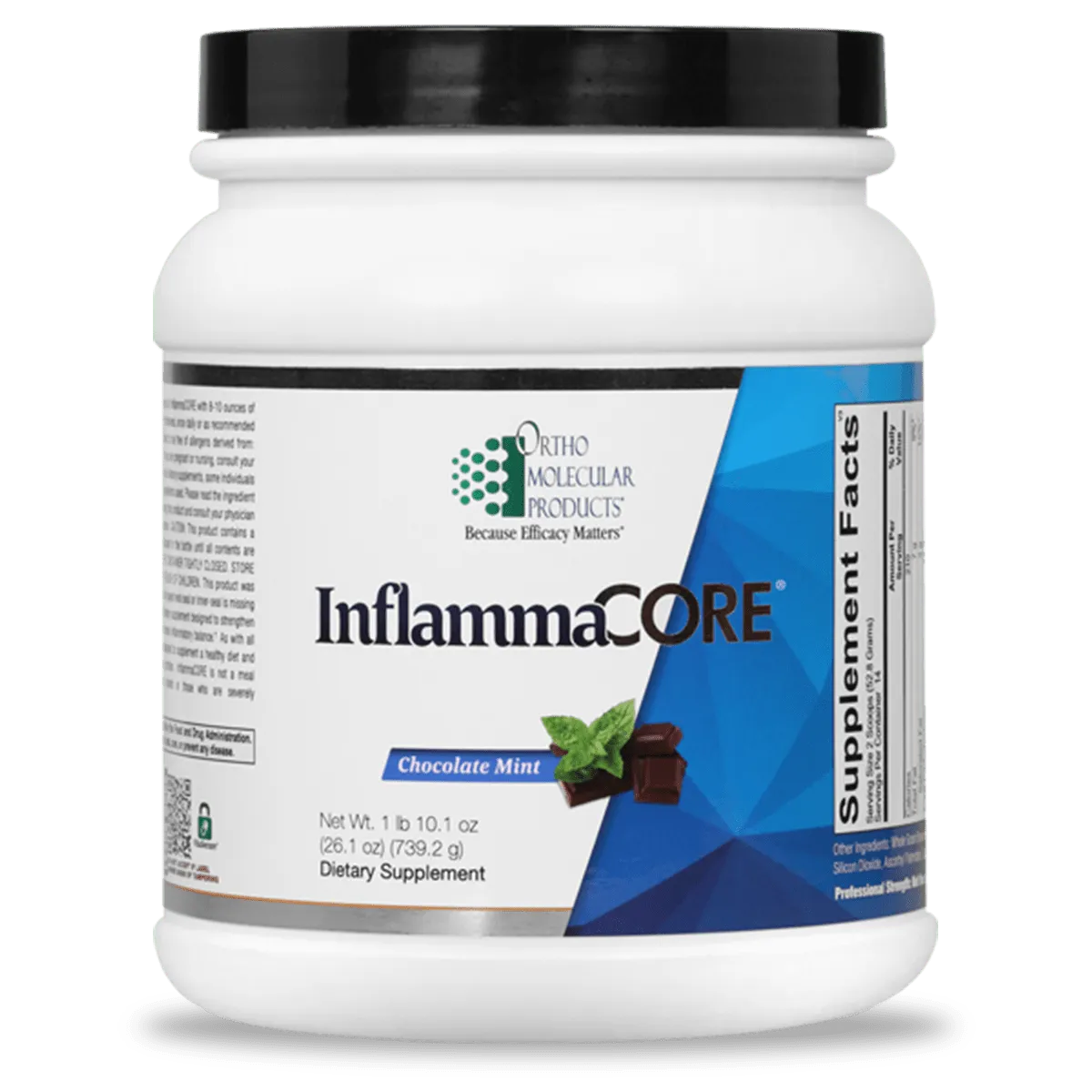
Healing this compromised barrier requires more than just a basic probiotic; it requires a comprehensive, multi-targeted approach that provides the physical building blocks for cellular repair while simultaneously shutting down runaway inflammatory pathways. InflammaCORE® Chocolate Mint, an advanced nutritional formula by Ortho Molecular Products, is specifically engineered to address these complex immune challenges. By combining high-dose functional amino acids, targeted prebiotic fibers, and potent botanical extracts, this medical food aims to maintain normal inflammatory balance and strengthen gastrointestinal barrier function. In this article, we will explore the deep biochemistry of how the gut-immune axis breaks down in post-viral syndromes and how the specific ingredients in InflammaCORE® work at a cellular level to support mucosal regeneration and systemic recovery.
TL;DR
InflammaCORE® provides amino acids and botanicals to support gut barrier repair and immune balance.
L-glutamine and prebiotics help strengthen the intestinal lining and nourish beneficial gut bacteria.
Ingredients like quercetin and curcumin may help stabilize mast cells and reduce systemic inflammation.
Healing the gut-immune axis takes time and should be part of a comprehensive management plan.
What is InflammaCORE®?
The Foundation of InflammaCORE®
InflammaCORE® is a specialized, fructose-free nutritional formula designed to provide comprehensive support for gastrointestinal health and immune function. At its core, it is built around 19 grams of easy-to-digest brown rice protein per serving, providing a hypoallergenic macronutrient base for patients who often struggle with severe food sensitivities. This protein base is essential because the body requires a steady supply of amino acids to synthesize new tissues, enzymes, and immune cells. In healthy individuals, the gastrointestinal tract rapidly regenerates its cellular lining every few days, a highly energy-intensive process that relies heavily on dietary protein and specific amino acids.
Beyond basic macronutrition, the formula delivers therapeutic doses of highly specific amino acids, most notably 2.5 grams of L-glutamine and 500 mg of glycine per serving. L-glutamine is the most abundant amino acid in the human body and serves as the primary metabolic fuel for enterocytes, the specialized cells that line the intestinal tract. Glycine acts as a crucial structural component for collagen synthesis and plays a vital role in regulating the body's antioxidant defenses by supporting the production of glutathione. Together, these amino acids provide the raw materials necessary for intestinal reinforcement and mucosal cell regeneration, which are critical processes for maintaining a healthy gut barrier.
Targeting the Inflammatory Cascade
What truly sets InflammaCORE® apart is its proprietary blend of botanical extracts and phytonutrients designed to modulate the body's inflammatory response at the genetic and molecular levels. The formula includes a Complete Turmeric Matrix standardized to contain 45-55% curcuminoids, alongside green tea leaf extract (standardized to 45% EGCG), Chinese skullcap root extract, and quercetin dihydrate. These compounds do not merely mask inflammation; they actively interact with intracellular signaling pathways, such as the NF-κB (Nuclear Factor kappa-light-chain-enhancer of activated B cells) pathway, to help reduce the excessive transcription of pro-inflammatory cytokines.
In a healthy immune system, acute inflammation is a necessary and highly orchestrated response to harmful stimuli, characterized by the relocation of plasma and immune cells from the blood into injured tissues to promote normal tissue repair. However, in complex chronic conditions, this cascade fails to turn off, resulting in a continuous loop of immune hyperactivation. The botanical ingredients in InflammaCORE® act as biochemical circuit breakers, helping to downregulate these overactive pathways and restore a state of normal inflammatory balance. By addressing both the structural integrity of the gut and the chemical signaling of the immune system, the formula provides a dual-action approach to optimal health.
Prebiotics and Mucosal Defense
The third pillar of the InflammaCORE® formula involves modulating the gut microbiome and supporting the physical mucus layer that protects the intestinal lining. The supplement includes 1 gram of arabinogalactan, a highly branched polysaccharide derived from the larch tree, as well as alpha-linolenic acid from flaxseed flour and bee propolis extract. Arabinogalactan is completely indigestible by human enzymes, allowing it to reach the colon intact where it serves as a potent prebiotic food source for beneficial bacteria like Bifidobacterium and Lactobacillus.
As these beneficial microbes ferment the arabinogalactan, they produce short-chain fatty acids (SCFAs), particularly butyrate, which is essential for maintaining a low, pathogen-inhibiting pH in the colon and nourishing the local epithelial cells. Meanwhile, propolis extract provides hundreds of bioactive polyphenols that have been shown to physically strengthen intestinal barrier function by activating specific cellular survival pathways. This combination of prebiotics and mucosal defenders ensures that the gut environment remains hospitable to beneficial microbes while actively resisting colonization by opportunistic pathogens.
How Long COVID and ME/CFS Impact the Gut Barrier
Viral Damage to the Intestinal Lining
To understand why a formula like InflammaCORE® is necessary, we must first examine how post-viral conditions like Long COVID and ME/CFS physically damage the gastrointestinal tract. The SARS-CoV-2 virus gains entry into human cells by binding to ACE2 (Angiotensin-Converting Enzyme 2) receptors. While much of the early pandemic focus was on the lungs, the highest concentration of ACE2 receptors in the human body is actually found in the brush border of the intestinal enterocytes. When the virus binds to these receptors, it not only directly damages the local cells but also downregulates the normal function of ACE2, which is critical for regulating intestinal inflammation and maintaining local blood flow.
This direct viral assault compromises the "tight junctions"—the microscopic protein complexes that seal the gaps between adjacent intestinal cells. In a healthy gut, these tight junctions act as an intelligent, semi-permeable filter, allowing microscopic nutrients to pass into the bloodstream while blocking larger, undigested food particles, toxins, and bacteria. In Long COVID and ME/CFS, the breakdown of these junctions leads to a condition known as intestinal hyperpermeability, or "leaky gut." Studies consistently show that patients with these conditions have elevated levels of zonulin, a biomarker protein that actively modulates and opens these tight junctions, indicating a severe and ongoing breach of the gut barrier.
The Vicious Cycle of Metabolic Endotoxemia
When the intestinal barrier is breached, the consequences extend far beyond the digestive system. Gram-negative bacteria in the gut naturally shed structural components called lipopolysaccharides (LPS), which are highly toxic endotoxins. In a healthy individual, these endotoxins remain safely confined within the digestive tract and are eventually excreted. However, in a patient with a leaky gut, these LPS molecules slip through the broken tight junctions and enter the systemic blood circulation, triggering a condition known as metabolic endotoxemia.
The immune system immediately recognizes these circulating endotoxins as a massive, systemic threat and mounts a fierce inflammatory response. Macrophages and other innate immune cells release a flood of pro-inflammatory cytokines, including Interleukin-6 (IL-6) and Tumor Necrosis Factor-alpha (TNF-α). This systemic inflammation crosses the blood-brain barrier, leading to the severe neuroinflammation that patients experience as debilitating brain fog and cognitive dysfunction. Furthermore, this chronic inflammatory state deeply impairs mitochondrial function, disrupting the electron transport chain and halting cellular energy production, which directly contributes to the profound fatigue and post-exertional malaise (PEM) seen in ME/CFS.
Mast Cell Activation in the Gut
This gut-driven inflammation is heavily mediated by mast cells, which are innate immune cells heavily concentrated at the interfaces between the body and the outside world, including the mucosal lining of the gastrointestinal tract. In conditions like mast cell activation syndrome (MCAS), which frequently overlaps with Long COVID and dysautonomia, these mast cells become hyper-reactive and unstable. Instead of only releasing their chemical mediators (like histamine, tryptase, and prostaglandins) during a true parasitic or toxic threat, they degranulate prematurely in response to normal foods, stress, or minor environmental changes.
When mast cells in the gut degranulate constantly, they release massive amounts of histamine directly into the surrounding tissues. Histamine itself is a potent vasodilator that increases tissue permeability; therefore, localized mast cell activation actively worsens leaky gut, creating a devastating feedback loop. The more the mast cells degranulate, the more permeable the gut becomes, allowing more endotoxins into the blood, which in turn triggers further systemic mast cell activation. Breaking this cycle requires interventions that can simultaneously physically seal the gut barrier and chemically stabilize the hyperactive mast cells.
InflammaCORE®: Supporting Gut Repair and Immune Balance
Rebuilding Tight Junctions with L-Glutamine
The primary mechanism by which InflammaCORE® supports the physical restoration of the gut barrier is through its high concentration of L-glutamine. During a severe viral infection or a state of chronic systemic inflammation, the immune system's demand for glutamine skyrockets, as it is the preferred fuel for rapidly dividing lymphocytes and macrophages. This systemic demand often severely depletes the body's glutamine reserves, starving the intestinal enterocytes of their primary metabolic fuel. By providing 2.5 grams of USP-grade L-glutamine per serving, InflammaCORE® directly replenishes this critical resource at the site of the damage.
L-glutamine supports the synthesis of Zonula Occludens-1 (ZO-1), claudin-1, and occludin—the exact structural proteins required to physically seal the microscopic gaps between intestinal cells. By supporting these tight junctions, L-glutamine may help reduce the leakage of lipopolysaccharides (LPS) into the bloodstream, addressing a primary source of metabolic endotoxemia and allowing the systemic immune system to stand down.
Calming Gut-Based Mast Cells
To address the hyperactive immune response, InflammaCORE® utilizes quercetin dihydrate and a Complete Turmeric Matrix (curcuminoids). Quercetin is widely recognized in functional medicine as a potent, natural mast cell stabilizer. It works by physically interacting with the mast cell membrane and interfering with intracellular signaling pathways, specifically blocking the influx of calcium ions required for the mast cell to burst and degranulate. By helping to prevent this degranulation, quercetin is thought to reduce the localized release of histamine and tryptase. This action helps protect the fragile intestinal lining from further histamine-induced permeability.
Curcumin, the active compound in turmeric, complements this action by targeting deep intracellular inflammatory pathways. Extensive research suggests that curcumin may help suppress mast cell activation by inhibiting Syk kinase, a key enzyme required for the allergic response cascade. Furthermore, curcumin is a master downregulator of the NF-κB pathway. When NF-κB is inhibited, the cellular machinery that produces pro-inflammatory cytokines (like IL-1β and TNF-α) is effectively shut down. This dual action of physically stabilizing the mast cell (quercetin) and chemically halting the inflammatory transcription process (curcumin) provides profound relief for patients dealing with MCAS and post-viral inflammation.
Modulating the Microbiome with Prebiotics
The third major mechanism of InflammaCORE® involves the synergistic action of arabinogalactan and Chinese skullcap root extract (Scutellaria baicalensis) on the gut microbiome. Arabinogalactan serves as a highly targeted prebiotic fiber that selectively feeds beneficial SCFA-producing bacteria. The resulting production of butyrate is crucial, as butyrate not only fuels the colon cells but also exerts strong local anti-inflammatory effects by inducing the differentiation of regulatory T cells (Tregs), which help suppress autoimmune and hyper-inflammatory responses in the gut-associated lymphoid tissue (GALT).
Chinese skullcap works in tandem with these prebiotics to dramatically alter the microbial landscape. Recent pharmacological studies reveal that the flavonoids in Scutellaria baicalensis, particularly baicalin, act similarly to a prebiotic by increasing populations of Lactobacillus and Bifidobacterium while actively suppressing harmful, pathogenic bacteria like Escherichia coli and Bacteroides. Furthermore, baicalin has been shown to inhibit the TLR4/NF-κB signaling pathway, helping to reduce the activation of inflammatory genes in the presence of bacterial endotoxins. Together, these ingredients actively reverse the severe dysbiosis frequently observed in Long COVID and ME/CFS patients.

Symptoms InflammaCORE® May Help Manage
Targeting Systemic Symptoms
Because the gut-immune axis is central to systemic health, repairing intestinal permeability and reducing localized inflammation can have profound downstream effects on symptoms throughout the entire body. InflammaCORE® targets the root cause of metabolic endotoxemia, which may help alleviate several debilitating systemic issues:
Debilitating Brain Fog: By sealing the gut barrier and helping to keep lipopolysaccharides (LPS) from entering the bloodstream, the formula helps reduce the systemic cytokine storm that drives neuroinflammation, potentially improving cognitive clarity and focus.
Post-Exertional Malaise (PEM): Chronic immune activation drains massive amounts of cellular energy (ATP). By downregulating the NF-κB inflammatory pathway and reducing the immune system's constant metabolic burden, the body can redirect energy back to normal cellular function, potentially improving baseline energy envelopes.
Unpredictable Food Sensitivities: In conditions like MCAS, patients often develop sudden, severe reactions to previously tolerated foods. By utilizing quercetin to stabilize gut-based mast cells and help reduce histamine release, patients may experience a reduction in allergic-type reactions and an improved tolerance to a broader range of foods.
Joint and Muscle Pain: Systemic inflammation often settles in the joints and tissues, a common complaint in Long COVID. The potent anti-inflammatory actions of curcumin and Chinese skullcap (which inhibits the pain-inducing COX-2 enzyme) can help mediate widespread myalgia and arthralgia.
Addressing Gastrointestinal Distress
In addition to systemic benefits, the targeted amino acids and soothing botanicals in InflammaCORE® provide direct, localized support for the severe gastrointestinal symptoms that frequently accompany complex chronic illnesses:
Chronic Diarrhea and Loose Stools: The high dose of L-glutamine provides the exact metabolic fuel needed to regenerate the mucosal lining, helping to restore normal fluid absorption and bowel regularity, a mechanism proven effective in post-infectious IBS trials.
Abdominal Pain and Cramping: The inclusion of ginger root extract (standardized to 5% gingerols) and rosemary leaf extract helps to naturally soothe gastrointestinal spasms and limit the production of inflammatory prostaglandins that cause cramping.
Bloating and Dysbiosis: By providing arabinogalactan to feed beneficial SCFA-producing bacteria, the formula helps crowd out the gas-producing pathogenic bacteria that thrive in a dysbiotic gut, potentially reducing severe bloating and distension.
Mucosal Irritation: Bee propolis extract acts as a natural, soothing resin that coats the intestinal lining, providing localized anti-inflammatory relief and physically supporting the restoration of the protective mucus layer.
Practical Considerations: Forms, Dosing, and Absorption
Bioavailability and Synergistic Absorption
When dealing with compromised gastrointestinal tracts, the bioavailability of a supplement—how well it is actually absorbed and utilized by the body—is just as important as the ingredients themselves. InflammaCORE® is formulated as a powder, which is inherently easier for a damaged gut to process than heavily compacted tablets or capsules that require robust stomach acid to break down. The formula includes 1.5 grams of Medium Chain Triglycerides (MCTs) per serving. MCTs are unique dietary fats that do not require bile salts for digestion; they are absorbed directly into the portal vein, providing immediate cellular energy and significantly enhancing the absorption of the fat-soluble botanical extracts in the formula, such as curcumin and quercetin.
Furthermore, the specific botanical extracts are standardized to ensure high concentrations of their active compounds. The Complete Turmeric Matrix is standardized to contain 45-55% curcuminoids alongside 3-8% volatile oils and 2-6% turmerin protein. Clinical pharmacology shows that while curcumin has notoriously poor bioavailability due to poor absorption and rapid metabolism, combining it with other components can increase its bioavailability. This synergistic formulation ensures that the anti-inflammatory compounds can better reach the tissues where they are needed most.
Dosing and Daily Integration
The suggested use for InflammaCORE® is to mix 2 scoops of the powder with 8-10 ounces of a beverage of your choice, taken once daily or as recommended by your healthcare professional. Because the formula contains 19 grams of brown rice protein and 5 grams of dietary fiber, it is highly satiating and is often used as a partial meal replacement or a nutrient-dense breakfast smoothie. Patients with severe gut hyper-reactivity or MCAS may benefit from starting with a smaller dose (e.g., half a scoop) and gradually titrating up over several weeks to allow the local microbiome to adjust to the high levels of prebiotic arabinogalactan and functional fibers.
Timing can also play a role in efficacy. Taking the formula away from other major, complex meals may allow the L-glutamine and soothing botanicals to interact more directly with the intestinal lining without competing with heavy digestive burdens. It is easily mixed into water, unsweetened almond milk, or coconut milk. The Chocolate Mint flavor utilizes organic brown rice sweetener and Stevia leaf extract, keeping the added sugars relatively low (6g) while completely avoiding high-fructose corn syrup, which is a known driver of hepatic inflammation and intestinal permeability.
Tolerability and Safety
InflammaCORE® is purposefully designed to be highly hypoallergenic, making it suitable for patients with complex chronic illnesses who have lost tolerance to common dietary staples. It is free from gluten, yeast, artificial colors, and artificial flavors. The use of brown rice protein avoids the common allergenic triggers associated with whey, casein, or soy proteins. However, because the formula contains potent botanical extracts that actively modulate liver enzymes and immune pathways, it is crucial to consult with a healthcare provider before starting, especially if you are taking immunosuppressive medications, blood thinners, or targeted biologic therapies for autoimmune conditions.
Additionally, while L-glutamine is generally very safe and well-tolerated, some patients with severe dysbiosis or specific genetic variants (such as CBS gene mutations) may occasionally experience paradoxical reactions to high-dose amino acids, such as increased anxiety or changes in bowel habits. Tracking your symptoms carefully during the first few weeks of use is an essential part of integrating any new medical food into your long-term management strategy.

Follow the Science
Clinical Trials on L-Glutamine and Permeability
The foundational mechanisms of InflammaCORE® are supported by robust clinical literature, particularly regarding the use of high-dose L-glutamine to help improve intestinal permeability. A landmark randomized, double-blind, placebo-controlled trial published in Gut by Verne et al. (2018) investigated patients who developed severe intestinal hyperpermeability and diarrhea-predominant Irritable Bowel Syndrome (IBS-D) following an acute enteric infection—a pathophysiology strikingly similar to the post-viral gut damage seen in Long COVID. Patients were given 15 grams of L-glutamine daily for 8 weeks.
The results of the trial were highly significant. Nearly 80% of the patients in the L-glutamine group achieved the primary endpoint of major symptom reduction, compared to just 5.8% in the placebo group. More importantly, objective laboratory testing confirmed that the L-glutamine intervention successfully normalized intestinal permeability, physically sealing the leaky gut. This study provides powerful clinical validation for the use of targeted amino acid therapy to repair the mucosal barrier after an infectious insult, supporting the inclusion of high-dose L-glutamine in functional recovery formulas.
Evidence for Botanical Anti-Inflammatories
The botanical components of InflammaCORE® also possess a deep well of scientific validation. Propolis is often discussed for its anti-inflammatory properties, including lowering serum levels of C-reactive protein (CRP) and Tumor Necrosis Factor-alpha (TNF-α). These biomarkers of systemic inflammation are frequently elevated in ME/CFS and Long COVID patients.
Similarly, the immune-modulating effects of larch arabinogalactan have been demonstrated in rigorous clinical settings. A randomized, double-blind, placebo-controlled trial published in Nutrition & Metabolism investigated the effects of arabinogalactan on immune function and cold susceptibility. The study found that daily supplementation decreased the incidence of common cold episodes by 23% by significantly enhancing the activity of Natural Killer (NK) cells and stimulating the gut-associated lymphoid tissue (GALT). Furthermore, modern metabolomic studies on Scutellaria baicalensis (Chinese skullcap) have repeatedly shown its ability to upregulate tight junction proteins like ZO-1 and increase the abundance of SCFA-producing bacteria, validating its dual role as both a barrier repair agent and a microbiome modulator.
The Path Forward
Healing the Gut Takes Time
Living with the unpredictable, multi-systemic symptoms of Long COVID, ME/CFS, dysautonomia, or MCAS can be profoundly exhausting and isolating. When your body feels like it is constantly reacting to its environment, finding a path toward stability can seem impossible. However, the emerging science surrounding the gut-immune axis offers a highly tangible, actionable target for recovery. By understanding that systemic neuroinflammation and profound fatigue are often driven by a compromised intestinal barrier, you can begin to shift your focus toward foundational cellular repair.
It is important to remember that rebuilding the mucosal lining and shifting the microbiome is not an overnight process. The tight junctions of the gut require consistent, daily supplies of amino acids like L-glutamine and glycine to regenerate, and downregulating hyperactive mast cells takes sustained botanical support. Supplements like InflammaCORE® are powerful tools, but they are most effective when integrated into a comprehensive management strategy that includes a low-histamine or anti-inflammatory diet, aggressive pacing to manage PEM, and nervous system regulation techniques.
Comprehensive Care
You do not have to navigate this complex biochemical puzzle alone. Working with a healthcare provider who understands the intricate connections between post-viral syndromes, mast cell activation, and intestinal permeability is crucial for developing a safe and effective management plan. They can help you determine the appropriate dosages, monitor your inflammatory biomarkers, and ensure that your nutritional interventions are working synergistically with your overall care plan.
Disclaimer: This article is for educational purposes only and is not intended to diagnose, treat, cure, or prevent any disease. Always consult your healthcare provider before starting any new supplement regimen, especially if you have a complex chronic condition or are taking prescription medications.