Can Indole-3-Carbinol (I3C) Support Hormone Balance and Mast Cell Health in Long COVID and ME/CFS?
March 5, 2026
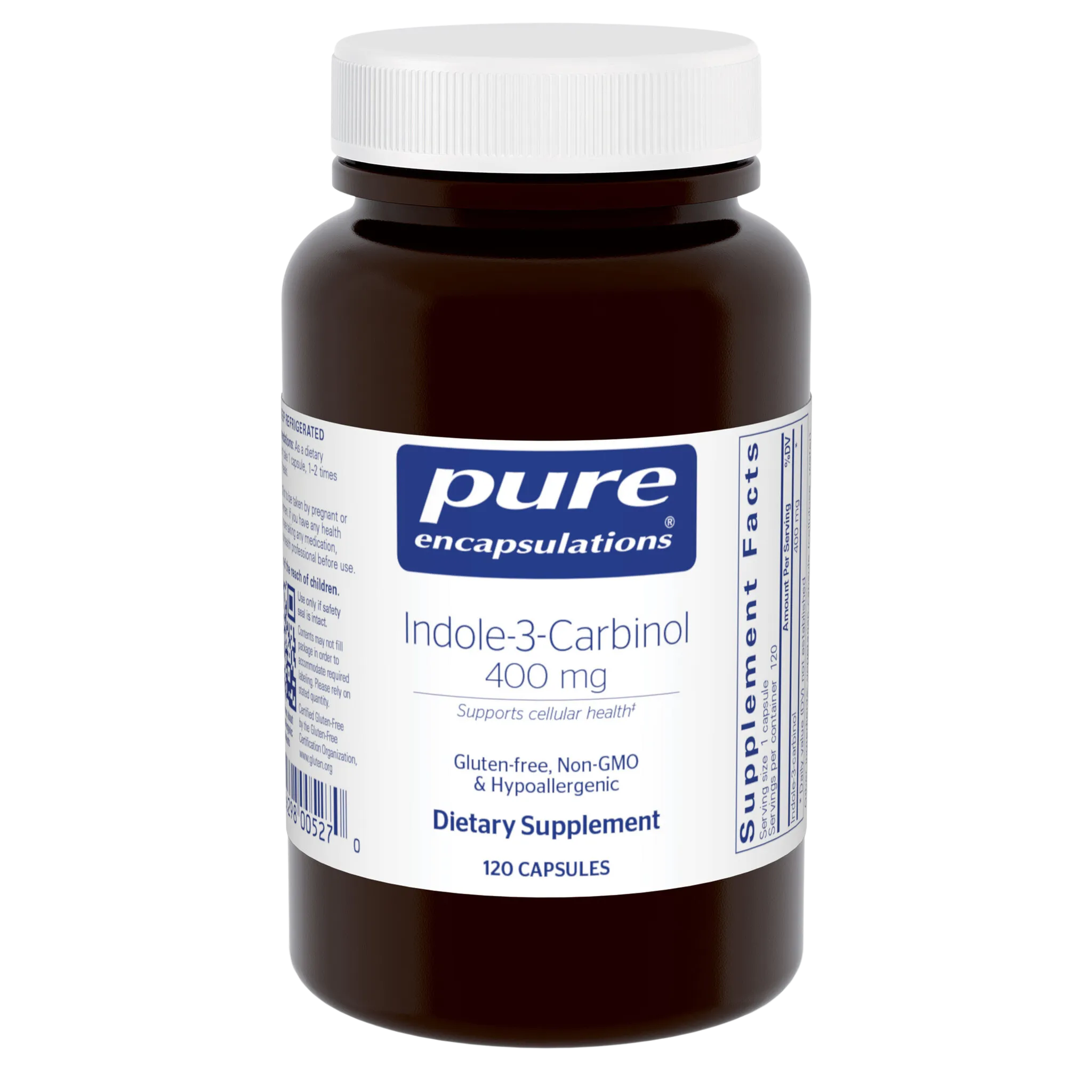
Indole-3-CarbinolLong COVIDME/CFS
Share:
Disclaimer: The information provided here is for educational purposes only and is not intended as medical advice. It should not be used to diagnose, treat, cure, or prevent any medical condition. Instead, use it as a starting point for discussion with your healthcare provider. Always consult with a qualified healthcare provider before starting any new medication, supplement, device, or making changes to your health regimen.
For many individuals living with complex chronic conditions like Long COVID, myalgic encephalomyelitis/chronic fatigue syndrome (ME/CFS), and mast cell activation syndrome (MCAS), symptoms rarely stay static. Instead, they often fluctuate in unpredictable waves, sometimes worsening in tandem with hormonal cycles. It is a common and incredibly frustrating experience for patients—particularly women—to notice that their brain fog, severe fatigue, and allergic-type reactions spike dramatically just before their menstrual cycle. This phenomenon is not in your head; it is deeply rooted in the biochemical crosstalk between your endocrine system and your immune system, specifically the vicious cycle between estrogen and histamine. When the body struggles to efficiently metabolize and clear excess estrogen, the resulting hormonal imbalance can act as a powerful trigger for mast cell degranulation, keeping the nervous and immune systems in a state of chronic high alert.
Finding ways to break this inflammatory loop is a cornerstone of managing complex chronic illness. This is where Indole-3-Carbinol (I3C), a naturally occurring compound found in cruciferous vegetables like broccoli and Brussels sprouts, comes into the clinical spotlight. Long studied for its ability to support healthy breast and cervical cells, I3C is gaining recognition in the functional medicine space for its profound impact on liver detoxification and immune modulation. By interacting with cellular sensors like the Aryl Hydrocarbon Receptor (AhR) and upregulating specific liver enzymes, I3C helps shift estrogen metabolism away from inflammatory pathways and toward protective ones. In this comprehensive guide, we will explore the intricate molecular mechanisms of Indole-3-Carbinol, how it influences the estrogen-histamine connection, and why it may be a valuable tool for supporting cellular health and hormone balance in Long COVID and ME/CFS.
TL;DR
I3C is a plant compound that supports liver detoxification and helps balance estrogen metabolism.
It may help break the estrogen-histamine cycle, reducing mast cell activation and allergic symptoms.
I3C converts to DIM in the stomach and requires careful dosing due to medication interactions.
What is Indole-3-Carbinol?
The Power of Glucobrassicin and Cruciferous Vegetables
Indole-3-Carbinol is a naturally occurring phytochemical that belongs to a class of compounds known as glucosinolates. In its raw form within plants, it exists as a precursor molecule called glucobrassicin. You will find high concentrations of glucobrassicin in cruciferous vegetables, including broccoli, Brussels sprouts, cabbage, cauliflower, and kale. When these vegetables are chewed, chopped, or lightly cooked, an enzyme called myrosinase is released from the plant cells. Myrosinase catalyzes the breakdown of glucobrassicin into Indole-3-Carbinol. However, I3C itself is highly unstable. Once ingested, the acidic environment of the human stomach acts as a catalyst, causing I3C molecules to rapidly condense and bind together, forming a variety of biologically active oligomeric derivatives.
The most prominent and biologically significant of these derivatives is 3,3′-diindolylmethane (DIM). In fact, when you consume an I3C supplement, up to 50% of it is rapidly converted into DIM before it ever leaves your stomach. Because unaltered I3C is virtually undetectable in human blood plasma after oral ingestion, the physiological benefits attributed to I3C are primarily carried out by DIM and other minor acid condensation products like indolo[3,2-b]carbazole (ICZ). Together, these compounds enter the bloodstream and exert powerful regulatory effects on cellular metabolism, hormone clearance, and gene expression.
The Aryl Hydrocarbon Receptor (AhR) Pathway
To understand how I3C and its metabolites work at a molecular level, we must look at the Aryl Hydrocarbon Receptor (AhR). The AhR is a ligand-activated transcription factor located in the cytoplasm of your cells. Historically, scientists viewed the AhR primarily as a toxicological sensor—a receptor that detects environmental pollutants, dioxins, and xenobiotics (foreign chemicals), triggering the body's defense mechanisms. However, modern immunology has revealed that the AhR is also a crucial regulator of immune homeostasis, gut barrier integrity, and cellular development. I3C and its derivative DIM act as natural, dietary agonists (activators) of the AhR.
When I3C/DIM binds to the AhR in the cytoplasm, the receptor undergoes a conformational change, shedding its chaperone proteins. The AhR-ligand complex then translocates into the cell's nucleus, where it pairs up with another protein called the AhR nuclear translocator (Arnt). This newly formed heterodimer binds to specific DNA sequences known as xenobiotic response elements (XREs). By binding to these genetic promoters, the I3C-AhR complex initiates the transcription of a wide array of target genes. This genetic signaling cascade is the primary mechanism through which I3C exerts its anti-inflammatory, detoxifying, and hormone-balancing effects across multiple organ systems.
Phase I and Phase II Liver Detoxification
One of the most critical downstream effects of AhR activation by I3C is the profound upregulation of liver biotransformation enzymes. The liver processes hormones, toxins, and metabolic waste in two main phases. Phase I involves Cytochrome P450 (CYP450) enzymes, which use oxygen to modify toxins, often making them more water-soluble but temporarily more reactive. Phase II involves conjugating these reactive intermediates with other molecules (like glutathione or glucuronic acid) to neutralize them so they can be safely excreted in urine or bile. I3C strongly induces the expression of specific Phase I enzymes, most notably CYP1A1 and CYP1A2, via the AhR pathway.
By upregulating CYP1A1 and CYP1A2, I3C fundamentally alters how the liver processes steroid hormones, particularly estrogen. Furthermore, I3C has been shown to activate the Nrf2 signaling pathway, which is a master regulator of antioxidant defense and Phase II detoxification enzymes. By supporting both Phase I and Phase II pathways, I3C ensures that the liver can efficiently package and eliminate not only excess endogenous hormones but also environmental toxins that might otherwise trigger systemic inflammation. This dual-action liver support is why I3C is heavily researched for its ability to promote healthy cellular metabolism and protect against hormone-driven cellular dysfunction.
How Long COVID and ME/CFS Impact Hormone and Immune Balance
The Estrogen-Histamine Vicious Cycle
To understand why I3C is highly relevant to complex chronic illnesses, we must examine the pathophysiology of conditions like Long COVID, ME/CFS, and mast cell activation syndrome (MCAS). A central feature of these conditions is immune dysregulation, often characterized by hyperactive mast cells. Mast cells are the body's first responders, releasing inflammatory mediators like histamine when they detect a threat. However, mast cells are also highly sensitive to hormones. They possess estrogen receptors on their surfaces, meaning that when circulating estrogen levels are high, estrogen directly stimulates mast cells to degranulate and release histamine.
This creates a devastating biological loop known as the estrogen-histamine vicious cycle. High estrogen triggers histamine release. In turn, high histamine levels stimulate the ovaries to produce even more estrogen. To make matters worse, elevated estrogen downregulates diamine oxidase (DAO), the primary enzyme responsible for breaking down and clearing histamine from the digestive tract and bloodstream. For patients with Long COVID or ME/CFS who already suffer from secondary MCAS, this hormonal feedback loop can cause severe symptom flares. This is why many patients notice their brain fog, post-exertional malaise (PEM), and allergic symptoms worsen during ovulation or the luteal phase of their menstrual cycle, when estrogen levels fluctuate or dominate over progesterone.
Viral Hyperactivation of the AhR Pathway
Beyond hormonal imbalances, the AhR pathway itself is heavily implicated in the pathology of Long COVID. Separate theories suggest SARS-CoV-2 can hijack the AhR signaling pathway to suppress the host's antiviral immune response and promote viral replication. The virus often drives the excessive breakdown of the amino acid tryptophan into kynurenine, a potent endogenous activator of the AhR. This chronic, pathogen-driven activation of the AhR leads to a state of systemic immune exhaustion, characterized by elevated pro-inflammatory cytokines, impaired T-cell function, and persistent endothelial inflammation. Some researchers refer to this phenomenon as "Systemic Aryl Hydrocarbon Receptor Activation Syndrome" (SAAS).
When the AhR is chronically activated by viral byproducts (like kynurenine) or environmental toxins, it drives a pro-inflammatory phenotype. This contributes heavily to the persistent neuroinflammation, brain fog, and vascular dysfunction seen in Long COVID. The immune system becomes locked in a state of hyper-vigilance, unable to return to baseline homeostasis. This persistent inflammatory state also lowers the threshold for mast cell degranulation, meaning that even minor triggers—like a change in temperature, a specific food, or mild physical exertion—can provoke a disproportionate and debilitating immune response. If you are wondering what causes Long COVID, this persistent immune and receptor dysregulation is a major piece of the puzzle.
Liver Burden and Detoxification Slowdown
Patients with ME/CFS and Long COVID frequently experience a slowdown in their metabolic and detoxification pathways. Chronic viral infections, systemic inflammation, and prolonged physical stress place an immense burden on the liver. When the liver's Phase I and Phase II detoxification pathways become sluggish, the body struggles to efficiently clear metabolic waste, environmental chemicals, and spent hormones. This leads to a buildup of circulating toxins and aggressive estrogen metabolites, which further irritate the immune system and exacerbate multiple chemical sensitivities—a common overlapping condition in the ME/CFS community.
This detoxification bottleneck creates a perfect storm for chronic illness. The liver cannot clear the excess estrogen, the estrogen continues to stimulate the mast cells, the mast cells release histamine, and the systemic inflammation further impairs liver function. Breaking this cycle requires targeted support to upregulate the liver's enzymatic machinery and shift the balance of hormone metabolism. Understanding this interconnected web of dysfunction is crucial for patients learning how to live with long-term COVID and seeking actionable strategies to regain their quality of life.
Indole-3-Carbinol: Supporting Cellular Health and Detoxification
Shifting the Estrogen Metabolite Ratio
Indole-3-Carbinol steps into this complex web of dysfunction by fundamentally altering how the body processes estrogen. When estrogen (estradiol and estrone) is metabolized in the liver, it is typically hydroxylated at either the C-2 or C-16 positions. The C-16 pathway produces 16α-hydroxyestrone (16α-OHE1), a highly active, pro-inflammatory metabolite that binds strongly to estrogen receptors and promotes cellular proliferation. High levels of 16α-OHE1 are associated with estrogen dominance, severe premenstrual symptoms, and an increased risk of hormone-sensitive cellular changes. In contrast, the C-2 pathway produces 2-hydroxyestrone (2-OHE1), a weak, protective metabolite that does not stimulate aggressive cellular growth and is easily cleared from the body.
By activating the AhR and upregulating the CYP1A1 and CYP1A2 enzymes, I3C actively redirects estrogen metabolism away from the toxic 16α-OHE1 pathway and toward the protective 2-OHE1 pathway. Clinical research consistently shows that supplementing with I3C or its metabolite DIM significantly increases the urinary ratio of 2-OHE1 to 16α-OHE1. By shifting this ratio, I3C helps dismantle the state of estrogen dominance. For patients with chronic illness, lowering the burden of aggressive, pro-inflammatory estrogen metabolites is a critical step in reducing the hormonal stimulation of mast cells, thereby breaking the estrogen-histamine vicious cycle.
Targeted Degradation of Estrogen Receptors
Beyond merely altering how estrogen is broken down, I3C also influences how cells respond to the estrogen that is already circulating. Research demonstrates that I3C can induce the targeted degradation of Estrogen Receptor-alpha (ERα) proteins. When I3C binds to the AhR, the receptor complex tethers to a specific ubiquitin ligase (Rbx-1 E3). This complex essentially "tags" the estrogen receptors on the surface of cells for destruction by the cell's proteasome machinery. By reducing the sheer number of available estrogen receptors, I3C dampens the cellular response to estrogenic stimulation.
This mechanism is particularly relevant for supporting healthy breast and cervical cells, which are highly sensitive to estrogenic signaling. By degrading ERα and disrupting the transcription of new estrogen receptors, I3C provides a powerful, multi-pronged approach to hormone balance. It not only ensures that estrogen is broken down into safer, less reactive metabolites, but it also reduces the sensitivity of tissues to hormonal fluctuations. This dual action makes I3C a compelling supplement for individuals looking to support overall cellular health and mitigate the systemic effects of hormonal imbalances.
Calming Mast Cells and Modulating Immunity
While viral activation of the AhR drives inflammation, dietary activation of the AhR by plant-derived compounds like I3C has the opposite effect. I3C acts as a selective AhR modulator. When I3C and DIM bind to the AhR, they promote an immunoregulatory phenotype. Research indicates that I3C suppresses pro-inflammatory cytokines, increases the production of anti-inflammatory IL-10, and promotes the function of regulatory T-cells (Tregs). Tregs are the "peacekeepers" of the immune system, responsible for telling hyperactive immune cells to stand down once a threat has passed.
By promoting Treg function and stabilizing the AhR pathway, I3C helps calm hyper-responsive mast cells. Animal studies have shown that dietary I3C can significantly attenuate allergic responses and reduce the physical accumulation of mast cells in inflamed tissues. For patients dealing with the overlapping complexities of Long COVID, ME/CFS, and MCAS, this immunomodulatory effect is vital. By simultaneously balancing estrogen (removing the hormonal trigger) and modulating the AhR (calming the immune receptor), I3C offers a comprehensive approach to stabilizing mast cells and reducing the systemic burden of circulating histamine. This may help explain why some patients experience a reduction in the severity of their symptom flares when their hormone metabolism is properly supported.

Symptoms Indole-3-Carbinol May Help Manage
Targeting the Estrogen-Histamine Connection
Premenstrual Symptom Flares: By shifting estrogen metabolism toward the protective 2-OHE1 pathway and reducing 16α-OHE1, I3C helps alleviate estrogen dominance. This can reduce the severity of symptom spikes (such as increased fatigue, pain, or brain fog) that many chronic illness patients experience during the luteal phase of their menstrual cycle.
Histamine Intolerance and Allergic Reactions: Estrogen directly stimulates mast cells to release histamine and downregulates the DAO enzyme. By promoting the clearance of aggressive estrogen metabolites, I3C helps break the estrogen-histamine cycle, potentially reducing the frequency and severity of MCAS-related allergic responses, flushing, and gastrointestinal distress.
Brain Fog and Cognitive Dysfunction: Neuroinflammation in Long COVID and ME/CFS is often driven by mast cells crossing the blood-brain barrier and releasing inflammatory mediators. By stabilizing systemic mast cell populations and modulating the AhR pathway toward an anti-inflammatory state, I3C may help lower the neuroinflammatory burden that contributes to cognitive impairment.
Severe Fatigue and Post-Exertional Malaise (PEM): Sluggish liver detoxification allows environmental toxins and metabolic waste to accumulate, placing immense stress on cellular energy production. By upregulating Phase I and Phase II liver enzymes via the Nrf2 pathway, I3C supports efficient detoxification, reducing the overall toxic load that exacerbates profound fatigue and triggers PEM.
Multiple Chemical Sensitivities (MCS): Patients with ME/CFS often develop heightened sensitivities to environmental chemicals and fragrances due to compromised biotransformation pathways. I3C's ability to induce CYP450 enzymes helps the liver process and eliminate these xenobiotics more effectively, potentially raising the threshold for chemical tolerance.
Practical Considerations: Forms, Dosing, and Absorption
The Rapid Conversion to DIM
When considering I3C supplementation, understanding its pharmacokinetics is crucial. As mentioned earlier, I3C is highly unstable in acidic environments. When you swallow an I3C capsule, the hydrochloric acid in your stomach rapidly catalyzes its condensation into 3,3′-diindolylmethane (DIM) and other trace metabolites. Because of this rapid conversion, human pharmacokinetic trials show that unaltered I3C is virtually undetectable in the bloodstream. Instead, DIM levels peak in the blood approximately two hours after ingestion. Therefore, taking an I3C supplement is functionally similar to taking a DIM supplement, as DIM is the primary active molecule that interacts with your cellular receptors.
Because this conversion relies heavily on stomach acid, the bioavailability of I3C can be highly variable from person to person. Individuals with low stomach acid (hypochlorhydria)—a common issue in chronic illness and dysautonomia—may not convert I3C into DIM as efficiently. Furthermore, taking I3C simultaneously with antacids or proton pump inhibitors (PPIs) will severely impair this conversion process. To maximize absorption and conversion, it is generally recommended to take I3C with meals, as the presence of food stimulates gastric acid secretion.
Bioavailability Challenges and Half-Life
Both I3C and its metabolite DIM face significant bioavailability challenges. DIM is highly lipophilic (fat-soluble) and has very poor water solubility, meaning that only a small percentage of the compound is absorbed through the intestinal wall into the bloodstream. Once absorbed, DIM has a relatively short apparent plasma half-life, ranging between 4 and 8 hours in humans. It is rapidly processed by the liver and excreted in urine and feces. Because of this short half-life, maintaining therapeutic levels of DIM in the bloodstream typically requires divided dosing, such as taking the supplement two to four times daily rather than in a single massive dose.
Due to the poor absorption of crystalline DIM, many functional medicine practitioners recommend absorption-enhanced formulations (such as microencapsulated DIM) if a patient does not respond well to standard I3C. However, standard I3C remains a popular and effective choice for many, as it provides not only DIM but also a spectrum of other minor condensation products (like ICZ) that also possess potent AhR-modulating properties. When starting I3C, it is wise to begin with a lower dose (e.g., 200 mg daily) and gradually titrate up based on symptom response and tolerability, always under the guidance of a healthcare provider.
Safety, Side Effects, and Drug Interactions
While I3C is generally well-tolerated at standard doses (200-400 mg daily), its powerful effect on liver enzymes necessitates careful consideration of drug interactions. Because I3C strongly upregulates CYP1A2 and CYP3A4 enzymes, it can significantly speed up the metabolism of numerous prescription medications. This rapid clearance can decrease the serum concentrations and clinical effectiveness of drugs processed by these pathways, including certain antidepressants, anti-anxiety medications, and notably, hormonal contraceptives and hormone replacement therapies (HRT). If you are taking oral contraceptives, relying on them for pregnancy prevention while taking I3C requires discussing backup methods with your doctor.
At higher doses (exceeding 600 mg daily), I3C has been associated with more severe side effects, including gastrointestinal distress, nausea, and in rare cases, neurological symptoms like tremors and disequilibrium (balance issues), which resolve upon discontinuation. Additionally, because I3C may have mild anti-thrombotic properties, it should be used with caution in individuals taking blood thinners or those with bleeding disorders, and it should be discontinued at least two weeks prior to surgery. Pregnant and lactating women are strictly advised to avoid I3C supplements, as safety during fetal development has not been established. Always consult your medical team before adding I3C to your regimen, especially if you are navigating the complexities of what drugs are used for COVID long haulers.

Follow the Science
Clinical Trials on Estrogen Metabolism and Cellular Health
The scientific literature surrounding Indole-3-Carbinol is robust, particularly regarding its cellular health-supporting properties and its ability to modulate estrogen metabolism. A hallmark double-blind, placebo-controlled trial published in Gynecologic Oncology investigated the effects of I3C on women with biopsy-proven cervical intraepithelial neoplasia (CIN), a condition driven by HPV and influenced by estrogen metabolism. The researchers administered either a placebo, 200 mg, or 400 mg of I3C daily for 12 weeks. The results were striking: roughly 50% of the patients receiving I3C experienced a complete regression of their pre-cancerous lesions, compared to 0% in the placebo group. This study provided powerful clinical validation for I3C's ability to support healthy cervical cell metabolism.
Further human clinical trials have consistently demonstrated I3C's impact on the estrogen metabolite ratio. In studies involving both healthy women and those at high risk for hormone-sensitive conditions, daily supplementation with 300 mg to 400 mg of I3C reliably increased the urinary ratio of 2-hydroxyestrone to 16α-hydroxyestrone. By upregulating the CYP1A1 and CYP1A2 enzymes, I3C actively shifts the body's metabolic machinery to favor the production of the protective, non-proliferative estrogen metabolite. These findings form the biochemical basis for using I3C to manage symptoms of estrogen dominance, which is a critical trigger for mast cell activation in chronic illness populations.
Immunomodulation and Mast Cell Stabilization
Beyond hormone balance, recent research has illuminated I3C's profound effects on the immune system via the Aryl Hydrocarbon Receptor (AhR). A pivotal 2017 study published in PLOS One explored the impact of dietary I3C on food allergies in mice. The researchers found that feeding the mice I3C robustly induced AhR-target genes, lowered serum IgE and IgG1 responses, and significantly attenuated the clinical symptoms of peanut allergy. The study concluded that I3C directly interferes with mast-cell and regulatory T-cell (Treg) interactions, supporting immunological tolerance and helping keep mast cells from over-reacting to triggers.
Additionally, research into the pathophysiology of Long COVID has highlighted the importance of the AhR pathway. Reviews suggest SARS-CoV-2-induced immune dysregulation heavily involves the chronic activation of the AhR by viral byproducts. Dietary AhR ligands like I3C and DIM act as competitive modulators, binding to the receptor to induce anti-inflammatory cytokines and restore immune homeostasis. By dampening the hyper-inflammatory overactivation caused by the virus and supporting the gut-immune axis, I3C offers a mechanistically sound approach to addressing the persistent immune exhaustion and secondary MCAS seen in both Long COVID and ME/CFS. As researchers continue to unravel whether Long COVID can trigger ME/CFS, compounds that bridge the gap between immune modulation and detoxification will remain a vital area of study.
The Path Forward
Validating the Complex Reality of Chronic Illness
Navigating the daily realities of Long COVID, ME/CFS, and MCAS is an exhausting journey, particularly when hormonal fluctuations cause your symptoms to unpredictably flare and recede. It is entirely valid to feel frustrated when it seems like your own endocrine system is working against your recovery. Understanding the deep biochemical connections between estrogen dominance, mast cell degranulation, and liver detoxification is a crucial step in reclaiming control over your health. You are not simply dealing with isolated symptoms; you are managing a complex, interconnected web of systemic dysfunction. If you find yourself asking do Long COVID symptoms come and go, recognizing these hormonal triggers can provide much-needed clarity.
Integrating I3C into Your Management Strategy
Indole-3-Carbinol represents a targeted, science-backed approach to breaking the estrogen-histamine cycle. By supporting Phase I and Phase II liver detoxification, shifting estrogen metabolism toward protective pathways, and modulating the AhR to calm hyperactive mast cells, I3C addresses multiple root mechanisms of chronic inflammation. However, it is important to remember that supplements are just one piece of a comprehensive management strategy. I3C works best when combined with diligent symptom tracking, pacing to avoid post-exertional malaise, and a diet that supports your unique metabolic needs.
Because I3C has potent effects on liver enzymes and can interact with various medications, it is imperative to consult your healthcare provider before adding it to your protocol. Together with your medical team, you can determine if supporting your cellular health and hormone balance with I3C is the right step for your specific presentation of chronic illness. With patience, targeted support, and a compassionate approach to your body's needs, finding a more stable baseline is possible.
Sources
Oregon State University - Linus Pauling Institute: Indole-3-Carbinol
Natural compounds as anticancer agents: Indole-3-carbinol and estrogen metabolism
Mast Cells at the Crossroad: AhR Activation and Indole-3-Carbinol
A Phase I Study of Indole-3-Carbinol in Women: Pharmacokinetics and Bioavailability
Placebo-controlled trial of indole-3-carbinol in the treatment of CIN