Can IgGI Shield™ Support Gut Health and Immune Balance in Long COVID and ME/CFS?
March 5, 2026
IgGI ShieldLong COVIDME/CFS
Share:
Disclaimer: The information provided here is for educational purposes only and is not intended as medical advice. It should not be used to diagnose, treat, cure, or prevent any medical condition. Instead, use it as a starting point for discussion with your healthcare provider. Always consult with a qualified healthcare provider before starting any new medication, supplement, device, or making changes to your health regimen.
For many individuals living with complex chronic conditions like Long COVID, myalgic encephalomyelitis/chronic fatigue syndrome (ME/CFS), and mast cell activation syndrome (MCAS), the journey to finding symptom relief often leads to an unexpected place: the gut. You might be experiencing debilitating brain fog, profound post-exertional malaise (PEM), or unpredictable autonomic swings, and wonder how these systemic issues connect to your digestive system. The reality is that the gastrointestinal tract is not just a digestive organ; it is the largest immune interface in the human body, and its health is inextricably linked to systemic inflammation and neurological function.
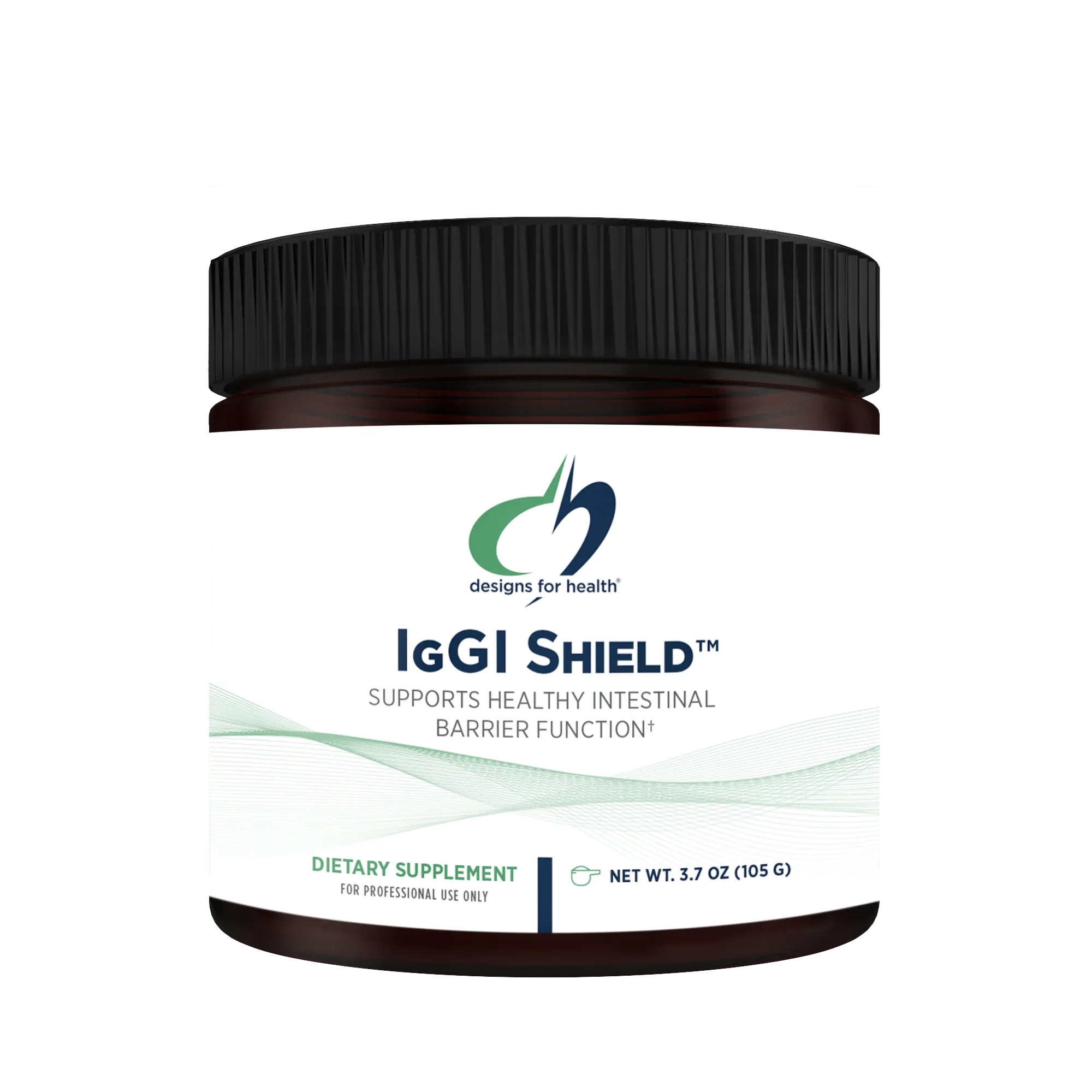
This is where targeted nutritional support comes into play. IgGI Shield™ 120 by Designs for Health is a specialized supplement formulated to address the foundational integrity of the gut lining. By combining ImmunoLin®—a highly concentrated, serum-derived bovine immunoglobulin (SBI)—with N-Acetyl-D-Glucosamine (NAG), this formula aims to fortify the intestinal mucosal barrier, neutralize harmful microbes and toxins, and promote a balanced immune response. In this comprehensive guide, we will explore the intricate biochemistry of how these ingredients work, how chronic illness disrupts the gut-brain axis, and how supporting your intestinal barrier may be a crucial step in managing the complex symptoms of Long COVID and ME/CFS.
TL;DR
IgGI Shield™ combines ImmunoLin® and NAG to support gut barrier integrity and neutralize inflammatory toxins.
Supporting the gut lining may help reduce systemic neuroinflammation linked to Long COVID and ME/CFS.
The supplement targets gastrointestinal distress while potentially easing brain fog, fatigue, and autonomic dysregulation.
What is IgGI Shield™ and Its Key Ingredients?
The Anatomy of a Healthy Gut Barrier
To understand how IgGI Shield™ works, we must first look at the natural function of the gastrointestinal lining in a healthy body. The gut barrier is a highly sophisticated, multi-layered defense system designed to perform two seemingly contradictory tasks: it must be permeable enough to absorb essential nutrients and water, yet secure enough to keep pathogenic bacteria, toxins, and undigested food particles out of the bloodstream. This delicate balance is maintained by a single layer of epithelial cells glued together by complex protein structures known as tight junctions.
Above these epithelial cells lies the mucosal layer, a thick, gel-like substance primarily composed of water and glycoproteins called mucins. This mucus acts as the first line of defense, preventing physical contact between the gut microbiome and the delicate epithelial cells. Within this mucus layer, the body's immune system secretes specialized antibodies, primarily Secretory IgA, which bind to and neutralize harmful microbes before they can cause damage or trigger an inflammatory response.
ImmunoLin®: A Purified Source of IgG
The primary active ingredient in IgGI Shield™ is ImmunoLin®, a dairy-free, serum-derived bovine immunoglobulin (SBI) concentrate. In a healthy immune system, immunoglobulins (also known as antibodies) are specialized proteins produced by white blood cells to identify and neutralize foreign objects like bacteria and viruses. ImmunoLin® provides a highly purified, concentrated source of these protective proteins, specifically delivering over 50% Immunoglobulin G (IgG), alongside smaller amounts of IgM and IgA.
Unlike many dietary proteins that are rapidly broken down by stomach acid and digestive enzymes, the immunoglobulins in SBI are uniquely robust. They largely survive the harsh, acidic environment of the upper gastrointestinal tract, arriving intact in the small and large intestines. Once there, they act as localized, highly targeted defenders. Because they are not absorbed into the systemic bloodstream, they function entirely within the lumen of the gut, providing a protective shield that mimics the body's natural mucosal immune response.
N-Acetyl-D-Glucosamine (NAG): The Building Block of Mucin
The second crucial component of IgGI Shield™ is N-Acetyl-D-Glucosamine (NAG). NAG is a naturally occurring amino sugar that serves as a fundamental molecular building block for connective tissues, cell walls, and, most importantly for gut health, the protective mucosal lining of the gastrointestinal tract. At a cellular level, NAG is an essential precursor for the biosynthesis of glycosaminoglycans (GAGs) and glycoproteins, which are the primary structural components of intestinal mucin.
In a healthy gut, specialized epithelial cells called goblet cells continuously produce and secrete mucin to maintain the protective gel layer. This process requires a steady supply of amino sugars. By providing a direct, highly bioavailable source of NAG, supplementation bypasses certain metabolic bottlenecks that can occur during chronic illness or severe inflammation. This allows the body to efficiently synthesize new GAGs, replenish the depleted mucus layer, and physically reinforce the barrier that separates the gut microbiome from the systemic immune system.
How Long COVID and ME/CFS Impact the Gut-Brain Axis
Viral Persistence and Intestinal Permeability
The connection between chronic, systemic illnesses like Long COVID and gastrointestinal dysfunction is profound and increasingly well-documented in medical literature. During an acute SARS-CoV-2 infection, the virus enters host cells by binding to ACE2 receptors, which are highly expressed on the enterocytes (intestinal absorptive cells) lining the gut. This direct viral invasion downregulates ACE2 function, instigates aggressive local immune activation, and physically damages the intestinal barrier.
Other literature suggests that in many Long COVID patients, viral RNA and antigens can persist in the gut tissue for months or even years after the initial infection. This viral persistence drives a state of continuous, low-grade inflammation in the gastrointestinal tract. Chronic inflammation degrades the tight junction proteins (like zonulin and occludin) that hold the epithelial cells together, leading to a condition clinically known as intestinal permeability, or "leaky gut." When the gut is leaky, the physical barrier is compromised, setting off a dangerous systemic cascade.
Microbial Translocation and the "Leaky Gut" Cascade
When intestinal permeability occurs, the gut loses its ability to selectively filter what enters the bloodstream. This allows for microbial translocation—the leakage of bacterial products, toxins, and undigested food particles from the gut lumen into the systemic circulation. One of the most damaging of these translocated molecules is lipopolysaccharide (LPS), an endotoxin found in the outer membrane of Gram-negative bacteria. When LPS enters the bloodstream, it triggers a severe immune response known as metabolic endotoxemia.
This phenomenon is not exclusive to Long COVID. Similar patterns of gut dysbiosis and elevated biomarkers for intestinal permeability—such as elevated zonulin-1 and anti-LPS antibodies—have been consistently documented in patients with ME/CFS. The loss of beneficial, short-chain fatty acid (SCFA)-producing bacteria, combined with an overgrowth of opportunistic pathogens, further degrades the mucosal lining, creating a vicious cycle where dysbiosis drives leaky gut, and leaky gut drives systemic immune dysfunction.
Systemic Neuroinflammation and Chronic Fatigue
The consequences of a leaky gut extend far beyond gastrointestinal symptoms. When bacterial endotoxins like LPS circulating in the bloodstream, they provoke the release of systemic pro-inflammatory cytokines (such as IL-1β, IL-6, and TNF-α). These inflammatory molecules can cross the blood-brain barrier or activate the vagus nerve, leading to neuroglial activation and neuroinflammation.
This gut-driven neuroinflammation is now believed by many researchers to be a primary driver of the debilitating neurological and autonomic symptoms seen in complex chronic illnesses. It disrupts the Hypothalamic-Pituitary-Adrenal (HPA) axis, alters neurotransmitter production (such as shunting tryptophan away from serotonin production and toward neurotoxic kynurenine pathways), and heavily contributes to severe cognitive impairment ("brain fog"), autonomic dysregulation (dysautonomia), and the profound exhaustion characteristic of post-exertional malaise.
IgGI Shield™: Supporting Mucosal Integrity and Immune Function
Steric Exclusion: Neutralizing Toxins Before They Enter the Bloodstream
IgGI Shield™ addresses the pathophysiology of leaky gut through multiple, synergistic mechanisms of action. The most prominent mechanism provided by the ImmunoLin® component is known as steric exclusion. Because the concentrated IgG antibodies in SBI survive digestion and remain in the intestinal lumen, they act as a localized, highly targeted defense force. These immunoglobulins directly bind to a wide array of microbial antigens, including the highly inflammatory lipopolysaccharides (LPS), peptidoglycans, and toxins produced by opportunistic pathogens.
Once the IgG binds to these toxic antigens, it forms a large, bulky antigen-antibody complex. This complex is physically too large to pass through the compromised tight junctions of a leaky gut—hence the term "steric exclusion" or "steric hindrance." By trapping these inflammatory triggers within the gut lumen, ImmunoLin® prevents them from translocating into the bloodstream. Instead of triggering systemic neuroinflammation, the neutralized toxins are safely and naturally excreted from the body via normal peristalsis and bowel movements.
Rebuilding the Glycosaminoglycan (GAG) Layer with NAG
While ImmunoLin® neutralizes the threats, the N-Acetyl-D-Glucosamine (NAG) in IgGI Shield™ works to actively repair the structural damage to the gut lining. Chronic inflammation at the mucosal surface rapidly depletes the protective mucin layer, leaving the delicate epithelial cells exposed to further damage. NAG acts as a direct, rate-limiting substrate for the synthesis of new glycosaminoglycans (GAGs) and glycoproteins.
By supplying high levels of exogenous NAG, the supplement bypasses the metabolic bottlenecks often seen in inflamed tissues. This allows the goblet cells to rapidly ramp up mucin production, effectively spackling the holes in the mucosal defense system. Furthermore, studies indicate that NAG directly supports the repair of microvilli and helps tighten the intercellular junction gaps, significantly lowering biomarkers of intestinal permeability such as serum D-lactic acid and diamine oxidase (DAO).
Dampening Localized Gut Inflammation
The combined action of SBI and NAG creates a profound anti-inflammatory effect within the gastrointestinal tract. By preventing antigens from crossing the epithelial barrier, ImmunoLin® stops the activation of the gut-associated lymphoid tissue (GALT). This halts the localized immune cascade, leading to a significant reduction in the secretion of tissue-damaging pro-inflammatory cytokines like TNF-α and CXCL10.
Simultaneously, NAG has been shown to modify immune responses through a cellular process called O-GlcNAcylation. This process helps promote the activity of anti-inflammatory T-regulatory cells while mitigating excessive autoimmune responses. By cooling the inflammatory fire at the mucosal surface, IgGI Shield™ creates an environment where the intestinal epithelium can naturally heal and regenerate, restoring its ability to properly absorb nutrients and maintain fluid balance.
Fostering a Healthier Microbiome
Other literature suggests an exciting secondary mechanism for serum-derived bovine immunoglobulins: microbiome modulation. As SBI is digested and undergoes colonic fermentation, it stimulates specific beneficial gut microbes. This fermentation process enhances the production of short-chain fatty acids (SCFAs) like acetate, propionate, and butyrate.
Butyrate is particularly crucial, as it is the primary energy source for colonocytes (colon cells) and plays a vital role in suppressing inflammation and fortifying the epithelial barrier. Furthermore, SBI fermentation has been shown to increase the production of indole-3-propionic acid, a health-promoting tryptophan metabolite that strongly supports gut barrier integrity. By fostering a healthier microbial environment, IgGI Shield™ helps reverse the dysbiosis that drives so many systemic symptoms in chronic illness.
Symptoms IgGI Shield™ May Help Manage
Targeting Gastrointestinal Distress
By directly supporting the mucosal barrier and neutralizing inflammatory toxins, the combination of ImmunoLin® and NAG in IgGI Shield™ targets a wide range of symptoms associated with gut dysfunction. Patients dealing with the complex aftermath of viral infections often experience unpredictable and severe digestive issues that can drastically impact their quality of life.
Symptoms this supplement may help manage include:
Chronic Diarrhea and Loose Stools: By reducing localized inflammation and restoring fluid absorption capabilities in the gut lining, SBI has been shown in clinical trials to significantly improve stool consistency and reduce urgency.
Abdominal Pain and Cramping: The dampening of the gut-associated lymphoid tissue (GALT) immune response helps soothe the inflamed mucosal tissue, which may alleviate the visceral hypersensitivity and cramping common in leaky gut and IBS-like presentations.
Bloating and Gas: By modulating the microbiome and supporting the clearance of opportunistic, gas-producing pathogens, the formula helps restore a healthier balance of gut flora, reducing excessive fermentation and bloating.
Food Sensitivities and Intolerances: A fortified mucosal barrier prevents undigested food proteins from inappropriately entering the bloodstream, which may help calm the hyperactive immune responses and histamine release often seen in conditions like MCAS.
Addressing Systemic and Cognitive Symptoms
Because the gut and brain are intimately connected, healing the intestinal barrier can have profound downstream effects on systemic symptoms. By stopping the leakage of lipopolysaccharides (LPS) into the bloodstream, IgGI Shield™ helps cut off the fuel supply for systemic neuroinflammation, which is a core driver of many debilitating chronic illness symptoms.
Systemic symptoms that may improve with gut barrier support include:
Brain Fog and Cognitive Impairment: Reducing circulating endotoxins lowers the neuroinflammatory burden on the brain, which may help improve mental clarity, focus, and memory retrieval.
Profound Fatigue and PEM: By mitigating the systemic immune activation caused by metabolic endotoxemia, the body expends less energy fighting a constant, low-grade inflammatory war, potentially raising the baseline for energy and reducing the severity of post-exertional crashes.
Autonomic Dysregulation (Dysautonomia/POTS): Calming the inflammatory signals sent via the vagus nerve to the central nervous system can help stabilize the autonomic nervous system, potentially easing symptoms like inappropriate tachycardia and temperature dysregulation.
Joint and Muscle Pain: The systemic reduction of pro-inflammatory cytokines like TNF-α and IL-6, combined with NAG's role in supporting connective tissue health, may help alleviate the widespread, migratory pain often reported by patients with Long COVID and ME/CFS.
Practical Considerations: Forms, Dosing, and Absorption
Understanding the Dosage and Administration
When incorporating IgGI Shield™ into a chronic illness management plan, understanding the proper dosing and administration is key to maximizing its benefits. The suggested use for this specific formulation is typically 4 capsules per day, or as directed by your healthcare practitioner. This standard daily dose provides 2.5 grams of ImmunoLin® (yielding 1.1 grams of pure Immunoglobulin G) and 1 gram of N-Acetyl-D-Glucosamine.
For patients dealing with severe intestinal permeability or active flare-ups of gastrointestinal symptoms, practitioners may sometimes recommend a higher, divided dose to ensure continuous coverage of the mucosal lining throughout the day. Because the immunoglobulins in SBI work by physically binding to antigens in the gut lumen, taking the supplement with meals can be beneficial. This timing allows the IgG to mix with the digesting food, neutralizing potential dietary toxins and bacterial byproducts before they have a chance to interact with the gut lining.
Bioavailability and Localized Action
One of the most unique and advantageous aspects of IgGI Shield™ is its specific bioavailability profile. Unlike many supplements that are designed to be absorbed into the bloodstream to exert systemic effects, the ImmunoLin® in this formula is intentionally designed not to be absorbed. Pharmacokinetic analyses confirm that these large, complex bovine immunoglobulins remain entirely within the gastrointestinal tract.
This localized action is a distinct advantage. It means the supplement acts as a physical, protective shield for the gut lining without acting as a systemic immunosuppressant. The immunoglobulins do their work in the lumen and are eventually excreted in the feces. Conversely, the NAG component is highly bioavailable and is readily taken up by the local epithelial and goblet cells, where it is immediately put to work synthesizing new mucin and repairing the structural integrity of the tight junctions.
Safety Profile and Potential Sensitivities
Both ImmunoLin® and NAG have excellent safety profiles and are generally very well tolerated, even by individuals with sensitive systems. ImmunoLin® is a dairy-free, serum-derived concentrate, meaning it does not contain lactose, casein, or whey, making it safe for individuals with dairy allergies or intolerances. It has been extensively studied in clinical trials for conditions like IBS and IBD without causing serious adverse effects.
However, there are a few practical considerations to keep in mind. While NAG is an amino sugar, individuals with severe shellfish allergies should verify the specific source of the NAG with their practitioner, as some forms are derived from crustacean shells (though vegan fermentation sources exist). Additionally, because NAG is involved in cellular sugar metabolism, individuals with diabetes or severe insulin resistance should monitor their blood glucose levels and consult their doctor when starting supplementation. As with any new intervention, it is crucial to introduce the supplement slowly and track your symptoms to ensure it is the right fit for your unique biology.
Follow the Science: Clinical Evidence for SBI and NAG
Clinical Trials on Serum-Derived Bovine Immunoglobulin
The scientific foundation supporting the use of serum-derived bovine immunoglobulin (SBI) for gut barrier dysfunction is robust and spans multiple clinical applications. Originally available as a prescription medical food, SBI has been extensively studied in conditions characterized by severe enteropathy and chronic diarrhea. Studies on SBI have shown it helps maintain mucosal integrity and reduce the need for more aggressive pharmaceutical interventions.
Furthermore, studies on patients with HIV-associated enteropathy—a condition marked by profound gut barrier damage and systemic immune activation—have provided striking mechanistic insights. Research published in Pathogens and Immunity demonstrated that patients taking SBI showed profound improvements in intestinal permeability. Blood biomarkers for gut barrier damage, such as Intestinal Fatty Acid Binding Protein (I-FABP) and zonulin, decreased significantly. The researchers also noted drops in circulating interleukin-6 (IL-6), confirming that healing the gut barrier with SBI directly reduces systemic immune activation.
Research on NAG and Mucosal Healing
The clinical evidence for N-Acetyl-D-Glucosamine (NAG) as a mucosal healing agent is equally compelling, particularly in the realm of severe inflammatory bowel conditions. A landmark pediatric pilot study published in Alimentary Pharmacology and Therapeutics investigated the use of NAG in children with severe, treatment-resistant Crohn's disease and Ulcerative Colitis. The researchers found that oral and rectal administration of NAG led to clear clinical improvement in the majority of the children.
Crucially, this study involved histological assessments to explore NAG's mechanism of action. Where biopsies taken before and after treatment were available, researchers made histochemical assessments of epithelial and matrix glycosaminoglycans and GlcNAc residues. Additional in vitro studies have also shown that NAG can inhibit the formation of pathogenic biofilms by opportunistic bacteria like E. coli, further protecting the vulnerable gut lining.
Emerging Data on the Gut-Brain Axis in Chronic Illness
The relevance of these gut-healing mechanisms to conditions like Long COVID and ME/CFS is becoming clearer as research into the gut-brain axis accelerates. Literature has found a direct, measurable correlation between periods of elevated leaky gut markers and the severity of chronic fatigue symptoms.
Similarly, comparative biomarker analyses have shown that patients with ME/CFS possess significantly higher levels of gut permeability and bacterial translocation (such as elevated anti-LPS antibodies) compared to healthy controls. As we learn more about how doctors diagnose Long COVID and ME/CFS, the role of the gastrointestinal tract as a primary driver of systemic neuroinflammation is taking center stage. By utilizing targeted therapies like IgGI Shield™ to bind toxins and rebuild the mucin layer, practitioners are applying this cutting-edge science to help patients manage the root causes of their systemic symptoms.
The Path Forward
Validating the Complexity of Gut-Driven Symptoms
Living with a complex chronic illness like Long COVID, ME/CFS, or dysautonomia is an exhausting, unpredictable journey. When your primary symptoms are profound fatigue, cognitive impairment, or a racing heart, it can be deeply frustrating to be told that the root of the problem might lie in your gut. However, the emerging science of the gut-brain axis validates your experience. It proves that your symptoms are not "all in your head"; they are the result of measurable, physiological disruptions in your body's mucosal barriers and immune responses.
Understanding that a compromised intestinal lining can drive systemic neuroinflammation offers a tangible, actionable target for healing. By addressing the health of your gastrointestinal tract, you are not just managing digestive discomfort—you are actively working to lower the systemic inflammatory burden that drives your most debilitating symptoms. This localized approach to systemic healing represents a hopeful paradigm shift in how we understand and manage post-viral and chronic fatigue syndromes.
Integrating Supplements into a Broader Strategy
While IgGI Shield™ offers a powerful, targeted mechanism for neutralizing toxins and rebuilding the mucosal barrier, it is important to remember that there are no magic cures for complex chronic conditions. Healing the gut and calming the immune system takes time, patience, and a comprehensive approach. Supplements should be viewed as one crucial tool in a broader management strategy that includes aggressive pacing, nervous system regulation, dietary modifications to support the microbiome, and careful symptom tracking.
If you are struggling with the systemic impacts of a leaky gut and are looking for ways to support your mucosal immunity, IgGI Shield™ may be a valuable addition to your protocol. Always consult with your healthcare provider before starting any new supplement to ensure it aligns with your specific medical history and current treatments. By taking proactive steps to fortify your body's natural barriers, you can help create an internal environment that supports long-term stability and improved quality of life.