Can IgGI Shield™ Help Heal "Leaky Gut" in Long COVID and ME/CFS?
March 5, 2026
IgGI ShieldImmunoLinGut Health
Share:
Disclaimer: The information provided here is for educational purposes only and is not intended as medical advice. It should not be used to diagnose, treat, cure, or prevent any medical condition. Instead, use it as a starting point for discussion with your healthcare provider. Always consult with a qualified healthcare provider before starting any new medication, supplement, device, or making changes to your health regimen.
Months or even years after a viral infection, many patients with Long COVID and myalgic encephalomyelitis/chronic fatigue syndrome (ME/CFS) find themselves battling a bewildering array of symptoms. While debilitating fatigue, brain fog, and post-exertional malaise (PEM) often take center stage, a silent battle is frequently raging in the gastrointestinal tract. Research increasingly points to the gut microbiome and the integrity of the intestinal lining as critical ground zero for chronic, systemic inflammation. When the gut barrier breaks down—a condition commonly known as "leaky gut"—it can trigger a cascade of immune dysfunction that reverberates throughout the entire body, exacerbating the very symptoms that make these conditions so difficult to manage.
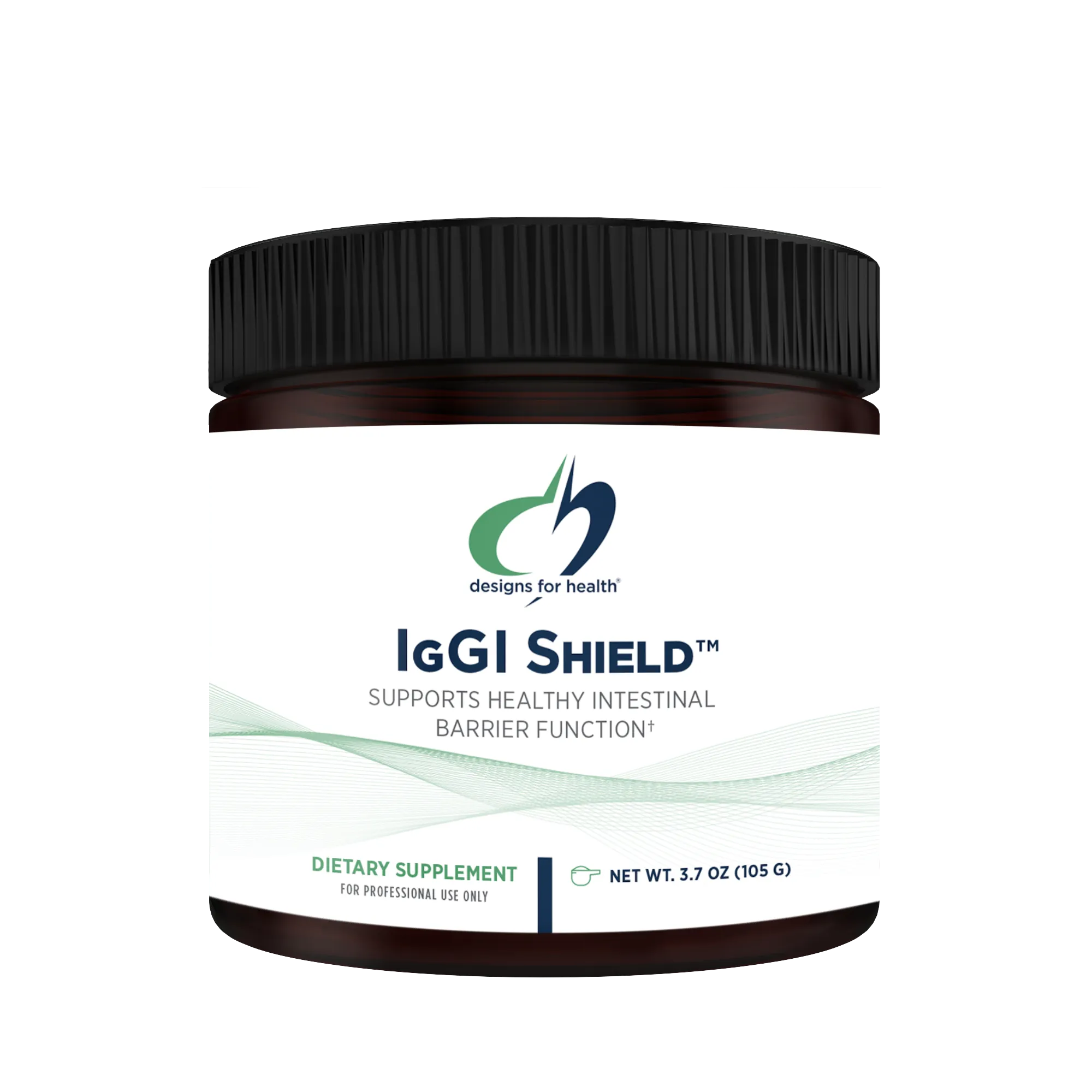
For patients navigating these complex chronic conditions, restoring gut health is often a vital step toward managing systemic symptoms and improving overall quality of life. This is where targeted nutritional interventions come into play. IgGI Shield™ by Designs for Health is a specialized supplement formulated to support gut immune health and intestinal barrier function. By combining ImmunoLin®—a purified, dairy-free source of serum-derived bovine immunoglobulin concentrate (SBI)—with N-acetyl-D-glucosamine (NAG), this formula provides a dual-action approach to reinforcing the gut lining and promoting a balanced inflammatory response. In this comprehensive article, we will explore the deep science behind these ingredients, how they work at the cellular level, and why they may be a crucial tool for those living with complex chronic illnesses.
TL;DR
IgGI Shield™ combines ImmunoLin® and NAG to support gut barrier integrity and immune balance.
It may help manage gastrointestinal symptoms like loose stools and bloating in chronic conditions.
Supporting gut health may reduce systemic inflammation, potentially easing brain fog and post-exertional malaise.
The dairy-free powder is easy to take and well-tolerated by sensitive individuals.
What is IgGI Shield™?
The Role of Immunoglobulins in the Gut
IgGI Shield™ is a targeted gastrointestinal support formula centered around two highly researched compounds: ImmunoLin® and N-acetyl-D-glucosamine (NAG). To understand how this supplement functions, we must first look at the natural role of immunoglobulins in a healthy digestive system. The human gastrointestinal tract is the largest immune organ in the body, constantly exposed to a massive influx of dietary antigens, commensal bacteria, and potential pathogens. In a healthy state, the gut secretes large amounts of immunoglobulins, primarily Secretory IgA (sIgA) and Immunoglobulin G (IgG), into the intestinal lumen. These Y-shaped protein molecules act as the immune system's frontline sentinels. They function by binding to specific antigens—such as bacterial toxins or viral particles—neutralizing them before they can interact with the delicate epithelial cells that line the gut. ImmunoLin® is a purified, dairy-free serum-derived bovine immunoglobulin concentrate (SBI), providing a highly concentrated source of IgG to supplement the body's natural defenses when local immune function is overwhelmed or compromised.
Because ImmunoLin® is derived from bovine serum rather than milk or colostrum, it is completely devoid of dairy proteins like casein and whey, making it exceptionally well-tolerated by individuals with severe food sensitivities or mast cell activation syndrome (MCAS). The immunoglobulins in ImmunoLin® are specifically designed to survive the harsh, acidic environment of the stomach and the enzymatic activity of the upper digestive tract. Rather than being absorbed into the systemic bloodstream, these heavy protein molecules remain within the lumen of the intestines. Here, they act locally, sweeping through the digestive tract to bind to and neutralize harmful microbial byproducts. This localized action is crucial because it intercepts threats before they can trigger a systemic immune response, thereby maintaining a state of peaceful coexistence between the host immune system and the trillions of microbes residing in the gut.
N-Acetyl-D-Glucosamine and the Mucin Layer
The second key ingredient in IgGI Shield™ is N-acetyl-D-glucosamine (NAG), an amino sugar that serves as a fundamental building block for the structural integrity of the gut lining. The intestinal epithelium is only a single cell thick, making it inherently vulnerable to damage from digestive acids, abrasive food particles, and microbial toxins. To protect these delicate cells, the body secretes a thick, gel-like mucosal layer composed primarily of highly complex glycoproteins called mucins. This mucus layer acts as both a physical and chemical barrier, trapping bacteria and preventing them from directly contacting the epithelial cells. NAG is a direct precursor in the hexosamine biosynthetic pathway, which the body uses to synthesize these critical mucin glycoproteins and other essential glycosaminoglycans (GAGs). In a healthy individual, the continuous production of NAG ensures that the mucosal barrier is constantly replenished and repaired, maintaining a robust defense against physical abrasion and microbial invasion.
Beyond its vital structural role, NAG is deeply involved in cellular signaling and immune modulation within the gastrointestinal tract. It participates in a unique and complex biochemical process known as O-GlcNAcylation, where NAG molecules are dynamically attached to intracellular proteins to alter their function and stability. This process is vital for regulating the immune response within the gut-associated lymphoid tissue (GALT). Research indicates that proper O-GlcNAcylation promotes the development and activation of regulatory T cells (Tregs), which actively suppress excessive inflammation, while simultaneously dampening the activity of pro-inflammatory Th1 and Th17 cells. By providing a direct, highly bioavailable supply of NAG, IgGI Shield™ not only provides the raw materials needed to physically rebuild the protective mucus layer but also helps to biochemically instruct the local immune system to maintain a balanced, non-destructive posture.
How Chronic Illness Impacts Gut Barrier Function
Viral Persistence and Microbial Imbalance
In complex chronic conditions like Long COVID and myalgic encephalomyelitis/chronic fatigue syndrome (ME/CFS), the delicate ecosystem of the gastrointestinal tract is often thrown into a state of profound and persistent dysbiosis. The SARS-CoV-2 virus gains entry into human cells by binding to ACE2 receptors, which are highly expressed on the surface of intestinal enterocytes. This direct viral infection of the gut lining can cause immediate cellular damage, disrupt the absorption of essential amino acids, and severely impair the production of antimicrobial peptides. Furthermore, advanced biopsy studies have demonstrated that viral RNA and proteins can persist in the gut tissue for months or even years after the acute respiratory infection has resolved. This viral persistence acts as a continuous, localized irritant, triggering chronic, low-grade inflammation deep within the mucosal tissue. The resulting inflammatory environment is highly toxic to beneficial, short-chain fatty acid (SCFA)-producing bacteria, such as Faecalibacterium prausnitzii and Bifidobacterium, leading to their rapid and sustained depletion.
As these beneficial microbes die off in large numbers, opportunistic and highly pro-inflammatory bacteria, such as Ruminococcus gnavus and various Enterobacteriaceae species, rapidly multiply to fill the ecological void. This microbial shift has devastating consequences for overall gut health and systemic immunity. Beneficial bacteria normally produce large quantities of butyrate, an SCFA that serves as the primary energy source for colon cells and actively maintains the tight junction proteins that seal the microscopic gaps between epithelial cells. When butyrate levels plummet due to this severe dysbiosis, the intestinal cells become energetically starved, and the tight junctions begin to physically disassemble. This exact pattern of microbial diversity loss and SCFA depletion is also a well-documented hallmark of ME/CFS, explaining why debilitating gastrointestinal symptoms are so universally prevalent across these overlapping patient populations.
Intestinal Permeability and Endotoxemia
The breakdown of tight junctions leads directly to a pathological condition known as intestinal permeability, or "leaky gut." When the physical barrier of the gut is compromised, microscopic gaps form between the epithelial cells. This structural failure allows large, undigested food proteins, fungal cell wall fragments, and highly toxic bacterial byproducts to escape the confines of the digestive tract and translocate into the lamina propria and the systemic bloodstream. One of the most damaging molecules to escape is lipopolysaccharide (LPS), a highly toxic structural component of Gram-negative bacterial cell walls. The continuous leakage of LPS into the blood causes a state of chronic metabolic endotoxemia, which is frequently observed in patients with Long COVID, ME/CFS, and various forms of dysautonomia.
Once in the systemic bloodstream, LPS binds aggressively to Toll-like receptor 4 (TLR4) on the surface of circulating immune cells, triggering a massive, uncontrolled release of pro-inflammatory cytokines, including TNF-alpha, IL-6, and IL-1 beta. This systemic cytokine storm can cross the blood-brain barrier, activating microglial cells in the brain and causing severe, widespread neuroinflammation. This gut-brain axis disruption is widely believed to be a primary physiological driver of the debilitating cognitive dysfunction or "brain fog" experienced by so many patients. Furthermore, the constant, low-level immune activation required to fight off these translocated gut toxins heavily drains the body's cellular energy reserves, heavily contributing to the profound, unrefreshing fatigue and post-exertional malaise (PEM) that characterize these complex, life-altering illnesses.
IgGI Shield™: Supporting Gut Repair and Immune Balance
The "Sponge Effect" of ImmunoLin
IgGI Shield™ intervenes in this destructive, self-perpetuating cycle through the highly targeted mechanisms of its two primary ingredients. ImmunoLin® (SBI) acts primarily through a biophysical mechanism known as steric hindrance, effectively functioning as a massive molecular sponge within the gastrointestinal lumen. The high concentration of Immunoglobulin G (IgG) in ImmunoLin® has a remarkably strong binding affinity for conserved microbial antigens, including LPS, Lipid A, and bacterial flagellin. As the SBI powder travels through the digestive tract, the IgG antibodies physically attach to these toxic compounds, forming large, inert immune complexes. Because these resulting complexes are massive in molecular size, they are physically incapable of fitting through the compromised tight junctions of a leaky gut. By trapping the toxins in the lumen so they can be safely excreted, ImmunoLin® helps prevent them from translocating into the bloodstream, effectively cutting off the source of metabolic endotoxemia at its root.
This neutralization process has profound and immediate downstream effects on local gut inflammation. Normally, when bacterial toxins contact the delicate gut lining, they trigger local macrophages and dendritic cells to release a flood of pro-inflammatory cytokines like TNF-alpha and IFN-gamma. These specific cytokines act as "molecular crowbars," actively signaling the epithelial cells to dismantle their tight junction proteins (such as claudin and occludin), thereby worsening the leaky gut in a vicious cycle. Because ImmunoLin® neutralizes the toxins before they can bind to and trigger the local immune cells, mucosal cytokine production drops significantly. By lowering this localized inflammatory stress, the intestinal epithelial cells are finally given the biochemical breathing room they desperately need to naturally reassemble their tight junctions and organically heal the barrier.
Rebuilding the Mucin Barrier with NAG
While ImmunoLin® clears away the toxic debris and halts the inflammatory assault, N-acetyl-D-glucosamine (NAG) goes to work physically rebuilding the damaged structural defenses of the gut. In patients with chronic gut inflammation, the metabolic pathways required to synthesize amino sugars are often severely impaired or completely overwhelmed by the sheer demand for rapid tissue repair. By providing a direct, highly bioavailable source of NAG, IgGI Shield™ entirely bypasses these metabolic bottlenecks. The epithelial goblet cells rapidly absorb the NAG and utilize it to synthesize massive quantities of mucin glycoproteins and glycosaminoglycans. This process rapidly thickens and restores the protective mucosal gel layer that coats the intestinal lining, re-establishing the crucial physical buffer between the gut microbiome and the delicate human cells beneath.
Furthermore, NAG directly interferes with the survival strategies of opportunistic pathogens that thrive in a dysbiotic gut. Research has shown that virulent strains of bacteria, such as specific strains of Escherichia coli associated with inflammatory bowel conditions, survive in the hostile environment of the gut by forming dense, highly protective biofilms. Laboratory studies demonstrate that the introduction of NAG significantly inhibits the ability of these pathogens to form biofilms, stripping them of their armor. This makes it significantly harder for them to colonize the gut lining and much easier for the body's natural immune mechanisms to clear them out. This dual action—fortifying the host's physical defenses while simultaneously weakening pathogenic colonization—makes NAG an exceptionally powerful tool for restoring long-term intestinal homeostasis.
Synergistic Microbiome Support
The combination of SBI and NAG in IgGI Shield™ is not merely additive; recent, cutting-edge research suggests it is highly synergistic. An advanced ex vivo study utilizing complex human microbiome models demonstrated that while NAG alone improved gut barrier integrity by an impressive 29%, combining it with SBI boosted the improvement to 36%. This powerful synergy appears to be deeply rooted in microbiome modulation. While SBI clears away the inflammatory endotoxins, NAG acts as a highly selective prebiotic, specifically stimulating the growth of beneficial, SCFA-producing bacteria families like Bifidobacteriaceae and Lachnospiraceae. As these crucial populations recover and multiply, they produce higher levels of acetate and butyrate, which further nourish the colon cells and actively suppress inflammation, creating a powerful, self-sustaining positive feedback loop of gut healing.

Symptoms IgGI Shield™ May Help Manage
Gastrointestinal and Systemic Symptom Relief
By addressing the root causes of intestinal permeability and gut-driven inflammation, the ingredients in IgGI Shield™ may help manage a wide array of both localized and systemic symptoms associated with chronic illness.
Chronic Diarrhea and Loose Stools: By neutralizing bacterial toxins and significantly reducing local mucosal inflammation, SBI helps restore normal water absorption in the colon. Clinical trials on ImmunoLin® have consistently shown significant reductions in stool frequency and major improvements in stool consistency for patients with diarrhea-predominant irritable bowel syndrome (IBS-D).
Abdominal Pain and Bloating: The reduction of pro-inflammatory cytokines in the gut tissue lowers the hypersensitivity of the enteric nervous system. Furthermore, by inhibiting pathogenic bacteria that produce excessive gas, NAG helps to alleviate the painful bloating, cramping, and severe distension often experienced immediately after meals.
Brain Fog and Cognitive Dysfunction: By supporting the gut barrier and helping to prevent the translocation of lipopolysaccharides (LPS) into the bloodstream, IgGI Shield™ helps cut off the supply of toxins that drive systemic neuroinflammation. Lowering this inflammatory burden on the brain can lead to noticeable improvements in mental clarity, sustained focus, and memory retrieval.
Post-Exertional Malaise (PEM): Physical exertion is known to temporarily increase gut permeability. In patients with ME/CFS and Long COVID, this can cause a flood of endotoxins that triggers a severe, debilitating crash. By fortifying the tight junctions and thickening the mucin layer, IgGI Shield™ may help build resilience against exertion-induced endotoxemia, potentially reducing the severity and duration of PEM crashes.
Food Sensitivities and MCAS Triggers: Leaky gut allows large, undigested food proteins to interact directly with the immune system, triggering mast cell activation and severe food allergies. By restoring the physical barrier, IgGI Shield™ helps keep these proteins safely contained within the digestive tract until they are fully broken down, potentially reducing the frequency and severity of unpredictable mast cell reactions.
Practical Considerations: Forms, Dosing, and Absorption
Dosing and Administration
IgGI Shield™ is formulated as a highly soluble, unflavored powder, making it exceptionally easy to incorporate into a daily routine, especially for patients who struggle with swallowing large capsules or pills due to dysautonomia or severe fatigue. The suggested use is to mix 3.5 grams (approximately one scoop) into water, a smoothie, or another cool or room-temperature liquid per day, or as directed by a healthcare practitioner. It is absolutely crucial to avoid mixing the powder into hot liquids, such as boiling tea, hot coffee, or hot soup, as high temperatures can rapidly denature the delicate immunoglobulin proteins and completely destroy their biological activity. Because the ingredients act locally within the gastrointestinal tract, taking the supplement with or without food does not significantly impact its core mechanism of action, though some patients prefer taking it on an empty stomach to maximize its direct physical interaction with the gut lining.
For patients dealing with severe intestinal permeability, chronic opportunistic infections, or acute flare-ups of gastrointestinal distress, practitioners may recommend a higher, divided dose. Clinical trials utilizing ImmunoLin® for severe enteropathy often employ therapeutic doses of 5 grams to 10 grams per day, typically divided into morning and evening administrations to ensure continuous coverage. Because the half-life of N-acetyl-D-glucosamine in the gut is relatively short, dividing the dose ensures a steady, continuous supply of the crucial mucin-building substrates throughout the day. However, patients should always start with the standard one-scoop dose to carefully assess their individual tolerance before gradually increasing the amount under the strict medical supervision of their care team.
Dairy-Free Bioavailability
One of the most significant practical advantages of IgGI Shield™ is its strictly dairy-free nature. Many traditional immunoglobulin supplements on the market are derived from bovine colostrum, which inherently contains milk proteins like casein, whey, and lactose. For patients with mast cell activation syndrome (MCAS), Long COVID, or severe dysbiosis, these dairy components can be highly immunogenic, triggering the very inflammation the supplement is actively trying to suppress. Because ImmunoLin® is extracted exclusively from highly purified bovine serum, it provides a massive, concentrated dose of IgG without any dairy allergens whatsoever. Furthermore, because neither SBI nor NAG is intended to be absorbed into the systemic bloodstream to exert their primary therapeutic effects, traditional concerns about systemic bioavailability are largely irrelevant; their "bioavailability" is measured entirely by their active presence, binding capacity, and survivability within the gut lumen.
Safety and Tolerability
Both ImmunoLin® and N-acetyl-D-glucosamine boast excellent safety profiles and are generally very well tolerated, even by patients with highly sensitive, reactive systems. ImmunoLin® has been rigorously evaluated in over 45 human clinical trials and was officially granted self-affirmed GRAS (Generally Recognized as Safe) status by the FDA. Because it is not systemically absorbed, it does not carry the severe risks of organ toxicity or systemic immunosuppression associated with pharmaceutical immunomodulators. NAG is a naturally occurring amino sugar in the human body and is similarly recognized for its exceptionally high tolerability. However, because NAG is an amino sugar, individuals with severe shellfish allergies should consult their provider, though high-quality NAG is often synthesized via advanced fermentation processes rather than extracted from crustacean shells. As with any new intervention, patients should introduce the supplement slowly and monitor for any mild, transient gastrointestinal adjustments, such as temporary changes in bowel habits or mild bloating as the microbiome shifts.

Follow the Science
Clinical Trials on ImmunoLin (SBI)
The scientific literature supporting the use of serum-derived bovine immunoglobulins for gut barrier repair is extensive, highly rigorous, and spans decades of research. One of the most compelling studies demonstrating SBI's ability to heal "leaky gut" was a comprehensive 24-week, randomized, double-blind clinical trial published in the Journal of Infectious Diseases by Utay et al. in 2019. The researchers evaluated patients with chronic HIV-associated enteropathy—a complex condition characterized by severe, persistent intestinal permeability and systemic inflammation despite complete viral suppression. Patients receiving SBI experienced highly statistically significant reductions in key blood biomarkers of gut damage. Specifically, circulating levels of Zonulin (a protein that actively breaks down tight junctions) decreased by -4.90 ng/μL (P=0.003), and Intestinal Fatty Acid-Binding Protein (I-FABP, a direct marker of enterocyte death) dropped by -0.35 ng/μL (P=0.002). Furthermore, systemic inflammation, measured by IL-6, was significantly reduced, proving definitively that healing the gut barrier directly lowered systemic immune activation.
Additional robust clinical evidence comes from trials focusing on functional bowel disorders. An open-label study conducted at the Mayo Clinic (NCT02163213) evaluated the safety and efficacy of a 5.0 g twice-daily dose of SBI in patients with severe, diarrhea-predominant irritable bowel syndrome (IBS-D). The study demonstrated highly significant clinical improvements in overall bowel function, including dramatically decreased stool frequency, reduced abdominal pain scores, and improved ease of evacuation. Furthermore, advanced beta-diversity analysis of duodenal brushings showed noticeable, positive shifts in the structural composition of the patients' gut microbiomes, validating SBI's critical role in modulating and repairing the local microbial environment.
Research on N-Acetyl-D-Glucosamine
The clinical data supporting N-acetyl-D-glucosamine is equally compelling, particularly regarding its unique ability to repair the mucosal barrier in severe inflammatory conditions. In a notable adult open-label clinical trial involving 34 patients diagnosed with severe inflammatory bowel disease (IBD), participants were administered 6 grams of NAG per day for four weeks. The clinical results were striking: 88.1% of the patients reported a significant reduction in overall disease symptoms. Specifically, nearly 60% of patients noted major improvements in abdominal pain (with a 49% quantitative reduction in pain scores), and 64.7% experienced improvements in chronic diarrhea. Pediatric pilot studies on treatment-resistant IBD have also shown that oral and rectal administration of NAG may help support clinical and endoscopic improvements in children who had completely failed standard pharmaceutical therapies, with tissue biopsies confirming a visible, structural increase in epithelial mucin expression.
Gut Dysbiosis in Chronic Illness
The relevance of these specific gut-healing mechanisms to Long COVID and ME/CFS is heavily underscored by recent, groundbreaking omics research. A 2022 collaborative study published by The Wistar Institute analyzed the blood of Long COVID cohorts and found abnormally high levels of beta-glucan—a fungal cell wall polysaccharide. This finding provided concrete, undeniable proof of microbial translocation from the gut into the bloodstream, directly linking intestinal permeability to the systemic inflammation seen in Long COVID. Similarly, comprehensive reviews of the ME/CFS microbiome consistently highlight a profound loss of butyrate-producing bacteria and elevated levels of plasma LPS and soluble CD14 (an LPS receptor marker). These findings solidify the scientific consensus that repairing the gut barrier is not merely an adjunctive therapy, but an absolute central necessity for managing the complex pathophysiology of these neuro-immune conditions.
The Path Forward
Healing Takes Time
Living with the unpredictable and often severely debilitating symptoms of Long COVID, ME/CFS, and dysautonomia can be an incredibly isolating, exhausting, and frustrating experience. When your body feels like it is constantly locked in a state of systemic alarm, finding targeted, scientifically validated interventions can provide a much-needed sense of hope and control over your health. It is critically important to remember, however, that healing a severely compromised gut barrier is not an overnight process. The intestinal lining requires consistent biochemical support, ample time to clear out inflammatory toxins, and a stable, non-reactive environment to rebuild its delicate tight junctions and thick mucosal layers. Patients utilizing IgGI Shield™ should approach their gut-healing journey with patience and profound self-compassion, recognizing that cellular repair operates on a timeline of weeks and months, not days.
A Comprehensive Approach
While the combination of ImmunoLin® and N-acetyl-D-glucosamine offers a powerful, highly synergistic tool for supporting intestinal integrity, supplements are always most effective when seamlessly integrated into a broader, comprehensive management strategy. Managing complex chronic illness requires a multi-faceted approach that includes meticulous symptom tracking, strict adherence to pacing to avoid devastating PEM crashes, dietary modifications to support a healthy microbiome, and ongoing, compassionate medical supervision. By addressing the foundational health of the gastrointestinal system, you are laying the critical groundwork for a more balanced immune response and improved overall resilience. If you are struggling with gut-driven inflammation and systemic symptoms, discuss with your healthcare provider whether targeted mucosal support is the right next step for your unique clinical picture.