Can Bovine Colostrum and Oral IgG Support Gut Health and Immune Function in Long COVID and ME/CFS?
March 6, 2026
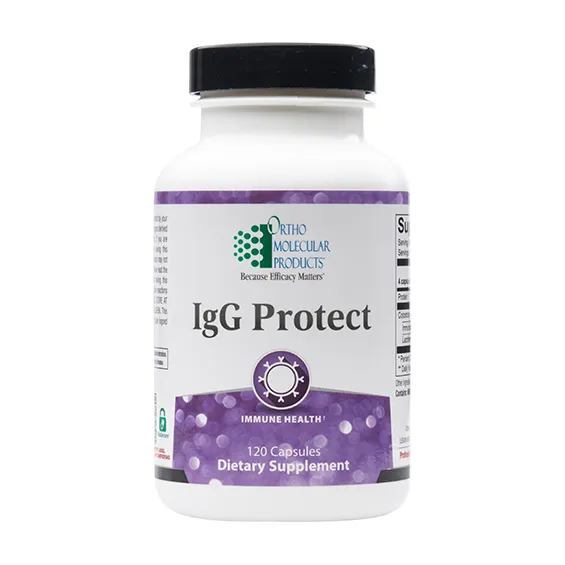
IgG ProtectBovine ColostrumLong COVID
Share:
Disclaimer: The information provided here is for educational purposes only and is not intended as medical advice. It should not be used to diagnose, treat, cure, or prevent any medical condition. Instead, use it as a starting point for discussion with your healthcare provider. Always consult with a qualified healthcare provider before starting any new medication, supplement, device, or making changes to your health regimen.
Months or even years after a mild viral infection, many individuals find themselves battling a relentless array of symptoms that seem to defy standard medical explanation. Profound fatigue, unpredictable digestive distress, racing heart rates, and a thick cognitive "brain fog" become daily realities for those living with complex chronic conditions like Long COVID, myalgic encephalomyelitis/chronic fatigue syndrome (ME/CFS), dysautonomia, and mast cell activation syndrome (MCAS). While these conditions manifest with systemic symptoms that affect nearly every organ in the body, emerging research is increasingly pointing to a singular, foundational origin point for much of this systemic chaos: the gastrointestinal tract. When the delicate barrier lining the gut becomes compromised, it sets off a cascade of immune dysfunction that reverberates throughout the entire body.
For patients navigating these invisible illnesses, the search for validating, science-backed management strategies can be exhausting. Traditional approaches often target individual symptoms rather than addressing the underlying immune dysregulation and mucosal barrier breakdown. This is where specialized nutritional interventions, such as IgG Protect, come into the clinical spotlight. Formulated with highly concentrated bovine colostrum, IgG Protect delivers a potent dose of Immunoglobulin G (IgG) and other bioactive compounds designed to act directly within the gut lumen. By neutralizing inflammatory toxins before they can enter the bloodstream and providing the necessary growth factors to repair the intestinal lining, this supplement offers a targeted approach to calming the systemic immune response. In this comprehensive guide, we will explore the intricate mechanisms behind bovine colostrum, how chronic illness disrupts the gut-immune axis, and what the latest clinical research reveals about oral immunoglobulins for post-viral recovery.
TL;DR
Gut health is closely linked to chronic conditions like Long COVID, ME/CFS, and dysautonomia.
IgG Protect uses bovine colostrum to support the gut barrier and neutralize inflammatory toxins.
Oral immunoglobulins may help manage brain fog, fatigue, and GI distress by calming systemic inflammation.
Consult your healthcare provider to integrate gut-supporting supplements into your comprehensive care plan.
What is IgG Protect?
The Biological Matrix of Bovine Colostrum
To understand how IgG Protect works, we must first examine its primary ingredient: bovine colostrum. Colostrum is the initial, nutrient-dense milk produced by mammals immediately following birth, often referred to as the "first food" of life. Unlike mature milk, which is primarily designed for caloric growth, colostrum is a highly concentrated, bioactive matrix engineered by nature to jumpstart the newborn's immune system and seal the porous lining of their developing gastrointestinal tract. Clinical applications of bovine colostrum highlight that it contains a complex symphony of immune factors, essential amino acids, nucleotides, and growth factors. Because bovine (cow) colostrum shares a remarkable structural similarity with human colostrum, its bioactive components are highly compatible with human biology, making it a powerful therapeutic tool for adults seeking to restore their own compromised immune and mucosal barriers.
The manufacturing and processing of colostrum are critical to its clinical efficacy. IgG Protect utilizes advanced filtration and purification techniques to create a highly concentrated, pure extract that delivers a consistent potency. This is vital because the delicate proteins and immunoglobulins within colostrum can easily be denatured by excessive heat or harsh processing methods. By utilizing specialized low-heat filtration, the supplement preserves the structural integrity of these bioactive molecules, ensuring they remain functional when they reach the human digestive tract. This meticulous processing transforms a natural substance into a reliable, clinical-grade tool that healthcare providers can utilize to support gastrointestinal symptoms seen with Long COVID and other complex chronic conditions.
The Role of Immunoglobulin G (IgG) and Passive Immunity
The standout component of IgG Protect is Immunoglobulin G (IgG), which accounts for 75 to 80 percent of all serum antibodies in the human body. Immunoglobulins, commonly known as antibodies, are Y-shaped proteins deployed by the immune system to identify and neutralize foreign objects such as pathogenic bacteria, viruses, and environmental toxins. In a healthy immune system, IgG circulates continuously, acting as a vigilant surveillance mechanism. When you consume an oral IgG supplement derived from bovine colostrum, you are utilizing a mechanism known as "passive immunity." Because these large protein structures are not broken down entirely by stomach acid, they survive the journey into the intestinal tract where they remain biologically active.
Once in the gut lumen, this exogenous IgG acts as a frontline defense force. It physically binds to microbial fragments, undigested food proteins, and bacterial endotoxins—most notably lipopolysaccharides (LPS). By binding to these inflammatory triggers, the IgG molecules create large immune complexes that are too bulky to pass through the intestinal wall. This process, known as "steric exclusion," effectively traps the toxins within the digestive tract so they can be safely excreted in the stool. This localized action helps keep the toxins from crossing into the bloodstream, thereby sparing the systemic immune system from having to mount an exhausting, highly inflammatory response.
Lactoferrin and Cellular Defense Mechanisms
Beyond immunoglobulins, IgG Protect provides 13 mg of lactoferrin, an iron-binding glycoprotein that plays a crucial role in innate immune defense. Lactoferrin is found in high concentrations in colostrum—often 30 to 100 times more concentrated than in mature milk. At the molecular level, lactoferrin exhibits profound antimicrobial properties primarily through iron sequestration. Many pathogenic bacteria, such as E. coli and Salmonella, require free iron to multiply and form protective biofilms in the gut. Lactoferrin acts as a powerful chelator, binding tightly to free iron in the gastrointestinal tract and effectively starving these harmful pathogens of the nutrients they need to survive.
Remarkably, while lactoferrin deprives pathogenic bacteria of iron, it does not harm beneficial, probiotic bacteria like Bifidobacterium and Lactobacillus, which have different metabolic requirements. Furthermore, lactoferrin can directly interact with the outer membranes of certain Gram-negative bacteria, destabilizing their cellular structure and causing them to rupture. Beyond its direct antimicrobial effects, lactoferrin also acts as an immunomodulator, helping to regulate the production of inflammatory cytokines and supporting the body's natural homeostasis. This multi-pronged action makes lactoferrin an invaluable component in managing the dysbiosis and immune hyperactivation frequently seen in patients with autoimmunity and immune dysregulation in Long COVID.
How Chronic Illness Impacts the Gut-Immune Axis
Viral Persistence in the Gastrointestinal Tract
To comprehend why a gut-targeted supplement like IgG Protect is relevant for systemic conditions, we must examine how chronic illness impacts the gut-immune axis. In the context of Long COVID, emerging research strongly suggests that the initial viral infection is not entirely cleared from the body. Instead, viral persistence occurs, with fragments of the SARS-CoV-2 virus—particularly the spike protein—taking refuge in the tissues of the gastrointestinal tract. The gut is an ideal reservoir for the virus because its cells are rich in ACE2 receptors, the primary gateway the virus uses to enter human cells. When viral RNA and proteins persist in the gut mucosa for months or years, they act as a constant, low-grade irritant to the local immune system.
This persistent viral presence forces the gut's localized immune system (the gut-associated lymphoid tissue, or GALT) into a state of chronic hyperactivation. The GALT is responsible for roughly 70 percent of the body's entire immune function. When it is constantly fighting a hidden viral reservoir, it continuously pumps out pro-inflammatory cytokines like Interleukin-6 (IL-6) and Tumor Necrosis Factor-alpha (TNF-alpha). This chronic localized inflammation degrades the structural integrity of the intestinal lining, setting the stage for a cascade of systemic issues that drive the debilitating symptoms of Long COVID and ME/CFS.
Intestinal Permeability and "Leaky Gut" Dynamics
The intestinal lining is remarkably thin—just a single layer of epithelial cells thick. These cells are glued together by complex protein structures known as tight junctions, which include proteins like claudin, occludin, and zonula occludens-1 (ZO-1). In a healthy state, these tight junctions act as an intelligent filter, allowing microscopic nutrients to pass into the bloodstream while blocking larger, harmful molecules. However, chronic inflammation, viral persistence, and dysbiosis trigger the release of a protein called zonulin. Research on the mechanisms of Long COVID demonstrates that elevated zonulin levels actively dismantle these tight junctions, creating microscopic gaps between the cells.
This phenomenon, clinically termed increased intestinal permeability and colloquially known as "leaky gut," is a hallmark feature of many complex chronic illnesses. Recent studies highlight significant sex differences in markers of gut integrity, showing that patients with Long COVID—particularly females—exhibit highly elevated levels of zonulin and subsequent arterial stiffness. When the barrier is breached, the gut loses its selective filtering ability. Undigested food particles, environmental toxins, and microbial debris that should have been confined to the digestive tract are suddenly allowed to flood directly into the systemic circulation.
Endotoxemia, Microglial Activation, and Systemic Fallout
The most damaging consequence of intestinal permeability is the translocation of lipopolysaccharides (LPS). LPS are structural components of the cell walls of Gram-negative bacteria that naturally reside in the gut microbiome. While harmless inside the gut lumen, LPS are highly toxic when they leak into the bloodstream—a condition known as metabolic endotoxemia. Once in the blood, LPS trigger a massive, systemic immune alarm. They bind to Toll-like receptor 4 (TLR4) on immune cells throughout the body, initiating a fierce inflammatory cascade that reaches far beyond the digestive system.
This gut-derived inflammation has profound neurological and autonomic consequences. The circulating cytokines and LPS can compromise the blood-brain barrier, leading to the activation of microglial cells (the brain's resident immune cells). Neuroimmune pathophysiology studies indicate that this chronic neuroinflammation is a primary driver of the severe brain fog, cognitive dysfunction, and neuro-fatigue seen in ME/CFS and Long COVID. Furthermore, this systemic inflammatory burden continuously irritates the vagus nerve and the autonomic nervous system, exacerbating the rapid heart rates and blood pressure fluctuations characteristic of dysautonomia and POTS. By understanding this vicious cycle, it becomes clear why healing the gut barrier is an essential step in managing systemic chronic illness.
IgG Protect: Supporting Gut Barrier and Immune Modulation
Immune Exclusion and Toxin Neutralization
IgG Protect intervenes in the destructive cycle of intestinal permeability through a highly targeted mechanism known as immune exclusion. When the concentrated Immunoglobulin G (IgG) is introduced into the gastrointestinal tract, it acts as a molecular sponge for inflammatory triggers. The IgG antibodies possess specific binding sites that recognize and latch onto the highly reactive lipopolysaccharides (LPS) and other bacterial endotoxins present in the gut lumen. By physically binding to these molecules, the IgG forms massive immune complexes.
Because these newly formed immune complexes are incredibly large and structurally bulky, they are physically incapable of slipping through the compromised tight junctions of a "leaky gut." This steric hindrance ensures that the toxins remain safely confined within the digestive tract until they are naturally eliminated in the stool. By intercepting and neutralizing these triggers before they can cross the epithelial barrier, IgG Protect effectively cuts off the supply line of inflammation that fuels systemic immune hyperactivation. This localized action in the gut provides a profound sense of relief to the systemic immune system, allowing it to step down from a state of chronic, exhausting high alert.
Rebuilding Tight Junctions with Growth Factors
Neutralizing toxins is only half the battle; the physical damage to the intestinal lining must also be repaired. This is where the unique biological matrix of bovine colostrum truly shines. Colostrum is naturally rich in potent epithelial growth factors, most notably Insulin-like Growth Factor-1 (IGF-1), Transforming Growth Factor-beta (TGF-β), and Epidermal Growth Factor (EGF). When these growth factors come into contact with the damaged intestinal mucosa, they bind to specific receptors on the surface of the enterocytes (gut lining cells), initiating a rapid cascade of cellular repair and regeneration.
At the cellular level, IGF-1 and EGF stimulate the proliferation and differentiation of new, healthy enterocytes to replace damaged tissue. Simultaneously, TGF-β plays a critical role in upregulating the genetic expression of the tight junction proteins—claudin, occludin, and ZO-1. By stimulating the production of these "cellular glues," the growth factors in IgG Protect help to physically pull the epithelial cells back together, resealing the microscopic gaps that characterize intestinal permeability. This structural repair is essential for restoring the gut's natural barrier function and helping to avoid future episodes of endotoxemia.
Dampening the NF-κB Inflammatory Pathway
Chronic inflammation in the gut is largely driven by a master genetic switch known as Nuclear Factor kappa B (NF-κB). When activated by viral fragments or dysbiosis, NF-κB travels into the nucleus of the cell and turns on the genes responsible for producing aggressive inflammatory cytokines, such as TNF-alpha and Interleukin-8 (IL-8). IgG Protect contains specific bioactive peptides, including proline-rich polypeptides (PRPs) and lactoferrin, which have been shown to directly inhibit the NF-κB signaling pathway.
By downregulating NF-κB activation, these components effectively silence the cellular alarm bells that perpetuate chronic gut inflammation. This quenching of local inflammation is a prerequisite for tissue healing; the intestinal lining cannot rebuild its tight junctions if it is constantly under inflammatory assault. Furthermore, the lactoferrin in the formula acts as a potent antioxidant, neutralizing the reactive oxygen species (free radicals) that are generated during chronic immune responses, thereby protecting the delicate cellular membranes of the gut lining from oxidative damage.
Microbiome Modulation and Prebiotic Action
Finally, IgG Protect supports the gut-immune barrier by actively modulating the microbiome. The bovine colostrum concentrate contains specialized oligosaccharides—complex carbohydrates that human digestive enzymes cannot break down. Instead, these oligosaccharides travel to the lower intestine where they serve as highly specific prebiotics. They preferentially feed beneficial, barrier-supporting bacteria like Bifidobacterium, encouraging their growth and colonization.
As these beneficial bacteria ferment the oligosaccharides, they produce short-chain fatty acids (SCFAs) like butyrate. Butyrate is the primary and most preferred fuel source for the colonocytes (cells lining the colon). By increasing butyrate production, the colostrum indirecty provides the energy required for the gut lining to maintain its integrity and perform its immune-regulating functions. Combined with lactoferrin's ability to starve pathogenic bacteria of iron, IgG Protect helps to gently shift the microbiome back toward a state of healthy homeostasis, which is frequently disrupted in patients requiring MCAS and Long COVID symptom management.

Symptoms IgG Protect May Help Manage
Because the gut-immune axis is deeply interconnected with the central nervous system, autonomic function, and systemic inflammation, repairing the intestinal barrier can have far-reaching effects. While IgG Protect is primarily a gastrointestinal and immune support supplement, its downstream mechanisms may help manage a variety of complex symptoms associated with chronic illnesses:
Gastrointestinal Distress: By neutralizing inflammatory endotoxins and repairing tight junctions, it may alleviate chronic bloating, unpredictable bowel habits, and abdominal discomfort associated with viral-induced gut dysfunction.
Post-Exertional Malaise (PEM) and Fatigue: By helping to keep LPS and bacterial toxins from leaking into the bloodstream, it reduces the systemic inflammatory burden that drains cellular energy and triggers severe crashes after physical or cognitive exertion.
Brain Fog and Cognitive Dysfunction: By lowering the circulating levels of pro-inflammatory cytokines that cross the blood-brain barrier, it helps calm microglial activation, potentially improving mental clarity, focus, and memory.
Food Sensitivities and MCAS Triggers: By sealing the "leaky gut," it helps keep undigested food proteins from inappropriately entering the bloodstream, which reduces the constant antigenic stimulation that triggers hyperactive mast cells and allergic-type reactions.
Autonomic Dysfunction (POTS): By decreasing systemic inflammation and oxidative stress, it reduces the chronic irritation of the vagus nerve and autonomic nervous system, helping to support more stable heart rates and blood pressure regulation.
Frequent Infections: By providing a concentrated dose of active IgG antibodies and lactoferrin, it bolsters the mucosal immune defenses, enhancing the body's ability to fend off opportunistic respiratory and gastrointestinal pathogens.
Practical Considerations: Forms, Dosing, and Absorption
Bioavailability and Localized Action in the Gut
When considering oral immunoglobulin therapy, a common question is whether the delicate protein structures can survive the harsh, highly acidic environment of the human stomach. IgG Protect is specifically formulated to ensure maximum bio-survivability. While a small percentage of the immunoglobulins may be digested into constituent amino acids, clinical research demonstrates that the vast majority of the bovine colostrum matrix and IgG antibodies remain structurally intact as they pass through the stomach and enter the small intestine.
It is crucial to understand that oral IgG is not designed to be absorbed into the bloodstream. The IgG molecules are physically too large to cross a healthy intestinal barrier. Instead, their "bioavailability" is measured by their localized activity within the gut lumen. They act topically on the mucosal surface, binding to antigens and providing immune exclusion directly at the site of barrier breakdown. This localized action is highly advantageous for patients with complex chronic conditions, as it provides profound systemic benefits (by helping to stop endotoxemia) without the risk of systemic drug interactions or overloading the liver's detoxification pathways.
Optimal Dosing Strategies and Timing
The suggested use for IgG Protect is 4 capsules per day, which provides a clinically relevant dose of 1,000 mg of pure Immunoglobulin G (IgG) and 2.5 grams of bovine colostrum concentrate. For optimal efficacy, timing can play an important role. Many clinicians recommend taking oral immunoglobulins away from heavy meals—ideally on an empty stomach or with a light, low-protein snack. Taking the capsules with a large glass of water helps to quickly flush the immunoglobulins through the stomach acid and into the small intestine where they can begin their work of binding toxins and repairing the mucosal lining.
Because healing a compromised gut barrier is a biological process that requires cellular regeneration, the effects of IgG Protect are rarely instantaneous. While some patients may notice improvements in acute gastrointestinal symptoms within a few weeks, rebuilding tight junctions and downregulating systemic inflammation is a cumulative process. Healthcare providers typically recommend a consistent daily regimen for at least 8 to 12 weeks to accurately assess the supplement's impact on systemic symptoms like brain fog, fatigue, and autonomic stability.
Safety, Tolerability, and Dairy Sensitivities
Bovine colostrum and oral immunoglobulins are generally recognized as safe (GRAS) and have an excellent tolerability profile, even in highly sensitive patient populations. Because the active ingredients remain in the digestive tract and are not absorbed systemically, the risk of adverse side effects is exceptionally low. However, because the supplement is derived from bovine sources, patients with true, IgE-mediated dairy allergies (specifically to bovine casein or whey proteins) should consult their healthcare provider before use, as trace amounts of these proteins may be present.
It is important to distinguish between a true dairy allergy and lactose intolerance. High-quality colostrum extracts like IgG Protect undergo advanced filtration processes that remove the vast majority of lactose, fats, and large allergenic proteins. Consequently, many individuals who are strictly lactose intolerant can often tolerate concentrated colostrum supplements without experiencing the typical bloating or digestive distress associated with standard dairy products. As always, patients managing severe immune dysregulation should introduce any new supplement slowly and under the guidance of a knowledgeable medical professional.
Follow the Science
Clinical Trials in COVID-19 and Post-Viral Syndromes
The scientific community has increasingly focused on the gut-immune axis as a primary therapeutic target for post-viral syndromes. A landmark study highlighting the power of oral immunoglobulins is the PICNIC Trial (ClinicalTrials.gov NCT04632537), a randomized, open-label pilot clinical trial that evaluated the impact of a nutritional intervention containing 5.0 g of Serum-Derived Bovine Immunoglobulin (SBI) on patients with COVID-19. The goal was to bind viral antigens in the gut and attenuate the systemic "cytokine storm." After two weeks, 74.2% of the participants receiving the oral immunoglobulins reported a complete absence of symptoms, compared to just 43.6% in the standard-of-care group. The treatment was particularly effective at eradicating shortness of breath on exertion, demonstrating how neutralizing gut-based inflammation can rapidly resolve systemic and respiratory symptoms.
The PICNIC trial underscores that intervening at the mucosal level with immunoglobulins may alter the trajectory of post-viral immune exhaustion.
Evidence for Reversing Intestinal Permeability
The ability of bovine colostrum to physically repair "leaky gut" has been rigorously tested in clinical models of drug-induced enteropathy. Non-steroidal anti-inflammatory drugs (NSAIDs) like indomethacin are notorious for damaging the intestinal lining and causing severe permeability.
In sports medicine, intense physical exertion routinely causes acute leaky gut by diverting blood flow away from the digestive tract. A study published in Nutrients administered 500 mg of bovine colostrum daily to athletes for 20 days. At baseline, 75% of the participants showed elevated intestinal permeability markers. After the supplementation period, their permeability markers successfully returned to the normal, healthy range. This robust clinical application of bovine colostrum demonstrates that the growth factors in colostrum actively rebuild the epithelial barrier, regardless of whether the damage was caused by medications, physical stress, or chronic illness.
Implications for ME/CFS and Dysautonomia
The relevance of oral immunoglobulins extends deeply into the pathophysiology of ME/CFS and dysautonomia. Research has demonstrated that ME/CFS patients frequently exhibit abnormally high immune responses to the lipopolysaccharides (LPS) of commensal gut bacteria, confirming that microbial translocation is actively occurring. Crucially, these elevated responses directly correlate with the severity of fatigue, flu-like malaise, and autonomic dysfunction. By utilizing oral IgG to bind these LPS endotoxins in the gut, patients can theoretically lower the burden of inflammation that triggers their post-exertional crashes.
Furthermore, the systemic immune dysregulation in these conditions often leads to the production of autoantibodies. Recent reviews on immunotherapies for POTS and Long COVID highlight that many patients harbor autoantibodies against adrenergic and muscarinic receptors, driving their racing heart rates and blood pressure instability. While intravenous immunoglobulin (IVIG) and subcutaneous IgG (s.c. IgG) self-treatment are being studied for ME/CFS patients with IgG deficiencies, oral IgG Protect offers a complementary, non-invasive approach. By sealing the gut and stopping the constant influx of foreign antigens that trigger molecular mimicry, oral immunoglobulins help address the root cause of the autoimmune loop, providing a foundational layer of support for patients navigating complex dysautonomia.
The Path Forward
A Foundational Step in Chronic Illness Management
Living with conditions like Long COVID, ME/CFS, and dysautonomia often feels like navigating a labyrinth without a map. The sheer unpredictability of systemic symptoms can leave patients feeling disconnected from their own bodies and frustrated by the limitations of conventional medicine. However, understanding the profound connection between the gut barrier and systemic immune function offers a beacon of hope. It provides a tangible, biological explanation for why these diverse symptoms occur—and more importantly, it reveals a clear, actionable target for therapeutic intervention.
IgG Protect represents a targeted, science-backed tool designed to address this root cause. By delivering a concentrated dose of Immunoglobulin G, lactoferrin, and vital growth factors directly to the gastrointestinal tract, it works to neutralize inflammatory toxins, rebuild compromised tight junctions, and calm the hyperactive immune response. While no single supplement is a cure for complex chronic illness, restoring the integrity of the gut-immune axis is a foundational step that can significantly improve the efficacy of other treatments, enhance energy production, and improve overall quality of life.
Comprehensive Care and Next Steps
Managing complex chronic conditions requires a multifaceted approach. Supplements like IgG Protect are most effective when integrated into a comprehensive care plan that includes rigorous symptom tracking, aggressive pacing to avoid post-exertional crashes, nervous system regulation, and personalized medical guidance. Because every patient's immune system and microbiome are unique, it is essential to work closely with a healthcare provider who understands the nuances of post-viral syndromes and mucosal immunity. They can help you determine the optimal dosing strategy and ensure that this intervention aligns safely with your broader treatment goals.
If you are ready to take a targeted approach to supporting your gut barrier and modulating your immune system, discuss IgG Protect with your clinical team. By addressing the foundational health of your gastrointestinal tract, you take a powerful, proactive step toward calming systemic inflammation and reclaiming your health.