Can Hyaluronic Acid Relieve Joint Pain and Fascial Restrictions in Long COVID and EDS?
March 5, 2026
Hyaluronic AcidLong COVIDEhlers-Danlos Syndrome
Share:
Disclaimer: The information provided here is for educational purposes only and is not intended as medical advice. It should not be used to diagnose, treat, cure, or prevent any medical condition. Instead, use it as a starting point for discussion with your healthcare provider. Always consult with a qualified healthcare provider before starting any new medication, supplement, device, or making changes to your health regimen.
Living with complex chronic illnesses like Long COVID, myalgic encephalomyelitis/chronic fatigue syndrome (ME/CFS), Ehlers-Danlos syndrome (EDS), and dysautonomia often means navigating a labyrinth of invisible, overlapping symptoms. Patients frequently report a profound sense of physical stiffness, deep aching joint pain, and a feeling that their very connective tissues are inflamed or "locked up." For years, these musculoskeletal symptoms were often dismissed as secondary complaints or simply the result of deconditioning. However, emerging medical research is painting a vastly different and highly validating picture. Scientists are discovering that the extracellular matrix—the biological scaffolding that holds our cells together—is actively involved in the pathology of these conditions, and a specific molecule called hyaluronic acid is at the very center of this structural dysfunction.
Hyaluronic acid is widely recognized in the cosmetic and dermatology worlds for its ability to hydrate the skin and reduce wrinkles, but its role in human physiology extends far beyond aesthetics. In a healthy body, this powerful molecule acts as a critical shock absorber, a cellular communication hub, and a master regulator of inflammation. In the context of chronic illness, however, the metabolism of hyaluronic acid can become severely disrupted. Whether it is the viral-induced "hyaluronan storm" seen in Long COVID, the oxidative degradation of connective tissues in ME/CFS, or the abnormal fascial clumping experienced by patients with hypermobile EDS, the dysregulation of this vital molecule drives profound systemic symptoms. Understanding the molecular mechanisms behind hyaluronic acid not only validates the intense physical pain experienced by patients but also illuminates why targeted, low-molecular-weight supplementation may offer a vital pathway toward restoring joint lubrication, reducing fascial restrictions, and improving overall quality of life.
TL;DR
Hyaluronic acid (HA) supports joint lubrication, tissue repair, and hydration, which may be compromised in chronic illnesses.
Conditions like Long COVID, ME/CFS, and EDS can disrupt HA metabolism, contributing to joint pain and fascial stiffness.
Supplementing with low-molecular-weight HA may help manage musculoskeletal symptoms, skin fragility, and systemic dryness.
HA supplementation is generally safe but is strictly contraindicated for individuals with active or historical cancer.
What is Hyaluronic Acid?
To understand the profound impact of hyaluronic acid (HA) on the human body, we must first examine its role at the molecular level within the extracellular matrix (ECM). The extracellular matrix is a complex, three-dimensional network of macromolecules—including collagen, elastin, and glycoproteins—that provides structural and biochemical support to surrounding cells. Hyaluronic acid is a primary component of this matrix. Chemically, it is a ubiquitous glycosaminoglycan, which is a long, unbranched chain of repeating disaccharide units consisting of N-acetyl-D-glucosamine and D-glucuronic acid. Unlike other glycosaminoglycans, hyaluronic acid is not synthesized in the Golgi apparatus but is instead spun out directly at the inner face of the plasma membrane by specific transmembrane enzymes known as hyaluronan synthases, allowing it to be extruded directly into the extracellular space where it immediately begins to influence tissue architecture.
One of the most defining and biologically crucial characteristics of hyaluronic acid is its extreme hydrophilicity, meaning it has a profound affinity for water. A single molecule of hyaluronic acid can attract and hold up to one thousand times its own weight in water molecules. This extraordinary water-binding capacity is what allows the extracellular matrix to resist compressive forces, providing critical hydration and turgor to tissues throughout the body. In the skin, this moisture retention is responsible for maintaining elasticity, volume, and a healthy epidermal barrier. In the joints, hyaluronic acid is the primary active component of synovial fluid, the viscous liquid that fills joint cavities. Here, it acts as a vital biological lubricant and a non-Newtonian fluid, meaning its viscosity changes depending on the mechanical stress applied to it. During slow movements, it remains highly viscous to lubricate the joint surfaces, but under high impact, it becomes elastic to absorb shock and protect the delicate articular cartilage from mechanical degradation.
Beyond its mechanical and hydrating properties, hyaluronic acid serves as a dynamic, responsive element within the body's fascial network. The fascia is a continuous web of connective tissue that surrounds every muscle, bone, nerve, and organ in the body. For the multiple layers of fascia to glide smoothly over one another during movement, they rely entirely on a thin layer of loose connective tissue that is heavily saturated with hyaluronic acid. Research into the classification of joint hypermobility has established a framework for understanding hypermobility spectrum disorders, while other studies suggest that when hyaluronic acid is functioning optimally, it ensures frictionless gliding between muscle groups, allowing for fluid, pain-free movement. However, when the biochemical environment of the fascia is altered by inflammation, genetic collagen defects, or metabolic stress, the physical state of this hyaluronic acid can change dramatically, leading to profound biomechanical consequences that drive chronic pain syndromes.
While the structural and lubricating functions of hyaluronic acid are critical, modern cellular biology has revealed that it is far more than just passive biological scaffolding. Hyaluronic acid acts as a potent signaling molecule that actively communicates with cells by binding to specific surface receptors, the most prominent of which is the CD44 transmembrane glycoprotein. CD44 is expressed on the surface of nearly all human cells, including immune cells, fibroblasts, and keratinocytes. The interaction between hyaluronic acid in the extracellular matrix and the CD44 receptor on the cell surface serves as a critical signaling hub that regulates a vast array of physiological and pathological processes, including cell survival, proliferation, migration, tissue remodeling, and the initiation or resolution of inflammation.
The binding of hyaluronic acid to the CD44 receptor is a highly specific and dynamic process. The receptor exists in three distinct states on the cell surface: a non-binding state, a state that requires activation by physiological stimuli (such as cytokines or growth factors), and a constitutively active binding state. For a successful interaction to occur, the hyaluronic acid fragment must be of a specific minimum size, typically at least six monosaccharide units (known as HA6). When a properly sized hyaluronic acid molecule binds to the extracellular domain of the CD44 receptor, it induces a conformational change in the protein. This physical shift transmits a signal across the cell membrane to the cytoplasmic domain of the receptor, which then recruits various adaptor proteins to initiate complex intracellular signaling cascades that dictate the cell's behavior.
Once activated, the CD44 receptor triggers several downstream biochemical pathways that are vital for cellular health and tissue repair. For instance, it activates RhoGTPases (such as RhoA and Rac1), which modulate the actin cytoskeleton, enabling cells to migrate and repair damaged tissues. It also stimulates the PI3K/AKT/mTOR pathway, a crucial signaling cascade that promotes cell survival, regulates cellular metabolism, and provides resistance against apoptosis (programmed cell death). Furthermore, the interaction between hyaluronic acid and CD44 activates the MAPK/ERK pathway, which drives cellular proliferation and differentiation. By acting as the master key to these intricate signaling pathways, hyaluronic acid effectively bridges the gap between the external mechanical environment of the tissue and the internal genetic machinery of the cell, proving itself to be a master regulator of human physiology.
How Chronic Illness Impacts Connective Tissue and HA
The profound impact of chronic illness on connective tissue has been brought to the forefront of medical research in the wake of the COVID-19 pandemic. During severe acute SARS-CoV-2 infection, researchers identified a phenomenon known as the "hyaluronan storm." The massive inflammatory response triggered by the virus heavily upregulates the expression of hyaluronan synthases, the enzymes responsible for producing hyaluronic acid. Because of its extreme water-binding capacity, this rapid overproduction causes massive amounts of fluid-heavy hyaluronic acid to accumulate in the alveolar spaces of the lungs. This forms a thick, hydrogel-like "jelly" that physically prevents oxygen exchange, driving Acute Respiratory Distress Syndrome (ARDS) and causing the characteristic "ground-glass" opacities seen on patient CT scans. This acute dysregulation highlights how quickly hyaluronic acid metabolism can be hijacked by viral pathogens.
In the context of Long COVID, or Post-Acute Sequelae of SARS-CoV-2 infection (PASC), this initial acute dysregulation evolves into a chronic, systemic problem. In a healthy tissue repair process, hyaluronic acid levels naturally decline after an injury is resolved. However, in Long COVID patients, the immune system remains locked in a state of hyperactivation. The high-molecular-weight hyaluronic acid that naturally stabilizes tissues is continuously attacked by enzymes called hyaluronidases, as well as by reactive oxygen species generated by chronic inflammation. This continuous degradation breaks the healthy, structural hyaluronic acid down into low-molecular-weight fragments. Research on the molecular mechanisms of hyaluronic acid details how it is broken down by hyaluronidases and reactive oxygen species during chronic inflammation, a process that may also occur in Long COVID patients experiencing continuous lung remodeling, shortness of breath, and post-COVID interstitial lung disease.
These circulating low-molecular-weight hyaluronic acid fragments are highly problematic because they act as damage-associated molecular patterns (DAMPs). When the immune system detects these fragments via CD44 and Toll-like receptors (TLR2 and TLR4), it interprets them as a signal that the body is under active, severe attack. This provokes a "screaming" innate immune response, triggering the release of pro-inflammatory cytokines like IL-6 and TNF-alpha. This creates a vicious cycle: the viral aftermath causes hyaluronic acid fragmentation, the fragments trigger systemic inflammation, and the resulting inflammation causes further tissue degradation. This continuous, exhausting biochemical loop is believed to be a major driver of the profound fatigue, widespread body aches, and immune dysregulation that characterize the daily reality of living with Long COVID.
For individuals living with Ehlers-Danlos syndrome (EDS) and hypermobility spectrum disorders, the dysregulation of hyaluronic acid takes on a different, yet equally debilitating, mechanical form. These genetic conditions are primarily characterized by defects in the production or processing of collagen, the main structural protein in the extracellular matrix. While collagen provides the structural "scaffolding" of the tissue, hyaluronic acid provides the necessary lubrication for those tissues to glide. According to research on symptomatic joint hypermobility, generalized joint hypermobility can result in soft-tissue rheumatism and muscular tension pain due to muscular imbalance. In hypermobile EDS, the disorganized, weakened, and overly compliant collagen scaffolding fails to properly support the hyaluronic acid molecules, leading to profound biomechanical consequences.
Because the collagen in EDS patients cannot adequately stabilize the joints, the body attempts to compensate by overproducing hyaluronic acid in the connective tissues. However, without a proper structural grid to attach to, this excess hyaluronic acid begins to super-aggregate and clump together between the layers of the fascia. When hyaluronic acid molecules clump in this manner, their physical properties change drastically; instead of acting as a fluid, slippery biological lubricant, the aggregated hyaluronic acid becomes highly viscous, dense, and "glue-like." This prevents the fascial layers from gliding smoothly over the muscles and nerves, resulting in severe fascial restrictions, the formation of painful tender nodules (trigger points), impaired proprioception (body awareness), and secondary joint instability. This "sticky" fascia is a primary driver of the chronic, widespread myofascial pain that EDS patients endure daily.
This fascial dysfunction also provides a critical mechanistic link to dysautonomia and postural orthostatic tachycardia syndrome (POTS), conditions that frequently co-occur with EDS and hypermobility. When the hyaluronic acid in the fascia becomes dense, fragmented, and highly inflammatory, it causes profound local tissue swelling and edema. This dramatically increases the interstitial pressure inside the fascial compartments. This elevated pressure, combined with the loss of sheer strain and elasticity in the connective tissue, can physically compress peripheral nerves and small blood vessels. This mechanical compression of the neurovascular bundles contributes heavily to the neuropathic pain, altered nerve signaling, and autonomic nervous system dysfunction that define dysautonomia, illustrating how a localized connective tissue problem can cascade into systemic neurological symptoms.
Myalgic encephalomyelitis/chronic fatigue syndrome (ME/CFS) is defined by profound metabolic dysfunction, neuroinflammation, and the hallmark symptom of post-exertional malaise (PEM), where symptoms severely exacerbate following even minor physical or cognitive exertion. Recent multi-omics studies have begun to suggest that the systemic breakdown of connective tissue—specifically the degradation of hyaluronic acid—may be a driving factor in the pathology of ME/CFS. Patients with ME/CFS frequently exhibit exceptionally high levels of systemic oxidative stress, characterized by an overabundance of reactive oxygen species (ROS) and a depleted antioxidant defense system. This oxidative stress is not merely a byproduct of the illness; it actively attacks the structural integrity of the body's tissues.
When reactive oxygen species flood the extracellular matrix, they act like molecular scissors, attacking and breaking the delicate glycosidic bonds that hold the long chains of hyaluronic acid together. This severe oxidative damage causes the systemic breakdown of connective tissue, shedding massive amounts of small, degraded hyaluronic acid fragments into the bloodstream. Because hyaluronic acid is essentially a long-chain polymer made of alternating building blocks of N-acetyl-D-glucosamine and D-glucuronic acid, the destruction of these chains releases these individual components into systemic circulation. This process effectively dismantles the protective, hydrating matrix that surrounds the cells, leaving tissues vulnerable to further damage and mechanical stress.
The clinical evidence for this connective tissue breakdown is striking. Recent metabolomic profiling of ME/CFS patients has revealed abnormally high levels of glucuronic acid in the blood plasma, particularly following exercise. This elevated glucuronic acid is a direct biomarker of hyaluronic acid degradation. Just as in Long COVID, these circulating fragments are recognized by the body as damage-associated molecular patterns (DAMPs). They provoke a continuous, exhausting innate immune response, keeping the patient locked in a state of chronic inflammation and metabolic defense. This constant immune activation severely compromises cellular energy (ATP) production in the mitochondria, providing a clear biochemical explanation for the profound energy depletion and post-exertional crashes experienced by individuals living with ME/CFS.
Hyaluronic Acid: Supporting Joint Lubrication and Tissue Repair
Given the profound degradation of connective tissues in chronic illness, targeted supplementation with low-molecular-weight hyaluronic acid offers a vital therapeutic pathway for restoring structural integrity. One of the most immediate and impactful benefits of oral hyaluronic acid supplementation is its ability to replenish the synovial fluid within cartilaginous joints. Synovial fluid is a viscous, egg-white-like substance that fills the cavities of synovial joints, such as the knees, hips, and shoulders. Its primary function is to reduce friction between the articular cartilage of synovial joints during movement. When systemic inflammation or oxidative stress depletes the body's natural hyaluronic acid reserves, this fluid becomes thin and loses its viscosity, leading to increased mechanical friction, cartilage degradation, and severe joint pain.
Oral supplementation with highly bioavailable forms of hyaluronic acid, such as HyaMax sodium hyaluronate, may help reverse this process through a mechanism known as boundary lubrication. Once absorbed and distributed to the joint spaces, these hyaluronic acid molecules coat the surface of the articular cartilage, binding to the CD44 receptors on the chondrocytes (cartilage cells). This creates a thick, protective, highly hydrated barrier that physically separates the opposing bone surfaces. This boundary layer absorbs mechanical shock and prevents the sheer forces of movement from tearing the delicate cartilage tissue. By restoring the non-Newtonian fluid dynamics of the joint space, supplementation helps to ensure that the joint can once again adapt to varying levels of mechanical stress without sustaining damage.
This restoration of joint shock absorption is particularly critical for patients living with hypermobility spectrum disorders and Ehlers-Danlos syndrome. In these conditions, the laxity of the ligaments means that the joints frequently move beyond their normal physiological range of motion, subjecting the articular cartilage to excessive, abnormal wear and tear. By artificially bolstering the viscosity and volume of the synovial fluid through targeted supplementation, patients can provide their hypermobile joints with an extra layer of mechanical protection. This enhanced lubrication helps to mitigate the micro-traumas that occur during daily movement, ultimately reducing the deep, aching joint pain and early-onset osteoarthritis that frequently plague this patient population.
Beyond its mechanical role as a biological lubricant, hyaluronic acid supplementation exerts profound biochemical effects on the localized immune response within the joint space. Chronic joint pain is rarely just a mechanical issue; it is heavily driven by localized inflammation and the continuous release of pain-signaling molecules. In vitro studies have demonstrated that the introduction of healthy, structurally sound hyaluronic acid into the joint environment actively modulates the production of prostaglandins. Prostaglandins are a group of lipid compounds that are synthesized at sites of tissue damage or infection, where they cause inflammation, pain, and fever as part of the healing process. In chronic illness, however, prostaglandin production becomes dysregulated and constant.
By binding to the CD44 receptors on the surface of synovial fibroblasts and immune cells (such as macrophages) within the joint capsule, supplemented hyaluronic acid initiates intracellular signaling cascades that downregulate the synthesis of pro-inflammatory prostaglandins, specifically Prostaglandin E2 (PGE2). Furthermore, this receptor interaction inhibits the expression of other potent pro-inflammatory cytokines, including Interleukin-1 beta (IL-1β) and Tumor Necrosis Factor-alpha (TNF-α). These cytokines are notorious for driving cartilage destruction by activating matrix metalloproteinases (MMPs), the enzymes responsible for breaking down collagen and extracellular matrix proteins. By suppressing this inflammatory cascade, hyaluronic acid acts as a potent, localized anti-inflammatory agent.
This immunomodulatory effect is crucial for interrupting the vicious cycle of joint degradation and chronic pain. When the localized inflammation in the joint space is calmed, the chondrocytes are no longer under constant biochemical attack, allowing them to shift their metabolic focus from defense back to repair. This reduction in inflammatory signaling also directly decreases the sensitization of the local nociceptors (pain-sensing nerves), leading to a noticeable reduction in the sharp, burning joint pain often reported by patients with chronic inflammatory conditions. By addressing both the mechanical friction and the biochemical inflammation simultaneously, hyaluronic acid provides comprehensive support for long-term joint health and mobility.
While the joint benefits of hyaluronic acid are profound, its impact on the skin and mucosal membranes is equally significant, particularly for patients dealing with the systemic dryness and poor wound healing often associated with dysautonomia and mast cell activation syndrome (MCAS). The skin is the largest organ in the body, and its health is entirely dependent on the integrity of its extracellular matrix. When taken orally, low-molecular-weight hyaluronic acid is distributed via the bloodstream directly to the dermal layer of the skin. Here, it acts as a powerful humectant, drawing water from the systemic circulation and binding it tightly within the dermal matrix. This massive influx of hydration plumps the skin from the inside out, restoring lost volume and smoothing out fine lines and wrinkles.
However, this hydration is not merely cosmetic; it is fundamentally necessary for cellular survival and function. A highly hydrated extracellular matrix provides the fluid medium required for optimal cell-to-cell communication. It facilitates the efficient delivery of oxygen, glucose, and essential micronutrients from the dermal capillaries to the skin cells, while simultaneously allowing for the rapid elimination of metabolic waste products and environmental toxins. In patients with chronic illness, where microcirculation is often impaired due to autonomic dysfunction, this enhanced fluid dynamics within the skin tissue can significantly improve overall cellular metabolism and resilience against environmental stressors.
Furthermore, clinical research indicates that the interaction between supplemented hyaluronic acid and the CD44 receptors on skin cells actively promotes the healthy turnover and renewal of keratinocytes, the primary cell type in the epidermis. By stimulating the proliferation and upward migration of these cells, hyaluronic acid may help accelerate the repair of the skin's outer barrier. A strong, intact epidermal barrier is crucial for preventing trans-epidermal water loss (TEWL) and protecting the body against opportunistic pathogens and allergens. For patients with MCAS who frequently experience reactive, inflamed, and easily damaged skin, supporting this rapid cellular renewal and barrier repair can lead to a significant reduction in skin sensitivity and a more robust defense against environmental triggers.

Symptoms Hyaluronic Acid May Help Manage
Deep, Aching Joint Pain and Stiffness: By replenishing the viscosity and volume of the synovial fluid, hyaluronic acid provides essential boundary lubrication, reducing mechanical friction and absorbing shock in the knees, hips, and other cartilaginous joints, thereby helping to alleviate the deep, grinding pain associated with early osteoarthritis and hypermobility.
Myofascial Pain and Fascial Restrictions: By restoring the fluid dynamics of the connective tissue matrix, supplementation may help prevent the abnormal clumping of endogenous hyaluronic acid, allowing the fascial layers to glide smoothly over muscles and nerves, which can significantly reduce the formation of painful trigger points and overall body stiffness.
Dry, Fragile, or Reactive Skin: By acting as a powerful systemic humectant, orally absorbed hyaluronic acid draws massive amounts of water into the dermal layer, improving skin elasticity, accelerating the healthy turnover of keratinocytes, and repairing the epidermal barrier, which is particularly beneficial for those with MCAS-related skin sensitivities.
Systemic Mucosal Dryness: Because hyaluronic acid has a high affinity for all connective and epithelial tissues, it can help hydrate the mucous membranes throughout the body, providing relief for the severe dry eyes, dry mouth, and vaginal dryness frequently experienced by patients with dysautonomia, Sjogren's-like symptoms, or general autonomic dysfunction.
Exercise Intolerance Related to Joint Instability: By artificially bolstering the structural integrity and shock-absorbing capacity of the joints, hyaluronic acid provides a vital layer of mechanical protection for individuals with Ehlers-Danlos syndrome, helping to mitigate the micro-traumas that occur during movement and supporting a more stable foundation for physical therapy and gentle reconditioning.
Practical Considerations: Forms, Dosing, and Absorption
When considering hyaluronic acid supplementation, the physical size of the molecule is the single most critical factor determining its efficacy. Historically, there was widespread skepticism within the medical community regarding the viability of oral hyaluronic acid supplements. This skepticism was rooted in the fact that naturally occurring hyaluronic acid in the human body is a massive polymer, often classified as High Molecular Weight (HMW-HA), weighing in excess of 1,000 kilodaltons (kDa). Molecules of this size are simply too large to pass through the tight junctions of the intestinal epithelium, leading early researchers to conclude that oral supplements would be entirely digested and destroyed in the stomach before they could provide any systemic benefit.
This paradigm shifted dramatically with the development of advanced fermentation technologies that allowed for the creation of specific, controlled molecular weights. HyaMax sodium hyaluronate is a premium, patented form of hyaluronic acid that specifically addresses this absorption barrier. Produced through a highly controlled bacterial fermentation process, HyaMax provides a consistently low molecular weight (LMW-HA) source of hyaluronic acid. By cleaving the massive polymer chains into much smaller, highly uniform fragments, this formulation ensures that the molecules are small enough to survive the harsh environment of the upper gastrointestinal tract and successfully reach the sites of absorption in the lower intestines.
The use of bacterial fermentation to produce HyaMax also offers significant safety and lifestyle advantages. Early generations of hyaluronic acid supplements were frequently derived from avian sources, most commonly the combs of roosters. This posed a significant risk of allergic reactions for individuals with poultry or egg allergies and made the supplements unsuitable for vegetarians. Because HyaMax is synthesized entirely through the fermentation of safe bacterial strains, it is a completely vegan, non-GMO, and hypoallergenic formula, making it highly accessible and safe for patients with complex dietary restrictions or severe mast cell activation syndrome (MCAS) who must strictly avoid animal-derived antigens.
The journey of low-molecular-weight hyaluronic acid from the supplement capsule to the joints is a fascinating process that relies heavily on a surprising intermediary: the gut microbiome. Recent pharmacokinetic studies utilizing isotope-labeled hyaluronic acid have revealed that direct absorption of intact hyaluronic acid through the stomach lining is minimal. Instead, the LMW-HA travels to the large intestine, where it encounters specific strains of gut bacteria, predominantly from the Bacteroides genus. These specialized bacteria possess unique enzymes that cleave the hyaluronic acid fragments into even smaller, unsaturated oligosaccharides (typically weighing less than 3 kDa).
It is these tiny, micro-cleaved oligosaccharides that are finally able to cross the intestinal wall and enter the systemic bloodstream. Once in circulation, these highly mobile molecules exhibit a remarkable tissue affinity. Because they are structurally identical to the body's own degraded hyaluronic acid, they are rapidly taken up by the CD44 receptors on cells throughout the body. They actively migrate out of the bloodstream and concentrate specifically in the connective tissues, the dermal layer of the skin, the salivary glands, and the synovial spaces of cartilaginous joints, exactly where they are needed most to restore hydration and lubrication.
Furthermore, the interaction between hyaluronic acid and the gut microbiome provides secondary, systemic benefits. During the bacterial fermentation of hyaluronic acid in the colon, the microbiota produce short-chain fatty acids (SCFAs) as a metabolic byproduct. SCFAs, such as butyrate and propionate, are well-documented for their profound systemic anti-inflammatory effects. They help to repair the intestinal mucosal barrier (reducing "leaky gut"), regulate the systemic immune response, and modulate the gut-brain axis. Therefore, the benefits of oral hyaluronic acid are twofold: the direct structural support provided by the absorbed oligosaccharides, and the systemic anti-inflammatory regulation provided by its gut metabolites.
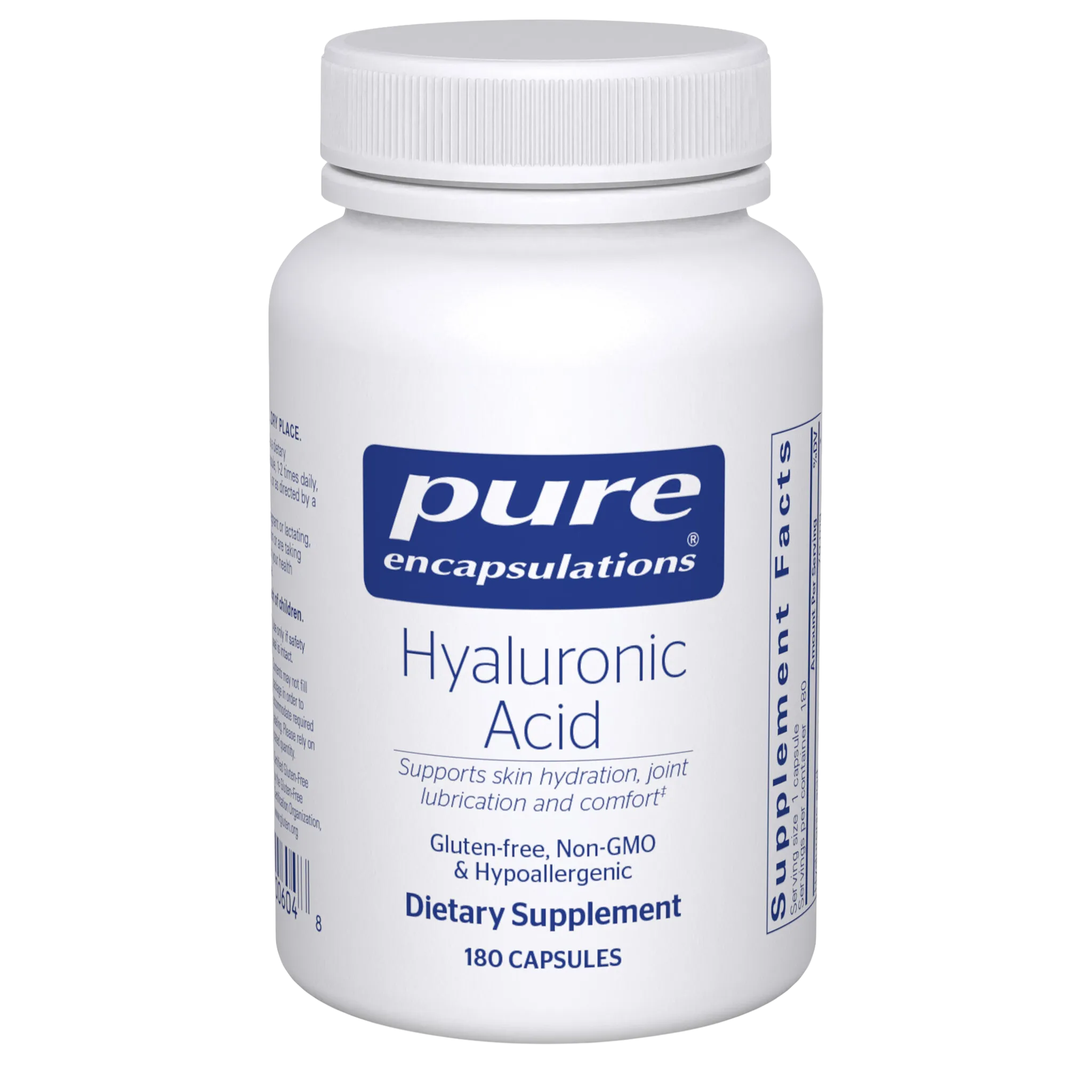
For optimal therapeutic results, consistency and proper dosing are essential. Clinical studies evaluating the efficacy of oral hyaluronic acid for joint pain and skin hydration typically utilize dosages ranging from 70 mg to 240 mg per day. The Pure Encapsulations formula provides 70 mg of HyaMax low-molecular-weight hyaluronic acid per capsule. The suggested use is to take 1 capsule, 1 to 2 times daily, yielding a total daily intake of 70 to 140 mg. Because hyaluronic acid is highly hydrophilic, it is generally recommended to take the supplement with a full glass of water to support its water-binding mechanisms. It can be taken with or between meals, as its absorption is not heavily dependent on dietary fats. Patients should note that because hyaluronic acid works by gradually rebuilding the extracellular matrix and altering cellular signaling, it typically requires 4 to 6 weeks of consistent daily supplementation to notice significant improvements in joint comfort and skin hydration.
In terms of safety, oral hyaluronic acid is exceptionally well-tolerated by the general population. Because it is a molecule that is naturally ubiquitous in the human body, the immune system does not recognize it as a foreign substance, resulting in an incredibly low incidence of adverse effects. When mild side effects do occur, they are typically limited to transient gastrointestinal discomfort, such as mild bloating or nausea, which usually resolves without intervention. Furthermore, there are no reported severe or moderate drug interactions for oral hyaluronic acid supplements in the current medical literature, making it a safe addition to most complex medication regimens. Some practitioners even recommend pairing it with Vitamin C, as the antioxidant properties of Vitamin C protect the newly synthesized hyaluronic acid from oxidative degradation, creating a synergistic anti-aging and tissue-repair effect.
However, there is one critical, absolute contraindication that must be strictly observed: oral hyaluronic acid supplementation must be avoided by individuals with active cancer or a history of cancer. This precaution is directly tied to its mechanism of action. Because low-molecular-weight hyaluronic acid actively binds to CD44 receptors to stimulate cellular proliferation, migration, and the formation of new blood vessels (angiogenesis), it can inadvertently provide the exact biochemical signals that tumor cells need to grow and metastasize. Many forms of cancer overexpress CD44 receptors specifically to feed on hyaluronic acid in the extracellular matrix. Therefore, introducing systemic, highly bioavailable hyaluronic acid into a body with a history of malignancy poses a significant theoretical risk of accelerating tumor growth, and its use is highly contraindicated for this demographic.

Follow the Science
The scientific validation of oral hyaluronic acid represents a significant triumph in nutritional pharmacokinetics. For decades, the assumption that hyaluronic acid was entirely destroyed by digestion prevented its widespread clinical use. However, a landmark 2008 pharmacokinetic study published in the Journal of Agricultural and Food Chemistry definitively proved the absorption and targeted tissue affinity of the HyaMax formulation. In this rigorously designed study, researchers administered a single oral dose of radioactively labeled HyaMax (99mTc-HA) to animal models (Wistar rats and Beagle dogs) to track its exact pathway through the body. The use of radioactive isotopes allowed the scientists to visualize the molecules in real-time using scintigraphy imaging, providing indisputable evidence of its systemic distribution.
The findings of this study were groundbreaking. The researchers observed that the radioactivity was incorporated into the systemic bloodstream within just 15 minutes of oral ingestion, proving rapid initial uptake. More importantly, the imaging demonstrated that the absorbed hyaluronic acid did not simply circulate aimlessly; it exhibited a remarkable, active affinity for specific target tissues. The radio-labeled molecules actively migrated out of the blood and concentrated heavily in the connective tissues, the spine, the dermal layers of the skin, the salivary glands, and specifically within the synovial spaces of the knee and tarsal joints. Furthermore, the researchers noted that the hyaluronic acid persisted in these target tissues for up to 48 hours after a single dose, confirming that oral supplementation provides lasting, structural incorporation into the body's extracellular matrix.
Building upon the pharmacokinetic proof of absorption, numerous human clinical trials have validated the therapeutic efficacy of low-molecular-weight hyaluronic acid. A highly cited 2014 randomized, double-blind, placebo-controlled study published in the Nutrition Journal specifically investigated the effects of oral LMW-HA on skin hydration. The researchers enrolled 61 subjects experiencing chronically dry skin and administered 120 mg of oral hyaluronic acid daily for six weeks. The results demonstrated a statistically significant increase in skin moisture and a reduction in wrinkle depth in the treatment group compared to the placebo. Crucially, the researchers noted that the improvements in skin hydration were maintained for two full weeks after the subjects stopped taking the supplement, proving that the hyaluronic acid had induced lasting cellular changes and structural repair within the dermal matrix, rather than just providing a temporary masking effect.
In the realm of joint health, the clinical evidence is equally compelling. Multiple in vivo and in vitro studies have demonstrated that regular oral supplementation of hyaluronic acid significantly improves the symptoms of knee osteoarthritis over extended periods. By modulating the production of pro-inflammatory cytokines and prostaglandins within the joint capsule, hyaluronic acid actively reduces the biochemical drivers of cartilage degradation. Patients in these long-term trials consistently report significant reductions in daily joint pain, decreased morning stiffness, and measurable improvements in overall joint mobility and physical function. These clinical outcomes, combined with the emerging research on transcriptome-wide expression profiling in skin fibroblasts of patients with joint hypermobility syndrome, solidify its position as a vital, evidence-based tool for managing the complex musculoskeletal symptoms associated with chronic illness.
The Path Forward
Living with the deep, aching joint pain and systemic stiffness of conditions like Long COVID, ME/CFS, and EDS can be an incredibly isolating experience. When your symptoms are invisible, it is easy for others—and sometimes even medical professionals—to dismiss the profound physical reality of your pain. However, the science of the extracellular matrix provides powerful validation: your pain is not in your head; it is rooted in the very structural scaffolding of your body. Understanding how viral infections, oxidative stress, and genetic collagen defects disrupt the delicate balance of hyaluronic acid in your tissues is the first step toward reclaiming your mobility and comfort.
While low-molecular-weight hyaluronic acid supplementation offers a highly targeted, scientifically proven method for restoring joint lubrication and fascial glide, it is most effective when integrated into a holistic management plan. True connective tissue health requires a multi-faceted approach. This includes aggressive pacing to manage the oxidative stress that drives post-exertional crashes, gentle, specialized physical therapy to support hypermobile joints, and learning how to maintain your independence with chronic illness through adaptive lifestyle strategies. Even managing the unique stressors of social events, such as utilizing tips for surviving the holidays with a chronic illness, plays a role in reducing the systemic inflammatory burden on your body.
If you are struggling with chronic joint pain, fascial stiffness, or systemic dryness, addressing the health of your extracellular matrix may be a crucial missing piece of your treatment puzzle. By providing your body with the highly bioavailable building blocks it needs to repair its connective tissues, you can help restore the vital shock absorption and lubrication that your joints desperately need.
Disclaimer: The information provided in this blog is for educational purposes only and is not intended as a substitute for professional medical advice, diagnosis, or treatment. Always consult with your healthcare provider or rheumatologist before starting any new supplement regimen, especially if you have a history of cancer, are pregnant, nursing, or taking prescription medications.