Can HiPhenolic Support Cardiometabolic Health in Long COVID and ME/CFS?
March 6, 2026
HiPhenolicLong COVIDME/CFS
Share:
Disclaimer: The information provided here is for educational purposes only and is not intended as medical advice. It should not be used to diagnose, treat, cure, or prevent any medical condition. Instead, use it as a starting point for discussion with your healthcare provider. Always consult with a qualified healthcare provider before starting any new medication, supplement, device, or making changes to your health regimen.
In the wake of the COVID-19 pandemic, millions of individuals are navigating the complex, unpredictable, and often debilitating landscape of Long COVID. For many, the initial viral infection has given way to a chronic condition characterized by severe fatigue, brain fog, and a host of cardiovascular and metabolic challenges. Patients frequently report sudden blood pressure fluctuations, newly developed metabolic resistance, and an inability to tolerate even mild physical exertion without experiencing a severe crash. These symptoms are not merely the lingering effects of being sick; they represent profound disruptions at the cellular and vascular levels. As researchers delve deeper into the pathophysiology of post-viral syndromes, it has become increasingly clear that endothelial dysfunction and metabolic inflexibility lie at the very heart of these invisible illnesses.
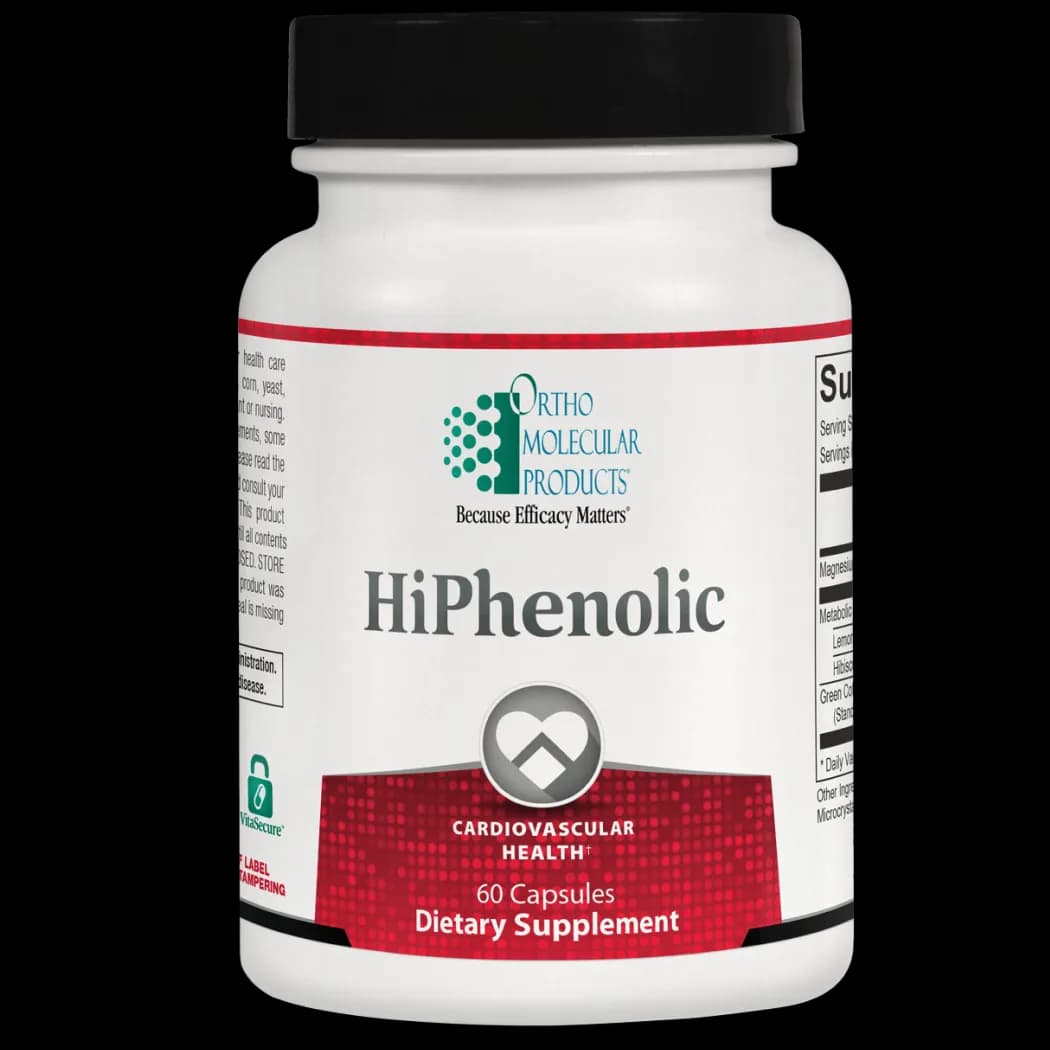
Finding effective management strategies for these complex conditions requires targeting the root mechanisms of vascular and metabolic dysregulation. This is where specialized nutritional interventions come into play. HiPhenolic, a high-concentration, highly purified polyphenolic blend, has emerged as a compelling option for patients seeking to support their cardiometabolic health. By harnessing the biochemical power of standardized plant extracts like Metabolaid® and Green Coffee Bean Extract, alongside essential minerals like magnesium, HiPhenolic aims to make positive shifts in functional metabolic targets. In this comprehensive guide, we will explore the intricate science behind HiPhenolic, examining how its key ingredients interact with cellular pathways to support blood pressure regulation, endothelial health, and energy metabolism in the context of Long COVID, myalgic encephalomyelitis/chronic fatigue syndrome (ME/CFS), and dysautonomia.
TL;DR
HiPhenolic is a plant-based supplement designed to support cardiometabolic health and energy metabolism.
It uses botanical extracts and magnesium to help manage blood pressure and endothelial function.
The supplement may help activate AMPK, supporting cellular energy for those with Long COVID or ME/CFS.
Always consult your healthcare provider before starting new supplements to ensure they fit your care plan.
What is HiPhenolic?
The Power of Plant-Based Polyphenols
Maintaining healthy blood pressure levels and optimal metabolic efficiency has become a primary concern for individuals worldwide, but it is an especially daunting challenge for those living with complex chronic illnesses. HiPhenolic is a targeted nutritional supplement designed specifically to address these cardiometabolic challenges by leveraging the profound biochemical power of polyphenols. Polyphenols are a large, diverse group of naturally occurring plant metabolites, commonly found in fruits, vegetables, herbs, and botanicals. In the scientific and medical communities, these phytochemicals are highly regarded for their potent antioxidant properties and their unique ability to modulate key biological activities at the cellular level, offering a natural defense against systemic oxidative stress.
In a healthy, functioning ecosystem, plants produce polyphenols as a defense mechanism against environmental stressors, ultraviolet radiation, and pathogenic attacks. When consumed by humans, these complex molecules interact directly with our own cellular signaling pathways, influencing a wide array of physiological processes, from systemic inflammation to the expression of metabolic genes. For individuals battling the chronic oxidative stress and widespread inflammation associated with post-viral conditions, highly purified polyphenolic blends offer a targeted, sophisticated approach to neutralizing free radicals. By scavenging these damaging molecules, polyphenols help protect the delicate inner lining of the blood vessels and support overall cellular resilience in the face of chronic disease.
The formulation of HiPhenolic is meticulously designed to harness these plant-derived benefits to make positive, measurable shifts in functional metabolic targets. By providing a concentrated, standardized dose of specific polyphenolic compounds, the supplement aims to maintain energy efficiency, support healthy blood pressure levels, and promote robust cardiometabolic function. This targeted approach is particularly relevant for patients whose metabolic pathways have been severely disrupted by chronic illness or viral infection. By supplying the body with the specific phytochemical tools it needs to regulate inflammation and vascular tone, HiPhenolic offers a scientifically grounded intervention to help restore physiological balance and improve daily quality of life.
The Core Botanical Extracts: Metabolaid and Green Coffee Bean
At the very heart of the HiPhenolic formulation is a proprietary, science-backed botanical blend known as Metabolaid®. This specialized ingredient consists of highly standardized, polyphenol-rich extracts from Hibiscus (Hibiscus sabdariffa) and Lemon Verbena (Lippia citriodora). Developed through more than two decades of rigorous European research, Metabolaid was specifically engineered to address the core parameters of metabolic syndrome, including blood pressure dysregulation, insulin resistance, and impaired energy metabolism. Clinical studies have demonstrated that the synergy between these two specific plant extracts activates critical metabolic enzymes far more effectively than either ingredient could achieve on its own, creating a powerful compounding effect.
The second major botanical component in HiPhenolic is Green Coffee Bean Extract, which is carefully decaffeinated and standardized to contain a high concentration of chlorogenic acids (112.5 mg per serving). Chlorogenic acid is a highly bioactive dietary polyphenol that has been extensively studied for its profound cardioprotective and metabolism-regulating properties. Unlike the roasted coffee beans used for brewing everyday beverages, unroasted green coffee beans retain their full, unadulterated spectrum of phytochemicals. The high heat of the traditional roasting process destroys the vast majority of chlorogenic acids, making specialized green coffee extracts essential for achieving therapeutic clinical benefits.
Together, the active compounds found in Metabolaid and Green Coffee Bean Extract—such as anthocyanins, verbascosides, and chlorogenic acids—create a comprehensive, multi-targeted approach to cardiometabolic health. These small, lipophilic molecules are capable of crossing cellular membranes to interact directly with the vascular endothelium, the liver, and skeletal muscle tissue. By standardizing these botanical extracts, HiPhenolic ensures a consistent, reliable, and therapeutic dose of these active metabolites in every single capsule. This level of standardization is absolutely crucial for patients managing unpredictable chronic symptoms, as it guarantees that the body receives the exact biochemical support needed to drive positive metabolic shifts day after day.
The Crucial Role of Magnesium Citrate
Complementing the potent botanical extracts in HiPhenolic is the strategic inclusion of Magnesium Citrate, a highly bioavailable and easily absorbed form of this essential macromineral. Magnesium is a fundamental enzymatic cofactor involved in over 300 distinct biochemical reactions within the human body, playing an absolutely indispensable role in cellular energy production, skeletal muscle function, and autonomic nervous system regulation. In the specific context of cardiometabolic health, magnesium is critically important for maintaining normal vascular tone, helping to maintain arterial flexibility, and supporting healthy, stable blood pressure levels throughout the day.
At the molecular and cellular level, magnesium is strictly required for the synthesis and stabilization of adenosine triphosphate (ATP), the primary energy currency that powers all human cells. Magnesium binds directly to ATP to form a biologically active complex (Mg-ATP), which allows the mitochondria—the powerhouses of the cell—to efficiently generate, transport, and utilize energy. For patients experiencing the profound, debilitating fatigue and metabolic inflexibility characteristic of complex conditions like ME/CFS and Long COVID, ensuring adequate intracellular magnesium levels is a foundational step. Without sufficient magnesium, mitochondrial function falters, leading to rapid cellular exhaustion and delayed recovery from physical or cognitive exertion.
Furthermore, magnesium acts as a natural calcium channel blocker within the cardiovascular system, helping to meticulously regulate the contraction and relaxation of the smooth muscle cells that line the blood vessels. This specific mechanism is vital for helping to prevent excessive vasoconstriction, a common issue in dysautonomia and endothelial dysfunction, thereby maintaining optimal blood flow and tissue perfusion. By combining highly absorbable magnesium citrate with potent, targeted polyphenols, HiPhenolic provides comprehensive, synergistic support for both the structural integrity of the cardiovascular system and the intricate biochemical pathways that drive systemic energy metabolism.
How Long COVID and ME/CFS Impact Cardiometabolic Health
Endothelial Dysfunction: The Vascular Root of Long COVID
To understand why cardiometabolic support is so vital for chronic illness patients, we must first examine the underlying pathophysiology of these conditions, starting with endothelial dysfunction. The endothelium is the delicate, single-cell-thick inner lining of our blood vessels, responsible for regulating blood flow, vascular tone, and coagulation. When a person is infected with SARS-CoV-2, the virus enters human cells by binding directly to the ACE2 receptor, which is highly expressed on the surface of these endothelial cells. This initial viral binding internalizes and depletes available ACE2, triggering a cascade of destructive events that severely damage the vascular lining.
The depletion of ACE2 leads to the dangerous overactivity of Angiotensin II, a potent molecule within the Renin-Angiotensin-Aldosterone System (RAAS). Excess Angiotensin II drives intense vasoconstriction, massive oxidative stress via the NADPH oxidase pathway, and widespread systemic inflammation. In many individuals, this initial endothelial injury fails to heal even after the acute virus is cleared, leading to a chronic state of vascular inflammation known as "endotheliitis." Research indicates that this persistent endothelial dysfunction is a primary driver of the cardiovascular complications seen in Long COVID, severely impairing the body's ability to deliver oxygen and nutrients to tissues.
This chronic endotheliitis ultimately results in a highly pro-thrombotic state, characterized by widespread microvascular injury and the formation of microscopic blood clots, often referred to as "microclots." These microclots can physically block the tiny capillaries throughout the body, leading to localized tissue hypoxia (oxygen starvation). This cellular oxygen deprivation is a key mechanism behind classic Long COVID symptoms, including debilitating brain fog, severe muscle fatigue, and profound exercise intolerance. Understanding What Causes Long COVID? requires recognizing that it is fundamentally a vascular and metabolic disease, making targeted support for the endothelium an essential component of any management strategy.
The Bidirectional Trap of Metabolic Syndrome
The relationship between chronic viral illness and metabolic health is highly interconnected and bidirectional, creating a vicious cycle that can be difficult to break. Patients who enter a COVID-19 infection with pre-existing metabolic conditions—such as obesity, insulin resistance, or hypertension, collectively known as Metabolic Syndrome (MetS)—are at a drastically higher risk of developing Long COVID. Dyslipidemia, a hallmark of MetS, increases cholesterol levels in cellular membranes, expanding the "lipid rafts" where ACE2 receptors reside. This structural change heavily facilitates the entry of SARS-CoV-2 into host cells, boosting viral infectivity and exacerbating the initial vascular damage.
Conversely, the virus itself can independently trigger or severely worsen cardiometabolic diseases in previously healthy individuals. The intense vascular injury, hyper-reactive inflammation, and subsequent thrombosis triggered by COVID-19 fundamentally alter the body's metabolic patterns. The virus can directly interfere with pancreatic hormones and damage beta cells, precipitating sudden insulin resistance. This dynamic helps explain the phenomenon of Diabetes and Long COVID: A Pandemic Within a Pandemic, where patients find themselves suddenly battling blood sugar dysregulation alongside their post-viral symptoms.
This bidirectional trap has led researchers to identify a specific "Post-COVID-19 metabolic syndrome," characterized by newly diagnosed hypertension, elevated LDL cholesterol, increased visceral body fat, and altered liver enzymes. The chronic systemic inflammation and high oxidative stress seen in this post-viral metabolic state hinder the body's ability to clear persistent viral antigens and repair damaged tissue. This significantly prolongs the symptomatic phase of Long COVID, trapping the patient in a loop of metabolic dysfunction and vascular inflammation that requires targeted, multi-mechanistic interventions to resolve.
Mitochondrial Dysfunction and AMPK Impairment in ME/CFS
The cardiometabolic disruptions seen in Long COVID share striking similarities with the pathophysiology of myalgic encephalomyelitis/chronic fatigue syndrome (ME/CFS). Many researchers and clinicians are actively exploring the question: Can Long COVID Trigger ME/CFS? Unraveling the Connection. At the core of ME/CFS is profound mitochondrial dysfunction and a severe state of metabolic inflexibility. Patients with ME/CFS exhibit reproducible peripheral skeletal muscle bioenergetic abnormalities, meaning their cells fundamentally struggle to produce and utilize energy efficiently, especially under physical or cognitive stress.
A critical mechanism behind this energy failure is the impaired activation of Adenosine monophosphate-activated protein kinase (AMPK). AMPK acts as the body's master metabolic switch; when cellular energy (ATP) drops, AMPK should activate to stimulate glucose uptake and fatty acid oxidation. However, studies on cultured skeletal muscle cells from ME/CFS patients have demonstrated a striking inability to properly activate AMPK during exertion. Because the cells cannot switch to efficient aerobic energy production, they are forced to rely on inefficient anaerobic metabolism, leading to a rapid buildup of intracellular lactate and prolonged intramuscular acidosis.
This metabolic failure is the primary driver of post-exertional malaise (PEM), the hallmark symptom of ME/CFS where even minor exertion triggers a disproportionate and debilitating crash. The impaired AMPK activation, combined with elevated oxidative stress and vascular dysfunction, means that the muscles and brain are constantly starved of energy and suffocated by metabolic waste products. Addressing this profound metabolic inflexibility requires interventions that can safely bypass these broken pathways, upregulate AMPK expression, and restore the cellular capacity to generate ATP without triggering catastrophic oxidative stress.
HiPhenolic: Supporting Endothelial Function and Metabolism
Activating the AMPK "Metabolic Switch"
One of the most significant therapeutic mechanisms of HiPhenolic is its ability to powerfully activate the AMPK pathway. As previously discussed, AMPK serves as the master regulator of cellular energy homeostasis, and its impairment is a key driver of the profound fatigue seen in ME/CFS and Long COVID. The proprietary Metabolaid® blend, combining hibiscus and lemon verbena extracts, has been scientifically demonstrated to activate AMPK up to six times more efficiently than either individual extract alone. This synergistic activation helps force the "metabolic switch" back into the on position, signaling the cells to begin generating energy.
Furthermore, the chlorogenic acid found in the Green Coffee Bean Extract is also a potent AMPK activator. By stimulating this pathway, chlorogenic acid improves both lipid and glucose metabolism, helping the body clear excess sugar from the bloodstream and utilize stored fat for sustained energy. This mechanism is conceptually similar to how certain prescription medications work to manage metabolic conditions, which is why topics like Metformin: Long COVID Risk Reduction and Diabetes Management are of such high interest in the chronic illness community. By naturally upregulating AMPK, HiPhenolic provides a non-pharmaceutical avenue to support metabolic flexibility.
The downstream effects of consistent AMPK activation are profound for patients suffering from metabolic syndrome or post-viral fatigue. Activated AMPK inhibits the accumulation of fat in the liver and adipose tissue while actively promoting fatty acid oxidation. This means the body becomes better equipped to burn fat for fuel, reducing visceral adiposity and restoring a more efficient, sustainable energy production cycle. For patients trapped in a state of metabolic gridlock, this cellular signaling shift is essential for regaining stamina and improving overall body composition.
Restoring Nitric Oxide and Endothelial Health
Beyond energy metabolism, HiPhenolic exerts powerful protective effects on the cardiovascular system by directly supporting endothelial function. The endothelium relies heavily on Nitric Oxide (NO), a vital signaling molecule that causes vasodilation—the widening and relaxing of blood vessels. In Long COVID and dysautonomia, intense oxidative stress rapidly degrades NO, leading to chronic vasoconstriction and poor tissue perfusion. The polyphenols in HiPhenolic, particularly chlorogenic acid, work to directly enhance the function of endothelial nitric oxide synthase (eNOS), the enzyme responsible for producing NO.
Simultaneously, these plant metabolites act as potent scavengers of reactive oxygen species (ROS). Hypertension and endothelial dysfunction are heavily driven by these destructive free radicals. Chlorogenic acid has been shown to block the expression of the NADPH-oxidase gene, significantly attenuating the production of superoxide radicals. By neutralizing these damaging molecules before they can degrade Nitric Oxide, HiPhenolic preserves NO bioavailability, allowing the blood vessels to relax, dilate, and deliver oxygen-rich blood to starved tissues, including the brain and skeletal muscles.
This dual action—boosting NO production while preventing its destruction—translates into measurable improvements in vascular health. Clinical studies utilizing chlorogenic acid have demonstrated significant improvements in Flow-Mediated Dilation (FMD), a primary clinical measure of endothelial function and arterial elasticity. By restoring the vasoreactive capacity of the blood vessels, HiPhenolic helps counteract the persistent endotheliitis and microvascular constriction that drive the most debilitating cardiovascular symptoms of post-viral syndromes.
Modulating Satiety Hormones and the Gut Microbiome
Another critical dimension of HiPhenolic's mechanism of action involves the regulation of appetite and gut health, which are frequently disrupted in complex chronic illnesses. The Metabolaid blend has been clinically proven to naturally boost the expression of Glucagon-like peptide-1 (GLP-1). GLP-1 is a crucial metabolic hormone that slows digestion, helps control blood sugar spikes, and signals the brain's satiety centers that you are full. By increasing GLP-1 secretion, HiPhenolic helps stabilize erratic appetite patterns and reduces the intense carbohydrate cravings often associated with metabolic inflexibility.
In clinical trials, participants taking Metabolaid experienced a significant reduction in hunger hormones like ghrelin, leading to a marked decrease in emotional snacking and stress-induced eating. This hormonal modulation is particularly beneficial for patients whose autonomic nervous system dysregulation has severely impacted their gastrointestinal motility and appetite signaling. By naturally supporting the body's innate satiety mechanisms, HiPhenolic assists patients in maintaining a balanced, restorative diet without the need for extreme restriction or willpower.
Furthermore, the polyphenols in HiPhenolic act as powerful prebiotics within the gastrointestinal tract. In vitro and human fecal studies indicate that compounds like anthocyanins and verbascosides significantly increase populations of beneficial gut bacteria, including a massive upregulation of Bifidobacterium and Blautia. Because the gut microbiome is intimately connected to systemic inflammation and immune function via the gut-brain axis, modulating this microbial environment is essential for reducing the overall inflammatory burden and supporting long-term cardiometabolic recovery.
Magnesium's Role in Autonomic Nervous System Regulation
The inclusion of Magnesium Citrate in HiPhenolic provides a critical layer of support for the autonomic nervous system (ANS), which is frequently thrown into a state of sympathetic overdrive (fight-or-flight) in conditions like Long COVID and dysautonomia. Patients with Postural Orthostatic Tachycardia Syndrome (POTS) often experience severe tachycardia, palpitations, and anxiety due to this autonomic dysregulation. Magnesium acts as a natural, calming counterbalance to this hyper-excitability by blocking the NMDA receptors in the brain, which are responsible for excitatory neurotransmission.
By dampening the excessive release of excitatory neurotransmitters like glutamate, magnesium helps soothe an overactive nervous system, promoting a state of parasympathetic "rest and digest" dominance. Additionally, as a natural calcium channel blocker, magnesium prevents the excessive influx of calcium into the vascular smooth muscle cells. This action directly reduces the severe vasoconstrictive spasms that can trigger sudden blood pressure spikes and exacerbate the symptoms of endothelial dysfunction.
Ultimately, the synergistic combination of magnesium's nervous system regulation and the polyphenols' vascular support creates a comprehensive therapeutic environment. While the botanical extracts work to restore metabolic signaling and endothelial integrity, magnesium ensures that the structural and electrical components of the cardiovascular system remain stable. This multi-faceted approach is what makes HiPhenolic such a compelling tool for managing the complex, overlapping symptoms of post-viral cardiometabolic disease.

Symptoms HiPhenolic May Help Manage
Cardiovascular and Autonomic Symptoms
Blood Pressure Fluctuations: By enhancing Nitric Oxide bioavailability and acting as a natural calcium channel blocker, HiPhenolic helps relax blood vessels, promoting more stable, healthy blood pressure levels and reducing sudden hypertensive spikes.
Tachycardia and Palpitations: The magnesium citrate in the formulation helps calm the autonomic nervous system and regulate the electrical impulses of the heart, which may alleviate the rapid, pounding heartbeats associated with POTS and dysautonomia.
Exercise Intolerance: By improving endothelial function and vasodilation, the supplement supports better blood flow and oxygen delivery to skeletal muscles during physical activity, helping to mitigate the severe cardiovascular strain of exertion.
Metabolic and Energy Symptoms
Severe Fatigue and PEM: By activating the AMPK pathway, HiPhenolic forces the cells to switch from inefficient anaerobic metabolism to efficient aerobic energy production, helping to restore cellular ATP levels and reduce the severity of post-exertional crashes.
Metabolic Inflexibility and Weight Resistance: The standardized polyphenols improve both lipid and glucose metabolism, helping the body clear excess blood sugar and utilize stored visceral fat for fuel, which is crucial for patients struggling with post-viral metabolic syndrome.
Appetite Dysregulation: By naturally boosting GLP-1 and reducing ghrelin, the Metabolaid blend helps stabilize erratic hunger signals, reducing stress-induced snacking and supporting a more balanced, restorative dietary intake.
Inflammatory and Vascular Symptoms
Brain Fog and Cognitive Impairment: By scavenging reactive oxygen species and reducing neuroinflammation, the chlorogenic acids help protect the delicate microvasculature of the brain, improving cerebral blood flow and supporting clearer cognitive function.
Poor Circulation and Cold Extremities: The potent vasodilatory effects of preserved Nitric Oxide help counteract chronic vasoconstriction, improving microvascular circulation and bringing warmth and vital nutrients back to the hands and feet.
Chronic Systemic Inflammation: The prebiotic effects of the botanical extracts modulate the gut microbiome, increasing beneficial bacteria that produce anti-inflammatory short-chain fatty acids, thereby lowering the body's overall inflammatory burden.
Practical Considerations: Forms, Dosing, and Absorption
Understanding the Standardized Extracts
When incorporating a botanical supplement into a chronic illness management plan, the quality and standardization of the extracts are of paramount importance. HiPhenolic provides a clinically relevant dose of its key ingredients: 500 mg of the Metabolaid® blend (Lemon Verbena and Hibiscus) and 250 mg of Green Coffee Bean Extract. These exact dosages mirror the amounts used in the successful human clinical trials that demonstrated significant improvements in blood pressure and metabolic function. By utilizing standardized extracts, the manufacturer guarantees that every capsule contains the precise concentration of active polyphenols required to trigger the desired biochemical pathways.
It is also crucial to highlight that the Green Coffee Bean Extract used in HiPhenolic is strictly decaffeinated. While standard coffee is a known source of chlorogenic acid, the high caffeine content can be disastrous for patients with dysautonomia, POTS, or severe ME/CFS, as caffeine can trigger intense sympathetic nervous system surges, tachycardia, and subsequent energy crashes. By isolating the beneficial chlorogenic acids (standardized to 112.5 mg) and removing the stimulatory caffeine, HiPhenolic delivers the profound cardioprotective benefits of green coffee without exacerbating autonomic instability.
The inclusion of 50 mg of Magnesium Citrate per serving further enhances the formulation's efficacy. While this is a relatively modest dose of magnesium, the citrate form is highly bioavailable, meaning it is easily absorbed across the intestinal lining and readily transported into the cells. This specific combination of standardized, decaffeinated botanicals and bioavailable minerals ensures that patients receive a potent, highly tolerable intervention designed specifically for sensitive, chronically ill physiological systems.
Optimizing Absorption and Timing
To maximize the bioavailability and clinical efficacy of HiPhenolic, patients should pay careful attention to how and when they take the supplement. The suggested use is two capsules per day. Because polyphenols are lipophilic (fat-soluble) compounds, their absorption across the gastrointestinal tract is significantly enhanced when taken alongside a meal that contains healthy fats, such as avocado, olive oil, or nuts. Taking the capsules on an empty stomach may result in lower absorption rates and could potentially cause mild gastrointestinal upset in highly sensitive individuals.
Regarding timing, many patients find success by splitting the dose, taking one capsule in the morning with breakfast and the second capsule with lunch. This strategy helps maintain a steady concentration of active polyphenols and AMPK-activating compounds in the bloodstream throughout the most active parts of the day. Because the formula is decaffeinated and designed to support metabolic efficiency rather than act as a central nervous system stimulant, it generally does not interfere with sleep architecture, though taking it too late in the evening is usually unnecessary for metabolic support.
It is also important to set realistic expectations regarding the timeline for noticing clinical benefits. While some patients may notice subtle improvements in energy stability or appetite regulation within the first two weeks, the profound vascular and metabolic shifts—such as improved endothelial flow-mediated dilation and sustained blood pressure regulation—typically require consistent, daily use for 8 to 12 weeks. Healing chronic endotheliitis and reversing metabolic inflexibility is a gradual process that relies on the cumulative, compounding effects of daily polyphenol exposure.
Potential Interactions and Contraindications
While HiPhenolic is formulated from natural botanical extracts and essential minerals, its potent biochemical effects mean that it can interact with certain prescription medications. Because the supplement is specifically designed to maintain healthy blood pressure levels and promote vasodilation, patients who are already taking pharmaceutical antihypertensive medications (such as ACE inhibitors, beta-blockers, or calcium channel blockers) must exercise caution. Combining these medications with potent natural vasodilators could potentially lead to an additive effect, resulting in blood pressure dropping too low (hypotension), which can exacerbate symptoms of POTS and dysautonomia.
Similarly, because HiPhenolic strongly activates the AMPK pathway and improves glucose metabolism, it may interact with blood sugar-lowering medications, including insulin or Metformin. Patients managing comorbid diabetes or severe insulin resistance should closely monitor their blood glucose levels when initiating supplementation to help avoid unexpected hypoglycemic episodes. The modulation of GLP-1 by the Metabolaid blend also means that those utilizing pharmaceutical GLP-1 agonists for weight management should discuss this combination with their prescribing physician.
Given the complex, overlapping nature of post-viral syndromes, it is absolutely essential to consult with a knowledgeable healthcare provider before adding HiPhenolic to your regimen. A comprehensive medical evaluation is necessary to ensure that the supplement aligns with your current lab results, medication list, and overall treatment goals. If you are struggling to navigate the medical system with a complex chronic illness, resources like How Does a Doctor Diagnose Long COVID? can provide valuable guidance on building a collaborative relationship with your care team.

Follow the Science
Clinical Trials on Metabolaid and Blood Pressure
The clinical efficacy of the Metabolaid® blend is supported by a robust body of peer-reviewed scientific literature, including multiple randomized, double-blind, placebo-controlled human trials. A pivotal 2021 study specifically evaluated the antihypertensive effects of the extract. Researchers administered 500 mg of Metabolaid daily to 80 unmedicated adults with pre-hypertension and stage 1 hypertension over an 84-day period. The results demonstrated a statistically significant decrease in daytime systolic blood pressure by day 56, confirming the blend's potent vasodilatory capacity.
Beyond blood pressure regulation, Metabolaid has been extensively studied for its impact on body composition and metabolic syndrome parameters. In a 12-week double-blind trial involving 84 sedentary adults, participants taking 500 mg of Metabolaid daily experienced significant reductions in total body weight, visceral fat, and overall body mass index (BMI) without making any mandatory changes to their standard diet or exercise routines. These findings highlight the extract's ability to independently upregulate metabolic rate and promote fatty acid oxidation via AMPK activation.
Crucially, across all major human trials involving more than 500 total participants, the botanical blend has demonstrated an exceptional safety profile. Researchers consistently report high tolerability, with no significant adverse side effects such as nausea or gastrointestinal distress, and no evidence of "rebound" weight gain or metabolic crashing after the cessation of the supplement. This strong safety data makes it an attractive option for patients with sensitive, chronically ill systems.
Chlorogenic Acid and Endothelial Function
The cardiovascular benefits of chlorogenic acid (CGA), the primary active compound in Green Coffee Bean Extract, are equally well-documented in the scientific literature. A landmark randomized, double-blind crossover trial by Mubarak et al. investigated the acute effects of CGA on endothelial function and blood pressure in healthy volunteers. The study found that a single dose of CGA significantly lowered both systolic and diastolic blood pressure within hours of ingestion, directly correlating with the appearance of CGA metabolites in the blood plasma.
Long-term clinical trials have further solidified these findings, demonstrating that chronic supplementation with CGA-rich extracts significantly improves Flow-Mediated Dilation (FMD) and reduces the cardio-ankle vascular index (CAVI), a primary clinical measure of arterial stiffness. By enhancing the bioavailability of Nitric Oxide and scavenging destructive reactive oxygen species, chlorogenic acid actively repairs the delicate inner lining of the blood vessels, restoring their ability to expand and contract appropriately in response to physical demands.
Furthermore, molecular studies indicate that chlorogenic acid modulates the Renin-Angiotensin-Aldosterone System (RAAS) by decreasing the activity of the Angiotensin-Converting Enzyme (ACE). This mechanism of action is remarkably similar to that of pharmaceutical ACE inhibitors, providing a natural, biochemical pathway to help prevent the intense vasoconstriction that drives both hypertension and the microvascular complications seen in post-viral syndromes.
Emerging Research on Long COVID and Vascular Health
The intersection of polyphenolic interventions and post-viral recovery is a rapidly expanding frontier in medical research. Recent transcriptomic profiling of endothelial cells from post-COVID-19 patients has revealed persistent, long-term endothelial dysfunction and inflammation lasting well beyond the acute infection phase. These studies show a profound downregulation of the genes responsible for nitric oxide production and vascular stability, alongside a massive upregulation of inflammatory and oxidative markers.
This persistent endotheliopathy is now recognized as a core driver of Long COVID symptomatology. Consequently, researchers are increasingly calling for the development and application of targeted endothelial-protective and antioxidant strategies. Interventional studies utilizing compounds that restore nitric oxide and reduce oxidative stress have shown significant promise in improving perceived exertion and vascular recovery in Long COVID cohorts.
As our understanding of the vascular-metabolic interface in chronic illness deepens, the clinical relevance of multi-targeted supplements like HiPhenolic becomes increasingly clear. By simultaneously addressing AMPK impairment, neutralizing reactive oxygen species, and restoring endothelial nitric oxide production, these specialized polyphenolic blends offer a scientifically grounded approach to dismantling the complex pathophysiology of Long COVID and ME/CFS at the cellular level.
The Path Forward
Validating the Invisible Struggle
Living with the cardiometabolic consequences of Long COVID, ME/CFS, or dysautonomia is an profoundly exhausting and often isolating experience. The sudden onset of blood pressure fluctuations, the terrifying sensation of a racing heart, and the crushing weight of post-exertional malaise are very real, physiological symptoms driven by deep cellular and vascular dysfunction. It is incredibly frustrating to experience these debilitating shifts in your body, only to have standard blood tests and routine cardiac evaluations return "normal" results. Your symptoms are not in your head; they are the result of complex, microscopic battles occurring within your endothelium and mitochondria.
At RTHM, we deeply understand and validate the reality of these invisible illnesses. We know that the metabolic inflexibility and vascular inflammation you are experiencing require sophisticated, multi-mechanistic interventions. While there is no single miracle cure for post-viral syndromes, understanding the underlying science of your condition empowers you to make targeted, strategic choices about your health. By addressing the root causes of endothelial dysfunction and AMPK impairment, you can begin to slowly rebuild your cellular resilience and reclaim your quality of life.
Nutritional interventions like HiPhenolic represent a hopeful path forward. By harnessing the proven biochemical power of standardized plant polyphenols and essential minerals, you can provide your body with the specific tools it needs to neutralize oxidative stress, relax constricted blood vessels, and restore efficient energy production. Healing from chronic endotheliitis is a marathon, not a sprint, but with consistent, targeted support, positive metabolic shifts are entirely possible.
A Comprehensive Management Strategy
It is crucial to remember that supplements, even highly advanced ones like HiPhenolic, are just one piece of a comprehensive, holistic management strategy. True recovery from complex chronic illness requires a multi-faceted approach that respects the body's fragile energy envelope. Strict pacing and meticulous symptom tracking remain the absolute cornerstones of managing conditions like ME/CFS and Long COVID. You must learn to listen to your body's subtle warning signs and aggressively rest before a crash occurs, allowing your mitochondria the time they need to regenerate ATP.
Dietary and lifestyle modifications also play a massive role in cardiometabolic recovery. Focusing on an anti-inflammatory diet rich in naturally occurring polyphenols, healthy fats, and high-quality proteins can further support the gut microbiome and reduce systemic oxidative stress. Additionally, utilizing compression garments and increasing electrolyte intake can provide immediate, mechanical support for the autonomic nervous system while supplements work to repair the underlying vascular architecture over time.
HiPhenolic is designed to seamlessly integrate into this broader management plan. By providing a reliable, standardized dose of AMPK-activating and endothelial-supporting compounds, it acts as a foundational pillar of your recovery strategy, working quietly at the cellular level to amplify the benefits of your pacing, dietary changes, and other therapeutic interventions.
Next Steps with Your Care Team
Before making any changes to your supplement regimen, it is imperative to have a detailed discussion with your primary care physician or a specialist who deeply understands complex chronic conditions. They can help you evaluate potential interactions with your current medications, assess your baseline metabolic lab markers, and determine if HiPhenolic is the right fit for your unique physiological needs. Collaborative, informed medical care is your strongest asset in the fight against chronic illness.