Can Vitamin A Support Immune Recovery for Long COVID Patients?
March 5, 2026
Vitamin ALong COVIDME/CFS
Share:
Disclaimer: The information provided here is for educational purposes only and is not intended as medical advice. It should not be used to diagnose, treat, cure, or prevent any medical condition. Instead, use it as a starting point for discussion with your healthcare provider. Always consult with a qualified healthcare provider before starting any new medication, supplement, device, or making changes to your health regimen.
Months or even years after recovering from an acute viral infection, many individuals find themselves trapped in a relentless cycle of debilitating symptoms, battling the complex realities of Long COVID, myalgic encephalomyelitis/chronic fatigue syndrome (ME/CFS), and dysautonomia. If you are living with these invisible illnesses, you are likely intimately familiar with the profound exhaustion, cognitive dysfunction, and unpredictable immune responses that define daily life. It can feel as though your body's internal communication systems have been fundamentally broken, leaving you searching for validating answers and science-backed strategies to regain a sense of baseline stability.
In the pursuit of understanding these chronic post-viral conditions, emerging medical research is increasingly pointing toward the severe depletion of foundational cellular nutrients during the initial infection. One of the most critical, yet frequently overlooked, pieces of this puzzle is Vitamin A. Far beyond its traditional reputation as a simple nutrient for eye health, Vitamin A—specifically in its highly concentrated form as retinol palmitate—acts as a master genetic regulator. It dictates how our immune cells behave, how our thyroid produces energy, and how our mucosal barriers defend against pathogens. By exploring the deep biochemistry of Vitamin A, we can begin to understand how post-viral retinoid depletion drives chronic inflammation, and how targeted, highly bioavailable supplementation may help support the body's complex recovery process.
TL;DR
Vitamin A depletion during acute infections may drive the chronic inflammation seen in Long COVID and ME/CFS.
Retinoic acid acts as a master genetic switch, supporting immune tolerance, thyroid function, and cellular energy.
Emulsified liquid drops offer significantly higher bioavailability for patients struggling with gastrointestinal dysfunction.
Always consult a healthcare provider before starting high-dose Vitamin A to safely monitor levels and avoid toxicity.
What is Vitamin A and How Does it Function?
The Basics of Retinoids and Retinol Palmitate
To truly understand the power of Vitamin A, we must first recognize that it is not a single, isolated compound, but rather a complex family of fat-soluble molecules known collectively as retinoids. In the human diet, Vitamin A is acquired in two primary forms: provitamin A carotenoids (like beta-carotene found in plants) and preformed Vitamin A (found in animal sources). When we consume preformed Vitamin A, it is primarily absorbed and transported to the liver, where it is stored in specialized hepatic stellate cells and Kupffer cells in a highly stable, esterified form known as retinol palmitate (or retinyl palmitate). This storage form acts as the body's deep biological reservoir, ensuring a steady supply of this critical nutrient even during times of dietary scarcity or acute physiological stress.
When peripheral tissues—such as the immune system, the thyroid gland, or the eyes—require Vitamin A to function, the liver hydrolyzes retinol palmitate back into free retinol. This free retinol is then bound to a specific transport vehicle called Retinol-Binding Protein (RBP), which safely escorts the fat-soluble molecule through the watery environment of the bloodstream. The precision of this transport system highlights just how tightly the body regulates Vitamin A; it is treated less like a standard dietary vitamin and much more like a potent, systemic hormone that must be delivered exactly where and when it is needed.
The Conversion Pathway to Retinoic Acid
The true biological magic of Vitamin A occurs once it reaches its target cells, but the journey into the cell is highly complex. A groundbreaking 2021 study published in Science Advances discovered the exact mechanism by which retinol enters intestinal immune cells. During times of infection or microbiome shifts, the body produces Serum Amyloid A (SAA) proteins, which bind to retinol. This specific SAA-retinol complex is then actively pulled into myeloid cells (such as dendritic cells and macrophages) via a specialized gateway known as the LRP1 receptor (LDL receptor-related protein 1). This discovery fundamentally shifted our understanding of how the immune system actively harvests Vitamin A from the bloodstream during an immune response.
Once safely inside the cytoplasm of the target cell, retinol is biologically inactive and must undergo a strict, two-step enzymatic oxidation process. First, enzymes known as retinol dehydrogenases (RDHs) convert the retinol into an intermediate molecule called retinal. Next, a highly specific group of enzymes called retinaldehyde dehydrogenases (specifically RALDH2 in immune cells) irreversibly oxidize the retinal into all-trans-retinoic acid (RA). Retinoic acid is the ultimate, biologically active metabolite of Vitamin A. It is the molecular key that unlocks the profound cellular changes associated with this vitamin, driving everything from immune tolerance to cellular energy production.
Nuclear Receptors and Gene Transcription
The mechanism of action for retinoic acid is entirely different from water-soluble vitamins like Vitamin C, which largely act as circulating antioxidants. Instead, retinoic acid physically enters the nucleus of the cell, where the body's DNA is stored. Once inside the nucleus, retinoic acid binds to specific protein structures known as Retinoic Acid Receptors (RARs) and Retinoid X Receptors (RXRs). These receptors are known in biochemistry as ligand-dependent transcription factors. When retinoic acid binds to them, the receptors physically attach to specific sequences of DNA called Retinoic Acid Response Elements (RAREs).
By binding directly to the DNA, the retinoic acid-receptor complex acts as a master switch, actively turning the transcription of hundreds of specific genes either on or off. For example, retinoic acid can turn on genes that produce anti-inflammatory cytokines, while simultaneously turning off genes that drive tissue destruction. This profound ability to rewrite cellular behavior at the genetic level is why Vitamin A is considered absolutely indispensable for human health and recovery from complex diseases.
How Chronic Illness Impacts Vitamin A Pathways
The Viral Consumption and Retinoid Depletion Hypothesis
The connection between severe viral infections and systemic nutritional depletion is a cornerstone of understanding post-viral syndromes. During the acute phase of a viral infection, such as SARS-CoV-2, the body relies heavily on an intracellular sensor called the Retinoic Acid-Inducible Gene I (RIG-I) receptor to detect double-stranded viral RNA. When this receptor is triggered, it initiates the massive production of Type I interferons, the immune system's primary antiviral weapons. However, as the name implies, this entire defense pathway is heavily dependent on the continuous presence and consumption of retinoic acid.
Researchers have proposed the "Retinoid Signaling Disorder" hypothesis, which suggests that the sheer scale of the immune response required to fight a novel virus rapidly exhausts the liver's stores of retinol palmitate. This massive consumption leaves the body in a state of acute, systemic Vitamin A depletion. This depletion is increasingly viewed as a foundational mechanism when investigating What Causes Long COVID?. Without sufficient retinoic acid to regulate the immune response, the body loses its ability to turn off the inflammatory cascade once the virus is cleared, leading to the persistent, smoldering inflammation that characterizes Long COVID and related post-viral conditions.
ME/CFS, Hypometabolism, and Transporter Dysfunction
In the context of myalgic encephalomyelitis/chronic fatigue syndrome (ME/CFS), the dysfunction surrounding Vitamin A extends beyond simple depletion and into the realm of profound metabolic impairment. Landmark metabolomics studies have revealed that patients with ME/CFS are often locked in a "hypometabolic syndrome," a biological state resembling cellular hibernation or dauer. This state is characterized by severe disruptions in the pathways required to activate vitamins and generate cellular energy. This metabolic lock helps explain the deep physiological overlaps seen when exploring Can Long COVID Trigger ME/CFS? Unraveling the Connection.
Recent high-resolution proteomics research has provided startling insights into how Vitamin A transport is broken in these patients. Studies mapping the circulating proteome in ME/CFS have identified significantly elevated levels of Cellular Retinoic Acid-Binding Protein 2 (CRABP2). This specific protein is responsible for shuttling retinoic acid from the cellular fluid into the nucleus. The abnormally high levels of this transporter suggest a desperate, compensatory upregulation by the body; the cells are starved for retinoic acid signaling and are overproducing transporters in a futile attempt to pull more of the vitamin into the nucleus. This transport dysfunction means that even if a patient consumes dietary Vitamin A, their cells may be fundamentally unable to utilize it effectively without targeted, highly bioavailable support.
The Loss of Immune Tolerance and Chronic Inflammation
The most devastating consequence of retinoic acid depletion in chronic illness is the complete loss of immune tolerance. In a healthy body, retinoic acid serves as the master checkpoint regulator for CD4+ T-cell differentiation. In the presence of retinoic acid, naive T-cells are instructed to become Foxp3+ regulatory T-cells (Tregs), which act as the peacekeepers of the immune system, suppressing excessive inflammation and helping to protect the body from attacking its own tissues. Simultaneously, retinoic acid actively suppresses the creation of T-helper 17 (Th17) cells, which are highly aggressive, pro-inflammatory cells known to drive autoimmune diseases.
When Vitamin A pathways are disrupted by Long COVID or ME/CFS, this delicate balance is violently overturned. The lack of retinoic acid prevents the formation of calming Treg cells, while allowing pro-inflammatory Th17 cells to proliferate unchecked. This results in a hypervigilant immune profile, often referred to as Macrophage Activation Syndrome, where the immune system remains locked in a state of chronic attack. This ongoing, systemic inflammation is a primary driver of the debilitating neuroinflammation, widespread pain, and extreme fatigue that patients report when discussing What Are the Symptoms of Long COVID?. Restoring retinoic acid signaling is therefore viewed as a critical step in re-establishing immune peace and halting the cycle of auto-inflammatory damage.
Vitamin A: Supporting Immune, Thyroid, and Cellular Health
Orchestrating Mucosal Immunity and T-Cell Balance
The human body's first line of defense against invading pathogens is the mucosal immune system, which lines the respiratory and gastrointestinal tracts. Vitamin A is the absolute orchestrator of this defense network. Specialized immune cells in the gut, known as CD103+ dendritic cells, possess the unique ability to synthesize retinoic acid. When these dendritic cells present a pathogen to naive T-cells in the lymph nodes, the localized burst of retinoic acid directly alters the genetic expression of the T-cells, a process known as "gut-homing imprinting."
This retinoic acid-driven imprinting upregulates specific receptors, namely the α4β7 integrin (which acts like a molecular grappling hook to bind to MAdCAM-1 proteins on intestinal blood vessels) and the chemokine receptor CCR9. These receptors act as a GPS system, guiding the activated T-cells out of the bloodstream and directly into the mucosal tissues where the infection is occurring. Furthermore, retinoic acid forces B-cells to undergo class switching, transforming them into plasma cells that secrete Immunoglobulin A (IgA). Secretory IgA is the primary antibody that neutralizes viruses and bacteria on the surface of our mucosal linings, helping to keep them from entering the bloodstream.
Thyroid Hormone Regulation and Iodine Synergy
Beyond the immune system, Vitamin A shares a deeply synergistic and complex relationship with the thyroid gland, playing a vital role in regulating the hypothalamic-pituitary-thyroid (HPA) axis. Retinoic acid is required to suppress the transcription of the TSH-β gene in the pituitary gland. When a patient is deficient in Vitamin A, Thyroid-Stimulating Hormone (TSH) levels can become abnormally elevated, mimicking the laboratory presentation of primary hypothyroidism. Furthermore, the liver relies heavily on adequate Vitamin A status to successfully convert inactive thyroxine (T4) into the biologically active hormone triiodothyronine (T3).
This relationship is a two-way street. The thyroid hormone T4 is absolutely required to activate the BCMO1 enzyme, which converts plant-based beta-carotene into active retinol. In patients with sluggish thyroid function—a common feature in complex chronic illnesses—this enzymatic conversion slows to a halt. This leads to a buildup of unconverted beta-carotene in the blood (hyper-beta-carotenemia) and a paradoxical deficiency in active cellular retinoic acid. Clinical trials have demonstrated that targeted supplementation with preformed Vitamin A (retinol palmitate) can significantly reduce elevated TSH concentrations and improve circulating T3 levels, highlighting its profound ability to support healthy thyroid function independent of iodine status.
Red Blood Cell Production and Iron Mobilization
Chronic fatigue is a hallmark of post-viral syndromes, and while mitochondrial dysfunction plays a massive role, impaired oxygen delivery via red blood cells is an equally critical factor. Vitamin A is essential for erythropoiesis, the biological process of creating new red blood cells. It achieves this by directly stimulating the kidneys to produce erythropoietin (EPO), the hormone that signals the bone marrow to ramp up red blood cell manufacturing. Without sufficient retinoic acid signaling, EPO production blunts, leading to a slow, insidious decline in oxygen-carrying capacity.
More importantly, Vitamin A acts as the molecular key that unlocks iron from the body's deep storage sites. During a state of Vitamin A deficiency, iron becomes physically trapped inside the macrophages of the liver, spleen, and bone marrow. A patient may show adequate total iron stores on a lab test, but because the iron cannot be mobilized and bound to transferrin, the bone marrow cannot use it to synthesize hemoglobin. Extensive research on iron metabolism shows that supplementing with Vitamin A mobilizes this trapped iron, effectively correcting functional anemias that are entirely refractory to standard iron supplementation.
Vision Support and Retinal Health
The most universally recognized role of Vitamin A is its critical function in maintaining optimal eye health, a benefit that is deeply relevant to dysautonomia and Long COVID patients who frequently suffer from severe light sensitivity and dry eyes. In the retina, retinol is transported into the photoreceptor cells (rods and cones) where it is converted into 11-cis-retinal. This molecule binds to the protein opsin to form rhodopsin, the biological pigment absolutely required for low-light vision and the rapid adaptation of the eye to changing light environments.
Beyond the neurological processing of light, retinoic acid is responsible for maintaining the physical integrity of the eye's mucosal surfaces. It regulates the differentiation of the epithelial cells that make up the conjunctiva and the cornea, ensuring they produce adequate mucin. This mucin layer is what anchors tears to the surface of the eye. When Vitamin A is depleted by chronic systemic inflammation, these epithelial cells undergo squamous metaplasia, losing their ability to produce mucin, which results in the painful, chronic dry eye conditions frequently reported by patients navigating post-viral dysautonomia.

Symptoms Vitamin A May Help Manage
Immune and Inflammatory Symptoms
Frequent Mucosal Infections: By upregulating secretory IgA and guiding T-cells to the gut and lungs via α4β7 integrin, Vitamin A fortifies the body's first line of defense against recurrent respiratory and gastrointestinal pathogens.
Brain Fog and Neuroinflammation: Retinoic acid acts as a potent anti-inflammatory signal in the central nervous system, helping to calm hyperactive microglial cells and reduce the neurotoxic cytokine storms that drive severe cognitive dysfunction.
Unpredictable Immune Crashes: By promoting the differentiation of calming Foxp3+ regulatory T-cells (Tregs) and suppressing aggressive Th17 cells, Vitamin A helps restore immune tolerance, reducing the severity of autoimmune-like symptom flares.
Metabolic and Systemic Symptoms
Chronic, Unrelenting Fatigue: Vitamin A supports cellular energy expenditure by interacting with RXR nuclear receptors to upregulate Uncoupling Protein 3 (UCP3) in skeletal muscle, promoting healthy lipid metabolism and thermogenesis.
Subclinical Hypothyroid Symptoms: By suppressing excess TSH production in the pituitary and supporting the liver's ability to convert inactive T4 into active T3, retinol palmitate helps alleviate the metabolic sluggishness associated with poor thyroid function.
Persistent Functional Anemia: Vitamin A acts as the biological key to release trapped iron from macrophage storage sites, allowing it to bind to transferrin and travel to the bone marrow for the creation of fresh, oxygen-carrying hemoglobin.
Dry Eyes and Light Sensitivity: By ensuring the proper production of rhodopsin in the retina and maintaining the mucin-producing epithelial cells of the conjunctiva, Vitamin A directly combats the painful ocular symptoms common in dysautonomia.
Practical Considerations: Emulsification, Dosing, and Safety
The Bioavailability Challenge of Fat-Soluble Vitamins
When considering Vitamin A supplementation, the format of the nutrient is just as critical as the dosage. Because Vitamin A is a fat-soluble vitamin, its traditional forms—such as oil-filled softgels or dry powder capsules—present a massive digestive challenge for the human body. When you swallow a standard oil-based capsule, the stomach must first break down the physical shell. Then, the liver and gallbladder must release bile salts, while the pancreas secretes specific lipolytic enzymes. These bodily fluids must manually churn and break the oil down into microscopic droplets called micelles before the intestinal wall can even begin to absorb the nutrient.
In healthy individuals, this process is naturally inefficient, with clinical estimates suggesting that the body may only absorb 10% to 20% of the active fat-soluble ingredients from standard solid pills. For patients living with Long COVID, ME/CFS, or dysautonomia—who frequently suffer from severe gastrointestinal dysmotility, low stomach acid, or exocrine pancreatic insufficiency—this complex digestive burden often means that standard oil capsules pass through the digestive tract largely unabsorbed, offering little to no therapeutic benefit despite high label claims.
Why Emulsified Liquid Drops Excel
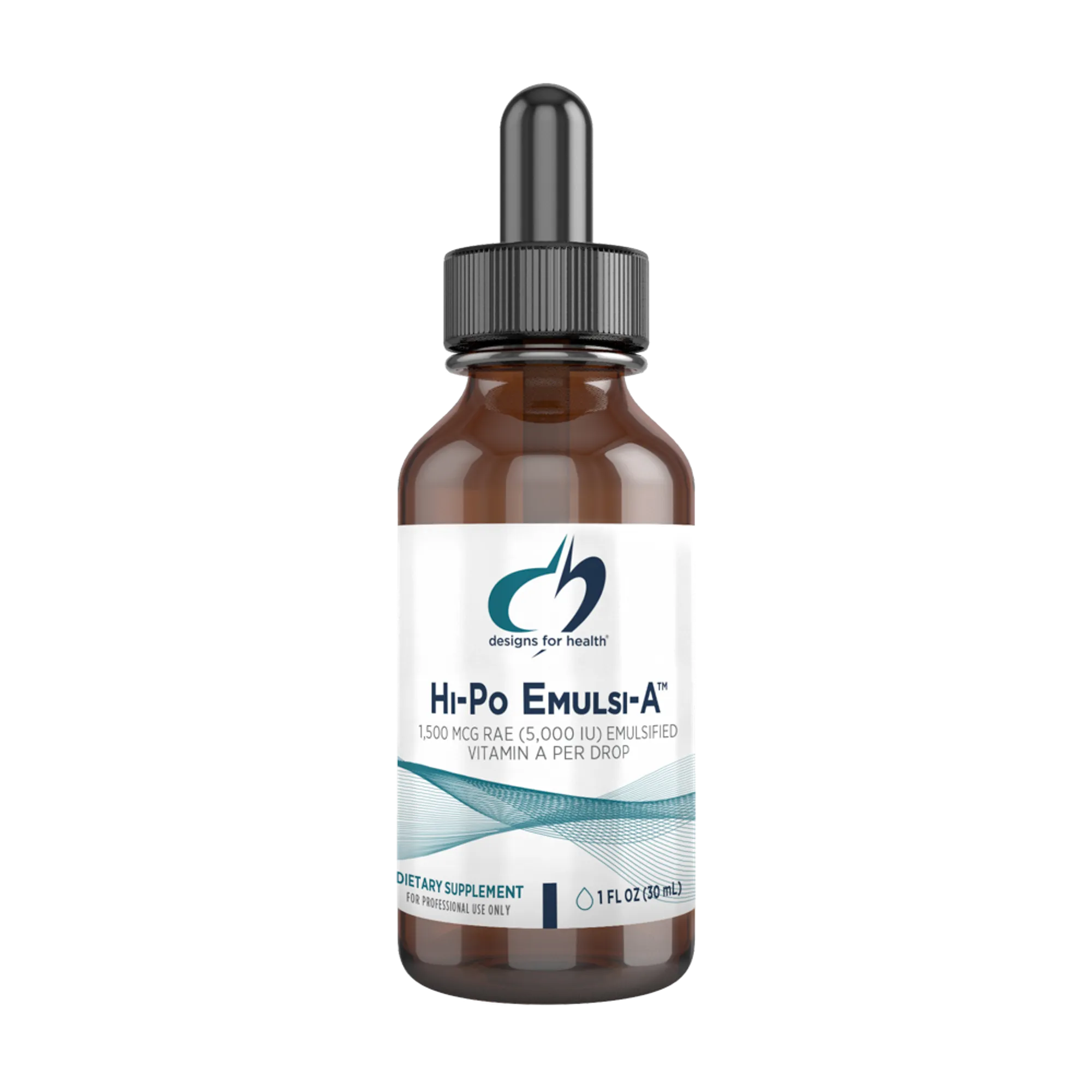
To bypass this severe biological bottleneck, advanced supplement formulations utilize a manufacturing process known as emulsification. Emulsified Vitamin A (such as Hi-Po Emulsi-A™) pre-digests the fat-soluble vitamin by suspending it in a liquid aqueous solution and breaking it down into microscopic, water-miscible droplets. This highly sophisticated micellization process completely bypasses the body's need for bile salts and heavy pancreatic enzyme action. The emulsified liquid is ready to be absorbed immediately upon contact with the mucosal tissues of the digestive tract, and can even begin absorbing sublingually if held in the mouth.
Safety Warnings and Hypervitaminosis A
While the profound bioavailability of emulsified liquid drops is their greatest strength, it also requires a high degree of clinical respect. Because emulsified Vitamin A bypasses standard digestive bottlenecks and absorbs so rapidly, it allows for the swift accumulation of retinol palmitate in the liver. While this is highly desirable for correcting severe cellular deficiencies, it also significantly increases the risk of hypervitaminosis A (Vitamin A toxicity) if used recklessly. Unlike water-soluble vitamins that are easily excreted in the urine, excess fat-soluble Vitamin A is stored in the body's tissues.
Symptoms of acute or chronic Vitamin A toxicity can include severe headaches, dizziness, nausea, joint pain, and in extreme cases, liver damage. Emulsified drops are highly concentrated—often providing 5,000 IU (1,500 mcg RAE) in a single, tiny drop. It is incredibly easy to accidentally consume too much if you are not measuring carefully. Therefore, it is absolutely critical to follow exact dosing guidelines and to only utilize high-potency emulsified Vitamin A under the direct supervision and guidance of a qualified healthcare practitioner who can monitor your clinical response and adjust your protocol as your cellular stores replenish.

Follow the Science: Vitamin A in Chronic Illness
Clinical Trials on Viral Infection and Retinoids
The theoretical framework of retinoid depletion during viral infections has been put to the test in striking clinical environments. During the height of the pandemic, researchers investigated the use of synthetic retinoic acid derivatives to combat severe acute COVID-19 infections, operating on the premise that restoring retinoid signaling could halt the deadly cytokine storms. A notable randomized clinical trial evaluated the use of 13-cis-retinoic acid (Isotretinoin) as a targeted intervention for hospitalized patients facing severe respiratory distress and systemic inflammation.
The results of this intervention were profound. The intervention group receiving the retinoic acid therapy showed a 100% complete recovery rate with 0% mortality. In stark contrast, the standard-of-care control group experienced only a 52.38% recovery rate alongside a 14.35% mortality rate. Furthermore, the patients receiving retinoic acid achieved clinical improvement significantly faster, averaging 16.3 days compared to 25.2 days in the control group. These dramatic findings strongly support the hypothesis that retinoid signaling is a critical linchpin in the immune system's ability to successfully resolve viral threats and help avoid the chronic inflammatory cascades that lead patients to ask What Drugs Are Used for COVID Long Haulers?.
Proteomics and Metabolomics in ME/CFS
In the realm of chronic fatigue, advanced molecular profiling is finally providing hard evidence of the biological disruptions driving the disease. A comprehensive 2023 review of ME/CFS and Long COVID complexities synthesized evidence showing that these post-stressor syndromes are characterized by a failure to resolve acute immune responses, leading directly to microglial activation and systemic neuroinflammation. This chronic state is heavily modulated by nuclear transcription factors, including those controlled by retinoic acid.
More specifically, high-resolution proteomics preprints mapping the ME/CFS plasma proteome have identified statistically significant elevations in Cellular Retinoic Acid-Binding Protein 2 (CRABP2) among patient cohorts. This objective biomarker data confirms that the cellular machinery responsible for transporting retinoic acid into the nucleus is fundamentally altered in ME/CFS. Coupled with metabolomics studies demonstrating severe deficiencies in riboflavin and FAD—the exact cofactors required to synthesize retinoic acid—the scientific consensus is rapidly converging on the reality that restoring retinoid metabolism is a critical therapeutic target for reversing the hypometabolic "dauer" state of chronic fatigue.
Thyroid and Anemia Clinical Interventions
The systemic benefits of Vitamin A supplementation have been rigorously documented in clinical trials focusing on metabolic and hematological health. A randomized, double-blind controlled trial published in the Journal of the American College of Nutrition evaluated the impact of 25,000 IU/day of retinyl palmitate on premenopausal women presenting with subclinical hypothyroidism. After four months of targeted supplementation, the researchers observed a statistically significant reduction in serum TSH concentrations and a simultaneous increase in circulating T3 levels across all subject groups, proving that Vitamin A acts as a powerful, independent regulator of thyroid hormone homeostasis.
Similarly, the impact of Vitamin A on red blood cell function is backed by decades of robust data. A comprehensive meta-analysis of clinical interventions revealed that Vitamin A supplementation independently reduces the risk of functional anemia by 26%. Furthermore, studies consistently demonstrate that in patients with refractory anemia, combining Vitamin A with standard iron therapy exponentially enhances the hemoglobin response compared to iron alone. This is because the retinoic acid successfully mobilizes the iron trapped inside the body's macrophages, finally allowing the bone marrow to utilize the mineral for vital oxygen transport.
The Path Forward
A Comprehensive Approach to Healing
Living with the unpredictable and debilitating symptoms of Long COVID, ME/CFS, and dysautonomia is an incredibly isolating and frustrating experience. It is entirely valid to feel overwhelmed when your body's most basic systems—from energy production to immune defense—seem to be malfunctioning. However, as the emerging science surrounding retinoid metabolism demonstrates, these symptoms are not in your head; they are driven by measurable, biological disruptions at the cellular level. Understanding the profound role of master genetic regulators like Vitamin A offers a tangible, science-backed framework for why your body is struggling to resolve inflammation and how you can begin to support its recovery.
It is crucial to remember that while highly bioavailable supplements like emulsified Vitamin A can provide critical cellular support, they are not standalone cures. True recovery from complex chronic illness requires a comprehensive, multi-layered approach. This means integrating targeted nutritional support with aggressive pacing strategies to help manage post-exertional malaise, meticulous symptom tracking, and working closely with specialists who understand How Does a Doctor Diagnose Long COVID?. By addressing the root cellular deficiencies while respecting your body's energetic limits, you can begin to rebuild your baseline stability.
Next Steps for Your Health Journey
If you are experiencing the chronic immune dysregulation, cognitive fatigue, or mucosal issues associated with post-viral syndromes, highly concentrated, emulsified Vitamin A may be a valuable addition to your management toolkit. Because of its potent biological effects and rapid absorption, we strongly encourage you to discuss this specific form of supplementation with your healthcare provider to ensure it aligns safely with your current medical protocol and lab results.