Can HepatoCORE Support Liver Function and Metabolic Health in Long COVID and ME/CFS?
March 6, 2026
HepatoCORELong COVIDME/CFS
Share:
Disclaimer: The information provided here is for educational purposes only and is not intended as medical advice. It should not be used to diagnose, treat, cure, or prevent any medical condition. Instead, use it as a starting point for discussion with your healthcare provider. Always consult with a qualified healthcare provider before starting any new medication, supplement, device, or making changes to your health regimen.
Months or even years after an initial viral infection, many individuals living with complex chronic conditions like Long COVID, myalgic encephalomyelitis/chronic fatigue syndrome (ME/CFS), and dysautonomia find themselves battling a confusing array of new symptoms. Beyond the hallmark debilitating fatigue and post-exertional malaise (PEM), patients often develop sudden metabolic issues: unexplained weight gain, elevated blood pressure, new-onset insulin resistance, and concerning liver enzyme panels. For a long time, these metabolic shifts were dismissed as the mere result of physical inactivity. Today, groundbreaking research proves that these systemic changes are deeply rooted in viral-induced physiological dysfunction, particularly within the liver and the cardiovascular system.
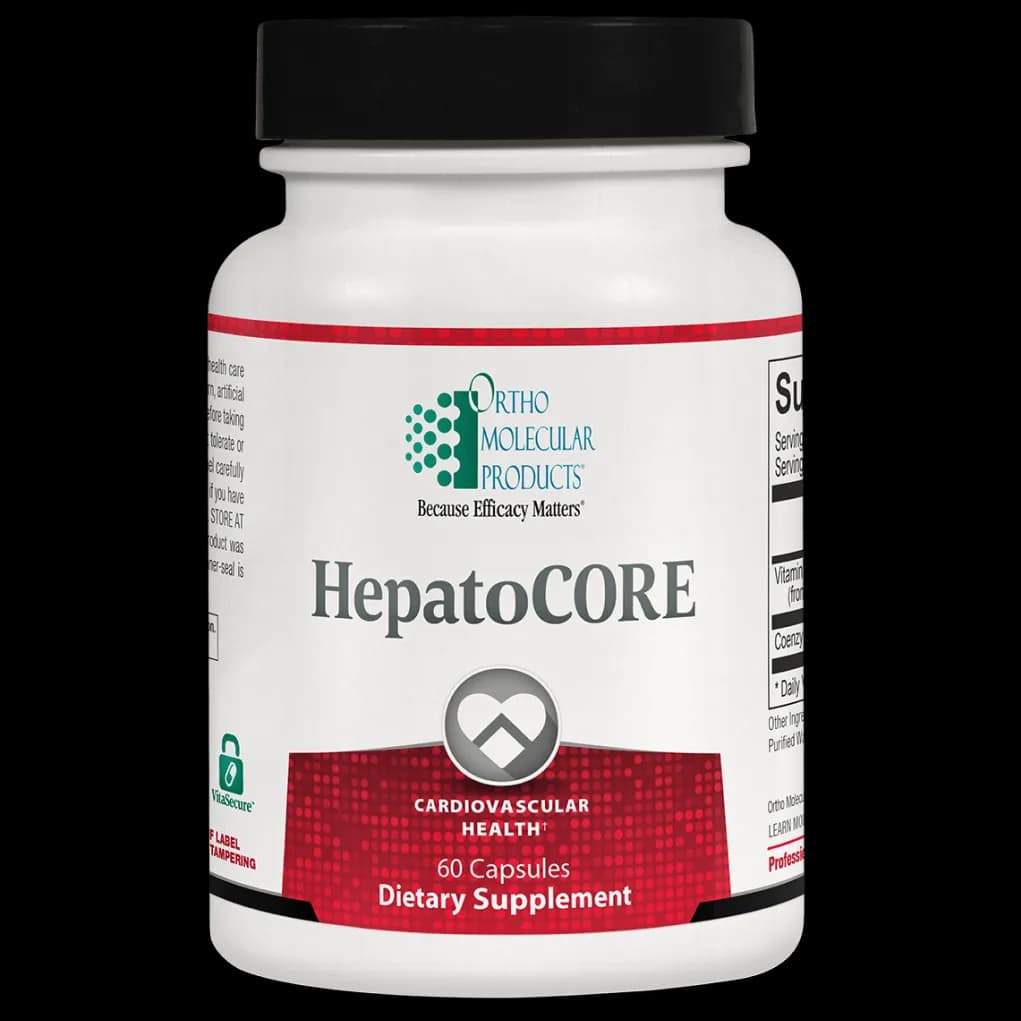
The liver is the body’s primary metabolic engine, responsible for over 500 vital functions, including energy production, toxin clearance, and lipid (fat) management. When chronic inflammation, viral persistence, or mitochondrial failure compromises the liver, it creates a cascade of cardiometabolic challenges that can severely exacerbate the symptoms of chronic illness. This is where targeted nutritional support becomes a vital component of a comprehensive management strategy. HepatoCORE, a specialized formulation by Ortho Molecular, provides a potent blend of bergamot, artichoke, and aged black garlic designed to support normal liver fat levels, promote healthy metabolism, and protect vascular health. In this comprehensive guide, we will explore the intricate connections between chronic illness and metabolic dysfunction, and examine the cellular mechanisms behind HepatoCORE’s key ingredients.
TL;DR
Chronic illnesses like Long COVID and ME/CFS often trigger metabolic issues linked to liver and vascular dysfunction.
HepatoCORE uses bergamot, artichoke, and aged black garlic to support liver fat management and cardiovascular health.
These ingredients may help improve metabolic flexibility, support healthy blood pressure, and clear neurotoxic waste.
What is HepatoCORE?
The Liver's Role in Metabolic Health
To understand the clinical value of HepatoCORE, we must first explore the extraordinary complexity of the liver. The liver is a massive, highly vascularized organ that holds approximately one pint—or 13%—of the body's entire blood supply at any given moment. It acts as the central processing plant for human metabolism, regulating the chemical composition of the blood and orchestrating the distribution of nutrients. Among its more than 500 identified vital functions, the liver is responsible for synthesizing essential proteins for blood plasma, converting excess blood glucose into glycogen for storage, and producing the cholesterol and lipoproteins necessary to transport fats throughout the body.
Because the liver is so central to energy regulation, any disruption to its function can lead to profound metabolic consequences. When the liver becomes overwhelmed by systemic inflammation, oxidative stress, or a diet high in refined carbohydrates, it can develop "congestion." In clinical terms, this often manifests as the accumulation of excess lipids (fats) within the liver cells, a condition historically known as Non-Alcoholic Fatty Liver Disease (NAFLD) and recently updated to Metabolic Dysfunction-Associated Steatotic Liver Disease (MASLD). When lipids accumulate, the liver's ability to filter toxins, regulate blood sugar, and manage cholesterol is severely compromised, leading to a vicious cycle of cardiometabolic challenges.
The Power of Bergacyn FF®
HepatoCORE is anchored by a proprietary, clinically researched ingredient known as Bergacyn FF®. This unique formulation delivers 600 mg of a specialized blend combining two powerful botanical extracts: Italian bergamot orange extract (Citrus bergamia) and wild Italian artichoke thistle leaf extract (Cynara cardunculus sylvestris). Bergamot is a unique citrus fruit native to the Calabria region of Italy, renowned in the medical community for its exceptionally high concentration of specific polyphenols and flavonoids, which have been shown to exert profound lipid-lowering and metabolic benefits.
The artichoke leaf extract in Bergacyn FF® is standardized to contain high levels of cynaropicrin, a potent sesquiterpene lactone. Cynaropicrin is the compound responsible for the artichoke's bitter taste and has been heavily researched for its hepatoprotective (liver-protecting) and antioxidant properties. What makes Bergacyn FF® particularly innovative is its use of upcycled bergamot pulp fibers. These natural fibers act as synergistic "bio-enhancers," significantly improving the delivery and absorption of the active botanical compounds into the bloodstream, allowing them to effectively target excessive fat accumulation and inflammation within the liver.
The Cardiovascular Benefits of Aged Black Garlic
The second major component of HepatoCORE is 250 mg of Aged Black Garlic Bulb Extract (Allium sativum L.). While raw white garlic has been used for centuries for its health-promoting properties, it contains harsh, pungent sulfur compounds like allicin that can cause gastrointestinal distress and are highly unstable. Aged black garlic is created through a meticulously controlled aging and fermentation process involving high heat and humidity over several weeks. This process triggers the Maillard reaction, transforming the garlic's color, flavor, and, most importantly, its chemical profile.
During this aging process, the unstable allicin is converted into S-Allyl Cysteine (SAC), a highly stable, water-soluble, and bioavailable organosulfur compound. HepatoCORE’s aged black garlic is specifically standardized to deliver 0.25 mg of SAC. SAC is understood to be a potent vasodilator and antioxidant that supports endothelial function—the health of the inner lining of the blood vessels. By combining the liver-targeting power of Bergacyn FF® with the vascular support of aged black garlic, HepatoCORE provides a comprehensive approach to managing the interconnected systems of cardiometabolic health.
How Long COVID and ME/CFS Impact Liver and Metabolic Function
The 2025 Edinburgh Study and ME/CFS Liver Dysfunction
For decades, patients living with myalgic encephalomyelitis/chronic fatigue syndrome (ME/CFS) have reported symptoms that functional medicine practitioners often describe as "liver congestion"—a sensation of toxic buildup, profound metabolic sluggishness, and an inability to process physical exertion. Historically, these symptoms were frequently dismissed by the broader medical establishment. However, a landmark study published in June 2025 in the journal EMBO Molecular Medicine by researchers at the University of Edinburgh has helped validate these patient experiences. The study analyzed the blood of over 1,400 ME/CFS patients against 130,000 healthy controls using the UK Biobank, identifying patterns consistent with chronic inflammation, insulin resistance, and metabolic dysfunction.
The findings were revolutionary: the biomarker profiles consistently indicated three primary, objective pathologies in ME/CFS: chronic systemic inflammation, severe insulin resistance, and profound liver disease. The researchers utilized advanced modeling to prove that these metabolic and hepatic (liver) abnormalities were an intrinsic part of the disease process, not merely the result of deconditioning or a sedentary lifestyle. This aligns perfectly with earlier metabolomics research by Dr. Robert Naviaux, which demonstrated that ME/CFS forces the body into a coordinated hypometabolic state known as "dauer", severely disrupting lipid and primary bile acid metabolism—processes entirely governed by the liver.
Viral Persistence and the Gut-Liver Axis in Long COVID
The emergence of Long COVID has further highlighted the vulnerability of the liver and metabolic systems to viral injury. Research has established a profound, bidirectional relationship between Long COVID and metabolic dysfunction. Individuals with pre-existing metabolic syndrome or fatty liver disease are at a significantly higher risk of developing severe acute COVID-19 and subsequent Long COVID. Conversely, the systemic stress of a SARS-CoV-2 infection can trigger new-onset metabolic disorders. A study evaluating Long COVID patients found that 55.3% of individuals developed Metabolic-Associated Fatty Liver Disease (MAFLD) post-infection, a drastic increase from their baseline health.
The pathophysiology behind this liver damage is multifactorial. SARS-CoV-2 enters human cells by binding to ACE2 receptors, which are highly expressed in the enterocytes of the gut, the cholangiocytes of the bile ducts, and the hepatocytes of the liver. This allows the virus to directly infect and damage liver tissue. Furthermore, the infection often disrupts the intestinal barrier, creating a "leaky gut." This disruption of the gut-liver axis allows viral particles, endotoxins, and inflammatory cytokines to enter the portal circulation and travel directly to the liver, fueling chronic hepatic inflammation and driving the accumulation of liver fat. Understanding what causes Long COVID at a systemic level is crucial for recognizing why metabolic support is so vital.
The Urea Cycle Bottleneck and Ammonia Toxicity
One of the most debilitating consequences of liver and mitochondrial dysfunction in complex chronic illness is the impairment of waste clearance. The liver is responsible for operating the urea cycle, a series of biochemical reactions that convert highly toxic ammonia—a natural byproduct of protein metabolism and cellular exertion—into urea, which can be safely excreted by the kidneys. In healthy individuals, this cycle operates efficiently, allowing for normal physical activity and recovery.
However, emerging research supported by institutions like the Open Medicine Foundation suggests that patients with ME/CFS and Long COVID suffer from a severe bottleneck in the urea cycle. Because the liver's cells are starved for ATP (cellular energy) due to mitochondrial failure, they cannot process metabolic waste fast enough. When a patient exerts themselves, ammonia builds up in the bloodstream. This excess ammonia can cross the blood-brain barrier, leading to neurotoxicity that manifests as the severe "brain fog," cognitive impairment, and crushing post-exertional malaise (PEM) that patients experience during a crash. Supporting the liver's metabolic capacity is therefore not just about fat management; it is fundamentally about improving the body's ability to clear neurotoxic waste.
HepatoCORE: Supporting Liver and Cardiometabolic Pathways
Bergamot's Statin-Like Effect and AMPK Activation
The Bergacyn FF® blend in HepatoCORE provides a multi-targeted approach to restoring metabolic balance, beginning with the unique flavonoids found in bergamot extract. Bergamot contains high concentrations of melitidin and brutieridin, two flavonoid glycosides that possess a remarkable structural similarity to the endogenous substrate of HMG-CoA reductase. This is the primary enzyme in the liver responsible for synthesizing cholesterol. Research demonstrates that these bergamot compounds can bind directly to the active site of HMG-CoA reductase, safely inhibiting its activity and reducing intracellular cholesterol synthesis by up to 40% in vitro. This "statin-like" mechanism helps lower LDL cholesterol without the muscle-related side effects often associated with pharmaceutical statins.
Beyond cholesterol synthesis, bergamot flavonoids are potent activators of AMP-activated protein kinase (AMPK). AMPK is often referred to as the "metabolic master switch" of the cell. When activated, AMPK signals the body to stop storing fat (lipogenesis) and start burning it for energy (fatty acid oxidation). By activating AMPK, bergamot helps improve insulin sensitivity, increases cellular glucose uptake, and stimulates a process called "lipophagy"—the cellular clearing and breakdown of pathogenic fat droplets stored within the liver. This mechanism is critical for patients battling the metabolic inflexibility and insulin resistance commonly seen in Long COVID and ME/CFS.
Artichoke and Cynaropicrin for Bile Flow and Detoxification
Working in synergy with bergamot, the artichoke leaf extract in HepatoCORE delivers targeted hepatoprotective benefits through its active compound, cynaropicrin. Cynaropicrin is a powerful antioxidant that activates the AhR–Nrf2–Nqo1 pathway, a crucial cellular defense system. By upregulating this pathway, cynaropicrin stimulates the liver to produce endogenous "phase II" detoxification enzymes. These enzymes are essential for binding to toxins, metabolic waste products, and reactive oxygen species (ROS), neutralizing them so they can be safely excreted from the body. This aggressive scavenging of ROS helps suppress the NF-κB inflammatory pathway, directly reducing the systemic inflammation that drives chronic illness symptoms.
Furthermore, cynaropicrin possesses a strong choleretic effect, meaning it heavily stimulates the liver to produce and secrete bile. Bile is necessary for the digestion and absorption of dietary fats and fat-soluble vitamins, but it also serves as the primary vehicle for the liver to flush out excess cholesterol, heavy metals, and metabolized toxins. Artichoke extract is traditionally claimed to help relieve the "liver congestion" often felt by patients, improving digestive motility and supporting the clearance of the metabolic waste products that contribute to post-exertional malaise and systemic fatigue.
Aged Black Garlic for Nitric Oxide and Endothelial Health
While the Bergacyn FF® blend targets the liver, the Aged Black Garlic in HepatoCORE focuses on the cardiovascular system, which is intimately connected to metabolic health. The primary bioactive compound in aged black garlic, S-Allyl Cysteine (SAC), exerts its benefits by significantly boosting the body's production of nitric oxide (NO). Nitric oxide is a vital gasotransmitter that signals the smooth muscles lining the blood vessels to relax and widen—a process known as endothelium-dependent vasorelaxation. By enhancing nitric oxide bioavailability, SAC improves systemic blood flow, reduces arterial stiffness, and helps maintain normal blood pressure levels.
In addition to boosting NO, SAC acts as a natural inhibitor of Angiotensin-Converting Enzyme (ACE). By inhibiting ACE, SAC helps limit the excessive production of angiotensin II, a hormone that causes blood vessels to constrict and drives up blood pressure. This dual action—promoting vasodilation while preventing vasoconstriction—makes aged black garlic a powerful tool for combating the endothelial dysfunction and microvascular inflammation that are hallmark features of Long COVID and dysautonomia. Furthermore, SAC helps protect against the oxidation of LDL cholesterol, supporting the body's defense against atherosclerotic plaque formation and protecting the heart from long-term metabolic damage.
Symptoms HepatoCORE May Help Manage
Metabolic and Hepatic Symptoms
By targeting the root mechanisms of liver congestion and metabolic dysfunction, HepatoCORE may help manage a variety of systemic symptoms associated with chronic illness.
Unexplained Weight Gain and Visceral Fat: By activating AMPK and stimulating lipophagy, bergamot helps the body shift from storing fat to burning it, supporting weight management and reducing the accumulation of fat around the liver and abdomen.
Elevated Liver Enzymes (ALT/AST): The potent antioxidant and anti-inflammatory properties of cynaropicrin in artichoke extract help protect liver cells from damage, which may lead to a reduction in elevated liver enzymes often seen on standard metabolic blood panels.
Blood Sugar Dysregulation: By improving insulin sensitivity and enhancing cellular glucose uptake, the flavonoids in Bergacyn FF® support more stable blood sugar levels, reducing the energy crashes associated with insulin resistance.
Cardiovascular and Endothelial Symptoms
The vascular support provided by aged black garlic addresses several cardiovascular challenges common in dysautonomia and Long COVID.
Elevated Blood Pressure: S-Allyl Cysteine (SAC) boosts nitric oxide production and inhibits ACE activity, promoting vasodilation and helping to maintain normal, healthy blood pressure levels.
Poor Circulation and Cold Extremities: By improving endothelial function and widening blood vessels, aged black garlic enhances systemic blood flow, which may help alleviate symptoms of poor microcirculation.
High Cholesterol and Dyslipidemia: The "statin-like" action of bergamot flavonoids inhibits cholesterol synthesis in the liver, while SAC prevents the oxidation of LDL cholesterol, supporting a healthier overall lipid profile.
Systemic and Energy Symptoms
Improving the liver's ability to clear waste and produce energy can have profound downstream effects on systemic fatigue and cognitive function.
Brain Fog and Cognitive Impairment: By supporting the liver's detoxification pathways and potentially easing the burden on the urea cycle, HepatoCORE may help the body clear neurotoxic metabolic waste (like ammonia) more efficiently, reducing brain fog.
Digestive Sluggishness and Nausea: The choleretic (bile-stimulating) effect of artichoke extract improves the digestion of dietary fats and enhances gut motility, which can relieve feelings of fullness, nausea, and indigestion.
Systemic Fatigue: By restoring metabolic flexibility—the body's ability to efficiently switch between burning carbohydrates and fats for fuel—HepatoCORE supports more consistent cellular energy production, potentially raising the baseline for physical exertion.
Practical Considerations: Forms, Dosing, and Absorption
The Bioavailability of S-Allyl Cysteine (SAC)
When considering a supplement for metabolic and cardiovascular support, bioavailability—the amount of the active ingredient that actually enters systemic circulation—is a critical factor. One of the primary advantages of the Aged Black Garlic in HepatoCORE is its exceptional bioavailability compared to raw garlic. Raw garlic relies on the compound allicin for its health benefits. However, allicin is highly unstable; it degrades rapidly upon exposure to air, heat, or stomach acid, meaning very little of it survives the digestive process to exert systemic effects. Furthermore, allicin is responsible for the harsh gastrointestinal side effects and pungent odor associated with garlic supplementation.
The aging process used to create black garlic fundamentally solves this problem by converting allicin into S-Allyl Cysteine (SAC). SAC is a highly stable, water-soluble organosulfur compound. Because it is water-soluble, it is rapidly and almost completely absorbed through the gastrointestinal tract into the bloodstream. SAC is understood to reach peak plasma concentrations relatively quickly and maintain its antioxidant and vasodilatory effects for hours. Additionally, because the harsh sulfur compounds have been neutralized, aged black garlic is highly tolerable, even for patients with sensitive stomachs or conditions like mast cell activation syndrome (MCAS) who might otherwise react poorly to raw alliums.
Synergistic Absorption of Bergacyn FF®
The delivery of botanical polyphenols, such as those found in bergamot and artichoke, often presents a clinical challenge because these large molecules can be difficult for the gut to absorb. The Bergacyn FF® blend addresses this through an innovative, patented extraction process. Rather than simply mixing bergamot and artichoke powders, the formulation utilizes upcycled bergamot pulp fibers. These natural albedo fibers act as a structural matrix, essentially wrapping around the active flavonoids and sesquiterpenes.
This fiber matrix serves as a natural "bio-enhancer." It protects the delicate polyphenols from premature degradation by stomach acid and facilitates their transport across the intestinal lining. Once in the bloodstream, the combination of bergamot and artichoke has been shown to be highly synergistic. Clinical trials demonstrate that the combined Bergacyn FF® extract is significantly more effective at reducing liver fat and lowering liver enzymes than taking equivalent doses of bergamot or artichoke alone. This synergy allows for a lower, more efficient overall dose while maximizing the therapeutic impact on the liver.
Dosing, Timing, and Potential Interactions
The suggested use for HepatoCORE is 2 capsules per day, or as recommended by your healthcare professional. Because the active ingredients influence lipid metabolism and bile production, it is generally optimal to take the capsules with meals, particularly meals containing some dietary fat. This timing leverages the artichoke's natural choleretic effect, aiding in the immediate digestion of the meal while ensuring the steady absorption of the bergamot polyphenols and SAC. Patients typically need to take the supplement consistently for 8 to 12 weeks to observe measurable changes in metabolic blood markers, such as lipid panels or liver enzymes (ALT/AST).
While HepatoCORE is formulated with highly tolerable, plant-based compounds, it is crucial to consider potential interactions. Because bergamot has a "statin-like" effect on cholesterol synthesis, patients currently taking prescription statins or other lipid-lowering medications should consult their provider, as the combination may have an additive effect. Similarly, because aged black garlic naturally supports healthy blood pressure through vasodilation, individuals taking prescription antihypertensive medications should monitor their blood pressure regularly to ensure it does not drop too low. Always discuss new supplements with your medical team, especially when navigating the complexities of diagnosing and managing Long COVID.
Follow the Science
Clinical Trials on Bergacyn FF® and Liver Fat
The efficacy of the Bergacyn FF® blend in HepatoCORE is supported by robust, randomized, double-blind, placebo-controlled clinical trials. A hallmark study published in Frontiers in Endocrinology evaluated the impact of Bergacyn FF® on non-diabetic individuals presenting with liver steatosis (fatty liver). Over a 12-week period, subjects receiving 600 mg/day of the extract experienced a 9% greater reduction in liver fat accumulation compared to the placebo group. The results were even more profound in patients over the age of 50, who saw a 15% greater reduction. Notably, the intervention group also experienced significant weight management benefits, losing an average of nearly 10 pounds over the course of the study.
A separate 16-week clinical trial published in The Journal of Traditional and Complementary Medicine investigated Bergacyn FF® in patients with Type 2 Diabetes and Metabolic Syndrome. Using biopsy-correlated ultrasound imaging, researchers found that patients taking the combined formula saw their liver fat accumulation regress by two full clinical levels, moving from severe to mild steatosis. Furthermore, the intervention substantially reduced key markers of liver damage, dropping ALT (alanine aminotransferase) by an average of 15 points and AST (aspartate aminotransferase) by 18 points, significantly outperforming both the placebo and standalone botanical extracts.
The Cardiovascular Efficacy of Aged Black Garlic
The cardiovascular benefits of Aged Black Garlic and its active compound, SAC, are equally well-documented. A 2023 randomized, triple-blind, placebo-controlled trial published in Nutrients evaluated the effects of an optimized aged black garlic extract on patients with Stage 1 hypertension who were already taking prescription blood pressure medications. Despite being on standard pharmaceutical therapy, the patients receiving the aged black garlic extract for 12 weeks experienced an additional, statistically significant reduction in both systolic and diastolic blood pressure. Blood analysis confirmed that the extract successfully increased plasma nitric oxide levels and reduced ACE activity.
These findings are supported by broader meta-analyses. A comprehensive review of clinical studies involving hypertensive participants concluded that aged garlic extracts have demonstrated benefits for vascular health. Researchers noted that this level of reduction is clinically significant and comparable to the effects of first-line standard antihypertensive medications, correlating with a substantially lower long-term risk of cardiovascular events.
Emerging Research on Long COVID and Endothelial Dysfunction
The relevance of these metabolic and vascular interventions is becoming increasingly clear in the context of post-viral illness. Recent transcriptomic profiling of endothelial cells from Long COVID patients has revealed persistent endothelial dysfunction and inflammation lasting well beyond the acute infection. These studies show a downregulation of genes responsible for nitric oxide production and an upregulation of oxidative stress markers. By providing targeted antioxidant support, stimulating lipophagy in the liver, and directly boosting nitric oxide bioavailability, the ingredients in HepatoCORE address the exact pathophysiological mechanisms currently being identified in Long COVID and ME/CFS research.
The Path Forward
Addressing the Root Causes of Metabolic Dysfunction
Living with a complex chronic condition like Long COVID, ME/CFS, or dysautonomia is an exhausting journey, made even more frustrating when new, unexplained metabolic symptoms arise. If you have been dealing with sudden weight gain, elevated liver enzymes, or creeping blood pressure, it is vital to understand that these are not personal failings or the simple result of being unable to exercise. As modern research clearly shows, these metabolic shifts are deeply rooted in the physiological, viral, and inflammatory mechanisms of your illness. Validating the reality of how Long COVID impacts your body is the first step toward finding effective, targeted management strategies.
Integrating HepatoCORE into Your Protocol
Supplements like HepatoCORE offer a science-backed approach to supporting the body's foundational metabolic systems. By combining the liver-clearing, AMPK-activating power of Bergacyn FF® with the endothelial, nitric oxide-boosting benefits of aged black garlic, this formulation targets the interconnected web of liver and cardiovascular health. However, it is important to remember that supplements are just one piece of the puzzle. True metabolic recovery requires a comprehensive approach that includes strict symptom tracking, aggressive pacing to avoid crashing, and a diet tailored to reduce systemic inflammation and support liver function.
A Collaborative Approach to Healing
Because chronic illness is highly individualized, there is no single miracle cure. Managing metabolic dysfunction requires patience, consistency, and a collaborative relationship with a healthcare provider who understands the complexities of post-viral illness. Your medical team can help you monitor your liver enzymes, track your lipid panels, and ensure that any new supplement fits safely within your broader treatment protocol. By supporting your liver's ability to clear waste and your vascular system's ability to deliver oxygen, you are laying the groundwork for improved cellular energy and a better quality of life.
Sources
MDPI: Unveiling the Power of Bergamot: Beyond Lipid-Lowering Effects
Frontiers in Pharmacology: Cynaropicrin: A Comprehensive Research Review
University of Edinburgh: Scale of how ME/CFS affects blood revealed
Health Rising: Rescuing the Metabolic Problems in ME/CFS and Long COVID
ResearchGate: The Use of Bergamot-Derived Polyphenol Fraction in Cardiometabolic Risk Prevention
PubMed: Bioactive Compounds from Artichoke and Application Potential
Cell iScience: Transcriptomic Profiling of Endothelial Progenitor Cells in Post-COVID-19 Patients
Nutritional Outlook: Ingredient derived from bergamot and artichoke supports liver health
PR Newswire: Bergacyn FF Can Help Reduce Liver Fat, Weight in Non-Diabetics
BioSpace: Clinical Study Supports Bergacyn for Liver and Vascular Health