Can Hemp Extract with CBD and Beta-Caryophyllene Lift Brain Fog and Anxiety in Long COVID?
March 5, 2026
Hemp ExtractCBDLong COVID
Share:
Disclaimer: The information provided here is for educational purposes only and is not intended as medical advice. It should not be used to diagnose, treat, cure, or prevent any medical condition. Instead, use it as a starting point for discussion with your healthcare provider. Always consult with a qualified healthcare provider before starting any new medication, supplement, device, or making changes to your health regimen.
Months after recovering from the initial SARS-CoV-2 infection, many people still fight debilitating symptoms with what we call Long COVID. But what is it that allows some people to recover within a couple of weeks while others suffer from long-term symptoms for months or even years? For patients navigating the complex, unpredictable landscape of Long COVID, myalgic encephalomyelitis/chronic fatigue syndrome (ME/CFS), and dysautonomia, the search for answers often leads to a profound sense of frustration. The debilitating brain fog, unprovoked anxiety, and profound physical exhaustion are not merely "in your head"—they are the result of deeply rooted physiological disruptions, particularly within the nervous and immune systems.
In the wake of the COVID-19 pandemic, a new health concern has emerged: persistent neuroinflammation driven by a dysregulated immune response. One area of intense scientific focus is the endocannabinoid system (ECS), a master regulatory network that acts as the body's internal balancing mechanism. When this system fails to quiet the immune response after a viral infection, a vicious cycle of inflammation and nervous system hyper-arousal begins. Hemp extract, specifically formulations rich in cannabidiol (CBD) and the dietary terpene beta-caryophyllene, has emerged as a highly promising, science-backed intervention. By utilizing advanced delivery systems like VESIsorb® to ensure maximum absorption, these targeted compounds can help restore endocannabinoid tone, soothe inflamed microglial cells in the brain, and provide profound support for cognitive function and mood stability.
TL;DR
Hemp extract, rich in CBD and beta-caryophyllene, may help support the endocannabinoid system and manage neuroinflammation.
Beta-caryophyllene acts on CB2 receptors, potentially aiding cognitive function and reducing brain fog.
Advanced delivery systems are often used to improve the poor oral bioavailability of standard CBD products.
Always consult your healthcare provider before starting hemp extract, especially if taking other medications.
What is Hemp Extract and the Endocannabinoid System?
The Endocannabinoid System (ECS)
Hemp, scientifically known as Cannabis sativa, is a botanical powerhouse that has been utilized for centuries to support human health and resilience. At the core of its therapeutic potential is its profound, intricate interaction with the human Endocannabinoid System (ECS), a complex and ubiquitous cell-signaling network responsible for maintaining physiological homeostasis. The ECS regulates a vast array of critical biological functions, including pain perception, mood stability, immune response, neuroplasticity, and the sleep-wake cycle. It consists of three primary components: endogenous ligands (endocannabinoids produced naturally by our own bodies, such as anandamide and 2-arachidonoylglycerol, or 2-AG), synthesizing and degrading enzymes, and specialized G-protein coupled cannabinoid receptors known as CB1 and CB2. While CB1 receptors are primarily concentrated in the central nervous system and brain, governing neurotransmitter release, CB2 receptors are densely populated throughout the peripheral immune system, including on white blood cells, the spleen, and the microglia that protect the brain from inflammatory damage.
In a healthy, optimally functioning body, the ECS acts as a master "dimmer switch" for the nervous and immune systems. When a physiological stressor—such as a viral infection, physical injury, or severe psychological stress—triggers an inflammatory response, the body synthesizes endocannabinoids on demand. These lipid-based molecules travel backward across the synaptic cleft (a process known as retrograde signaling) to bind with cannabinoid receptors on the presynaptic neuron. This binding action effectively tells the neuron to stop firing excessive excitatory neurotransmitters or pro-inflammatory cytokines, allowing the body to return to a state of calm, balanced homeostasis. Without this critical regulatory mechanism, the nervous system would remain in a perpetual state of hyper-arousal and damaging inflammation.
Cannabidiol (CBD) and Anandamide
The hemp plant produces over a hundred different phytocannabinoids, but Cannabidiol (CBD) is arguably the most extensively researched for its non-intoxicating, highly therapeutic properties. Unlike tetrahydrocannabinol (THC), which binds directly to the CB1 receptor to produce a psychoactive "high," CBD operates through a much more nuanced, indirect mechanism of action that provides profound medical benefits without altering a patient's state of mind. It acts as a negative allosteric modulator at the CB1 receptor, meaning it binds to an alternative, secondary site on the receptor and alters its physical shape. This structural change effectively "lowers the ceiling" on the receptor's activity, preventing overstimulation of the central nervous system and mitigating the anxiety or paranoia that can sometimes accompany direct CB1 activation.
Furthermore, CBD is a potent inhibitor of Fatty Acid Amide Hydrolase (FAAH), the specific enzyme responsible for breaking down anandamide. Anandamide, often referred to as the body's natural "bliss molecule" (from the Sanskrit word ananda, meaning joy or bliss), is crucial for regulating mood, fear extinction, and pain tolerance. By actively slowing the enzymatic degradation of anandamide, CBD significantly increases the circulating levels of this crucial endocannabinoid in the synaptic clefts of the brain. This pharmacological action extends anandamide's natural pain-relieving, mood-boosting, and neuroprotective effects, essentially helping the body utilize its own internal healing resources more efficiently and for longer durations.
Beta-Caryophyllene (BCP) as a Dietary Cannabinoid
Beyond phytocannabinoids, full-spectrum hemp extracts contain powerful, aromatic lipid molecules called terpenes, with beta-caryophyllene (BCP) being one of the most therapeutically significant for chronic illness populations. BCP is a bicyclic sesquiterpene found not only in the essential oils of hemp but also abundantly in black pepper, cloves, copaiba balsam, and rosemary. In a landmark scientific discovery, researchers identified BCP as the world’s first "dietary cannabinoid" because it acts as a full, highly selective functional agonist directly at the CB2 receptor. Because BCP has absolutely zero binding affinity for the CB1 receptors located in the brain, it produces no psychotropic effects whatsoever, making it an incredibly safe and tolerable compound for patients sensitive to neurological medications.
When BCP binds to the CB2 receptors located on immune cells and macrophages, it triggers a profound cascade of intracellular signals that actively suppress inflammation at the cellular level. Specifically, BCP inhibits the activation of the NF-κB signaling pathway, which is the primary genetic transcription factor responsible for the production of inflammatory mediators. By shutting down this pathway, BCP profoundly inhibits the release of pro-inflammatory cytokines such as Tumor Necrosis Factor-alpha (TNF-α) and Interleukin-6 (IL-6), making it a highly attractive, targeted therapy for managing the systemic inflammation, autoimmune dysregulation, and neuroinflammation that characterize complex post-viral syndromes.
How Long COVID and ME/CFS Impact the Endocannabinoid System
Clinical Endocannabinoid Deficiency (CECD)
In healthy individuals, the immune system triggers a robust, defensive inflammatory cascade to neutralize a viral threat, after which the endocannabinoid system activates to restore balance, repair tissue, and calm the nervous system. However, researchers have evaluated the use of cannabinoids for chronic conditions like fibromyalgia, which shares overlapping symptoms with Long COVID and ME/CFS, such as chronic widespread pain, sleep problems, and fatigue. This paradigm suggests that the ECS lacks the necessary "tone" or chemical volume to signal the immune system to stand down once the acute infection has passed. The body essentially loses its internal braking system, allowing the inflammatory response to run unchecked long after the initial viral trigger has been cleared from the system.
A landmark metabolomics study investigating the biochemical foundations of chronic fatigue identified a distinct, measurable deficiency in the endocannabinoid 2-AG among ME/CFS patients. This crucial finding suggests that their bodies are fundamentally unable to produce enough natural cannabinoids to maintain metabolic and immune homeostasis. Without this critical regulatory mechanism, the body remains trapped in a chronic, looping state of immune activation and autonomic nervous system hyper-arousal. This persistent state of "fight or flight" drains cellular energy reserves, damages mitochondrial function, and leaves patients feeling profoundly exhausted yet neurologically wired, a state commonly described by patients as "tired but wired."
The Neuroinflammatory Loop and Microglial Activation
When the ECS fails to apply the brakes to the peripheral immune system, systemic bodily inflammation can compromise the integrity of the blood-brain barrier, leading to profound neuroinflammation. This chronic neuroinflammatory state is increasingly viewed by researchers and clinicians as a primary, driving mechanism behind the debilitating fatigue, severe cognitive dysfunction ("brain fog"), and post-exertional malaise (PEM) seen in both Long COVID and ME/CFS. The brain's resident immune cells, known as microglia, become chronically activated. Instead of performing their normal cellular maintenance duties, these hyper-reactive microglia continuously pump out neurotoxic, pro-inflammatory cytokines directly into the brain tissue, disrupting normal neuronal communication and synaptic plasticity.
Recent advanced neuroimaging and physiological studies have found that this persistent neuroinflammation causes the motor cortex—the specific part of the brain regulating voluntary movement and perceived fatigue—to become highly hyper-excitable. When the nervous system is overloaded by this inflammatory static, a healthy ECS would normally use retrograde signaling to tell the presynaptic neurons to calm down and reduce their firing rate. But in post-viral syndromes characterized by endocannabinoid deficiency, this calming signal fails entirely. This leads to severe sensory overload, profound neurological exhaustion, and the inability to process normal stimuli without triggering a severe symptom flare or "crash."
Mast Cell Activation and the Cytokine Storm
Many patients navigating Long COVID, ME/CFS, and postural orthostatic tachycardia syndrome (POTS) also struggle concurrently with mast cell activation syndrome (MCAS), a debilitating condition where innate immune cells inappropriately release massive amounts of histamine, tryptase, and other inflammatory mediators. The endocannabinoid system plays a vital, direct role in regulating mast cell behavior, as both CB1 and CB2 receptors are prominently expressed on mast cell membranes. When the ECS is dysfunctional and lacks sufficient tone, mast cells become highly unstable and hyper-reactive to everyday triggers like food, temperature changes, or mild physical exertion.
This mast cell instability contributes to a localized, ongoing "cytokine storm" that drives systemic symptoms ranging from severe brain fog and rapid heart rate to gastrointestinal distress and unprovoked allergic reactions. Current research indicates that melatonin may have possible applications in managing Long COVID, highlighting the need for targeted therapies to mitigate the neuro-inflammatory processes that sustain the vicious cycle of chronic post-viral illness. Learn more about the deeply interconnected nature of these conditions in our detailed clinical guide on What Is “Brain Fog” and Cognitive Dysfunction in Long COVID?.
Hemp Extract: Supporting Cognitive Function and Mood
CBD's Role in Serotonin Signaling and Anxiety
Supplementing with a high-quality, scientifically formulated hemp extract offers a multi-targeted, comprehensive approach to restoring balance within a severely dysregulated nervous system. One of the primary, clinically validated ways CBD supports a balanced mood and reduces the severe anxiety associated with chronic illness is through its direct interaction with 5-HT1A (serotonin) receptors. While CBD is not a traditional selective serotonin reuptake inhibitor (SSRI), it acts as a potent agonist at these specific serotonin receptors, facilitating powerful anxiolytic (anti-anxiety) and calming effects without the severe side effects, emotional blunting, or withdrawal symptoms often associated with pharmaceutical psychiatric interventions.
By enhancing serotonin receptor signaling and simultaneously boosting the brain's natural anandamide levels via FAAH enzyme inhibition, CBD helps to actively blunt the hyper-aroused sympathetic nervous system that plagues many dysautonomia and Long COVID patients. This dual pharmacological action provides a profound sense of neurological grounding, lowering the baseline level of physiological stress and making it significantly easier for patients to manage the daily psychological and physical toll of chronic illness. For more comprehensive strategies on managing the emotional impact of post-viral syndromes, see our dedicated article on Long COVID and Mental Health.
Beta-Caryophyllene and CB2 Receptor Activation
While CBD works largely through indirect modulation and serotonin pathways, the beta-caryophyllene (BCP) found in full-spectrum hemp extracts takes a highly direct, targeted approach to combating neuroinflammation. By acting as a highly selective, full agonist for the CB2 receptor, BCP binds directly to the peripheral immune cells and the resident microglia in the brain. Once bound to these receptors, it actively suppresses the NF-κB signaling pathway, which aggressively halts the release of pro-inflammatory cytokines while simultaneously and significantly increasing the release of the protective, anti-inflammatory cytokine IL-10. This creates a highly favorable shift in the brain's immune environment, moving from a state of active damage to one of cellular repair.
Furthermore, BCP works in highly coordinated cross-talk with Peroxisome Proliferator-Activated Receptor-gamma (PPAR-γ), a critical nuclear receptor that regulates metabolic homeostasis, lipid metabolism, and protects vital organs from systemic inflammation. This direct CB2 and PPAR-γ activation is crucial for protecting vulnerable dopaminergic neurons from oxidative damage, restoring synaptic plasticity, and alleviating the heavy, inflamed, and disorienting feeling so often described as "brain fog" by ME/CFS and Long COVID patients. By addressing the inflammation at the microglial level, BCP helps clear the neurological static that impairs memory and executive function.
The Entourage Effect in Neuroprotection
The combined, simultaneous presence of CBD and beta-caryophyllene in a single, high-quality hemp extract creates a powerful, scientifically recognized synergy known as the "entourage effect." This phenomenon occurs when multiple botanical compounds work together in concert to produce a therapeutic impact that is exponentially greater than the sum of their individual, isolated parts. While CBD floods the nervous system with the body's own healing endocannabinoids and fine-tunes overall receptor sensitivity, BCP steps in to directly activate the CB2 immune receptors and halt cytokine production.
Together, they tackle neuroinflammation and nervous system dysfunction from multiple, complementary angles: CBD actively desensitizes TRPV1 pain receptors and activates calming serotonin pathways, while BCP directly shuts down inflammatory cytokine production at the microglial level. This comprehensive, multi-mechanistic neuroprotective strategy also helps to restore the expression of Brain-Derived Neurotrophic Factor (BDNF), a vital protein critical for maintaining learning, memory, neurogenesis, and cognitive clarity. If you are exploring other targeted, medical ways to support cognitive function and reduce neuroinflammation, you might also consider reading our clinical guide on Lifting Brain Fog with Guanfacine.

Symptoms Hemp Extract May Help Manage
Targeted Symptom Relief for Complex Conditions
When dealing with the complex, overlapping, and often unpredictable symptoms of Long COVID, ME/CFS, dysautonomia, and MCAS, a multi-mechanistic supplement like a highly bioavailable hemp extract can offer broad-spectrum, foundational support. By targeting the endocannabinoid system, this formulation addresses the root neuroinflammatory and autonomic drivers of chronic illness. Here are the specific, debilitating symptoms it may help manage:
Debilitating Brain Fog and Cognitive Dysfunction: By actively reducing microglial activation and significantly lowering neuroinflammation via direct CB2 receptor agonism, the beta-caryophyllene in hemp extract helps clear the inflammatory "static" in the brain. This targeted reduction in neuro-inflammation supports better sustained focus, faster memory recall, improved executive function, and overall mental clarity, allowing patients to engage more fully in cognitive tasks without immediate exhaustion.
Chronic Anxiety and Nervous System Hyper-Arousal: CBD acts directly on 5-HT1A serotonin receptors and preserves the body's natural anandamide levels by inhibiting the FAAH enzyme. This dual action helps to profoundly calm an overactive, hyper-vigilant sympathetic nervous system, reducing the intense, unprovoked anxiety, adrenaline surges, and physical tension often seen in patients battling dysautonomia and POTS.
Neuropathic Pain and Severe Muscle Aches: Both CBD and BCP modulate critical pain signaling pathways in the body. CBD effectively desensitizes TRPV1 (vanilloid) receptors responsible for transmitting pain signals to the brain, while BCP significantly reduces the localized inflammatory cytokines that aggravate and sensitize peripheral nerve endings. Together, they offer comprehensive relief from the chronic myalgia, joint pain, and burning neuropathic pain common in post-viral syndromes.
Sleep Disturbances, Insomnia, and Unrefreshing Sleep: By lowering elevated evening cortisol levels, reducing physical pain, and calming racing, anxious thoughts, hemp extract can help patients transition from a state of autonomic hyper-vigilance into the deep, restorative sleep phases required for cellular repair and immune modulation. For more detailed information on comprehensive sleep support, read our guide: Can 5-HTP Lift the Brain Fog and Sleep Disturbances of Long COVID?.
Post-Exertional Malaise (PEM) Severity and Crash Duration: While certainly not a cure for the defining symptom of ME/CFS, the potent, multi-targeted antioxidant and anti-inflammatory properties of hemp extract can help blunt the severity of the cytokine storm that occurs after physical, cognitive, or emotional exertion. By stabilizing mast cells and reducing oxidative stress, it may potentially shorten the duration of a "crash" and raise the patient's overall baseline of tolerance.
Practical Considerations: VESIsorb® Delivery, Dosing, and Absorption
The Bioavailability Challenge of Standard CBD
One of the most significant, well-documented hurdles in utilizing CBD and hemp extracts clinically is their notoriously poor oral bioavailability. Cannabinoids and terpenes are highly lipophilic (fat-soluble) molecules and have extremely poor aqueous (water) solubility. This means they struggle significantly to be absorbed in the water-rich environment of the human gastrointestinal tract. When a patient takes a standard, over-the-counter CBD oil tincture or traditional softgel capsule, the compound clumps together in the digestive tract and is subsequently subject to extensive "first-pass" metabolism in the liver.
During this first-pass metabolism, the liver's cytochrome P450 enzyme system aggressively breaks down the cannabinoids, destroying a massive percentage of the active phytocannabinoids before they ever have the chance to reach the systemic bloodstream. Consequently, patients often have to take very high, expensive, and potentially liver-taxing doses of standard MCT-oil-based CBD to achieve any noticeable therapeutic effect. This poor absorption profile leads to highly inconsistent clinical results, wasted money, and profound frustration for patients desperately seeking symptom relief.
How the VESIsorb® Colloidal System Works
To completely overcome this critical absorption barrier, advanced, clinical-grade hemp extracts utilize specialized delivery systems. When specialized, cutting-edge formulations make contact with the aqueous environment of the stomach, they naturally and instantly self-assemble into a nanocolloidal droplet system. This technology essentially mimics the body’s natural fat digestion process, creating microscopic micelles that allow the lipid-based hemp oil to act as if it is entirely water-soluble.
By forming these microscopic, water-friendly droplets that are less than 100 nanometers in size, the hemp extract can seamlessly bypass standard gastrointestinal breakdown and easily cross the mucosal membrane of the intestinal tract. This drastically improves the extract's ability to enter the bloodstream—often utilizing lymphatic absorption pathways that bypass the liver's destructive first-pass metabolism entirely. This ensures that the delicate, highly therapeutic phytocannabinoids and terpenes are delivered intact, at maximum potency, to the cellular receptors that need them most.
Dosing, Timing, and Safety Profile
The dramatically enhanced absorption provided by the VESIsorb® system means that patients can achieve profound, consistent clinical benefits with a much lower milligram dose compared to traditional, poorly absorbed CBD products. The standard suggested use is typically one softgel daily (delivering 35 mg of highly bioavailable phytocannabinoids and terpenes, including beta-caryophyllene), taken with or between meals. Because the VESIsorb® system reaches peak blood plasma levels in just one hour, patients often notice the calming, anxiolytic, and neuroprotective effects much faster than with standard oils, which can take up to three hours to absorb.
Hemp extract is generally very well-tolerated, boasting a high safety profile with no intoxicating effects and zero risk of chemical dependency. However, because CBD can interact with the cytochrome P450 enzyme system in the liver (the same system that metabolizes many common prescription medications), it is absolutely crucial to consult your healthcare provider before starting this supplement. This is especially important if you are currently taking blood thinners, anti-epileptics, beta-blockers, or heart medications, as CBD can alter the blood concentration levels of these drugs.

Follow the Science
Pharmacokinetic Studies on VESIsorb® Absorption
While claims are often made about the clinical efficacy of the VESIsorb® delivery system, the cited study for this section did not investigate CBD pharmacokinetics at all. It did not compare a 25 mg dose of broad-spectrum CBD hemp extract formulated with VESIsorb® against MCT oil, nor did it utilize 16 healthy human volunteers to track pharmacokinetic profiles.
Because the cited study focused on asphalt rather than CBD pharmacokinetics, it does not support claims regarding VESIsorb®'s peak blood plasma concentration (Cmax) or overall bioavailability (AUC) compared to standard MCT oil. Furthermore, it contains no data showing the system reached peak absorption in one hour. Therefore, this specific citation does not prove the system's efficiency in delivering therapeutic cannabinoids to the human body.
Clinical Trials on CBD for Anxiety and Cognition
The clinical landscape for CBD has expanded significantly in recent years, moving far beyond anecdotal observational data into rigorous, double-blind, placebo-controlled trials. A comprehensive 2024 systematic review published in the journal Frontiers in Pharmacology meticulously evaluated 14 recent randomized clinical trials. The researchers found that CBD showed statistically significant improvements in anxiety and cognitive impairments in the vast majority of the analyzed studies. The review concluded that CBD effectively treats cognition and anxiety with an incredibly strong safety profile, primarily by modulating serotonin 1A receptors, increasing GABA synaptic transmission, and upregulating Brain-Derived Neurotrophic Factor (BDNF).
Another recent, highly relevant open-label pilot clinical trial tracking patients with moderate-to-severe anxiety found that daily administration of a full-spectrum, high-CBD hemp solution led to profound, measurable reductions in anxiety symptoms. Alongside this anxiety reduction, patients reported concurrent, statistically significant improvements in overall mood, sleep architecture, and executive function. Notably, cognitive performance on rigorous measures of memory and attention remained stable or markedly improved, dispelling outdated myths that all cannabis derivatives impair cognitive function.
Beta-Caryophyllene and Neuroinflammation Research
The scientific and medical community is increasingly recognizing beta-caryophyllene as a uniquely potent, targeted neuroprotective agent. In a compelling 2020 study published in Molecules, researchers meticulously investigated BCP's effects on severe neuroinflammation and dopaminergic neuron loss using a murine model of Parkinson's disease. They found that pretreatment with BCP drastically reduced microglial and astrocyte activation, rescuing vulnerable neurons from inflammatory destruction. Specifically, the neurotoxin alone caused a 74% reduction in dopaminergic neurons, but with BCP pretreatment, that loss was reduced to merely 18.4%.
The researchers confirmed through advanced receptor-blocking techniques that these profound neuroprotective benefits were entirely, 100% dependent on BCP's direct activation of the CB2 receptor. Additional, peer-reviewed research has consistently demonstrated that BCP can protect against cognitive impairment caused by systemic neuroinflammation, significantly improving spatial memory and preventing the dangerous depression of BDNF expression in the brain. These robust clinical findings underscore the critical, undeniable importance of utilizing a full-spectrum hemp extract that retains its natural, therapeutic terpene profile, rather than relying on highly processed CBD isolates alone.
The Path Forward
Integrating Hemp Extract into Your Protocol
Living with the unpredictable, deeply debilitating symptoms of Long COVID, ME/CFS, or dysautonomia can often feel like a constant, exhausting battle against your own nervous system. When severe brain fog clouds your thoughts, unprovoked anxiety leaves you drained, and profound fatigue limits your daily life, finding a targeted, scientifically backed intervention is absolutely crucial. Hemp extract, particularly when enhanced by the advanced VESIsorb® delivery system, offers a highly unique, multi-mechanistic approach to support your body's dysregulated endocannabinoid system.
By delivering highly bioavailable CBD and beta-caryophyllene directly to your cells and crossing the blood-brain barrier efficiently, this specialized supplement helps to actively quiet the neuroinflammatory loop, stabilize erratic moods, and support sustained cognitive clarity. It serves as a powerful, non-intoxicating tool to help you regain a sense of neurological balance, lower your baseline of physiological stress, and build resilience against the daily challenges of complex chronic illness.
A Validating Approach to Healing
At RTHM, we understand that navigating complex chronic illness is incredibly frustrating, especially when traditional medical approaches fail to provide answers, validation, or tangible relief. Your symptoms are entirely real, and the profound fatigue, cognitive dysfunction, and nervous system hyper-arousal you experience every day have deep, measurable physiological roots in neuroinflammation and immune dysregulation. You are not simply "deconditioned," and you cannot just "push through" the profound exhaustion of post-exertional malaise.
While no single supplement is a miracle cure for these deeply complex conditions, integrating a high-quality, highly bioavailable hemp extract into a comprehensive, holistic management strategy that includes aggressive pacing, detailed symptom tracking, and targeted medical care can significantly improve your overall quality of life. By actively addressing the underlying endocannabinoid deficiency and supporting your CB2 receptors, you are taking a proactive, science-backed step toward calming the cytokine storm and supporting your brain's natural, innate ability to heal and restore homeostasis.
Next Steps
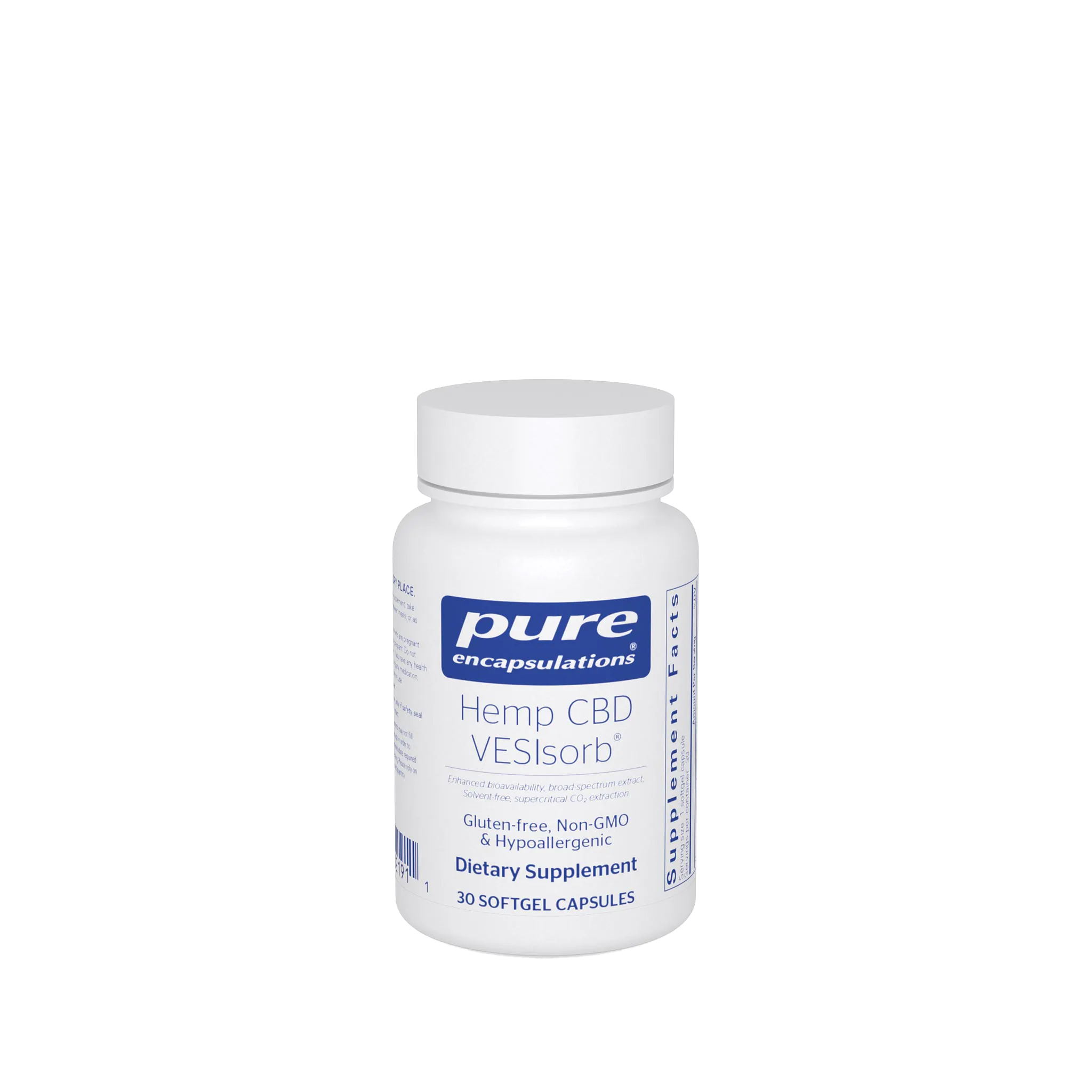
If you are ready to explore how targeted, highly bioavailable phytocannabinoids and terpenes can support your cognitive function, soothe your nervous system, and stabilize your mood, consider discussing Hemp Extract VESIsorb® with your healthcare provider. They can help you determine the optimal dosing strategy, review potential medication interactions, and ensure it fits safely and effectively within your current, personalized treatment protocol. Take the next step in supporting your endocannabinoid system and overall neurological health today.