Can H-S-N Radiance™ Support Hair Loss and Skin Health in Long COVID and MCAS?
March 5, 2026
H-S-N RadianceLong COVIDMCAS
Share:
Disclaimer: The information provided here is for educational purposes only and is not intended as medical advice. It should not be used to diagnose, treat, cure, or prevent any medical condition. Instead, use it as a starting point for discussion with your healthcare provider. Always consult with a qualified healthcare provider before starting any new medication, supplement, device, or making changes to your health regimen.
Months after recovering from an initial SARS-CoV-2 infection, many patients find themselves facing a new, deeply distressing symptom: sudden, dramatic hair loss, accompanied by brittle nails and sudden changes in skin elasticity. For individuals living with complex chronic conditions like Long COVID, myalgic encephalomyelitis/chronic fatigue syndrome (ME/CFS), mast cell activation syndrome (MCAS), and dysautonomia, these physical changes can feel like a visible betrayal by a body already fighting an invisible war. When your daily reality involves debilitating fatigue, brain fog, and unpredictable autonomic crashes, losing your hair or watching your skin rapidly age can take a profound psychological toll.
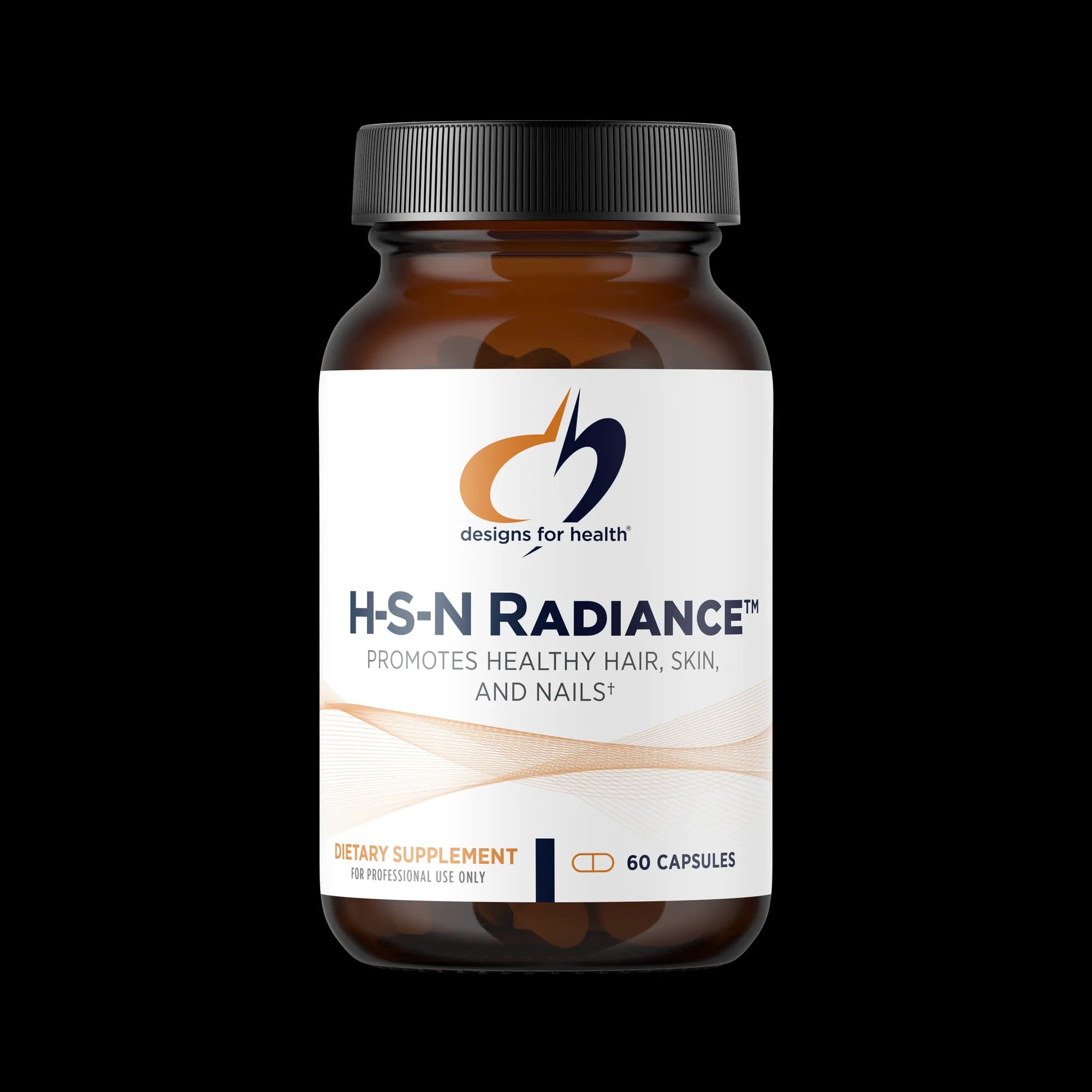
While it is easy for the medical establishment to dismiss hair, skin, and nail issues as purely "cosmetic" concerns, functional medicine recognizes them as critical external biomarkers of internal systemic distress. Hair shedding, skin rashes, and peeling nails are often the downstream results of severe oxidative stress, microvascular damage, and profound nutritional depletion. H-S-N Radiance™ by Designs for Health is a targeted nutraceutical formulated to address these exact structural deficits. By combining highly bioavailable soluble keratin (Cynatine® HNS), elastin-protecting botanicals (Dermaval®), and potent endothelial antioxidants like hydroxytyrosol and Red Orange Complex™, this formula aims to restore the foundational building blocks of connective tissue. In this article, we will explore the deep biochemical connections between chronic illness and dermatological health, and how the specific ingredients in H-S-N Radiance™ work at a cellular level to support recovery.
TL;DR
Chronic illness and viral infections can severely deplete the structural proteins and antioxidants needed for healthy connective tissue.
H-S-N Radiance™ provides bioavailable keratin, elastin-protecting botanicals, and antioxidants to support tissue repair and microcirculation.
Key ingredients like Cynatine® HNS and biotin may help manage post-viral hair shedding and brittle nails.
Always stop biotin supplements 72 hours before blood tests to prevent inaccurate lab results.
What is H-S-N Radiance™?
To understand how a supplement like H-S-N Radiance™ functions, we must first look at the natural architecture of human connective tissue. In a healthy body, the structural integrity of hair, skin, and nails relies on a complex, highly organized matrix of proteins—primarily keratin, collagen, and elastin. Keratin is a tough, fibrous structural protein that forms the primary building block of the epidermis (the outer layer of skin), the hair shaft, and the nail plate. It is characterized by its high concentration of cysteine, an amino acid that forms strong disulfide bonds, giving hair its tensile strength and nails their rigid hardness.
Beneath the epidermis lies the dermis, a thick layer of connective tissue supported by a scaffolding of collagen and elastin. Collagen provides the rigid framework and structural support, while elastin—a highly flexible protein—allows the skin to stretch and snap back into place. The continuous synthesis and repair of these proteins require a massive amount of cellular energy (ATP) and a steady supply of specific micronutrients, enzymatic co-factors, and antioxidants. When the body is healthy, specialized cells called fibroblasts continuously churn out new collagen and elastin, while keratinocytes in the hair follicles and nail matrix rapidly divide to produce new growth.
However, this rapid cellular proliferation makes the hair, skin, and nails incredibly metabolically demanding. Because these tissues are not strictly vital for survival, they are the very first systems to be deprived of nutrients and oxygen when the body enters a state of systemic crisis. During severe infections, chronic inflammation, or autonomic nervous system dysfunction, the body aggressively reroutes energy, blood flow, and amino acids away from the skin and hair follicles to protect essential organs like the heart, brain, and lungs.
H-S-N Radiance™ is designed to intervene in this state of depletion by providing a highly specialized, proprietary blend of structural building blocks and protective botanicals. The cornerstone of the formula is Cynatine® HNS, a patented form of solubilized keratin. Traditional keratin, such as that found in many over-the-counter supplements, is highly cross-linked and virtually insoluble, meaning the human digestive tract cannot break it down or absorb it. Cynatine® HNS utilizes a proprietary extraction process that unravels these complex bonds without destroying the underlying amino acids, rendering the keratin highly bioavailable so it can be absorbed directly into the bloodstream and delivered to damaged follicles and nail beds.
Beyond structural proteins, the formula heavily features plant-based antioxidant complexes designed to protect existing tissue from degradation. It includes Dermaval®, a proprietary blend of nine phytonutrient-rich botanical extracts (including pomegranate, acerola, and coffee extract) specifically formulated to inhibit the enzymes that destroy elastin. It also features Red Orange Complex™, derived from Sicilian blood oranges, which provides a dense matrix of anthocyanins and flavanones to combat systemic oxidative stress.
Finally, the inclusion of olive fruit extract standardized to contain 10% hydroxytyrosol provides one of nature's most potent phenolic antioxidants. Hydroxytyrosol is highly regarded in clinical literature for its ability to cross cell membranes, neutralize reactive oxygen species (ROS), and protect the delicate endothelial cells that line the micro-blood vessels feeding the skin and hair follicles. Together, these ingredients form a comprehensive, multi-mechanistic approach to restoring dermatological health from the inside out.
Structural proteins and antioxidants cannot function effectively without the presence of essential enzymatic co-factors. H-S-N Radiance™ supplies these critical elements through the inclusion of Biotin (Vitamin B7), Vitamin C (ascorbic acid), and Bamboo Extract (standardized to 70% silica). Biotin is an essential water-soluble B-vitamin that acts as a coenzyme for carboxylases, enzymes vital for the metabolism of fatty acids, amino acids, and glucose. In the context of dermatological health, biotin is absolutely critical for the production of keratin; a deficiency rapidly leads to brittle nails and hair thinning.
Vitamin C and silica play an equally vital, synergistic role in the synthesis of collagen. Inside the fibroblast cells, the creation of strong, stable collagen fibers requires the action of two specific enzymes: prolyl hydroxylase and lysyl hydroxylase. These enzymes are responsible for cross-linking the collagen strands, giving the tissue its strength. However, these enzymes cannot function without Vitamin C and silica acting as their chemical co-factors. By providing 100 mg of Vitamin C and a highly concentrated dose of plant-based silica from bamboo shoots, the supplement ensures that the body has the raw materials necessary to rebuild its connective tissue matrix.
How Chronic Illness Impacts Hair, Skin, and Nails
To comprehend why patients with Long COVID and other chronic illnesses experience such profound dermatological changes, we must examine the underlying pathophysiology of these conditions. One of the most common and distressing symptoms reported post-infection is a condition known as telogen effluvium (TE). The normal hair growth cycle consists of three phases: the active growth phase (anagen), the transitional phase (catagen), and the resting/shedding phase (telogen). Typically, only about 10% of hair follicles are in the telogen phase at any given time.
However, the severe physiological stress of a SARS-CoV-2 infection triggers a massive disruption in this cycle. The intense cytokine storm associated with the virus—characterized by the release of pro-inflammatory cytokines like Interleukin-6 (IL-6) and Tumor Necrosis Factor-alpha (TNF-α)—is thought to act as a potent inhibitor of hair shaft elongation. These inflammatory signaling molecules force premature apoptosis (cell death) in the hair matrix cells, abruptly terminating the anagen phase and pushing up to 40% of hair follicles into the telogen shedding phase simultaneously.
Furthermore, researchers have discovered that the SARS-CoV-2 virus enters human cells using the ACE2 receptor and the TMPRSS2 enzyme, both of which are widely expressed in the basal layer of human hair follicles. This suggests that the virus may inflict direct cytopathic damage to the follicles themselves. This direct viral insult, combined with the systemic shock of the illness, explains why post-COVID telogen effluvium often appears much faster (within 4 to 8 weeks) than classic stress-induced hair loss.
Beyond direct viral damage, the health of our hair, skin, and nails is entirely dependent on robust microcirculation. The tiny blood vessels (capillaries) that feed the hair papilla and the nail matrix must continuously deliver oxygen, amino acids, and micronutrients. In conditions like Long COVID, myalgic encephalomyelitis/chronic fatigue syndrome (ME/CFS), and dysautonomia, this microcirculation is severely compromised by a phenomenon known as endothelial dysfunction.
The endothelium is the delicate inner lining of our blood vessels. Chronic viral persistence and systemic inflammation damage this lining, leading to a pro-thrombotic state where the body forms microthrombi (tiny blood clots). Research into Long COVID pathophysiology indicates that these microclots can physically occlude the capillaries feeding the skin and hair follicles. This virally induced hypoxia (lack of oxygen) essentially starves the connective tissues. When the nail matrix is deprived of oxygen and nutrients, it produces thin, brittle, and ridged nails. When the hair follicles are starved, the hair shaft becomes weak, loses its pigment, and eventually falls out.
Additionally, endothelial dysfunction impairs the production of nitric oxide (NO), a crucial molecule that tells blood vessels to dilate. Without sufficient nitric oxide, patients experience chronic vasoconstriction, further reducing blood flow to the extremities. This is why many patients with dysautonomia and POTS experience blood pooling, temperature dysregulation, and pale or mottled skin—the structural tissues are simply not receiving adequate perfusion.
For patients dealing with mast cell activation syndrome (MCAS), the threat to skin and connective tissue comes from a different, yet equally destructive, mechanism. Mast cells are immune cells stationed throughout the body, heavily concentrated in the skin and connective tissues, where they act as first responders to injury or pathogens. In MCAS, these cells become hyper-reactive, inappropriately degranulating and releasing massive amounts of inflammatory mediators, including histamine, tryptase, and various proteases.
When mast cells constantly degranulate in the skin, it causes chronic vasodilation, leading to severe flushing, hives, rashes, and a burning sensation (often referred to as trichodynia when it occurs on the scalp). More insidiously, the chronic release of inflammatory proteases directly degrades the structural proteins of the skin. Clinical studies on mast cell behavior show that chronic inflammation activates enzymes called elastase and collagenase.
Elastase specifically targets and destroys elastin, the protein responsible for the skin's firmness and ability to "snap back." As MCAS drives continuous elastase activity, patients may notice their skin becoming thinner, more fragile, and prematurely aged, losing its natural elasticity. Furthermore, the constant state of histamine-driven inflammation severely impairs the skin's barrier function, leading to increased transepidermal water loss (TEWL), chronic dryness, and poor wound healing. This creates a vicious cycle where damaged skin is more susceptible to environmental triggers, which in turn provoke further mast cell degranulation.
H-S-N Radiance™: Supporting Structural Integrity and Antioxidant Status
H-S-N Radiance™ addresses the profound structural deficits caused by chronic illness through a multi-targeted mechanistic approach. The primary mechanism of repair is driven by Cynatine® HNS. When a patient consumes this solubilized keratin, it bypasses the typical digestive barriers that render standard keratin useless. Because its amino acid profile is nearly identical to human keratin, the body readily absorbs these peptides into the bloodstream.
Once in systemic circulation, these bioavailable keratin peptides are delivered directly to the hair papilla and the nail matrix. At the cellular level, they act as highly efficient building blocks, actively binding to damaged sites on the hair shaft and nail plate. A 2014 clinical trial published in The Scientific World Journal investigated the effect of Cynatine® HNS on hair and nail parameters. By supporting the structural integrity of the follicle, this soluble keratin may help to artificially extend the anagen (growth) phase, counteracting the premature apoptosis triggered by post-COVID cytokine storms.
For the nails, the mechanism is similar. The keratin peptides integrate into the keratinocytes of the nail matrix, significantly increasing the density and cross-linking of the nail plate. This translates to a measurable increase in nail hardness and a drastic reduction in the horizontal peeling (onychoschizia) and vertical ridging that frequently plague patients with chronic nutritional depletion and microvascular hypoxia.
While Cynatine® HNS rebuilds the structure, Dermaval® acts as the defensive shield, specifically targeting the enzymatic degradation of connective tissue. As discussed, chronic inflammation and MCAS trigger the release of elastase (specifically Human Neutrophil Elastase, or HNE), which actively destroys the skin's elastin network. Dermaval® is a proprietary blend of phytonutrient-rich botanicals engineered to directly inhibit this enzymatic activity.
The mechanism of action centers on the high concentration of punicalagins (from pomegranate extract) and broad-spectrum flavonoids (from coffeeberry, asparagus, and quercetin). These specific phytochemicals bind to the active sites of the elastase and collagenase enzymes, effectively neutralizing their ability to cleave the peptide bonds of elastin and collagen IV. Clinical research on Dermaval® suggests that a dose as small as 50 mg may help prevent the massive spikes in HNE activity typically induced by physiological stressors like glucose consumption. By helping to reduce this enzymatic destruction, Dermaval® allows the skin to retain its elasticity, firmness, and moisture barrier, even in the presence of systemic inflammatory triggers.
Furthermore, the inclusion of quercetin within the Dermaval® blend provides an additional layer of targeted support for MCAS patients. Quercetin is a well-documented natural mast cell stabilizer. It works by inhibiting the intracellular calcium influx required for mast cell degranulation, thereby reducing the release of histamine and inflammatory proteases at the source, calming the skin flushing and rashes associated with histamine intolerance.
To combat the severe oxidative stress and endothelial dysfunction characteristic of Long COVID and ME/CFS, H-S-N Radiance™ utilizes two exceptionally potent antioxidants: Red Orange Complex™ (ROC) and Hydroxytyrosol. ROC, derived from Sicilian blood oranges, provides a synergistic matrix of anthocyanins, flavanones, and hydroxycinnamic acids. At the molecular level, these compounds act as powerful free radical scavengers. Red Orange Complex™ is intended to boost the body's endogenous antioxidant defenses. Glutathione is the body's "master antioxidant," and supporting its levels is critical for mitigating the cellular damage caused by chronic viral infections.
Hydroxytyrosol (HXT), extracted from olive fruit, plays a highly specific role in repairing the vascular damage that starves the hair and skin. HXT upregulates SIRT1, an enzyme that increases the phosphorylation of endothelial nitric oxide synthase (eNOS). This action restores the bioavailability of nitric oxide, promoting healthy vasodilation and improving microcirculation to the extremities. Crucially, hydroxytyrosol is often researched for its potential to help neutralize the toxic effects of the SARS-CoV-2 papain-like protease (PLpro), a viral remnant that persists in host cells and drives chronic inflammation. By helping to prevent PLpro-induced apoptosis and suppressing pro-inflammatory cytokines like IL-6 and TNF-α, hydroxytyrosol helps extinguish the systemic fire that drives post-COVID hair shedding.
The final mechanistic pillar of H-S-N Radiance™ involves providing the essential co-factors required for endogenous tissue synthesis. Bamboo Extract is included as a highly concentrated, bioavailable source of organic silica. Inside the fibroblast cells, silica acts as an obligatory co-factor for the enzymes prolyl hydroxylase and lysyl hydroxylase. These enzymes are responsible for the hydroxylation of proline and lysine residues on newly synthesized collagen chains, a process that allows the collagen to cross-link and form a strong, stable triple helix. Without adequate silica, the body produces weak, disorganized collagen fibers, leading to fragile skin and brittle connective tissue.
Similarly, Biotin (Vitamin B7) operates at the genetic and enzymatic level to support tissue regeneration. Biotin covalently binds to carboxylase enzymes, facilitating the synthesis of fatty acids required to maintain the lipid barrier of the skin and the structural integrity of the hair shaft. Biotin has been reviewed for its role in supporting hair health. By combining these essential co-factors with structural peptides and potent antioxidants, H-S-N Radiance™ provides a complete biochemical toolkit for dermatological recovery.
Symptoms H-S-N Radiance™ May Help Manage
Post-Viral Hair Shedding (Telogen Effluvium): By delivering highly bioavailable soluble keratin directly to the hair follicles, Cynatine® HNS helps to artificially extend the anagen (growth) phase, counteracting the premature shedding triggered by cytokine storms and physiological stress.
Brittle, Peeling, or Ridged Nails: The combination of 2500 mcg of biotin and soluble keratin provides the exact structural amino acids and enzymatic co-factors required to increase the density and thickness of the nail plate, helping to resolve onychoschizia (horizontal peeling).
Skin Thinning and Loss of Elasticity: Dermaval® directly inhibits the activity of elastase (HNE), the enzyme responsible for degrading elastin. This protects the skin's structural framework, helping to maintain firmness and "snap-back" elasticity even during periods of chronic inflammation.
Chronic Skin Flushing and Rashes: The inclusion of quercetin within the Dermaval® blend acts as a natural mast cell stabilizer, inhibiting the release of histamine and inflammatory proteases that drive the dermatological symptoms of MCAS.
Poor Wound Healing and Fragile Skin: Hydroxytyrosol and Red Orange Complex™ restore endothelial function and boost endogenous glutathione, improving microcirculation and oxygen delivery to the skin, which is essential for cellular repair and wound healing.
Dry, Dehydrated Skin: By protecting the integrity of the collagen matrix and supporting the production of structural lipids via biotin metabolism, the formula helps restore the skin's natural moisture barrier, reducing transepidermal water loss (TEWL).
Scalp Pain or Burning (Trichodynia): By neutralizing systemic oxidative stress and reducing the production of pro-inflammatory cytokines like TNF-α and IL-6, the potent antioxidants in the formula help calm the neuro-inflammatory pathways that cause scalp sensitivity during active hair shedding.
Practical Considerations: Forms, Dosing, and Absorption
When navigating the world of hair, skin, and nail supplements, understanding bioavailability is paramount. The supplement industry is flooded with generic keratin and collagen products, many of which offer little to no clinical benefit due to their molecular structure. Standard keratin, often derived from ground-up chicken feathers or fish scales, is heavily cross-linked with disulfide bonds. The human gastrointestinal tract lacks the specific enzymes (keratinases) required to break these bonds down, meaning the vast majority of standard keratin supplements simply pass through the digestive system unabsorbed.
H-S-N Radiance™ circumvents this issue by utilizing Cynatine® HNS. This patented ingredient undergoes a proprietary solubilization process that gently unravels the protein structure without destroying the delicate amino acids. This renders the keratin highly water-soluble and exceptionally bioavailable, allowing it to be rapidly absorbed through the intestinal wall and into systemic circulation. Similarly, the silica provided in the formula is derived from bamboo extract, which yields a highly bioavailable, aqueous form of organic silica that the body can easily utilize for collagen cross-linking, as opposed to the poorly absorbed synthetic silicon dioxide found in lower-tier supplements.
The suggested use for H-S-N Radiance™ is two capsules daily. Because the formula contains fat-soluble components and concentrated botanical extracts, it is highly recommended to take the capsules with a meal. Consuming the supplement alongside dietary fats stimulates the release of bile acids and pancreatic enzymes, which significantly enhances the absorption of the phenolic compounds found in the olive fruit extract (hydroxytyrosol) and the Red Orange Complex™. Taking it with food also minimizes the risk of the mild gastrointestinal upset that some individuals experience when taking concentrated botanical extracts on an empty stomach.
For patients dealing with severe connective tissue degradation—such as those with hypermobility spectrum disorders, EDS, or profound post-viral depletion—H-S-N Radiance™ is designed to be highly synergistic with other foundational supplements. It pairs exceptionally well with high-quality collagen peptides. While H-S-N Radiance™ provides the keratin, elastin protectors, and enzymatic co-factors, a separate collagen peptide supplement provides the massive influx of raw amino acids (glycine, proline, hydroxyproline) needed to rebuild the dermal matrix.
While H-S-N Radiance™ is generally very well tolerated, there is one critical clinical caveat that all patients must be aware of regarding its biotin content. The formula contains 2500 mcg of biotin per serving. While this dose is highly effective for repairing brittle nails, the FDA has issued specific warnings that high doses of biotin can severely interfere with certain laboratory blood tests. Biotin is frequently used as a binding agent in the assays used to measure thyroid hormones (TSH, T3, T4) and cardiac troponin (a marker used to diagnose heart attacks).
High levels of biotin in the bloodstream can cause these tests to yield falsely high or falsely low results, potentially leading to misdiagnoses, particularly regarding hyperthyroidism or hypothyroidism. Therefore, it is imperative that patients stop taking H-S-N Radiance™ (and any other biotin-containing supplements) at least 72 hours prior to having any blood work drawn. Always inform your healthcare provider and the phlebotomist about your biotin supplementation. Aside from this lab interference, the ingredients in the formula have an excellent safety profile, though individuals with specific botanical allergies (such as to citrus or nightshades) should review the proprietary blend carefully.
Follow the Science
The efficacy of the primary ingredient in H-S-N Radiance™, Cynatine® HNS, is backed by clinical research. A clinical trial published in The Scientific World Journal investigated the effect of Cynatine® HNS on hair and nail parameters.
The study aimed to evaluate the supplement's ability to support the hair follicle and extend the anagen growth phase. In the same study, the effects on nail health were also investigated to determine improvements in nail hardness and a reduction in the tendency of nails to break.
The inclusion of hydroxytyrosol (HXT) in the formula is supported by emerging research regarding post-viral recovery and Long COVID. Research investigates the effects of the SARS-CoV-2 papain-like protease (PLpro) on human epithelial cells, finding that this persistent viral protein induces massive inflammatory gene expression and cellular apoptosis.
Hydroxytyrosol is researched for its potential to help neutralize these toxic effects, restore inflammatory gene expression, and support the endothelial barrier. It is often studied for its ability to support eNOS, nitric oxide bioavailability, and suppress the production of pro-inflammatory cytokines like IL-6 and TNF-α, making it a vital therapeutic agent for supporting the microvascular health that feeds the skin and hair follicles in chronic illness.
The use of high-dose biotin for the management of Brittle Nail Syndrome (BNS) is one of the most well-documented applications in dermatological nutrition. A clinical trial utilizing scanning electron microscopy found that the thickness of nails in patients treated with biotin increased significantly by 25% in one group and 7% in another, with reduced splitting of the nails.
Similarly, the clinical application of bamboo-derived silica for connective tissue repair is supported by numerous studies. Various dermatological trials have suggested that highly bioavailable silica supplementation may help reduce nail brittleness scores and improve skin elasticity by acting as a mandatory co-factor for the hydroxylase enzymes that cross-link collagen fibers. Together, these clinical data points validate the comprehensive, multi-ingredient approach utilized by H-S-N Radiance™.
The Path Forward
Living with a complex chronic illness like Long COVID, ME/CFS, or MCAS is an exhausting, full-body experience. While the medical community often focuses on the most debilitating symptoms—like profound fatigue, cognitive impairment, and autonomic crashes—the physical changes to your hair, skin, and nails are entirely valid sources of distress. Watching your hair thin or your skin lose its vitality is a visible, daily reminder of the invisible battle your body is fighting. It is not vanity to grieve these changes; it is a natural response to the systemic trauma your body has endured.
Understanding the deep biochemical connections between your systemic health and your dermatological symptoms is the first step toward reclaiming control. Your hair loss and brittle nails are not random; they are the direct result of post-viral cytokine storms, endothelial hypoxia, and the enzymatic degradation driven by mast cell activation. By recognizing these mechanisms, we can move away from feelings of helplessness and toward targeted, science-backed interventions.
H-S-N Radiance™ offers a highly sophisticated, multi-mechanistic tool to support this recovery process. By providing highly bioavailable soluble keratin (Cynatine® HNS) to rebuild structural integrity, Dermaval® to shield elastin from enzymatic destruction, and potent antioxidants like hydroxytyrosol and Red Orange Complex™ to neutralize microvascular inflammation, this formula addresses dermatological health at the cellular level.
However, it is vital to remember that supplements are just one piece of a comprehensive, holistic management strategy. Restoring your connective tissue requires time, patience, and a commitment to radical rest. Pacing to avoid post-exertional malaise (PEM), managing your autonomic nervous system, and working closely with a dysautonomia or Long COVID specialist are all critical components of healing. As always, consult your healthcare provider before adding any new supplement to your regimen, especially to navigate potential lab test interactions with biotin.
Sources
A Clinical Trial to Investigate the Effect of Cynatine HNS on Hair and Nail Parameters
FutureCeuticals Glucose Challenge Study on Dermaval and Human Neutrophil Elastase
Treatment of brittle fingernails and onychoschizia with biotin: scanning electron microscopy
NIH Office of Dietary Supplements: Biotin Fact Sheet for Health Professionals