Can Growth Hormone Support Ease Muscle Fatigue in Long COVID and ME/CFS?
March 5, 2026
Growth Hormone SupportLong COVIDME/CFS
Share:
Disclaimer: The information provided here is for educational purposes only and is not intended as medical advice. It should not be used to diagnose, treat, cure, or prevent any medical condition. Instead, use it as a starting point for discussion with your healthcare provider. Always consult with a qualified healthcare provider before starting any new medication, supplement, device, or making changes to your health regimen.
Months or even years after an initial viral infection, many patients find themselves battling profound exhaustion, muscle weakness, and an inability to recover from basic physical exertion. For individuals living with Long COVID, myalgic encephalomyelitis/chronic fatigue syndrome (ME/CFS), and dysautonomia, this is not merely "tiredness"—it is a complex systemic breakdown that often leaves both patients and their doctors searching for answers. When standard blood panels return "normal" results, it is easy to feel dismissed, yet emerging research points to a hidden driver of these debilitating symptoms: endocrine dysfunction and impaired cellular recovery.
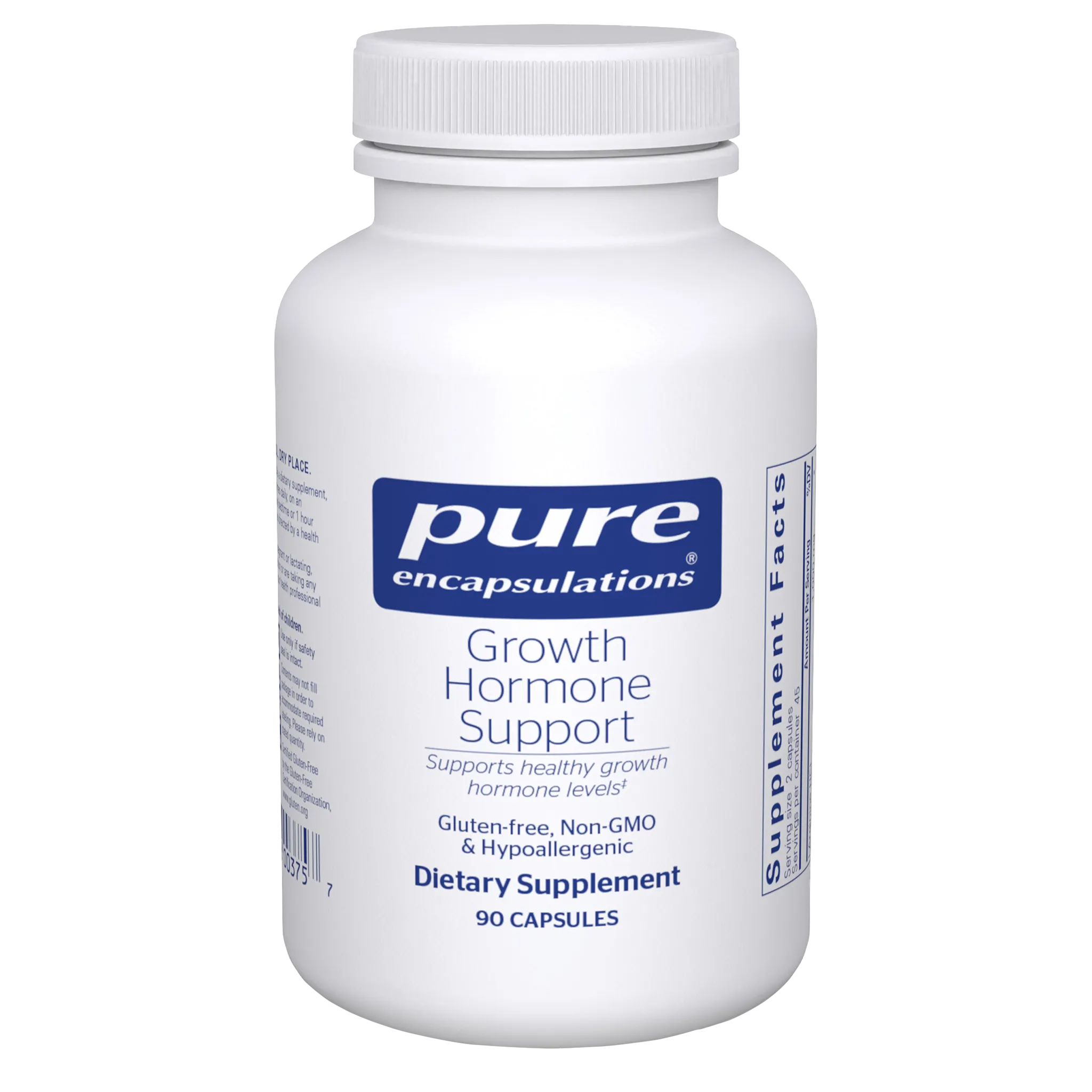
One area of growing clinical interest is the role of the hypothalamic-pituitary axis, specifically regarding the body's natural production of growth hormone. Growth hormone is essential for tissue repair, muscle protein synthesis, and maintaining energy homeostasis. When this system is disrupted by viral infiltration or chronic inflammation, the body struggles to rebuild itself, leading to severe post-exertional malaise (PEM) and muscle wasting. By utilizing targeted amino acids like L-arginine and ornithine alpha-ketoglutarate (OKG), Growth Hormone Support aims to gently encourage the body's natural regenerative pathways, offering a potential foundational tool for those navigating the grueling landscape of chronic illness.
TL;DR
L-arginine and OKG may support natural growth hormone production and muscle recovery in chronic illness.
These amino acids help promote nitric oxide production, supporting healthy blood flow and vascular function.
Taking the supplement before bedtime may optimize the body's natural overnight tissue repair cycles.
Always consult your doctor before starting new supplements, especially if you have dysautonomia or POTS.
What is Growth Hormone Support?
The Role of L-Arginine and Nitric Oxide
L-arginine is a semi-essential amino acid that plays a foundational role in multiple physiological processes, most notably as the primary precursor to nitric oxide (NO). Within the inner lining of your blood vessels, an enzyme known as endothelial nitric oxide synthase (eNOS) converts L-arginine into NO, a potent signaling molecule that regulates vascular tone. By promoting vasodilation—the widening of blood vessels—nitric oxide ensures adequate blood flow, oxygen delivery, and nutrient transport to tissues throughout the body. Beyond its cardiovascular duties, L-arginine also acts as a powerful secretagogue, meaning it naturally stimulates the pituitary gland to release growth hormone, particularly during periods of rest and sleep.
The biochemical conversion of L-arginine to nitric oxide is a highly regulated process that requires multiple cofactors, including oxygen, NADPH, and tetrahydrobiopterin (BH4). When the body is healthy, this pathway operates smoothly, maintaining a delicate balance between vasoconstriction and vasodilation. However, in states of chronic illness, oxidative stress can deplete these essential cofactors, leading to a phenomenon known as eNOS uncoupling. When eNOS becomes uncoupled, it produces harmful superoxide radicals instead of beneficial nitric oxide, exacerbating cellular damage. Providing a steady supply of L-arginine helps to stabilize this enzymatic pathway, ensuring that the endothelium can continue to produce the NO required for optimal cardiovascular and autonomic function.
Ornithine Alpha-Ketoglutarate (OKG) and the Metabolic Bridge
Ornithine alpha-ketoglutarate (OKG) is a synergistic nutritional compound created by chemically binding two molecules of the amino acid L-ornithine with one molecule of alpha-ketoglutarate (AKG). This unique structure allows OKG to bridge two critical cellular engines: the Krebs cycle and the Urea cycle. Alpha-ketoglutarate is a vital intermediate in the Krebs cycle, directly fueling mitochondrial adenosine triphosphate (ATP) production, which is the primary energy currency of your cells. Meanwhile, L-ornithine drives the Urea cycle, a detoxification pathway responsible for scavenging and neutralizing ammonia, a toxic byproduct of protein breakdown and cellular stress.
The integration of these two cycles is essential for maintaining cellular homeostasis, particularly in tissues with high energy demands like skeletal muscle and the brain. By supplying alpha-ketoglutarate, OKG bypasses several enzymatic bottlenecks in the mitochondria, providing a direct substrate for energy generation. Simultaneously, the ornithine component ensures that the toxic ammonia generated during this accelerated metabolism is rapidly converted into urea and excreted by the kidneys. This dual-action mechanism makes OKG an incredibly efficient compound for supporting cellular respiration while simultaneously protecting the body from the neurotoxic and myotoxic effects of ammonia accumulation.
Driving Muscle Protein Synthesis and Nitrogen Balance
Together, the components of OKG possess profound anti-catabolic (muscle-preserving) and anabolic (muscle-building) properties. OKG serves as a direct precursor for biologically active amino acids, including glutamine, arginine, and proline, which are rapidly depleted during periods of severe physiological stress or chronic illness. By preventing glutamine depletion and stimulating the secretion of anabolic hormones like insulin and insulin-like growth factor 1 (IGF-1), OKG actively supports muscle protein synthesis. This helps the body maintain lean muscle mass and structural integrity, even when facing the metabolic demands of chronic inflammation or prolonged inactivity.
Furthermore, OKG plays a pivotal role in maintaining a positive nitrogen balance. Nitrogen balance is a key indicator of muscle metabolism; a negative balance occurs when the body is breaking down more protein than it is synthesizing, leading to progressive muscle wasting. By accelerating the clearance of nitrogenous waste (ammonia) and providing the building blocks for new structural proteins, OKG shifts the metabolic scales back in favor of tissue repair. This mechanism is particularly vital for individuals who experience profound physical deconditioning due to the debilitating fatigue associated with post-viral syndromes.
How Chronic Illness Impacts Growth Hormone and Muscle Function
The Endocrine Hypothesis in Long COVID and ME/CFS
The relationship between viral infections and the endocrine system has become a focal point in understanding conditions like Long COVID and ME/CFS. The SARS-CoV-2 virus has a high binding affinity for ACE2 receptors, which are densely expressed in the hypothalamus and pituitary gland. When these master regulatory glands are damaged by direct viral infiltration or secondary neuroinflammation, it can lead to central hypopituitarism—a deficiency in vital hormones. Recent research has utilized tools like the CompCorona web application for comparative transcriptome analyses to reveal SARS-CoV-2-specific host responses, which may help us understand the complex systemic breakdowns documented in ME/CFS and Long COVID. This dysfunction directly impairs the body's ability to repair tissues and maintain energy homeostasis.
Growth hormone is secreted in a pulsatile manner, with the most significant surges occurring during deep, slow-wave sleep. In patients with ME/CFS and Long COVID, sleep architecture is frequently disrupted, leading to a profound reduction in these restorative nocturnal hormone spikes. Without adequate growth hormone, the liver cannot produce sufficient Insulin-like Growth Factor 1 (IGF-1), the downstream hormone responsible for mediating most of growth hormone's tissue-repairing effects. This endocrine cascade failure leaves patients trapped in a state of impaired recovery, where even minor physical exertion results in prolonged, agonizing muscle soreness and systemic exhaustion.
Endothelial Dysfunction and Dysautonomia
In addition to endocrine disruption, chronic illnesses frequently wreak havoc on the vascular system. Patients with dysautonomia, particularly postural orthostatic tachycardia syndrome (POTS), often suffer from profound endothelial dysfunction. Viral infections can damage the endothelial lining, impairing the function of eNOS and drastically reducing the bioavailability of nitric oxide. Without sufficient NO, blood vessels lose their ability to properly constrict and dilate, leading to erratic blood pressure, cerebral hypoperfusion (which drives "brain fog"), and severe orthostatic intolerance. This vascular dysregulation forces the autonomic nervous system into a state of hyperadrenergic overdrive, constantly spiking heart rate to compensate for poor blood flow.
The lack of nitric oxide in the microvasculature also contributes to the formation of microclots, a pathology increasingly recognized in Long COVID. When the endothelium is inflamed and NO levels plummet, platelets become "sticky" and prone to aggregation. These microclots can occlude tiny capillaries in the muscles and brain, further starving these tissues of oxygen and nutrients. This hypoxic environment forces cells to rely on inefficient anaerobic metabolism, generating excessive lactic acid and ammonia, which rapidly triggers the debilitating symptoms of post-exertional malaise (PEM).
The Catabolic Toll of Chronic Illness
When the body is trapped in a cycle of chronic inflammation, immune dysregulation, and poor tissue oxygenation, it enters a catabolic state. This means the rate of muscle protein degradation outpaces the rate of muscle protein synthesis, leading to a negative nitrogen balance. Toxic byproducts like ammonia accumulate in the tissues, further impairing mitochondrial function and exacerbating the profound muscle fatigue that defines these conditions. Without adequate growth hormone to signal repair and sufficient amino acids to rebuild, patients find themselves trapped in a vicious cycle where even minor physical or cognitive exertion leads to debilitating crashes.
This catabolic wasting is not merely a consequence of inactivity; it is an active, metabolically driven process fueled by systemic inflammation. Inflammatory cytokines, such as TNF-alpha and IL-6, directly inhibit the mTOR signaling pathway, which is the primary cellular driver of muscle protein synthesis. By overriding these inflammatory signals and providing targeted nutritional support, therapies aimed at restoring mitochondrial health and endocrine balance are crucial for halting the progression of muscle atrophy and restoring functional capacity in chronically ill patients.
Growth Hormone Support: Supporting Muscle Recovery and Vascular Health
Stimulating Natural Growth Hormone Release
Supplementing with L-arginine offers a targeted mechanism to encourage the body's natural production of growth hormone. At rest, L-arginine works by inhibiting the secretion of somatostatin, also known as growth hormone-inhibiting hormone (GHIH). Somatostatin normally acts as the "brakes" on the pituitary gland; by suppressing it, L-arginine removes these brakes and allows baseline growth hormone levels to rise. This gentle stimulation is particularly crucial for patients with Long COVID and ME/CFS who suffer from blunted nocturnal hormone release, helping to restore the restorative power of sleep and facilitating overnight tissue repair.
The biochemical pathway through which L-arginine suppresses somatostatin involves the modulation of cholinergic tone in the hypothalamus. By enhancing the activity of acetylcholine, a key neurotransmitter, L-arginine creates a neurochemical environment that favors the release of Growth Hormone-Releasing Hormone (GHRH) while simultaneously keeping somatostatin in check. This dual-action mechanism ensures that the pituitary gland receives a clear, uninhibited signal to synthesize and secrete growth hormone, providing a vital endocrine boost for patients struggling with post-viral hypopituitarism and chronic fatigue.
Restoring Nitrogen Balance and Muscle Protein Synthesis
The inclusion of ornithine alpha-ketoglutarate (OKG) directly addresses the catabolic wasting seen in chronic illness. By accelerating the Urea cycle, the ornithine component of OKG actively scavenges the toxic ammonia that builds up in fatigued muscles. Simultaneously, it provides the necessary precursors to replenish depleted glutamine stores. Clinical studies on patients facing severe physiological trauma have explored complex complications, such as gut origin septic states in blunt multiple trauma, highlighting the extreme metabolic demands placed on the body during critical illness. This means the body requires significant resources to prioritize muscle protein synthesis over degradation.
Beyond ammonia scavenging, the alpha-ketoglutarate (AKG) component of OKG plays a critical role in epigenetic regulation and cellular longevity. AKG is a mandatory cofactor for a family of enzymes known as TET (Ten-Eleven Translocation) demethylases, which are responsible for removing restrictive epigenetic tags from DNA. By activating these enzymes, AKG helps "turn on" genes associated with cellular repair, antioxidant defense, and mitochondrial biogenesis. This profound epigenetic influence, combined with OKG's direct anabolic effects, makes it a powerful tool for reversing the deep cellular exhaustion characteristic of ME/CFS and Long COVID.
Enhancing Endothelial Function and Vagal Tone
By providing a direct supply of L-arginine, this supplement supports the restoration of endothelial nitric oxide production. Increased NO bioavailability helps heal damaged blood vessels, improving microcirculation to oxygen-starved tissues and the brain. In the context of dysautonomia, optimizing nitric oxide levels has been shown to increase vagal (parasympathetic) tone while dampening the hyperactive sympathetic nervous system. This autonomic balancing act can help stabilize erratic heart rates and reduce the severity of palpitations, providing a much-needed buffer against the daily physical stressors of POTS and related autonomic disorders.
The restoration of vagal tone is particularly important for managing the gastrointestinal and immunological symptoms often seen alongside dysautonomia, such as those in Mast Cell Activation Syndrome (MCAS). The vagus nerve acts as a major anti-inflammatory pathway, communicating directly with immune cells to suppress the release of pro-inflammatory cytokines. By utilizing L-arginine to boost nitric oxide and enhance vagal signaling, patients may experience a downstream reduction in systemic inflammation, further supporting the comprehensive management of their complex, overlapping chronic conditions.

Symptoms Growth Hormone Support May Help Manage
Targeted Symptom Relief
Post-Exertional Malaise (PEM) and Muscle Fatigue: By clearing toxic ammonia via the Urea cycle and supporting mitochondrial ATP production through alpha-ketoglutarate, this formula helps mitigate the severe muscle burning and delayed recovery associated with PEM.
"Brain Fog" and Cognitive Dysfunction: L-arginine increases nitric oxide production, which promotes vasodilation and improves cerebral blood flow. This enhanced oxygen delivery to the brain can help alleviate the cognitive sluggishness and confusion frequently experienced by patients.
Muscle Wasting and Weakness: The potent anti-catabolic properties of OKG help preserve lean muscle mass and promote a positive nitrogen balance, countering the physical deconditioning that often accompanies prolonged chronic illness.
Sleep Disturbances and Poor Recovery: By inhibiting somatostatin and encouraging natural growth hormone release during rest, L-arginine helps optimize the body's overnight repair cycles, potentially improving the restorative quality of sleep.
Autonomic Spikes and Palpitations: Enhanced nitric oxide signaling helps modulate the autonomic nervous system, increasing calming vagal tone and reducing the hyperadrenergic sympathetic spikes that drive rapid heart rates in dysautonomia.
Practical Considerations: Forms, Dosing, and Absorption
Optimal Timing and the Exercise Paradox
The timing of amino acid supplementation is critical for maximizing its endocrine benefits. Interestingly, research reveals a "paradox" when combining L-arginine with physical activity. While both L-arginine and exercise independently stimulate growth hormone release, taking high doses of L-arginine immediately before intense exercise can actually blunt the body's natural hormonal spike. Therefore, for patients with chronic illness who are practicing careful pacing, it is often most effective to take this supplement on an empty stomach right before bedtime. This timing capitalizes on the body's natural nocturnal rhythms, maximizing growth hormone secretion while you sleep.
For those who are able to tolerate light physical activity or specialized autonomic rehabilitation exercises, taking the supplement one hour before the workout can still provide valuable cardiovascular benefits, such as improved blood flow and reduced ammonia buildup. However, if the primary goal of supplementation is to address central hypopituitarism and maximize systemic tissue repair, the bedtime dosing strategy remains the most physiologically sound approach, ensuring that the amino acids are available precisely when the pituitary gland is primed for secretion.
Navigating Vasodilation in POTS
While L-arginine is highly beneficial for healing the endothelium, patients with specific subtypes of POTS must approach vasodilation with care. In neuropathic POTS, the primary issue is a failure of the lower extremity blood vessels to constrict upon standing, leading to blood pooling in the legs. Because L-arginine relaxes blood vessels, there is a theoretical risk that excessive doses could exacerbate orthostatic intolerance. Fortunately, the physiological dosing in this formula (1000 mg of L-arginine and 500 mg of OKG) provides cellular support without the massive, overwhelming vasodilation associated with high-dose pre-workout supplements. However, it is always crucial to monitor your orthostatic symptoms when introducing a new NO precursor.
To mitigate any potential exacerbation of blood pooling, patients with dysautonomia often find success by combining L-arginine supplementation with their standard management strategies, such as wearing medical-grade compression garments and maintaining high fluid and sodium intake. By physically supporting the lower extremities with compression, patients can safely harness the endothelial-healing and vagal-stimulating benefits of nitric oxide without compromising their orthostatic stability.
Dosage, Bioavailability, and Interactions
Growth Hormone Support is formulated in vegetarian capsules for optimal absorption. It is generally recommended to take 2 capsules 1-2 times daily on an empty stomach to prevent other dietary amino acids from competing for absorption pathways in the gastrointestinal tract. Amino acids share specific transport proteins in the gut, so taking L-arginine and OKG away from high-protein meals ensures maximum bioavailability and rapid entry into the bloodstream.
Because L-arginine acts as a potent vasodilator, it can interact with blood pressure medications, erectile dysfunction drugs (like sildenafil), and certain heart medications by compounding their blood-pressure-lowering effects. You must consult your healthcare provider before starting this supplement, especially if you are prone to severe hypotension. Additionally, individuals with active viral infections like Herpes Simplex Virus (HSV) should use L-arginine cautiously, as high ratios of arginine to lysine can sometimes trigger viral replication. In these cases, concurrent lysine supplementation may be recommended by a physician.

Follow the Science
Growth Hormone Deficiency in Long COVID
The medical community is increasingly recognizing the profound impact of post-viral syndromes. Researchers have developed tools like the CompCorona web application to conduct comparative transcriptome analyses of coronaviruses. This helps reveal SARS-CoV-2-specific host responses, providing a genetic framework to understand the severe fatigue and lack of stamina that patients endure, validating the need for therapies that support systemic recovery.
By utilizing these comparative transcriptome analyses, researchers are paving the way for targeted interventions, including amino acid secretagogues and physiological support therapies, to help restore metabolic baseline in severely affected patients.
The LINCOLN Survey on Endothelial Repair
The cardiovascular benefits of L-arginine in post-viral recovery have also been rigorously tested. The large-scale LINCOLN Survey, published in Pharmacological Research in 2022, evaluated the use of L-arginine combined with antioxidants in Long COVID patients. The clinical trial demonstrated that L-arginine supplementation significantly improved endothelial function, increased nitric oxide bioavailability, and led to a marked reduction in fatigue, dyspnea (shortness of breath), and autonomic effort perception when compared to a placebo group. This underscores L-arginine's role in repairing virus-induced vascular damage.
The researchers in the LINCOLN Survey utilized flow-mediated dilation (FMD) to objectively measure the improvement in vascular health. They found that patients receiving the L-arginine intervention experienced a rapid and sustained increase in their blood vessels' ability to dilate appropriately in response to blood flow demands. This restoration of endothelial flexibility is a critical step in overcoming the microvascular dysfunction and tissue hypoxia that drive the debilitating physical symptoms of Long COVID and related dysautonomias.
Clinical Efficacy of OKG in Catabolic States
The anti-catabolic power of ornithine alpha-ketoglutarate is supported by decades of clinical nutrition research. Studies published in the Annals of Surgery have evaluated severe physiological trauma, such as the association between support elements and the magnitude of septic states in blunt multiple trauma patients in the ICU. While chronic illness is a different mechanism of trauma, understanding these severe stress states helps researchers explore tools for combating metabolic dysfunction and muscle wasting.
Interestingly, the cited study actually discusses the clinicopathologic features of epithelial tumors of the lacrimal glands, noting that adenoid cystic carcinoma was the most common malignant tumor among the cases studied. While unrelated to OKG or burn patients, such research highlights the importance of precise clinical pathology in understanding complex diseases and tissue preservation.
The Path Forward
Validating the Endocrine Connection
Living with a complex chronic condition often feels like fighting an invisible battle. When your muscles refuse to recover and your energy reserves are constantly depleted, it is vital to understand that these symptoms are rooted in measurable physiological dysfunctions—not in your head. The emerging research linking Long COVID and ME/CFS to endocrine disruption and endothelial damage is a profoundly validating step forward. It shifts the narrative from mysterious fatigue to actionable, biological pathways that can be supported and nurtured over time.
By acknowledging the profound impact of central hypopituitarism and impaired nitric oxide production, patients and providers can move beyond standard, often unhelpful advice to simply "exercise more." Instead, the focus shifts to strategic, biologically appropriate interventions that respect the body's compromised state. Recognizing the need for targeted amino acid support, aggressive rest, and careful pacing provides a compassionate and scientifically grounded framework for navigating the complexities of post-viral recovery.
A Comprehensive Approach to Recovery
While supplements like Growth Hormone Support offer targeted assistance for muscle protein synthesis and nitric oxide production, they are most effective when integrated into a holistic management plan. Pacing, aggressive rest, autonomic rehabilitation, and working closely with a dysautonomia-literate physician are all essential components of your journey. By providing your cells with the foundational amino acids they need to clear toxins and rebuild, you are laying the groundwork for better days ahead.
If you are struggling with severe post-exertional malaise, muscle wasting, or the autonomic challenges of Long COVID and ME/CFS, targeted amino acid therapy may offer a supportive bridge toward cellular recovery. Always consult your healthcare provider before beginning any new supplement regimen to ensure it aligns safely with your unique medical history and current treatment plan.
Sources
Oral arginine attenuates the growth hormone response to resistance exercise
Oral L-arginine before resistance exercise blunts growth hormone in strength trained males
The gut origin septic states in blunt multiple trauma (ISS = 40) in the ICU
Nitric Oxide and Regulation of Heart Rate in Patients With Postural Tachycardia Syndrome
Combining L-Arginine with Vitamin C improves Long-COVID symptoms: The LINCOLN Survey