Can Decaffeinated Green Tea Extract Support Cellular Health in Long COVID and ME/CFS?
March 5, 2026
Green Tea ExtractEGCGLong COVID
Share:
Disclaimer: The information provided here is for educational purposes only and is not intended as medical advice. It should not be used to diagnose, treat, cure, or prevent any medical condition. Instead, use it as a starting point for discussion with your healthcare provider. Always consult with a qualified healthcare provider before starting any new medication, supplement, device, or making changes to your health regimen.
Months, sometimes years, after an initial viral infection or the onset of a chronic illness, many people find themselves battling a complex, unpredictable web of symptoms. You might be dealing with debilitating fatigue that worsens after even minor exertion, a racing heart when you stand up, or sudden, severe allergic-like reactions to foods you used to tolerate. When you are living with conditions like Long COVID, myalgic encephalomyelitis/chronic fatigue syndrome (ME/CFS), dysautonomia, or mast cell activation syndrome (MCAS), your body is often trapped in a vicious cycle of systemic inflammation, oxidative stress, and cellular exhaustion. Finding validating, science-backed strategies to manage these invisible symptoms can feel overwhelming, especially when standard medical tests often return "normal" results despite your profound suffering.
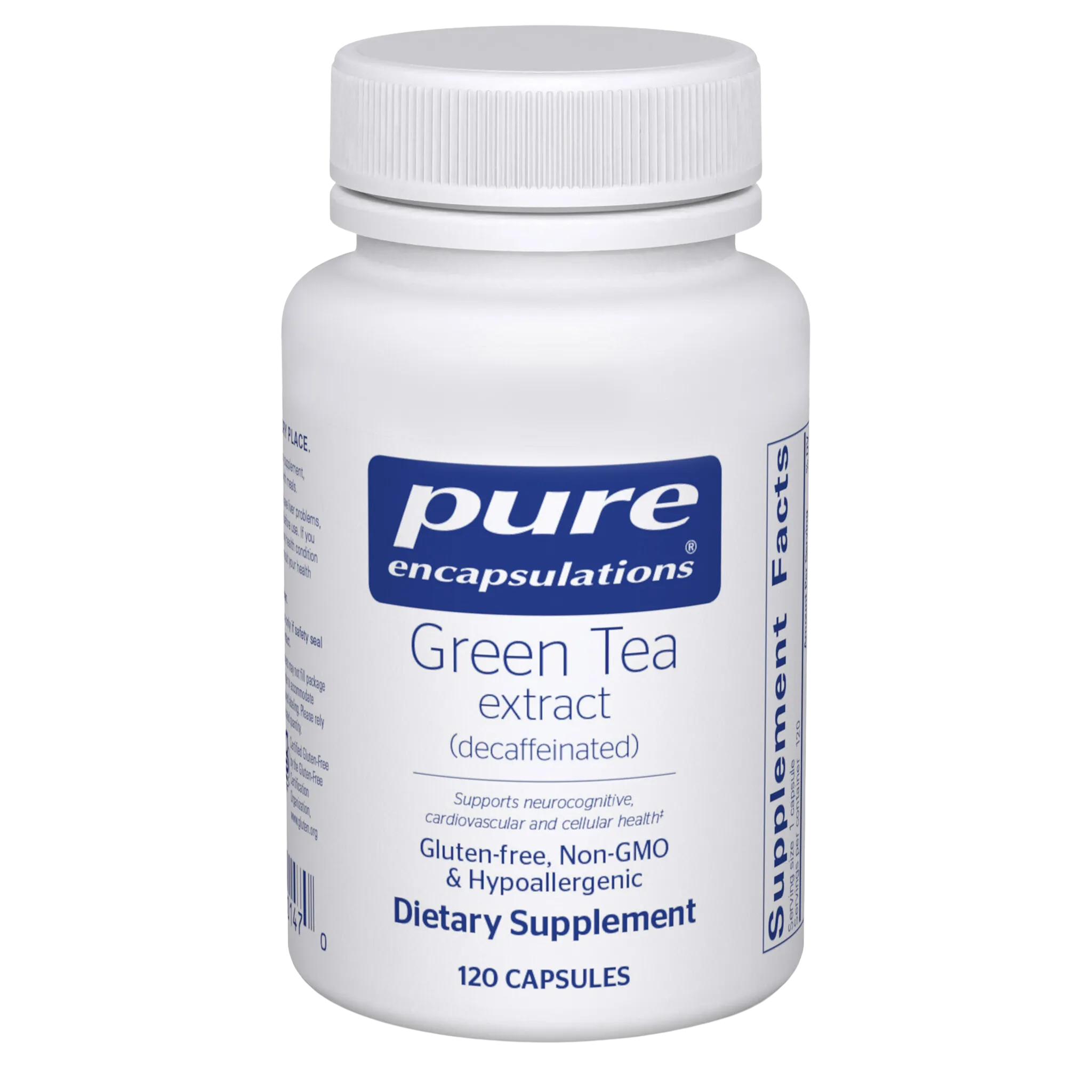
One natural compound that has garnered significant attention in both longevity research and chronic illness management is epigallocatechin gallate (EGCG), the most potent and abundant polyphenol found in green tea. While drinking a cup of green tea is a well-known health practice, highly concentrated, decaffeinated green tea extract offers a targeted, clinical-grade approach to supporting cellular health. By acting as a powerful antioxidant, a natural mast cell stabilizer, and a modulator of mitochondrial function, EGCG targets several of the core physiological disruptions seen in complex chronic conditions. Let’s explore the science behind decaffeinated green tea extract, how it interacts with your body at a molecular level, and how it may help support your recovery and resilience.
TL;DR
Decaffeinated green tea extract (EGCG) may help manage chronic inflammation and oxidative stress in complex conditions.
EGCG acts as a natural mast cell stabilizer, potentially reducing histamine release and allergic-like reactions.
Research suggests EGCG supports mitochondrial function, which may help combat profound cellular exhaustion and fatigue.
Always take EGCG with food to protect liver function, and consult a healthcare provider before use.
What is Decaffeinated Green Tea Extract?
The Power of Polyphenols and EGCG
Green tea extract is derived from the leaves of the Camellia sinensis plant and is exceptionally rich in a class of antioxidant compounds known as polyphenols, specifically catechins. In a healthy body, these compounds play a critical role in cellular defense, immune regulation, and longevity. The most biologically active and heavily researched of these catechins is epigallocatechin gallate (EGCG). In high-quality supplements, the extract is often standardized to contain a minimum of 90% total catechins and 70% EGCG, ensuring a potent and consistent dose of these active molecules.
At the molecular level, EGCG's unique chemical structure—comprising multiple hydroxyl groups and benzene rings—allows it to act on multiple cellular pathways simultaneously. It serves as a potent, direct scavenger of reactive oxygen species (ROS). When your cells produce energy or fight off pathogens, they generate ROS as a byproduct. If left unchecked, these unstable molecules cause oxidative stress, damaging cellular lipids, proteins, and DNA. EGCG neutralizes these free radicals before they can inflict structural damage, acting as a primary shield for cellular integrity.
The Nrf2 Pathway and Endogenous Antioxidants
Beyond simple free radical scavenging, EGCG acts as a sophisticated signaling molecule that modulates how our cells respond to stress and aging. It is a powerful activator of the Nrf2 (Nuclear factor-erythroid-2 related factor 2) pathway. Under normal, healthy conditions, Nrf2 is anchored in the cellular cytoplasm by an inhibitor protein called Keap1. When activated by EGCG, Nrf2 detaches from Keap1, translocates into the cell's nucleus, and binds to the Antioxidant Response Element (ARE).
This binding process is a critical survival mechanism. It triggers the massive production of the body's own endogenous (internally produced) antioxidant and detoxifying enzymes. These include superoxide dismutase (SOD), catalase, and glutathione peroxidase. By upregulating the Nrf2 pathway, EGCG doesn't just provide a temporary antioxidant effect; it fundamentally reprograms the cell to build a stronger, more resilient, and long-lasting defense system against chronic oxidative stress.
Cellular Recycling and Senolytic Activity
In addition to its antioxidant capacity, EGCG is deeply involved in maintaining cellular youth and function through a process called autophagy. Autophagy is the cell's internal "recycling" system, responsible for clearing out damaged organelles, misfolded proteins, and viral debris. As we age or face chronic illness, this vital recycling process often declines, leading to cellular congestion and dysfunction. EGCG helps prevent this decline by upregulating SIRT1 (Sirtuin 1), a crucial longevity enzyme that promotes autophagy and protects cells from premature death.
Furthermore, EGCG exhibits remarkable "senolytic" properties. Cellular senescence occurs when aging or severely damaged cells stop dividing but refuse to die. Instead, they linger in the tissues, secreting toxic inflammatory debris—often referred to as "zombie cells." EGCG helps the body identify and clear out dysfunctional cells by downregulating senescence-associated proteins like p16 and p21. By promoting the removal of these inflammatory cells and supporting the creation of fresh, healthy cellular components, EGCG plays a foundational role in maintaining tissue health and metabolic balance.
How Chronic Illness Impacts Cellular Health and Immune Function
The Vicious Cycle of Oxidative Stress and Neuroinflammation
In conditions like Long COVID and ME/CFS, the body's natural homeostasis is severely disrupted by persistent viral reservoirs, immune dysregulation, and chronic inflammation. One of the primary drivers of debilitating symptoms like "brain fog," cognitive impairment, and profound central fatigue is neuroinflammation. When the central nervous system is under constant attack from pro-inflammatory cytokines—such as Interleukin-6 (IL-6) and Tumor Necrosis Factor-alpha (TNF-α)—it generates massive amounts of oxidative stress within the brain.
This unchecked oxidative stress damages the delicate blood-brain barrier, making it "leaky" and allowing even more inflammatory molecules to enter the brain. It also impairs the function of microglial cells, the brain's primary immune and support system. Instead of protecting neurons, overactive microglia begin to attack healthy tissue, leading to the profound cognitive dysfunction and neurological exhaustion that patients experience daily. This neuroinflammatory state is a hallmark of immune dysregulation in complex chronic illnesses.
This systemic inflammation also heavily impacts the autonomic nervous system, contributing to conditions like dysautonomia and postural orthostatic tachycardia syndrome (POTS). In POTS, the autonomic nervous system struggles to regulate heart rate and blood vessel constriction, often resulting in blood pooling in the lower extremities and a racing heart upon standing. The chronic oxidative stress seen in Long COVID and ME/CFS damages the endothelial cells lining the blood vessels, worsening this vascular dysfunction and perpetuating the cycle of poor circulation and autonomic misfiring.
Mast Cell Activation and Histamine Overload
Another critical component of these complex chronic illnesses is mast cell activation syndrome (MCAS). Mast cells are a vital part of the immune system, stationed throughout the body to protect against pathogens and heal wounds. However, in MCAS, these cells become hyper-reactive and inappropriately release cascades of inflammatory mediators, including histamine, prostaglandins, and leukotrienes. This constant degranulation can be triggered by viral infections, stress, temperature changes, or even normal foods.
The continuous release of histamine and other mediators from overactive mast cells further fuels systemic inflammation and oxidative stress, creating a destructive feedback loop that exacerbates both ME/CFS and dysautonomia. The body's natural antioxidant defenses, including endogenous glutathione, become rapidly depleted as they try to neutralize the constant influx of inflammatory damage. This widespread allergic-like response leaves patients feeling constantly inflamed, reactive, and physically drained.
Mitochondrial Exhaustion and Energy Depletion
This relentless systemic inflammation and oxidative stress ultimately take a devastating toll on the body's mitochondria—the cellular "powerhouses" responsible for generating adenosine triphosphate (ATP), our primary source of energy. In Long COVID and ME/CFS, the mitochondria become damaged by reactive oxygen species, leading to severe bioenergetic failure. The electron transport chain, which drives ATP production, becomes sluggish and inefficient.
When the mitochondria can no longer produce enough ATP to meet the body's basic demands, cellular exhaustion sets in. This is the physiological root of post-exertional malaise (PEM), the defining symptom of ME/CFS where even minor physical or cognitive exertion triggers a severe exacerbation of symptoms, often referred to as a "crash." The body simply lacks the cellular energy currency required to function, heal, and recover.
Green Tea Extract: Supporting Cellular Defense and Immune Balance
Targeting Neuroinflammation and Oxidative Damage
Supplementing with a high-quality, standardized green tea extract provides a multi-targeted approach to disrupting the vicious cycles of chronic illness. Because EGCG is a relatively small, lipid-soluble molecule, it is capable of crossing the blood-brain barrier to exert direct neuroprotective effects. Once inside the central nervous system, EGCG actively blocks the NF-κB inflammatory signaling pathway. By inhibiting this master regulator of inflammation, EGCG halts the production of pro-inflammatory cytokines like IL-6 and TNF-α that drive brain fog and central nervous system fatigue.
Simultaneously, EGCG's activation of the Nrf2 pathway prompts the brain to synthesize its own endogenous antioxidant enzymes, helping to repair tissue damage and restore oxidative balance in the central nervous system. For patients dealing with the vascular and autonomic challenges of dysautonomia and POTS, EGCG offers unique support. Research has shown that EGCG directly activates the KCNQ5 potassium channel, which plays a crucial role in regulating cellular excitability and relaxing blood vessels. While this mechanism promotes healthy vascular tone, EGCG also suppresses microglial activation in the hypothalamus—the brain's autonomic control center—helping to calm the neurological pathways that govern heart rate and blood pressure regulation.
Stabilizing Mast Cells and Reducing Histamine
One of the most compelling applications of EGCG in chronic illness is its role as a natural mast cell stabilizer. Mast cells require an influx of calcium to trigger the degranulation process that releases histamine. EGCG physically inhibits this calcium from entering the mast cells. By blocking this crucial step, EGCG effectively halts the release of histamine and other inflammatory mediators before they can flood the system.
Furthermore, EGCG binds to specific receptors on the mast cell surface, specifically the 67 kDa laminin receptor (67LR). This interaction down-regulates the surface expression of the FcεRI receptor, which is the high-affinity IgE receptor that triggers allergic reactions. By essentially blocking the allergic signaling cascade at its source, and upregulating regulatory T cells (Tregs) that suppress immune overreactions, EGCG offers profound, multi-layered support for those managing MCAS and severe histamine intolerance.
Restoring Mitochondrial Function and ATP Production
Finally, EGCG plays a vital role in restoring cellular energy production. It acts as a major regulator of mitochondrial bioenergetics through a fascinating biological process known as "mitohormesis." When introduced to the cell, EGCG acts as a mild, reversible inhibitor of Complex I in the electron transport chain. This temporary inhibition causes a brief drop in ATP and a tiny burst of ROS, which acts as a mild stressor—essentially "vaccinating" the cell.
This mild stress activates powerful survival pathways, specifically the AMPK enzyme. The activation of AMPK upregulates PGC-1α (peroxisome proliferator-activated receptor gamma coactivator 1-alpha), which is the master transcriptional regulator of mitochondrial biogenesis. As a result, the cell is stimulated to create new, healthy mitochondria. By preserving the mitochondrial membrane potential and increasing the overall density of healthy mitochondria, EGCG helps increase baseline ATP production, directly combating the profound cellular exhaustion seen in ME/CFS and Long COVID.

Symptoms Decaffeinated Green Tea Extract May Help Manage
While green tea extract is not a cure for complex chronic conditions, its multi-targeted mechanisms of action may help manage several debilitating symptoms. Here is a breakdown of the specific areas where EGCG provides targeted support:
Neurological and Cognitive Symptoms
The neuroprotective properties of EGCG make it particularly relevant for the cognitive impairments that frequently accompany post-viral syndromes. By addressing the root cause of neuroinflammation, patients may experience improvements in mental clarity and neurological stamina.
Brain Fog and Cognitive Fatigue: By crossing the blood-brain barrier and reducing microglial activation, EGCG helps clear the inflammatory cytokines that impair memory, focus, and information processing.
Sensory Overload: Calming the central nervous system's inflammatory response can help reduce the heightened sensitivity to light, sound, and stimuli often experienced in ME/CFS and dysautonomia.
Sleep Disturbances: While not a sedative, reducing systemic neuroinflammation can help regulate the autonomic nervous system, potentially improving the quality of restorative sleep.
Energy and Physical Stamina
Cellular energy depletion is the hallmark of ME/CFS. By supporting the mitochondria directly, EGCG helps rebuild the foundational energy reserves required for daily functioning.
Post-Exertional Malaise (PEM): Through the stimulation of mitochondrial biogenesis and the enhancement of ATP production via the AMPK pathway, EGCG supports cellular energy reserves, potentially increasing the threshold for physical and mental exertion before a "crash" occurs.
Profound Systemic Fatigue: By neutralizing the oxidative stress that damages the electron transport chain, EGCG helps restore baseline energy production, making daily tasks feel less insurmountable.
Muscle Aches and Weakness: Improved mitochondrial function in muscle tissue, combined with systemic anti-inflammatory effects, can help alleviate the deep, heavy muscle aches associated with chronic fatigue.
Allergic and Autonomic Reactions
The interconnected nature of MCAS and POTS means that stabilizing mast cells often yields secondary benefits for autonomic regulation. EGCG addresses both pathways simultaneously.
Allergic-Like Reactions and Histamine Flares: As a potent mast cell stabilizer, EGCG inhibits the calcium influx required for degranulation, helping to mitigate the unpredictable systemic reactions, flushing, and gastrointestinal distress characteristic of MCAS.
Autonomic Dysregulation (POTS): By calming microglial activation in the brain's autonomic control centers (the hypothalamus) and supporting vascular endothelial health via potassium channel activation, EGCG may help stabilize erratic heart rates and blood pressure fluctuations.
Systemic Tissue Pain: By blocking the NF-κB inflammatory pathway, EGCG can help reduce the widespread, migrating tissue and joint pain driven by chronic immune dysregulation.
Practical Considerations: Forms, Dosing, and Safety
Bioavailability and the Importance of Fasting vs. Food
When considering green tea extract supplementation, understanding bioavailability is crucial. EGCG is notoriously difficult for the human body to absorb; its baseline oral bioavailability is often less than 2%. This is because it is a large, complex molecule that is rapidly metabolized by liver enzymes (specifically through glucuronidation) and heavily broken down by gut microbiota before it can reach systemic circulation. To maximize absorption, pharmacokinetic literature suggests that taking green tea extract on an empty stomach (fasting) can increase its maximum concentration in the blood by up to 5-fold compared to taking it with food.
However, this increased absorption comes with a significant and critical safety caveat. Taking highly concentrated EGCG on an empty stomach results in a massive, rapid spike in blood concentration. This sudden influx can overwhelm the liver's metabolic capacity, drastically increasing the risk of hepatotoxicity (liver injury). Therefore, despite the lower absorption rate, major regulatory bodies and functional medicine practitioners strongly advise taking green tea extract with a meal to protect liver function. Combining the extract with Vitamin C can also help protect the catechins in the digestive tract and modestly improve systemic absorption without the severe risks associated with fasting.
Why Decaffeinated is Essential for Chronic Illness
For patients with dysautonomia, POTS, or MCAS, choosing a decaffeinated green tea extract is absolutely essential. Standard green tea contains caffeine, which stimulates the sympathetic nervous system and triggers the release of adrenaline. For a patient with POTS, this can rapidly exacerbate severe tachycardia (rapid heart rate), heart palpitations, tremors, and anxiety—worsening the core symptoms of autonomic dysfunction.
Furthermore, brewed liquid green tea, especially fermented or aged varieties, can act as a histamine liberator. Liquid tea can also suppress Diamine Oxidase (DAO), the primary enzyme responsible for breaking down food-derived histamine in the gut. For someone with MCAS or histamine intolerance, drinking regular green tea can trigger a massive symptom flare. A high-quality, decaffeinated extract provides the clinical, mast-cell-stabilizing benefits of EGCG without triggering a sympathetic adrenaline spike or a gut-based histamine reaction.
Liver Safety and Genetic Susceptibilities
While green tea extract is generally safe for most people when taken at recommended doses with food, it is important to be aware of potential liver toxicity. GTE-induced liver injury is largely idiosyncratic, meaning it unpredictably affects specific susceptible individuals based on their genetics. Variations in the HLA-B*35:01 immune system gene or the UGT1A4 metabolic gene can alter how efficiently the liver processes EGCG, making some individuals more prone to elevated liver enzymes (ALT and AST).
It is widely noted in clinical literature that high doses of EGCG (typically over 800 mg per day) are firmly linked to liver enzyme elevation, making it critical to stick to the suggested use (often 100-400 mg daily) and to never exceed the recommended dosage. Always consult with your healthcare provider before starting green tea extract, especially if you have pre-existing liver conditions or are taking medications that metabolize through the liver. If you experience symptoms like nausea, dark urine, right-sided abdominal pain, or yellowing of the skin/eyes (jaundice), discontinue use immediately and seek medical attention.

Follow the Science: EGCG in Chronic Illness Research
Clinical Evidence in ME/CFS and Neuroinflammation
The scientific literature provides compelling evidence for EGCG's therapeutic potential in post-viral and chronic fatigue syndromes. In animal models of immunologically induced chronic fatigue, researchers utilized a lipopolysaccharide (LPS) and Brucella abortus injection to mimic the viral/bacterial onset often seen in human ME/CFS. In these models, chronic treatment with EGCG successfully restored depleted levels of endogenous antioxidants (like superoxide dismutase and glutathione) in the brain.
This restoration directly correlated with the suppression of pro-inflammatory cytokines (TNF-α and TGF-β) and the complete reversal of fatigue behaviors, prolonged immobility, and thermal hyperalgesia. In another water-immersion stress model, oral administration of EGCG protected the brain, spleen, and thymus from stress-induced damage, validating EGCG's ability to repair the underlying oxidative damage and brain inflammation that drive ME/CFS symptoms.
Breakthroughs in Long COVID and Viral Reservoirs
In the context of Long COVID, recent developments are highly promising. A recent preprint surveyed 3,925 patients on treatment outcomes in ME/CFS and Long COVID, finding that patients shared similar symptom profiles and treatment responses, highlighting the importance of patient-reported real-world evidence. Separately, other literature has explored EGCG's role as a potent zinc ionophore—meaning it helps transport zinc across the cell membrane, improving cellular utilization of zinc to block viral replication and modulate the immune response. This mechanism is crucial for patients dealing with persistent viral activity and immune exhaustion.
Furthermore, researchers at Augusta University are currently developing lipid-soluble EGCG nasal sprays (EC16m) designed to clear persistent SARS-CoV-2 viral reservoirs in the olfactory mucosa. These mucoadhesive nanoformulations aim to halt neuroinvasion at the source, resolving the downstream central nervous system neuroinflammation that causes Long COVID brain fog and persistent loss of smell. Early in vitro data shows these formulations can inhibit viral replication by over 99%, representing a cutting-edge application of EGCG.
Mast Cell Stabilization and Mitohormesis
EGCG's role as a mast cell stabilizer is also heavily documented in recent literature. A 2025 in vivo study evaluating the anti-allergic activity of EGCG found that its administration led to a dose-dependent inhibition of proinflammatory cytokines and histamine concentrations, resulting in strong suppression of mast cell degranulation. Functional medicine research often compares the mast-cell-stabilizing activities of green tea extract to pharmaceutical interventions like Ketotifen, highlighting its efficacy in down-regulating the allergic signaling cascade without the side effects of traditional antihistamines.
Regarding cellular energy, studies have proven that EGCG acts as a major regulator of mitochondrial bioenergetics. Research published in PLOS One demonstrated that green tea polyphenols successfully stimulated mitochondrial biogenesis and improved renal function in rats exposed to chronic Cyclosporin A treatment, recovering vital ATP synthase proteins to near-normal levels. Another landmark study on C. elegans and mice showed that EGCG's transient inhibition of Complex I in the electron transport chain triggered an adaptive stress response (mitohormesis) that ultimately restored ATP levels, reduced reactive oxygen species below baseline, and significantly extended lifespan and physical fitness.
The Path Forward
Validating Your Experience
Navigating life with a complex chronic illness like Long COVID, ME/CFS, dysautonomia, or MCAS requires immense resilience. It is completely valid to feel frustrated by the unpredictable nature of your symptoms, the profound exhaustion of post-exertional malaise, and the lack of simple answers in modern medicine. When standard lab tests fail to capture the severity of your daily struggles, it can be incredibly isolating. However, the emerging science surrounding neuroinflammation, mitochondrial dysfunction, and mast cell activation validates that your symptoms are rooted in real, measurable physiological disruptions.
While there is no single magic pill or overnight cure for these conditions, understanding the underlying mechanisms of your illness empowers you to make targeted, science-backed choices for your health. You are not alone in this journey, and there is a growing body of research dedicated to unraveling the complexities of post-viral and chronic fatigue syndromes to provide better, more effective management strategies.
Building a Comprehensive Strategy
Decaffeinated green tea extract, with its potent concentration of EGCG, offers a compelling, multi-faceted approach to supporting your body at the cellular level. By stabilizing mast cells, reducing central nervous system inflammation, and promoting mitochondrial energy production, it addresses several core physiological disruptions simultaneously. It serves as a powerful tool for enhancing your body's natural antioxidant defenses and supporting long-term cellular resilience.
However, supplements are most effective when integrated into a comprehensive management strategy. This includes careful pacing to avoid PEM, diligent symptom tracking, dietary modifications to support immune health, and personalized medical guidance. Always consult your healthcare provider before introducing new supplements like green tea extract, especially to ensure they align with your unique health profile, genetic susceptibilities, and current medications. With the right tools and support, it is possible to improve your quality of life and reclaim a sense of balance.