Can Grapefruit Seed Extract Support Gut Health in Long COVID and MCAS?
March 5, 2026
Grapefruit Seed ExtractLong COVIDGut Health
Share:
Disclaimer: The information provided here is for educational purposes only and is not intended as medical advice. It should not be used to diagnose, treat, cure, or prevent any medical condition. Instead, use it as a starting point for discussion with your healthcare provider. Always consult with a qualified healthcare provider before starting any new medication, supplement, device, or making changes to your health regimen.
Months or even years after an initial SARS-CoV-2 infection, many individuals find themselves trapped in a bewildering maze of systemic symptoms, a condition we now recognize as Long COVID. For those living with Long COVID, myalgic encephalomyelitis/chronic fatigue syndrome (ME/CFS), dysautonomia, and mast cell activation syndrome (MCAS), the journey is often marked by debilitating fatigue, unpredictable cognitive dysfunction, and profound gastrointestinal distress. If you are navigating this complex landscape, you already know that these conditions do not exist in isolation; they are deeply interconnected, often creating a vicious cycle of inflammation and immune dysregulation that can feel impossible to break. When standard medical tests return "normal" results despite your very real suffering, it is easy to feel dismissed and overwhelmed. However, emerging research is shining a bright light on a crucial, often overlooked piece of the chronic illness puzzle: the gut microbiome.
The gastrointestinal tract is far more than just a digestive organ; it is the command center for your immune system, housing trillions of microorganisms that dictate systemic health. In the wake of viral infections or chronic inflammatory states, this delicate ecosystem can become profoundly destabilized, leading to a cascade of symptoms that radiate throughout the entire body. As patients and practitioners search for targeted, science-backed tools to restore this foundational balance, natural compounds like Grapefruit Seed Extract (GSE) are gaining significant attention. Rich in potent citrus bioflavonoids, GSE offers a multifaceted approach to gut restoration. In this comprehensive guide, we will explore the intricate biological mechanisms behind Grapefruit Seed Extract, how it interacts with the gut microbiome, and why it may be a valuable ally in managing the complex gastrointestinal and systemic symptoms of Long COVID and related chronic conditions.
TL;DR
Grapefruit Seed Extract (GSE) supports gut microbiome balance and may help manage chronic inflammation.
GSE flavonoids act as prebiotics, promoting beneficial bacteria and short-chain fatty acid production.
GSE may help restore the intestinal barrier, potentially reducing "leaky gut" and systemic symptoms.
Consult a doctor before use, as GSE strongly interacts with medications metabolized by the CYP3A4 enzyme.
What is Grapefruit Seed Extract?
The Natural Power of Citrus Bioflavonoids
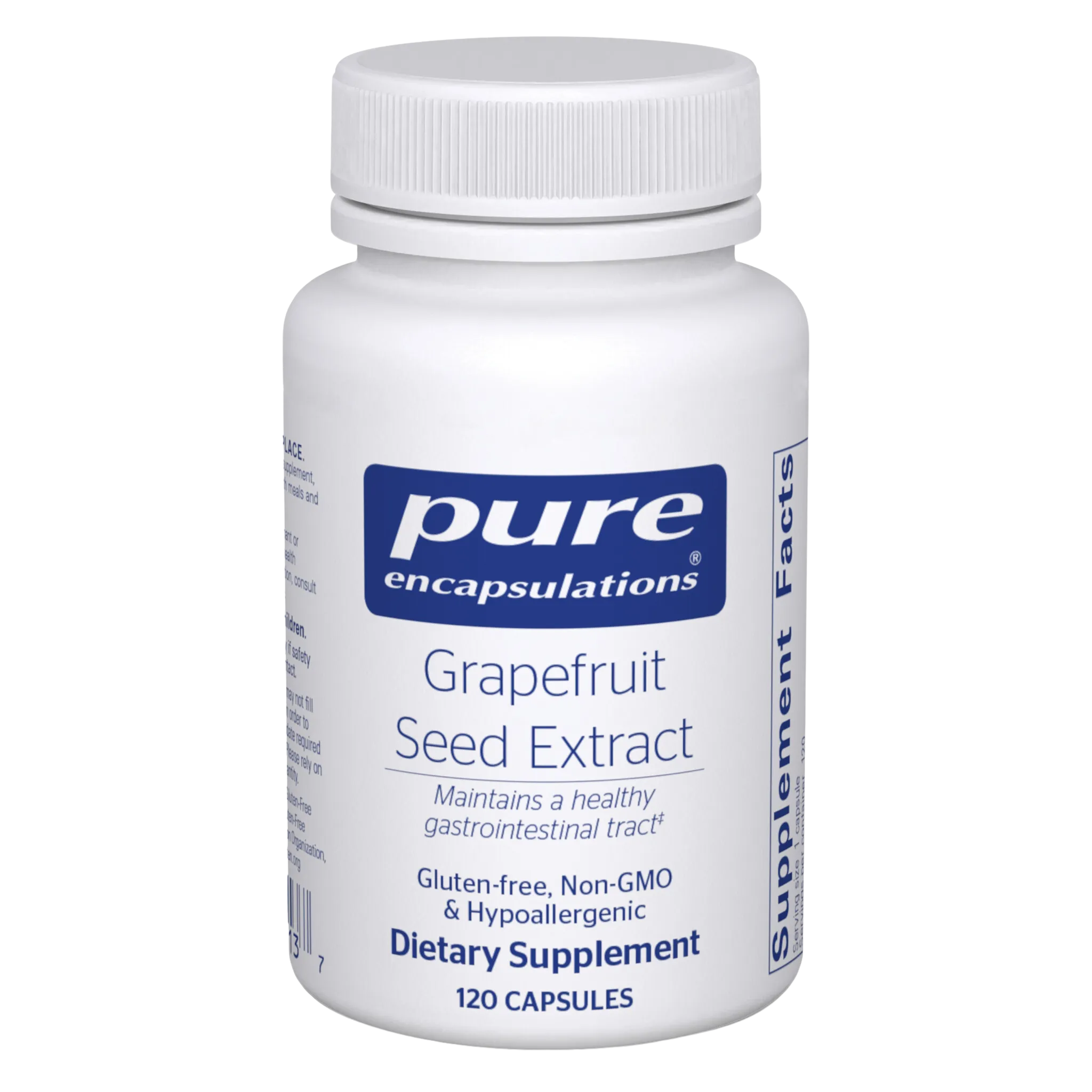
Grapefruit Seed Extract (GSE) is a highly concentrated nutritional supplement derived from the seeds, pulp, and white membranes of the grapefruit (Citrus x paradisi). While grapefruits are widely known for their vitamin C content, the true therapeutic power of the seeds and pulp lies in their dense concentration of naturally occurring phytochemicals known as citrus bioflavonoids. Flavonoids are a diverse group of plant-based compounds that serve as the plant's natural defense system against environmental stressors, pathogens, and oxidative damage. When consumed by humans, these same compounds exert profound biological effects, acting as powerful antioxidants, anti-inflammatory agents, and modulators of cellular signaling pathways. In the context of high-quality, professional-grade supplements like Pure Encapsulations' Grapefruit Seed Extract, these bioflavonoids are carefully extracted to provide targeted support for gastrointestinal health and microbial balance.
The most prominent and extensively researched flavonoids found within Grapefruit Seed Extract are the flavanones naringin and hesperidin. In their natural state within the plant, these compounds exist as glycosides, meaning they are attached to a sugar molecule. This structural configuration makes them highly stable but relatively difficult for human digestive enzymes in the stomach and upper small intestine to break down. As a result, a significant portion of these flavonoids travels intact through the digestive tract until they reach the colon. This journey is not a failure of digestion, but rather a brilliant evolutionary design that allows these potent compounds to reach the exact location where they are needed most: the dense microbial ecosystem of the large intestine.
Naringenin and Hesperetin at the Molecular Level
To understand how Grapefruit Seed Extract works, we must look at what happens when these complex flavonoids finally arrive in the colon. Here, they encounter trillions of gut bacteria. Specific beneficial bacterial strains, such as Bifidobacterium and Lactobacillus, possess specialized enzymes, primarily α-rhamnosidase and β-glucosidase. These bacterial enzymes act like molecular scissors, cleaving the sugar molecules away from the naringin and hesperidin. This enzymatic cleavage transforms the compounds into their highly bioactive, absorbable "aglycone" forms: naringenin and hesperetin. This transformation is a perfect example of a symbiotic relationship; the bacteria get a fuel source from the cleaved sugar, and the human host receives the potent, biologically active flavonoids.
Once liberated, naringenin and hesperetin can easily cross the intestinal epithelial barrier and enter the bloodstream, where they exert systemic effects. At the molecular level, naringenin is a master regulator of inflammation. It actively interacts with intracellular signaling pathways, most notably inhibiting the Nuclear Factor kappa B (NF-κB) pathway. NF-κB is a protein complex that controls transcription of DNA, cytokine production, and cell survival; it is essentially the "master switch" for inflammation in the body. By downregulating NF-κB, naringenin prevents the cellular machinery from churning out pro-inflammatory cytokines like Interleukin-6 (IL-6) and Tumor Necrosis Factor-alpha (TNF-α). A 2024 comprehensive review published in Microorganisms detailed how this specific mechanism makes naringenin an incredibly promising compound for mitigating the chronic inflammatory states seen in complex illnesses.
The Prebiotic Biotransformation Process
The interaction between Grapefruit Seed Extract flavonoids and the gut microbiome is a fascinating "two-way street." Not only do the gut bacteria metabolize the flavonoids to make them bioavailable, but the flavonoids themselves fundamentally alter the composition of the microbiome. This is known as a prebiotic effect. Unlike traditional fiber-based prebiotics, which simply provide bulk fuel for bacteria, polyphenols like naringenin exert a selective, modulating influence. They actively encourage the proliferation of beneficial, health-promoting bacterial strains while simultaneously creating an inhospitable environment for opportunistic or pathogenic microbes.
As the beneficial bacteria ferment these citrus flavonoids, they produce vital metabolic byproducts known as short-chain fatty acids (SCFAs), primarily butyrate, acetate, and propionate. Butyrate, in particular, is the primary energetic fuel for colonocytes (the cells lining the colon). It is required to maintain the structural integrity of the gut lining, regulate local immune responses, and keep intestinal inflammation in check. Studies utilizing in vitro colon simulations have demonstrated that the introduction of naringin and hesperetin derivatives significantly enhances the growth of Bifidobacterium and markedly reduces the production of toxic gut gases like hydrogen sulfide and ammonia. Through this prebiotic biotransformation process, Grapefruit Seed Extract acts as an ecological architect, actively rebuilding a damaged gut environment from the ground up.
How Chronic Illness Impacts the Gut Microbiome
Viral Persistence and Gut Dysbiosis in Long COVID
To understand why Grapefruit Seed Extract is so relevant for patients with complex chronic conditions, we must first examine how these illnesses dismantle gastrointestinal health. In the case of Long COVID, the initial SARS-CoV-2 infection is not merely a respiratory event; it is a profound systemic assault that heavily targets the gut. The virus gains entry into human cells by binding to Angiotensin-Converting Enzyme 2 (ACE2) receptors. Because the epithelial cells lining the intestines express some of the highest concentrations of ACE2 receptors in the entire human body, the gut becomes a primary site of viral replication and localized immune warfare. Research consistently shows that this localized infection triggers a massive disruption of the gut microbiome, a state known as dysbiosis.
Dysbiosis is characterized by a loss of microbial diversity, a drastic reduction in beneficial, SCFA-producing bacteria (like Faecalibacterium and Bifidobacterium), and an overgrowth of pro-inflammatory, opportunistic pathogens. What makes Long COVID particularly insidious is the phenomenon of viral persistence. Reviews on leaky gut and its treatments highlight the profound impact of intestinal permeability, while separate studies have detected SARS-CoV-2 RNA and viral proteins in the fecal specimens and intestinal biopsies of patients many months, and sometimes years, after their acute infection has resolved. This lingering viral reservoir acts as a constant irritant, perpetually triggering the local immune system, maintaining a state of chronic low-grade inflammation, and preventing the microbiome from naturally rebalancing itself. Learn more about the specific Gastrointestinal Symptoms Seen with Long COVID to understand the clinical presentation of this dysbiosis.
Intestinal Permeability and the "Leaky Gut" Cycle
The chronic inflammation driven by viral persistence and dysbiosis inevitably damages the physical structure of the intestinal lining. A healthy gut barrier is semi-permeable; it relies on complex protein structures called tight junctions (specifically proteins like zonula occludens-1 [ZO-1], claudins, and occludin) to act as selective gatekeepers. These tight junctions allow microscopic nutrients to pass into the bloodstream while blocking larger, harmful molecules, undigested food particles, and bacterial toxins. However, when the gut is inflamed and starved of butyrate (due to the loss of beneficial bacteria), these tight junctions degrade and pull apart. This condition is medically termed intestinal permeability, though it is commonly known as "leaky gut."
When the intestinal barrier becomes compromised, a vicious cycle begins. Lipopolysaccharides (LPS), which are toxic structural components of the cell walls of Gram-negative bacteria, leak from the gut lumen directly into the systemic circulation. This phenomenon is known as metabolic endotoxemia. Once in the bloodstream, LPS binds to Toll-like receptor 4 (TLR4) on immune cells throughout the body, triggering a massive, systemic inflammatory response. The immune system, sensing these bacterial toxins in the blood, launches a continuous attack, leading to the widespread, multi-systemic symptoms that characterize What Causes Long COVID and ME/CFS. The gut is no longer just a victim of the illness; it becomes a primary driver of the ongoing disease state.
The Gut-Brain Axis and Systemic Inflammation
The consequences of intestinal permeability extend far beyond the digestive tract, profoundly impacting the central nervous system via the gut-brain axis. The gut and the brain are in constant bidirectional communication through the vagus nerve, immune signaling, and microbial metabolites. When systemic endotoxemia occurs due to a leaky gut, the resulting flood of pro-inflammatory cytokines (like IL-6 and TNF-α) circulates to the brain. These inflammatory molecules can compromise the blood-brain barrier, allowing toxins to enter the delicate neural environment and activate microglia, the brain's resident immune cells.
This resulting neuroinflammation is heavily implicated in the severe cognitive and neurological symptoms experienced by patients with Long COVID, ME/CFS, and dysautonomia. It is the biological mechanism underlying the debilitating "brain fog," memory deficits, autonomic nervous system dysfunction (such as Postural Orthostatic Tachycardia Syndrome, or POTS), and profound neuroimmune fatigue. Furthermore, the constant state of systemic immune activation depletes cellular energy reserves, contributing directly to the post-exertional malaise (PEM) that defines ME/CFS. Understanding this gut-brain connection is crucial, as it highlights why healing the gut is an essential step in addressing neurological and autonomic symptoms. You can explore more about these systemic connections in our article, Can Long COVID Trigger ME/CFS? Unraveling the Connection.
Grapefruit Seed Extract: Supporting Microbial Balance and Gut Function
Modulating the Microbiome and SCFA Production
Grapefruit Seed Extract, through its dense concentration of naringin and hesperidin, offers a targeted intervention to disrupt the vicious cycles of dysbiosis and inflammation. As discussed, when these flavonoids reach the colon, they act as selective prebiotics. By feeding beneficial bacteria like Lactobacillus and Bifidobacterium, GSE helps to outcompete and suppress the opportunistic pathogens that have overgrown during the illness. This modulation of the microbial ecosystem is not a subtle shift; simulated fermentation studies have shown that the introduction of these specific citrus flavonoids significantly alters the microbial landscape within just 24 hours, decreasing potentially pathogenic bacteria like Lachnoclostridium while boosting beneficial strains.
The most critical downstream effect of this microbial modulation is the massive upregulation of short-chain fatty acid (SCFA) production, specifically butyrate. Butyrate is the ultimate healing compound for the gastrointestinal tract. By increasing butyrate levels, Grapefruit Seed Extract provides the essential energy that colonocytes need to repair themselves and regenerate the damaged mucosal lining. Furthermore, butyrate binds to specific G-protein-coupled receptors on immune cells within the gut-associated lymphoid tissue (GALT), actively suppressing local inflammatory responses and promoting immune tolerance. This helps to quiet the localized immune warfare that was triggered by viral persistence or chronic dysbiosis.
Restoring Tight Junctions and Barrier Integrity
Beyond increasing butyrate, the active metabolite naringenin exerts direct, powerful effects on the physical structure of the intestinal barrier. To heal a "leaky gut," the body must synthesize and deploy new tight junction proteins to seal the gaps between epithelial cells. Naringenin has been shown to directly stimulate this repair process. A highly detailed 2024 review in Microorganisms highlighted that naringenin alleviates the decrease in colonic protein levels caused by inflammation, specifically preventing the degradation of critical tight junction proteins like ZO-1, claudin-1, and occludin.
By upregulating the expression of these structural proteins, naringenin effectively "zips up" the leaky gut. This restoration of barrier integrity is perhaps the most crucial step in halting the progression of chronic systemic symptoms. When the tight junctions are secure, lipopolysaccharides (LPS) and other bacterial endotoxins can no longer translocate into the bloodstream. This cuts off the fuel supply for the systemic cytokine storm, allowing the hyperactive immune system to finally stand down. As systemic inflammation decreases, the burden on the central nervous system is lifted, which can lead to a gradual reduction in neuroinflammation and brain fog.
Natural Antimicrobial and Antifungal Properties
In addition to its prebiotic and barrier-repairing properties, Grapefruit Seed Extract is widely utilized in functional medicine for its broad-spectrum antimicrobial and antifungal capabilities. Patients with Long COVID, ME/CFS, and dysautonomia frequently suffer from secondary gastrointestinal infections, such as Small Intestinal Bacterial Overgrowth (SIBO) or Candida albicans (yeast) overgrowth, due to their compromised immune states and altered gut motility. These overgrowths produce their own toxic metabolites and heavily exacerbate systemic symptoms.
The natural compounds in GSE help to manage these opportunistic overgrowths by disrupting the cell walls of pathogens and breaking down the protective biofilms they use to hide from the immune system. In vitro testing on fungal overgrowth has demonstrated that GSE solutions can successfully reduce Candida albicans biofilms, disrupting both yeast and hyphal forms. Furthermore, research has shown that GSE can effectively inhibit the growth of severe bacterial pathogens like Clostridioides difficile (C. diff) at very low concentrations. By gently clearing out these pathogenic overgrowths, GSE creates a clean slate, allowing the beneficial, SCFA-producing bacteria to thrive and re-establish a healthy ecological balance.
Mast Cell Stabilization and Histamine Management
For patients dealing with Mast Cell Activation Syndrome (MCAS) or severe histamine intolerance—conditions that frequently co-occur with Long COVID and dysautonomia—Grapefruit Seed Extract offers highly specific therapeutic benefits. Mast cells are immune cells that reside in connective tissues, including the gut lining, and are responsible for releasing histamine and inflammatory cytokines in response to triggers. In MCAS, these cells become hyper-reactive, degranulating inappropriately and causing widespread allergic-type symptoms, gastrointestinal distress, and autonomic flares.
The flavonoid naringenin acts as a potent, natural mast cell stabilizer. Separate in vitro studies demonstrate that naringenin chalcone (a precursor form) strongly inhibits the release of histamine from mast cells in a dose-dependent manner. It achieves this by downregulating the Janus kinase (JAK)-signal transducer and activator of transcription (STAT) pathway, and by lowering intracellular calcium levels, which prevents the mast cell from degranulating. Furthermore, by treating underlying gut dysbiosis and SIBO—which are major root-cause triggers for MCAS, as overgrown bacteria produce massive amounts of exogenous histamine—GSE helps lower the overall systemic histamine burden, providing profound relief for highly sensitive patients.

Symptoms Grapefruit Seed Extract May Help Manage
Targeted Symptom Relief Through Gut Restoration
Because Grapefruit Seed Extract targets foundational mechanisms—gut microbiome balance, intestinal permeability, and systemic inflammation—its benefits can ripple outward, addressing a wide array of symptoms associated with complex chronic illnesses. While individual responses will always vary based on the root causes of a patient's condition, clinical experience and emerging research suggest that GSE may help manage the following specific symptoms:
Severe Brain Fog and Cognitive Dysfunction: By repairing the intestinal barrier (tight junctions) and stopping the leakage of bacterial endotoxins (LPS) into the bloodstream, GSE helps cut off the inflammatory signaling that drives neuroinflammation via the gut-brain axis, potentially improving mental clarity and focus.
Gastrointestinal Distress (Bloating, Gas, Altered Motility): The antimicrobial properties of GSE help manage opportunistic overgrowths like SIBO and Candida, which are notorious for producing excess gas and disrupting normal bowel motility. Simultaneously, the prebiotic flavonoids promote beneficial bacteria that soothe the gut lining.
Histamine Intolerance and MCAS Flares: Naringenin acts directly on mast cells to inhibit degranulation and histamine release. Furthermore, by clearing out histamine-producing bacteria in the gut, GSE lowers the total systemic histamine load, reducing allergic-type reactions, skin flushing, and food sensitivities.
Systemic Fatigue and Post-Exertional Malaise (PEM): Chronic immune activation is a massive drain on cellular energy (ATP) production. By downregulating the NF-κB inflammatory pathway and suppressing the cytokine storm, GSE helps conserve cellular energy resources, potentially raising the baseline threshold before a PEM crash occurs.
Autonomic Nervous System Flares (POTS Symptoms): Systemic inflammation and histamine release are major triggers for autonomic dysfunction, leading to tachycardia, blood pressure swings, and dizziness. By stabilizing mast cells and reducing endotoxemia, GSE helps remove the inflammatory stressors that constantly agitate the autonomic nervous system.
Practical Considerations: Forms, Dosing, and Absorption
Bioavailability and the Role of Gut Bacteria
When considering Grapefruit Seed Extract supplementation, understanding bioavailability is crucial. As we have explored, the primary active flavonoids in GSE, naringin and hesperidin, are large, complex molecules that are poorly absorbed in the upper gastrointestinal tract. Their therapeutic efficacy relies almost entirely on their successful transit to the colon and their subsequent biotransformation by your gut bacteria into the highly absorbable aglycones, naringenin and hesperetin. This unique pharmacokinetic profile means that the effectiveness of GSE is deeply intertwined with the current state of your microbiome.
Because patients with Long COVID, ME/CFS, and dysautonomia often have severely depleted populations of the specific bacteria required to perform this enzymatic cleavage (like Bifidobacterium), it may take time for the full benefits of GSE to manifest. As you begin supplementation, the flavonoids will slowly start to feed and rebuild these bacterial populations. Over time, as the beneficial bacteria multiply, your body's ability to extract and absorb the active naringenin will increase, creating a positive feedback loop of healing. This is why consistency is key; Grapefruit Seed Extract is not a quick-fix symptom mask, but rather a foundational tool for long-term ecological restoration in the gut.
Dosage and Administration Guidelines
For professional-grade supplements like Pure Encapsulations' Grapefruit Seed Extract, the standard suggested use is 1 capsule (containing 250 mg of concentrated extract) taken 1 to 4 times daily. Because GSE is a potent botanical extract, it is generally recommended to take it with meals and a full glass (6-8 oz) of water to minimize any potential gastric irritation. Taking it with food can also help stimulate the release of digestive enzymes and bile, which may assist in the overall digestive process and the breakdown of the capsule.
When introducing any new supplement, especially one with antimicrobial and prebiotic properties, patients with complex chronic illnesses should always practice the "start low and go slow" approach. Begin with a single capsule daily and monitor your body's response for several days before considering an increase in dosage. Rapidly altering the gut microbiome or rapidly killing off pathogenic overgrowths (like Candida or SIBO) can sometimes trigger a temporary exacerbation of symptoms, commonly known as a Herxheimer reaction or "die-off" effect. This occurs when dying pathogens release a flood of endotoxins into the system. Starting with a low dose helps mitigate this risk and allows your body to gently adapt to the shifting microbial landscape.
Crucial Safety Warning: The CYP3A4 Enzyme Interaction
While Grapefruit Seed Extract offers profound benefits, it comes with a critical safety warning that is of paramount importance for patients with dysautonomia, POTS, MCAS, and Long COVID. The very same flavonoids that make GSE so effective—specifically naringin and naringenin—are powerful inhibitors of the Cytochrome P450 3A4 (CYP3A4) enzyme system in the liver and small intestine. The CYP3A4 enzyme is responsible for metabolizing and clearing nearly 50% of all prescription medications currently on the market.
When you consume GSE, naringenin binds to and blocks the CYP3A4 enzymes. If you are taking a medication metabolized by this pathway, the drug cannot be broken down normally. Instead, it enters your bloodstream in much higher concentrations than intended, staying in your system longer and potentially building up to toxic levels. This is commonly known as the "grapefruit effect." For patients with dysautonomia or MCAS, this is highly relevant, as many common medications—including heart rate-lowering drugs like ivabradine (Corlanor), certain beta-blockers, statins, benzodiazepines, and various antihistamines—are metabolized by CYP3A4. Taking GSE alongside these medications can cause dangerous drops in heart rate, severe hypotension, or extreme sedation. You must consult with your prescribing healthcare provider or a pharmacist before starting Grapefruit Seed Extract if you are taking any prescription medications. They can review your medication list for specific CYP3A4 interactions and advise you on whether GSE is safe for your unique medical protocol. You can learn more about the medications commonly used in this patient population in our guide, What Drugs Are Used for COVID Long Haulers?.

Follow the Science
Clinical Evidence for Flavonoids and Gut Health
The scientific understanding of how citrus bioflavonoids interact with the human body has expanded rapidly in recent years, moving beyond simple antioxidant theories to complex microbiome modulation. A pivotal 12-week randomized, double-blind, placebo-controlled clinical trial evaluated a standardized extract of hesperidin and naringin in human subjects with mild, chronic gut inflammation. The researchers utilized advanced fecal analysis and found that the flavonoid extract significantly increased the proportion of butyrate relative to total SCFAs in the gut. This increase in butyrate correlated directly with measurable, statistically significant reductions in biomarkers of gut inflammation, providing robust clinical evidence for the prebiotic and barrier-healing mechanisms discussed earlier.
Dynamic in vitro colon simulation models (such as the TIM-2 model) have allowed researchers to observe the exact metabolic fate of citrus compounds. When researchers introduced citrus fruit extracts high in hesperidin and naringin at doses of 250 mg and 350 mg/day over a 3-day period, they observed a clear, dose-dependent increase in beneficial SCFA-producing bacteria, specifically Roseburia spp., Eubacterium ramulus, and Bacteroides eggerthii. These studies confirm that the flavonoids in Grapefruit Seed Extract survive upper digestion and actively reshape the colonic ecosystem.
Naringenin's Impact on the Cytokine Storm
In the specific context of SARS-CoV-2 and Long COVID, the active metabolite naringenin has been the subject of intense immunological research. A comprehensive 2024 review published in Microorganisms synthesized the current data on naringenin as a therapeutic agent for COVID-19 sequelae. The literature demonstrates that naringenin acts as a potent inhibitor of the systemic cytokine storm, specifically targeting and suppressing Interleukin-6 (IL-6), which is the primary pro-inflammatory factor responsible for the multi-system damage seen in Long COVID. By inhibiting the NF-κB and MAPK signaling pathways, naringenin effectively dampens systemic inflammation, offering a scientifically grounded rationale for its use in managing the chronic inflammatory states of Long COVID and ME/CFS.
Research on Antimicrobial Efficacy
The antimicrobial properties of Grapefruit Seed Extract have also been extensively documented, particularly its ability to combat opportunistic pathogens that thrive in a dysbiotic gut. Recent in vitro and in vivo studies investigated GSE's efficacy against Clostridioides difficile (C. diff), a severe and notoriously difficult-to-treat pathogen that frequently takes over during antibiotic-induced dysbiosis. The research found that GSE effectively inhibited the growth of C. difficile at a remarkable Minimal Inhibitory Concentration (MIC) of just 40 ppm. Furthermore, in mouse models, GSE significantly reduced *C. difficile colonization in the cecum, suppressed colon inflammation, and shifted the gut microbiome composition by enhancing the relative abundance of beneficial bacteria. Separate literature on mast cell stabilization has shown that naringenin chalcone strongly inhibits the release of histamine from mast cells, with an IC50 of 68 μg/mL, making it a highly efficient natural inhibitor of allergic and inflammatory responses.
The Path Forward
A Holistic Approach to Gut Restoration
Living with Long COVID, ME/CFS, dysautonomia, or MCAS is a daily exercise in resilience. The unpredictable nature of these symptoms, coupled with the profound fatigue and cognitive challenges, can make the path to healing feel incredibly daunting. It is vital to remember that your symptoms are real, they are rooted in complex physiological disruptions, and you are not alone in navigating them. While the medical community continues to search for definitive cures, the current science points strongly toward the importance of foundational restoration—specifically, healing the gut microbiome and repairing the intestinal barrier. By addressing these root-cause mechanisms, we can begin to quiet the systemic inflammation that drives these conditions.
Grapefruit Seed Extract represents a powerful, science-backed tool in this restorative process. Through its dense concentration of natural bioflavonoids like naringenin and hesperidin, it offers a multi-targeted approach: modulating the microbiome, increasing healing short-chain fatty acids, repairing leaky tight junctions, managing opportunistic pathogens, and stabilizing hyper-reactive mast cells. However, it is crucial to view GSE not as a standalone miracle cure, but as one integral component of a comprehensive, holistic management strategy. True healing requires a multifaceted approach that includes aggressive pacing to manage post-exertional malaise, nervous system regulation, dietary modifications to support the microbiome, and careful symptom tracking to identify your unique triggers. You can read more about comprehensive management strategies in our article, How Can You Live with Long-Term COVID.
Taking the Next Step in Your Health Journey
As you consider integrating new supplements into your protocol, always prioritize safety and personalized care. Because of the powerful interactions between Grapefruit Seed Extract and the CYP3A4 liver enzyme system, it is imperative that you consult with your healthcare provider or a knowledgeable pharmacist before beginning supplementation, especially if you are taking prescription medications for dysautonomia, POTS, or MCAS. Your medical team can help you navigate these interactions and ensure that GSE is a safe and beneficial addition to your unique health journey.
If you and your healthcare provider determine that Grapefruit Seed Extract is right for you, choosing a high-quality, professional-grade formulation is essential to ensure you are receiving pure, concentrated bioflavonoids without harmful additives.
Sources
Liu, X., et al. "Naringenin: A Potential Therapeutic Agent for COVID-19 and Its Sequelae." Microorganisms, 2024. https://www.mdpi.com/2076-2607/12/2/345
Geng, J., et al. "Effects of several flavonoids on human gut microbiota and its metabolism by in vitro simulated fermentation." Food Research International, 2023. https://www.researchgate.net/publication/368026117_Effects_of_several_flavonoids_on_human_gut_microbiota_and_its_metabolism_by_in_vitro_simulated_fermentation
Zuo, T., et al. "Alterations in Gut Microbiota of Patients With COVID-19 During Time of Hospitalization." Gastroenterology, 2020. https://www.frontiersin.org/articles/10.3389/fmicb.2022.868954/full
Aleman, R.S., et al. "Leaky Gut and the Ingredients That Help Treat It: A Review." Molecules, 2023. https://www.ncbi.nlm.nih.gov/pmc/articles/PMC9862683/
Song, Y., et al. "Efficacy of Grapefruit Seed Extract and Lactic Acid Bacteria in Reducing Clostridioides difficile Infection via Gut Microbiota Modulation." Pathogens, 2021. https://www.researchgate.net/publication/350106211_Efficacy_of_Grapefruit_Seed_Extract_and_Lactic_Acid_Bacteria_in_Reducing_Clostridioides_difficile_Infection_via_Gut_Microbiota_Modulation