Can Glycine Powder Support Sleep and Antioxidant Defenses in Long COVID?
March 5, 2026
GlycineLong COVIDME/CFS
Share:
Disclaimer: The information provided here is for educational purposes only and is not intended as medical advice. It should not be used to diagnose, treat, cure, or prevent any medical condition. Instead, use it as a starting point for discussion with your healthcare provider. Always consult with a qualified healthcare provider before starting any new medication, supplement, device, or making changes to your health regimen.
Months or even years after a viral infection, many individuals find themselves trapped in a bewildering maze of debilitating symptoms. Whether diagnosed with Long COVID, myalgic encephalomyelitis/chronic fatigue syndrome (ME/CFS), or mast cell activation syndrome (MCAS), the daily reality often involves profound exhaustion, unrefreshing sleep, and unpredictable cognitive dysfunction. When standard blood panels come back "normal," it is easy to feel dismissed by the medical system. However, emerging metabolomic research is proving what patients have known all along: these conditions are deeply rooted in physiological dysfunction, specifically at the cellular and mitochondrial levels.
One of the most fascinating areas of recent research focuses on the severe depletion of foundational amino acids during chronic illness. When the body is locked in a state of persistent neuroinflammation and oxidative stress, its demand for specific biochemical building blocks skyrockets. Glycine, the smallest and structurally simplest amino acid in the human body, is emerging as a critical missing link. While traditionally classified as a "non-essential" nutrient, modern science reveals that our endogenous production of glycine often falls drastically short during times of metabolic crisis. By understanding how this humble molecule regulates sleep architecture, fuels our master antioxidant defenses, and rebuilds connective tissue, patients can better advocate for targeted, science-backed strategies to support their recovery.
TL;DR
Glycine is a vital amino acid that may help support cellular recovery and energy production.
Chronic illness can deplete glycine, worsening fatigue, brain fog, and oxidative stress.
Supplementing with free-form glycine may help improve sleep quality and support joint health.
Discuss adding glycine to your comprehensive management plan with a healthcare provider.
What is Glycine?
The Smallest Amino Acid with Monumental Potential
Glycine is an amino acid, which means it is one of the fundamental building blocks of proteins in the human body. Because of its incredibly simple chemical structure—consisting of just a single hydrogen atom as its side chain—glycine is highly versatile and can fit into tight molecular spaces where other, bulkier amino acids cannot. Historically, medical science classified glycine as a "non-essential" amino acid, operating under the assumption that the human body could synthesize enough of it internally from other compounds like serine and choline. However, recent metabolic research has shifted this paradigm, reclassifying glycine as a "conditionally essential" nutrient. This means that under conditions of physiological stress, aging, or chronic illness, the body's demand for glycine vastly outpaces its ability to produce it.
At a systemic level, glycine acts as a biological multitasker. It is not just a passive building block; it is an active metabolic precursor required for the synthesis of several vital molecules. For instance, glycine is a direct substrate for the creation of heme, the iron-containing compound in red blood cells that transports oxygen throughout the body. It is also required to produce creatine, a molecule that facilitates rapid adenosine triphosphate (ATP) energy production in muscle and brain tissue. Without adequate systemic glycine, these fundamental physiological processes begin to slow down, leading to a cascade of downstream metabolic inefficiencies.
The Structural Foundation of Collagen
One of glycine's most critical roles is in the formation of collagen, the most abundant protein in the human body. Collagen provides the necessary structural scaffolding for our skin, bones, tendons, ligaments, cartilage, and even the endothelial lining of our blood vessels. To maintain its incredible tensile strength and flexibility, collagen relies on a tightly wound "triple helix" molecular structure. Because glycine is the only amino acid small enough to fit into the crowded central axis of this helix, glycine accounts for approximately 33% of all the amino acids in collagen.
When the body attempts to repair damaged connective tissue or synthesize new cartilage, it requires massive amounts of localized glycine. If systemic glycine levels are depleted, the body enters what researchers call the "procollagen cycle." In this wasteful cycle, the cell attempts to build a collagen strand, but due to a lack of available glycine, the protein misfolds. The cell then has to destroy the defective procollagen molecule, wasting precious cellular energy (ATP) in the process. Ensuring an adequate supply of glycine is therefore an absolute biochemical prerequisite for maintaining musculoskeletal health and repairing tissue damage.
An Essential Neurotransmitter in the Central Nervous System
Beyond its structural duties, glycine functions as a potent neurotransmitter within the central nervous system (CNS). It operates primarily in the brainstem and spinal cord, where it acts as an inhibitory neurotransmitter. In simple terms, inhibitory neurotransmitters are the nervous system's "brakes." They hyperpolarize neurons, making them less likely to fire, which effectively calms overactive nerve signaling, reduces muscle spasticity, and mitigates feelings of anxiety or over-arousal. This calming mechanism is essential for transitioning the brain into restorative states of rest.
Interestingly, glycine also acts as a co-agonist at N-methyl-D-aspartate (NMDA) receptors in the brain. These receptors are heavily involved in synaptic plasticity, learning, memory formation, and the regulation of our circadian rhythms. By binding to these receptors, glycine helps modulate the suprachiasmatic nucleus (SCN)—often referred to as the brain's "master clock." This dual action of calming the spinal cord while simultaneously regulating the brain's sleep-wake cycles makes glycine a profoundly important molecule for neurological stability and cognitive function.
How Chronic Illness Impacts Amino Acid and Antioxidant Pathways
Viral Hijacking and Metabolic Exhaustion in Long COVID
To understand why patients with Long COVID and ME/CFS experience such profound, debilitating fatigue, we must look at how viral infections disrupt cellular metabolism. When a virus like SARS-CoV-2 enters the body, it essentially hijacks the host's cellular machinery to replicate itself. This massive viral replication demands an enormous supply of raw materials, rapidly draining the body's systemic pools of amino acids, including glycine, serine, and glutamine. Metabolomic profiling of Long COVID and ME/CFS patients consistently reveals significant reductions in these circulating metabolites, which directly correlates with the severity of a patient's neurocognitive symptoms and physical exhaustion.
This amino acid depletion contributes directly to the phenomenon of post-exertional malaise (PEM), a hallmark symptom of ME/CFS where even minor physical or cognitive exertion triggers a severe exacerbation of symptoms. Because the body lacks the raw materials needed to efficiently run the Krebs cycle (the metabolic pathway that generates ATP), the cells cannot produce enough energy to meet baseline demands. When a patient attempts to exert themselves, their mitochondria fail to keep up, leading to a catastrophic energy crash. The depletion of glycine specifically impairs the body's ability to synthesize new creatine and ATP, leaving the patient trapped in a state of persistent metabolic exhaustion.
The Collapse of Glutathione and Unchecked Oxidative Stress
Perhaps the most devastating consequence of chronic illness is the unchecked proliferation of oxidative stress. In a healthy body, free radicals (unstable molecules generated during metabolism or immune responses) are neutralized by antioxidants. The most powerful intracellular antioxidant is glutathione, a tripeptide molecule constructed from three amino acids: glutamate, cysteine, and glycine. During a severe acute infection or a prolonged state of chronic inflammation, the body burns through its glutathione reserves at an alarming rate in an attempt to protect the cells from damage.
Once glutathione levels collapse, the cells experience "sulfhydrative stress." Without this master antioxidant to buffer the damage, free radicals begin to attack and degrade the mitochondria, further crippling cellular energy production. This localized, persistent oxidative stress in the brain is a primary driver of the debilitating "brain fog," memory impairment, and cognitive fatigue that so many patients endure. Because glycine is a rate-limiting precursor for glutathione synthesis, a systemic glycine deficiency ensures that the body cannot rebuild its antioxidant defenses, trapping the patient in a vicious cycle of neuroinflammation.
Mast Cell Activation and Histamine Overload
This state of chronic oxidative stress also wreaks havoc on the immune system, particularly regarding mast cells. Mast cells are the body's first responders, packed with inflammatory mediators like histamine. In patients with mast cell activation syndrome (MCAS), these cells become hyper-reactive, degranulating and releasing massive amounts of histamine in response to minor triggers like foods, temperature changes, or stress. Oxidative stress is a known trigger for erratic mast cell degranulation. When glutathione levels are depleted due to a lack of precursor amino acids like glycine, mast cells lose their stabilizing antioxidant protection, making them incredibly volatile.
Furthermore, the excess histamine released by these overactive mast cells acts as an excitatory neurotransmitter in the brain. This intense central nervous system stimulation frequently leads to severe sleep disturbances, anxiety, and "wired but tired" sensations. The patient's nervous system is essentially flooded with excitatory signals, while simultaneously lacking the inhibitory, calming neurotransmitters—like glycine—needed to counteract the histamine and initiate restorative sleep. This imbalance perpetuates the cycle of fatigue, immune dysregulation, and autonomic nervous system dysfunction seen in dysautonomia.
Glycine: Supporting Cellular Recovery and Systemic Balance
Fueling Glutathione Synthesis to Neutralize Free Radicals
Supplementing with Glycine Powder offers a direct, mechanistic intervention to break the cycle of oxidative stress and cellular damage. Because glycine is a rate-limiting substrate for the synthesis of glutathione, providing the body with an exogenous supply actively fuels the glutathione metabolic pathway. Transcriptomic studies have demonstrated that increasing glycine availability actually upregulates the expression of genes like gshB (glutathione synthetase), the enzyme responsible for assembling the final glutathione molecule. By removing the bottleneck in this biochemical pathway, the body can rapidly restore its intracellular antioxidant reserves.
The clinical implications of restoring glutathione are profound. By neutralizing the overwhelming oxidative burden, glycine supplementation helps protect the mitochondria from further damage, reduces systemic inflammatory markers like Interleukin-6 (IL-6), and improves endothelial function. This is particularly vital for Long COVID patients, as healing the endothelial lining of blood vessels is necessary to resolve microvascular clotting and restore proper blood flow to the brain and muscles.
Calming the Central Nervous System and Regulating Sleep
One of the most immediate and noticeable benefits of glycine supplementation is its profound impact on sleep architecture. For patients battling the histamine-induced insomnia of MCAS or the autonomic hyperarousal of dysautonomia, achieving deep, restorative sleep is often the most difficult hurdle in recovery. Glycine acts as a powerful therapeutic tool here through multiple distinct mechanisms. First, as an inhibitory neurotransmitter, it directly antagonizes the release of norepinephrine, effectively quieting the panic, anxiety, and over-arousal that keep the brain awake. It induces hyperpolarization of orexin neurons—the specific brain cells responsible for driving wakefulness—thereby promoting the transition into non-rapid eye movement (NREM) sleep.
Secondly, glycine facilitates a critical physiological shift required for deep sleep: the lowering of core body temperature. Clinical research on sleep architecture demonstrates that glycine promotes peripheral vasodilation, widening the blood vessels in the extremities. This allows the body to dissipate heat, dropping the core temperature and signaling to the suprachiasmatic nucleus that it is time for slow-wave sleep. Unlike traditional sedative-hypnotic medications that artificially knock the brain unconscious and often leave patients feeling groggy, glycine works with the body's natural circadian rhythms, improving both the onset and the quality of sleep without next-day impairment.
Bypassing the Digestive Bottleneck for Energy Production
For individuals living with ME/CFS and dysautonomia, the simple act of digesting food can trigger severe post-exertional malaise. The gastrointestinal tract requires a massive amount of ATP and blood flow to break down complex dietary proteins into usable amino acids. When autonomic dysfunction (like POTS) shunts blood away from the digestive organs, this process becomes incredibly inefficient and exhausting. By utilizing a free-form Glycine Powder, patients can effectively bypass this digestive bottleneck.
Free-form amino acids do not require the energy-intensive enzymatic cleavage that whole proteins (like dietary meat or even collagen peptides) demand. Instead, the highly bioavailable glycine is rapidly absorbed through the intestinal wall and delivered directly into systemic circulation. Once in the bloodstream, it is immediately available to synthesize glutathione, build new collagen for tissue repair, and act as a neurotransmitter. This provides a "free" source of metabolic fuel and structural building blocks, allowing the body to begin repairing cellular damage without expending precious, limited energy reserves on digestion.
Symptoms Glycine May Help Manage
Sleep Disturbances and Histamine-Induced Insomnia
Difficulty Falling Asleep: Glycine acts as an inhibitory neurotransmitter, calming the central nervous system and counteracting the excitatory effects of excess histamine often seen in MCAS.
Unrefreshing Sleep: By promoting peripheral vasodilation, glycine drops the core body temperature, which is a physiological requirement for the brain to enter deep, restorative slow-wave (NREM) sleep.
Nighttime Anxiety and Hyperarousal: Glycine antagonizes the release of norepinephrine and hyperpolarizes wake-promoting orexin neurons, helping to quiet the "wired but tired" sensation common in dysautonomia.
Brain Fog and Cognitive Fatigue
Neurocognitive Impairment: By serving as a rate-limiting precursor for glutathione, glycine helps neutralize the localized oxidative stress in the brain's frontal gray matter that drives Long COVID brain fog.
Poor Memory Consolidation: Glycine acts as a co-agonist at NMDA receptors in the brain, which are critical pathways for synaptic plasticity, learning, and memory formation.
Mental Exhaustion: Glycine is required for the synthesis of creatine, a molecule that facilitates rapid ATP energy production in brain tissue, helping to combat severe cognitive fatigue.
Joint Pain and Connective Tissue Dysfunction
Aching Joints and Cartilage Degradation: Glycine makes up 33% of the amino acids in collagen. High systemic levels are strictly required to assemble the collagen triple helix and regenerate damaged cartilage.
Slow Tissue Healing: By providing the necessary structural building blocks, free-form glycine helps the body bypass the wasteful "procollagen cycle," allowing for efficient repair of tendons, ligaments, and the vascular endothelial lining.
Systemic Inflammation: By boosting intracellular glutathione, glycine helps dampen the overproduction of destructive pro-inflammatory cytokines like IL-6 and TNF-alpha, reducing overall body aches and systemic inflammation.
Practical Considerations: Forms, Dosing, and Absorption
Free-Form Glycine vs. Dietary Collagen
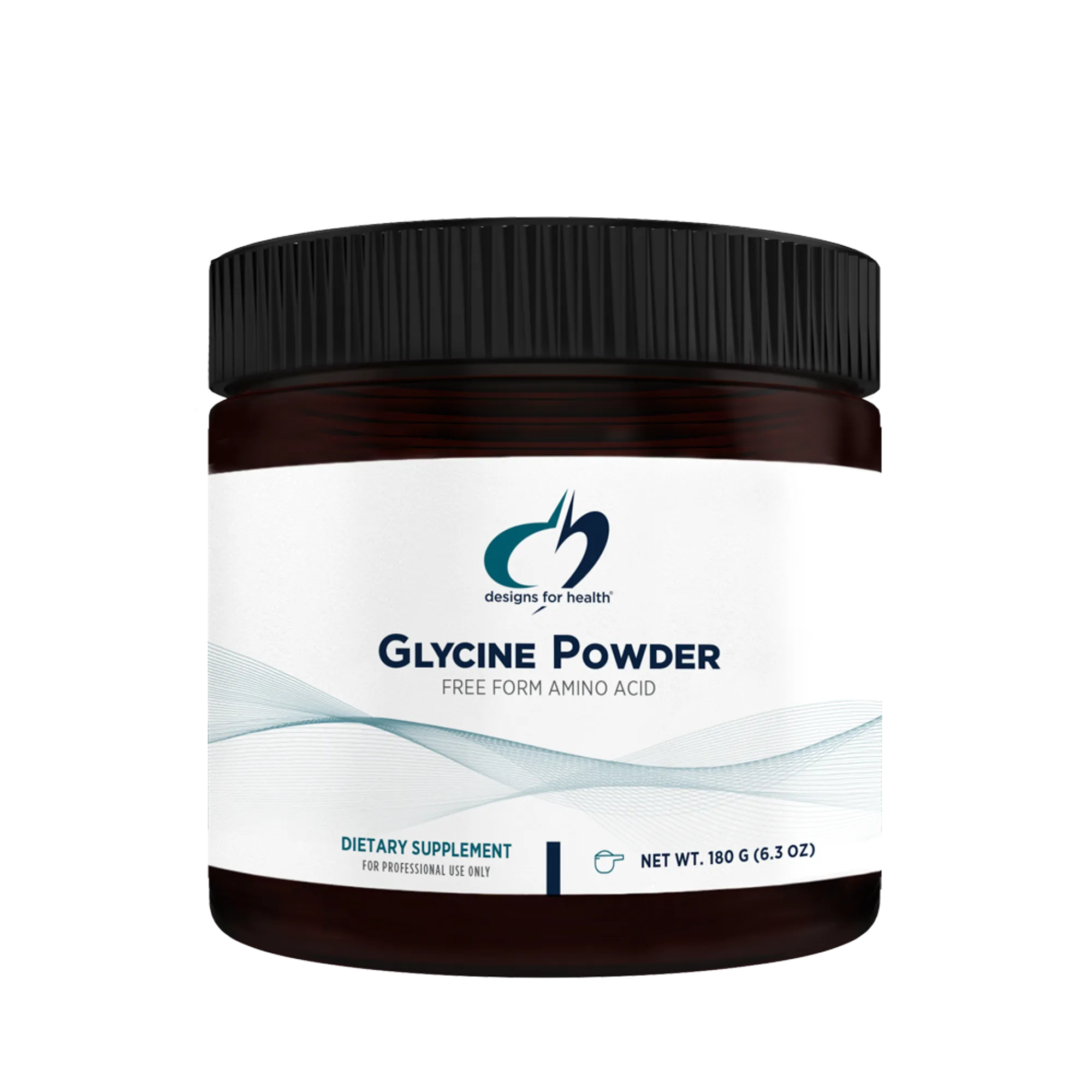
When considering glycine supplementation, understanding the difference between various forms is crucial for maximizing therapeutic benefit. Glycine Powder from Designs for Health utilizes a "free-form" crystallized version of the amino acid. This means the glycine molecules are not bound to any other compounds or trapped within complex protein structures. While dietary collagen or bone broth are excellent natural sources of glycine (since glycine makes up a third of collagen's structure), they require significant enzymatic breakdown in the stomach and small intestine. For a patient with dysautonomia or ME/CFS who struggles with compromised digestion or gastroparesis, breaking down collagen can be energetically taxing. Free-form glycine bypasses this process entirely. It is highly bioavailable, rapidly absorbed through the intestinal wall, and reaches peak concentrations in the blood plasma and cerebrospinal fluid within roughly 2 to 4 hours post-ingestion.
Because free-form glycine has a naturally sweet, pleasant taste, it is incredibly easy to incorporate into a daily routine. The powder can be effortlessly dissolved in water, herbal tea, or a low-histamine electrolyte beverage. This makes it an ideal choice for patients who suffer from pill fatigue or have difficulty swallowing large capsules, a common complaint among those managing complex chronic illnesses with extensive supplement regimens.
Optimal Dosing and Timing for Sleep vs. Antioxidant Support
The timing and dosage of glycine supplementation should be tailored to your specific symptomatic goals. If your primary objective is to combat histamine-induced insomnia, regulate your circadian rhythm, and improve sleep architecture, clinical studies consistently point to a specific protocol: taking 3 grams of glycine roughly 30 to 60 minutes before bedtime. Taking it on an empty stomach typically leads to the fastest absorption across the blood-brain barrier, allowing it to effectively drop your core body temperature and calm the central nervous system right as you prepare for sleep.
Conversely, if your goal is to support daytime energy, rebuild connective tissue, or fuel continuous glutathione synthesis to combat Long COVID oxidative stress, you might choose to split the dose throughout the day. Taking 1 to 3 grams in the morning or afternoon can provide a steady supply of metabolic building blocks. While glycine is generally very gentle on the stomach, taking high doses on a completely empty stomach can occasionally cause mild gastrointestinal upset or loose stools in sensitive individuals. If this occurs, simply taking the powder alongside a small snack or a light meal easily resolves the issue without significantly hindering its absorption.
Potential Interactions and Safety Profile
Glycine is widely considered to have an excellent safety profile, with clinical trials safely utilizing daily doses ranging from 3 grams up to 30 grams without toxicity. However, because it actively modulates neurotransmitter pathways, there are a few important interactions to consider. The most prominent medical contraindication involves the antipsychotic medication clozapine. Because glycine acts as a co-agonist at NMDA receptors in the brain, supplementing high doses of glycine can decrease the effectiveness of clozapine and potentially exacerbate psychiatric symptoms in patients treating schizophrenia.
Additionally, because glycine shares specific amino acid transporters in the gut (such as GlyT1 and GlyT2) with other amino acids, taking it simultaneously with massive doses of other isolated amino acids might cause them to compete for absorption. It is also worth noting that while glycine is an inhibitory neurotransmitter like GABA, it operates on different specific receptors. Patients taking medications that heavily depress the central nervous system (like benzodiazepines or barbiturates) should consult their doctor, as combining multiple inhibitory agents can compound sedative effects. As always, individuals with severe kidney or liver disease should seek medical guidance before introducing high-dose amino acid supplements, as compromised organs process protein metabolites differently.
Follow the Science
Clinical Trials on Sleep Architecture and Core Temperature
The scientific literature robustly supports glycine's efficacy as a non-sedative sleep aid. In a pivotal study involving healthy adults subjected to acute sleep restriction (receiving 25% less sleep than their normal baseline for three consecutive nights), researchers administered a 3-gram dose of glycine before bed. Polysomnography (sleep study) measurements revealed that glycine significantly improved sleep architecture, specifically by reducing the latency to sleep onset and increasing the duration of deep, slow-wave sleep. Furthermore, subjective questionnaires and Visual Analog Scale (VAS) data confirmed a drastic reduction in daytime fatigue and cognitive sleepiness the following day, proving that glycine enhances sleep quality without the "hangover" effect typical of pharmaceutical hypnotics.
These sleep benefits are directly tied to glycine's ability to modulate core body temperature. Research demonstrates that glycine actively promotes peripheral vasodilation, increasing blood flow to the extremities to dissipate heat. This physiological temperature drop is a mandatory signal for the brain's suprachiasmatic nucleus to initiate the transition into restorative sleep phases, making glycine a highly targeted intervention for patients whose autonomic dysfunction disrupts normal temperature regulation.
The GlyNAC Studies on Aging and Viral Recovery
Some of the most groundbreaking recent research regarding glycine involves its pairing with N-Acetylcysteine (NAC) to combat severe oxidative stress. Landmark clinical trials, including extensive research conducted at Baylor College of Medicine, investigated the effects of "GlyNAC" supplementation in older adults and patients hospitalized with severe COVID-19. The researchers discovered that these populations suffered from exceptionally high levels of oxidative stress and severe intracellular glutathione deficiency.
The results of the pilot clinical trials were remarkable. The GlyNAC protocol provided the exact stoichiometric ratio of precursor amino acids needed to rebuild the body's master antioxidant. In cohorts of long-haulers and older adults, this restoration of glutathione significantly improved mitochondrial dysfunction, reversed insulin resistance, improved endothelial blood flow, reduced systemic inflammation, and led to measurable improvements in muscle strength and cognitive function. This data strongly positions glycine as a foundational therapeutic for post-viral metabolic recovery.
Cartilage Regeneration and the Procollagen Cycle
In the realm of musculoskeletal health, recent in vitro laboratory studies have illuminated exactly why systemic glycine is so critical for joint repair. A landmark 2018 study investigated the effect of various amino acids on bovine chondrocytes (the cells responsible for generating joint cartilage), examining how glycine availability affects collagen assembly in these cells.
Further metabolic control analysis in 2023 explained the mechanism behind this massive increase. The researchers identified the "procollagen cycle," a wasteful cellular process where newly synthesized collagen misfolds and is destroyed due to a localized scarcity of glycine. By saturating the cellular environment with adequate glycine, the chondrocytes were able to successfully assemble the tight collagen triple helix, bypassing the misfolding cycle entirely. This research provides a clear, mechanistic rationale for using high-dose glycine to support tendon, ligament, and cartilage repair in patients dealing with chronic joint pain or hypermobility spectrum disorders.
The Path Forward
Validating the Metabolic Reality of Chronic Illness
Living with a complex chronic illness like Long COVID, ME/CFS, or MCAS is an exhausting daily battle, made even harder when the medical system fails to look beyond basic blood panels. If you are struggling with profound fatigue, unrefreshing sleep, and relentless brain fog, it is vital to understand that your symptoms are not in your head—they are the result of measurable, physiological disruptions at the cellular level. The depletion of foundational building blocks like glycine, the collapse of your antioxidant defenses, and the resulting mitochondrial dysfunction are very real metabolic realities. Understanding the science behind these mechanisms is the first step in reclaiming your health and validating your daily experience. You can learn more about how these complex conditions intersect by reading our detailed guide on what causes Long COVID.
Integrating Glycine into a Comprehensive Management Plan
While restoring your cellular amino acid pools is a powerful therapeutic strategy, it is important to remember that no single supplement is a magic cure for neuroimmune conditions. Supplementing with Glycine Powder should be viewed as one highly effective tool within a broader, comprehensive management plan. True recovery requires a multi-faceted approach that includes aggressive pacing to avoid post-exertional malaise, identifying and avoiding mast cell triggers, regulating the nervous system, and working closely with a dysautonomia-literate healthcare provider to tailor treatments to your specific biochemical needs. To understand more about tracking your symptoms and managing your daily energy envelope, explore our resources on how you can live with long-term COVID.
By providing your body with the highly bioavailable, free-form glycine it desperately needs, you are actively supporting your brain's ability to achieve restorative sleep, fueling your master antioxidant defenses, and giving your connective tissues the raw materials required for repair. If you are ready to support your cellular recovery and improve your sleep architecture, discuss adding this conditionally essential amino acid to your protocol with your medical team.