Can Digestive Enzymes Help Manage New Gluten and Dairy Intolerances in Long COVID and MCAS?
March 5, 2026
Gluten/Dairy DigestLong COVIDMCAS
Share:
Disclaimer: The information provided here is for educational purposes only and is not intended as medical advice. It should not be used to diagnose, treat, cure, or prevent any medical condition. Instead, use it as a starting point for discussion with your healthcare provider. Always consult with a qualified healthcare provider before starting any new medication, supplement, device, or making changes to your health regimen.
For many individuals living with complex chronic illnesses, the simple act of eating a meal can feel like navigating a minefield. Months or even years after recovering from an initial SARS-CoV-2 infection, patients with Long COVID frequently report the sudden, bewildering onset of severe gastrointestinal distress and new food intolerances. Foods that were once dietary staples—particularly those containing gluten and dairy—suddenly trigger profound bloating, abdominal pain, debilitating brain fog, and systemic fatigue. This phenomenon is not merely a coincidence; it is a direct reflection of how chronic viral infections and immune dysregulation fundamentally alter the gastrointestinal ecosystem. When the gut barrier is compromised and the microbiome is thrown into dysbiosis, the body loses its natural ability to efficiently break down complex, proline-rich proteins found in wheat and milk.
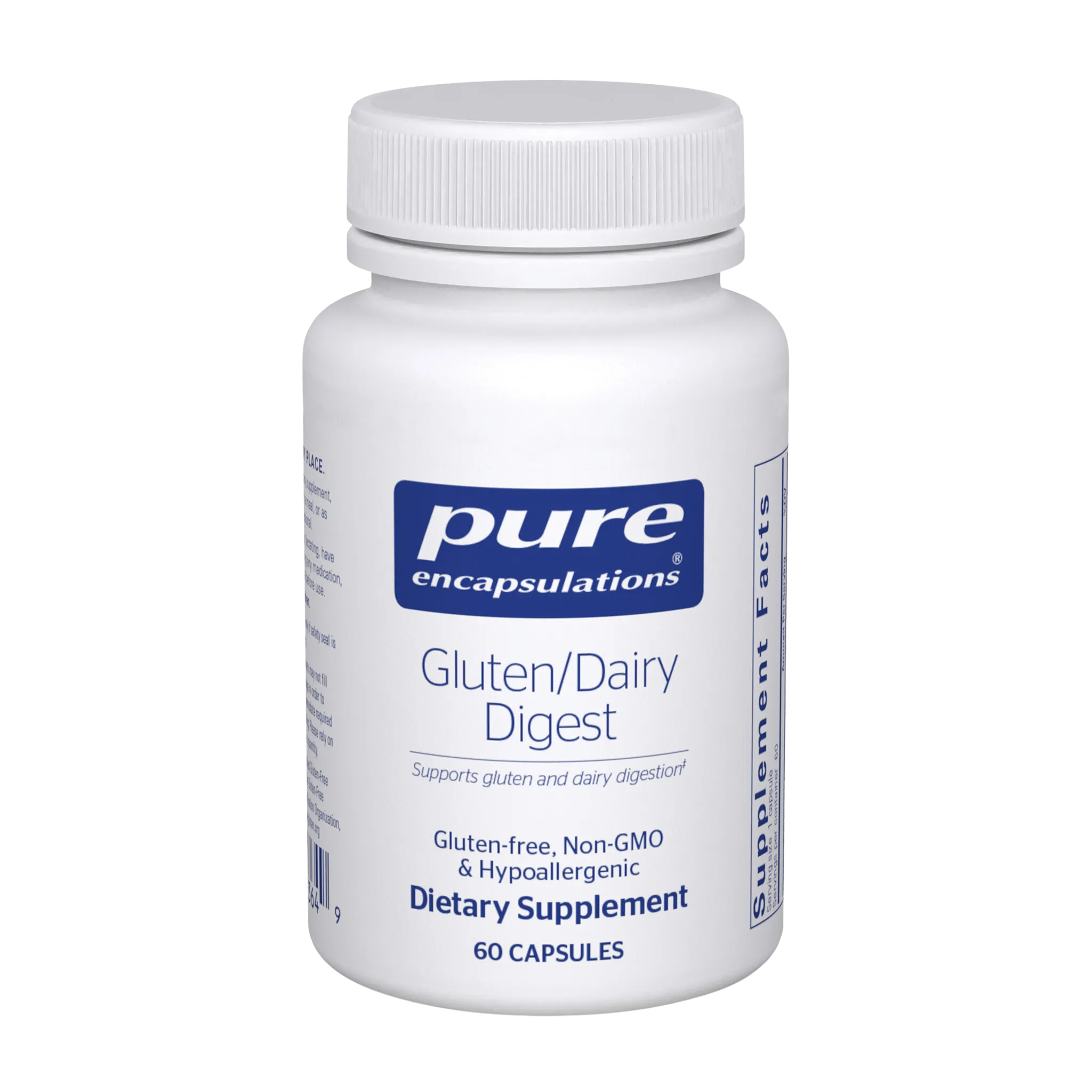
In the wake of these post-infectious changes, conditions like mast cell activation syndrome (MCAS) and myalgic encephalomyelitis/chronic fatigue syndrome (ME/CFS) often emerge or worsen, creating a vicious cycle of localized gut inflammation and systemic immune reactivity. Patients are often told their labs are normal, yet they experience visceral hypersensitivity and systemic flares every time they consume even trace amounts of these common dietary triggers. Enter Gluten/Dairy Digest by Pure Encapsulations, a highly specialized enzyme blend designed to support the mechanical breakdown of these stubborn proteins. By utilizing targeted enzymes like Tolerase® G and BioCore® Dairy, this formulation aims to dismantle gluten, casein, beta-lactoglobulin, and lactose before they can trigger an inflammatory cascade. In this comprehensive guide, we will explore the intricate biochemistry of digestion, how chronic illness disrupts these pathways, and the clinical science behind enzymatic support for gastrointestinal health.
TL;DR
Long COVID and ME/CFS can disrupt the gut, causing new food intolerances and systemic inflammation.
Gluten/Dairy Digest uses specialized enzymes to help break down stubborn proteins before they trigger immune responses.
This supplement may help mitigate post-meal bloating, brain fog, and histamine-driven flares in chronic illness patients.
Take these enzymes immediately before meals and consult your doctor to ensure they fit your care plan.
What is Gluten/Dairy Digest?
The Complexities of Modern Digestion
In a healthy human body, the digestive system operates as an incredibly sophisticated, highly coordinated chemical processing plant. When we consume food, our bodies must break down complex macronutrients—proteins, carbohydrates, and fats—into their smallest molecular building blocks so they can be safely absorbed through the intestinal lining and utilized for cellular energy. This process relies heavily on the timely secretion of stomach acid (hydrochloric acid) and a vast array of naturally occurring digestive enzymes produced by the stomach, pancreas, and small intestine. However, certain proteins found in modern diets are inherently difficult for the human gastrointestinal tract to dismantle. Gluten, a structural protein matrix found in wheat, barley, and rye, and the primary proteins found in dairy (casein and whey), possess unique molecular structures that resist standard enzymatic degradation.
The difficulty in digesting these specific foods lies in their amino acid composition. Gluten proteins, such as gliadin and glutenin, are exceptionally rich in the amino acids proline and glutamine. The human digestive tract naturally lacks the specific endogenous enzymes required to efficiently cleave the tight peptide bonds adjacent to proline residues. Similarly, casein, which makes up about 80% of the protein in cow's milk, forms tough, gel-like curds when exposed to stomach acid, while beta-lactoglobulin (the primary whey protein) is a highly structured, globular protein that is notoriously resistant to pepsin, the stomach's primary digestive enzyme. Because these proteins are so structurally resilient, they often survive the acidic environment of the stomach largely intact, passing into the delicate small intestine as large, undigested peptide fragments.
The Role of Specialized Digestive Enzymes
When the body's natural digestive capacity is overwhelmed or impaired, large, undigested peptide fragments can become highly problematic. In a perfectly healthy gut, these fragments might eventually be broken down by the microbiome or simply excreted. However, in individuals with compromised gut barriers or hyperactive immune systems, these large molecules act as inflammatory triggers. This is where specialized, exogenous digestive enzyme supplements come into play. Gluten/Dairy Digest is formulated with a precise blend of fungal-derived enzymes that possess the unique biochemical ability to target and cleave the exact peptide bonds that human enzymes cannot. By introducing these targeted enzymes into the digestive tract alongside a meal, the supplement acts as a biochemical catalyst, forcefully dismantling these stubborn proteins into harmless, absorbable single amino acids and short-chain peptides.
Unlike broad-spectrum digestive enzymes that simply provide more of what the pancreas already makes (like standard amylase, lipase, and protease), the enzymes in this specific formulation are highly specialized. They are derived from specific strains of food-grade fungi, such as Aspergillus niger and Aspergillus oryzae, which have been scientifically cultivated to produce proteases that thrive in the extreme pH environments of the human stomach. This is a critical distinction, as the goal of these specialized enzymes is to completely hydrolyze the problematic proteins before they ever reach the immune-rich environment of the small intestine.
Beyond Basic Lactase: A Comprehensive Approach
For decades, the standard medical approach to dairy intolerance was simply to prescribe lactase, the enzyme responsible for breaking down the milk sugar known as lactose. While lactose intolerance is incredibly common and causes significant bloating and gas, clinical researchers and gastroenterologists have continually noted that administering lactase alone fails to resolve dairy-induced gastrointestinal distress in up to 30% to 40% of patients. This clinical gap points to a deeper issue: milk protein intolerance. Many individuals who believe they are merely lactose intolerant are actually reacting to the complex casein and beta-lactoglobulin proteins that lactase cannot touch.
Gluten/Dairy Digest represents a paradigm shift in supplemental digestive support by taking a comprehensive, multi-targeted approach. It does not just provide lactase for the milk sugars; it simultaneously deploys specialized endopeptidases and exopeptidases to dismantle the dairy proteins, alongside prolyl endopeptidases to address the proline-rich gluten fragments. This comprehensive enzymatic profile is specifically designed to support individuals who experience broad, overlapping food sensitivities, providing a robust defense against the hidden triggers that frequently contaminate modern meals. By addressing both the carbohydrate (sugar) and protein components of these common dietary triggers, the formula supports a more complete and comfortable digestive process.
How Long COVID and MCAS Impact Gastrointestinal Health
Viral Persistence and Microbiome Dysbiosis
To understand why patients with Long COVID suddenly develop severe intolerances to gluten and dairy, we must examine the profound impact that the SARS-CoV-2 virus has on the gastrointestinal ecosystem. While COVID-19 is primarily recognized as a respiratory illness, the GI tract is heavily impacted during both the acute and long-haul phases of the disease. A growing body of research on Long COVID and the microbiome establishes a strong connection between the persistent symptoms of the virus and severe gut dysbiosis. The virus significantly disrupts the delicate balance of the gut ecosystem, leading to a marked depletion of beneficial, short-chain fatty acid (SCFA)-producing bacteria, most notably Faecalibacterium prausnitzii and Bifidobacterium. These keystone bacteria are essential for producing butyrate, an SCFA that nourishes the intestinal lining, reduces localized inflammation, and regulates the immune system.
Conversely, as the beneficial bacteria are wiped out, there is a dangerous overgrowth of opportunistic and pro-inflammatory bacterial taxa. This microbial rearrangement heightens body-wide inflammation and fundamentally alters how the gut processes food. Furthermore, multiple studies suggest that SARS-CoV-2 viral antigens may persist in gut tissues for months or even years after the initial respiratory infection has cleared. This prolonged viral presence at the tissue level continuously disrupts bacterial homeostasis, impairs the gut-brain axis, and keeps the local immune system in a state of chronic, low-grade alarm. Without a healthy microbiome to assist in the fermentation and breakdown of complex food molecules, digestion becomes sluggish, painful, and highly inefficient.
Mast Cell Activation Syndrome (MCAS) in the Gut
The systemic inflammation caused by Long COVID frequently triggers or exacerbates mast cell activation syndrome (MCAS), an immunological condition where mast cells become hyper-responsive and release inflammatory chemicals inappropriately. Mast cells are the body's "allergy alarm" cells, and the mucosal lining of the digestive tract is densely packed with them. When the gut is in a state of dysbiosis and viral-induced inflammation, these mast cells become highly unstable. When they encounter difficult-to-digest proteins like the 33-mer peptide of gluten or the beta-lactoglobulin of whey, they perceive these large molecules as dangerous foreign invaders rather than nutrients.
Upon encountering these triggers, the hyperactive mast cells degranulate, releasing an excessive amount of inflammatory mediators, including histamine, tryptase, prostaglandins, and cytokines. This localized "cytokine storm" in the gut results in severe, allergy-like reactions, profound abdominal pain, erratic bowel motility, and visceral hypersensitivity. Because the gut and the brain communicate constantly via the vagus nerve, this localized mast cell degranulation frequently triggers systemic symptoms. This explains why a patient with MCAS might eat a piece of bread or a slice of cheese and, within an hour, experience debilitating brain fog, a spike in heart rate (tachycardia associated with POTS), and profound, crushing fatigue.
Intestinal Permeability and the "Leaky Gut" Cycle
The continuous release of mast cell mediators in the gut drives a secondary, equally destructive pathology: intestinal permeability, commonly known as "leaky gut." In a healthy gastrointestinal tract, tight junction proteins (such as zonulin) act like the grout between bathroom tiles, ensuring that only fully broken-down, microscopic nutrients can pass through the intestinal wall and into the bloodstream. However, research shows that mast cell mediators like histamine and Matrix Metalloproteinase-9 (MMP-9) directly degrade these tight junction proteins, causing the gut lining to become highly permeable and structurally compromised.
Once the gut barrier is breached, a vicious cycle ensues. Large, partially digested protein fragments from gluten and dairy slip through the compromised tight junctions and "leak" directly into the systemic circulation. Once in the bloodstream, the systemic immune system tags these rogue proteins as pathogens, triggering the production of antibodies and launching a massive, body-wide inflammatory response. This systemic inflammation further activates mast cells throughout the body, which in turn causes more damage to the gut lining, worsening the permeability. For patients with ME/CFS and Long COVID, this leaky gut cycle is a primary driver of their daily symptom burden, making the efficient, rapid breakdown of dietary proteins an absolute clinical necessity.
Gluten/Dairy Digest: Supporting Digestive Function and Comfort
Tolerase® G and the Breakdown of Stubborn Gluten Peptides
To break the vicious cycle of leaky gut and mast cell activation, the problematic proteins must be completely dismantled before they can trigger an immune response. Gluten/Dairy Digest achieves this through the inclusion of Tolerase® G, a highly specialized enzyme scientifically known as Aspergillus niger prolyl endopeptidase (AN-PEP). Unlike standard digestive enzymes, AN-PEP is a "post-proline cleaving enzyme." Its specific mechanism of action involves targeting and cutting the peptide bonds directly on the carboxyl (C-terminal) side of proline residues. By precisely snipping these bonds, Tolerase G effectively breaks down the large, highly immunogenic gluten fragments (such as the notorious 33-mer peptide) into harmless, microscopic pieces that the immune system no longer recognizes as a threat.
The true clinical advantage of Tolerase G lies in its gastric survivability. Many commercial enzymes, such as standard DPP-IV (dipeptidyl peptidase IV), only function optimally at a neutral pH, meaning they do not activate until they reach the small intestine—which is often too late to help mitigate an immune reaction. In contrast, Tolerase G is highly resistant to human pepsin and has an optimal working pH of 3.5 to 4.5. This allows the enzyme to aggressively and rapidly hydrolyze gluten within the highly acidic environment of the stomach, effectively neutralizing the protein before it empties into the duodenum where the delicate tight junctions and reactive mast cells reside.
BioCore® Dairy: Dismantling Casein and Beta-Lactoglobulin
To address the complexities of milk protein intolerance, the formula utilizes BioCore® Dairy, a proprietary, commercially trademarked digestive enzyme blend. BioCore Dairy is uniquely formulated with specific acid-stable proteases derived from the fungi Aspergillus niger and Aspergillus oryzae. This blend utilizes a sophisticated two-step mechanism of action to dismantle the rigid structures of dairy proteins. First, powerful endopeptidases cleave the internal peptide bonds of the globular beta-lactoglobulin molecule, essentially unfolding and dismantling its rigid, acid-resistant structure. Once the protein is unfolded, exopeptidases snip away at the ends of the resulting peptide fragments, reducing them down to harmless, absorbable single amino acids.
This enzymatic action is equally critical for the breakdown of casein. When casein enters the acidic stomach, it naturally coagulates into tough, gel-like curds that are difficult for human enzymes to penetrate. The Aspergillus-derived acid proteases in BioCore Dairy act directly on these curds, cleaving the protein networks that hold them together and rapidly liquefying the casein. Furthermore, by breaking the stubborn proline bonds found within casein, these enzymes help reduce the formation of casomorphins—undigested, opioid-like peptide fragments that are known to cause severe gastrointestinal motility issues, constipation, and systemic inflammation in patients with compromised gut barriers.
Lactase and the Hydrolysis of Milk Sugars
While the specialized proteases handle the complex dairy proteins, Gluten/Dairy Digest also provides a robust dose of lactase (1000 ALU) to address the carbohydrate component of dairy. Lactase is the specific enzyme responsible for the hydrolysis of lactose, the primary sugar found in milk. Its mechanism of action involves binding to the lactose molecule and cleaving the beta-1,4-glycosidic bond that connects its two constituent simple sugars: glucose and galactose. Once separated, these simple sugars are easily absorbed through the intestinal lining and utilized for cellular energy.
In individuals with Long COVID or MCAS who have suffered damage to their intestinal microvilli (the tiny, hair-like projections where endogenous lactase is normally produced), lactose often passes undigested into the colon. There, it is rapidly fermented by the resident bacteria, producing large amounts of hydrogen, carbon dioxide, and methane gas. This fermentation process draws excess water into the bowel, leading to severe bloating, painful distension, and osmotic diarrhea. By providing exogenous lactase, the supplement ensures that the milk sugars are properly hydrolyzed in the upper GI tract, helping to reduce this painful downstream fermentation process and significantly reducing post-meal discomfort.
Interrupting the Immune-Reactivity Loop
By combining Tolerase G, BioCore Dairy, and lactase, this supplement provides a multi-faceted defense mechanism for the compromised gut. The overarching therapeutic goal is not to cure a disease, but to mechanically interrupt the immune-reactivity loop at its very source. When these enzymes successfully hydrolyze gluten, casein, beta-lactoglobulin, and lactose in the stomach, they help keep the large, inflammatory macromolecules from interacting with the hyper-responsive mast cells in the intestinal lining.
This proactive enzymatic breakdown reduces the localized release of histamine and inflammatory cytokines, which in turn helps protect the integrity of the tight junctions. By minimizing the constant assault on the gut barrier, the body is given a vital window of opportunity to calm systemic inflammation, reduce the frequency of MCAS flares, and begin the slow, complex process of healing the gastrointestinal tract. For patients navigating the unpredictable waters of chronic illness, this enzymatic support can be a crucial tool in regaining a sense of dietary safety and physical comfort.

Symptoms Gluten/Dairy Digest May Help Manage
While Gluten/Dairy Digest is not a treatment or cure for any underlying disease, its targeted enzymatic action may help manage a variety of distressing gastrointestinal and systemic symptoms associated with food sensitivities in chronic illness. By ensuring the complete breakdown of problematic proteins and sugars, the supplement targets the root mechanical cause of these reactions.
Post-Meal Bloating and Distension: By providing lactase to hydrolyze milk sugars and proteases to dismantle tough casein curds, the enzymes help keep these molecules from reaching the colon intact. This helps reduce opportunistic bacteria from fermenting the undigested food, drastically reducing the production of painful intestinal gases and physical distension.
Brain Fog and Cognitive Fatigue: When partially digested gluten and dairy proteins leak through a compromised gut barrier, they trigger a systemic immune response that causes neuroinflammation. By breaking these proteins down into harmless amino acids in the stomach, the enzymes help mitigate this inflammatory cascade, helping to protect the blood-brain barrier and reduce post-meal cognitive dysfunction.
Erratic Bowel Motility (Diarrhea/Constipation): Undigested lactose draws excess water into the bowel, causing osmotic diarrhea, while undigested casein can form casomorphins that slow gut motility and cause severe constipation. The comprehensive breakdown of both the sugars and proteins helps normalize stool consistency and promote predictable bowel habits.
Histamine-Driven Systemic Flares: In patients with MCAS, large protein fragments trigger mast cells in the gut to release massive amounts of histamine, leading to systemic symptoms like rapid heart rate, flushing, and hives. By neutralizing the structural integrity of these dietary triggers before they reach the intestines, the enzymes help reduce localized mast cell degranulation and subsequent histamine overload.
Abdominal Cramping and Visceral Pain: The physical unfolding and rapid liquefaction of rigid whey proteins (beta-lactoglobulin) and gluten peptides by specific endopeptidases reduces the physical and chemical irritation of the sensitive intestinal mucosal lining, alleviating the sharp, cramping pain often experienced after eating.
Practical Considerations: Forms, Dosing, and Absorption
Optimal Timing and Gastric Activation
To maximize the clinical efficacy of Gluten/Dairy Digest, timing is absolutely critical. Because the primary goal of these specialized enzymes is to dismantle complex proteins before they reach the small intestine, the supplement must be taken immediately before or concurrently with a meal containing suspected gluten or dairy triggers. Taking the capsule 10 to 15 minutes before the first bite allows the vegetarian capsule to dissolve and the enzymes to disperse throughout the stomach acid, creating a highly active, proteolytic environment ready to intercept the food as it arrives. If the supplement is taken after the meal has already passed into the lower digestive tract, its ability to help mitigate an immune reaction will be significantly diminished.
The enzymes in this formulation, particularly Tolerase G and the acid-stable proteases in BioCore Dairy, are specifically selected for their ability to thrive in the low pH (highly acidic) environment of the stomach. Unlike some delicate probiotic strains or systemic enzymes that require enteric coating to survive stomach acid, these fungal-derived enzymes actually utilize the acidic environment to achieve their optimal catalytic activity. Therefore, taking them with a standard meal that naturally stimulates stomach acid production enhances their function. However, patients taking high-dose proton pump inhibitors (PPIs) or strong antacids should consult their healthcare provider, as artificially raising the stomach's pH may slightly alter the optimal working conditions for these specific acid proteases.
Understanding Enzyme Activity Units (PPI, BLGU, ALU)
When evaluating high-quality digestive enzymes, it is important to look at the specific activity units rather than just the milligram weight. Gluten/Dairy Digest lists its ingredients using standardized biochemical measurements that reflect the enzyme's actual catalytic power. Tolerase® G is measured in PPI (Protease Picomole International), with this formula providing a robust 83,300 PPI to ensure aggressive cleavage of proline bonds. This high activity level is necessary to rapidly degrade the gluten 33-mer peptide within the short window of gastric emptying.
BioCore® Dairy utilizes a highly specific unit known as BLGU (Beta-Lactoglobulin Units) to measure its ability to dismantle whey proteins, alongside standard protease units. The 105 mg dose in this formula is clinically designed to provide enough enzymatic power to hydrolyze the protein equivalent of one cup of whole milk. Finally, the lactase is measured in ALU (Acid Lactase Units), providing 1,000 ALU to efficiently convert lactose into simple sugars. Understanding these units helps patients and practitioners ensure they are using a therapeutic-grade product rather than a diluted, generic digestive blend.
Important Safety Caveats and Contraindications
While Gluten/Dairy Digest is a powerful tool for managing food sensitivities, it is crucial to understand its medical limitations. This product is not intended to treat, prevent, or cure Celiac Disease. Because there is no known "safe" threshold of gluten exposure for individuals with Celiac Disease, and because no enzyme can guarantee 100% degradation of every single gluten molecule, patients with a formal Celiac diagnosis must continue to maintain a strict, lifelong gluten-free diet. The intended use case for Tolerase G is to protect individuals with Non-Celiac Gluten Sensitivity (NCGS) or those on restricted diets against unintentional cross-contamination (e.g., eating at a restaurant where trace amounts of wheat might be present).
Similarly, individuals with true, IgE-mediated anaphylactic allergies to dairy proteins (cow's milk allergy) should not use this product as a license to consume dairy, as the rapid, life-threatening nature of an IgE allergy cannot be safely managed with oral enzymes. The supplement is designed for those dealing with intolerances, sensitivities, and the complex, delayed-onset immune reactions typical of Long COVID and MCAS. As always, patients should consult with a healthcare professional before introducing new supplements, especially if they are managing severe gastrointestinal conditions, taking immunosuppressive medications, or dealing with severe histamine intolerance.

Follow the Science
Clinical Trials on Tolerase G (AN-PEP)
The efficacy of Tolerase® G (AN-PEP) is supported by robust, peer-reviewed clinical data, particularly regarding its ability to function within the human stomach. A landmark randomized, double-blind, placebo-controlled crossover study tested AN-PEP in a real-world physiological meal setting. Eighteen self-reported gluten-sensitive individuals consumed a porridge meal containing approximately 0.5 grams of gluten alongside either a placebo or AN-PEP. Researchers sampled the stomach and duodenal contents over 180 minutes. The results were striking: gastric gluten concentrations were reduced by 85% in the enzyme groups compared to the placebo, and duodenal gluten concentrations were reduced by over 80% before the meal even reached the small intestine.
Research on BioCore Dairy and Milk Protein Hydrolysis
The science behind BioCore® Dairy focuses heavily on the structural modification of complex milk proteins. Research on Aspergillus-derived proteases demonstrates that these specific enzymes effectively alter the conformational structure of beta-lactoglobulin. By hydrolyzing the internal peptide bonds of this rigid globular protein, the enzymes significantly reduce its allergenicity. Clinical insights provided by enzyme researchers and pediatric gastroenterologists have continually highlighted that administering lactase alone fails to resolve dairy intolerance in a significant percentage of patients, pointing to beta-lactoglobulin and casein as the hidden culprits.
Studies have shown that the enzymatic digestion of beta-lactoglobulin and alpha-casein by these specific fungal proteases significantly reduces their ability to induce histamine release from sensitized immune cells. Furthermore, research highlights that these exopeptidases not only degrade the problematic proteins but also release functional, bioactive peptides and increase the bioavailability of essential amino acids. This ensures that the patient not only avoids the inflammatory reaction but also successfully absorbs the nutritional value of the food they are consuming.
The Evidence Connecting Dysbiosis, MCAS, and Food Intolerances
The clinical rationale for using these enzymes in chronic illness is heavily supported by emerging research on the gut-brain axis and mast cell biology. A landmark study published in Nature investigated the mechanism behind meal-induced visceral hypersensitivity. The researchers found that bacterial infections or dysbiosis in the gut can break the body's oral tolerance to food antigens. Following a gut disruption, consuming a specific food triggers localized mast cell activation in the gut, rather than a systemic IgE allergy. The study found that nearly half of the tissue samples from IBS patients were positive for immune-stimulating superantigens, providing concrete biological evidence that non-allergic food sensitivities are directly mediated by mast cells.
Furthermore, research on fibromyalgia and ME/CFS demonstrates that patients with these conditions exhibit significantly elevated circulating markers of intestinal barrier dysfunction and bacterial translocation. This data underscores the critical importance of protecting the gut barrier. By utilizing targeted enzymes to dismantle inflammatory proteins before they can trigger mast cells or leak through the intestinal wall, patients can actively intervene in the pathophysiology of their condition.
The Path Forward
Validating the Dietary Struggle in Chronic Illness
Living with Long COVID, ME/CFS, or MCAS often means that the simple joy of eating is replaced by anxiety, meticulous label-reading, and the fear of unpredictable symptom flares. If you have suddenly developed severe intolerances to foods you used to eat without issue, it is vital to know that your symptoms are real, biologically driven, and deeply connected to the post-viral changes in your immune system and microbiome. You are not imagining the profound brain fog, the sudden exhaustion, or the severe bloating that follows a meal. These are tangible physiological reactions driven by mast cell activation and compromised intestinal barriers. Validating this reality is the first step toward reclaiming your quality of life and finding strategies that actually work.
A Comprehensive Approach to Gut Healing
While specialized enzymes like Gluten/Dairy Digest offer a powerful mechanical defense against dietary triggers, they are most effective when utilized as part of a broader, comprehensive management strategy. Healing the gut and stabilizing the immune system requires a multi-faceted approach. This may include working with a healthcare provider to implement a temporary elimination diet, utilizing mast cell stabilizers to calm hyperactive immune responses, and exploring targeted probiotics and prebiotics to slowly rebuild the depleted microbiome. Pacing your energy, tracking your symptoms alongside your meals, and managing nervous system dysregulation are all crucial components of living with long-term COVID and navigating the complexities of post-viral recovery.
Explore Gluten/Dairy Digest
If you are struggling with unpredictable gastrointestinal symptoms, severe bloating, or suspected sensitivities to hidden gluten and dairy proteins, targeted enzymatic support may provide the missing piece in your digestive health protocol. By breaking down stubborn proteins before they can trigger an inflammatory cascade, this formula helps protect your gut barrier and supports a more comfortable, predictable digestive process. Always consult with your healthcare provider before starting any new supplement regimen to ensure it aligns with your specific medical needs and overall treatment plan.