Can GlutaShield® Support Gut Health and Repair Leaky Gut in Long COVID and ME/CFS?
March 6, 2026
GlutaShieldLeaky GutLong COVID
Share:
Disclaimer: The information provided here is for educational purposes only and is not intended as medical advice. It should not be used to diagnose, treat, cure, or prevent any medical condition. Instead, use it as a starting point for discussion with your healthcare provider. Always consult with a qualified healthcare provider before starting any new medication, supplement, device, or making changes to your health regimen.
In the wake of a viral infection, many patients find themselves battling a confusing array of symptoms that seem entirely disconnected from the original illness. When you are living with Long COVID, myalgic encephalomyelitis/chronic fatigue syndrome (ME/CFS), or mast cell activation syndrome (MCAS), the gastrointestinal tract often becomes a central battleground. Patients frequently report profound bloating, new food intolerances, and unpredictable bowel habits that accompany their debilitating fatigue and brain fog. This is not a coincidence, nor is it simply a byproduct of the stress of chronic illness. Emerging research points to a physical breakdown of the intestinal barrier—a condition commonly known as "leaky gut"—as a primary driver of systemic inflammation and immune dysregulation in these complex conditions.
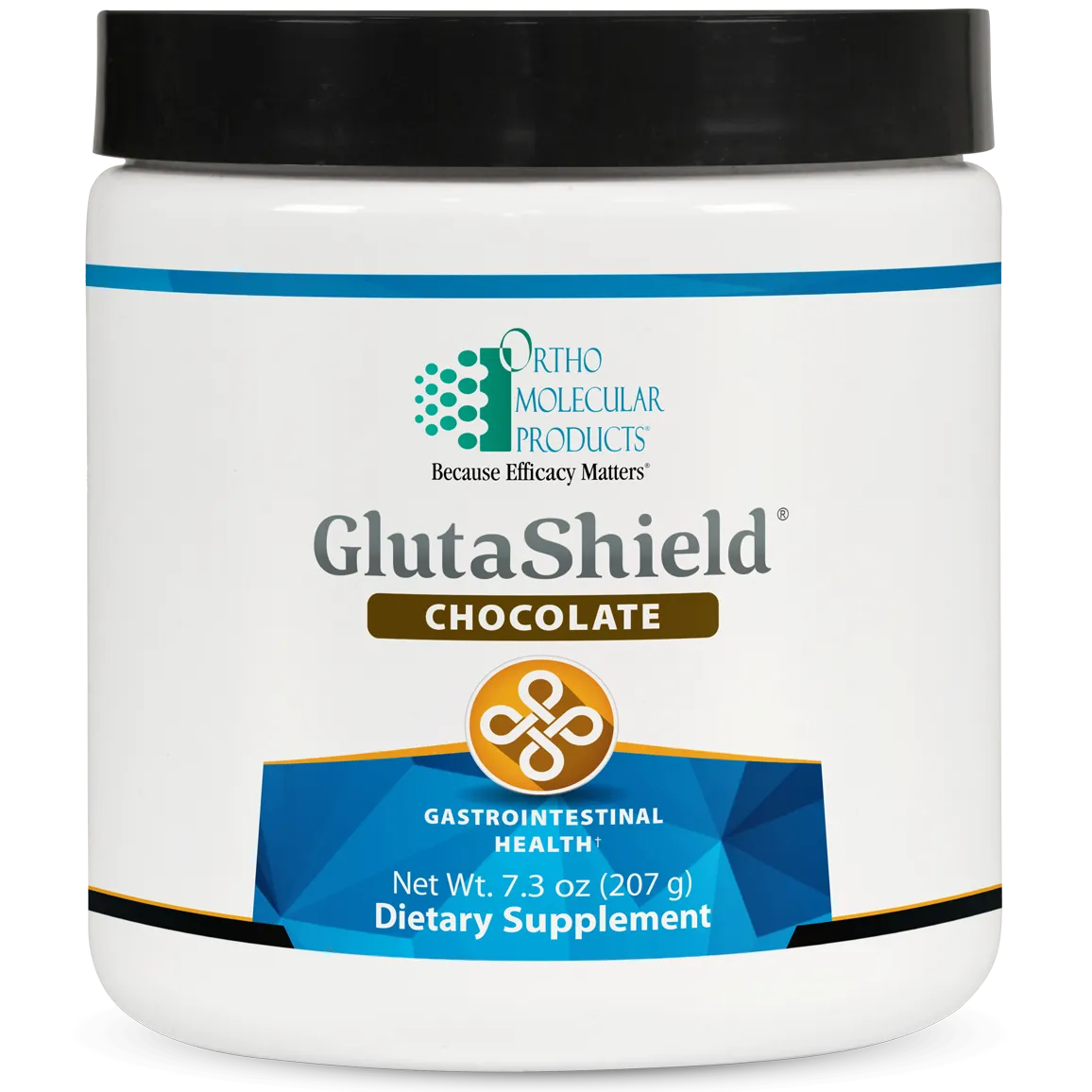
GlutaShield® is a targeted nutritional supplement designed to promote the health and barrier function of the gastrointestinal lining. Formulated with a synergistic blend of L-glutamine, N-Acetyl-D-Glucosamine (NAG), deglycyrrhized licorice (DGL), zinc bisglycinate, aloe vera, and vitamin A, it provides the fundamental building blocks required to regenerate the gut mucosal epithelium. For individuals navigating the hidden battles of post-viral syndromes, supporting this microscopic barrier is often a critical step toward reducing systemic inflammation and reclaiming their quality of life. In this comprehensive guide, we will explore the intricate biochemistry of the gut barrier, how chronic illness dismantles it, and how the specific ingredients in GlutaShield® work at a cellular level to support profound healing.
TL;DR
Viral infections can disrupt the gut barrier, leading to "leaky gut" and systemic inflammation.
GlutaShield® provides L-glutamine, NAG, and zinc to support intestinal lining repair and cellular energy.
Supporting gut health may help manage Long COVID and ME/CFS symptoms like brain fog and fatigue.
What is GlutaShield®?
The Anatomy of a Healthy Gut Barrier
The gastrointestinal tract is a marvel of biological engineering, serving as the interface between the external environment and our internal systemic circulation. This barrier is primarily composed of a single layer of specialized cells called enterocytes, which are bound tightly together by complex protein structures known as tight junctions. These tight junctions act as intelligent gatekeepers, selectively allowing fully digested nutrients, water, and essential minerals to pass into the bloodstream while strictly blocking the entry of undigested food proteins, environmental toxins, and pathogenic microorganisms.
Above these enterocytes lies the glycocalyx, a thick, gel-like mucus layer that serves as the gut's first line of physical and immunological defense. This mucosal layer is rich in secretory IgA antibodies and heavily populated by our symbiotic microbiome. It physically traps invading pathogens and neutralizes toxins before they can even reach the delicate enterocyte cells below. When this two-part system—the mucus layer and the tight junctions—is functioning correctly, the gut is considered impermeable to harmful substances, maintaining a state of systemic immune tolerance.
However, this intricate barrier is highly sensitive to physiological stress, viral infections, and chronic inflammation. Because the enterocyte layer is only one cell thick, any disruption to its energy supply or physical integrity can lead to immediate microscopic gaps. When these gaps form, the barrier fails, leading to a cascade of immune dysregulation that can echo throughout the entire body, impacting everything from joint health to cognitive function.
The Synergistic Power of GlutaShield's Ingredients
GlutaShield® is not just a single nutrient; it is a comprehensively designed formula that targets multiple layers of the gastrointestinal barrier simultaneously. The formulation includes a robust 4 grams of L-glutamine per serving, which serves as the primary metabolic fuel for the rapidly dividing enterocytes. By providing this massive influx of cellular energy, GlutaShield® ensures that the intestinal cells have the resources they need to continuously regenerate and repair damaged tight junctions.
Furthermore, the inclusion of N-Acetyl-D-Glucosamine (NAG) and deglycyrrhized licorice (DGL) provides the raw materials necessary to rebuild the protective mucus layer. While L-glutamine repairs the physical cells, NAG and DGL stimulate the production of the gel-like mucin that coats them. This synergistic approach ensures that both the structural and protective components of the gut barrier are supported, offering a more complete protocol for mucosal healing than single-ingredient interventions.
The formula is rounded out with highly bioavailable zinc bisglycinate, aloe vera leaf gel extract, and vitamin A. Zinc acts as a critical structural cross-linker for the tight junction proteins, physically pulling the cellular gaps closed. Meanwhile, vitamin A and aloe vera provide profound immunomodulatory and soothing effects, helping to calm the localized inflammation that often prevents the gut from healing in the first place. Together, these ingredients create an environment conducive to deep, sustained gastrointestinal repair.
Beyond Basic Digestion: The Gut-Immune Connection
It is a common misconception that the gut is solely responsible for digesting food and absorbing calories. In reality, the gastrointestinal tract houses approximately 70% of the body's entire immune system, organized into specialized tissues known as gut-associated lymphoid tissue (GALT). This massive immune presence is constantly sampling the contents of the gut, deciding whether to mount an inflammatory attack against a perceived threat or to maintain immune tolerance.
When the epithelial barrier is robust and functioning optimally, the immune system remains calm, recognizing that pathogens and toxins are safely contained within the digestive tract. However, when the barrier becomes permeable, the immune system is suddenly flooded with foreign antigens. This triggers a chronic, low-grade systemic inflammatory response as the immune system desperately tries to neutralize the invaders that have breached the walls. This constant state of high alert is incredibly energetically demanding and is a primary driver of the profound exhaustion seen in chronic complex illnesses.
By providing the exact biochemical substrates required for mucosal repair, GlutaShield® aims to quiet this immune alarm. Restoring the integrity of the gut barrier is arguably one of the most effective ways to lower the overall systemic inflammatory burden. When the immune system is no longer forced to fight a continuous battle in the gut, physiological resources can be redirected toward systemic healing, energy production, and neurological recovery.
How Long COVID and ME/CFS Impact the Gastrointestinal System
Viral Infection and the ACE2 Receptor
To understand how post-viral syndromes disrupt the gut, we must look at the molecular mechanics of the initial infection. The SARS-CoV-2 virus physically binds to Angiotensin-Converting Enzyme 2 (ACE2) receptors to gain entry into human cells. While much attention has been paid to ACE2 receptors in the lungs, the gastrointestinal tract actually expresses some of the highest concentrations of ACE2 in the entire human body. This makes the gut a primary target for viral replication and localized tissue damage.
This viral hijacking leads to a profound downregulation of ACE2 on the surface of the intestinal cells. In a healthy gut, ACE2 acts as a crucial chaperone for a specific amino acid transporter called B0AT1. The B0AT1 transporter is primarily responsible for absorbing L-glutamine and tryptophan from our diet. When the virus downregulates ACE2, the B0AT1 transporter fails, effectively starving the gut of its most critical fuel source: L-glutamine.
Without sufficient L-glutamine, the enterocytes cannot produce enough ATP (cellular energy) to maintain the tight junctions. The cells begin to atrophy, the mucosal layer thins, and the physical barrier begins to pull apart. This viral-induced glutamine starvation is a key mechanism explaining why so many patients develop severe, sudden-onset gastrointestinal issues during and immediately following a COVID-19 infection, setting the stage for long-term chronic illness.
The "Leaky Gut" Phenomenon and Microbial Translocation
When the enterocytes are starved of glutamine and subjected to chronic viral-induced inflammation, the tight junctions fail. This structural failure results in a condition clinically referred to as intestinal permeability, or "leaky gut." The microscopic gaps between the cells become wide enough to allow large molecules, which should normally be excreted as waste, to slip directly into the bloodstream. This process is known in the medical literature as microbial translocation.
Among the most damaging substances that translocate across a leaky gut are lipopolysaccharides (LPS)—toxic structural components found in the cell walls of gram-negative bacteria—and beta-glucan, a marker of fungal cell walls. Research has demonstrated that a significant majority of Long COVID patients have highly elevated blood levels of these translocated fungal and bacterial markers, confirming that the gut barrier has been severely compromised.
As these microscopic toxins enter the systemic circulation, they bind to Toll-like receptors (TLRs) on immune cells, particularly mast cells and macrophages. This binding triggers a massive release of pro-inflammatory cytokines, histamine, and prostaglandins. For patients with Ketotifen for MCAS or general mast cell activation, this constant influx of gut-derived toxins keeps the mast cells in a perpetual state of hyper-reactivity, making it nearly impossible to stabilize systemic allergic responses without first supporting the gut barrier.
The Gut-Brain Axis and Neuroinflammation
The consequences of a compromised intestinal barrier extend far beyond the abdomen, heavily impacting the central nervous system through the gut-brain axis. When LPS and other translocated toxins circulate in the blood, they eventually reach the blood-brain barrier. Chronic systemic inflammation can cause the blood-brain barrier to become permeable as well, allowing these inflammatory mediators to enter the brain and activate microglial cells—the brain's resident immune defenders.
In conditions like ME/CFS, this gut-derived neuroinflammation physically manifests as profound cognitive dysfunction, memory impairment, and the debilitating "brain fog" that patients frequently describe. Furthermore, the constant immune activation drains cellular ATP reserves, contributing directly to the severe physical exhaustion and post-exertional malaise (PEM) that define these syndromes. The body is essentially exhausting its energy supply fighting a hidden, continuous infection leaking from the gut.
Addressing the gastrointestinal symptoms seen with Long COVID is therefore not just about improving digestion; it is a critical neurological intervention. By supporting the intestinal barrier and helping to halt the flow of translocated toxins, we may help cut off the supply of inflammatory mediators fueling neuroinflammation. This highlights why targeted gut-healing protocols are increasingly becoming a cornerstone of comprehensive post-viral recovery strategies.
GlutaShield®: Supporting the Intestinal Mucosal Barrier
L-Glutamine: Fueling Enterocytes and Tight Junctions
L-glutamine is the most abundant amino acid in the human body and is considered "conditionally essential" during times of severe metabolic stress, viral infection, or chronic illness. At a molecular level, enterocytes utilize L-glutamine through a metabolic pathway called glutaminolysis. In this process, glutamine is converted into alpha-ketoglutarate, which seamlessly enters the Krebs cycle (TCA cycle) within the mitochondria to produce massive amounts of ATP. This energy is strictly required to power the complex cellular machinery that holds the tight junctions closed.
Beyond energy production, L-glutamine serves as a vital nitrogen donor for the synthesis of nucleotides (DNA and RNA), which allows the rapidly dividing intestinal cells to regenerate and replace damaged tissue. When the gut lining is inflamed or damaged by viral activity, the demand for L-glutamine skyrockets, quickly depleting systemic reserves. Supplementing with the 4 grams of L-glutamine found in GlutaShield® directly bypasses this systemic depletion, delivering the exact metabolic fuel the enterocytes need to rebuild the physical barrier.
Furthermore, L-glutamine is a direct precursor to glutathione, the body's master intracellular antioxidant. While recent research focuses on identifying SARS-CoV-2 related proteins in serum extracellular vesicles as Long COVID biomarkers, supporting the body's antioxidant capacity remains a key focus for managing oxidative stress. By supplying L-glutamine, GlutaShield® provides raw materials that may help neutralize localized free radicals that perpetuate mucosal inflammation.
N-Acetyl-D-Glucosamine (NAG): Building the Mucin Layer
While standard glucosamine is widely known for supporting joint cartilage, N-Acetyl-D-Glucosamine (NAG) possesses a fundamentally different biological activity that specifically targets the delicate epithelial barrier of the intestinal mucosa. NAG is an amino monosaccharide that serves as a critical precursor in the hexosamine biosynthetic pathway. This pathway is responsible for producing UDP-GlcNAc, the universal building block for glycosaminoglycans (GAGs) and glycoproteins.
In the gastrointestinal tract, NAG is strictly required for the synthesis of mucin, the highly viscous glycoprotein that forms the protective glycocalyx mucus layer. By stimulating mucin production, NAG acts like a natural biological plaster, sealing microscopic gaps between intestinal cells and preventing unwanted pathogens or large food particles from contacting the enterocytes. Studies on N-Acetyl-D-Glucosamine have demonstrated that specific structural modifications of NAG on intestinal mucins perform a vital protective role against severe gut inflammation and dysbiosis.
Additionally, NAG exhibits potent localized anti-inflammatory properties. It helps downregulate pro-inflammatory cytokine cascades and influences immune signaling pathways, such as the inactivation of NF-κB, which drives chronic gut inflammation. By simultaneously rebuilding the physical mucus layer and cooling the inflammatory response, NAG provides a highly targeted, dual-action approach to healing intestinal permeability that standard L-glutamine alone cannot achieve.
DGL and Zinc Bisglycinate: Soothing and Structural Repair
Deglycyrrhized licorice (DGL) is a specially processed form of licorice root that has had the compound glycyrrhizin removed to prevent adverse side effects like high blood pressure. DGL is rich in gastroprotective flavonoids that work by stimulating the body's natural defense mechanisms. It inhibits the enzyme 15-hydroxyprostaglandin dehydrogenase, which prevents the breakdown of protective prostaglandins (specifically PGE2). This leads to a dramatic increase in mucosal blood flow, accelerating the delivery of oxygen and nutrients needed for rapid tissue repair, while simultaneously boosting the secretion of protective mucus.
Zinc bisglycinate plays an equally critical structural role in the gut barrier. Zinc acts as a necessary co-factor for over 200 enzymatic reactions and is heavily involved in the regulation of matrix metalloproteinases (MMPs) and zinc-finger proteins. In the context of leaky gut, zinc is physically required to cross-link the tight junction proteins, specifically Zonula Occludens-1 (ZO-1), occludin, and claudin. Without sufficient zinc, these proteins cannot bind together, and the tight junctions remain open.
Because viral infections like COVID-19 heavily deplete systemic zinc levels, replacing this mineral is paramount for post-viral recovery. GlutaShield® utilizes zinc bisglycinate—a chelated form where zinc is bound to two molecules of the amino acid glycine. This specific form is highly bioavailable, easily absorbed through the intestinal walls, and exceptionally gentle on the stomach, avoiding the severe nausea often associated with cheaper forms like zinc oxide or zinc sulfate.
Vitamin A and Aloe Vera: Immune Tolerance and Inflammation Control
Vitamin A is essential for the maintenance of mucosal surfaces and plays a profound role in gut immunology. In the gastrointestinal tract, vitamin A is converted into retinoic acid, which interacts with specific nuclear receptors (RAR/RXR) to modulate immune cell function. Retinoic acid is strictly required for the production of secretory IgA—the primary antibody that patrols the gut mucus—and for the generation of regulatory T cells (Tregs), which are responsible for maintaining immune tolerance and preventing the immune system from attacking harmless food proteins.
Aloe vera leaf gel extract complements this immune modulation by providing immediate, soothing relief to inflamed mucosal tissues. Aloe contains complex polysaccharides, such as acemannan, which have been shown to reduce localized inflammation, inhibit the production of inflammatory prostaglandins, and promote the rapid healing of epithelial micro-ulcerations. Together, vitamin A and aloe vera create a calm, immunologically balanced environment that allows the structural ingredients like L-glutamine and NAG to effectively rebuild the barrier.

Symptoms GlutaShield® May Help Manage
Targeting Gastrointestinal and Systemic Symptoms
By supporting the integrity of the intestinal mucosal barrier and reducing the translocation of inflammatory toxins, the comprehensive formula in GlutaShield® targets a wide array of both localized and systemic symptoms associated with chronic complex illnesses.
Brain Fog and Cognitive Dysfunction: By reducing the translocation of lipopolysaccharides (LPS) and fungal markers into the bloodstream, GlutaShield® helps cut off the supply of gut-derived toxins that cross the blood-brain barrier, thereby lowering the microglial activation that drives neuroinflammation and brain fog.
Food Intolerances and MCAS Triggers: A reinforced gut barrier helps prevent large, undigested protein antigens from entering the systemic circulation. This may help calm the constant activation of mast cells and support the management of hyper-reactive allergic responses associated with sudden food sensitivities.
Bloating and Unpredictable Bowel Habits: By soothing the inflamed mucosal lining with DGL and aloe vera, and repairing the enterocytes with L-glutamine, the gut can return to a state of normal motility and digestion, helping to alleviate chronic bloating, gas, and alternating bowel patterns.
Post-Exertional Malaise (PEM): Lowering the systemic inflammatory burden originating from a leaky gut frees up massive amounts of cellular ATP. When the immune system is no longer constantly fighting translocated bacteria, this energy can be redirected to the muscles and brain, potentially raising the threshold for exertion and reducing the severity of crashes.
The Interconnected Nature of Gut Symptoms
It is crucial to recognize that the symptoms of a compromised gut barrier are highly interconnected. For example, severe bloating is often not just a digestive issue; it is a sign of localized inflammation that is simultaneously driving systemic mast cell activation and neuroinflammation. When a patient experiences a sudden worsening of their brain fog after eating a specific food, they are actively feeling the effects of intestinal permeability and the subsequent immune cascade in real-time.
For patients navigating the complexities of autoimmunity and immune dysregulation in Long COVID, addressing these symptoms requires a foundational approach. You cannot effectively calm a hyperactive immune system or resolve neuroinflammation if the gut barrier remains open, continuously leaking inflammatory triggers into the blood. GlutaShield® provides necessary tools to help support this barrier, addressing underlying physiological dysfunction rather than merely suppressing downstream symptoms.
Practical Considerations: Forms, Dosing, and Absorption
The Advantage of Zinc Bisglycinate and DGL
The specific forms of the nutrients included in GlutaShield® are carefully selected to maximize bioavailability and minimize gastrointestinal distress, which is critical for patients whose digestive systems are already highly sensitive. As mentioned, the use of zinc bisglycinate is a massive advantage over standard zinc supplements. Because the zinc is chelated to the amino acid glycine, it does not require stomach acid to be ionized for absorption, nor does it compete heavily with other minerals in the digestive tract. This ensures maximum cellular uptake without the severe nausea that often accompanies zinc supplementation.
Similarly, the use of deglycyrrhized licorice (DGL) is a critical safety feature for long-term mucosal support. Standard licorice root contains glycyrrhizin, a compound that can alter cortisol metabolism and lead to severe sodium retention, potassium loss, and dangerous spikes in blood pressure. By utilizing the deglycyrrhized form, GlutaShield® delivers all the potent, mucus-stimulating flavonoids of licorice root without any of the cardiovascular risks, making it incredibly safe for patients dealing with dysautonomia or POTS who already struggle with fluid and blood pressure regulation.
This attention to nutrient forms ensures that patients with sensitive systems can tolerate the therapeutic doses required for actual gut healing. When dealing with chronic post-viral illness, the quality and specific biochemical structure of a supplement often determine whether it will be a powerful healing tool or just another source of systemic irritation.
How to Take GlutaShield® for Optimal Absorption
To maximize the therapeutic benefits of GlutaShield®, proper administration is key. The suggested use is to mix one scoop of the powder with water or the beverage of your choice, taken once daily or as recommended by your healthcare professional. Because L-glutamine and NAG are utilized directly by the cells lining the stomach and intestines, taking the supplement in a liquid powder form is vastly superior to swallowing capsules. The liquid coats the entire mucosal surface from the esophagus down, providing immediate, direct contact with the inflamed tissues.
For optimal absorption and to ensure the amino acids are utilized for gut repair rather than competing with dietary proteins, it is generally recommended to take GlutaShield® on an empty stomach—either first thing in the morning or between meals. This allows the L-glutamine to be rapidly absorbed by the enterocytes without interference from other amino acids present in a heavy meal.
Consistency is also paramount when attempting to support mucosal repair. The cells lining the gastrointestinal tract have a rapid turnover rate, typically replacing themselves every 3 to 5 days. Providing a continuous, daily supply of the building blocks found in GlutaShield® ensures that each new generation of enterocytes is structurally sound and capable of maintaining tight, impermeable junctions.
Potential Interactions and the "Glutamate" Warning
While GlutaShield® is generally well-tolerated and designed for sensitive individuals, there are important clinical considerations, particularly regarding high-dose L-glutamine. L-glutamine is a precursor to both the calming neurotransmitter GABA and the excitatory neurotransmitter glutamate. In a healthy system, this conversion is tightly regulated. However, in a small subset of patients with severe neuroinflammation, traumatic brain injuries, or highly sensitive nervous systems, the body may preferentially convert supplemental L-glutamine into excess glutamate.
Excess glutamate in the brain can lead to a state of excitotoxicity, which physically manifests as increased anxiety, agitation, insomnia, or a sudden worsening of brain fog and muscle fatigue. For patients with ME/CFS or Long COVID who are already prone to nervous system hyper-arousal, this is a critical factor to monitor. It is often recommended to start with a partial scoop (e.g., one-quarter or one-half) to assess your individual neurological tolerance before titrating up to the full clinical dose.
If you experience increased anxiety or agitation after starting a glutamine-heavy protocol, it may indicate an issue with glutamate conversion, and you should consult your healthcare provider. Additionally, because GlutaShield® contains aloe vera, which can have a mild laxative effect in some individuals, those with severe, active diarrhea should monitor their symptoms closely, though the overall formula is designed to stabilize and normalize bowel function.

Follow the Science
L-Glutamine and Post-Viral Gut Repair
The scientific literature robustly supports the use of L-glutamine for repairing intestinal permeability, particularly in the context of post-viral fatigue syndromes. Influential ME/CFS researcher Dr. Michael Maes published a landmark study demonstrating that normalization of leaky gut in chronic fatigue syndrome (CFS) is accompanied by a clinical improvement. In this study, patients treated with specific gut-healing nutrients, primarily L-glutamine and zinc, showed a significant reduction in antibodies to translocated LPS, which directly correlated with a reduction in their profound fatigue and cognitive symptoms.
Furthermore, recent studies have identified SARS-CoV-2 related proteins in serum extracellular vesicles as possible Long COVID biomarkers, highlighting the ongoing search for disease markers. While this specific study does not address glutamine, other literature suggests that viral infections cause metabolic shifts that can deplete systemic glutamine, leaving the gut barrier vulnerable to structural collapse and oxidative damage.
These findings underscore the critical importance of replenishing systemic glutamine to reverse the cellular energy deficits seen in post-acute infection syndromes. By providing a massive 4-gram dose of L-glutamine, GlutaShield® aligns perfectly with the clinical protocols utilized in these successful functional medicine trials, offering a direct intervention for viral-induced mucosal starvation.
NAG, DGL, and Mucosal Integrity
The mucosal-healing properties of N-Acetyl-D-Glucosamine are well-documented in gastroenterology. Studies on N-Acetyl-D-Glucosamine published in high-impact journals have demonstrated that specific NAG modifications on intestinal mucins are strictly required to prevent severe intestinal inflammation and maintain a healthy, balanced microbiome. Without sufficient NAG, the protective glycocalyx degrades, leaving the enterocytes exposed to bacterial toxins.
Similarly, clinical reviews of Deglycyrrhized Licorice demonstrate its potent gastroprotective effects. Clinical trials have shown that DGL can significantly accelerate the healing of gastric and duodenal micro-ulcerations by increasing localized blood flow and stimulating the secretion of protective mucus, often outperforming standard acid-blocking medications in preventing mucosal relapse.
By combining heavily researched botanical extracts with structural amino acids, GlutaShield® leverages multiple pathways to support comprehensive barrier repair.
Zinc's Role in Tight Junction Regulation
The role of zinc in maintaining the gut barrier is a subject of extensive immunological research. A recent study published in Frontiers in Immunology found that patients with ME/CFS and fibromyalgia had significantly elevated circulating markers of intestinal barrier dysfunction, specifically zonulin and LPS. The study confirmed that this gut permeability robustly discriminated patients from healthy controls and correlated strongly with worse autonomic symptoms and reduced physical health.
Zinc is the primary mineral required to downregulate zonulin and physically cross-link the tight junction proteins that hold the gut barrier together. When zinc levels are depleted by the massive immune response required to fight a virus like SARS-CoV-2, the tight junctions inevitably loosen, leading to the exact elevations in zonulin observed in these chronic illness cohorts.
By providing a highly bioavailable form of zinc bisglycinate, GlutaShield® directly addresses this structural vulnerability. Restoring optimal zinc levels is a scientifically validated strategy for closing the paracellular gaps, halting the translocation of microbial toxins, and ultimately reducing the systemic neuroimmune burden that drives the most debilitating symptoms of Long COVID and ME/CFS.
The Path Forward
Validating the Gut-Centric Approach to Chronic Illness
Living with the gastrointestinal symptoms of Long COVID, ME/CFS, or dysautonomia can be an incredibly isolating experience. For many patients, severe bloating, sudden food intolerances, and unpredictable bowel habits are often dismissed by traditional medical models as mere "anxiety" or standard irritable bowel syndrome (IBS). However, your symptoms are real, they are physically grounded in complex biology, and they are a direct manifestation of a compromised intestinal barrier.
By understanding the profound biological connection between viral infection, the ACE2 receptor, and the intestinal barrier, we can begin to demystify the bizarre and overlapping symptoms of post-viral syndromes. The gut is not just a digestive organ; it is the physical foundation of your immune system and a primary driver of systemic inflammation. When you support the healing of this microscopic barrier, you are taking a crucial step toward calming your entire nervous and immunological network.
GlutaShield® offers a scientifically grounded, targeted approach to supporting this critical barrier. By providing the exact biochemical substrates—L-glutamine, NAG, DGL, and zinc—required to fuel enterocytes, build protective mucin, and cross-link tight junctions, it empowers your body to repair the structural damage left in the wake of chronic illness.
A Comprehensive Strategy for Healing
It is important to remember that while supplements like GlutaShield® are powerful tools, they are most effective when utilized as part of a comprehensive, holistic management strategy. Healing a leaky gut requires not only structural support but also the removal of inflammatory triggers. This means identifying and avoiding specific food intolerances, managing systemic mast cell activation, and strictly adhering to pacing protocols to prevent the severe energy crashes that further deplete cellular ATP.
By combining targeted nutritional support with pacing, nervous system regulation, and expert medical guidance, you can begin to slowly rebuild your physiological resilience. If you are exploring how the gut-brain axis impacts your specific presentation of unraveling the connection between Long COVID and ME/CFS, addressing intestinal permeability is an essential piece of the puzzle.
Explore GlutaShield®
If you are ready to support your gastrointestinal health and promote the integrity of your epithelial barrier, consult your healthcare provider to see if GlutaShield® is right for your comprehensive management plan.