Can GlucoSupreme™ Herbal Support Metabolic Health and Energy in Long COVID?
March 5, 2026
GlucoSupreme HerbalBerberineLong COVID
Share:
Disclaimer: The information provided here is for educational purposes only and is not intended as medical advice. It should not be used to diagnose, treat, cure, or prevent any medical condition. Instead, use it as a starting point for discussion with your healthcare provider. Always consult with a qualified healthcare provider before starting any new medication, supplement, device, or making changes to your health regimen.
For many individuals living with complex chronic conditions, the sudden onset of profound metabolic dysfunction is one of the most frustrating and perplexing symptoms. Months or even years after recovering from an acute viral infection, patients often find themselves battling a body that no longer processes energy the way it used to. What was once a healthy metabolism suddenly feels broken, characterized by unpredictable blood sugar swings, sudden weight gain, intense sugar cravings, and a deep, cellular exhaustion that no amount of sleep can alleviate. This metabolic collapse is a well-documented physiological consequence of the viral hijacking of cellular metabolism, leaving patients searching for ways to restore their body's fundamental energy pathways.
In the wake of the pandemic, a new understanding of chronic illness has emerged, revealing that conditions like Long COVID and myalgic encephalomyelitis/chronic fatigue syndrome (ME/CFS) are deeply intertwined with systemic metabolic challenges and severe insulin resistance. As researchers uncover the profound damage these conditions inflict on mitochondrial function and glucose metabolism, the medical community is increasingly turning to targeted therapies to support cellular recovery. GlucoSupreme™ Herbal by Designs for Health is a professional-grade botanical formulation designed to address these exact metabolic breakdowns. By combining potent extracts like berberine, fenugreek, and gymnema, this formulation aims to support healthy blood sugar metabolism, promote optimal insulin function, and help patients regain a measure of control over their energy production.
TL;DR
GlucoSupreme™ Herbal supports healthy blood sugar and cellular energy using botanical extracts like berberine and gymnema.
Post-viral conditions like Long COVID can cause severe metabolic dysfunction and insulin resistance.
Berberine may help activate AMPK, bypassing broken insulin pathways to support cellular glucose uptake.
Always consult your doctor before starting potent botanicals, as they can interact with prescription medications.
What is GlucoSupreme™ Herbal?
A Synergistic Botanical Matrix
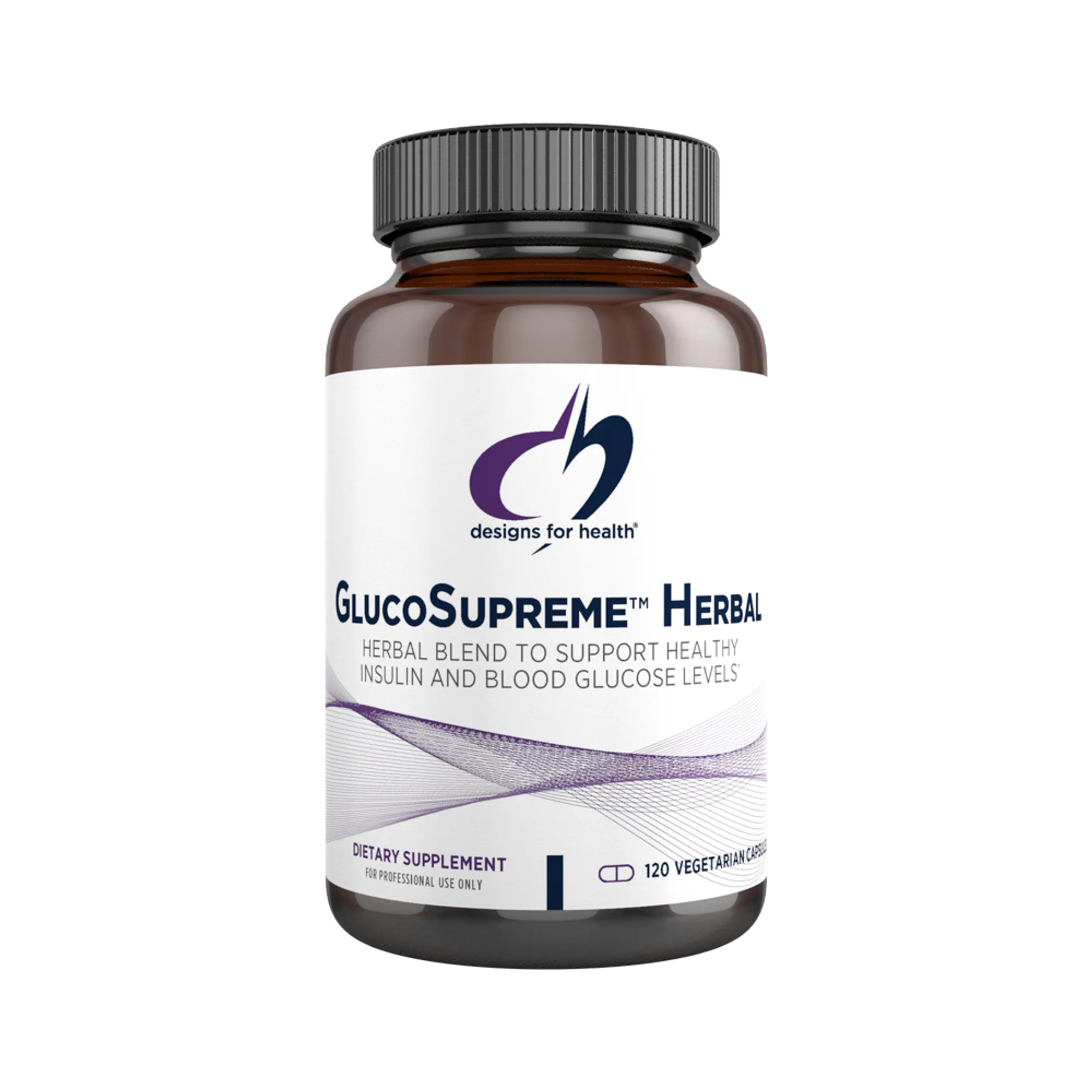
GlucoSupreme™ Herbal is a comprehensive botanical matrix formulated to support healthy blood sugar metabolism and optimal insulin function. Unlike single-ingredient supplements, this professional-grade formula combines seven highly researched plant extracts, each chosen for its unique ability to target different physiological pathways involved in glucose regulation. The cornerstone of the formulation is berberine, a naturally occurring bioactive alkaloid extracted from plants like Berberis aristata (barberry root), which has been utilized for centuries in traditional Ayurvedic and Chinese medicine. In modern clinical applications, berberine is widely recognized as one of the most potent natural compounds for addressing insulin resistance and metabolic dysfunction.
Alongside berberine, the formula includes a precise blend of fenugreek extract, American ginseng, and gymnema extract. These three botanicals work in concert to support healthy sugar, fat, and insulin metabolism by slowing carbohydrate absorption in the gut and promoting the body's natural hormonal responses to food. Fenugreek, standardized to contain 60% saponins, provides a unique soluble fiber called galactomannan that forms a gel-like substance in the digestive tract, actively blunting post-meal blood sugar spikes. Meanwhile, American ginseng, standardized to 5% ginsenosides, helps regulate the endocrine system and optimize pancreatic function, ensuring that the body can maintain a healthy, balanced response to dietary carbohydrates.
To complete the metabolic matrix, GlucoSupreme™ Herbal incorporates banaba extract, kudzu extract, and cinnamon extract. These ingredients are specifically included for their potential to support optimal sugar metabolism and maintain a healthy inflammatory response at the cellular level. Banaba leaf, standardized to 1% corosolic acid, acts as a "phyto-insulin," directly enhancing cellular glucose uptake by promoting the translocation of glucose transporters into muscle cells. Kudzu root, standardized to 40% isoflavones, provides powerful antioxidant protection, mitigating the oxidative stress that chronic high blood sugar inflicts on delicate pancreatic beta cells. Finally, cinnamon extract acts as a potent inhibitor of digestive enzymes, further slowing the breakdown of complex carbohydrates.
The Role of Berberine and AMPK Activation
To understand how GlucoSupreme™ Herbal works, one must first understand the profound cellular impact of its primary ingredient, berberine. At the molecular level, berberine's most critical mechanism of action is the activation of AMP-activated protein kinase (AMPK). Often referred to as the body's "metabolic master switch," AMPK is a crucial cellular energy sensor that monitors the balance between energy production and energy consumption. When cellular energy levels drop—indicated by a rising ratio of adenosine monophosphate (AMP) to adenosine triphosphate (ATP)—AMPK is activated to boost energy production pathways and shut down energy-storing processes like fat accumulation. Research published in the journal Diabetes demonstrates that berberine is one of the most potent natural AMPK activators known to science.
Berberine achieves this activation through a fascinating mechanism: it mildly and temporarily inhibits mitochondrial respiratory complex I. By slightly slowing down the mitochondria's ability to produce ATP, berberine artificially raises the cellular AMP-to-ATP ratio. This perceived energy deficit triggers the prolonged phosphorylation, or activation, of AMPK. Once activated, AMPK initiates a cascade of metabolic repairs. It suppresses the expression of enzymes in the liver responsible for creating new glucose (hepatic gluconeogenesis), thereby significantly lowering fasting blood sugar levels. Simultaneously, it downregulates transcription factors that promote fat accumulation, shifting the body's metabolism toward fat oxidation and energy generation.
Most importantly for patients dealing with profound metabolic dysfunction, AMPK activation allows cells to absorb glucose from the bloodstream independently of insulin. In a healthy body, insulin binds to cellular receptors, triggering the PI3K/Akt/IRS-1 signaling pathway, which tells the cell to bring glucose transporters (GLUT4) to the surface to pull sugar inside. In states of severe insulin resistance, this pathway is broken, leaving sugar trapped in the blood while the cells starve for energy. By activating AMPK, berberine completely bypasses this broken insulin signaling cascade. It forces the translocation of GLUT4 to the cell membrane in skeletal muscle and adipose tissue, allowing the starving cells to absorb the glucose they desperately need to generate ATP.
Supporting GLP-1 and Pancreatic Function
Beyond AMPK activation, GlucoSupreme™ Herbal supports metabolic health by indirectly promoting the body's natural secretion of glucagon-like peptide-1 (GLP-1). GLP-1 is a crucial incretin hormone produced by the L-cells of the intestines in response to food intake. It plays a massive role in regulating glucose homeostasis, promoting healthy body composition, and signaling satiety to the brain. While prescription GLP-1 receptor agonists directly bind to and artificially stimulate these receptors, research indicates that berberine works indirectly to increase the body's endogenous, natural production of the hormone. This provides a gentler, more physiological approach to metabolic support.
Berberine stimulates GLP-1 secretion through several distinct pathways. First, berberine possesses a distinctively bitter taste. In the intestinal tract, it specifically activates the bitter taste receptor TAS2R38 on enteroendocrine cells. This activation triggers the Phospholipase C (PLC) signaling pathway, which directly stimulates the immediate release of stored GLP-1 into the bloodstream. Furthermore, berberine activates specific genetic pathways that lead to a significant upregulation in the mRNA expression of proglucagon, the precursor molecule to GLP-1. By increasing the actual production of the precursor hormone, berberine helps ensure that the body has an adequate supply of GLP-1 ready to be deployed when dietary carbohydrates are consumed.
The inclusion of American ginseng and fenugreek in GlucoSupreme™ Herbal further amplifies this hormonal support. American ginseng has been shown to support the sustained secretion of GLP-1 and protect pancreatic beta cells from oxidative stress. Meanwhile, the unique amino acid 4-hydroxyisoleucine found in fenugreek directly stimulates glucose-dependent insulin secretion from the pancreas. This means that insulin is only released when blood sugar levels are actually elevated, reducing the risk of the severe hypoglycemic crashes that often plague patients with dysautonomia and reactive hypoglycemia. Together, this botanical matrix provides comprehensive support for the entire pancreatic and incretin hormone system.
How Long COVID and ME/CFS Impact Metabolic Health
The Viral Hijacking of Cellular Metabolism
To understand why a supplement like GlucoSupreme™ Herbal is so relevant for patients with complex chronic illnesses, we must first examine how these conditions fundamentally alter the body's metabolic landscape. Recent medical and scientific research has increasingly recognized that Long COVID and ME/CFS are not merely respiratory or immunological conditions, but rather profound systemic metabolic challenges. When the SARS-CoV-2 virus enters the body, it does so primarily by binding to the ACE2 receptor. Unfortunately, these receptors are highly expressed in critical metabolic organs, including the pancreas, the liver, and adipose (fat) tissue. This allows the virus to directly infiltrate and damage the very organs responsible for regulating blood sugar and energy production.
Once inside these metabolic tissues, the virus essentially hijacks the host's cellular machinery to replicate, leaving behind a fundamentally broken metabolic state. It directly damages pancreatic beta-cells, impairing their ability to produce and secrete insulin properly. Furthermore, the massive inflammatory response triggered by the virus creates a highly toxic cellular environment that blocks peripheral tissues from responding to whatever insulin is produced. This viral hijacking explains why so many patients who were completely metabolically healthy prior to their infection suddenly develop severe blood sugar dysregulation, intense carbohydrate cravings, and rapid, unexplained weight gain in the months following their acute illness.
The clinical data supporting metabolic shifts is staggering. For instance, a 2023 study highlighted the critical importance of monitoring nutrition and glucose homeostasis in patients undergoing profound metabolic changes, such as pregnancy after bariatric surgery. Similarly, massive surges in new-onset insulin resistance are a hallmark of what causes Long COVID, demonstrating that the virus fundamentally rewires the body's ability to process and utilize glucose for energy.
Insulin Resistance and the Adiponectin Crash
The insulin resistance seen in Long COVID and ME/CFS is often driven by a severe hormonal imbalance known as the "adiponectin crash." Adiponectin is a crucial hormone secreted by healthy fat tissue that regulates glucose levels and fatty acid breakdown. It acts as a powerful anti-inflammatory agent and a primary sensitizer for insulin, ensuring that cells remain receptive to the hormone's signals. However, in the wake of a severe viral infection or chronic immune activation, the body's production of adiponectin frequently plummets, removing the body's natural buffer against metabolic stress and cellular inflammation.
Simultaneously, as adiponectin levels crash, the body begins to produce excess amounts of leptin, a highly pro-inflammatory hormone. This drastically skewed, low adiponectin-to-leptin ratio creates a vicious cycle of systemic inflammation and metabolic gridlock. The excess leptin drives further immune activation and oxidative stress, which in turn physically damages the insulin receptors on the surface of muscle and fat cells. When insulin attempts to bind to these damaged receptors, the standard PI3K/Akt/IRS-1 signaling pathway fails to activate. The cells become "deaf" to insulin's instructions, leaving glucose stranded in the bloodstream while the cells themselves literally starve for energy.
This cellular starvation has cascading effects throughout the entire body. Because the cells cannot access glucose for energy, the brain signals an intense, desperate craving for simple carbohydrates and sugars, leading to erratic eating patterns and further blood sugar spikes. When the blood sugar eventually crashes, it triggers a massive release of adrenaline and cortisol as the body panics to restore energy homeostasis. For patients with dysautonomia or Postural Orthostatic Tachycardia Syndrome (POTS), these adrenaline surges exacerbate tachycardia, tremors, and severe anxiety. Understanding what are the symptoms of Long COVID requires recognizing that many of these neurological and cardiovascular symptoms are directly downstream of this fundamental, virus-induced insulin resistance.
Mitochondrial Dysfunction and Post-Exertional Malaise (PEM)
The metabolic devastation of Long COVID and ME/CFS extends deep into the core of the cell, specifically targeting the mitochondria, the microscopic "powerhouses" responsible for generating adenosine triphosphate (ATP). In a healthy metabolism, mitochondria efficiently burn a mix of glucose and fatty acids through a process called oxidative phosphorylation (OXPHOS) to produce abundant, sustained energy. However, recent research analyzing muscle biopsies from Long COVID patients has revealed a severe breakdown in this process. Studies highlight intrinsic mitochondrial dysfunction, endothelial abnormalities, and a muscle fiber type shift towards a more glycolytic phenotype as main contributors to reduced exercise capacity.
This mitochondrial damage forces the cells to abandon efficient aerobic energy production and rely instead on primitive, highly inefficient anaerobic glycolysis. The muscle biopsy studies revealed a "premature shift" in these patients: during even mild physical exertion, the body stops burning fats and switches entirely to burning carbohydrates prematurely. Because the cells are already insulin resistant and struggling to absorb carbohydrates, this anaerobic pathway quickly fails, generating massive amounts of toxic lactate and causing rapid cellular exhaustion. This metabolic gridlock is the primary physiological driver of post-exertional malaise (PEM), the hallmark symptom of ME/CFS where patients experience a severe crash in energy following minor exertion.
Furthermore, genome-wide metabolomic modeling has shown that this mitochondrial failure is accompanied by severe amino acid starvation. Researchers mapping the metabolomics of ME/CFS and Long COVID muscle tissues noted a significant downregulation of critical amino acid pathways, specifically alanine, aspartate, and proline. Because the mitochondria cannot properly process fats or amino acids, and because insulin resistance blocks the efficient use of glucose, the cells are left with absolutely no viable fuel source. This is why understanding if Long COVID can trigger ME/CFS is so critical; both conditions share this identical, devastating metabolic footprint.
GlucoSupreme™ Herbal: Supporting Blood Sugar and Cellular Energy
Activating the "Metabolic Master Switch" (AMPK)
For patients trapped in the vicious cycle of post-viral metabolic dysfunction, GlucoSupreme™ Herbal offers a multi-targeted approach to restoring cellular energy production, primarily through the powerful AMPK-activating properties of berberine. When systemic insulin resistance has broken the standard PI3K/Akt/IRS-1 signaling pathway, the body's cells are essentially locked, unable to absorb the glucose circulating in the bloodstream. Berberine acts as a biochemical master key. By artificially raising the cellular AMP-to-ATP ratio and triggering the prolonged activation of AMPK, berberine completely bypasses the damaged insulin receptors. It sends an emergency signal directly to the core of the cell, forcing the translocation of GLUT4 glucose transporters to the cell membrane.
This AMPK-driven forced glucose uptake is profoundly therapeutic for patients with Long COVID and ME/CFS. It allows the starving skeletal muscle and adipose cells to finally absorb the glucose they need to generate ATP, immediately alleviating the state of cellular starvation that drives profound fatigue and brain fog. Furthermore, by pulling excess glucose out of the bloodstream, berberine helps to rapidly lower systemic blood sugar levels, reducing the oxidative stress and glycation damage that chronic hyperglycemia inflicts on the delicate endothelial lining of the blood vessels. This reduction in vascular inflammation is critical for restoring proper blood flow and oxygen delivery to the brain and peripheral tissues.
Beyond glucose transport, the activation of AMPK by berberine initiates a comprehensive metabolic reprogramming that directly counters the "premature shift" seen in Long COVID muscle biopsies. AMPK activation downregulates the transcription factors responsible for fat accumulation (adipogenesis) and upregulates the pathways involved in fatty acid oxidation. By forcing the mitochondria to begin burning fats for fuel again, berberine helps to restore the body's primary, long-lasting energy source. This metabolic flexibility is exactly what is lost in ME/CFS and Long COVID, and restoring it is a critical step in mitigating the severity of post-exertional malaise (PEM).
Enhancing Insulin Sensitivity and Cellular Glucose Uptake
While berberine bypasses broken insulin pathways, the other botanical extracts in GlucoSupreme™ Herbal work synergistically to repair and enhance the body's natural insulin sensitivity. Banaba leaf extract, standardized to contain 1% corosolic acid, is a critical component of this repair process. Corosolic acid acts essentially as a "phyto-insulin" or plant-based insulin mimetic. It binds directly to insulin receptors on the surface of muscle cells, triggering the same intracellular signaling cascades that natural insulin would, thereby enhancing cellular glucose uptake even in states of severe insulin resistance. Furthermore, corosolic acid has been shown to inhibit alpha-glucosidase, an enzyme responsible for carbohydrate digestion.
Kudzu extract and cinnamon extract further amplify this insulin-sensitizing effect. Cinnamon is rich in highly bioactive polyphenols that have been clinically shown to activate insulin receptor kinase and inhibit glycogen synthase kinase-3β. By modulating these specific enzymes, cinnamon forces an increase in cellular glucose uptake and promotes the storage of excess glucose as glycogen in the liver and muscles, rather than allowing it to circulate in the blood and cause inflammatory damage. This targeted support for insulin signaling directly within skeletal muscle tissue is vital for patients struggling with the profound muscle weakness characteristic of ME/CFS.
Meanwhile, the isoflavones found in kudzu root, particularly puerarin, provide essential antioxidant protection to the metabolic system. Chronic high blood sugar and the resulting advanced glycation end-products (AGEs) cause severe oxidative stress, which physically destroys the pancreatic beta cells responsible for producing insulin. Kudzu acts as a metabolic shield, scavenging these damaging free radicals and mitigating the cellular inflammation that drives the adiponectin crash. By protecting the structural integrity of the pancreas and reducing systemic inflammatory cytokines, kudzu helps to create a healthier, more resilient metabolic environment.
Slowing Carbohydrate Absorption in the Gut
The final therapeutic angle of GlucoSupreme™ Herbal occurs directly within the digestive tract, targeting the initial absorption of dietary carbohydrates to mitigate massive blood sugar spikes. Gymnema sylvestre, a woody climbing shrub highly revered in Ayurvedic medicine as the "sugar destroyer," is the primary driver of this mechanism. Gymnemic acids actively inhibit the sodium-dependent glucose transporter 1 (SGLT1) in the intestines. By physically blocking these transporters, gymnema blocks a significant portion of dietary glucose from ever being absorbed into the bloodstream, effectively blunting the glycemic impact of carbohydrate-heavy meals.
Furthermore, gymnema is unique among botanicals for its ability to block the sweet taste receptors on the tongue. When taken before a meal, gymnemic acids bind to these receptors, temporarily neutralizing the ability to taste sweetness. Clinical trials have demonstrated that this significantly reduces intense sugar cravings, a common and distressing symptom for patients whose starving cells are desperately signaling the brain for quick energy. By reducing the neurological drive to consume simple carbohydrates, gymnema helps patients adhere to the anti-inflammatory, blood-sugar-stabilizing diets that are crucial for managing post-viral metabolic dysfunction.
Fenugreek extract complements gymnema's intestinal action through its high concentration of galactomannan, a unique, highly viscous soluble fiber. When consumed, this fiber forms a thick, gel-like matrix in the stomach and small intestine. This gel physically traps carbohydrates and digestive enzymes, dramatically slowing down the rate of digestion and the subsequent release of glucose into the bloodstream. This slow, sustained release of energy avoids the sharp peaks and devastating valleys in blood sugar that so often trigger reactive hypoglycemia, severe brain fog, and the sudden, overwhelming need to lie down after eating.

Symptoms GlucoSupreme™ Herbal May Help Manage
Targeted Symptom Relief
By addressing the root causes of systemic insulin resistance, mitochondrial dysfunction, and erratic glucose metabolism, the synergistic botanical matrix in GlucoSupreme™ Herbal may help manage a wide range of debilitating symptoms associated with Long COVID, ME/CFS, and dysautonomia.
Post-Meal Fatigue (Food Comas): By utilizing fenugreek and gymnema to slow carbohydrate absorption and blunt massive insulin spikes, this formula helps avoid the sudden, overwhelming exhaustion and need to sleep that often occurs immediately after eating a meal.
Severe Brain Fog and Cognitive Dysfunction: Berberine's ability to activate AMPK and force glucose into starving cells helps restore a steady supply of ATP to the brain, alleviating the cognitive slowing, confusion, and inability to concentrate driven by cerebral hypometabolism.
Unexplained Weight Gain and Adiposity: By downregulating the transcription factors responsible for fat accumulation and promoting healthy GLP-1 secretion, berberine and American ginseng help shift the body out of a fat-storing state and back toward healthy lipid oxidation and metabolic balance.
Intense Sugar Cravings: The gymnemic acids in gymnema extract physically block sweet taste receptors on the tongue and inhibit intestinal glucose absorption, significantly reducing the desperate neurological drive to consume simple carbohydrates and sugars.
Dysautonomic Adrenaline Surges: By stabilizing blood sugar levels and avoiding the sharp drops associated with reactive hypoglycemia, this formula helps avoid the massive, panic-inducing releases of adrenaline and cortisol that exacerbate POTS symptoms like tachycardia, tremors, and severe anxiety.
Post-Exertional Malaise (PEM): Supporting mitochondrial flexibility and forcing glucose uptake via AMPK activation helps provide the starving skeletal muscles with the baseline energy they need, potentially raising the threshold at which cellular exhaustion and lactate accumulation occur.
Practical Considerations: Forms, Dosing, and Absorption
Understanding Berberine's Bioavailability
While the biochemical mechanisms of GlucoSupreme™ Herbal are profoundly powerful, achieving clinical efficacy requires a deep understanding of how these botanicals are absorbed and utilized by the body. The most significant pharmacological hurdle in this formulation is the exceptionally poor oral bioavailability of standard berberine. Research in both human and animal models demonstrates that standard berberine has an absolute oral bioavailability of less than 1%—often cited between 0.36% and 0.68%. This means that for every 500 mg capsule swallowed, only a tiny fraction of the active alkaloid ever reaches systemic circulation to activate AMPK in the peripheral tissues and brain.
This incredibly low absorption rate is driven by three primary factors. First, berberine has poor water solubility, making it difficult to dissolve adequately in the gastrointestinal tract. Second, the intestinal cells actively view berberine as a foreign alkaloid and utilize the P-glycoprotein (P-gp) efflux pump to actively spit the berberine back out into the gut lumen before it can be absorbed. Finally, whatever small amount does manage to cross the intestinal barrier is subject to heavy first-pass metabolism; roughly half of the ingested dose is immediately metabolized and broken down by the gut wall and the liver before it can enter the broader bloodstream.
However, this poor systemic absorption is not entirely a negative attribute, as a significant portion of berberine's therapeutic effect actually occurs locally within the gut microbiome. The unabsorbed berberine remains in the intestines, where it actively modifies the gut microbiota, promoting the growth of beneficial bacteria that produce short-chain fatty acids (SCFAs). These SCFAs then interact with the intestinal L-cells to further stimulate the endogenous secretion of GLP-1. Furthermore, the local concentration of berberine in the gut is what activates the TAS2R38 bitter taste receptors, triggering the immediate hormonal cascades that regulate post-meal blood sugar.
Dosing Strategies for Optimal Efficacy
Because of its unique pharmacokinetic profile, the dosing strategy for GlucoSupreme™ Herbal is critical to its success. The elimination half-life of berberine in the human body is relatively short, ranging between 4 to 8 hours. Consequently, taking a single, massive dose of berberine is not only ineffective at maintaining steady blood levels, but it is also highly likely to cause severe gastrointestinal distress, including cramping, diarrhea, and nausea, as the unabsorbed alkaloids irritate the gut lining. To achieve the sustained AMPK activation necessary to help manage severe insulin resistance, the dosage must be carefully divided throughout the day.
The suggested use for GlucoSupreme™ Herbal is to take 4 capsules per day, strictly divided and taken alongside meals. A common and highly effective strategy is to take two capsules with breakfast and two capsules with dinner, or to spread them out as one capsule with each meal and one before bed. Taking the supplement with food serves a dual purpose: the presence of dietary fats and bile acids significantly enhances the solubility and absorption of the botanical extracts, while the immediate presence of the herbs in the digestive tract allows the gymnema, fenugreek, and cinnamon to actively bind to the incoming carbohydrates and blunt the post-prandial glucose spike.
When beginning a high-potency metabolic protocol like GlucoSupreme™ Herbal, practitioners often recommend a "low and slow" titration approach, especially for patients with sensitive gastrointestinal tracts or severe dysautonomia. Starting with just one capsule per day with the largest meal and slowly increasing the dose over several weeks allows the gut microbiome to adjust to the powerful antimicrobial and metabolic effects of the berberine and saponins. Patients should also be aware that while some gut-level effects may be noticed within days, the deeper systemic repairs typically require 8 to 12 weeks of consistent, daily supplementation to become clinically apparent.
Critical Drug Interactions and Safety Warnings
While generally well-tolerated by most adults, the potent pharmacological effects of berberine and the other botanicals in this matrix carry significant safety considerations and severe drug interaction risks. Berberine's most critical safety concern is its potential to act as a moderate-to-strong inhibitor of cytochrome P450 (CYP450) liver enzymes, specifically CYP3A4, CYP2D6, and CYP2C9, as well as the P-glycoprotein (P-gp) transporter. By blocking the metabolic pathways that the liver uses to clear other medications, berberine can cause concomitant prescription drugs to accumulate in the bloodstream to dangerous, potentially toxic levels.
A systematic review and meta-analysis of randomized clinical trials has evaluated the efficacy and safety of berberine alone for several metabolic disorders. Because berberine can interact with liver enzymes, it is particularly dangerous for patients taking immunosuppressants (like cyclosporine or tacrolimus), where combined use heavily raises the risk of severe kidney damage. Furthermore, because berberine inhibits the breakdown of certain statins (lipid-lowering agents like atorvastatin), it can cause the statins to accumulate, significantly increasing the risk of myopathy (severe muscle damage and pain). Berberine also inhibits CYP2C9, the enzyme responsible for breaking down blood thinners like warfarin, dangerously increasing the therapeutic effect and raising the risk of severe bleeding events.
Finally, because GlucoSupreme™ Herbal is explicitly designed to lower blood sugar and powerfully increase insulin sensitivity, combining it with prescription antidiabetic medications creates a massive synergistic effect. Stacking this botanical matrix with drugs like Metformin, sulfonylureas, Trulicity, or synthetic insulin highly elevates the risk of severe hypoglycemia (dangerously low blood sugar), which can cause fainting, seizures, and severe dysautonomic crashes. Anyone taking prescription medications for diabetes, blood pressure, cholesterol, or immune suppression must consult their prescribing physician before starting this supplement. Additionally, berberine is strictly contraindicated during pregnancy and breastfeeding.

Follow the Science
Clinical Trials on Berberine and Metabolic Syndrome
The scientific validation for the ingredients in GlucoSupreme™ Herbal is robust, particularly concerning berberine's impact on profound metabolic dysfunction. Foundational animal studies have consistently demonstrated berberine's ability to address severe insulin resistance. In a landmark study utilizing diet-induced obese rats, a 5-week administration of berberine reduced fasting insulin levels by 46% and reduced the HOMA-IR score (the gold standard clinical marker for insulin resistance) by an astonishing 48%. These models proved that berberine could significantly reduce body weight, lower plasma triglycerides, and completely restore glucose tolerance without requiring any alterations to the animals' food intake.
In human clinical trials, the data remains highly compelling. Meta-analyses of randomized controlled trials demonstrate that berberine yields consistent, statistically significant reductions in HbA1c (average blood sugar over three months) of 0.5% to 0.7%. While this is slightly less than the 1.0% to 1.5% reductions typically seen with prescription GLP-1 medications, it represents a massive, clinically meaningful improvement in systemic metabolic health for a natural botanical. Furthermore, clinical studies suggest that taking roughly 1 to 1.5 grams of berberine daily results in a modest weight reduction of about 1 to 3 kg (2 to 6.5 lbs) over 8 to 12 weeks, alongside significant reductions in waist circumference and body mass index (BMI) in overweight individuals.
Beyond glycemic control, an extensive analysis of studies involving over 4,600 patients found that berberine profoundly improves lipid profiles. The data shows that berberine consistently lowers LDL (bad) cholesterol, raises HDL (good) cholesterol, and significantly reduces circulating triglycerides. Some researchers suggest that its lipid-lowering efficacy rivals that of certain statin medications, achieving these results through the upregulation of hepatic LDL receptors rather than the inhibition of the HMG-CoA reductase enzyme, thereby avoiding the adverse muscle effects commonly associated with statin therapy. This comprehensive cardiovascular and metabolic support makes berberine a foundational therapeutic for complex chronic illness.
The Efficacy of Banaba and Gymnema Extracts
The supporting botanicals in the matrix also boast impressive clinical pedigrees. Banaba leaf extract, driven by its active corosolic acid, has been extensively studied for its insulin-mimetic properties. In a long-term, one-year open-label study involving patients with elevated fasting blood glucose, the daily administration of banaba extract resulted in an average 16.6% decrease in fasting blood glucose levels, alongside significant improvements in overall glucose tolerance and glycated albumin, all without inducing hypoglycemia or any negative changes to hematological safety markers. Furthermore, a 2022 double-blind, placebo-controlled trial found that 12 weeks of banaba supplementation led to a remarkable 67% remission rate from metabolic syndrome in the active group, driven by massive decreases in fasting glucose and VLDL triglycerides.
Gymnema sylvestre has similarly robust data supporting its use as a "sugar destroyer." A comprehensive 2021 meta-analysis analyzing 10 clinical trials and over 400 patients with Type 2 diabetes found that supplementation with gymnema extract resulted in highly significant reductions in fasting blood sugar, postprandial blood sugar, and HbA1c. In a landmark long-term efficacy study by Baskaran et al., 22 diabetic patients were administered 400 mg/day of gymnema extract over 18 to 20 months alongside their conventional oral medications. The results were striking: not only were all glycemic markers significantly reduced, but 5 out of the 22 patients experienced such profound metabolic recovery that they were able to completely discontinue their conventional pharmaceutical diabetes medications while maintaining perfect glycemic control.
The synergistic combination of these herbs—fenugreek, American ginseng, kudzu, and cinnamon—has also been validated in clinical settings. A 2017 study published in the Journal of Translational Medicine tested an optimized botanical formula containing American ginseng and fenugreek on human adipocytes (fat cells). The researchers found that this specific combination significantly improved insulin sensitivity and increased cellular glucose uptake even under low, submaximal insulin levels. In animal models of severe insulin resistance, this botanical combination successfully blunted the progression of metabolic disease by maintaining cellular insulin sensitivity and protecting the structural integrity of the pancreatic beta cells from oxidative destruction.
Emerging Research on Post-Viral Metabolic Dysfunction
The relevance of these metabolic interventions is rapidly expanding as we learn more about the pathophysiology of post-viral syndromes. The 2023 study by Al-Hakeim et al., which identified severe insulin resistance in 33.7% of Long COVID patients, fundamentally shifted the paradigm, proving that the virus leaves behind a broken metabolic state. This was further corroborated by data presented at the NIH's RECOVER Initiative in 2025, which estimated that approximately 1 in 20 people who had COVID-19 met the clinical diagnostic criteria for ME/CFS six months after infection, pushing the estimated number of U.S. adults with ME/CFS to over 15 million. This massive overlap highlights the urgent need for therapies that address the root metabolic collapse shared by both conditions.
Perhaps the most striking evidence of this shared metabolic pathology comes from a 2024 in vitro study by Nacul et al. Researchers applied blood serum from ME/CFS and Long COVID patients to healthy, lab-grown 3D muscle tissue cultures. Within hours of exposure to the patient serum, the previously healthy muscle cells entered a hypermetabolic state, followed by a complete collapse in mitochondrial function and muscle contractility. The mitochondria literally fused into stress-induced networks, proving definitively that circulating factors in the blood of these patients actively disrupt cellular metabolism and block energy production.
Because the root pathology of these conditions is increasingly viewed as metabolic rather than purely immunological, researchers are urgently testing therapies that target cellular energy restoration. For example, the University of Minnesota’s COVID-OUT study demonstrated that early administration of Metformin—a pharmaceutical drug that, like berberine, activates AMPK and combats insulin resistance—reduced the incidence of Long COVID by 31%. As the scientific consensus solidifies around the concept of viral-induced metabolic syndrome, high-potency, multi-mechanistic botanical formulations like GlucoSupreme™ Herbal are emerging as vital tools for supporting mitochondrial function, helping manage insulin resistance, and helping patients reclaim their cellular energy.
The Path Forward
A Comprehensive Approach to Metabolic Recovery
Living with the profound metabolic dysfunction and relentless fatigue of Long COVID or ME/CFS is an incredibly heavy burden. The sudden inability to process food normally, the unpredictable blood sugar crashes, and the deep cellular exhaustion can make every day feel like an insurmountable challenge. It is vital to remember that this metabolic collapse is a documented physiological reality of post-viral illness, not a personal failing. While there is no single quick fix for these complex conditions, understanding the underlying mechanisms of insulin resistance and mitochondrial failure provides a clear, actionable path forward. By targeting the root causes of cellular starvation, patients can begin to slowly rebuild their body's fundamental energy pathways.
Supplements like GlucoSupreme™ Herbal are powerful tools, but they are most effective when integrated into a comprehensive, holistic management strategy. Reversing severe metabolic dysfunction requires a multi-faceted approach. This includes strict nutritional pacing—focusing on anti-inflammatory, low-glycemic diets that provide steady, sustained energy without triggering massive insulin spikes. It requires meticulous physical and cognitive pacing to avoid pushing the damaged mitochondria beyond their anaerobic threshold and triggering post-exertional malaise. It also involves prioritizing restorative sleep, managing dysautonomic triggers, and utilizing targeted therapeutics to support the gut microbiome and reduce systemic inflammation. Every small step taken to stabilize blood sugar and support cellular energy production is a step toward regaining a higher quality of life.
Partnering with Your Healthcare Provider
Because the botanical extracts in this formulation are highly potent and actively alter metabolic pathways, hormone secretion, and liver enzyme function, they must be used with the same respect and caution as pharmaceutical medications. The risk of severe drug interactions, particularly with immunosuppressants, statins, blood thinners, and prescription antidiabetic drugs, cannot be overstated. It is absolutely critical to work closely with a knowledgeable healthcare provider or functional medicine practitioner who understands the complexities of post-viral metabolic syndrome and can safely guide your management plan, monitor your liver function, and adjust your existing medications as your insulin sensitivity improves.
If you are struggling with the metabolic fallout of a chronic complex illness, experiencing unexplained weight gain, severe post-meal fatigue, or intense sugar cravings, targeted botanical support may be a valuable addition to your recovery toolkit. By activating the body's metabolic master switch, enhancing insulin sensitivity, and protecting the delicate endocrine system, this synergistic formulation offers a science-backed approach to restoring cellular vitality. Explore GlucoSupreme™ Herbal to learn more about how this professional-grade matrix can support your journey toward metabolic recovery and sustained energy.
Sources
Skeletal muscle adaptations and post-exertional malaise in long COVID
Berberine and GLP-1: A Natural Pathway to Metabolic Wellness
What to know about berberine, the so-called "nature's Ozempic"
Corosolic acid as a phyto-insulin mimetic for metabolic syndrome
Effect of Gymnema sylvestre on sweet taste perception and sugar cravings
Drug-drug interactions of berberine with CYP450 enzymes and P-glycoprotein