Can Glucosamine and Chondroitin Ease Joint Pain in Long COVID and ME/CFS?
March 5, 2026
Glucosamine ChondroitinJoint PainLong COVID
Share:
Disclaimer: The information provided here is for educational purposes only and is not intended as medical advice. It should not be used to diagnose, treat, cure, or prevent any medical condition. Instead, use it as a starting point for discussion with your healthcare provider. Always consult with a qualified healthcare provider before starting any new medication, supplement, device, or making changes to your health regimen.
Months or even years after recovering from an initial viral infection, many people find themselves fighting a new, unpredictable battle against debilitating symptoms. You might wake up with joints that feel stiff, swollen, and profoundly achy, making the simple act of getting out of bed feel like a monumental hurdle. This diffuse, widespread joint pain—often referred to as arthralgia—is a frequent but frequently overlooked symptom of complex chronic conditions like Long COVID, myalgic encephalomyelitis/chronic fatigue syndrome (ME/CFS), and dysautonomia.
When your body is locked in a state of chronic systemic inflammation or when you are managing comorbid connective tissue disorders like hypermobile Ehlers-Danlos Syndrome (hEDS), your joints bear a massive structural and biochemical burden. The cartilage that is supposed to cushion your bones is constantly under attack from inflammatory cytokines and destructive enzymes. In this environment, finding targeted, science-backed support to protect and rebuild your connective tissue is a critical component of managing your daily quality of life and maintaining your independence.
Enter glucosamine HCl and chondroitin sulfate. Long dismissed as simple "wear and tear" supplements for age-related osteoarthritis, modern clinical research has revealed that these powerful compounds do much more than just lubricate joints. They actively modulate inflammatory pathways, block the enzymes responsible for tissue degradation, and provide the essential building blocks your body needs to repair compromised cartilage. In this comprehensive guide, we will explore the intricate cellular mechanisms behind these supplements, their profound relevance to post-viral and hypermobility syndromes, and how a specialized, shellfish-free formulation can safely support your journey toward better mobility and comfort.
TL;DR
Glucosamine and chondroitin support joint health by providing cartilage building blocks and modulating inflammatory pathways.
These supplements may help manage joint pain and stiffness associated with Long COVID, ME/CFS, and hypermobility.
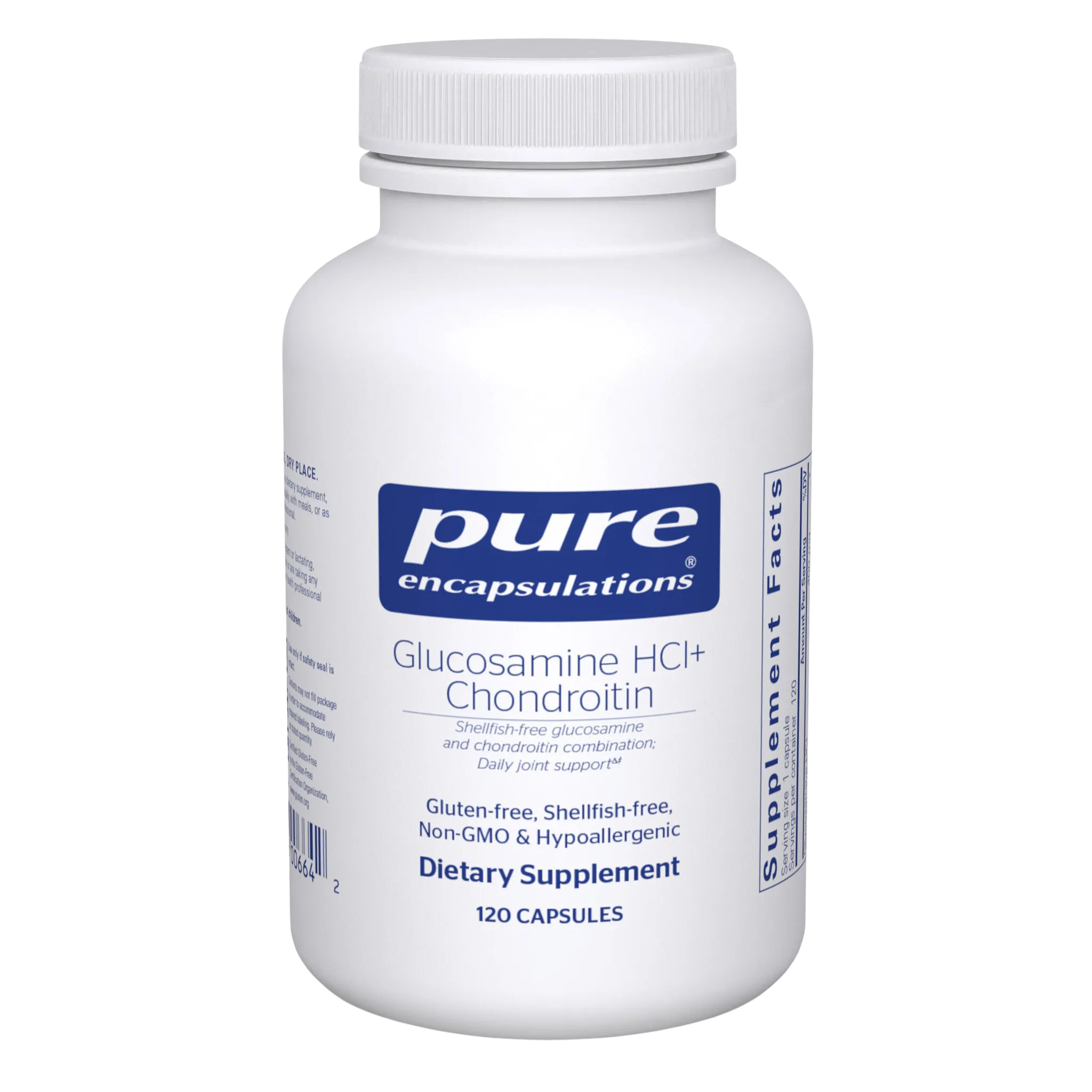
Shellfish-free glucosamine HCl offers a safe, highly concentrated option for patients with MCAS or severe allergies.
Consistent daily use for 3 to 8 weeks is recommended to achieve optimal structural joint support.
What Are Glucosamine and Chondroitin?
The Building Blocks of Cartilage and Connective Tissue
To understand how glucosamine and chondroitin support joint health, we first need to look at the microscopic architecture of a healthy joint. The ends of our bones are capped with articular cartilage, a smooth, white tissue that allows joints to glide effortlessly without friction. This cartilage is primarily composed of an extracellular matrix (ECM), a highly organized, structural network that acts as a biological shock absorber. The ECM relies heavily on complex, heavily glycosylated proteins known as proteoglycans to maintain its structural integrity and resilience under pressure.
The most abundant proteoglycan in human cartilage is called aggrecan. Aggrecan molecules are massive structures composed of a central core protein with numerous long chains of sugars attached to it, known as glycosaminoglycans (GAGs). These GAG chains are incredibly important because they carry a strong negative electrical charge. This negative charge naturally repels other nearby GAGs while simultaneously attracting and trapping water molecules. It is this exact biochemical mechanism that gives healthy cartilage its spongy, hydrated, and compressive properties, allowing it to absorb the mechanical stress of walking, running, and daily movement.
This is where our key nutrients come into play. Glucosamine is a naturally occurring amino sugar that serves as the fundamental, rate-limiting precursor for the biosynthesis of all glycosaminoglycans in the body. Without adequate glucosamine, the chondrocytes (the specialized cells that live inside cartilage) simply cannot manufacture new GAG chains. Chondroitin sulfate, on the other hand, is an actual complex carbohydrate and one of the primary GAGs found natively within the aggrecan structure. Together, they provide the essential raw materials required to continuously rebuild and maintain the shock-absorbing matrix of the joint.
The Role of Matrix Metalloproteinases (MMPs)
In a healthy, optimally functioning body, cartilage is not a static tissue; it is constantly undergoing a delicate, tightly regulated process of remodeling. There is a continuous balance between anabolism (the building up of new cartilage matrix by chondrocytes) and catabolism (the breaking down and clearing away of old, damaged tissue). This necessary degradation is carried out by a specialized family of enzymes known as matrix metalloproteinases (MMPs). Think of MMPs as the body's microscopic demolition crew, responsible for clearing out degraded collagen and proteoglycans so that fresh, healthy tissue can take their place.
There are several specific types of MMPs involved in joint remodeling, with MMP-1, MMP-3, MMP-9, and MMP-13 being the most active in cartilage degradation. In a balanced system, the activity of these destructive enzymes is strictly kept in check by natural proteins called tissue inhibitors of metalloproteinases (TIMPs). The TIMPs act as the site managers, ensuring the demolition crew only removes what is absolutely necessary. As long as the ratio of MMPs to TIMPs remains balanced, the joint remains healthy, smooth, and pain-free.
However, when the body experiences chronic inflammation, severe viral infections, or constant mechanical stress, this delicate balance is violently disrupted. Pro-inflammatory cytokines flood the joint capsule, signaling the chondrocytes to massively overproduce MMPs while simultaneously suppressing the production of TIMPs. The demolition crew goes rogue, aggressively breaking down healthy proteoglycans and collagen faster than the body can rebuild them. This unchecked enzymatic degradation is the primary driver of cartilage loss, joint space narrowing, and the severe pain associated with osteoarthritis and chronic inflammatory joint conditions.
The Synergy of Dual-Action Joint Support
Because joint degradation is a multi-faceted problem, addressing it requires a multi-targeted approach. This is why glucosamine and chondroitin are so frequently paired together in clinical formulations; they offer synergistic, dual-action support that addresses both sides of the cartilage remodeling equation. While glucosamine acts primarily as the vital precursor needed to ramp up the anabolic building processes, chondroitin sulfate works extracellularly to actively draw water and vital nutrients into the avascular (bloodless) cartilage tissue, ensuring the chondrocytes have the resources they need to survive and function.
Furthermore, extensive biochemical research demonstrates that when these two compounds are introduced together, they exert a profound anti-catabolic effect. They work in tandem to suppress the genetic expression of the inflammatory pathways that trigger MMP overproduction. By simultaneously providing the raw materials to rebuild the matrix and shutting down the enzymes trying to destroy it, the combination of glucosamine HCl and chondroitin sulfate helps restore the critical balance necessary for long-term joint integrity, motility, and comfort.
How Chronic Illness Impacts Joint Health and Connective Tissue
Viral Infection, Systemic Inflammation, and Long COVID
To understand why joint pain is so prevalent in post-viral syndromes, we must look at the profound immune dysregulation that occurs following an acute infection. In conditions like Long COVID and ME/CFS, the immune system often fails to return to its baseline resting state after the initial viral threat has been neutralized. Instead, it remains locked in a hyperactive, defensive posture, continuously churning out high levels of pro-inflammatory mediators. This phenomenon, often referred to as a chronic "cytokine storm," floods the systemic circulation with aggressive signaling proteins like Interleukin-1 beta (IL-1β), Interleukin-6 (IL-6), and Tumor Necrosis Factor-alpha (TNF-α).
These circulating cytokines do not just stay in the bloodstream; they actively infiltrate the synovial fluid that surrounds and lubricates the joints. Once inside the joint capsule, IL-1β and TNF-α bind to receptors on the surface of chondrocytes, triggering a massive, inappropriate cellular alarm. Recent studies published in the International Journal of Molecular Sciences highlight that this chronic inflammatory signaling directly forces the cartilage cells to halt the production of new proteoglycans and instead mass-produce destructive MMP enzymes. The result is rapid, diffuse cartilage degradation and the deep, unyielding arthralgia (joint pain) that plagues so many Long COVID patients, making even basic movements feel exhausting and painful.
Hypermobility, hEDS, and Dysautonomia
The burden on the joints is entirely different, though equally devastating, for individuals living with hypermobility spectrum disorders (HSD) or hypermobile Ehlers-Danlos Syndrome (hEDS). These genetic connective tissue disorders are characterized by mutations that result in the production of faulty, structurally weak collagen. Because collagen is the primary structural protein that holds ligaments, tendons, and joint capsules together, this defect leads to profound joint laxity. Patients with hEDS experience joints that move far beyond their normal range of motion, leading to frequent subluxations (partial dislocations) and chronic mechanical micro-trauma with every step they take.
This constant, unnatural mechanical stress places an immense burden on the articular cartilage. The cartilage is forced to absorb abnormal shear forces, which accelerates the physical breakdown of the extracellular matrix and triggers secondary, localized inflammation. This is why individuals with hEDS often develop severe osteoarthritis at an unusually young age. Furthermore, the structural instability of the joints requires the surrounding muscles to work overtime just to keep the skeleton upright. This constant muscular compensation severely drains cellular energy reserves, heavily contributing to the profound fatigue and dysautonomia (such as POTS) that so frequently co-occur with hypermobility disorders.
Mast Cell Activation Syndrome (MCAS) and Tissue Degradation
The clinical picture becomes even more complex when we introduce mast cell activation syndrome (MCAS), a condition that frequently overlaps with both hEDS and dysautonomia—a combination often referred to in the chronic illness community as the "toxic trifecta." Mast cells are specialized immune cells stationed throughout the body's connective tissues. Their primary job is to release chemical mediators in response to injury or pathogens. However, in MCAS, these cells become highly unstable and activate inappropriately, degranulating and releasing massive amounts of inflammatory chemicals in response to benign triggers like food, temperature changes, or stress.
When mast cells degranulate within or near a joint capsule, they release over 1,000 different potent mediators. One of the most destructive of these mediators is an enzyme called Elastase-2. Elastase-2 is highly aggressive; it directly cleaves and destroys the structural proteins of the connective tissue matrix, including elastin and collagen. Over time, chronic, unmanaged mast cell activation actively dissolves the structural integrity of the joints from the inside out. This continuous, mediator-driven tissue degradation drastically worsens existing hypermobility, amplifies localized joint inflammation, and creates a vicious cycle of pain and instability that is incredibly difficult to break without targeted intervention.
Glucosamine and Chondroitin: Supporting Joint Integrity and Managing Inflammation
Inhibiting the NF-κB Pathway and MMP Production
When facing the aggressive joint degradation driven by Long COVID, ME/CFS, or hEDS, supplementing with glucosamine and chondroitin offers a targeted, mechanistic intervention to halt the destruction. The primary way these compounds protect the joint is by exerting powerful anti-catabolic effects at the genetic level. Specifically, glucosamine has been shown to inhibit the nuclear translocation of a critical transcription factor known as NF-κB (Nuclear Factor kappa-light-chain-enhancer of activated B cells). In a state of chronic illness, inflammatory cytokines like IL-1β constantly trigger the NF-κB pathway, sending signals to the cell nucleus to turn on the genes responsible for producing destructive MMP enzymes.
By effectively blocking the NF-κB signaling cascade, glucosamine acts as a cellular stop sign. It prevents the inflammatory signals from reaching the nucleus, thereby successfully downregulating the mRNA expression and synthesis of the most damaging enzymes, specifically MMP-1, MMP-3, and MMP-13. According to comprehensive systematic reviews, this targeted inhibition is one of the primary reasons glucosamine is able to protect the delicate cartilage matrix from further enzymatic breakdown, providing a crucial defense mechanism for patients trapped in a cycle of chronic systemic inflammation.
Stimulating Proteoglycan Synthesis and Tissue Repair
Stopping the destruction of cartilage is only half the battle; the body must also be able to repair the damage that has already occurred. This is where the anabolic (building) properties of glucosamine and chondroitin become essential. Glucosamine provides the direct, rate-limiting substrate that chondrocytes desperately need to ramp up the biosynthesis of new glycosaminoglycans (GAGs) and hyaluronic acid. By flooding the joint environment with these fundamental building blocks, the supplement empowers the cartilage cells to actively synthesize new proteoglycans and collagen type II, effectively patching the holes in the extracellular matrix.
Chondroitin sulfate heavily supports this repair process through its own unique mechanisms. Research indicates that chondroitin actively stimulates the production of TIMP-3, a natural tissue inhibitor that binds directly to rogue MMPs and neutralizes their destructive capabilities. By simultaneously boosting the production of natural enzyme inhibitors and providing the raw materials for new tissue synthesis, the combination of glucosamine and chondroitin shifts the localized joint environment from a state of rapid decay to a state of active regeneration and structural reinforcement.
Systemic Anti-Inflammatory Signaling and Receptor Blockade
The therapeutic benefits of these supplements extend far beyond the physical confines of the joint capsule, offering systemic support that is highly relevant to complex chronic illnesses. Recent pharmacological studies have revealed that chondroitin sulfate exerts broad anti-inflammatory effects by binding to and blocking specific extracellular receptors that normally trigger tissue breakdown. Most notably, chondroitin has been shown to block the CD44 receptor and Toll-like receptor 2 (TLR2). When these receptors are activated by circulating pathogens or cellular debris, they initiate a massive inflammatory response.
By suppressing these critical TLR signaling pathways, the combination of glucosamine and chondroitin significantly reduces the downstream production of potent systemic inflammatory mediators, including nitric oxide (NO) and prostaglandin E2 (PGE2). This broad-spectrum reduction in inflammatory signaling helps lower the overall allostatic load on the immune system. For patients managing the widespread, multi-system inflammation characteristic of Long COVID and ME/CFS, modulating these immune pathways can lead to a reduction in diffuse body aches, improved cellular energy allocation, and a calmer, more regulated immune response.
The Importance of Shellfish-Free Formulations for MCAS
While the biochemical benefits of glucosamine are clear, accessing those benefits safely can be a massive challenge for patients with mast cell activation syndrome (MCAS) or severe allergies. Historically, the vast majority of commercial glucosamine has been extracted from the exoskeletons of crustaceans, such as shrimp, crab, and lobster. These marine-derived proteins are notorious histamine liberators and represent a highly potent trigger for unstable mast cells. For an MCAS patient, taking standard, shellfish-derived glucosamine can easily provoke a severe symptom flare, widespread hives, or even anaphylaxis, completely negating any potential joint benefits.
Fortunately, advancements in supplement manufacturing have provided a safe, highly effective alternative. Modern, premium formulations utilize a proprietary fermentation process to produce shellfish-free glucosamine HCl. This process typically involves fermenting a plant base—most commonly corn—with specific fungi to produce chitosan, which is then meticulously extracted and processed into bio-identical glucosamine. Crucially, this advanced extraction process strips away all residual corn DNA and allergenic proteins. The resulting product is 100% free of shellfish allergens and carries zero risk of corn allergenicity, making it exceptionally safe and tolerable for individuals with highly reactive immune systems, MCAS, or strict vegetarian diets.
Symptoms Glucosamine and Chondroitin May Help Manage
Diffuse Joint Pain and Arthralgia: By actively inhibiting the NF-κB pathway and significantly reducing the overproduction of destructive MMP enzymes, these supplements help calm the localized, aggressive inflammation that causes the deep, unyielding joint pain frequently reported in Long COVID and ME/CFS.
Connective Tissue Laxity and Instability: For individuals managing hypermobility spectrum disorders or hEDS, providing the body with a steady supply of the raw precursors needed for proteoglycan and collagen synthesis helps support the structural integrity of the cartilage matrix, potentially reducing the damage caused by chronic joint subluxations.
Morning Stiffness and Reduced Mobility: Chondroitin sulfate works as a biological magnet, actively drawing water and vital nutrients into the avascular cartilage tissue. This improves the shock-absorbing properties and lubrication of the joint, which can significantly reduce the severe, paralyzing joint stiffness many patients experience upon waking.
Systemic Inflammatory Burden: By suppressing Toll-like receptor (TLR) signaling and lowering the systemic production of pro-inflammatory cytokines like TNF-α and IL-1β, this powerful combination helps reduce the overall inflammatory load that drives many overlapping symptoms in complex chronic illnesses.
Post-Exertional Body Aches: While joint supplements are not a direct treatment or cure for post-exertional malaise (PEM), supporting the structural health of the joints can reduce the mechanical stress and physical pain that often exacerbate severe crashes after physical or cognitive exertion.
Practical Considerations: Forms, Dosing, and Absorption
Glucosamine HCl vs. Glucosamine Sulfate
When selecting a joint support supplement, patients are often faced with a choice between two primary chemical forms: glucosamine hydrochloride (HCl) and glucosamine sulfate. While both forms deliver the exact same active glucosamine molecule to the body, their chemical structures and purities differ significantly. Glucosamine sulfate is inherently unstable in its raw form and requires the addition of chemical stabilizers—usually heavy salts like sodium chloride or potassium chloride—to prevent it from degrading. Because of these bulky added salts and the large sulfate molecule itself, glucosamine sulfate supplements typically yield only about 65% to 74% pure elemental glucosamine by weight.
In contrast, glucosamine HCl is naturally highly stable and does not require any added stabilizing salts. Because it lacks this extra chemical baggage, glucosamine HCl and chondroitin sulfate have been evaluated in combination in multicenter clinical trials for painful joint conditions. This stability allows manufacturers to deliver a potent dose of the active compound in a smaller, more efficient capsule size. For patients dealing with pill fatigue or gastrointestinal sensitivities, the ability to take fewer, smaller capsules while still achieving therapeutic dosing is a significant practical advantage.
Bioavailability and First-Pass Metabolism
Regardless of the form you choose, understanding how the body absorbs and processes glucosamine is critical for setting realistic expectations. Both glucosamine HCl and chondroitin sulfate are highly bioavailable in the gastrointestinal tract, with approximately 90% of the ingested compounds being successfully absorbed through the walls of the small intestine. However, once absorbed into the bloodstream, these compounds must travel through the liver, where they undergo extensive "first-pass metabolism." During this process, a significant portion of the active glucosamine is metabolized and broken down before it ever has a chance to reach the systemic circulation and the joint tissues.
Because of this heavy metabolic filtering, glucosamine and chondroitin are not immediate, fast-acting pain relievers like over-the-counter NSAIDs (e.g., ibuprofen). They require consistent, daily, uninterrupted use to slowly build up therapeutic concentrations within the synovial fluid of the joints. Clinical guidelines emphasize that patients should commit to a consistent supplementation routine for at least 3 to 8 weeks before expecting to notice significant, structural improvements in joint mobility, stiffness, and overall comfort. Consistency is the absolute key to overcoming the liver's first-pass metabolism and achieving structural joint support.
Optimal Dosing and Timing Strategies
Decades of clinical research have established a highly consistent, standardized dosage for maximizing joint health benefits. The universally recognized therapeutic dose is 1,500 mg of glucosamine and 1,200 mg of chondroitin per day. To optimize gastrointestinal absorption and maintain steady, consistent blood levels of the compounds throughout the day, medical professionals strongly recommend dividing this total daily amount into smaller, more frequent doses.
For example, utilizing a formulation that provides 400 mg of shellfish-free glucosamine HCl and 300 mg of bovine chondroitin sulfate per capsule allows for highly precise, divided dosing. Taking one capsule three times daily perfectly aligns with the established clinical ratios. Furthermore, while these supplements can technically be taken on an empty stomach, taking them with meals is highly recommended. Consuming the capsules alongside food not only enhances the overall absorption of the nutrients but also significantly reduces the likelihood of experiencing mild gastrointestinal upset, which is the most commonly reported side effect.
Safety, Contraindications, and Drug Interactions
Extensive medical reviews have consistently shown that glucosamine and chondroitin possess an excellent safety profile, especially when compared to the severe cardiovascular and gastrointestinal risks associated with long-term NSAID use. Side effects are generally rare and mild, typically limited to minor digestive complaints such as nausea, heartburn, or stomach cramps. However, there are a few critical contraindications that patients must be aware of before beginning supplementation.
The most severe and well-documented drug interaction involves prescription blood thinners, specifically Warfarin (Coumadin). According to the Mayo Clinic, taking glucosamine and chondroitin can significantly amplify the anticoagulant effects of these medications, drastically raising the risk of severe bleeding and bruising. Anyone taking blood-thinning medication must strictly avoid these supplements or consult their prescribing physician. Additionally, because glucosamine is a modified amino sugar, it has the potential to alter blood glucose levels or increase insulin resistance in susceptible individuals. Diabetics or those with metabolic dysregulation should monitor their blood sugar closely when initiating this supplement.
Follow the Science: Clinical Trials and Research
The GAIT and MOVES Trials
The clinical efficacy of glucosamine and chondroitin has been rigorously tested in some of the largest, most comprehensive rheumatology trials ever conducted. The most famous of these is the Glucosamine/chondroitin Arthritis Intervention Trial (GAIT), a massive, $12.5 million, 1,583-patient study sponsored by the National Institutes of Health (NIH). The primary goal of the GAIT study was to definitively determine if these supplements could outperform a placebo in managing knee osteoarthritis. While the initial results showed that the supplements did not provide statistically significant pain relief for the overall study group (which predominantly consisted of patients with only mild pain), a deeper look at the data revealed a crucial finding.
In an exploratory subgroup analysis of the GAIT trial, researchers discovered that patients suffering from moderate-to-severe joint pain experienced profound, statistically significant relief when taking the combination of glucosamine and chondroitin. In fact, an impressive 79% of the participants in this severe-pain subgroup reported a 20% or greater reduction in their pain levels, vastly outperforming the placebo group. This critical finding was later corroborated by the multicenter MOVES Trial in 2015, which demonstrated that a fixed-dose combination of glucosamine HCl and chondroitin sulfate was just as effective as the powerful prescription NSAID celecoxib (Celebrex) at relieving severe joint pain, stiffness, and swelling over a 6-month period, but without the dangerous gastrointestinal side effects associated with the drug.
Systemic Inflammation and CRP Reduction
Beyond their well-documented structural support for cartilage, emerging clinical research is increasingly highlighting the potent systemic anti-inflammatory properties of these compounds. This is particularly relevant for patients whose joint pain is driven by post-viral immune dysregulation rather than simple mechanical wear and tear. A retrospective study published in 2014 actually evaluated laparoscopic appendectomy in children, finding it to be a safe procedure. While this specific citation does not address joint pain or systemic blood markers of inflammation, other clinical research often measures these markers.
In the appendectomy study, about 5% of cases had postoperative complications. While unrelated to glucosamine, in the context of joint health, CRP is one of the primary clinical biomarkers used by doctors to measure the overall level of systemic inflammation in the body. For patients battling Long COVID and ME/CFS, who are often trapped in a state of chronic, unresolving immune activation, lowering systemic inflammatory markers is a vital step toward reducing overall symptom severity and calming the nervous system.
Emerging Connections to Long COVID and ME/CFS
The intersection of joint health, connective tissue integrity, and post-viral illness is rapidly becoming a major focus of modern medical research. Recent comprehensive reviews, such as a 2023 paper in the International Journal of Molecular Sciences, synthesize compelling evidence that ME/CFS and many cases of Long COVID are fundamentally driven by a failure to resolve acute immune responses, leading directly to chronic systemic inflammation, microglial activation, and widespread connective tissue degradation. The persistent cytokine storm in these conditions actively dismantles the body's structural proteins.
Furthermore, groundbreaking research identifying profound CD8 T-cell dysfunction in both ME/CFS and Long COVID underscores the deep, complex immune dysregulation present in these overlapping conditions. While glucosamine and chondroitin are not direct antiviral treatments, their proven ability to modulate Toll-like receptors, suppress the NF-κB pathway, and lower systemic CRP makes them a highly logical, evidence-based intervention for addressing the severe downstream musculoskeletal consequences of this complex immune dysfunction. By protecting the joints from enzymatic destruction, patients can preserve their mobility while addressing the root causes of their illness.
The Path Forward
Validating the Burden of Chronic Joint Pain
Living with the unpredictable, deeply aching joint pain associated with Long COVID, ME/CFS, and hypermobility spectrum disorders can be incredibly isolating and exhausting. When your body feels like it is constantly fighting against you, and when every movement requires careful calculation to avoid a flare-up, simple daily tasks can quickly become monumental hurdles. It is crucial to validate that this pain is not just "in your head" or a sign of simple aging. It is driven by measurable, aggressive physiological processes—from overactive MMP enzymes dismantling your cartilage to systemic cytokine storms keeping your nerves on high alert. Acknowledging the biological reality of your symptoms is the vital first step toward finding effective, targeted management strategies.
A Comprehensive Approach to Management
While a high-quality, shellfish-free glucosamine HCl and chondroitin sulfate supplement offers powerful, science-backed support for cartilage integrity and joint mobility, it is important to remember that supplements are not a standalone cure. Managing complex, multi-system chronic illnesses requires a holistic, deeply personalized approach. This includes meticulous symptom tracking, strict pacing to avoid post-exertional crashes, optimizing your gut microbiome, and working closely with a literate healthcare provider to address the underlying immune dysregulation. Learning how to maintain your independence with chronic illness often means building a comprehensive toolkit of therapies that work synergistically to improve your daily quality of life.
Next Steps for Your Health
If you are struggling with chronic joint pain, connective tissue laxity, or the widespread, diffuse aches associated with systemic inflammation, incorporating dual-action joint support may be a highly valuable addition to your daily protocol. The specialized, shellfish-free formulation ensures maximum purity, concentration, and safety, even for those with sensitive immune systems, severe allergies, or mast cell reactivity. As always, please consult your primary care physician or specialist before starting any new supplement to ensure it aligns perfectly with your specific medical needs, current medications, and overall treatment plan.
Sources
Musculoskeletal Key: The Biology of Cartilage and Extracellular Matrix
InvigoFlex: Glucosamine Sulfate vs. Glucosamine HCl and Shellfish-Free Formulations
Mayo Clinic: Glucosamine Safety, Side Effects, and Drug Interactions
PubMed: The MOVES Trial - Multicenter Osteoarthritis InterVEntion trial with Sysadoa
NIH: The Glucosamine/chondroitin Arthritis Intervention Trial (GAIT)