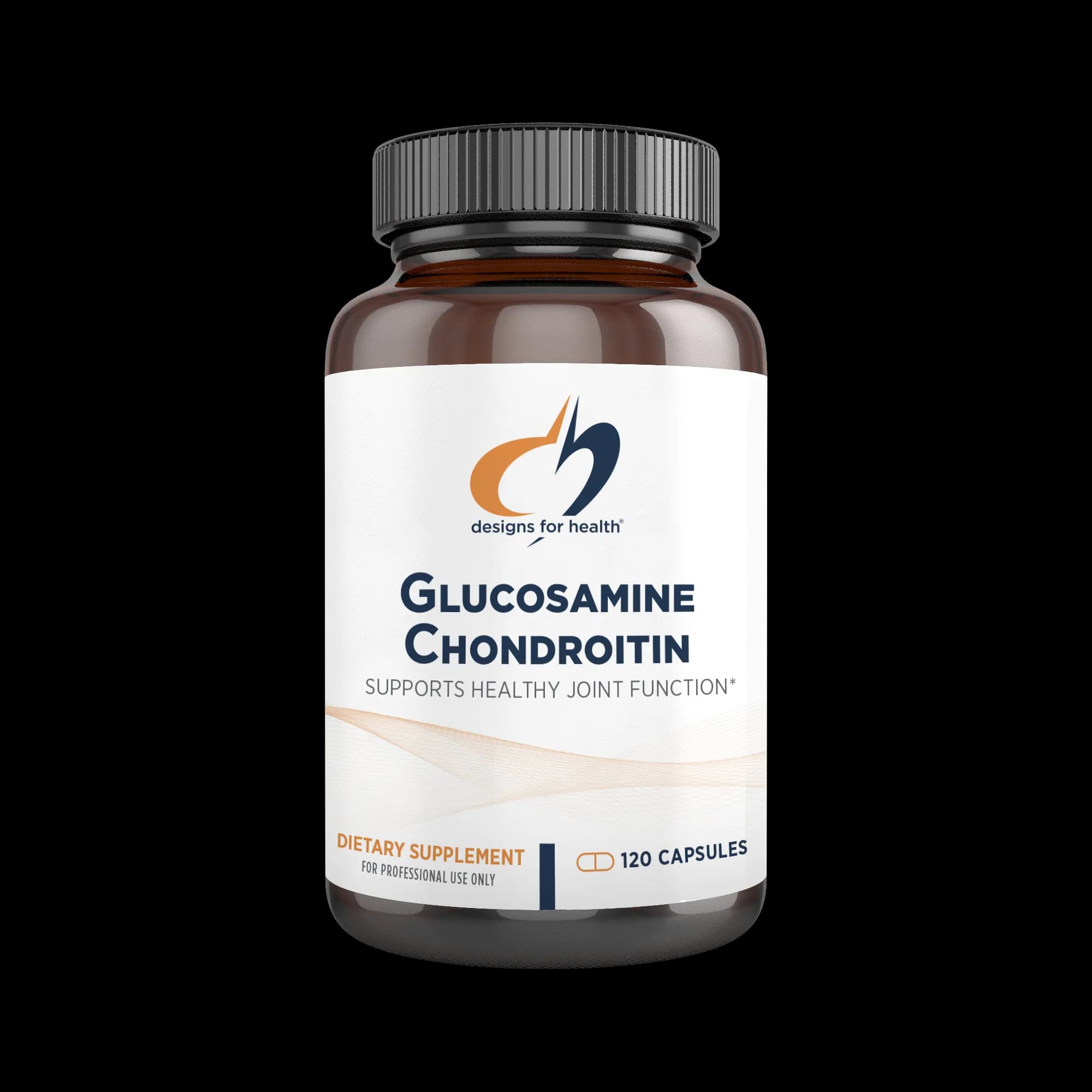
Can Glucosamine Chondroitin Ease Joint Pain in Long COVID and MCAS?
March 5, 2026
Glucosamine ChondroitinLong COVIDJoint Pain
Share:
Disclaimer: The information provided here is for educational purposes only and is not intended as medical advice. It should not be used to diagnose, treat, cure, or prevent any medical condition. Instead, use it as a starting point for discussion with your healthcare provider. Always consult with a qualified healthcare provider before starting any new medication, supplement, device, or making changes to your health regimen.
Living with a complex chronic illness often feels like a full-body battle, but for many, the most relentless and visible struggle occurs within the joints. Whether it is the sudden, severe arthralgia (joint pain) that lingers for months after a SARS-CoV-2 infection, or the chronic, daily subluxations experienced by those with hypermobile Ehlers-Danlos Syndrome (hEDS), joint degradation is a profound barrier to daily life. Patients frequently describe waking up feeling as though their body has aged decades overnight, battling stiffness, swelling, and a deep, aching pain that makes even simple tasks feel insurmountable. This musculoskeletal burden is not merely "wear and tear"—it is often the result of systemic inflammation, neuroimmune dysfunction, and connective tissue fragility.
For decades, Glucosamine Chondroitin has been a staple in the management of osteoarthritis, often dismissed by conventional medicine as a simple, over-the-counter supplement for aging knees. However, emerging research is painting a much more complex and fascinating picture. Far beyond simply acting as passive building blocks for cartilage, these compounds are now recognized as active immunomodulators capable of suppressing the exact inflammatory pathways that drive Long COVID and mast cell activation syndrome (MCAS). By understanding the intricate biochemistry of how glucosamine and chondroitin interact with our cellular matrix, we can better utilize them as part of a comprehensive strategy to reclaim mobility and reduce systemic pain.
TL;DR
Glucosamine and chondroitin may help manage joint pain and stiffness in chronic conditions.
These supplements support cartilage repair and may reduce systemic inflammation.
Patients with MCAS should choose vegan, shellfish-free formulations to avoid symptom flares.
Consult your healthcare provider before starting new supplements to ensure safety.
What is Glucosamine Chondroitin?
The Architecture of Articular Cartilage
To understand how glucosamine and chondroitin function, we must first look at the microscopic architecture of a healthy joint. The ends of our bones are capped with articular cartilage, a smooth, highly specialized connective tissue that allows joints to glide friction-free while absorbing the immense mechanical shock of daily movement. Unlike most tissues in the human body, articular cartilage is avascular, meaning it contains no blood vessels. Instead, it relies entirely on the diffusion of nutrients from the surrounding synovial fluid. This tissue is maintained by solitary cells called chondrocytes, which are suspended in a dense, gel-like extracellular matrix (ECM) composed primarily of water, Type II collagen, and massive structural complexes known as proteoglycans.
Proteoglycans are the true shock absorbers of the joint. You can visualize a proteoglycan as a microscopic bottle brush. The central "wire" of the brush is a long filament of hyaluronic acid. Attached to this central wire are numerous "bristles," which are complex sugar molecules called glycosaminoglycans (GAGs). Because these GAGs are heavily negatively charged, they repel each other, causing the "bristles" to fan out and occupy a large volume of space. More importantly, this negative charge acts like a powerful molecular magnet for water. The GAGs pull water into the cartilage matrix, creating immense osmotic swelling pressure that gives cartilage its unique, sponge-like elasticity and ability to withstand compression without collapsing.
The Role of Glycosaminoglycans (GAGs)
This is where our two key compounds enter the picture. Glucosamine is a naturally occurring, water-soluble amino monosaccharide (a simple sugar attached to an amino group). In a healthy body, chondrocytes synthesize glucosamine from ambient glucose and the amino acid glutamine. Glucosamine serves as the fundamental biochemical precursor—the raw building block—required for the synthesis of all glycosaminoglycans and hyaluronic acid. Without an adequate supply of glucosamine, the chondrocytes simply cannot manufacture the "bristles" or the "wire" of the proteoglycan bottle brush, leading to a dehydrated, brittle cartilage matrix that is highly susceptible to mechanical damage.
Chondroitin sulfate, on the other hand, is not a precursor but rather the finished product. It is the most abundant and important glycosaminoglycan (the "bristle") found within the articular cartilage matrix. Chondroitin is a complex, long-chain polymer that is heavily sulfated, meaning it contains sulfur molecules that provide the critical negative charge required to attract and hold water. Beyond its structural role, naturally occurring chondroitin sulfate actively communicates with the chondrocyte cells, signaling them to produce more collagen and maintain the integrity of the extracellular matrix. Together, these two compounds ensure that the joint remains hydrated, lubricated, and structurally sound.
The Synergy of Glucosamine and Chondroitin
While the body can theoretically synthesize these compounds on its own, the capacity of chondrocytes to keep up with demand is often overwhelmed during times of injury, aging, or chronic systemic inflammation. When the degradation of the cartilage matrix outpaces the chondrocytes' ability to repair it, the joint begins to fail, leading to bone-on-bone friction and severe pain. Supplementing with exogenous (outside) sources of glucosamine and chondroitin is theorized to bypass the rate-limiting steps of cellular synthesis. By flooding the synovial fluid with an abundance of these raw materials, the chondrocytes are given the exact substrates they need to accelerate the repair and regeneration of the vital proteoglycan networks.
How Chronic Illness Impacts Joint Health
The Long COVID Cytokine Storm
In complex chronic illnesses like Long COVID and myalgic encephalomyelitis/chronic fatigue syndrome (ME/CFS), joint pain is rarely caused by simple mechanical wear and tear. Instead, it is driven by a profound and lingering dysregulation of the immune system. Following the acute phase of a SARS-CoV-2 infection, many patients experience a prolonged "cytokine storm." The immune system remains locked in a hyperactive state, continuously pumping out pro-inflammatory cytokines such as Interleukin-1 beta (IL-1β), Interleukin-6 (IL-6), and Tumor Necrosis Factor-alpha (TNF-α). These inflammatory signaling molecules circulate throughout the bloodstream and frequently localize within the synovial fluid of the joints, triggering a cascade of neuroimmune joint damage.
When these pro-inflammatory cytokines infiltrate the joint space, they bind to receptors on the surface of the chondrocytes, fundamentally altering the cells' behavior. Instead of synthesizing new cartilage, the inflamed chondrocytes are hijacked and forced to produce massive quantities of degradative enzymes, specifically matrix metalloproteinases (MMPs) and aggrecanases. These enzymes act like molecular scissors, aggressively cutting apart the Type II collagen and cleaving the proteoglycan complexes. As the glycosaminoglycans are severed and released from the matrix, the cartilage rapidly loses its ability to hold water. The tissue becomes dehydrated, thin, and unable to absorb shock, leading to the rapid onset or severe exacerbation of osteoarthritis-like pain in Long COVID patients.
The EDS-MCAS-POTS Triad and Connective Tissue
For patients navigating the complex intersection of hypermobile Ehlers-Danlos Syndrome (hEDS), mast cell activation syndrome (MCAS), and postural orthostatic tachycardia syndrome (POTS), joint degradation follows a different, but equally destructive, pathophysiological pathway. hEDS is a genetic connective tissue disorder characterized by faulty, overly elastic collagen. Because the collagen lacks normal tensile strength, the joints are inherently unstable, leading to frequent subluxations (partial dislocations), micro-tears, and chronic mechanical stress. This constant mechanical irritation triggers a localized inflammatory response, accelerating the breakdown of the articular cartilage long before typical age-related osteoarthritis would occur.
This mechanical instability is deeply intertwined with mast cell dysfunction. Mast cells, the immune system's first responders, reside in high concentrations within connective tissues. In patients with the EDS-MCAS triad, the constant stretching and tearing of the faulty connective tissue acts as a mechanical trigger, causing the hyper-reactive mast cells to degranulate. When mast cells degranulate, they release a flood of inflammatory mediators, including histamine and an enzyme called tryptase. Tryptase is highly destructive to connective tissue; it actively degrades collagen and further weakens the joint matrix. This creates a vicious, self-perpetuating cycle: faulty collagen triggers mast cell degranulation, the mast cells release tryptase, the tryptase degrades the collagen further, and the joint becomes even more unstable and painful.
Chronic Inflammation and Cartilage Degradation
Whether the trigger is a post-viral cytokine storm or the mechanical shear stress of hypermobility, the end result is a profound disruption of joint homeostasis. The delicate balance between anabolic (building up) and catabolic (breaking down) processes is shattered. As the cartilage matrix degrades, the underlying subchondral bone becomes exposed and subjected to abnormal mechanical loads. This triggers the formation of bone spurs (osteophytes) and severe neuropathic pain. Furthermore, the systemic inflammation associated with these conditions drastically lowers the body's natural production of hyaluronic acid and glycosaminoglycans, leaving the joints starved of the very compounds required for repair. Finding ways to maintain your independence with chronic illness often hinges on interrupting this exact cycle of inflammation and degradation.
Glucosamine Chondroitin: Supporting Cartilage and Calming Inflammation
Anabolic Support for Cartilage Synthesis
Supplementing with glucosamine and chondroitin provides a multi-targeted approach to restoring joint homeostasis, operating on both structural and biochemical levels. The most immediate and traditional mechanism of action is the "Precursor Supply Theory." By providing a high-dose, exogenous supply of glucosamine sulfate and chondroitin sulfate, we bypass the cellular bottlenecks caused by systemic inflammation. A study utilizing fractal analysis has demonstrated that fractal dimensions can be used to distinguish between gingivitis and periodontitis patient groups. This anabolic effect provides the raw materials necessary to rehydrate the cartilage matrix, restoring its osmotic pressure and shock-absorbing elasticity.
Anti-Catabolic Enzyme Inhibition
However, simply building new cartilage is insufficient if the inflammatory environment is simultaneously destroying it. This is where the anti-catabolic properties of these supplements become crucial. Glucosamine and chondroitin actively defend the existing extracellular matrix by directly inhibiting the activity of degradative enzymes. Research shows that these compounds suppress the expression and activity of matrix metalloproteinases (specifically MMP-3 and MMP-13) and collagenase. By neutralizing these "molecular scissors," glucosamine and chondroitin prevent the cleavage of the proteoglycan complexes, effectively halting the rapid loss of glycosaminoglycans from the joint space and slowing the progression of degenerative joint disease.
Modulating Systemic Inflammation via NF-κB
Perhaps the most profound mechanism of action for patients with Long COVID and ME/CFS is the ability of glucosamine and chondroitin to act as systemic immunomodulators. Recent molecular biology research has revealed that these compounds are potent inhibitors of nuclear factor kappa B (NF-κB). NF-κB is a master protein complex that acts as the primary molecular switch for the body's inflammatory response. When activated by viral fragments or cellular stress, NF-κB enters the cell nucleus and triggers the massive production of pro-inflammatory cytokines. By blocking the activation of NF-κB, glucosamine and chondroitin effectively turn off this inflammatory switch at the source.
This suppression of NF-κB leads to a dramatic downstream reduction in the exact cytokines that drive post-viral joint pain. A review of plastic components discusses experimental studies in animals and their relevance for human health. Furthermore, these supplements suppress the expression of cyclooxygenase-2 (COX-2) and inducible nitric oxide synthase (iNOS). This lowers the levels of Prostaglandin E2 (PGE2) and Nitric Oxide (NO)—two highly destructive mediators that cause chondrocyte cell death and amplify the sensation of pain in the nervous system. By cooling this localized cytokine storm, the joint environment is allowed to transition from a state of active destruction to one of repair.
The Paradox of Mast Cell Stabilization
For patients with MCAS, the cellular mechanisms of chondroitin are incredibly fascinating, though clinically paradoxical. At a molecular level, chondroitin sulfate is actually a potent, autoinhibitory mast cell stabilizer. Mast cells naturally contain chondroitin sulfate within their secretory granules. A landmark study in the British Journal of Pharmacology demonstrated that pre-incubating mast cells with chondroitin sulfate resulted in a 76.5% maximum inhibition of histamine release. The researchers noted that chondroitin's ability to block mast cell degranulation was actually stronger and longer-lasting than cromolyn sodium, a first-line prescription MCAS medication. Similarly, glucosamine has been shown to suppress intracellular calcium mobilization, the very trigger that causes mast cells to burst. While the raw compounds are highly stabilizing, the commercial forms of these supplements often present challenges for MCAS patients, which we will explore in the practical considerations section.

Symptoms Glucosamine Chondroitin May Help Manage
Based on its structural support of the extracellular matrix and its profound ability to modulate inflammatory cytokines, glucosamine chondroitin may help manage a variety of debilitating symptoms associated with chronic illness:
Severe Joint Pain (Arthralgia): By inhibiting the production of Prostaglandin E2 (PGE2) and suppressing the NF-κB inflammatory pathway, glucosamine and chondroitin reduce the molecular drivers of pain within the synovial fluid, offering relief for post-viral and osteoarthritis-related joint aches.
Morning Stiffness and Immobility: By providing the raw glycosaminoglycans needed to pull water back into the cartilage matrix, these supplements help rehydrate and lubricate the joints, reducing the severe friction and stiffness often experienced upon waking.
Systemic Inflammation: Clinical trials have demonstrated that high-dose supplementation can significantly lower circulating levels of C-Reactive Protein (CRP), a primary blood biomarker for systemic, body-wide inflammation common in Long COVID and ME/CFS.
Cartilage Degradation in hEDS: While it cannot fix the underlying genetic defect in collagen, providing abundant structural precursors may help support the overwhelmed chondrocytes as they attempt to repair the constant micro-damage caused by joint hypermobility and subluxations.
Exercise Intolerance due to Joint Pain: By reducing the mechanical friction and inflammatory response within the joints, supplementation may make gentle, paced physical therapy more tolerable, helping patients avoid severe post-exertional crashes and maintain basic mobility.
Practical Considerations: Forms, Dosing, and Absorption
Glucosamine Sulfate vs. Hydrochloride
When selecting a glucosamine supplement, the specific chemical form is of paramount importance. The two most common forms available on the market are Glucosamine Sulfate (GS) and Glucosamine Hydrochloride (GHCL). While both deliver the same base glucosamine molecule, current pharmacokinetic research heavily favors the sulfate formulation. The sulfate portion is not merely a delivery vehicle; it is a biologically active component. Sulfate is a mandatory raw material required by the chondrocytes to assemble glycosaminoglycans. By providing both the glucosamine backbone and the necessary sulfur molecules, Glucosamine Sulfate offers a complete package for cartilage synthesis that the hydrochloride form lacks.
Bioavailability and Pharmacokinetics
The superiority of the sulfate form is further demonstrated by its bioavailability and tissue penetration. Both forms undergo heavy "first-pass" metabolism in the liver, meaning a significant portion is broken down before reaching the bloodstream. However, pharmacokinetic studies show that Glucosamine Sulfate achieves a median oral bioavailability of approximately 9.4%, compared to just 6.1% for GHCL. More importantly, human trials reveal that a standard 1,500 mg daily dose of crystalline glucosamine sulfate achieves peak synovial fluid concentrations in the 10 µM range. In contrast, GHCL often only reaches 3 µM. This difference is clinically vital, as in vitro studies demonstrate that the 10 µM concentration is required to effectively inhibit the catabolic enzymes destroying the cartilage.
Crucial Warnings for the MCAS Community
While the cellular science shows that pure glucosamine and chondroitin act as potent mast cell stabilizers, these supplements are notorious for triggering severe flares in patients with mast cell activation syndrome (MCAS) and histamine intolerance. This paradox is entirely due to sourcing and manufacturing. The vast majority of commercial glucosamine is derived from the exoskeletons of crustaceans (shrimp, crab, and lobster). Shellfish is a highly common allergen and a notorious histamine liberator; even microscopic trace proteins can trigger systemic degranulation in hyper-reactive immune systems. Furthermore, many joint supplements are encapsulated in bovine or porcine gelatin, which naturally contains free glutamic acid—a known trigger for mast cell degranulation and migraines.
For patients navigating the EDS-MCAS triad, extreme caution is required. If you have a known shellfish allergy or severe MCAS, you must completely avoid traditional crustacean-derived glucosamine. Instead, seek out vegan glucosamine, which is typically fermented from corn or synthesized in a laboratory environment, ensuring it is entirely free of shellfish proteins. Additionally, look for pure powder forms or supplements housed in vegetarian cellulose capsules to avoid the histamine-liberating effects of gelatin. Always start with a minute fraction of the recommended dose to test for individual tolerance before titrating up to the standard 1500 mg/1200 mg clinical dosage.

Follow the Science
Reductions in Systemic Inflammation Biomarkers
The scientific literature surrounding glucosamine and chondroitin has evolved significantly over the last decade, moving beyond simple joint mechanics to reveal profound systemic effects. A landmark randomized, double-blind, placebo-controlled crossover study published in PLOS One (2015) investigated the impact of these supplements on systemic inflammation. The researchers found that healthy adults taking 1500 mg of glucosamine and 1200 mg of chondroitin daily for 28 days experienced a remarkable 23% reduction in serum C-Reactive Protein (CRP) concentrations compared to the placebo group. Furthermore, deep plasma proteomics analyses revealed a highly significant downregulation of the body's overall "cytokine activity" pathways, confirming their role as systemic immunomodulators.
These findings were further corroborated by the large-scale VITAL Biomarker Study, an observational trial evaluating supplement use in 217 adults. The cited source actually discusses the prediction of allergenic proteins by maximum Relevance Minimum Redundancy (mRMR) feature selection. Similarly, high users of glucosamine demonstrated a 28% reduction in hsCRP. This consistent ability to lower primary inflammatory biomarkers makes these compounds highly intriguing for the management of chronic, inflammation-driven conditions.
Osteoarthritis and Joint Pain Trials
In the realm of joint pain, clinical efficacy often depends heavily on the severity of the condition and the specific formulation used. The massive, $14 million NIH-sponsored GAIT Trial (2006) initially reported mixed results, finding that while the general osteoarthritis population saw mild benefits, the combination of glucosamine and chondroitin "significantly decreased" knee pain specifically for individuals suffering from moderate-to-severe OA. However, researchers later noted that the GAIT trial utilized the inferior Glucosamine Hydrochloride form. Later studies, such as the multinational MOVES Trial (2016), utilized high-quality formulations and found that the combination of glucosamine and chondroitin was just as effective at relieving severe knee OA pain, stiffness, and swelling as the prescription NSAID celecoxib (Celebrex), but without the dangerous cardiovascular and gastrointestinal side effects.
Emerging Data in Post-Viral Syndromes
Most exciting for the chronic illness community is the emerging research directly linking these compounds to the management of post-viral joint pain. A 2022 article published in the Modern Rheumatology Journal specifically investigated the use of bisphosphonates for the treatment and prevention of osteoporosis. The researchers noted that bisphosphonates are first-line drugs for osteoporosis, acting primarily by inhibiting osteoclast activity and stimulating their apoptosis.
The Path Forward
Integrating Joint Support into Your Routine
Living with the relentless joint pain and stiffness associated with Long COVID, ME/CFS, hEDS, or MCAS is an exhausting daily reality. It is entirely valid to feel frustrated when your mobility is compromised by invisible, systemic inflammation. While glucosamine and chondroitin are not miracle cures that will instantly rebuild degraded cartilage or permanently silence a post-viral cytokine storm, the scientific evidence strongly suggests they can be powerful allies. By providing the essential molecular building blocks for your extracellular matrix and actively suppressing the NF-κB inflammatory pathways, these supplements offer a targeted, biologically plausible mechanism for reducing pain and supporting joint longevity.
A Comprehensive Approach to Wellness
True management of chronic joint pain requires a multi-faceted approach. Supplements are most effective when utilized alongside careful symptom tracking, pacing to avoid post-exertional malaise (PEM), and gentle, customized physical therapy to stabilize hypermobile joints. If you are navigating the holidays or a busy season, remember that surviving the holidays with a chronic illness often means prioritizing rest and protecting your physical boundaries. Always consult with your healthcare provider before introducing new supplements, especially if you have a history of severe allergies, MCAS, or are taking blood-thinning medications, to ensure the formulation and dosage are safe for your unique physiological needs.