Can GLA (Gamma-Linolenic Acid) Help Manage Inflammation in Long COVID and ME/CFS?
March 5, 2026
GLAGamma-Linolenic AcidLong COVID
Share:
Disclaimer: The information provided here is for educational purposes only and is not intended as medical advice. It should not be used to diagnose, treat, cure, or prevent any medical condition. Instead, use it as a starting point for discussion with your healthcare provider. Always consult with a qualified healthcare provider before starting any new medication, supplement, device, or making changes to your health regimen.
Months or even years after a viral infection, many individuals find themselves battling a relentless array of symptoms that refuse to resolve. Whether you have been diagnosed with Long COVID, myalgic encephalomyelitis/chronic fatigue syndrome (ME/CFS), dysautonomia, or mast cell activation syndrome (MCAS), the underlying drivers of your symptoms often share a common thread: chronic, unresolved inflammation and cellular dysfunction. When the body's immune system remains locked in a hyperactive state, it can disrupt everything from vascular health and energy production to skin integrity and hormonal balance. Finding ways to gently but effectively modulate this inflammatory response is a cornerstone of managing complex chronic illness.
One therapeutic avenue that has garnered significant attention in both functional and integrative medicine is the use of targeted lipid therapies, specifically GLA (Gamma-Linolenic Acid). While you may have heard that omega-6 fatty acids are generally pro-inflammatory and should be avoided, GLA is a remarkable exception to this rule. Found abundantly in borage seed oil, GLA serves as a critical building block for some of the body's most potent anti-inflammatory and vasodilatory compounds. For patients navigating the unpredictable waters of post-viral syndromes, understanding how to leverage this unique fatty acid could provide a valuable tool for supporting systemic wellness, reducing neuroinflammation, and improving overall quality of life.
TL;DR
GLA is a unique omega-6 fatty acid that supports anti-inflammatory pathways rather than driving inflammation.
Bypassing impaired enzymes, GLA supplementation may help manage symptoms of Long COVID, ME/CFS, and MCAS.
Pairing GLA with omega-3s like EPA can maximize its benefits by blocking pro-inflammatory conversion.
Always consult a healthcare provider before starting GLA, especially if taking blood thinners or seizure medications.
What is GLA (Gamma-Linolenic Acid)?
The Unique Role of Gamma-Linolenic Acid
To understand the power of GLA (Gamma-Linolenic Acid), we first need to explore the complex world of dietary fats. Fatty acids are not just sources of energy; they are critical structural components of every cell membrane in your body and serve as the raw materials for chemical messengers called eicosanoids. Eicosanoids dictate whether your body ramps up inflammation to fight an invader or dials it down to initiate healing. In the modern diet, we consume high amounts of standard omega-6 fatty acids, primarily in the form of linoleic acid (LA) from vegetable oils. When consumed in excess, linoleic acid is often converted into arachidonic acid (AA), a precursor to highly pro-inflammatory eicosanoids that drive chronic tissue inflammation and pain.
However, research published in the journal Nutrients highlights that GLA is a profound exception to the "omega-6 is bad" rule. Although GLA is technically an omega-6 polyunsaturated fatty acid (PUFA), its unique molecular structure dictates a completely different metabolic fate. Instead of fueling the fires of inflammation, GLA acts as a biological off-switch. It is naturally found in a few specific plant seed oils, with borage oil (from the Borago officinalis plant) being the richest natural source, followed by evening primrose oil and black currant seed oil. In a healthy body, GLA is the essential bridge between the fats we eat and the anti-inflammatory prostaglandins we need to maintain cellular homeostasis.
Bypassing the Delta-6-Desaturase Bottleneck
In an ideal scenario, your body wouldn't need direct GLA supplementation. A healthy human body can synthesize its own GLA from dietary linoleic acid using a specific liver enzyme called delta-6-desaturase (D6D). This enzyme acts as a biological gatekeeper, carefully controlling how much linoleic acid is converted into GLA. However, this conversion process is notoriously inefficient and fragile. The D6D enzyme is highly susceptible to being downregulated or completely inhibited by a variety of modern stressors. Factors such as advancing age, chronic psychological stress, high sugar intake, elevated insulin levels, and—crucially for our patient population—systemic viral infections can severely impair this enzyme's function.
When the delta-6-desaturase enzyme is sluggish or blocked, a metabolic bottleneck occurs. You may be consuming plenty of precursor fats, but your body is physically unable to convert them into the GLA it desperately needs. This leaves your cells starved of anti-inflammatory mediators, allowing pro-inflammatory pathways to dominate unchecked. By taking a direct GLA supplement, such as a high-quality borage oil softgel, you effectively bypass this broken enzymatic bottleneck. You provide your body with the exact downstream molecule it requires, skipping the rate-limiting step and immediately resupplying your cellular membranes with this vital anti-inflammatory building block.
The DGLA Crossroads and Prostaglandin E1 (PGE1)
Once GLA enters your system, it does not stay as GLA for long. It is rapidly acted upon by another enzyme called elongase (specifically ELOVL5), which adds carbon atoms to the molecule, converting it into Dihomo-gamma-linolenic acid (DGLA). While DGLA is the true hero of this biochemical story, it is incorporated directly into the phospholipid bilayer of your cell membranes, where it sits at a pivotal metabolic crossroads, waiting to be deployed when the body needs to regulate immune function or blood flow.
From this crossroads, DGLA is primarily metabolized by cyclooxygenase (COX) enzymes into Prostaglandin E1 (PGE1). PGE1 is a highly potent, biologically active lipid mediator that exerts profound anti-inflammatory, anti-thrombotic (anti-clotting), and vasodilatory (blood vessel-relaxing) effects throughout the body. It helps prevent the abnormal proliferation of smooth muscle cells, keeps blood platelets from clumping together dangerously, and signals immune cells to stand down. Without adequate DGLA in your cell membranes, your body cannot produce enough PGE1 to keep systemic inflammation in check, leading to a cascade of chronic symptoms.
How Chronic Illness Impacts Lipid Metabolism and Inflammation
Viral Infections, Stress, and Enzyme Suppression
Living with a complex chronic illness like Long COVID or ME/CFS means living with a body that is under constant physiological siege. When a pathogen like SARS-CoV-2 enters the body, it triggers a massive immune response that can persist long after the acute infection has cleared. This prolonged state of immune activation places an enormous burden on the body's metabolic pathways. As we learned earlier, the delta-6-desaturase enzyme—the key to natural GLA production—is highly sensitive to physiological stress. Chronic viral persistence, elevated cortisol from continuous physical stress, and the oxidative damage caused by an overactive immune system all work together to suppress this critical enzyme.
This suppression creates a vicious cycle for patients. The very inflammation that is causing symptoms like debilitating fatigue, brain fog, and joint pain is simultaneously shutting down the body's natural ability to produce the anti-inflammatory compounds needed to resolve that inflammation. As research into the cytokine signatures of ME/CFS patients has demonstrated, these conditions are characterized by elevated levels of pro-inflammatory cytokines (like TGF-β) and a systemic inflammatory process. Without the ability to synthesize GLA and subsequently DGLA, the body loses its primary braking mechanism, allowing these cytokine storms to rage on indefinitely and cause widespread tissue damage.
Endothelial Dysfunction and Vasoconstriction
One of the most significant impacts of this lipid imbalance is seen in the vascular system. Many patients with Long COVID and ME/CFS also develop dysautonomia, particularly postural orthostatic tachycardia syndrome (POTS). A key driver of POTS and related autonomic dysfunction is endothelial inflammation—damage to the inner lining of the blood vessels. When the body is depleted of DGLA and its downstream product, PGE1, it loses a critical vasodilator. PGE1 is responsible for keeping blood vessels relaxed, flexible, and open, ensuring adequate blood flow to the brain and peripheral tissues.
Without sufficient PGE1, blood vessels become prone to abnormal constriction and microvascular clotting. This endothelial dysfunction is a major reason why patients experience severe brain fog, as the brain is simply not receiving adequate, steady microcapillary blood flow. Furthermore, the lack of PGE1's anti-thrombotic properties allows platelets to become "sticky," contributing to the microclots frequently observed in Long COVID research. This vascular compromise exacerbates post-exertional malaise (PEM), as the muscles and tissues are starved of oxygen and nutrients during even mild physical exertion.
Mast Cell Activation and Lipid Mediators
The disruption of lipid metabolism also has profound implications for mast cell activation syndrome (MCAS), a condition frequently co-occurring with Long COVID and POTS. Mast cells are the immune system's first responders, packed with inflammatory mediators like histamine, leukotrienes, and prostaglandins. In MCAS, these cells become hyper-reactive, degranulating inappropriately in response to minor triggers. Recent clinical observations in MCAS patients highlight the intense, multisystem inflammatory burden these individuals carry.
When cellular membranes are deficient in DGLA, they are typically overloaded with arachidonic acid (AA). When a mast cell degranulates, it releases enzymes that cleave this arachidonic acid from the membrane, rapidly converting it into highly inflammatory series-2 prostaglandins (PGE2) and series-4 leukotrienes. These compounds cause severe allergic symptoms, bronchoconstriction, and tissue swelling. Because the patient lacks the balancing presence of DGLA to produce calming PGE1, the mast cell reaction is severe, prolonged, and difficult to control, trapping the patient in a state of constant allergic reactivity and systemic distress.
GLA: Supporting the Body's Anti-Inflammatory Pathways
Flooding the System with DGLA
When you introduce a high-quality GLA supplement, such as borage oil, into your daily regimen, you are fundamentally altering the structural composition of your cells. Because the supplement bypasses the broken delta-6-desaturase enzyme, the GLA is rapidly elongated into DGLA. Over a period of weeks to months, this DGLA is steadily incorporated into the phospholipid bilayers of your cell membranes, displacing the pro-inflammatory arachidonic acid (AA) that has accumulated during your illness. This process of "flooding the system" with DGLA is the first critical step in shifting the body's baseline state from pro-inflammatory to anti-inflammatory.
This cellular remodeling relies on the principle of competitive inhibition. Both DGLA and arachidonic acid require the exact same cyclooxygenase (COX) enzymes to be converted into their respective prostaglandins. By heavily enriching the cell membranes with DGLA, you ensure that when the COX enzymes are activated by an immune trigger, they bind to DGLA instead of arachidonic acid. This effectively starves the pro-inflammatory pathways of their raw materials. Instead of producing tissue-damaging PGE2, the body is forced to produce healing, vasodilatory PGE1, fundamentally altering the downstream immune response.
Boosting PGE1 for Vasodilation and Immune Modulation
The therapeutic benefits of GLA supplementation are largely driven by this surge in Prostaglandin E1 (PGE1) production. PGE1 is a master regulator of the immune system. At the cellular level, it helps prevent the autoinduction of pro-inflammatory cytokines, specifically inhibiting the release of Interleukin-1 beta (IL-1β) from macrophages. By calming these macrophages, PGE1 helps to quiet the systemic cytokine storms that drive the debilitating fatigue, muscle aches, and flu-like symptoms characteristic of ME/CFS and Long COVID crashes. It signals the immune system that the acute threat has passed and that it is time to initiate tissue repair.
Furthermore, PGE1's role as a potent vasodilator cannot be overstated for patients with dysautonomia and endothelial dysfunction. By relaxing the smooth muscle cells lining the blood vessels, PGE1 improves microcapillary blood flow throughout the body. This enhanced circulation is particularly vital for the brain, helping to clear the neurotoxic metabolic waste that contributes to profound brain fog and cognitive impairment. Additionally, PGE1's ability to inhibit platelet aggregation helps to counteract the hypercoagulable state (sticky blood) often seen in post-viral syndromes, promoting smoother, more efficient oxygen delivery to oxygen-starved tissues.
The 15-LOX Pathway and Leukotriene Suppression
While the production of PGE1 is critical, DGLA has a second, equally important mechanism of action. A portion of the DGLA in your cell membranes is metabolized by the 15-lipoxygenase (15-LOX) enzyme into a compound known as 15-HETrE (15-(S)-hydroxy-8,11,13-eicosatrienoic acid). According to mechanistic studies on DGLA derivatives, 15-HETrE is a powerful, direct inhibitor of the 5-lipoxygenase (5-LOX) enzyme. The 5-LOX enzyme is responsible for producing leukotrienes, which are among the most potent inflammatory and allergy-inducing molecules in the human body.
By generating 15-HETrE, GLA supplementation effectively puts a brake on leukotriene production. This is incredibly beneficial for patients dealing with mast cell activation syndrome (MCAS) or severe histamine intolerance. By suppressing these inflammatory mediators, GLA helps to stabilize mast cells, reduce bronchoconstriction (tightness in the chest), and alleviate the widespread allergic-type reactions that can make eating, breathing, and interacting with the environment so difficult for complex chronic illness patients.
The "Omega-3 Synergy" Mechanism
To truly maximize the benefits of GLA, it is crucial to understand its relationship with omega-3 fatty acids. While DGLA is highly beneficial, a small fraction of it can potentially be converted into pro-inflammatory arachidonic acid by an enzyme called delta-5-desaturase. If you take extremely high doses of GLA in isolation for long periods, you may inadvertently raise your arachidonic acid levels. However, clinical protocols have found an elegant solution to this problem: the "Omega-3 Synergy."
Omega-3 fatty acids, specifically EPA (eicosapentaenoic acid) from fish oil or algae, are natural inhibitors of the delta-5-desaturase enzyme. When you pair a GLA supplement with a high-quality EPA supplement, the EPA acts as a metabolic dam. It blocks the conversion of DGLA into arachidonic acid, causing the DGLA to pool in the cell membranes. This forces all of the DGLA down the beneficial pathways, maximizing the production of healing PGE1 and 15-HETrE while completely shutting off the production of pro-inflammatory compounds. This synergistic combination is one of the most effective ways to nutritionally manage chronic inflammation.
Symptoms GLA May Help Manage
Because GLA targets fundamental cellular membranes and systemic inflammatory pathways, its benefits can be felt across multiple organ systems. For patients managing the complex, overlapping symptoms of post-viral syndromes, dysautonomia, and MCAS, GLA may offer targeted support for the following issues:
Chronic Joint and Muscle Pain: By heavily suppressing the production of pro-inflammatory series-2 prostaglandins and leukotrienes, GLA can significantly reduce the systemic inflammation that drives the deep, aching joint and muscle pain often experienced in ME/CFS and Long COVID.
Brain Fog and Cognitive Impairment: The potent vasodilatory effects of PGE1 help to relax blood vessels and improve microcapillary blood flow to the brain. This enhanced circulation aids in delivering oxygen and clearing neurotoxic metabolic waste, potentially lifting the heavy cloud of brain fog.
Skin Rashes, Eczema, and Poor Healing: GLA is essential for maintaining the structural integrity of the skin's epidermal barrier. By improving skin hydration and reducing transepidermal water loss, it helps manage the chronic rashes, dry skin, and delayed wound healing frequently seen in MCAS and autoimmune conditions.
Female Hormonal Imbalances and PMS: GLA plays a significant role in modulating the body's response to hormonal fluctuations. By supporting healthy prostaglandin balance, it can help alleviate severe premenstrual syndrome (PMS) symptoms, breast tenderness, and mood swings that often exacerbate chronic illness flares.
Vascular Constriction and Cold Extremities: For patients with dysautonomia who suffer from severe vasoconstriction, Raynaud's phenomenon, or freezing hands and feet, the PGE1 derived from GLA acts as a natural vasodilator, encouraging blood vessels to open and improving peripheral circulation.
Allergic Reactivity and Mast Cell Symptoms: Through the production of 15-HETrE, GLA directly inhibits the 5-LOX enzyme, suppressing the production of allergy-inducing leukotrienes. This helps to stabilize hyper-reactive immune responses and reduce the severity of MCAS flares.
Practical Considerations: Forms, Dosing, and Absorption
Borage Oil vs. Evening Primrose Oil
When looking for a GLA supplement, you will primarily encounter two options: borage seed oil and evening primrose oil (EPO). While both are valid sources, they differ significantly in their concentration and efficiency. Borage oil is the richest natural source of GLA available, typically containing between 20% and 26% GLA by weight. In contrast, evening primrose oil generally contains only 9% to 15% GLA. This means that to achieve a therapeutic dose of GLA, you would need to swallow significantly more evening primrose oil capsules compared to borage oil.
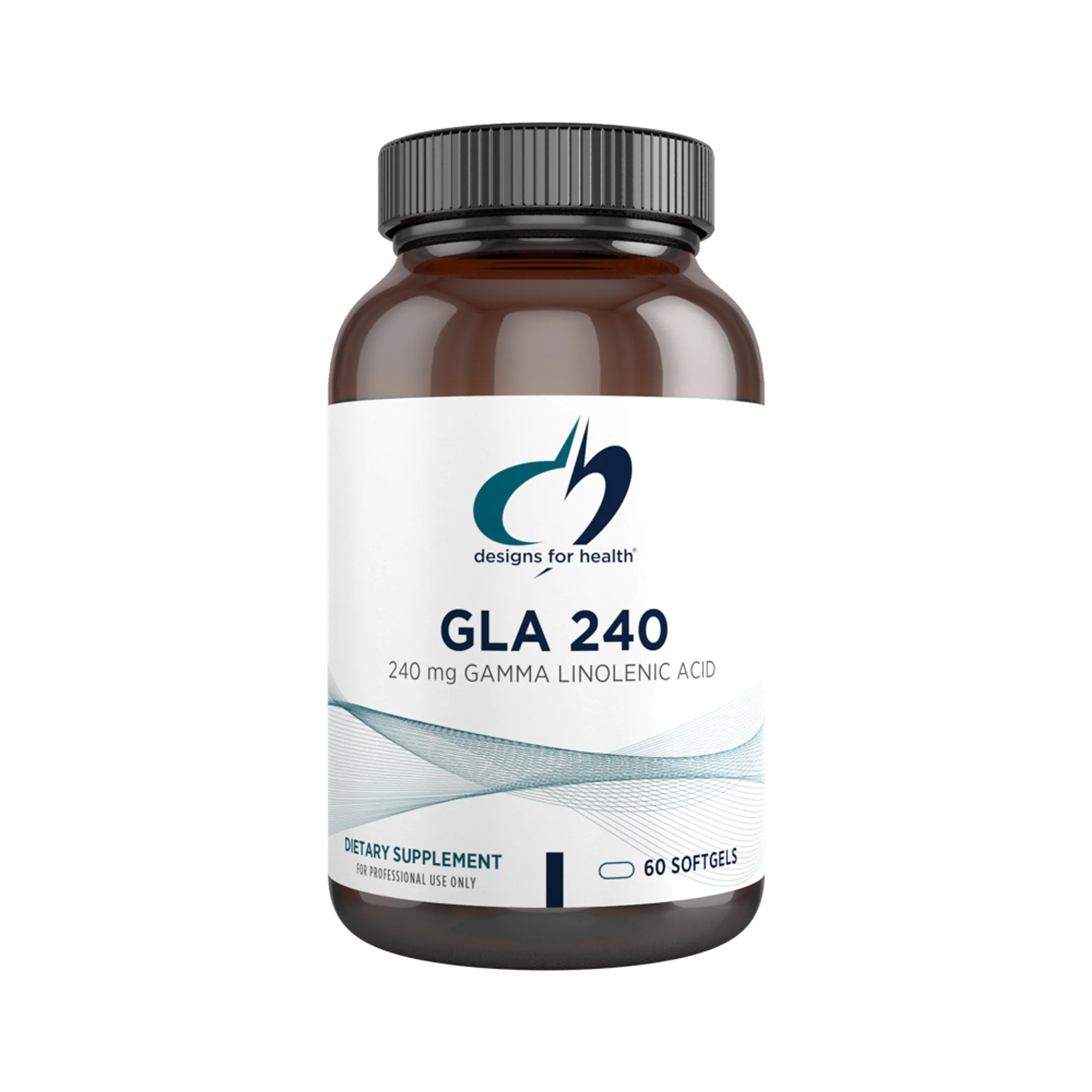
The Designs for Health GLA supplement utilizes borage oil specifically for this reason, providing a highly concentrated, standardized 240 mg of pure GLA in a single, easy-to-swallow softgel. However, it is important to note that the bioavailability of GLA can depend on its triglyceride structure. To maximize absorption, it is highly recommended to take your borage oil supplement alongside a meal that contains healthy fats, such as avocado, olive oil, or fatty fish. The presence of dietary fat stimulates the release of bile and digestive enzymes, ensuring that the borage oil is properly emulsified and absorbed through the intestinal wall.
Dosing Guidelines and Bioavailability
Clinical dosing for GLA varies depending on the severity of the condition being managed. For general wellness, skin health, and mild hormonal support, a daily intake of 240 mg to 500 mg of pure GLA (typically 1 to 2 softgels of a high-quality borage oil product) is often sufficient. However, for managing severe chronic inflammation, such as the joint pain seen in rheumatoid arthritis or the systemic inflammation of Long COVID, some clinical protocols use much higher doses, ranging from 1,000 mg to 1,400 mg of pure GLA daily.
It is crucial to understand that GLA is not a quick-fix medication like an over-the-counter painkiller. Because its mechanism of action relies on physically remodeling the phospholipid bilayer of your cell membranes, it takes time to build up to therapeutic levels. Most clinical trials indicate that it takes a minimum of 6 to 12 weeks of consistent, daily supplementation before significant reductions in inflammation and symptom severity are fully realized. Patience and consistency are key when utilizing lipid therapies for chronic illness management.
Safety, PAs, and Drug Interactions
While borage oil is generally very safe and well-tolerated, there are critical safety considerations regarding its sourcing. The leaves and flowers of the borage plant contain compounds called pyrrolizidine alkaloids (PAs), which are highly toxic to the liver and can cause severe damage over time. While pure borage seed oil does not naturally contain PAs, cross-contamination can occur during the extraction process. It is absolutely vital to choose a high-quality, professional-grade supplement from a reputable manufacturer (like Designs for Health) that rigorously tests their products to ensure they are certified PA-free.
Additionally, because GLA boosts PGE1—which naturally inhibits blood platelet aggregation—borage oil acts as a mild blood thinner. If you are currently taking prescription anticoagulants or antiplatelet medications (such as Warfarin, Plavix, or even high-dose daily aspirin), you must consult your healthcare provider before starting GLA, as the combination can increase the risk of bruising and bleeding. You should also discontinue borage oil at least two weeks prior to any scheduled surgery. Finally, medical literature notes that high doses of borage oil may lower the seizure threshold, making it contraindicated for individuals with a history of epilepsy or those taking certain antipsychotic medications like phenothiazines.
Follow the Science
Clinical Trials on Rheumatoid Arthritis
The most robust clinical evidence supporting the use of high-dose GLA comes from the field of rheumatology. Rheumatoid arthritis (RA) is an autoimmune condition characterized by severe, destructive joint inflammation driven by high levels of PGE2 and leukotrienes—the exact pathways GLA is designed to modulate. In several double-blind, placebo-controlled trials, patients receiving high doses of GLA from borage oil (up to 1.4 grams per day) experienced remarkable improvements.
According to monographs published in the Alternative Medicine Review, a landmark 6-month study demonstrated that patients taking borage oil saw a 36.8% clinical improvement in symptoms, including significant reductions in joint tenderness, swelling, and morning stiffness, compared to only a 5.6% improvement in the placebo group. Over extended periods of up to a year, researchers noted that GLA acted almost like a disease-modifying anti-rheumatic drug, fundamentally altering the inflammatory disease process rather than just masking the pain. This profound ability to remodel systemic inflammation makes GLA a highly compelling option for other inflammatory conditions.
Research on Skin Health and Hormonal Balance
Beyond joint inflammation, GLA has been extensively studied for its role in dermatology and women's health. Patients with atopic dermatitis (eczema) frequently exhibit a genetic or stress-induced impairment in the delta-6-desaturase enzyme, leading to abnormally low systemic levels of GLA and DGLA. This deficiency compromises the skin's barrier function, leading to severe dryness, itching, and inflammation. Clinical trials have shown that supplementing with GLA directly circumvents this enzymatic defect, elevating plasma DGLA levels and significantly improving skin hydration while reducing transepidermal water loss.
In the realm of hormonal health, GLA has long been utilized to manage the symptoms of premenstrual syndrome (PMS) and cyclical mastalgia (breast pain). The hormonal fluctuations of the menstrual cycle can trigger abnormal prostaglandin synthesis, leading to inflammation and pain. By ensuring a steady supply of DGLA, borage oil helps to maintain a healthy balance between pro-inflammatory and anti-inflammatory prostaglandins, smoothing out the physiological response to hormonal shifts and improving the quality of life for many women.
Emerging Evidence in Neuroinflammation and Post-Viral Syndromes
While large-scale, randomized controlled trials specifically testing borage oil for Long COVID or ME/CFS are still needed, the mechanistic evidence is highly supportive. We know from comprehensive metabolomic studies on ME/CFS patients that severe dysregulation of lipid and energy metabolism is a core feature of the disease. These patients show profound alterations in their cell membrane lipids and elevated markers of lipotoxicity and oxidative stress.
Given that GLA directly addresses cell membrane integrity, suppresses the exact pro-inflammatory cytokines elevated in these conditions, and promotes the vasodilation necessary to combat dysautonomia and brain fog, it represents a highly logical, science-backed intervention. Furthermore, studies on diabetic neuropathy have shown that restoring PGE1 levels via GLA supplementation significantly improves micro-capillary blood flow to peripheral nerves, a mechanism that holds great promise for post-viral neuropathy and small fiber nerve damage seen in Long COVID. As research continues to evolve, targeted lipid therapies like GLA are likely to become increasingly prominent in complex chronic illness protocols.
The Path Forward
A Targeted Approach to Inflammation
Living with a complex chronic condition like Long COVID, ME/CFS, dysautonomia, or MCAS often feels like fighting a battle on multiple fronts. The systemic inflammation, the unpredictable symptom flares, and the profound exhaustion can leave you feeling overwhelmed and disconnected from your own body. It is important to validate how incredibly difficult this journey is. The symptoms you are experiencing are not in your head; they are the result of measurable, physiological disruptions in your body's immune and metabolic pathways. Understanding the science behind these disruptions is the first step toward regaining a sense of control.
By targeting specific biochemical bottlenecks—like the impaired delta-6-desaturase enzyme—with specialized nutrients like GLA, you can begin to gently shift your body's baseline state. You are not just masking symptoms; you are providing your cells with the raw materials they need to produce healing, anti-inflammatory compounds like PGE1. While GLA is not a cure-all, it represents a highly strategic, science-backed tool for modulating the immune response, supporting vascular health, and soothing irritated tissues from the inside out.
Integrating Supplements into Your Care Plan
As with any intervention in complex chronic illness, GLA supplementation should be viewed as one piece of a comprehensive, holistic management strategy. To truly move the needle on your recovery, lipid therapies must be combined with aggressive pacing to avoid post-exertional malaise, meticulous symptom tracking, nervous system regulation techniques, and a nutrient-dense diet. If you want to dive deeper into understanding your condition, we encourage you to read more about how doctors diagnose Long COVID and explore what drugs are currently being used for COVID long haulers.
Always remember that your body's chemistry is unique. Before adding borage oil or any new supplement to your regimen, it is crucial to consult with your healthcare provider, especially if you are taking blood thinners or have a history of seizure disorders. Together, you can determine the optimal dosage and ensure it fits safely within your broader treatment plan. If you and your doctor decide that targeted anti-inflammatory support is right for you, consider exploring high-quality, professional-grade borage oil.