Can Ginger Extract Support Digestion and Circulation in Long COVID and Dysautonomia?
March 5, 2026
Ginger ExtractLong COVIDDysautonomia
Share:
Disclaimer: The information provided here is for educational purposes only and is not intended as medical advice. It should not be used to diagnose, treat, cure, or prevent any medical condition. Instead, use it as a starting point for discussion with your healthcare provider. Always consult with a qualified healthcare provider before starting any new medication, supplement, device, or making changes to your health regimen.
For individuals navigating the complex, unpredictable terrain of Long COVID, myalgic encephalomyelitis/chronic fatigue syndrome (ME/CFS), dysautonomia, and mast cell activation syndrome (MCAS), finding relief often feels like an uphill battle. The symptoms are as diverse as they are debilitating: crushing post-exertional malaise (PEM), persistent brain fog, severe joint pain, and chronic, unexplained nausea that makes simply eating a meal feel like a monumental task. When standard medical tests come back "normal" despite these profound physical struggles, patients are frequently left searching for validating, science-backed strategies to manage their daily lives.
In recent years, researchers have begun to uncover the intricate biological mechanisms driving these chronic conditions, pointing to issues like hyperactivated platelets, systemic microclots, and severe autonomic nervous system dysfunction. As our understanding of these pathways deepens, so does our appreciation for targeted nutritional interventions. Ginger extract, standardized to contain potent bioactive compounds known as gingerols, has emerged not just as a traditional remedy for an upset stomach, but as a scientifically supported modulator of inflammation, platelet function, and mast cell stability. By examining the molecular mechanisms of ginger extract, we can better understand how it may support the complex, interconnected systems affected by chronic illness.
TL;DR
Ginger extract contains bioactive compounds that may help manage systemic inflammation and stabilize mast cells.
Research suggests ginger supports healthy circulation by calming hyperactive platelets and reducing microclot formation.
It acts as a natural prokinetic, helping to accelerate gastric emptying and manage chronic nausea.
For best absorption, take standardized ginger extract in divided doses alongside meals containing healthy fats.
What is Ginger Extract?
Ginger (Zingiber officinale) has been utilized for centuries in traditional medicine, but modern pharmacological research has isolated the specific phytochemicals responsible for its profound physiological effects. The root contains over 400 distinct compounds, but the primary bioactive agents are a group of phenolic compounds known as gingerols. In fresh ginger, 6-gingerol is the most abundant, accompanied by smaller quantities of 8-gingerol and 10-gingerol. When ginger is dried or gently heated, these gingerols undergo a chemical dehydration process, converting into another class of highly potent compounds called shogaols, predominantly 6-shogaol.
These phenolic compounds are not merely passive nutrients; they are highly active molecules that interact directly with cellular receptors, enzymes, and genetic transcription factors throughout the human body. Standardized ginger extracts are specifically formulated to ensure a consistent, concentrated dose of these gingerols—typically around 5%—which is crucial for achieving therapeutic efficacy. Unlike consuming raw ginger root or drinking ginger tea, where the concentration of active compounds can vary wildly depending on the soil, harvest time, and preparation method, a standardized extract provides a reliable, clinically relevant dosage of these bioactive phenolics.
At the molecular level, gingerols and shogaols are lipophilic, meaning they can easily interact with the lipid membranes of human cells. This structural characteristic allows them to penetrate cell walls and exert their influence on intracellular signaling pathways. Once inside the cell, these compounds act as master modulators, capable of downregulating hyperactive immune responses, scavenging tissue-damaging free radicals, and physically blocking the enzymes responsible for chronic pain and systemic inflammation.
To understand how ginger extract supports the body, we must look at its profound impact on the Nuclear Factor-kappa B (NF-κB) pathway. NF-κB is widely considered the "master regulator" of the human immune and inflammatory response. Under normal, healthy conditions, NF-κB is held inactive in the cell's cytoplasm by an inhibitory protein known as IκBα. However, when a cell is exposed to severe stress, viral fragments, or high levels of oxidative damage, an enzyme called IκB kinase (IKK) phosphorylates the IκBα protein, causing it to degrade. This degradation releases NF-κB, allowing it to travel into the cell nucleus and trigger a massive inflammatory cascade.
Research published in the National Institutes of Health demonstrates that gingerols effectively short-circuit this destructive process. Specifically, compounds like 6-gingerol suppress the activity of the IKK enzyme. By inhibiting IKK, gingerols stabilize the IκBα protein, preventing its degradation. Because the inhibitory protein remains intact, the active subunits of NF-κB are physically blocked from translocating from the cytoplasm into the nucleus. This is a critical intervention for patients dealing with chronic, systemic inflammation.
Without entering the nucleus, NF-κB cannot bind to targeted DNA sequences, which completely halts the genetic transcription of pro-inflammatory cytokines. This means the cell stops producing damaging inflammatory messengers like Tumor Necrosis Factor-alpha (TNF-α), Interleukin-1β (IL-1β), and Interleukin-6 (IL-6). By silencing these genes at the source, ginger extract provides a foundational level of immune modulation, acting far upstream of where many conventional anti-inflammatory drugs operate.
In addition to genetic silencing, ginger extract directly targets the enzymes responsible for generating pain and swelling, most notably Cyclooxygenase-2 (COX-2). When the body is injured or chronically inflamed, the COX-2 enzyme converts arachidonic acid (a fatty acid found in cell membranes) into highly inflammatory compounds called prostaglandins, specifically Prostaglandin E2 (PGE2). High levels of PGE2 drive persistent joint pain, muscle aches, and the systemic malaise often experienced during a chronic illness "crash."
Gingerols combat the COX-2 pathway through a dual-action mechanism. First, because gingerols block the upstream NF-κB pathway, they drastically reduce the mRNA expression of COX-2, meaning the body produces significantly less of the enzyme overall. Second, gingerols act as direct, physical antagonists to whatever COX-2 enzymes are already present. Recent molecular docking simulations have revealed that gingerols preferentially interact with and bind to the COX-2 enzyme with a highly significant binding energy of -7 Kcal/mol, physically obstructing its structural activity.
This direct enzymatic inhibition mimics the mechanism of action of pharmaceutical non-steroidal anti-inflammatory drugs (NSAIDs), but without many of the harsh gastrointestinal side effects. In fact, comparative assays have shown that 10-gingerol exhibits incredibly pronounced and potent activity in decreasing Prostaglandin E2 production. By neutralizing the enzymes that cause inflammatory pain while simultaneously silencing the genes responsible for the broader immune response, ginger extract offers comprehensive, multi-layered support for musculoskeletal comfort and systemic health.
How Long COVID and Dysautonomia Impact the Body
To comprehend why ginger extract is so relevant for complex chronic conditions, we must examine how diseases like Long COVID fundamentally alter the vascular system. When investigating what causes Long COVID, researchers have increasingly focused on the severe, persistent damage inflicted upon the endothelium—the delicate inner lining of our blood vessels. Following an acute SARS-CoV-2 infection, the endothelium often remains in a state of chronic inflammation, leading to widespread vascular dysfunction and a dangerous hypercoagulable state.
This vascular damage is the foundation of the microclot hypothesis, pioneered by researchers such as Prof. Resia Pretorius. Preprint studies have shown that many Long COVID and ME/CFS patients suffer from widespread amyloid fibrin microclots. These are abnormal, microscopic clumps of hyperactivated platelets and clotting proteins that refuse to break down through normal physiological processes. Because these microclots lodge in the tiny microcapillaries, they physically block oxygen and essential nutrients from reaching the brain, muscles, and organs.
This chronic cellular hypoxia is a primary driver of the debilitating symptoms patients experience daily. When muscles are starved of oxygen, even mild exertion can trigger severe post-exertional malaise (PEM). When the brain is deprived of adequate blood flow, patients experience profound cognitive impairment and brain fog. The presence of these hyperactivated platelets and stubborn microclots creates a vicious cycle of ongoing vascular inflammation, making it incredibly difficult for the body to return to a state of homeostasis without targeted interventions.
Beyond the vascular system, chronic conditions like Long COVID and ME/CFS frequently trigger severe dysautonomia, an umbrella term for the malfunction of the autonomic nervous system (ANS). The ANS controls all of our involuntary bodily functions, including heart rate, blood pressure, and digestion. Postural Orthostatic Tachycardia Syndrome (POTS) is one of the most common manifestations of dysautonomia, characterized by an abnormal spike in heart rate upon standing. However, the autonomic neuropathy seen in POTS also wreaks havoc on the gastrointestinal tract.
The autonomic nervous system tightly regulates gastric emptying through a complex coordination of sympathetic and parasympathetic nerve signals. In dysautonomia, these nerve signals are frequently impaired, leading to a condition known as gastroparesis, or delayed gastric emptying. Clinical overviews of dysautonomia note that up to 86% of POTS patients report chronic, debilitating nausea. Because the stomach fails to contract and empty food into the small intestine at a normal rate, patients suffer from early satiety, severe bloating, and intense gastrointestinal distress.
This nausea is further compounded by the activation of 5-HT3 (serotonin) receptors located extensively in the enteric nervous system of the gut. When serotonin binds to these receptors, it triggers a powerful emetic reflex, sending intense nausea signals to the brain. For patients with dysautonomia, this combination of mechanical gut stagnation (gastroparesis) and neurochemical hyper-reactivity (5-HT3 activation) makes eating incredibly difficult, often leading to unintended weight loss and severe nutritional deficiencies that further exacerbate their chronic fatigue.
Another critical piece of the chronic illness puzzle is Mast Cell Activation Syndrome (MCAS). Mast cells are a vital component of the immune system, acting as first responders that release chemical mediators to protect the body from threats. However, in patients dealing with autoimmunity and immune dysregulation in Long COVID, these mast cells become highly unstable. They begin to activate inappropriately and excessively in response to harmless triggers, such as specific foods, temperature changes, or even physical stress.
When mast cells activate, they undergo a process called degranulation, breaking open and flooding the surrounding tissues with a massive cocktail of inflammatory mediators. While histamine is the most well-known of these chemicals, mast cells also release potent inflammatory agents called leukotrienes, prostaglandins, and tryptase. This multi-mediator release explains why standard over-the-counter antihistamines often fail to provide complete relief for MCAS patients; they only block histamine, leaving the leukotrienes and prostaglandins free to cause havoc.
The release of these mediators triggers a systemic inflammatory cascade. Leukotrienes, specifically cysteinyl leukotrienes, cause severe bronchoconstriction and widespread tissue inflammation. Prostaglandins drive joint pain and severe gastrointestinal cramping. This constant state of mast cell degranulation keeps the immune system locked in a hyper-reactive state, fueling the neuroinflammation and systemic pain seen in ME/CFS and Long COVID. Breaking this cycle requires interventions that can stabilize the mast cell membrane and block multiple inflammatory pathways simultaneously.
Ginger Extract: Supporting Digestion, Immunity, and Circulation
Ginger extract offers a multifaceted approach to supporting the body through the complex pathophysiology of chronic illness. One of its most profound mechanisms involves the cardiovascular system and the modulation of hyperactive platelets. Platelet aggregation—the clumping of blood cells to form clots—is largely driven by a lipid compound called Thromboxane A2. Gingerols act as natural cyclooxygenase-1 (COX-1) inhibitors. By inhibiting this enzyme, ginger effectively prevents the formation of Thromboxane A2, which calms the platelets and reduces their sensitivity to aggregating agents.
Furthermore, ginger extract has been shown to directly intervene in the structural formation of microclots. A landmark 2023 clinical trial published in JCI Insight by researchers at the University of Michigan uncovered a novel mechanism: gingerols actively suppress the formation of Neutrophil Extracellular Traps (NETs). NETs are sticky, web-like structures of DNA and toxic proteins released by hyperactive white blood cells. In Long COVID, these NETs physically tangle with amyloid fibrin, acting like rebar in concrete to make microclots incredibly dense and resistant to breakdown.
The Michigan study found that daily supplementation of gingerols boosted intracellular cyclic AMP (cAMP) inside neutrophils, making them highly resistant to NETosis (the active formation of these webs). By simultaneously reducing platelet stickiness via thromboxane inhibition and halting the formation of stabilizing NETs, ginger extract provides a powerful, dual-action biological mechanism to support healthy blood flow and cardiovascular function. This mechanism is highly complementary to other targeted therapies, such as the use of A.I. enzymes to manage microclots.
For patients battling the severe gastrointestinal symptoms of dysautonomia and POTS, ginger extract offers targeted, dual-action relief that addresses both the mechanical and neurochemical roots of nausea. Unlike central-acting pharmaceutical antiemetics that only block the sensation of nausea in the brain, ginger physically alters gut motility. Ginger acts as a mild prokinetic by stimulating cholinergic M3 receptors in the gastrointestinal tract. This stimulation actively accelerates gastric emptying, helping the stomach to contract and move food into the small intestine, directly counteracting the gastroparesis common in POTS.
Simultaneously, the bioactive compounds in ginger—specifically 6-gingerol and 6-shogaol—act as potent neurochemical blockers. Pharmacological bioassays published in Neurogastroenterology & Motility demonstrate that these ginger compounds act as non-competitive antagonists at human 5-HT3 (serotonin) receptors in enteric neurons. This means they physically block serotonin from binding to the gut's nausea receptors, working in a manner remarkably similar to prescription antiemetics like ondansetron (Zofran).
By speeding up the physical emptying of the stomach while simultaneously blocking the chemical emetic reflex, ginger extract provides comprehensive digestive support. This dual mechanism is particularly valuable for dysautonomia patients, as it helps manage debilitating chronic nausea without the cardiovascular risks (such as QT-interval prolongation) often associated with stacking multiple prescription anti-nausea medications.
Ginger extract's ability to modulate the immune system extends significantly into the realm of mast cell stabilization, making it a highly relevant botanical for those managing MCAS. Rather than just acting as an antihistamine that cleans up mediators after they are released, ginger helps prevent mast cells from degranulating in the first place. In vitro studies on stimulated mast cells have shown that compounds like 6-shogaol and 6-gingerol can reduce mast cell degranulation by up to 30-39% in a dose-dependent manner, keeping the inflammatory mediators locked safely inside the cell.
When mediators are released, ginger continues to offer protection by blocking their specific receptors. A 2023 molecular docking study published in the Pharmacognosy Journal analyzed how effectively ginger's phytochemicals block Histamine H1 and Leukotriene CysLTR1 receptors. The study found that specific ginger compounds, such as gingerenone-A, showed a binding affinity to the histamine receptor of -8.7 kcal/mol, outperforming standard pharmaceutical antihistamines like Cetirizine in molecular simulations.
Crucially, ginger compounds also exhibited high binding affinities for the leukotriene receptors. Because leukotrienes drive severe inflammation and bronchoconstriction, and are not addressed by standard antihistamines, ginger's ability to act as a natural leukotriene antagonist is a game-changer. This broad-spectrum receptor blockade, combined with its ability to lower Immunoglobulin E (IgE) levels, makes ginger extract a powerful complementary tool alongside medications like Ketotifen for managing MCAS.

Symptoms Ginger Extract May Help Manage
Chronic Nausea: By acting as a non-competitive antagonist at 5-HT3 serotonin receptors in the gut, gingerols block the neurochemical signals that trigger the emetic reflex, providing relief similar to standard antiemetics.
Early Satiety and Bloating: Ginger's prokinetic action stimulates cholinergic M3 receptors, accelerating delayed gastric emptying (gastroparesis) and helping food move efficiently out of the stomach.
Digestive Enzyme Deficiency: The volatile oils in ginger naturally stimulate the production and secretion of bile from the liver and gallbladder, supporting the breakdown and absorption of dietary fats.
Microclot-Related Fatigue: By boosting intracellular cAMP in neutrophils, gingerols suppress the formation of Neutrophil Extracellular Traps (NETs), which are the sticky webs that stabilize and harden amyloid fibrin microclots.
Poor Circulation and Brain Fog: Ginger acts as a natural COX-1 inhibitor, reducing the production of Thromboxane A2. This calms hyperactive platelets, reducing their stickiness and supporting healthier microvascular blood flow to the brain and muscles.
Endothelial Inflammation: The potent antioxidant properties of gingerols scavenge reactive oxygen species (ROS), protecting the delicate inner lining of the blood vessels from ongoing oxidative damage.
Joint and Musculoskeletal Pain: By physically binding to and inhibiting the COX-2 enzyme, gingerols drastically reduce the production of Prostaglandin E2, a primary driver of inflammatory joint pain and muscle aches.
MCAS Flares and Allergic Responses: Ginger acts as a broad-spectrum mast cell stabilizer, preventing degranulation while simultaneously blocking both Histamine H1 and Leukotriene CysLTR1 receptors to halt systemic allergic cascades.
Systemic "Crash" Inflammation: By inhibiting the IKK enzyme, ginger stabilizes IκBα and prevents the NF-κB transcription factor from entering the cell nucleus, effectively silencing the genes that produce systemic inflammatory cytokines like TNF-α and IL-6.
Practical Considerations: Forms, Dosing, and Absorption
Understanding the pharmacokinetics—how the body absorbs, processes, and eliminates a substance—is crucial for maximizing the benefits of ginger extract. When taken orally, the primary bioactive compounds (gingerols and shogaols) are absorbed rapidly from the gastrointestinal tract. Human pharmacokinetic studies show that these compounds reach their maximum plasma concentrations (Tmax) between 45 to 120 minutes after ingestion. In vitro models confirm that these compounds are highly stable in stomach acid, meaning they do not degrade significantly before reaching the intestines for absorption.
However, the most defining feature of ginger's pharmacokinetics is its extensive first-pass metabolism. Once absorbed through the intestinal wall, almost all "free" (unconjugated) gingerols and shogaols are immediately processed by the liver and intestinal mucosa. They undergo Phase II metabolism, where they are converted into glucuronide and sulfate conjugates. In clinical trials, researchers found that free forms of the active compounds were virtually undetectable in blood plasma; they were only quantifiable as conjugated metabolites.
This rapid and heavy conjugation means that the systemic bioavailability of free ginger phenolics is relatively low. The body processes and clears these compounds very quickly, preventing them from accumulating in the tissues. The elimination half-life of 6-gingerol, 8-gingerol, and 6-shogaol conjugates ranges consistently between just 1 to 3 hours. Because of this rapid clearance, a single daily dose of ginger extract will not maintain steady therapeutic levels in the bloodstream throughout the day.
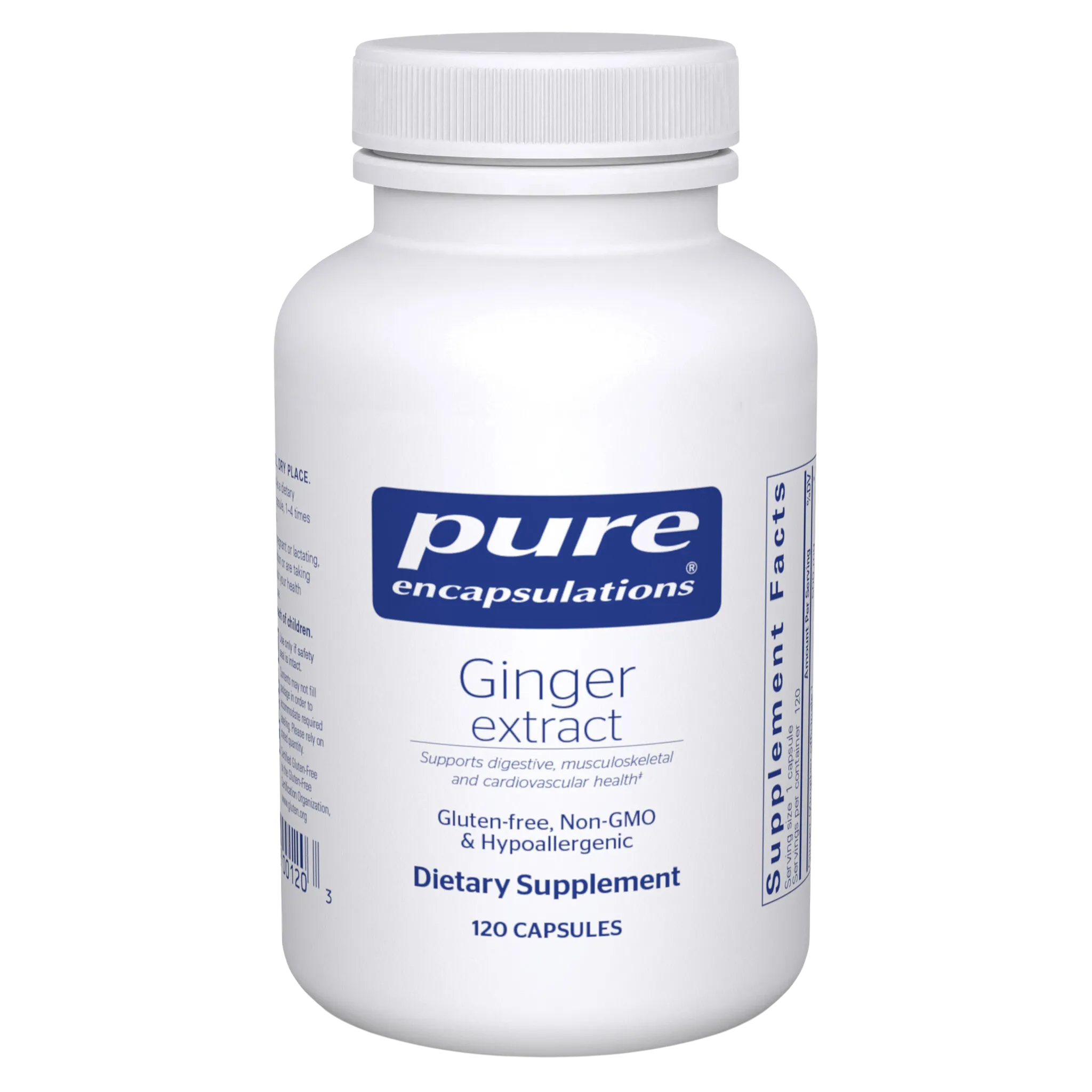
Because of ginger's short half-life and rapid metabolic clearance, strategic dosing is necessary to maintain its anti-inflammatory and prokinetic effects. The suggested use for a standardized 500 mg ginger extract (containing 5% gingerols) is typically 1 capsule, taken 1 to 4 times daily. For patients using ginger to manage chronic nausea or to support continuous platelet function, dividing the dose throughout the day (e.g., morning, noon, and evening) is far more effective than taking a single large bolus dose, as it helps sustain the presence of the active metabolites in the bloodstream.
To further enhance absorption, it is often recommended to take ginger extract alongside a meal that contains healthy fats. Because gingerols and shogaols are lipophilic (fat-soluble) compounds, the presence of dietary lipids can stimulate bile secretion and improve their solubility and transport across the intestinal barrier. While the supplement directions suggest taking it between meals, patients using it specifically for gastroparesis or early satiety may find it beneficial to take it shortly before eating to leverage its prokinetic, gastric-emptying effects.
Consistency is also key. While the anti-nausea and prokinetic effects of ginger can often be felt within an hour of ingestion, the deeper immunological benefits—such as the downregulation of the NF-κB pathway, the reduction of systemic COX-2 enzymes, and the stabilization of mast cells—require sustained, daily use. Patients should generally allow 4 to 8 weeks of consistent supplementation to accurately evaluate its impact on chronic joint pain, microclot-related fatigue, and overall systemic inflammation.
Ginger extract is generally considered highly safe and well-tolerated, with a long history of traditional use and extensive clinical validation. However, its potent biochemical mechanisms require careful consideration, particularly for patients with complex chronic illnesses who may be on multiple prescription medications. The most significant safety consideration involves ginger's natural anticoagulant properties. Because gingerols inhibit the COX-1 pathway and reduce Thromboxane A2 production, they actively reduce platelet aggregation and act as a mild natural blood thinner.
For Long COVID patients undergoing "Triple Anticoagulant Therapy" (combinations of prescription drugs like aspirin, clopidogrel, and apixaban) to treat microclots, adding high-dose ginger extract can increase the risk of bruising and bleeding. Clinical data on ginger and platelet function indicates that while lower doses are generally safe, taking ginger alongside pharmaceutical anticoagulants requires strict medical supervision and potential dose adjustments by a healthcare provider.
Additionally, while ginger is used to manage nausea and soothe the digestive tract, high doses taken on an empty stomach can occasionally cause mild heartburn or gastrointestinal irritation in sensitive individuals. Patients with a history of gallstones should also consult their provider before using concentrated ginger extracts, as ginger actively stimulates the production and secretion of bile from the gallbladder. Always discuss new supplements with your medical team to ensure they fit safely into your specific treatment protocol.

Follow the Science
The scientific literature surrounding ginger's impact on hematology and vascular health has expanded significantly, particularly in the context of post-viral syndromes. A comprehensive systematic review published in PLOS One analyzed multiple clinical trials regarding ginger's anti-platelet effects. The review concluded that ginger's ability to inhibit platelet aggregation is highly dose-dependent. While low dietary doses showed minimal impact, bolus doses of ginger resulted in a greater than 35% inhibition of platelet aggregation by effectively blocking the arachidonic acid and Thromboxane B2 pathways.
More recently, a landmark 2023 study published in JCI Insight provided a breakthrough understanding of ginger's role in autoimmune and hypercoagulable states. The researchers demonstrated that daily supplementation of 20 mg of pure gingerols over seven days significantly boosted intracellular cyclic AMP (cAMP) inside human neutrophils. This biochemical shift made the neutrophils highly resistant to NETosis, actively suppressing the formation of the Neutrophil Extracellular Traps (NETs) that are known to stabilize and harden the amyloid fibrin microclots seen in Long COVID and ME/CFS.
These findings represent a critical bridge between nutritional biochemistry and chronic illness pathology. By proving that specific, standardized doses of gingerols can physically alter the behavior of white blood cells and platelets in human subjects, these studies validate the use of ginger extract as a targeted, evidence-based intervention for managing the vascular inflammation and micro-clotting cascades that drive debilitating fatigue and brain fog.
Ginger's efficacy as a gastrointestinal modulator is supported by decades of rigorous clinical trials. Research focused on the enteric nervous system has isolated the exact mechanisms by which ginger alleviates severe nausea. Pharmacological bioassays detailed in Neurogastroenterology & Motility demonstrated that ginger compounds, specifically 6-gingerol and 6-shogaol, act as highly potent, non-competitive antagonists at human 5-HT3 receptors. In these studies, 6-gingerol concentration-dependently depressed the maximal serotonin response from 93% down to 48%, proving its ability to physically block the gut's emetic reflex.
Beyond neurochemical blocking, clinical reviews have consistently highlighted ginger's physical prokinetic effects. Studies have shown that a daily dose of 1 gram of ginger extract is statistically superior to a placebo in managing diverse causes of nausea, specifically noting its ability to stimulate cholinergic M3 receptors and accelerate gastric emptying. This dual-action evidence base is why ginger is frequently highlighted in functional medicine protocols for managing the gastroparesis and chronic unexplained nausea frequently seen in POTS and dysautonomia patients.
Furthermore, the National Institutes of Health and various gastroenterology guidelines recognize ginger as a valid, evidence-supported complementary therapy. Because it provides significant antiemetic relief without the risk of QT-interval prolongation or the heavy sedative effects associated with many prescription anti-nausea medications, ginger extract stands out as a uniquely safe and effective tool for long-term gastrointestinal management in complex chronic illness.
In the realm of immunology and Mast Cell Activation Syndrome (MCAS), recent molecular data has provided fascinating insights into ginger's broad-spectrum capabilities. A 2023 study published in the Pharmacognosy Journal utilized advanced molecular docking simulations to analyze how effectively ginger's phytochemicals block allergic receptors compared to standard pharmaceutical drugs. The results were striking: the ginger compound gingerenone-A showed a binding affinity to the Histamine H1 receptor of -8.7 kcal/mol, indicating a stronger molecular bond than the standard antihistamine Cetirizine (-7.2 kcal/mol).
Even more importantly for MCAS patients, the study proved that ginger compounds effectively target leukotriene receptors. Gingerenone-A and zingiberol exhibited high binding affinities (-7.3 and -7.2 kcal/mol, respectively) to the Cysteinyl Leukotriene Receptor 1 (CysLTR1). Because leukotrienes drive severe systemic inflammation and are entirely unaffected by standard over-the-counter antihistamines, this data confirms ginger's role as a comprehensive, multi-target leukotriene antagonist.
These molecular findings are supported by in vivo studies published in Taylor & Francis, which demonstrated that ginger extract significantly suppressed the production of Immunoglobulin E (IgE) and reduced inflammatory Th2 cytokines (IL-4 and IL-5) in allergic models. By proving that ginger can lower the antibodies that trigger mast cells, block the degranulation process, and antagonize both histamine and leukotriene receptors, the scientific literature firmly establishes ginger extract as a potent, multi-layered mast cell stabilizer.
The Path Forward
Managing complex chronic conditions like Long COVID, ME/CFS, dysautonomia, and MCAS requires a multifaceted, highly individualized approach. While the biochemical properties of ginger extract—its ability to stabilize mast cells, calm hyperactive platelets, inhibit COX-2 inflammation, and accelerate gastric emptying—are scientifically profound, it is not a standalone cure. Instead, it should be viewed as a powerful, targeted tool within a broader, comprehensive management strategy.
To maximize its benefits, ginger extract is best utilized alongside other synergistic interventions. For instance, pairing ginger's platelet-calming effects with systemic fibrinolytic enzymes can provide robust support for those dealing with microclots. Similarly, combining ginger's leukotriene antagonism with a low-histamine diet and targeted mast cell stabilizers can create a more stable immunological baseline. When integrated thoughtfully, ginger extract helps address multiple overlapping pathophysiological mechanisms simultaneously.
As you navigate the complexities of how a doctor diagnoses Long COVID and develops a treatment plan, remember that symptom tracking and pacing remain foundational. By carefully monitoring how your body responds to new supplements, dietary changes, and exertion levels, you and your medical team can continuously refine your protocol to better support your unique biological needs and improve your daily quality of life.
Living with an invisible, complex chronic illness is an incredibly challenging journey. The daily reality of fighting through crushing fatigue, navigating unpredictable MCAS flares, and dealing with the debilitating nausea of dysautonomia can be profoundly isolating. It is entirely valid to feel frustrated when standard blood panels return "normal" while your body feels like it is constantly fighting a war on multiple fronts.
However, the rapidly expanding body of scientific research—from the discovery of amyloid microclots to the mapping of specific mast cell receptor affinities—proves that your symptoms are rooted in real, measurable physiological dysfunction. You are not imagining the severity of your condition. As medicine continues to catch up to the reality of post-viral syndromes, the validation of these underlying mechanisms brings us closer to more effective, targeted therapies.
There is hope in this evolving science. By understanding the specific pathways driving your symptoms, you can make empowered, evidence-based decisions about your health. While the path forward may be non-linear, utilizing targeted, high-quality nutritional supports like standardized ginger extract can provide meaningful relief and help you regain a sense of stability and control over your daily life.
If you are considering adding ginger extract to your management plan, it is vital to do so under the guidance of a qualified healthcare provider. Because ginger acts as a natural anticoagulant and actively alters gastric motility, your doctor can help you navigate potential interactions with prescription blood thinners, antiemetics, or other medications in your current protocol.
By working collaboratively with a medical team that understands the nuances of complex chronic illness, you can safely integrate evidence-based supplements into your routine, taking proactive steps toward managing your symptoms and supporting your body's journey toward homeostasis.