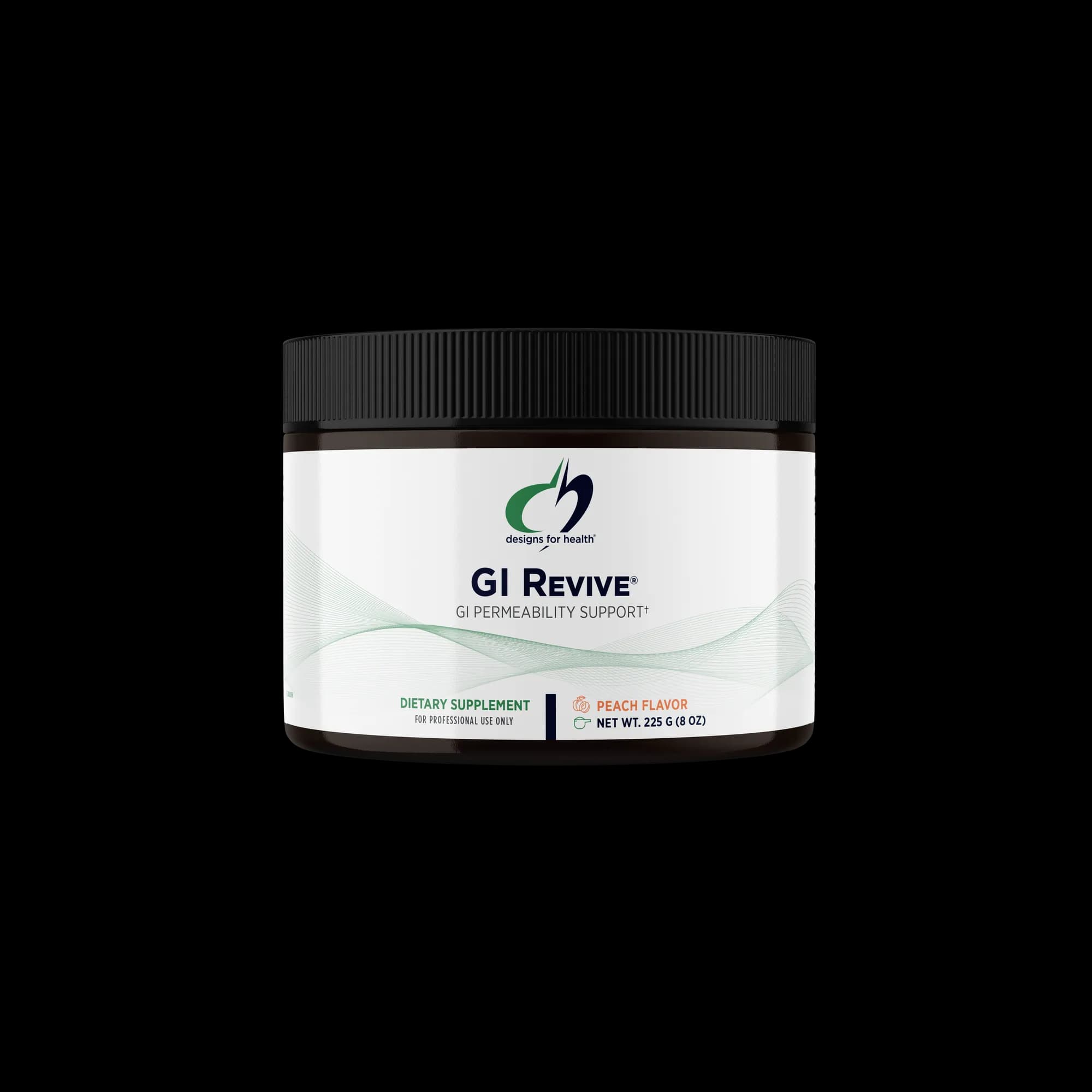
Can GI Revive® Powder Support Gut Barrier Healing in Long COVID and MCAS?
March 5, 2026
GI ReviveLeaky GutLong COVID
Share:
Disclaimer: The information provided here is for educational purposes only and is not intended as medical advice. It should not be used to diagnose, treat, cure, or prevent any medical condition. Instead, use it as a starting point for discussion with your healthcare provider. Always consult with a qualified healthcare provider before starting any new medication, supplement, device, or making changes to your health regimen.
The human gastrointestinal tract is a marvel of biological engineering, tasked with the seemingly contradictory jobs of absorbing vital nutrients while simultaneously keeping out a vast array of pathogens, toxins, and undigested food particles. For individuals living with complex chronic conditions like Long COVID, Myalgic Encephalomyelitis/Chronic Fatigue Syndrome (ME/CFS), dysautonomia, and Mast Cell Activation Syndrome (MCAS), this delicate balance is often shattered. The resulting gastrointestinal dysfunction is not merely a source of daily discomfort; it is frequently a primary driver of systemic inflammation, severe fatigue, and debilitating brain fog.
When the gut lining becomes compromised, a condition clinically known as increased intestinal permeability or "leaky gut," the body loses its first line of defense. Restoring this barrier requires more than just a temporary reduction in stomach acid or a basic probiotic; it demands a comprehensive approach that provides the cellular fuel, structural building blocks, and soothing botanicals necessary for deep mucosal repair. This is where targeted nutritional support becomes an invaluable component of a holistic management strategy. In this article, we will explore the science behind GI Revive® Powder, examining how its 15-in-1 formula works at the cellular level to rebuild the gut barrier, soothe inflammation, and support systemic health.
TL;DR
GI Revive® Powder offers a 15-in-1 formula to support gut barrier integrity and soothe inflammation.
Chronic conditions like Long COVID and MCAS can severely disrupt the gut lining, driving systemic symptoms.
Ingredients like L-Glutamine and Zinc L-Carnosine provide cellular fuel and structural support for mucosal repair.
Consistent supplementation may help manage digestive discomfort, brain fog, and fatigue linked to intestinal permeability.
What is GI Revive® Powder?
The Architecture of a Healthy Gut Barrier
The human gastrointestinal tract is protected by a highly sophisticated, multi-layered defense system. At its core is a single layer of epithelial cells, known as enterocytes, which are bound tightly together by complex protein structures called tight junctions. These tight junctions act as the gatekeepers of the gut, opening to allow water and nutrients to pass into the bloodstream and closing to block harmful substances. When these junctions become compromised, the resulting influx of foreign material can trigger widespread systemic immune activation.
Above this cellular layer lies the mucosal barrier, a thick, gel-like shield primarily composed of glycoproteins called mucins. This mucus layer is the true first line of defense, physically separating the fragile epithelial cells from the harsh, acidic environment of the stomach and the abrasive contents of the intestines. It also serves as the primary habitat for our commensal gut microbiome, the trillions of beneficial bacteria that help regulate our immune system and digest our food. Maintaining the integrity of both the epithelial cell layer and the overlying mucosal shield is paramount for overall health.
However, maintaining this barrier is an incredibly energy-intensive process. The cells lining the gut turn over rapidly, requiring a constant supply of specific amino acids, minerals, and structural building blocks to regenerate and repair themselves. When the body is under chronic physiological stress, or when the diet lacks these essential nutrients, the repair process stalls, leading to ulcerations, chronic inflammation, and increased intestinal permeability.
A Comprehensive 15-in-1 Approach to Gut Healing
GI Revive® Powder by Designs for Health is a meticulously formulated 15-in-1 nutraceutical designed to provide comprehensive support for gastrointestinal health and integrity. Rather than relying on a single mechanism of action, this formula combines a synergistic blend of specific nutrients, amino acids, and soothing botanicals that target every layer of the gut barrier. It is specifically engineered to promote the body’s natural gastrointestinal repair processes, support a healthy inflammatory response, and maintain optimal intestinal function and regularity.
The ingredients in GI Revive® can be broadly categorized into four therapeutic actions: cellular fuel and structural repair, mucin production, botanical soothing (demulcents), and antioxidant defense. By providing L-Glutamine as a primary fuel source for rapidly dividing enterocytes and Zinc L-Carnosine for targeted gastric repair, the formula helps rebuild the physical cellular wall. Simultaneously, ingredients like N-Acetyl-D-Glucosamine and Citrus Pectin Cellulose provide the necessary raw materials to synthesize the protective mucin layer.
This multi-pronged approach ensures that the gut is not only physically repaired but also biochemically protected against future insults. For individuals dealing with complex chronic conditions, finding a supplement that addresses the multifaceted nature of gut dysfunction is often a critical step in their management protocol, offering a way to break the cycle of chronic mucosal irritation.
The Role of Demulcents and Antioxidants
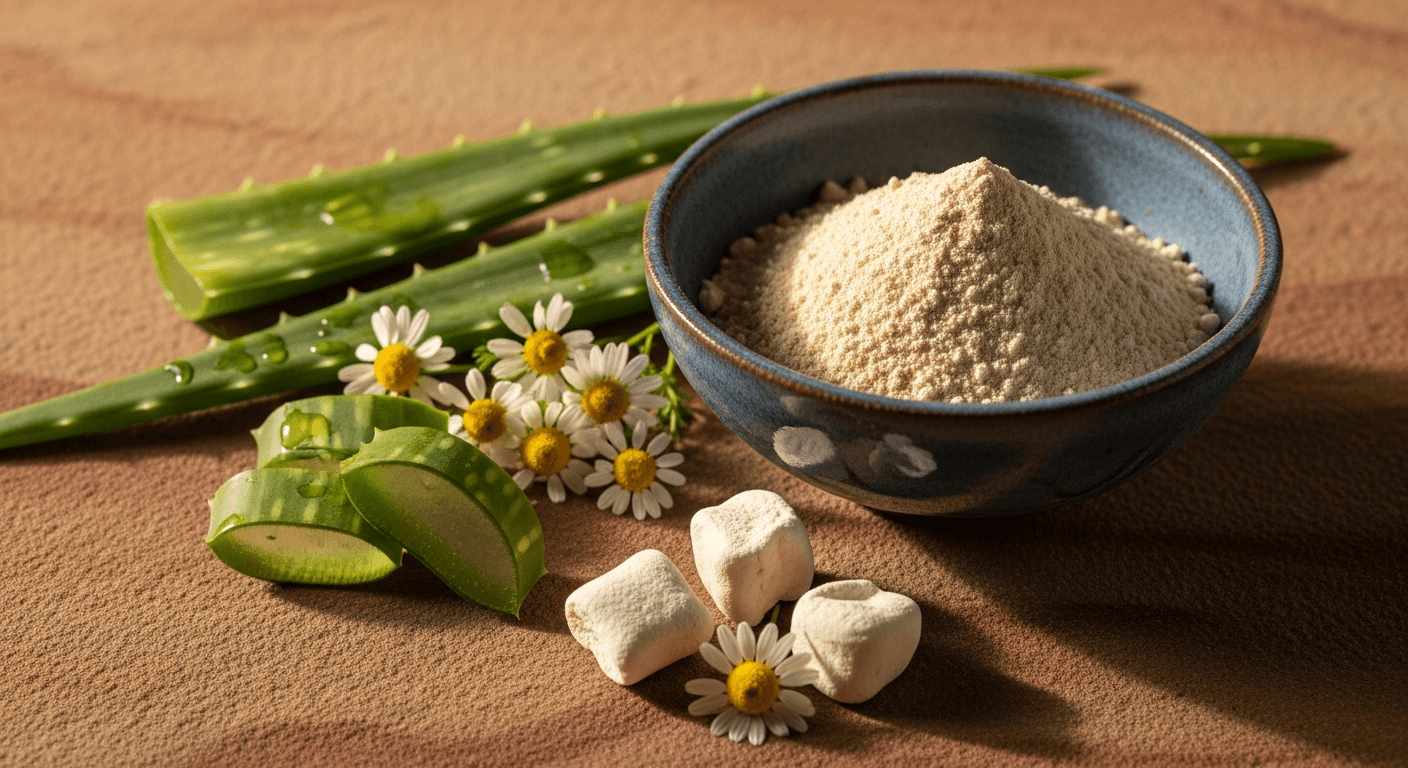
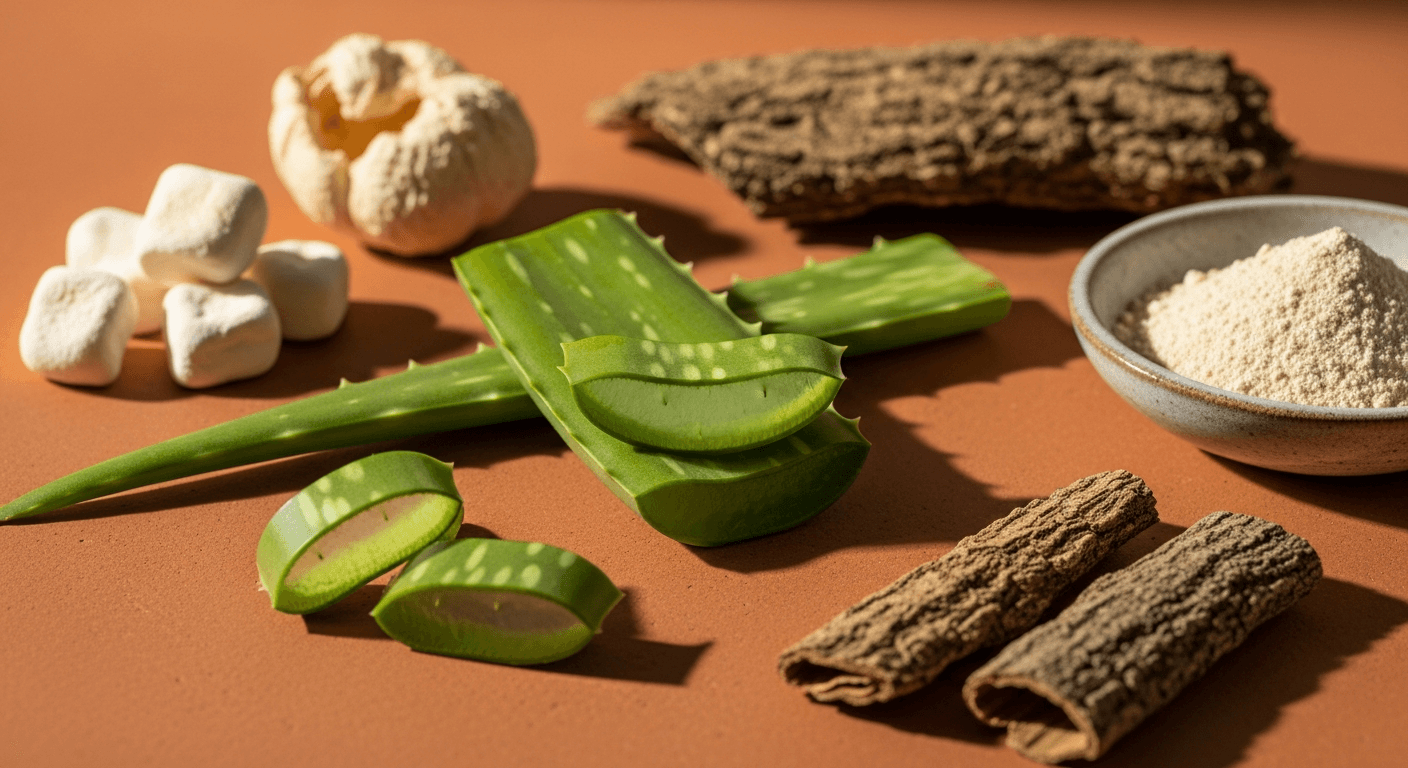
Beyond structural repair, a significant portion of the GI Revive® formula is dedicated to immediately soothing inflamed, irritated tissues. It features a robust blend of traditional demulcent botanicals—including Deglycyrrhizinated Licorice (DGL), Aloe Vera Extract, Slippery Elm, Marshmallow Root, and Okra Extract. These mucilaginous plants naturally produce thick, gel-like substances that bio-mimic the body's own mucus, physically coating the gastrointestinal lining to provide immediate comfort and protect against aggressive factors like stomach acid.
This coating action gives the underlying tissues the "breathing room" they need to initiate the healing process. Without this physical protection, the newly forming epithelial cells would be constantly degraded by digestive enzymes and inflammatory cytokines, making true recovery nearly impossible. The demulcents act as a temporary bandage while the structural nutrients do the heavy lifting of cellular regeneration.
Finally, the inclusion of potent antioxidants and anti-inflammatory agents like Quercetin, Cat's Claw, and Methylsulfonylmethane (MSM) helps to quench the localized oxidative stress that actively damages gut cells. Chronic inflammation in the gut can lead to cellular apoptosis (death) and the continuous degradation of tight junction proteins. By neutralizing free radicals and modulating inflammatory signaling pathways, these ingredients help break the vicious cycle of gut irritation, allowing the restorative components of GI Revive® to take full effect.
How Chronic Illness Impacts the Gut Barrier
Long COVID and Viral Gut Disruption
The gastrointestinal tract is profoundly impacted by Long COVID, with many patients experiencing debilitating digestive symptoms long after their acute SARS-CoV-2 infection has resolved. The virus gains entry into human cells by binding to the angiotensin-converting enzyme 2 (ACE2) receptor, which is highly expressed on the enterocytes lining the small intestine and colon. When the virus binds to these receptors, it downregulates ACE2 expression, disrupting the local renin-angiotensin system and impairing the secretion of antimicrobial peptides.
This viral disruption leads to severe gut microbiome dysbiosis—a detrimental imbalance characterized by the loss of beneficial, short-chain fatty acid (SCFA)-producing bacteria and an overgrowth of opportunistic pathogens. This viral-induced dysbiosis, combined with direct cytotoxic damage to the gut lining, severely compromises the integrity of the intestinal barrier. Research has shown that SARS-CoV-2 infection can induce apoptosis in gut epithelial cells and break down the tight junction proteins that seal the intestinal wall.
Consequently, patients with Long COVID frequently exhibit elevated systemic markers of intestinal permeability, such as lipopolysaccharide-binding protein (LBP) and bacterial endotoxins. When these endotoxins leak into the bloodstream, they trigger a systemic, low-grade inflammatory response that can sustain chronic symptoms across multiple organ systems. To learn more about this connection, you can read our article on Gastrointestinal Symptoms Seen with Long COVID.
Mast Cell Activation Syndrome (MCAS) and Leaky Gut
Mast Cell Activation Syndrome (MCAS) is a complex immunological condition characterized by the inappropriate and excessive release of chemical mediators from mast cells. While mast cells are distributed throughout the body, they are heavily concentrated at environmental interfaces, most notably within the mucosal lining of the gastrointestinal tract. In a healthy state, these cells act as sentinels, protecting the gut from pathogens. However, in MCAS, these cells become hyper-reactive, degranulating in response to harmless triggers like specific foods, stress, or minor microbial shifts.
This localized mast cell degranulation is a primary driver of intestinal hyperpermeability. Mediators like histamine and tryptase, along with matrix metalloproteinase-9 (MMP-9), directly degrade and damage the tight junction proteins between intestinal cells, physically widening the paracellular gaps. This creates a vicious cycle: the damaged barrier allows undigested food antigens and bacterial lipopolysaccharides (LPS) to leak into the bloodstream.
Once in the bloodstream, these foreign particles trigger further systemic immune activation and subsequent mast cell degranulation elsewhere in the body. This continuous assault on the gut lining makes structural repair and mast cell stabilization critical components of managing MCAS. Without addressing the physical integrity of the gut barrier, it is incredibly difficult to calm the systemic hyper-reactivity that characterizes the syndrome.
The Gut-Brain Axis in ME/CFS and Dysautonomia
Myalgic Encephalomyelitis/Chronic Fatigue Syndrome (ME/CFS) and dysautonomia, including Postural Orthostatic Tachycardia Syndrome (POTS), are deeply intertwined with gastrointestinal health through the gut-brain axis. The enteric nervous system, which governs gut motility and function, communicates constantly with the central nervous system via the vagus nerve. In dysautonomia, autonomic nervous system dysfunction can lead to impaired gut motility, resulting in conditions like gastroparesis or Small Intestinal Bacterial Overgrowth (SIBO).
This stagnant environment fosters further dysbiosis and mucosal inflammation, exacerbating the breakdown of the gut barrier. In ME/CFS, the consequences of a leaky gut are particularly severe. The translocation of microbial endotoxins into the systemic circulation drives neuroinflammation, which is heavily implicated in the profound brain fog, cognitive impairment, and post-exertional malaise (PEM) that characterize the disease.
The systemic inflammation originating from the gut disrupts cellular energy metabolism and mitochondrial function, further depleting the body's already compromised energy reserves. Addressing intestinal permeability is therefore not just about resolving digestive discomfort; it is a vital strategy for reducing the systemic inflammatory burden that drives the debilitating neurological and autonomic symptoms of these complex chronic conditions. For more context on how these conditions overlap, explore our post on Can Long COVID Trigger ME/CFS? Unraveling the Connection.
GI Revive®: Supporting Gut Repair and Integrity
Cellular Fuel and Targeted Structural Repair
The foundation of GI Revive® lies in its ability to provide the specific raw materials required for the rapid regeneration of the intestinal lining. The formula includes 1.5 grams of L-Glutamine, the most abundant amino acid in the human body and the primary metabolic fuel for enterocytes. Unlike most cells that rely on glucose, enterocytes preferentially consume L-Glutamine to generate the massive amounts of energy needed for their rapid turnover and repair. Furthermore, L-Glutamine actively regulates the synthesis of crucial tight junction proteins, including occludin and Zonula occludens-1 (ZO-1), structurally tightening the gaps between intestinal cells.
Complementing L-Glutamine is Zinc L-Carnosine (providing 17 mg of elemental zinc), a unique chelated compound that offers highly targeted support for the gastric mucosa. Unlike standard zinc supplements, the chelated structure of Zinc L-Carnosine allows it to survive stomach acid and physically adhere to ulcerated or inflamed portions of the stomach lining. Once attached, it acts as a localized cytoprotective agent, stimulating the production of growth factors like Vascular Endothelial Growth Factor (VEGF) that accelerate the migration of epithelial cells to close wounds and rebuild damaged tissue.
This dual action of fueling cellular regeneration from within and physically patching mucosal lesions from the outside is critical for restoring barrier integrity. By providing these foundational elements, the formula ensures that the body has the metabolic capacity to keep up with the constant demand for cellular turnover in the gastrointestinal tract, even under states of chronic physiological stress.
Rebuilding the Protective Mucin Shield
A healthy gut barrier requires more than just tightly packed cells; it relies heavily on the thick, gel-like mucus layer that sits above them. GI Revive® incorporates N-Acetyl-D-Glucosamine (NAG) and Citrus Pectin Cellulose to directly support the synthesis and maintenance of this vital mucin shield. NAG is an amino sugar that serves as a fundamental building block for intestinal mucins, particularly the MUC2 glycoproteins secreted by goblet cells. By providing a direct source of NAG, the formula bypasses metabolic bottlenecks, allowing the gut to rapidly assemble the complex, highly viscous mucin structures needed to physically block pathogens.
Citrus Pectin Cellulose works synergistically with NAG to enhance mucin production from a microbial angle. As a complex, soluble dietary fiber, citrus pectin is highly fermentable by the gut microbiota. Beneficial bacteria ferment this pectin into short-chain fatty acids (SCFAs), predominantly butyrate. Butyrate is not only a crucial energy source for colonocytes but also a powerful chemical signal that directly upregulates the expression of mucin genes.
This microbial fermentation process also helps to reinforce tight junctions and lower localized intestinal inflammation, creating a robust, multi-layered defense system against luminal irritants. By supporting both the direct biochemical synthesis of mucin and the microbial environment that encourages its production, this combination ensures a resilient and highly functional mucosal barrier.
The Botanical Demulcents for Immediate Soothing
To address the immediate discomfort of an inflamed gastrointestinal tract, GI Revive® features a comprehensive blend of traditional demulcent botanicals: Deglycyrrhizinated Licorice (DGL), Aloe Vera Extract, Slippery Elm, Marshmallow Root, and Okra Extract. These plants are rich in complex polysaccharides known as mucilage. When these mucilaginous compounds mix with water, they swell to form a thick, viscous gel that physically coats the stomach and intestinal mucosa.
Each botanical brings its own unique healing properties to the formula. DGL, for instance, actively stimulates the proliferation of mucus-secreting goblet cells and increases blood supply to the intestinal lining, accelerating tissue repair without the blood pressure-raising side effects of standard licorice. Slippery Elm and Marshmallow Root provide deep hydration and mild astringency, helping to tone and tighten "leaky" cellular junctions.
Meanwhile, Okra Extract boasts remarkable anti-adhesive properties, physically blocking opportunistic bacteria like Helicobacter pylori from colonizing the stomach lining. Aloe vera extract penetrates the tissue to reduce systemic inflammation and stimulate the cellular regeneration of the epithelial wall. Together, these botanicals create an optimal, protected environment for the gut to heal itself while providing profound symptomatic relief.
Quelling Inflammation and Oxidative Stress
Chronic gut dysfunction is invariably accompanied by severe localized oxidative stress and inflammation, which can induce cellular apoptosis and halt the repair process. To combat this, GI Revive® includes a potent trio of antioxidants and anti-inflammatory agents: Quercetin, Cat's Claw, and Methylsulfonylmethane (MSM). Quercetin, a powerful flavonoid, is renowned for its ability to stabilize mast cells, reducing the localized release of histamine in the gut. It also directly supports tight junction integrity and inhibits pro-inflammatory signaling pathways like NF-κB.
Cat's Claw (Uncaria tomentosa) is a profound immune modulator that protects human gastric epithelial cells against severe oxidative stressors, helping to protect against the cell death associated with chronic gut inflammation. By modulating NF-κB, it helps reduce the expression of inducible nitric oxide synthase and TNF-α, effectively silencing the inflammatory alarms that perpetuate mucosal damage.
Finally, MSM provides an essential source of organic sulfur, a critical structural component for mucosal integrity and a necessary precursor for the synthesis of glutathione, the body's master antioxidant. By systematically neutralizing free radicals and providing structural support, this antioxidant trio ensures that the restorative components of GI Revive® can operate without constant interference from inflammatory cascades.
Symptoms GI Revive® May Help Manage
Gastrointestinal Specific Symptoms
By targeting the root causes of mucosal irritation and barrier dysfunction, the ingredients in GI Revive® may help alleviate a wide range of specific digestive complaints:
Abdominal Pain and Cramping: Demulcent herbs like Slippery Elm and Marshmallow Root physically coat irritated nerve endings in the gut lining, while antispasmodic properties from Chamomile help relax the intestinal wall.
Bloating and Postprandial Fullness: By supporting a healthy inflammatory response and promoting the healing of the gastric mucosa, the formula helps normalize digestion and reduce the gas production associated with dysbiosis.
Irregular Bowel Movements: The inclusion of Prune extract provides a natural source of sorbitol and phenolic compounds that act as gentle prokinetics, stimulating coordinated intestinal muscle contractions to relieve constipation and promote regularity.
Heartburn and Gastric Discomfort: Zinc L-Carnosine physically adheres to and supports the healing of ulcerated tissue in the stomach, while DGL stimulates the body's natural mucus defenses against gastric acid without suppressing necessary acid production.
Systemic and Extra-Intestinal Symptoms
Because the gut barrier dictates what enters the systemic circulation, repairing intestinal permeability can have profound effects on symptoms that manifest far beyond the digestive tract:
Food Sensitivities and Intolerances: By tightening the paracellular gaps (tight junctions) with L-Glutamine and Quercetin, the formula may help keep undigested food proteins from leaking into the bloodstream and triggering immune hyper-reactivity.
Brain Fog and Cognitive Impairment: Sealing the gut barrier reduces the translocation of bacterial endotoxins (LPS) into the bloodstream, thereby lowering the systemic neuroinflammation that drives cognitive dysfunction in Long COVID and ME/CFS.
Systemic Fatigue and Post-Exertional Malaise (PEM): By reducing the massive energy drain of chronic immune activation and localized gut inflammation, the body can redirect its metabolic resources toward overall energy production and cellular repair.
Mast Cell Hyper-Reactivity: Quercetin acts as a natural mast cell stabilizer, helping to lower the overall histamine burden in the gut, which can subsequently calm systemic MCAS flares.
Practical Considerations: Forms, Dosing, and Absorption
Optimal Dosing and Administration
GI Revive® is provided in a convenient powdered form, which is highly advantageous for gastrointestinal healing. Unlike capsules or tablets that may not fully dissolve until they reach the lower intestines, a powder mixed with liquid begins coating and soothing the mucosal lining from the moment it enters the mouth, providing therapeutic contact across the entire esophagus, stomach, and intestinal tract. The suggested use is to mix 8 grams (approximately one scoop) in water or another liquid per day, or as directed by a healthcare practitioner.
For optimal absorption and mucosal contact, it is generally recommended to take GI Revive® on an empty stomach, ideally 30 to 60 minutes before a meal. This allows the demulcent herbs (like Slippery Elm and Aloe Vera) and the Zinc L-Carnosine to physically adhere to the stomach lining without interference from food proteins or digestive enzymes. The powder is naturally sweetened with stevia leaf and monk fruit extract, making it highly palatable when mixed simply with water.
Consistency is key when utilizing nutritional therapies for barrier repair. The cells of the gastrointestinal tract take time to turn over and regenerate. While the soothing demulcent herbs may provide immediate symptomatic relief for heartburn or cramping, true structural repair of tight junctions and the mucin layer typically requires 4 to 8 weeks of consistent, daily supplementation.
Safety, Interactions, and Timeline
While the ingredients in GI Revive® are generally recognized as safe and well-tolerated, there are a few practical considerations to keep in mind. The formula contains 17 mg of elemental zinc (from Zinc L-Carnosine) per serving. While this is an excellent therapeutic dose for gastric repair, individuals taking additional zinc supplements should monitor their total daily intake. Prolonged high-dose zinc supplementation can compete with copper for absorption, potentially leading to a copper imbalance over time.
Additionally, because the formula contains mucilaginous herbs that form a thick gel in the digestive tract, it has the potential to slow the absorption of certain oral medications. To help avoid any interactions, it is best practice to take GI Revive® at least one to two hours away from prescription medications. The inclusion of Okra extract also means the formula contains naturally occurring oxalates; individuals with a history of severe calcium oxalate kidney stones should consult their provider before using highly concentrated okra products.
As with any comprehensive supplement protocol, especially for patients with MCAS who may have highly specific botanical triggers, it is crucial to introduce the product carefully and consult with your healthcare provider to ensure it aligns with your individualized treatment plan. To understand more about navigating complex symptoms, you can read our guide on How Does a Doctor Diagnose Long COVID?.
Follow the Science
Clinical Evidence for L-Glutamine and Zinc L-Carnosine
The foundational ingredients in GI Revive® have been the subject of rigorous clinical evaluation. A landmark 2019 randomized, double-blind, placebo-controlled trial evaluated the efficacy of L-Glutamine in patients with post-infectious Irritable Bowel Syndrome (IBS-D), a condition characterized by severe gut barrier dysfunction following an infection. After 8 weeks of supplementation, intestinal hyperpermeability was completely normalized in the glutamine group, and nearly 80% of participants experienced a clinically significant improvement in IBS symptoms, compared to just 5.8% of the placebo group.
Zinc L-Carnosine has similarly robust clinical backing, particularly for its cytoprotective properties. In a highly cited crossover trial published in the journal Gut, healthy volunteers were given indomethacin (an NSAID notorious for damaging the gastric lining) alongside either a placebo or Zinc L-Carnosine. The placebo group suffered a 300% increase in gut permeability. In stark contrast, the group taking Zinc L-Carnosine experienced no significant increase in gut permeability and saw a 75% reduction in gastric injury.
These trials underscore the critical importance of providing the body with the specific amino acids and chelated minerals required to physically rebuild the epithelial wall and defend against chemical and microbial insults.
Research on Mucin Production and Botanicals
The ingredients targeting the mucin layer and providing demulcent action are also well-supported by scientific literature. N-Acetyl-D-Glucosamine (NAG) has shown remarkable potential in clinical trials for inflammatory bowel disease (IBD). In a pilot study involving 12 children with severe, treatment-resistant IBD, participants taking oral NAG as an adjunct therapy reported promising results, with eight of the children showing clear clinical improvement.
The botanical demulcents have also been validated in both in vitro and clinical settings. A clinical pilot study testing a formula containing Slippery Elm bark on patients with constipation-predominant IBS demonstrated significant improvements in bowel habits and abdominal discomfort. Furthermore, studies on Aloe vera extract have shown that its specific polysaccharides actively help protect against cellular apoptosis and support rapid wound healing in human gastrointestinal cell models.
Antioxidants and Motility Studies
The inclusion of Prune extract for motility is backed by recent, high-quality clinical data. A 2022 randomized, double-blind, placebo-controlled trial published in the American Journal of Gastroenterology evaluated adults with chronic constipation. The study found that daily consumption of prune extract significantly improved stool consistency and frequency without causing excessive flatulence or diarrhea, outperforming many synthetic fiber alternatives.
Finally, the antioxidant Quercetin has been extensively studied for its role in barrier integrity. In vitro studies utilizing intestinal epithelial cells subjected to inflammatory toxins have demonstrated that Quercetin reduces the expression of pro-inflammatory cytokines like TNF-α and IL-6, solidifying its role as a master regulator of gut inflammation.
The Path Forward
A Holistic Approach to Gut Healing
Healing the gastrointestinal tract is rarely a quick fix, especially for individuals navigating the complexities of Long COVID, ME/CFS, dysautonomia, or MCAS. The gut barrier is constantly under siege from systemic inflammation, autonomic dysfunction, and microbiome imbalances. While targeted nutritional support is a powerful tool, it is most effective when integrated into a comprehensive management strategy. This includes identifying and removing specific food triggers, practicing pacing to reduce physiological stress, and working closely with a healthcare provider to address underlying infections or autonomic nervous system dysfunction.
Validating the Journey
Living with chronic, unpredictable digestive symptoms can be incredibly isolating and frustrating. It is important to validate that these symptoms are not "all in your head"—they are the result of measurable, physiological disruptions to the gut barrier and the immune system. By understanding the intricate mechanisms of mucosal repair, tight junction integrity, and mast cell stabilization, you can take empowered, science-backed steps toward reclaiming your gastrointestinal health. To learn more about living with chronic conditions, explore our article on How Can You Live with Long-Term COVID.
Disclaimer: This article is for educational purposes only and does not constitute medical advice. Always consult with your healthcare provider before starting any new supplement, especially if you have a complex chronic condition or are taking prescription medications.