Can GI Revive® Repair Leaky Gut and Support Long COVID Recovery?
March 5, 2026
GI ReviveGastrointestinal HealthLong COVID
Share:
Disclaimer: The information provided here is for educational purposes only and is not intended as medical advice. It should not be used to diagnose, treat, cure, or prevent any medical condition. Instead, use it as a starting point for discussion with your healthcare provider. Always consult with a qualified healthcare provider before starting any new medication, supplement, device, or making changes to your health regimen.
Months after recovering from the initial SARS-CoV-2 infection, many people still fight debilitating symptoms with what we call Long COVID. But what is it that allows some people to recover within a couple of weeks while others suffer from long-term symptoms for months or even years? For patients navigating Long COVID, myalgic encephalomyelitis/chronic fatigue syndrome (ME/CFS), and dysautonomia, the answer often lies not just in the immune system or the brain, but deep within the gastrointestinal tract. The concept of "leaky gut" or intestinal permeability is no longer just a functional medicine theory; it is a heavily researched, biologically validated phenomenon driving systemic inflammation, severe fatigue, and neurological dysfunction in complex chronic illnesses.
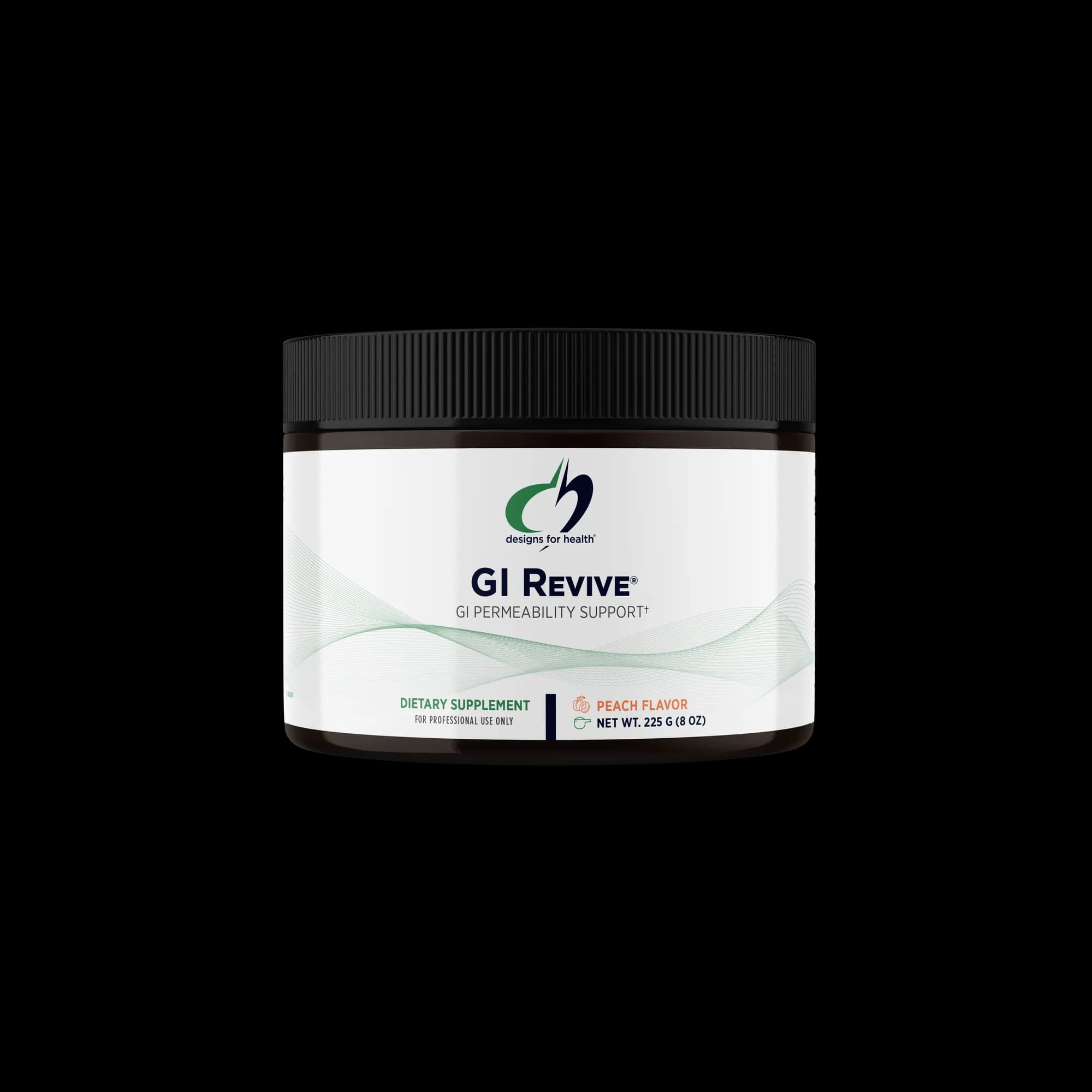
When the delicate lining of the gut is compromised by viral infection, chronic stress, or immune dysregulation, it loses its ability to selectively filter what enters the bloodstream. This allows undigested proteins, bacterial endotoxins, and pathogens to escape the intestines, triggering a relentless, exhausting immune response that can manifest as brain fog, post-exertional malaise (PEM), and autonomic nervous system dysfunction. Addressing this foundational breakdown is critical. GI Revive® is a comprehensive, 15-in-1 formula designed to support gastrointestinal health by providing the specific amino acids, specialized minerals, and soothing botanicals required to physically rebuild the gut barrier, promote natural repair processes, and calm localized inflammation.
TL;DR
Gut health and intestinal permeability are key drivers of Long COVID and ME/CFS symptoms.
GI Revive® provides 15 targeted ingredients to support gut barrier repair and soothe inflammation.
Nutrients like L-Glutamine, Zinc L-Carnosine, and NAG help rebuild tight junctions and the protective mucin layer.
Supporting the gut barrier may help manage systemic issues like brain fog, PEM, and dysautonomia.
What is GI Revive®?
The Anatomy of the Intestinal Barrier
The human gastrointestinal tract is a marvel of biological engineering, tasked with the seemingly contradictory jobs of absorbing vital nutrients while simultaneously blocking harmful pathogens and toxins. The foundation of this defense system is the intestinal epithelium, a single layer of specialized cells (enterocytes) that line the entire gut. Because this barrier is only one cell thick, it relies on complex protein structures known as tight junctions to seal the microscopic gaps between adjacent cells. When these tight junctions are healthy and functioning correctly, they act as highly selective gatekeepers, ensuring that only fully digested nutrients, water, and essential electrolytes pass into the bloodstream.
However, the epithelial cells do not stand alone. They are protected by a thick, gel-like shield known as the mucus layer. In a healthy gut, this mucus layer prevents harsh stomach acids, digestive enzymes, and trillions of gut bacteria from coming into direct physical contact with the delicate epithelial cells. The integrity of both the tight junctions and the overlying mucus layer is absolutely critical for maintaining systemic health and helping to manage chronic, low-grade inflammation.
The Role of Mucins and the Glycocode
The protective mucus layer is primarily composed of heavily glycosylated proteins called mucins, with MUC2 being the dominant gel-forming mucin in the intestines. These mucins are continuously produced and secreted by specialized goblet cells located within the epithelial lining. Up to 80% of a mucin's mass consists of complex sugar chains (oligosaccharides) extending from a central protein backbone. This dense, sticky structure gives the mucus its viscoelastic properties, allowing it to trap pathogens and resist rapid degradation by digestive processes.
The structural foundation of these mucin sugar chains relies heavily on a naturally occurring amino sugar called N-Acetyl-D-Glucosamine (NAG). Without sufficient NAG, the goblet cells cannot effectively synthesize or secrete MUC2, leaving the underlying epithelial cells exposed and vulnerable to injury. Furthermore, the outer layer of this mucus serves as a natural habitat and food source for beneficial, commensal gut bacteria. These microbes forage on the mucin glycans, producing anti-inflammatory short-chain fatty acids (SCFAs) like butyrate, which in turn feed and energize the intestinal cells.
A Comprehensive Approach to Gastrointestinal Health
GI Revive® is formulated to address gastrointestinal health from multiple interconnected angles. Rather than relying on a single mechanism, it combines 15 targeted ingredients to support the entire architecture of the gut barrier. It provides L-Glutamine to fuel the enterocytes and repair tight junctions, Zinc L-Carnosine for localized cytoprotection of the gastric lining, and N-Acetyl-D-Glucosamine alongside Mucin and Citrus Pectin Cellulose to rebuild the protective mucus shield.
Additionally, the formula incorporates a robust blend of traditional demulcent botanicals—including Deglycyrrhizinated Licorice (DGL), Aloe Vera, Slippery Elm, and Marshmallow Root—which are rich in mucilage and actively coat and soothe irritated tissues. Finally, antioxidants and anti-inflammatory compounds like Quercetin, Cat's Claw, and MSM (Methylsulfonylmethane) work synergistically to calm localized immune responses, making GI Revive® a powerful tool for promoting the body’s natural GI repair processes and maintaining healthy intestinal function.
How Long COVID and ME/CFS Impact the Gut Barrier
The "Double-Leak" Phenomenon in Long COVID
In the wake of the pandemic, researchers have discovered that the SARS-CoV-2 virus does not just affect the respiratory system; it has a profound and lasting impact on the gastrointestinal tract. Many patients with Long COVID harbor persistent viral reservoirs in their gut tissue months or even years after their initial infection. This ongoing viral presence triggers continuous, localized inflammation that actively degrades the intestinal barrier. Clinical experts have identified a phenomenon in Long COVID known as the "double-leak" scenario, which severely disrupts autonomic function and drives systemic symptoms.
The first "leak" is often caused by dysbiosis or Small Intestinal Bacterial Overgrowth (SIBO), a common consequence of viral-induced gut motility issues. The second "leak" is known as apoptotic permeability. The virus directly infects and kills clusters of intestinal epithelial cells (apoptosis), leaving microscopic holes in the gut lining. This double-leak allows massive amounts of bacterial endotoxins, specifically lipopolysaccharides (LPS), to flood the bloodstream. This constant toxic burden keeps the immune system locked in a hyperactive, inflammatory state, contributing directly to the neuroinflammation and severe cognitive deficits (brain fog) frequently reported by Long COVID patients.
ME/CFS, Exercise-Induced Permeability, and LPS Translocation
For individuals living with myalgic encephalomyelitis/chronic fatigue syndrome (ME/CFS), intestinal permeability is a heavily researched driver of the disease's most debilitating symptom: post-exertional malaise (PEM). PEM is characterized by a severe, disproportionate exacerbation of symptoms following minimal physical or cognitive exertion. Recent studies investigating the gut microbiome in ME/CFS have revealed that exercise physically damages the gut barrier in these patients.
When ME/CFS patients undergo exercise testing, researchers observe a significant spike in blood levels of FABP2 (fatty acid-binding protein 2), a specific biomarker indicating acute damage to the intestinal epithelial cells. As the barrier breaks down during exertion, gut bacteria and LPS translocate into the blood and persist there much longer than in healthy individuals. This exercise-induced leaky gut forces the immune system into an exhausting defensive posture, draining cellular energy reserves and triggering the systemic crash that characterizes PEM.
Dysautonomia, POTS, and the Vagus Nerve Connection
Postural Orthostatic Tachycardia Syndrome (POTS) and other forms of dysautonomia represent a malfunction of the autonomic nervous system, which controls involuntary functions like heart rate, blood pressure, and digestion. There is a profound, bidirectional relationship between the gut and the autonomic nervous system via the vagus nerve. When the gut barrier is highly permeable, the constant influx of toxins and undigested proteins triggers localized immune cells, particularly mast cells, to release massive amounts of histamine and other inflammatory mediators.
This localized gut inflammation overstimulates the vagus nerve, sending distress signals to the brain and throwing the entire autonomic nervous system into a chronic "fight or flight" loop. Furthermore, many patients with POTS and ME/CFS also suffer from hypermobility spectrum disorders or Ehlers-Danlos Syndrome (EDS). Because the gut relies heavily on connective tissue for its structural integrity, collagen defects naturally weaken the intestinal barrier and disrupt motility, making leaky gut and subsequent dysautonomia highly prevalent in this patient population.
GI Revive®: Supporting Gut Integrity and Repair
L-Glutamine: Fueling Enterocytes and Sealing Tight Junctions
L-Glutamine is the most abundant amino acid in the human body and serves as the absolute primary fuel source for enterocytes (the cells lining the small intestine) and colonocytes. During periods of severe metabolic stress, viral infection, or chronic inflammation, the body's demand for glutamine rapidly outpaces its ability to synthesize it, leading to localized depletion in the gut. GI Revive® provides a substantial 1.5 grams of L-Glutamine per serving to directly address this deficit and power the cellular machinery required for barrier repair.
At a molecular level, L-Glutamine is essential for the synthesis of the specific proteins (such as claudins and occludins) that make up the tight junctions between intestinal cells. By upregulating the expression of these proteins, L-Glutamine physically "zips up" the microscopic gaps in the gut lining, directly reducing intestinal permeability. Furthermore, glutamine is a necessary precursor for the synthesis of glutathione, the body's master antioxidant. By boosting localized glutathione production, L-Glutamine helps protect the delicate intestinal tissues from oxidative injury and curbs gut-derived systemic inflammation, effectively blocking the translocation of toxic LPS into the bloodstream.
Zinc L-Carnosine: Localized Cytoprotection and Heat Shock Proteins
Zinc L-Carnosine (ZnC), also known as polaprezinc, is a unique, artificially chelated compound that binds the essential mineral zinc to the dipeptide L-carnosine. Unlike standard zinc supplements, which can be harsh on the stomach, this chelation process creates a highly stable complex that survives the acidic environment of the stomach to deliver targeted, localized therapeutic effects. ZnC has a high molecular affinity for ulcerated, inflamed, or damaged tissues in the gastric mucosa, acting like a "liquid bandage" that adheres to lesions and forms a temporary protective barrier.
Once attached to the damaged tissue, ZnC slowly dissociates, delivering a sustained release of zinc and L-carnosine. The localized zinc stimulates enzymes required for tissue repair, boosts epithelial cell migration, and promotes DNA synthesis at the edges of mucosal wounds. Crucially, studies indicate that ZnC stimulates the production of Heat Shock Proteins (HSPs), which act as a vital cellular defense mechanism to protect gastric cells from stress and help protect against further protein degradation. Meanwhile, the L-carnosine component directly scavenges reactive oxygen species (ROS) and downregulates pro-inflammatory cytokines like TNF-alpha, calming the localized immune response.
N-Acetyl-D-Glucosamine (NAG): Synthesizing the Mucin Shield
To rebuild the protective mucus layer that sits above the epithelial cells, GI Revive® includes 1 gram of N-Acetyl-D-Glucosamine (NAG). NAG is a naturally occurring amino sugar and the fundamental structural building block of mucosal glycoproteins and glycosaminoglycans. It provides the raw molecular materials necessary for goblet cells to synthesize and secrete MUC2, the primary gel-forming mucin in the gut. Without adequate NAG, the mucus layer becomes thin and degraded, allowing bacteria and stomach acid to directly damage the intestinal wall.
NAG also plays a vital role in the crosstalk between the host and the microbiome. The dense mucin networks built by NAG serve as a selective habitat and food source for beneficial, commensal bacteria like Akkermansia muciniphila. As these microbes metabolize the mucin glycans, they produce short-chain fatty acids (SCFAs) that nourish the colonocytes and further strengthen the gut barrier. Recent research has shown that NAG supplementation significantly improves Transepithelial Electrical Resistance (TEER)—a primary clinical measure of gut barrier integrity—by increasing the expression of tight junction proteins and lowering biomarkers of intestinal permeability.
Demulcent Botanicals: Bioadhesive Soothing and Epithelial Proliferation
GI Revive® features a robust blend of demulcent herbs, including Slippery Elm, Marshmallow Root, Aloe Vera, and Deglycyrrhizinated Licorice (DGL). Demulcents are botanicals rich in mucilage—a thick, gel-like polysaccharide substance. When these herbs interact with water in the digestive tract, they swell and form a soothing, bioadhesive film over the mucous membranes. This physical coating acts as an internal bandage, shielding the inflamed epithelial cells from stomach acid, digestive enzymes, and dietary irritants, giving the tissue the necessary time and space to heal.
Beyond physical protection, these botanicals actively promote cellular repair. Studies on Marshmallow Root (Althaea officinalis) demonstrate that its aqueous extracts actively stimulate the viability and proliferation of human epithelial cells, speeding up tissue regeneration. Similarly, DGL—a specially processed form of licorice root that removes the blood-pressure-raising compound glycyrrhizin—actively stimulates the body's own production of protective mucus in the stomach and intestines. DGL also modulates specific inflammatory pathways, including NF-kB and COX-2, which are primary drivers of tight junction disruption in leaky gut syndrome.

Symptoms GI Revive® May Help Manage
Gastrointestinal and Systemic Symptom Relief
By addressing the root causes of intestinal permeability and mucosal inflammation, the comprehensive blend of nutrients and botanicals in GI Revive® targets a wide array of debilitating symptoms associated with complex chronic illnesses.
Occasional Gas and Bloating: By soothing localized inflammation and supporting the structural integrity of the gut, ingredients like chamomile and slippery elm help calm the digestive tract and reduce the visceral hypersensitivity that leads to painful bloating and distension.
Food Sensitivities and Intolerances: A "leaky gut" allows undigested food proteins to enter the bloodstream, triggering immune reactions. By sealing the tight junctions with L-Glutamine and Zinc L-Carnosine, the formula helps keep these proteins from escaping, potentially reducing the severity of acquired food sensitivities.
Gastric Discomfort and Acid Reflux: The demulcent properties of DGL, marshmallow root, and aloe vera create a protective bioadhesive barrier over the esophageal and gastric lining, shielding it from harsh stomach acids and providing rapid relief from burning and discomfort.
Bowel Irregularity: The prebiotic soluble fibers found in slippery elm and citrus pectin cellulose help regulate bowel movements by adding bulk to the stool and feeding beneficial, SCFA-producing gut bacteria, supporting a healthy and consistent transit time.
Neurological and Immunological Support
Healing the gut barrier has profound downstream effects on the brain and the systemic immune system, particularly for patients managing Long COVID and ME/CFS.
Brain Fog and Cognitive Dysfunction: By repairing the intestinal lining and stopping the continuous leakage of bacterial endotoxins (LPS) into the bloodstream, GI Revive® helps lower systemic inflammation. This reduces the inflammatory signals sent across the blood-brain barrier, helping to clear the neuroinflammation that drives severe brain fog.
Post-Exertional Malaise (PEM): Exercise-induced intestinal permeability is a known trigger for PEM in ME/CFS. By fortifying the gut barrier with NAG and L-Glutamine prior to exertion, the formula helps mitigate the acute breakdown of tight junctions, potentially reducing the severity of post-exertional systemic crashes.
Mast Cell Activation and Histamine Overload: A compromised gut barrier constantly triggers localized mast cells. By utilizing quercetin—a potent natural mast cell stabilizer and antioxidant—alongside barrier-repairing nutrients, the formula helps calm the hyperactive immune response in the gut, reducing the massive histamine dumps that exacerbate dysautonomia and POTS.
Practical Considerations: Forms, Dosing, and Absorption
Dosage and Timing Strategies
GI Revive® is available in both capsule and powder forms, offering flexibility based on patient preference and symptom severity. The suggested use for the capsule form is 7 capsules per day, or as directed by a healthcare practitioner. Because the formula is designed to physically coat and soothe the entire gastrointestinal tract, many practitioners recommend dividing the dose throughout the day, taking it between meals or on an empty stomach. This allows the demulcent herbs (like slippery elm and marshmallow root) and the Zinc L-Carnosine to adhere directly to the gastric and intestinal mucosa without competing with large amounts of food or digestive enzymes.
When utilizing the powder form, mixing it with room temperature or slightly warm water (rather than ice-cold water) can help activate the mucilage properties of the botanicals, creating a thicker, more soothing consistency. It is important to note that rebuilding the gut barrier is a slow, biological process. While some patients may notice improvements in gastric comfort or bloating within a few days due to the soothing herbs, the actual regeneration of epithelial cells and the stabilization of tight junctions via L-Glutamine and NAG typically requires consistent supplementation for 4 to 12 weeks.
Potential Interactions and the Demulcent Effect
While the bioadhesive, coating properties of demulcent herbs are incredibly beneficial for healing inflamed tissues, they present a specific pharmacological challenge. The thick mucilage created by slippery elm, marshmallow root, and DGL can physically coat the stomach and upper intestines so thoroughly that it may slow down or inhibit the absorption of prescription medications and other supplements. To help avoid this interaction, it is universally recommended to take GI Revive® at least one to two hours away from any vital prescription medications.
Additionally, the Zinc L-Carnosine in the formula provides 17 mg of elemental zinc per serving. While this is a safe and highly therapeutic dose for gut repair, patients taking additional, high-dose zinc supplements should monitor their total daily intake. Prolonged, high-dose zinc supplementation (typically exceeding 40-50 mg daily for months) can compete with copper absorption in the gut, potentially leading to a copper deficiency. Patients on long-term, high-dose zinc protocols should discuss copper monitoring with their healthcare provider.
Considerations for SIBO and Histamine Intolerance
Patients with Small Intestinal Bacterial Overgrowth (SIBO)—a condition highly prevalent in Long COVID and dysautonomia—should approach complex gut formulas with care. Slippery elm and marshmallow root contain complex, fermentable polysaccharides that act as prebiotics. While these fibers are highly beneficial for feeding a healthy microbiome in the large intestine, they can be prematurely fermented by overgrown bacteria in the small intestine, potentially triggering severe gas, bloating, and distension in active SIBO cases. Patients with active, untreated SIBO may need to clear the bacterial overgrowth before introducing mucilaginous herbs.
Furthermore, while L-Glutamine is the ultimate fuel for gut repair, some patients with severe neuroinflammation or specific genetic profiles may experience the "glutamate paradox." In these individuals, supplemental L-Glutamine can be rapidly converted into glutamate (an excitatory neurotransmitter) rather than GABA (a calming neurotransmitter), potentially causing symptom flares, anxiety, or overstimulation. Patients who are highly sensitive to glutamine or MSG should start with a very low dose of the formula to assess tolerance before working up to the full recommended serving.

Follow the Science
Clinical Evidence for L-Glutamine and ME/CFS
The connection between intestinal permeability, bacterial translocation, and complex chronic illness is supported by decades of rigorous clinical research. A landmark clinical study conducted by Dr. Michael Maes tracked ME/CFS patients who were treated specifically for leaky gut. The patients were given targeted anti-inflammatory and barrier-supporting substances, predominantly L-glutamine, N-acetyl cysteine (NAC), and zinc, for a period of 10 to 14 months. The study found that this targeted gut protocol significantly attenuated the hyperactive immune response to bacterial lipopolysaccharides (LPS). Remarkably, 24 out of 41 patients showed a significant clinical improvement or total remission of their ME/CFS symptoms, highlighting the profound impact of barrier repair on systemic fatigue and immune dysfunction.
More recently, the broader immune impacts of viral infections have come into focus. Ongoing research continues to explore how viral-induced immune dysregulation and metabolic shifts—such as potential amino acid depletions—may impact gut barrier function and neurological health in long-haulers.
Zinc L-Carnosine and Barrier Stabilization
The cytoprotective effects of Zinc L-Carnosine (ZnC) have been extensively documented, particularly in its ability to shield the gut from medication-induced damage. Nonsteroidal anti-inflammatory drugs (NSAIDs) like ibuprofen are notorious for damaging the gut mucosa and increasing intestinal permeability. In a double-blind human clinical trial, participants were given an NSAID alongside either a placebo or ZnC. The placebo group experienced a massive three-fold (300%) increase in intestinal permeability. However, the group taking ZnC alongside the medication experienced absolutely no change in gut leakiness, demonstrating ZnC's potent, localized ability to stabilize tight junctions and block mucosal damage.
ZnC has also been studied in the context of physical exertion, which is highly relevant for ME/CFS patients managing post-exertional malaise. A 14-day double-blind, placebo-controlled human trial utilized heavy endurance exercise as a model to measure gut stress, as intense exercise diverts blood away from the gut and induces transient permeability. The study found that supplementing with ZnC successfully supported the structural integrity of the epithelial tight junctions post-exercise, helping to mitigate the exercise-induced breakdown of the gut barrier and the subsequent inflammatory cascade.
NAG and Microbiome Modulation
The role of N-Acetyl-D-Glucosamine (NAG) in rebuilding the mucin layer is backed by advanced microbiome research. Studies investigate how NAG supplementation may support gut barrier integrity and influence beneficial gut bacteria families such as Bifidobacteriaceae and Lachnospiraceae, potentially aiding in the production of crucial short-chain fatty acids (SCFAs) like acetate and butyrate, which nourish the intestinal epithelium.
The Path Forward
Validating the Gut-Brain Connection
Living with a complex, invisible illness like Long COVID, ME/CFS, or dysautonomia can be an incredibly isolating and frustrating experience. When your primary symptoms are severe fatigue, brain fog, and a racing heart, it can be difficult to understand why a practitioner might focus on your digestion. However, the science is clear: the gut is the foundation of the immune system and the gateway to the autonomic nervous system. Validating the reality of "leaky gut" and its profound systemic impact is a crucial step in understanding your body's complex symptom presentation. Your symptoms are not in your head; they are deeply rooted in your biology, and addressing the integrity of your intestinal barrier is a biologically sound strategy for reclaiming your health.
Integrating Gut Support into Your Protocol
It is important to remember that healing a compromised gut barrier is a marathon, not a sprint. Supplements like GI Revive® provide the essential molecular building blocks—like L-Glutamine, Zinc L-Carnosine, and soothing botanicals—required to rebuild tight junctions and restore the protective mucin layer. However, no single supplement is a cure-all. True healing requires a comprehensive, holistic approach that includes identifying and removing dietary triggers, managing autonomic stress through pacing, and working closely with a medical professional to address underlying infections or bacterial overgrowths.
As you navigate your recovery journey, consider how targeted gastrointestinal support might fit into your broader management strategy. By providing your body with the specific nutrients it needs to physically repair the gut lining and calm localized inflammation, you are laying the groundwork for systemic immune stability and improved quality of life. Always consult with your healthcare provider before starting any new supplement, especially if you are managing severe dysautonomia, MCAS, or are taking prescription medications.