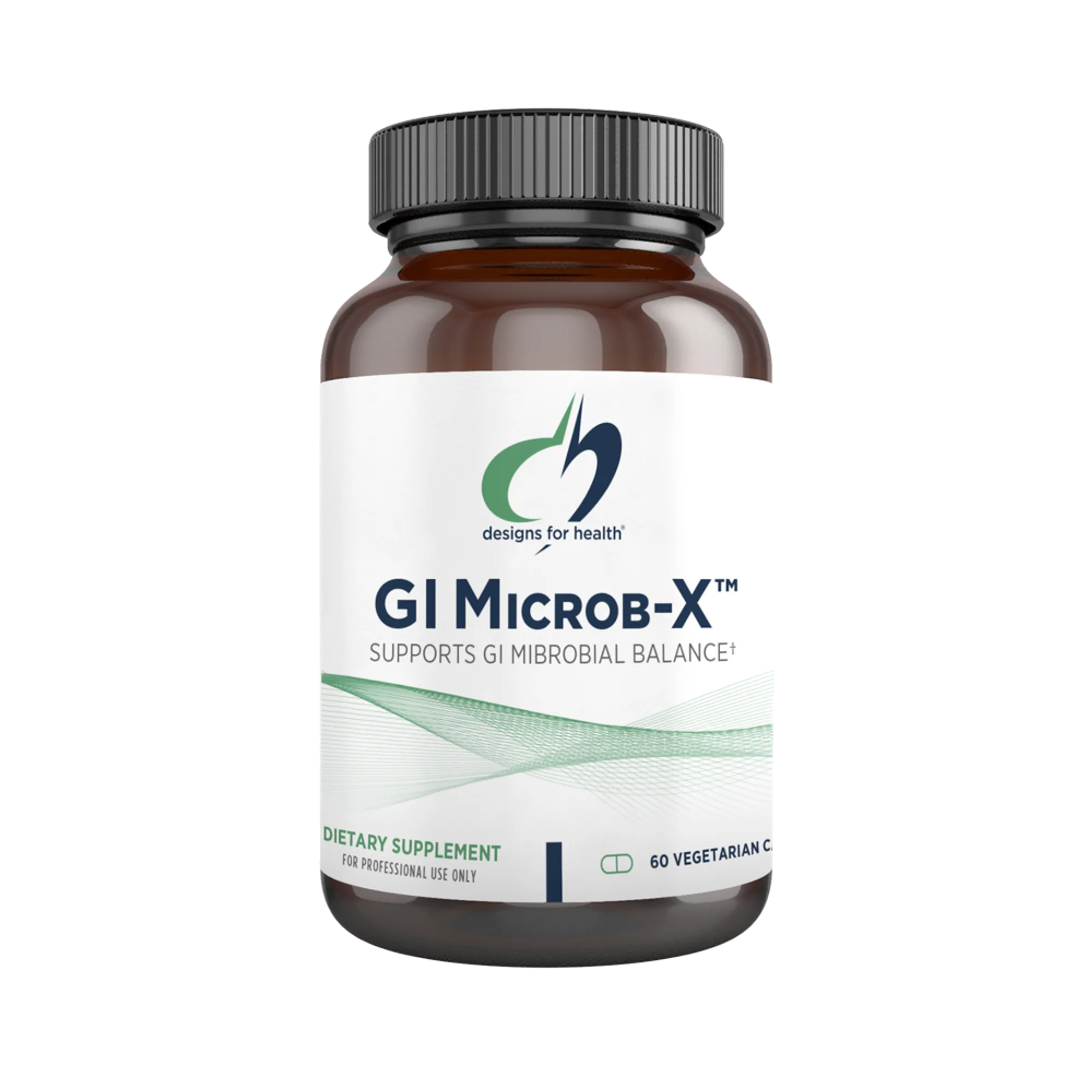
Can GI Microb-X™ Support Gut Microbiome Balance in Long COVID and ME/CFS?
March 5, 2026
GI Microb-XLong COVIDME/CFS
Share:
Disclaimer: The information provided here is for educational purposes only and is not intended as medical advice. It should not be used to diagnose, treat, cure, or prevent any medical condition. Instead, use it as a starting point for discussion with your healthcare provider. Always consult with a qualified healthcare provider before starting any new medication, supplement, device, or making changes to your health regimen.
Months or even years after an initial viral infection, many individuals with Long COVID, Myalgic Encephalomyelitis/Chronic Fatigue Syndrome (ME/CFS), and mast cell activation syndrome (MCAS) continue to fight a complex web of debilitating symptoms. From severe brain fog and post-exertional malaise (PEM) to unpredictable gastrointestinal distress, the daily reality of these invisible illnesses can be profoundly exhausting. While the medical community initially struggled to connect these systemic symptoms, recent scientific breakthroughs have illuminated a critical, shared battleground: the gut microbiome.
When the delicate ecosystem of the gastrointestinal tract is disrupted by viral persistence, chronic inflammation, or immune dysregulation, it triggers a cascade of dysfunction that radiates throughout the entire body. Restoring this ecosystem is not simply about improving digestion; it is about repairing the foundational gut-brain-immune axis. This is where targeted botanical interventions come into play. GI Microb-X™ by Designs for Health is a specialized blend of well-researched botanical extracts and nutrients—including berberine, caprylic acid, and artemisinin—designed to support a healthy microbial balance and promote a resilient intestinal environment. In this comprehensive guide, we will explore the intricate biochemistry of these botanicals and how they may support patients navigating complex chronic conditions.
TL;DR
Gut dysbiosis is a key driver of systemic inflammation in Long COVID, ME/CFS, and MCAS.
GI Microb-X™ uses targeted botanicals like berberine and caprylic acid to support a healthy microbiome.
These ingredients may help manage gastrointestinal distress, brain fog, and severe fatigue.
Always consult a healthcare provider for proper dosing and to manage potential die-off reactions.
What is GI Microb-X™ and Its Key Botanicals?
The Power of Botanical Synergy in the Gut
GI Microb-X™ is a carefully formulated blend of naturally occurring compounds, plant extracts, and medium-chain fatty acids that have a long history of traditional use and are increasingly supported by modern pharmacological research. In a healthy body, the gastrointestinal tract is home to trillions of microorganisms that live in a delicate, symbiotic balance. These microbes are responsible for digesting food, synthesizing essential vitamins, regulating the immune system, and maintaining the structural integrity of the intestinal lining. However, when this balance is tipped toward pathogenic overgrowth—a state known as dysbiosis—the body requires targeted support to "weed" out harmful microbes while preserving beneficial flora.
Unlike broad-spectrum pharmaceutical antibiotics, which can indiscriminately eradicate both beneficial and harmful bacteria, the botanical ingredients in GI Microb-X™ are chosen for their selective antimicrobial properties. Compounds like berberine and artemisinin are often chosen for their selective antimicrobial properties to target opportunistic bacteria, fungi, and parasites while largely sparing the commensal, health-promoting bacteria that the gut desperately needs to heal. This selective action is crucial for patients with complex chronic illnesses, whose microbiomes are often already depleted and fragile.
Core Ingredients and Their Biological Roles
The efficacy of GI Microb-X™ lies in its multi-targeted approach, utilizing several distinct biochemical pathways to restore gut homeostasis. The formula includes Magnesium Caprylate, which yields caprylic acid, an eight-carbon medium-chain fatty acid. Caprylic acid is naturally found in coconut oil and human breast milk, and it is highly regarded for its ability to penetrate the lipid membranes of pathogenic yeast, such as Candida, disrupting their cellular integrity. Caprylic acid is traditionally regarded as a natural antifungal and antibacterial agent.
Another cornerstone of the formula is Berberine Sulfate, derived from Berberis aristata. Berberine is a naturally occurring isoquinoline alkaloid that has gained immense attention in functional medicine. At the cellular level, berberine is a powerful activator of AMP-activated protein kinase (AMPK), an enzyme that regulates cellular energy and metabolic homeostasis. In the gut, berberine modulates the microbiome by suppressing lipopolysaccharide (LPS)-producing bacteria and physically reinforcing the tight junction proteins that seal the intestinal lining, thereby helping to reduce the leakage of toxins into the bloodstream.
Supporting Botanicals: Artemisinin, Black Walnut, and Tribulus
The formula is further enhanced by Artemisinin, extracted from Sweet Wormwood (Artemisia annua). Artemisinin molecules contain a unique endoperoxide bridge that, when exposed to the high iron concentrations typically found in pathogenic bacteria and parasites, generates highly reactive oxygen species (ROS). This mechanism induces fatal oxidative stress specifically in harmful microbes. Artemisinin is traditionally believed to help shift the microbiome toward a healthier, anti-inflammatory state.
Rounding out the blend are extracts of Black Walnut, Bearberry, and Tribulus terrestris. Black walnut hulls contain juglone, a compound that exhibits broad-spectrum antimicrobial and antiparasitic properties while promoting the growth of beneficial, butyrate-producing bacteria. Bearberry provides arbutin, a glycoside that exerts local antiseptic effects, particularly in the urinary and lower gastrointestinal tracts. Finally, Tribulus terrestris supplies steroidal saponins, which act as natural biological surfactants that compromise the cell membranes of opportunistic pathogens while supporting the gut-liver axis. Together, these ingredients create a comprehensive, synergistic tool for managing gut dysbiosis.
How Long COVID and ME/CFS Impact the Gut Microbiome
The Loss of Beneficial Bacteria and the Butyrate Deficit
To understand why a targeted botanical blend like GI Microb-X™ is relevant, we must first examine how complex chronic illnesses devastate the gastrointestinal ecosystem. In conditions like Long COVID and ME/CFS, the gut microbiome undergoes profound, measurable alterations. The core of this disruption is a severe depletion of beneficial, anti-inflammatory bacteria, particularly Faecalibacterium and Bifidobacterium.
These depleted commensal bacteria are primarily responsible for fermenting dietary fibers into short-chain fatty acids (SCFAs), with butyrate being the most critical. Butyrate is the primary energy source for colonocytes (the cells lining the colon) and plays an indispensable role in regulating systemic immune responses. When viral persistence or chronic immune activation wipes out these butyrate-producing factories, the colon cells effectively begin to starve. This metabolic starvation initiates a vicious cycle of localized inflammation, oxidative stress, and the overgrowth of opportunistic, pro-inflammatory bacteria like Streptococcus, which further crowd out the remaining beneficial flora. If you are experiencing new or worsening digestive issues post-infection, you can learn more about the specific gastrointestinal symptoms seen with Long COVID.
Leaky Gut and Microbial Translocation
The downstream consequence of this butyrate deficit is the breakdown of the intestinal barrier, a condition commonly referred to as "leaky gut" or increased intestinal permeability. The gut lining is only one cell thick, held together by complex protein structures called tight junctions. Without sufficient butyrate and in the presence of chronic inflammation, these tight junctions physically pull apart. This structural failure allows microbial antigens, undigested food particles, and bacterial endotoxins—specifically lipopolysaccharides (LPS) from the cell walls of overgrown Gram-negative bacteria—to translocate from the gut lumen directly into the bloodstream.
Once these endotoxins enter systemic circulation, they trigger a massive, uncontrolled immune response. The innate immune system recognizes these translocated bacterial components as a severe threat, leading to the continuous release of pro-inflammatory cytokines. For patients with mast cell activation syndrome (MCAS), this constant influx of antigens hyper-stimulates the mast cells located in the gut lining and throughout the body, leading to systemic allergic-like reactions, severe food intolerances, and unpredictable symptom flares. This chronic state of immune hyper-vigilance is a primary driver of the exhaustion and severe fatigue seen in post-viral syndromes.
The Microbiota-Gut-Brain Axis Disruption
The impact of gut dysbiosis and microbial translocation does not stop at the immune system; it directly assaults the central and autonomic nervous systems. This connection is known as the microbiota-gut-brain axis. As systemic inflammation and bacterial endotoxins circulate, they can cross the blood-brain barrier, leading to neuroinflammation. This neuroinflammatory state disrupts the hypothalamic-pituitary-adrenal (HPA) axis and impairs vagus nerve signaling. The vagus nerve is the primary conduit between the gut and the brain, responsible for regulating the "rest and digest" parasympathetic nervous system.
Clinically, this disruption manifests as some of the most debilitating symptoms of Long COVID and ME/CFS: profound cognitive impairment ("brain fog"), severe sleep architecture disruption, and autonomic nervous system dysfunction, such as Postural Orthostatic Tachycardia Syndrome (POTS). The gut is also the primary site of serotonin production; when the microbiome is altered, tryptophan metabolism shifts away from serotonin production and toward neurotoxic kynurenine pathways. Understanding what causes Long COVID requires looking at this exact intersection of gut dysbiosis, neuroinflammation, and immune exhaustion, highlighting why restoring the intestinal ecosystem is a critical component of chronic illness management.
GI Microb-X™: Supporting Gut Restoration and Microbial Balance
Berberine: Repairing the Intestinal Barrier
GI Microb-X™ utilizes berberine as a primary agent to directly counteract the mechanisms of leaky gut and endotoxemia. Because berberine has naturally low oral bioavailability, it does not rapidly absorb into the bloodstream; instead, it remains highly concentrated within the gastrointestinal tract, where it acts as a powerful localized therapeutic. At the molecular level, berberine down-regulates the Myosin Light Chain Kinase (MLCK) pathway. When activated by inflammation, the MLCK enzyme physically pulls apart the tight junctions of the gut lining. By suppressing this enzyme, berberine helps protect against the structural destruction of the intestinal barrier.
Furthermore, berberine actively stimulates the genetic expression and proper cellular assembly of key tight junction proteins, specifically ZO-1, occludin, and claudin-1. By physically resealing the gut lining, berberine helps halt the translocation of lipopolysaccharides (LPS) into the bloodstream. Simultaneously, berberine inhibits the TLR4/NF-κB signaling pathway, which is the primary cellular alarm system that triggers widespread inflammation when it detects bacterial endotoxins. By silencing this pathway, berberine drastically lowers pro-inflammatory cytokines like TNF-α and IL-6, providing a cooling effect on the hyper-reactive immune systems of patients with ME/CFS and Long COVID.
Caprylic Acid: Restoring Fungal and Bacterial Balance
While berberine repairs the structural barrier, the caprylic acid in GI Microb-X™ works to clear out opportunistic overgrowths, particularly fungal pathogens. Patients with chronic immune exhaustion are highly susceptible to Small Intestinal Fungal Overgrowth (SIFO), most commonly driven by the Candida genus. Caprylic acid, an eight-carbon medium-chain fatty acid, is highly lipophilic, allowing it to easily penetrate the lipid cell membranes of yeast. Once inside, it increases cell permeability and causes intracellular acidification, leading to the rapid shrinking and death of the pathogenic yeast cells.
Crucially, caprylic acid inhibits the "hyphal transition" of Candida—the dangerous process by which a harmless, single-celled yeast morphs into a pathogenic, thread-like fungus capable of invading deep into the intestinal tissue and forming impenetrable biofilms. Beyond its antifungal prowess, caprylic acid exhibits selective antibacterial properties. It diffuses into the protoplasm of harmful Gram-negative bacteria like E. coli and Salmonella, neutralizing them while largely sparing beneficial, acid-producing commensal bacteria like Lactobacillus. This selective "weeding" helps prepare the gut environment for the successful recolonization of healthy flora.
Artemisinin's Selective Antimicrobial Action
Artemisinin, derived from Sweet Wormwood, adds a highly sophisticated mechanism of action to the GI Microb-X™ formula. Pathogenic bacteria and gastrointestinal parasites require unusually high levels of iron to survive, multiply, and construct protective biofilms. Artemisinin exploits this biological vulnerability. The compound features a unique endoperoxide bridge that reacts violently when it comes into contact with high concentrations of iron. This reaction generates a massive burst of reactive oxygen species (ROS)—essentially creating localized, fatal oxidative stress that selectively destroys the iron-rich pathogens.
Because beneficial commensal bacteria generally have much lower iron requirements, they are largely spared from this oxidative assault. Beyond direct microbial killing, artemisinin acts as a powerful anti-inflammatory agent within the gut mucosa. It blocks pro-inflammatory cytokines and scavenges free radicals, lowering lipid peroxidation in the host tissue. Prolonged exposure to artemisinin has also been shown to induce prebiotic-like shifts in the microbiome, enhancing carbohydrate metabolism and favoring the growth of bacteria that produce essential short-chain fatty acids.
The Synergistic Roles of Black Walnut, Bearberry, and Tribulus
The inclusion of Black Walnut, Bearberry, and Tribulus terrestris completes the comprehensive approach of GI Microb-X™. Black walnut hulls are rich in juglone, a natural naphthoquinone that acts as a potent defense against harmful bacteria and intestinal parasites. Black walnut is traditionally used to help improve the ratio of healthy Firmicutes to Bacteroidota in the gut. The tannins in black walnut also provide astringent properties, physically tightening the epithelial tissues to reduce mucosal inflammation.
Bearberry extract provides arbutin, which metabolizes into hydroquinone in the body, offering localized antiseptic effects that help clear opportunistic bacteria from the lower digestive and urinary tracts. Finally, the steroidal saponins from Tribulus terrestris act as natural biological surfactants. These saponins compromise the cell membranes of pathogens but require activation by the gut microbiome. As healthy gut bacteria hydrolyze these saponins into active sapogenins, it creates a positive feedback loop that promotes the survival of butyrate-producing bacteria, further fortifying the intestinal barrier and supporting the gut-liver axis against systemic inflammation.
Symptoms GI Microb-X™ May Help Manage
Targeting Gastrointestinal Distress
By addressing the root causes of dysbiosis and intestinal permeability, the botanical blend in GI Microb-X™ targets a wide array of localized digestive symptoms. Patients dealing with post-viral syndromes often experience erratic and painful gastrointestinal issues that fail to respond to standard dietary changes. The selective antimicrobial and barrier-repairing properties of this supplement may help manage:
Chronic Bloating and Gas: By reducing the overgrowth of fermenting bacteria and yeast (like Candida) in the small intestine, caprylic acid and berberine help minimize the excessive gas production that causes painful distension.
Unpredictable Bowel Habits: The modulation of the microbiome and the astringent properties of black walnut tannins can help stabilize the gut lining, potentially alleviating alternating bouts of diarrhea and constipation associated with dysbiosis.
Food Sensitivities and MCAS Flares: By repairing tight junctions and reducing the leakage of undigested food proteins into the bloodstream, berberine helps calm the localized immune response, potentially reducing the frequency and severity of mast cell reactions to foods.
Abdominal Cramping and Discomfort: The anti-inflammatory mechanisms of artemisinin and berberine help soothe the inflamed mucosal lining of the intestines, reducing the hypersensitivity and cramping often seen in chronic gut disorders.
Addressing Systemic and Cognitive Symptoms
Because the gut microbiome is intimately connected to the brain and systemic immune system, healing the intestinal ecosystem can have profound downstream effects on whole-body health. For patients wondering how long does Long COVID last, addressing the gut reservoir of inflammation is often a critical step toward systemic symptom management. GI Microb-X™ may support the alleviation of:
Brain Fog and Cognitive Impairment: By halting the translocation of lipopolysaccharides (LPS) into the bloodstream, berberine reduces the systemic endotoxemia that drives neuroinflammation, potentially improving mental clarity and focus.
Severe Fatigue and Energy Crashes: Restoring beneficial, butyrate-producing bacteria improves cellular energy metabolism and reduces the chronic immune hyper-activation that drains the body's energy reserves, helping to stabilize daily energy levels.
Systemic Joint and Muscle Aches: The reduction of circulating pro-inflammatory cytokines (like TNF-α and IL-6), facilitated by the inhibition of the NF-κB pathway, can help alleviate the diffuse, systemic pain often experienced in ME/CFS and Long COVID.
Autonomic Dysfunction (POTS): By cooling the neuroinflammatory state that disrupts the vagus nerve and the HPA axis, restoring gut health can indirectly support the stabilization of the autonomic nervous system, potentially reducing heart rate spikes and dizziness.
Practical Considerations: Forms, Dosing, and Absorption
Optimal Dosing and Timing Strategies
When incorporating a potent botanical antimicrobial like GI Microb-X™ into a chronic illness management plan, strategic dosing and timing are critical to maximize efficacy and minimize discomfort. The suggested use is typically 1 capsule per day, or as directed by a healthcare practitioner. Because the goal is to target pathogenic microbes within the gastrointestinal tract, it is generally recommended to take this supplement on an empty stomach—either 30 minutes before a meal or two hours after eating. Taking it away from food ensures that the active compounds, such as berberine and caprylic acid, are not bound up by dietary fats or proteins, allowing them to exert their full antimicrobial effects directly on the gut lining.
For patients utilizing probiotic therapies alongside GI Microb-X™, timing is especially important. Because the botanicals in this formula possess antibacterial and antifungal properties, taking them simultaneously with live probiotic supplements can neutralize the beneficial bacteria before they have a chance to colonize. Practitioners typically advise separating the administration of GI Microb-X™ and any probiotic supplements by at least two to three hours. For example, taking the botanical blend in the morning and the probiotics before bed can help clear out the pathogenic overgrowth during the day and reseed the gut with beneficial flora overnight.
Managing "Die-Off" (Herxheimer) Reactions
A crucial consideration when starting any antimicrobial protocol is the potential for a Herxheimer reaction, commonly known as "die-off." As caprylic acid, artemisinin, and berberine successfully destroy pathogenic bacteria, yeast, and parasites, these dying microbes rapidly release their internal endotoxins (like LPS) into the gut lumen. If the body's detoxification pathways—particularly the liver and lymphatic system—are overwhelmed by this sudden influx of toxins, patients may experience a temporary exacerbation of their symptoms. This can manifest as increased fatigue, brain fog, nausea, headaches, or a temporary worsening of digestive distress.
To mitigate die-off reactions, functional medicine practitioners often recommend a "low and slow" approach, starting with a fraction of the recommended dose and gradually titrating up over several weeks. Additionally, ensuring adequate hydration, supporting liver function, and utilizing targeted binders (such as activated charcoal or zeolite, taken away from other supplements) can help "mop up" the released endotoxins and safely usher them out of the body. If you are navigating the complexities of post-viral care, understanding what drugs are used for COVID long haulers and how they interact with botanical protocols is an important discussion to have with your care team.
Contraindications and Safety Considerations
While the botanical ingredients in GI Microb-X™ are natural, they are highly biologically active and require careful consideration. The product contains tree nuts (walnuts) via the Black Walnut powder, making it strictly contraindicated for individuals with tree nut allergies. Furthermore, because compounds like juglone and hydroquinone (metabolized from bearberry's arbutin) can be taxing on the liver and kidneys in high, prolonged doses, this supplement is generally intended for targeted, short-term therapeutic use rather than indefinite daily consumption. Practitioners often recommend using it in cycles (e.g., 4 to 8 weeks) followed by a period of rest and microbiome rebuilding.
Berberine can also interact with certain medications, particularly those metabolized by the liver's cytochrome P450 enzymes, and it may amplify the effects of blood sugar-lowering drugs or antihypertensives. Artemisinin and tribulus extracts should be avoided during pregnancy and breastfeeding due to their powerful systemic effects. As with any potent intervention for complex conditions like ME/CFS or dysautonomia, it is imperative to consult with a knowledgeable healthcare provider before starting GI Microb-X™, ensuring it safely aligns with your specific metabolic needs and current medication regimen.
Follow the Science: Clinical Evidence for Botanical Antimicrobials
Clinical Evidence for Berberine and Tight Junction Repair
The scientific validation for the botanical compounds in GI Microb-X™ has grown exponentially in recent years, moving beyond traditional herbalism into rigorous molecular biology and clinical trials. Berberine remains heavily researched for its potential to support the intestinal barrier. In animal models of severe endotoxemia (LPS-induced leaky gut), pretreatment with berberine has been studied for its potential to block the translocation of the NF-κB inflammatory pathway to the cell nucleus and help protect against the ultrastructural destruction of tight junction proteins like ZO-1 and occludin.
Furthermore, human in vitro models using Caco-2 cell monolayers (the standard model for the human intestinal lining) have demonstrated that when exposed to severe inflammatory cytokines (IFN-γ and TNF-α), berberine helps protect against the morphological disruption of the gut barrier. Clinical data also highlights berberine's role as a selective microbiome modulator. Studies consistently show that berberine supplementation significantly upregulates beneficial, short-chain fatty acid-producing bacteria, particularly Akkermansia muciniphila, which is vital for maintaining the protective mucosal layer of the colon and reducing systemic inflammation.
Efficacy of Caprylic Acid and Artemisinin
Caprylic acid is widely researched in functional medicine for its potential to inhibit the yeast-form and mycelial growth of fungi like Candida albicans. In murine models of oral candidiasis, caprylic acid administration led to significant improvements in symptomatic scores, validating its potent, natural antifungal properties.
Artemisinin's role in gut health has been illuminated by recent multi-omics research. A 2025 study in ACS Omega explored the ex vivo interaction between human gut microbiota and artemisinin, revealing that native gut bacteria biotransform the compound, enhancing its therapeutic profile. Additionally, research published in Frontiers in Pharmacology demonstrated that in rat models of Ulcerative Colitis, artemisinin administration was associated with improvements in the richness and diversity of the gut microbiome. The Operational Taxonomic Units (OTUs)—a measure of bacterial species diversity—surged from 736 in untreated subjects to 1,344 after artemisinin therapy, alongside significant repairs to the mucosal barrier.
The Future of Microbiome Modulation in Post-Viral Illness
As our understanding of post-viral syndromes evolves, the focus is increasingly shifting toward the microbiome-gut-brain axis as a primary target for intervention. A narrative review on the potential therapeutic approaches targeting gut health in ME/CFS emphasizes that intestinal dysbiosis—characterized by reduced microbial diversity and an imbalance between beneficial and harmful bacteria—is a major contributor to the systemic inflammation and immune dysfunction seen in these patients. The review highlights the necessity of interventions aimed at restoring gut microbiota balance to alleviate the multifaceted symptomatology of debilitating chronic conditions.
Similarly, comprehensive reviews on the complexities of ME/CFS and Long COVID synthesize evidence that these conditions are driven by a failure to resolve acute immune responses, leading to chronic systemic inflammation, neuroinflammation, and gut microbiome disturbances. The scientific consensus is clear: addressing the gut ecosystem is not merely an adjunct therapy, but a central pillar of recovery. By utilizing evidence-based botanical compounds that selectively target pathogens while repairing the intestinal barrier, functional medicine offers a promising, biologically grounded pathway for patients seeking to reclaim their health.
The Path Forward: Rebuilding Your Gut Ecosystem
A Comprehensive Approach to Healing
Living with the unpredictable and exhausting symptoms of Long COVID, ME/CFS, dysautonomia, or MCAS can feel like an endless battle against your own body. It is profoundly validating to understand that your symptoms are not in your head; they are rooted in measurable, biological disruptions, particularly within the complex ecosystem of your gut microbiome. When viral remnants, chronic inflammation, and immune exhaustion compromise the intestinal barrier, the resulting systemic fallout touches every system in your body. Recognizing this gut-brain-immune connection is the first empowering step toward reclaiming your baseline.
While GI Microb-X™ offers a powerful, scientifically backed blend of targeted botanicals to help clear pathogenic overgrowth and repair the gut lining, it is important to remember that supplements are just one piece of a much larger puzzle. True healing requires a comprehensive, multi-disciplinary approach. This includes aggressive rest, meticulous symptom tracking, nervous system regulation, and pacing to avoid post-exertional crashes. If you are struggling to navigate the medical system, learning how a doctor diagnoses Long COVID can help you advocate for the comprehensive care and specialized testing you deserve.
Taking the Next Step
Rebuilding a devastated gut microbiome takes time, patience, and precision. By utilizing the selective antimicrobial properties of berberine, caprylic acid, artemisinin, and other synergistic botanicals, you can begin to weed out the overgrowth that drives systemic inflammation and prepare the soil for healthy, resilient flora to return. Always work closely with a knowledgeable healthcare provider to ensure that any new supplement protocol is safely tailored to your unique clinical picture, especially when managing severe chronic illness.