Can G.I. Integrity Support Gut Health in Long COVID and ME/CFS?
March 5, 2026
G.I. IntegrityLong COVIDME/CFS
Share:
Disclaimer: The information provided here is for educational purposes only and is not intended as medical advice. It should not be used to diagnose, treat, cure, or prevent any medical condition. Instead, use it as a starting point for discussion with your healthcare provider. Always consult with a qualified healthcare provider before starting any new medication, supplement, device, or making changes to your health regimen.
The human gastrointestinal tract is a marvel of biological engineering, serving as the primary interface between the external environment and our internal systemic circulation. At the core of this system is the intestinal epithelial barrier, a remarkably thin, single layer of specialized cells known as enterocytes. These cells are tightly bound together by complex protein structures called tight junctions, which act as dynamic gatekeepers. In a healthy state, these tight junctions meticulously regulate intestinal permeability, allowing essential nutrients, water, and electrolytes to pass into the bloodstream while firmly blocking the entry of pathogenic bacteria, undigested food antigens, and environmental toxins.
Overlaying this delicate cellular layer is the mucosal lining, a thick, gel-like barrier composed primarily of glycoproteins called mucins. This mucus layer serves a dual purpose: it provides a physical buffer against the harsh, acidic environment of the digestive tract and houses a vast array of immune cells and beneficial commensal bacteria. The symbiotic relationship between the mucosal lining, the epithelial cells, and the gut microbiome forms the foundation of our local and systemic immune defense. When this tripartite barrier functions optimally, it maintains a state of immune tolerance, preventing unnecessary inflammatory responses to everyday dietary inputs.
However, maintaining this highly active barrier requires an immense amount of cellular energy and a constant supply of specific structural building blocks. The rapid turnover of enterocytes—which completely renew themselves every three to five days—demands continuous metabolic fuel. When the body is subjected to chronic physiological stress, viral infections, or autonomic nervous system dysfunction, the demand for these crucial nutrients skyrockets. If the supply falls short, the structural integrity of the gut barrier begins to degrade, leading to a cascade of localized and systemic health issues that are frequently observed in complex chronic conditions.
TL;DR
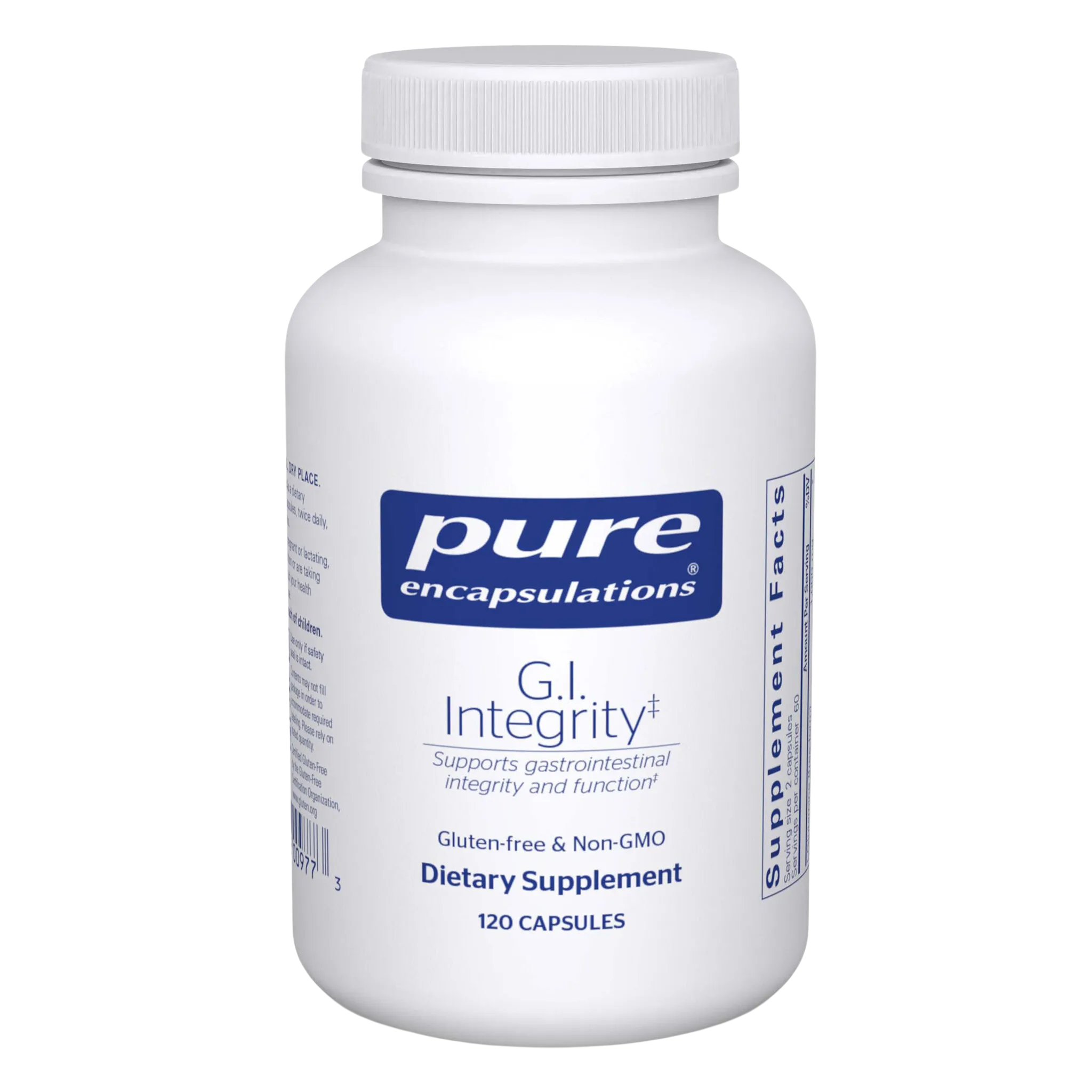
G.I. Integrity combines l-glutamine, NAG, gamma oryzanol, and aloe vera to support gut barrier health.
Chronic conditions like Long COVID and ME/CFS can compromise the intestinal lining and drive systemic inflammation.
Repairing the gut barrier may help manage digestive issues, brain fog, and immune hyper-reactivity.
What is G.I. Integrity?
The Synergistic Power of Four Key Nutrients
G.I. Integrity by Pure Encapsulations is a targeted nutritional supplement designed to provide the specific biological substrates required to rebuild and maintain this critical intestinal barrier. Rather than relying on a single mechanism of action, this formulation combines four heavily researched compounds—l-glutamine, n-acetyl-d-glucosamine (NAG), gamma oryzanol, and aloe vera extract—that work synergistically to address multiple facets of gastrointestinal health. Each ingredient has been selected for its unique ability to support the gut at a molecular and cellular level, from fueling enterocyte metabolism to quenching localized oxidative stress.
The foundation of the formula is free-form l-glutamine, provided at a robust dose of 1000 mg per serving. As the primary metabolic fuel for the rapidly dividing cells of the intestinal lining, l-glutamine is indispensable for tissue repair and the maintenance of healthy villous function. Complementing this is NAG, an amino sugar that serves as a direct structural precursor for the synthesis of the protective mucosal layer. Together, these two ingredients provide both the energy and the raw materials necessary to reinforce the physical barrier of the gut and tighten the junctions between epithelial cells.
To further support the healing environment, the formula incorporates gamma oryzanol and aloe vera extract. Gamma oryzanol, derived from rice bran, offers unique autonomic nervous system modulation, helping to normalize gastric secretions and soothe the upper digestive tract. Meanwhile, the inner fillet extract of aloe vera provides potent antioxidant support, neutralizing the reactive oxygen species (ROS) that drive chronic mucosal inflammation. By combining structural precursors with anti-inflammatory and autonomic modulators, G.I. Integrity offers a comprehensive approach to restoring gastrointestinal resilience.
Beyond Digestion: The Gut-Immune Connection
It is a well-established immunological fact that approximately 70% to 80% of the body's immune system resides within the gut-associated lymphoid tissue (GALT). This massive network of immune cells lies just beneath the single layer of epithelial cells, constantly monitoring the intestinal environment for potential threats. Because of this intimate anatomical relationship, the health of the gut barrier is inextricably linked to the overall balance of the systemic immune system. When the barrier is intact, the GALT remains in a state of calm vigilance, promoting immune tolerance and preventing hyper-reactivity.
Conversely, when the intestinal barrier is compromised—a state known as increased intestinal permeability or "leaky gut"—the consequences extend far beyond simple digestive discomfort. The influx of foreign proteins, bacterial endotoxins, and pathogens into the underlying immune tissue triggers a massive, uncoordinated inflammatory response. This localized inflammation rapidly spills over into the systemic circulation, driving the chronic, low-grade immune activation that is a hallmark of many post-viral and neuroimmune conditions. Therefore, supporting gut integrity is not merely about improving digestion; it is a foundational strategy for calming systemic inflammation and restoring immune homeostasis.
How Chronic Illness Impacts the Gastrointestinal System
Viral Persistence and Gut Dysbiosis in Long COVID
In the wake of the pandemic, researchers have increasingly focused on the profound impact of SARS-CoV-2 on the gastrointestinal system. The virus gains entry into human cells by binding to ACE2 receptors, which are expressed in exceptionally high concentrations along the epithelial lining of the small intestine. This makes the gut a primary site of viral replication and localized tissue damage. Recent studies published in Cell iScience have demonstrated that the oral and gut microbiomes of Long COVID patients exhibit significant dysbiosis, characterized by a loss of bacterial diversity and an overgrowth of opportunistic pathogens.
This viral-induced dysbiosis is not a temporary disruption; for many, it becomes a chronic, self-perpetuating cycle. The persistence of viral RNA and spike proteins in the gut tissue months or even years after the acute infection maintains a constant state of localized inflammation. This ongoing immune battle degrades the mucosal lining and destroys enterocytes, leading to severe intestinal permeability. As detailed in our exploration of gastrointestinal symptoms seen with Long COVID, this barrier breakdown allows inflammatory cytokines to flood the systemic circulation, contributing to the widespread, multi-system symptoms that patients endure daily.
Furthermore, the loss of beneficial, short-chain fatty acid (SCFA)-producing bacteria deprives the intestinal cells of their secondary fuel source, butyrate. Without adequate SCFAs and with glutamine stores depleted by the viral stress response, the gut lining is left entirely defenseless. This metabolic starvation prevents the epithelial cells from regenerating, locking the patient into a state of chronic leaky gut. Addressing this profound nutritional deficit is a critical component of managing the complex pathophysiology outlined in comprehensive reviews of what causes Long COVID.
ME/CFS, Leaky Gut, and the Endotoxin Burden
The connection between gastrointestinal dysfunction and myalgic encephalomyelitis/chronic fatigue syndrome (ME/CFS) is one of the most heavily researched areas in neuroimmune medicine. A defining feature of the ME/CFS gut is microbial translocation, a process where toxic byproducts from gram-negative bacteria—most notably lipopolysaccharides (LPS)—leak through a compromised intestinal barrier and enter the bloodstream. Under normal circumstances, the tight junctions and mucosal layer prevent LPS from crossing over. However, in ME/CFS, chronic localized inflammation severely weakens these junctions, allowing a steady stream of endotoxins to trigger the systemic immune system.
Once in the bloodstream, LPS binds to Toll-like receptor 4 (TLR4) on immune cells, initiating a massive cascade of oxidative stress and pro-inflammatory cytokine production. This systemic endotoxemia is a primary driver of neuroinflammation, as the inflammatory signals cross the blood-brain barrier and activate microglial cells in the central nervous system. This gut-brain inflammatory loop is directly responsible for hallmark ME/CFS symptoms, including profound cognitive impairment (brain fog), sensory overload, and the debilitating crashes known as post-exertional malaise (PEM).
The severity of this endotoxin burden highlights the critical need for targeted barrier repair. Patients often wonder can Long COVID trigger ME/CFS?, and the shared pathophysiology of virally induced leaky gut and subsequent LPS translocation provides a clear mechanistic link between the two conditions. By utilizing specific amino acids and mucosal precursors to physically seal the tight junctions, it is possible to cut off the supply of endotoxins at the source, thereby reducing the systemic inflammatory load that drives severe fatigue and neurological dysfunction.
MCAS and the Autonomic Nervous System Disconnect
Mast cell activation syndrome (MCAS) frequently co-occurs with Long COVID, ME/CFS, and dysautonomia, creating a highly reactive and unpredictable gastrointestinal environment. Mast cells are heavily concentrated in the gut mucosa, where they act as sentinels for the immune system. When the intestinal barrier is compromised, these mast cells are constantly exposed to undigested food proteins and bacterial antigens. This unrelenting exposure causes the mast cells to become hyper-sensitized, inappropriately degranulating and releasing massive amounts of histamine, tryptase, and other inflammatory mediators directly into the gut tissue.
This localized histamine release causes severe abdominal pain, sudden changes in bowel habits, and profound bloating, while also further degrading the tight junctions in a vicious, self-amplifying cycle. Simultaneously, patients with these complex conditions often suffer from dysautonomia, an impairment of the autonomic nervous system. The vagus nerve, which controls the parasympathetic "rest and digest" functions, becomes dysregulated, leading to impaired gastric motility, delayed emptying (gastroparesis), and altered stomach acid production.
The combination of mast cell hyper-reactivity and autonomic dysfunction creates a gastrointestinal tract that is both structurally compromised and functionally paralyzed. Healing this environment requires a multi-faceted approach that not only rebuilds the physical barrier to calm the mast cells but also supports the neurological regulation of digestion. Understanding how these overlapping syndromes interact is crucial for patients learning how can you live with long-term COVID and seeking effective, mechanistically sound management strategies.
G.I. Integrity: Supporting the Mucosal Lining and Barrier Function
L-Glutamine: Fueling Enterocytes and Sealing Tight Junctions
L-glutamine is the most abundant free amino acid in the human body and serves as the absolute primary metabolic substrate for enterocytes. While the body can normally synthesize enough glutamine, severe physiological stress—such as a viral infection, chronic inflammation, or dysautonomia—rapidly depletes intracellular stores, rendering it a "conditionally essential" nutrient. When supplemented, l-glutamine is rapidly absorbed by the intestinal epithelial cells, where it enters the mitochondria and is converted into alpha-ketoglutarate. This molecule then feeds directly into the tricarboxylic acid (TCA) cycle, generating the massive amounts of adenosine triphosphate (ATP) required for cellular regeneration and repair.
Beyond simply providing cellular energy, l-glutamine plays a direct, mechanistic role in regulating the structural integrity of the gut barrier. Research has demonstrated that glutamine availability directly influences the expression and localization of specific tight junction proteins, including claudin-1, occludin, and zonula occludens-1 (ZO-1). By upregulating the synthesis of these crucial proteins, l-glutamine physically pulls the enterocytes closer together, sealing the microscopic gaps that allow endotoxins and undigested proteins to leak into the bloodstream.
Furthermore, l-glutamine acts as a potent intracellular antioxidant within the gut tissue. It is a vital precursor for the synthesis of glutathione, the body's master antioxidant. By boosting local glutathione levels, l-glutamine helps neutralize the massive influx of reactive oxygen species generated by hyperactive immune cells in the gut mucosa. This dual action—providing the structural proteins to seal the barrier and the antioxidant capacity to protect it from further damage—makes l-glutamine a foundational intervention for repairing the profound intestinal permeability seen in post-viral syndromes.
N-Acetyl-D-Glucosamine (NAG): Building the Protective Mucin Layer
N-acetyl-d-glucosamine (NAG) is a highly specialized amino sugar that functions quite differently from standard glucosamine sulfate, which is typically used for joint health. In the gastrointestinal tract, NAG serves as a critical, rate-limiting building block for the biosynthesis of glycosaminoglycans (GAGs) and glycoproteins. The most important of these glycoproteins is MUC2, the primary structural component of the thick, gel-like mucus layer that coats the entire intestinal lining. By providing a direct substrate for mucin production, NAG allows the goblet cells in the gut to rapidly synthesize and secrete a robust, protective mucosal barrier.
This enhanced mucus layer acts as a "biocompatible plaster," physically shielding the underlying epithelial cells from the abrasive effects of digestion, acidic gastric juices, and pathogenic bacteria. Ex vivo studies utilizing human microbiome models have shown that the introduction of NAG significantly improves gut barrier integrity, increasing transepithelial electrical resistance (TEER) by up to 29%. This structural reinforcement is vital for preventing the microbial translocation that drives the systemic inflammation characteristic of ME/CFS and Long COVID.
In addition to its structural role, NAG possesses profound immune-modulating properties through a biochemical process known as O-GlcNAcylation. This process helps regulate the activation and differentiation of T-cells and B-cells within the gut-associated lymphoid tissue. Research indicates that NAG supports the activity of anti-inflammatory regulatory T-cells (Tregs) while suppressing the excessive Th1 and Th17 immune responses that cause autoimmune-like damage to the gut lining. By calming this localized immune hyper-reactivity, NAG helps break the cycle of chronic mucosal inflammation.
Gamma Oryzanol: Modulating Gastric Secretions and the Vagus Nerve
Gamma oryzanol is a naturally occurring lipid-soluble mixture of ferulic acid esters of sterols and triterpene alcohols, extracted primarily from rice bran oil. While it is well-known for its cardiovascular benefits, its application in gastrointestinal health is rooted in its unique ability to modulate the autonomic nervous system. Patients with dysautonomia and Long COVID frequently experience impaired vagal tone, leading to erratic gastric acid production and delayed stomach emptying. Gamma oryzanol acts on the autonomic pathways to help normalize these functions, promoting a more coordinated and efficient digestive process.
At a molecular level, clinical research has demonstrated that gamma oryzanol effectively suppresses the overproduction of serum gastrin, a hormone that stimulates the secretion of gastric acid. By mediating the vagus nerve's influence on the stomach, it helps reduce excessive acidity and protects the delicate gastric mucosa from ulceration and inflammatory damage. This mechanism is particularly beneficial for patients who suffer from chronic gastritis, functional dyspepsia, or severe acid reflux as a consequence of their autonomic dysfunction.
Furthermore, the ferulic acid components of gamma oryzanol are potent lipophilic antioxidants. They embed themselves within the lipid bilayers of the cellular membranes lining the digestive tract, where they actively scavenge free radicals and inhibit lipid peroxidation. This localized antioxidant activity soothes the inflamed tissues of the upper gastrointestinal tract, providing a protective buffering effect that complements the lower-bowel repair mechanisms of l-glutamine and NAG.
Aloe Vera: Quenching Reactive Oxygen Species and Inflammation
The inclusion of aloe vera extract (specifically from the inner fillet) provides a powerful botanical mechanism for quenching the severe oxidative stress that characterizes a leaky gut. Aloe vera is rich in over 200 bioactive compounds, but its gastrointestinal benefits are primarily driven by specific polysaccharides, most notably acemannan. These complex sugars resist early digestion and travel to the lower intestine, where they act as potent prebiotics, stimulating the growth of beneficial, short-chain fatty acid-producing bacteria that help nourish the recovering enterocytes.
More importantly, aloe vera acts as a direct and indirect antioxidant powerhouse. In vitro studies on human colorectal mucosa have shown that aloe vera gel can inhibit the production of reactive oxygen species (ROS) by up to 50% in a dose-dependent manner. It achieves this not only by directly scavenging free radicals but also by upregulating the body's endogenous antioxidant enzymes, including superoxide dismutase (SOD), catalase, and glutathione peroxidase. This massive reduction in oxidative stress prevents the ROS-induced destruction of the tight junction proteins holding the gut barrier together.
Additionally, aloe vera profoundly modulates the inflammatory cascade within the gut tissue. It actively inhibits the release of the inflammatory cytokine Interleukin-8 (IL-8) and suppresses the production of Prostaglandin E2 (PGE2), a primary driver of mucosal inflammation. By shutting down these inflammatory pathways at the molecular level, aloe vera helps restore a state of calm to the hyper-reactive mucosal immune system, providing significant relief from chronic intestinal discomfort.
Symptoms G.I. Integrity May Help Manage
Gastrointestinal Specific Symptoms
Chronic Abdominal Pain and Cramping: By upregulating mucin production via NAG and soothing the mucosal lining with aloe vera, the physical irritation of the intestinal wall is significantly reduced, alleviating chronic pain.
Bloating and Distension: L-glutamine helps repair the brush border enzymes on the surface of enterocytes, improving the breakdown and absorption of carbohydrates that would otherwise ferment and cause severe gas.
Acid Reflux and Gastritis: Gamma oryzanol modulates the autonomic nervous system to suppress excess gastrin production, helping to normalize stomach acid levels and protect the gastric mucosa from erosive damage.
Irregular Bowel Movements (Diarrhea/Constipation): By restoring the structural integrity of the tight junctions and calming localized mast cell degranulation, the overall motility and fluid balance of the intestines can begin to normalize.
Systemic and Immune-Related Symptoms
New or Worsening Food Sensitivities: Sealing the "leaky gut" with l-glutamine and NAG prevents large, undigested protein molecules from crossing into the bloodstream, thereby reducing the systemic immune system's hyper-reactive antibody response to everyday foods.
Histamine Intolerance and MCAS Flares: By reinforcing the physical barrier, the localized mast cells in the gut mucosa are exposed to fewer triggers (like bacterial endotoxins), leading to a reduction in systemic histamine release and allergic-type symptoms.
Widespread Joint and Muscle Pain: Reducing the translocation of lipopolysaccharides (LPS) from the gut into the bloodstream lowers the overall systemic burden of pro-inflammatory cytokines, which are known to drive diffuse musculoskeletal pain.
Fatigue and Cognitive Impacts
Brain Fog and Cognitive Impairment: The gut-brain axis is heavily influenced by systemic inflammation. By stopping the leakage of endotoxins that cross the blood-brain barrier and trigger microglial activation, neuroinflammation is reduced, supporting clearer cognitive function.
Post-Exertional Malaise (PEM) and Crashes: Chronic immune activation drains massive amounts of cellular ATP. By resolving the localized gut inflammation, the immune system requires less energy, freeing up metabolic resources and potentially raising the threshold for PEM triggers.
Unpredictable Symptom Fluctuations: Patients often wonder do Long COVID symptoms come and go?. Fluctuations in gut permeability and subsequent endotoxin release often drive these unpredictable flares; stabilizing the barrier helps create a more consistent baseline.
Practical Considerations: Forms, Dosing, and Absorption
Understanding the Ingredients and Bioavailability
The efficacy of any gastrointestinal supplement is entirely dependent on the bioavailability and specific forms of its active ingredients. G.I. Integrity utilizes free-form l-glutamine, which does not require enzymatic cleavage by the digestive system. This allows the amino acid to be immediately absorbed by the enterocytes upon contact, providing rapid metabolic fuel exactly where it is needed most. This immediate availability is crucial for patients with compromised digestion who may struggle to break down complex dietary proteins into usable amino acids.
The formulation also specifically utilizes the inner fillet extract of aloe vera. This is a critical distinction, as the outer leaf of the aloe plant contains high concentrations of anthraquinone glycosides, such as aloin. Aloin is a powerful stimulant laxative that can cause severe cramping, diarrhea, and electrolyte imbalances—effects that are highly detrimental to a patient already suffering from a compromised gut barrier. By isolating the inner fillet, the supplement delivers the soothing, antioxidant-rich polysaccharides without the disruptive laxative components.
It is vital to note the sourcing of the n-acetyl-d-glucosamine (NAG) in this product. The NAG utilized in G.I. Integrity is derived from the exoskeletons of crustaceans, specifically crab and shrimp. Consequently, this product carries a strict shellfish allergen warning. Patients with known IgE-mediated shellfish allergies or severe mast cell hyper-reactivity to seafood proteins must avoid this specific formulation to prevent potentially life-threatening anaphylactic reactions or severe MCAS flares.
Optimal Timing and Dosage Strategies
The suggested use for G.I. Integrity is to take 2 capsules twice daily. For optimal absorption of the free-form amino acids, it is generally recommended to take the capsules away from food—either 30 minutes before a meal or two hours after eating. Taking amino acids on an empty stomach prevents them from competing with dietary proteins for transport across the intestinal lining, ensuring that the maximum therapeutic dose reaches the damaged enterocytes and mucosal cells.
However, for patients with severe dysautonomia, ME/CFS, or highly sensitive nervous systems, a cautious titration approach is highly recommended. In the body, l-glutamine can be metabolically converted into glutamate, an excitatory neurotransmitter. In patients who already suffer from neuroinflammation or an imbalance in the GABA-to-glutamate ratio, a sudden influx of high-dose glutamine can cross the blood-brain barrier and temporarily exacerbate symptoms like anxiety, insomnia, or muscle twitching.
To mitigate this risk, practitioners often advise starting with a reduced dose—such as one capsule daily—and slowly increasing to the full recommended dosage over the course of several weeks. This allows the body to adjust metabolically and ensures that the glutamine is utilized locally in the gut for tissue repair rather than being converted into systemic excitatory neurotransmitters. Tracking your body's response during this titration phase is a crucial part of learning how can you live with long-term COVID and managing complex supplement protocols safely.
Potential Interactions and Contraindications
Beyond the strict shellfish allergy contraindication, patients must consider how the ingredients in G.I. Integrity might interact with their current medical protocols. Gamma oryzanol has a mild suppressive effect on gastric acid production. While this is beneficial for gastritis, patients who are already taking high doses of proton pump inhibitors (PPIs) or H2 blockers (like famotidine) should monitor their digestion, as excessively low stomach acid can impair the breakdown of dietary proteins and the absorption of essential minerals like iron and B12.
Additionally, the immune-modulating effects of aloe vera and NAG, while generally beneficial, should be discussed with a healthcare provider if the patient is currently undergoing active immunosuppressive therapy for an autoimmune condition or organ transplant. The goal of these ingredients is to balance the immune response, but complex pharmacological interactions can occur when combining potent botanical extracts with targeted biologic medications.
Finally, because healing the intestinal barrier is a slow, structural process that requires the physical synthesis of new proteins and mucosal layers, patients should not expect immediate, overnight symptom relief. Clinical studies suggest that significant improvements in intestinal permeability markers and localized inflammation typically require consistent supplementation for four to twelve weeks. Patience, consistency, and careful symptom tracking are essential when undertaking a comprehensive gut repair protocol.
Follow the Science: Clinical Evidence for Gut Repair
Research on L-Glutamine and Intestinal Permeability
The clinical application of l-glutamine for repairing intestinal permeability is supported by decades of robust scientific literature, particularly in the context of critical illness and post-viral recovery. A comprehensive 2023 review of COVID-19 pathophysiology highlighted that patients frequently exhibit a systemic deficiency of circulating glutamine, which directly correlates with disease severity and the breakdown of the endothelial and epithelial barriers. The virus rapidly depletes glutamine stores, robbing the gut of its primary regenerative fuel.
Furthermore, clinical trials involving patients with acute viral infections have demonstrated the profound protective effects of glutamine supplementation. In studies where enteral (oral) l-glutamine was administered to COVID-19 patients, researchers observed significantly shortened hospital stays and a reduction in systemic inflammatory markers compared to control groups. These findings underscore the critical role of glutamine not just in localized gut repair, but in supporting the global immune response and preventing the massive cytokine storms that drive long-term post-viral complications.
In the context of chronic fatigue syndromes, seminal research by neuroimmune specialists has repeatedly demonstrated that targeted "leaky gut" protocols—which heavily feature high-dose amino acids like l-glutamine—lead to significant clinical improvements. By physically sealing the tight junctions and halting the translocation of lipopolysaccharides (LPS) into the bloodstream, these interventions directly address the root cause of the systemic oxidative stress and neuroinflammation that trap patients in a cycle of debilitating fatigue.
Clinical Trials on NAG and Gamma Oryzanol
The structural benefits of N-acetyl-d-glucosamine (NAG) have been thoroughly validated in both human and ex vivo clinical models. A highly significant ex vivo human microbiome study published in Clinical Nutrition utilized validated SIFR® technology to test the effects of NAG on gut barrier integrity. The researchers found that the introduction of NAG independently and significantly improved barrier integrity—measured via transepithelial electrical resistance (TEER)—by an impressive 29%.
Animal models further corroborate these findings. In a controlled study investigating irritable bowel syndrome (IBS), rats treated with NAG showed a near-complete restoration of damaged microvilli and widened tight junctions. Crucially, serum levels of diamine oxidase (DAO) and D-lactic acid—two primary clinical biomarkers for severe intestinal permeability—were lowered following NAG administration, demonstrating its efficacy in supporting the gut lining.
Gamma oryzanol boasts an equally impressive clinical pedigree, particularly in the treatment of gastric inflammation. Large-scale Japanese clinical trials involving thousands of patients with chronic gastritis and functional dyspepsia have consistently demonstrated its efficacy. Clinical reviews of gamma oryzanol note that daily doses of 300 mg significantly suppress serum gastrin levels, normalize autonomic nervous system signaling to the stomach, and provide profound symptomatic relief for patients suffering from erosive and atrophic gastritis, often outperforming standard pharmaceutical interventions in reducing ulcer recurrence rates.
Aloe Vera's Impact on Oxidative Stress
The potent antioxidant and anti-inflammatory properties of aloe vera have been rigorously quantified in gastroenterology research. A landmark in vitro study published in Alimentary Pharmacology & Therapeutics evaluated the effects of aloe vera gel directly on human colorectal mucosal biopsies. The researchers documented a profound, dose-dependent inhibitory effect on the production of reactive oxygen species (ROS), achieving a 50% inhibition of oxidative stress markers.
In addition to neutralizing ROS, the study demonstrated that aloe vera actively suppresses the production of key inflammatory mediators within the gut tissue. The application of the extract reduced the release of the inflammatory cytokine Interleukin-8 (IL-8) by 20% and inhibited the production of Prostaglandin E2 (PGE2)—a primary driver of pain and mucosal inflammation—by 30%. These precise molecular mechanisms explain why aloe vera is so effective at soothing the irritated, hyper-reactive gastrointestinal tracts of patients with complex chronic illnesses.
Further research in animal models of ulcerative colitis has shown that aloe vera administration significantly reduces myeloperoxidase (MPO) activity, a primary marker of destructive neutrophil infiltration in the gut. By halting this influx of inflammatory immune cells and upregulating the tissue's endogenous antioxidant enzymes, aloe vera provides a critical layer of biochemical protection, allowing the structural components like l-glutamine and NAG the time and environment they need to physically rebuild the intestinal barrier.
The Path Forward
Integrating Gut Support into Your Protocol
Healing from complex, multi-system conditions like Long COVID, ME/CFS, and dysautonomia requires a comprehensive, foundational approach. Because the gastrointestinal tract serves as the command center for the immune system and a primary source of systemic inflammation when compromised, addressing "leaky gut" is rarely optional—it is a physiological necessity. Supplements like G.I. Integrity provide the specific, evidence-based biological building blocks required to repair the mucosal lining, seal the tight junctions, and calm localized hyper-reactivity.
However, it is crucial to remember that supplementation is just one piece of the puzzle. Rebuilding the gut barrier must be paired with comprehensive nervous system support, aggressive pacing to manage post-exertional malaise, and the identification and removal of dietary triggers that continually irritate the mast cells. By combining targeted nutritional support with holistic lifestyle management, patients can begin to lower their overall inflammatory burden and create an internal environment conducive to long-term cellular healing.
A Validating Approach to Healing
Living with the unpredictable, often invisible symptoms of severe gastrointestinal dysfunction, systemic inflammation, and profound fatigue is an incredibly isolating experience. It is common to feel frustrated when standard medical tests fail to capture the complex reality of a compromised gut-brain axis or the daily reality of microbial translocation. Your symptoms are not in your head; they are the result of measurable, physiological disruptions at the cellular level, driven by viral persistence, autonomic dysfunction, and profound oxidative stress.
Validating this biological reality is the first step toward reclaiming your quality of life. While there are no overnight cures for conditions as complex as Long COVID or ME/CFS, understanding the mechanisms behind your symptoms empowers you to make informed, targeted decisions about your care. By focusing on foundational healing—starting with the integrity of the intestinal barrier—you are taking a scientifically grounded, proactive step toward calming your immune system and supporting your body's innate capacity for repair.
Next Steps
If you are struggling with the systemic impacts of a compromised gastrointestinal barrier, targeted nutritional support can be a vital addition to your management strategy. Always consult with your primary healthcare provider or a functional medicine specialist before introducing new supplements, especially if you have a history of severe allergies, mast cell activation syndrome, or are currently taking prescription medications.
Sources
Scientific Literature and Clinical Studies
Silent Invasion: COVID-19′s Hidden Damage to Human Organs (MDPI)
Mechanisms of long COVID and the path toward therapeutics (ScienceDirect)
Biochemical, Biological, and Clinical Properties of γ-Oryzanol (PubMed Central)
Anti-inflammatory effects of aloe vera gel in human colorectal mucosa in vitro (PubMed)
Protective and Therapeutic Effects of Aloe Vera Gel on Ulcerative Colitis (PubMed Central)