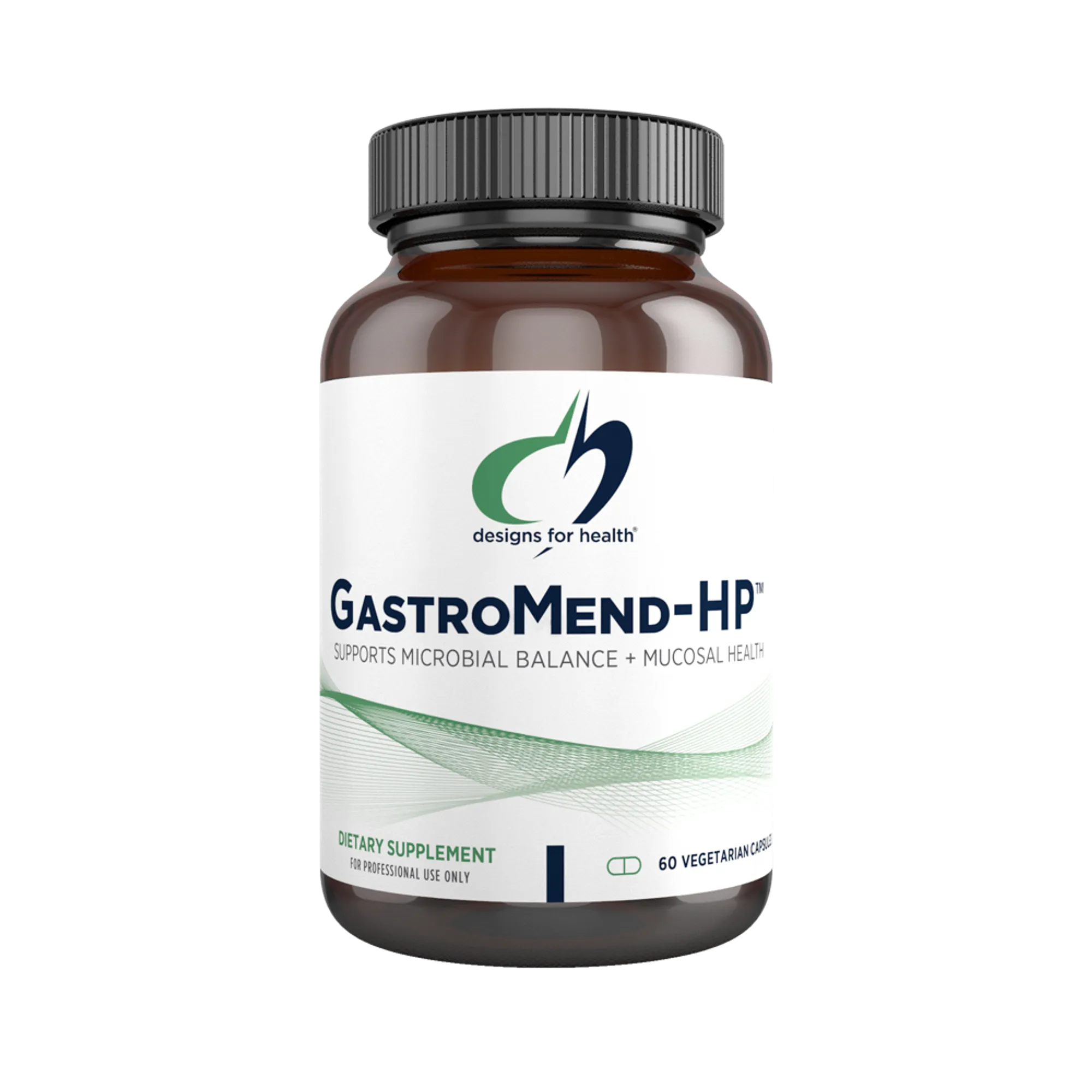
Can GastroMend-HP™ Support Gut Health and Manage Long COVID GI Symptoms?
March 5, 2026
GastroMend-HPLong COVIDGut Health
Share:
Disclaimer: The information provided here is for educational purposes only and is not intended as medical advice. It should not be used to diagnose, treat, cure, or prevent any medical condition. Instead, use it as a starting point for discussion with your healthcare provider. Always consult with a qualified healthcare provider before starting any new medication, supplement, device, or making changes to your health regimen.
Living with complex, chronic conditions like Long COVID, myalgic encephalomyelitis/chronic fatigue syndrome (ME/CFS), dysautonomia, and mast cell activation syndrome (MCAS) often means navigating a labyrinth of unpredictable and debilitating symptoms. Among the most frustrating and pervasive of these are gastrointestinal (GI) issues. From severe bloating and unpredictable nausea to chronic acid reflux and debilitating abdominal pain, these symptoms can completely upend your daily life. It is deeply invalidating when these invisible, systemic symptoms are dismissed as merely "stress" or "anxiety" by the conventional medical system. However, emerging clinical research paints a very different picture: your gastrointestinal symptoms are real, they are deeply rooted in physiological dysfunction, and they play a central role in driving systemic illness.
The gut is not just a digestive organ; it is a complex, highly active hub of immune regulation, neurological signaling, and microbial balance. In the wake of viral infections like SARS-CoV-2, this delicate ecosystem can become profoundly disrupted. Viral persistence in the gut lining, the collapse of healthy microbiome diversity, and the breakdown of the intestinal barrier (often called "leaky gut") create a vicious cycle of localized damage and body-wide inflammation. Addressing this root-cause dysfunction requires more than just masking symptoms with standard antacids. It requires a comprehensive, cellular-level approach to mucosal healing and microbial restoration. GastroMend-HP™ by Designs for Health is a targeted botanical and nutrient formulation designed to do exactly that. By combining the synergistic power of zinc carnosine, mastic gum, deglycyrrhizinated licorice (DGL), and Vitamin U, this supplement provides the precise biochemical building blocks needed to support a healthy gastric microbial balance, patch the compromised mucosal barrier, and soothe chronic inflammation.
TL;DR
Gastrointestinal symptoms in Long COVID and ME/CFS are driven by viral persistence, dysbiosis, and leaky gut.
GastroMend-HP™ uses zinc carnosine, mastic gum, DGL, and Vitamin U to support mucosal healing.
This targeted blend may help restore microbial balance, patch the gut barrier, and soothe chronic inflammation.
Gut healing is a gradual process requiring consistent nutritional support and comprehensive medical management.
What is GastroMend-HP™?
A Comprehensive Botanical and Nutrient Blend
GastroMend-HP™ is a specialized, synergistic blend of botanical extracts and targeted micronutrients designed to support a healthy gastric microbial balance and maintain the integrity of the gastrointestinal mucosa. Rather than relying on a single mechanism of action, this formulation combines four heavily researched, gastric-supportive compounds: deglycyrrhizinated licorice (DGL) as GutGard®, zinc carnosine, mastic gum, and methylmethionine sulfonium (often referred to as Vitamin U). In a healthy body, the gastrointestinal tract relies on a delicate, highly regulated balance between aggressive digestive factors, like hydrochloric acid and pepsin, and defensive mucosal mechanisms, such as a robust mucus layer, rapid cellular regeneration, and a diverse microbiome. When this intricate balance is disrupted by chronic physical stress, viral infections, or systemic inflammatory conditions, the gut lining becomes highly vulnerable to damage, ulceration, and hyperpermeability. GastroMend-HP™ provides the precise biochemical building blocks and botanical modulators required to support this equilibrium at the cellular level. By addressing both the physical barrier of the stomach and the complex microbial environment within it, this supplement offers a multi-faceted approach to gastrointestinal resilience and long-term healing.
The Unique Molecular Action of Zinc Carnosine
At the core of GastroMend-HP™ is zinc L-carnosine, widely known in clinical literature by its generic drug name, Polaprezinc. This unique compound is a synthetically chelated, 1:1 stable polymeric complex composed of the essential mineral zinc and the naturally occurring dipeptide L-carnosine (made of beta-alanine and histidine). Unlike standard over-the-counter zinc supplements that rapidly dissociate in the harsh acidic environment of the stomach and absorb directly into the bloodstream, zinc carnosine possesses a distinct, localized "patching" effect. Once ingested, the intact molecular complex selectively adheres to ulcerated, inflamed, or damaged mucosal tissues within the stomach and intestinal lining. After binding tightly to these specific lesion sites, it slowly releases elemental zinc and L-carnosine locally over an extended period, maximizing tissue exposure to the healing agents.
This targeted, slow-release delivery allows the active components to directly scavenge reactive oxygen species (ROS) and neutralize the free radicals that exacerbate gastric inflammation. At the cellular level, zinc carnosine helps protect cells from oxidative stress by minimizing lipid peroxidation and restoring protective glutathione levels in the mucosa. Furthermore, it actively downregulates the expression of major pro-inflammatory cytokines, including Interleukin-1β (IL-1β), IL-6, and Tumor Necrosis Factor-alpha (TNF-α), thereby cooling off the localized immune response that hinders ulcer healing. By stimulating the expression of cytoprotective Heat Shock Protein 70 (Hsp70), zinc carnosine shields epithelial cells from various damaging factors and prevents apoptosis (programmed cell death) by decreasing the expression of p53 and Bax proteins. This makes it an incredibly powerful tool for defending the injured epithelial barrier against harsh gastric acids, bile salts, and digestive enzymes.
Mastic Gum and the Gastric Environment
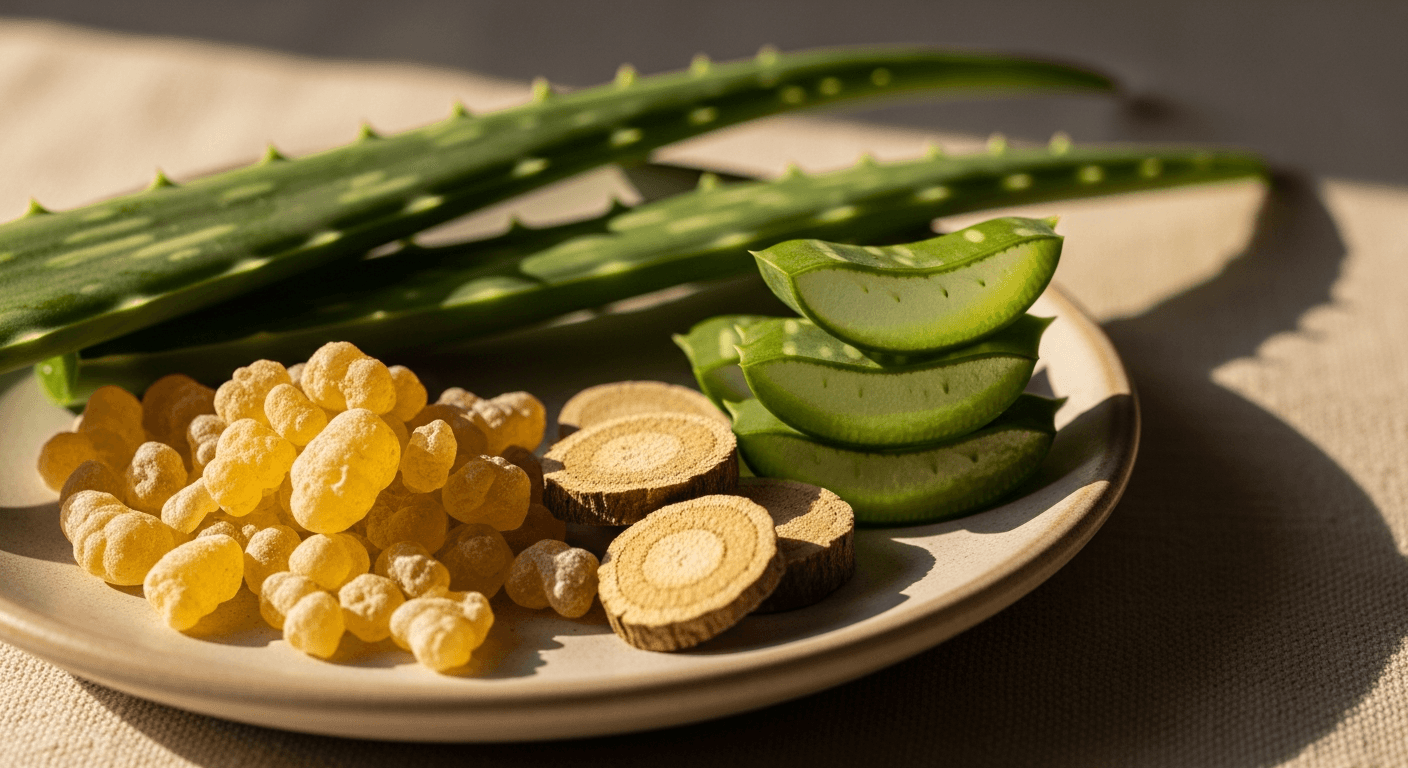
Another critical component of GastroMend-HP™ is mastic gum, a natural aromatic resin extracted from the sap tears of the Pistacia lentiscus tree, which is cultivated almost exclusively on the Greek island of Chios. For centuries, mastic gum has been utilized in traditional Mediterranean medicine to address gastrointestinal disorders, and modern clinical research has validated its profound therapeutic potential at the molecular level. Mastic gum contains a complex array of triterpenic acids, notably isomasticadienolic acid, which exert powerful local anti-inflammatory and antioxidant effects directly on the gastric mucosa. Beyond merely soothing inflamed tissue, mastic gum is highly regarded in the medical community for its unique ability to modulate the gastrointestinal microbiome and alter bacterial beta-diversity.
It acts as a potent, natural antimicrobial agent, specifically targeting pathogenic bacteria like Helicobacter pylori (H. pylori), which is a leading cause of chronic gastritis and peptic ulcers. While it attacks these harmful pathogens, mastic gum simultaneously acts as a natural prebiotic, promoting the growth of beneficial, short-chain fatty acid-producing bacteria that are essential for gut health. This dual action—eradicating the bad while nourishing the good—helps to restore a healthy, diverse microbial balance. This restoration is absolutely essential for proper digestion, systemic immune regulation, and the management of the chronic gastrointestinal distress that frequently plagues patients with complex, multi-system illnesses.
Vitamin U and DGL: The Mucosal Protectors
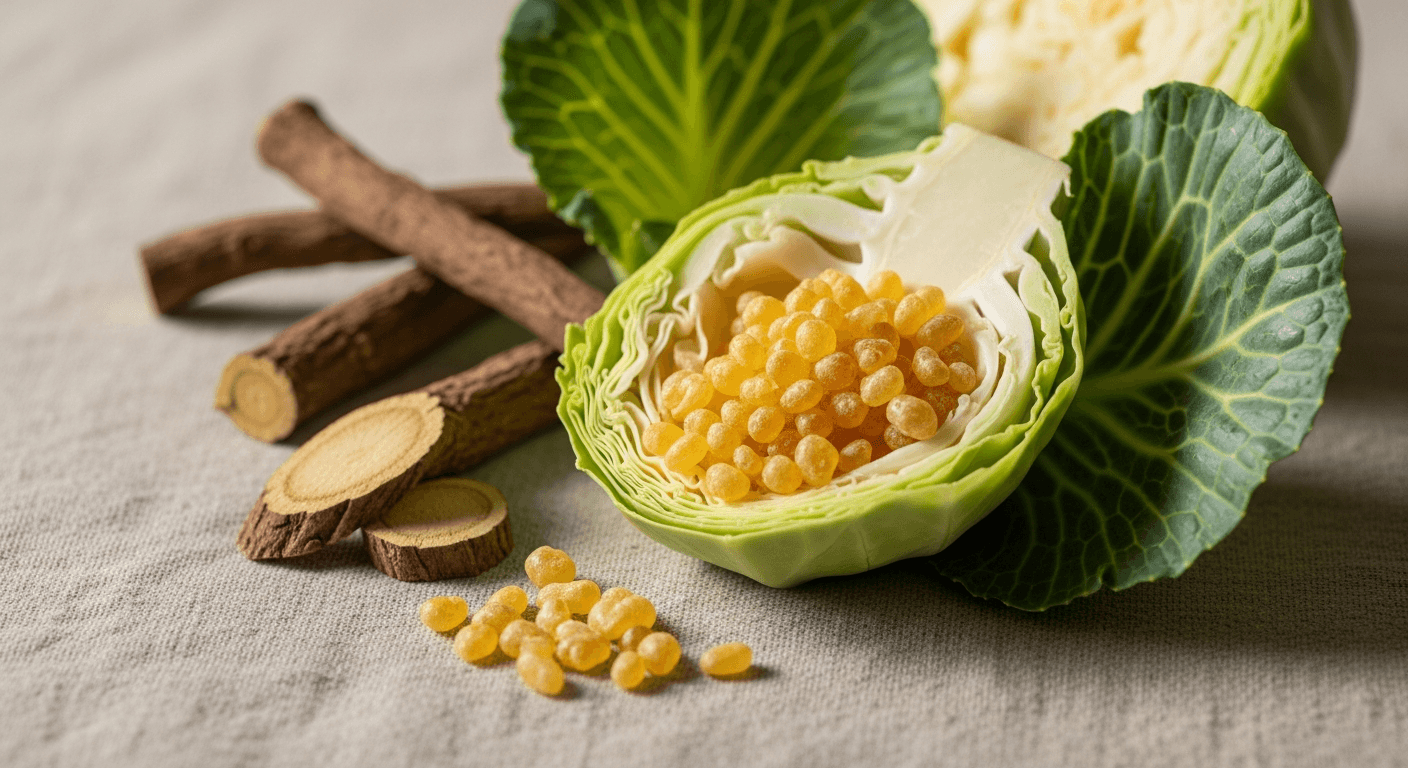
The formulation is rounded out by the inclusion of methylmethionine sulfonium chloride (MMSC), commonly known as Vitamin U, and a specialized deglycyrrhizinated licorice extract known as GutGard®. MMSC is an activated, naturally occurring derivative of the essential amino acid methionine, famously found in high concentrations in raw cruciferous vegetables like cabbage. Because of its highly functional sulfonium group, it acts as a vital donor of methyl groups, facilitating the critical biochemical conversion of methionine into S-adenosylmethionine (SAM). This methylation process provides the exact biochemical building blocks necessary for rapid cellular division, allowing damaged, inflamed mucosal tissue to regenerate quickly. Furthermore, Vitamin U drastically stimulates the production of protective gastric mucin, physically thickening the mucous layer that shields the stomach lining from acid.
Meanwhile, GutGard® provides a potent, standardized dose of bioactive flavonoids, particularly glabridin, while safely removing the glycyrrhizin compound that can cause dangerous cardiovascular side effects like high blood pressure and potassium depletion. These specific flavonoids exhibit potent natural anti-inflammatory activity by directly modulating and inhibiting the cyclooxygenase (COX) and lipoxygenase (LOX) enzyme pathways. These pathways are primarily responsible for producing the inflammatory mediators that drive chronic gut pain and swelling. Together, the rapid cellular regeneration promoted by Vitamin U and the enzymatic anti-inflammatory action of GutGard® create a comprehensive, impenetrable shield for the gastrointestinal lining, allowing deep tissue healing to occur.
How Long COVID and Chronic Illness Impact the Gastrointestinal System
Viral Persistence and the Gut Reservoir
The intersection of gastrointestinal symptoms, gut microbiome dysbiosis, and viral persistence is now recognized by researchers as a central axis in the pathophysiology of Long COVID and related complex chronic illnesses. While COVID-19 was initially viewed by the medical community primarily as a respiratory illness, recent, high-quality research emphasizes that the gastrointestinal tract plays a critical, ongoing role in both the acute infection and the chronic, multi-systemic symptoms that persist for months or even years. One of the leading scientific hypotheses for Long COVID is that the SARS-CoV-2 virus is not fully cleared from the body after the acute phase, instead establishing a hidden "viral reservoir" in immune-privileged sites.
The gastrointestinal tract, with its vast surface area and incredibly rich network of immune cells, is a primary location for this persistent viral hiding. Studies have conclusively found that viral RNA and intact viral proteins, such as the spike and nucleocapsid proteins, can be detected in stool samples and intestinal biopsies long after respiratory swab samples test negative. This persistent viral presence in the gut mucosa is specifically concentrated in intestinal CD8+ T cells, enterocytes (the cells lining the intestine), and immune-sensing regions like Peyer's patches. The constant presence of these viral antigens drives chronic, localized inflammation that severely disrupts normal digestive function and perpetuates a state of systemic, body-wide immune activation.
Microbiome Dysbiosis and the Loss of Diversity
In addition to harboring persistent viral antigens, patients with Long COVID, myalgic encephalomyelitis/chronic fatigue syndrome (ME/CFS), and dysautonomia frequently exhibit profound, measurable alterations in their gut microbiome, a pathological state known as dysbiosis. The SARS-CoV-2 virus enters human cells by binding to the ACE2 receptor, which is highly expressed throughout the gastrointestinal tract. This binding actively downregulates ACE2, disrupting the local renin-angiotensin-aldosterone system (RAAS), severely impairing amino acid transport, and reducing the gut's natural production of antimicrobial peptides. This devastating biochemical cascade directly triggers a collapse of healthy, diverse gut flora.
Long COVID patients exhibit significant, long-term reductions in essential short-chain fatty acid (SCFA)-producing bacteria, notably Faecalibacterium prausnitzii and Bifidobacterium species. SCFAs, particularly butyrate, propionate, and acetate, are absolutely crucial for maintaining the integrity of the intestinal barrier, controlling localized inflammation, and regulating the immune system via regulatory T cell (Treg) function. Simultaneously, as the good bacteria die off, there is a marked overrepresentation of opportunistic, pro-inflammatory bacteria such as Streptococcus and Enterococcus. This persistent, virus-induced dysbiosis not only causes severe localized GI distress but also serves as a constant, unyielding source of systemic inflammatory signaling that prevents the body from fully recovering.
Leaky Gut, Microclots, and Systemic Inflammation
The combination of persistent viral infection, chronic localized inflammation, and a severe lack of protective SCFAs severely compromises the tight junction proteins of the intestinal barrier. This leads to a condition called intestinal hyperpermeability, often colloquially referred to as "leaky gut," which is marked by elevated levels of the protein zonulin. When this crucial mucosal barrier is breached, bacterial endotoxins, such as lipopolysaccharides (LPS), and even live bacteria can seep from the gut lumen directly into the systemic bloodstream. This dangerous microbial translocation triggers chronic, body-wide immune activation and severe inflammation, which is a primary hallmark of conditions like mast cell activation syndrome (MCAS).
Furthermore, the viral proteins and bacterial toxins entering the bloodstream can induce localized fibrin deposition and the formation of systemic microclots within the blood vessels. These microclots physically impair oxygen delivery to tissues and muscles, driving the profound fatigue and post-exertional malaise (PEM) that define ME/CFS. The systemic inflammation originating in the gut can also cross the blood-brain barrier via the gut-brain axis and the vagus nerve, leading to severe neuroinflammation. This neuroinflammation manifests clinically as severe cognitive impairment (brain fog), anxiety, and autonomic nervous system dysfunction (dysautonomia). Understanding how a doctor diagnoses Long COVID often involves recognizing this incredibly complex interplay between gastrointestinal barrier damage and widespread systemic symptoms. In fact, many researchers are now investigating can Long COVID trigger ME/CFS by tracing the pathology back to this exact gut-immune axis.
GastroMend-HP™: Supporting the Gastric Mucosa and Microbiome
Eradicating Pathogens and Restoring Microbial Balance
GastroMend-HP™ provides highly targeted, cellular-level support to interrupt the vicious cycles of gut dysfunction seen in chronic illness by addressing both the microbial environment and the physical integrity of the mucosal barrier. Mastic gum plays a pivotal, frontline role in this process by acting as a potent, natural antimicrobial agent that helps to eradicate pathogenic bacteria and restore a healthy microbiome. Extensive clinical and in vitro research has validated its profound efficacy against Helicobacter pylori (H. pylori), a notoriously stubborn bacterium responsible for chronic gastritis, peptic ulcers, and increased gastric cancer risk.
Studies published in leading medical journals have shown that mastic gum can effectively kill H. pylori strains at very low concentrations, even those that have developed resistance to standard pharmaceutical antibiotics. By aggressively reducing the burden of pathogenic bacteria in the stomach, mastic gum alleviates localized inflammation and creates a hospitable environment where beneficial, SCFA-producing bacteria can finally thrive. This targeted modulation of the gut microbiota is absolutely essential for patients with Long COVID and ME/CFS, as restoring microbial diversity is a critical, foundational step in reducing systemic inflammation, supporting immune homeostasis, and clearing the viral reservoir.
Patching the Leaky Gut with Zinc Carnosine
To directly address the compromised intestinal barrier and "leaky gut" that drives severe systemic symptoms, GastroMend-HP™ utilizes the unique, highly specialized mucosal-healing properties of zinc carnosine. As previously detailed, Polaprezinc has a distinct, localized "patching" effect, allowing it to selectively adhere to damaged mucosal tissues and slowly release elemental zinc and L-carnosine exactly where it is needed most. This localized, sustained delivery actively stimulates the cellular expression of cytoprotective Heat Shock Protein 70 (Hsp70), which physically shields delicate epithelial cells from damaging factors and prevents programmed cell death.
Furthermore, zinc carnosine actively stabilizes and upregulates the specific proteins that form the tight junctions between intestinal epithelial cells, directly mitigating intestinal hyperpermeability. By physically sealing the microscopic leaks in the gut barrier, zinc carnosine prevents the dangerous translocation of bacterial toxins (like LPS) and inflammatory mediators into the systemic bloodstream. This barrier restoration drastically reduces the systemic immune activation that fuels MCAS, microclot formation, and neuroinflammation. This structural repair is vital for patients struggling to manage the complex, overlapping gastrointestinal symptoms seen with Long COVID.
Accelerating Tissue Repair with Vitamin U
While zinc carnosine physically patches the microscopic leaks, methylmethionine sulfonium (Vitamin U) provides the essential biochemical signals and raw materials necessary to rapidly regenerate the damaged gastrointestinal lining. As a highly active methyl donor, Vitamin U facilitates the crucial conversion of methionine into S-adenosylmethionine (SAM), providing the fundamental biochemical building blocks for DNA, RNA, and protein synthesis. This intricate methylation process is absolutely fundamental for cellular division, allowing the ulcerated, thinned, or inflamed mucosal tissue to heal quickly and robustly.
Recent, high-level in-vitro studies have suggested that Vitamin U actively influences the genetic expression of critical healing compounds throughout the gastrointestinal tract. It significantly upregulates the expression of Mucin-2 (MUC2), Epidermal Growth Factor (EGF), Glucagon-like peptide-2 (GLP-2), and Insulin-like growth factor-1 (IGF-1), all of which are crucial for repairing cellular injury and maintaining the intestinal mucosa barrier. Additionally, Vitamin U has a pronounced augmentative effect on mucin secretion, physically thickening and fortifying the gastric mucosal barrier to protect against further acid damage while the underlying tissue repairs itself.
Soothing Inflammation and Improving Motility with GutGard® DGL
The final therapeutic angle of GastroMend-HP™ involves soothing chronic mucosal inflammation and actively improving gastric motility, both of which are frequently impaired in patients with dysautonomia, POTS, and Long COVID. GutGard®, the specialized deglycyrrhizinated licorice extract, provides a highly concentrated dose of bioactive flavonoids, particularly glabridin, which exhibit powerful natural anti-inflammatory activity. These specific flavonoids directly modulate and inhibit the cyclooxygenase (COX) and lipoxygenase (LOX) enzyme pathways, significantly reducing the localized production of inflammatory mediators in the gut tissue.
Beyond its potent anti-inflammatory effects, GutGard® has been suggested in preclinical studies to act as a highly effective gastroprokinetic agent, significantly accelerating both gastric emptying and overall gastrointestinal transit times. Impaired gastric motility (gastroparesis) is a hallmark of functional dyspepsia and dysautonomia, causing patients to experience severe early satiety, debilitating bloating, and persistent nausea. By naturally regulating digestive flow, stimulating the production of protective mucus, and reducing tissue swelling, GutGard® helps to alleviate these debilitating upper GI symptoms and promote long-term digestive comfort.
Symptoms GastroMend-HP™ May Help Manage
Upper Gastrointestinal Distress
The synergistic ingredients in GastroMend-HP™ target the root physiological causes of upper gastrointestinal dysfunction, providing much-needed relief for a variety of debilitating symptoms that frequently plague patients with complex chronic illnesses. By soothing inflammation, eradicating pathogens, and improving motility, this formulation can significantly improve daily quality of life.
Occasional Heartburn and Acid Reflux: The DGL in GutGard® stimulates the production of protective mucus in the stomach and esophagus, creating a natural, physical barrier against stomach acid without completely suppressing the acid needed for healthy digestion. This helps to soothe the burning sensation associated with occasional heartburn and gastroesophageal reflux disease (GERD).
Functional Dyspepsia and Indigestion: Impaired gastric motility and chronic low-grade inflammation often lead to functional dyspepsia, characterized by early satiety, upper abdominal fullness, and a dull, aching pain. The prokinetic action of GutGard® flavonoids, combined with the mucosal healing properties of zinc carnosine, helps to accelerate gastric emptying and alleviate these uncomfortable, heavy symptoms.
Nausea and Upset Stomach: The localized anti-inflammatory effects of mastic gum and Vitamin U help to calm an irritated, highly reactive gastric lining. This significantly reduces the persistent nausea and general upset stomach that frequently accompany viral persistence and microbiome dysbiosis in Long COVID patients.
Lower Gastrointestinal and Systemic Issues
Beyond the stomach, the profound gut-healing and microbiome-modulating properties of GastroMend-HP™ extend to the lower gastrointestinal tract and the systemic immune system, directly addressing the downstream consequences of a compromised gut barrier.
Severe Bloating and Gas: By eradicating pathogenic bacteria like H. pylori and promoting the growth of beneficial, SCFA-producing flora, mastic gum helps to restore a healthy microbial balance. This drastically reduces the abnormal fermentation of carbohydrates in the gut, which is a primary cause of severe, painful bloating and excessive gas.
Post-Infectious IBS Symptoms: COVID-19 frequently acts as a trigger for post-infectious Irritable Bowel Syndrome (IBS), leading to chronic motility issues and gut-brain interaction disorders. The barrier-restoring effects of zinc carnosine and the anti-inflammatory action of GutGard® help to calm the hyperactive immune response in the gut, alleviating the unpredictable diarrhea, constipation, and abdominal pain associated with post-COVID IBS.
Systemic Inflammation and Brain Fog: By physically sealing the "leaky gut" and preventing the translocation of bacterial toxins (LPS) into the bloodstream, zinc carnosine and Vitamin U help to reduce systemic immune activation. This can lead to a significant decrease in neuroinflammation, potentially alleviating the severe brain fog, cognitive impairment, and profound fatigue that characterize Long COVID and ME/CFS.
Practical Considerations: Forms, Dosing, and Absorption
Optimal Dosing and Administration
To maximize the therapeutic benefits of GastroMend-HP™, it is crucial to follow the recommended dosing protocols and understand the optimal timing for administration. The suggested use for this targeted supplement is to take four capsules per day, ideally in divided doses (for example, two capsules in the morning and two capsules in the evening). Because the primary goal of this formulation is to physically heal the gastric mucosa and modulate the microbiome, it is generally recommended to take the capsules between meals, on an empty stomach.
Taking the supplement away from food allows the active ingredients, particularly the specialized zinc carnosine complex, to directly adhere to the stomach lining and exert their localized "patching" effect without interference from food proteins or digestive enzymes. However, if taking the supplement on a completely empty stomach causes mild nausea or discomfort—which can happen with zinc—it can be taken with a very small, easily digestible snack. It is important to note that healing the gastrointestinal lining is a gradual, cellular process; while some patients may notice improvements in symptoms like heartburn or bloating within a few weeks, comprehensive mucosal repair and microbiome restoration typically require consistent, daily supplementation for 4 to 8 weeks, or as directed by a healthcare practitioner.
Understanding the Specialized Forms
The profound clinical efficacy of GastroMend-HP™ relies heavily on the specialized, highly bioavailable forms of its key ingredients. Standard zinc supplements, such as zinc sulfate or zinc gluconate, rapidly dissociate in stomach acid and are absorbed directly into the bloodstream, offering very little localized benefit to the damaged gastric mucosa. In stark contrast, the zinc L-carnosine (Polaprezinc) in this formula is a stable polymeric complex that survives the harsh acidic environment, allowing it to specifically target and adhere to damaged tissue for sustained healing.
Similarly, standard licorice root contains a compound called glycyrrhizin, which, when consumed long-term, acts like aldosterone and can cause severe side effects such as dangerous hypertension, hypokalemia (low potassium), and fluid retention. The GutGard® extract used in GastroMend-HP™ is uniquely manufactured using a patented soft extraction process to be a true deglycyrrhizinated licorice (DGL) extract. It is rigorously standardized to contain ≥10% total flavonoids, notably the active glabridin, while strictly controlling the glycyrrhizin content to trace, safe limits. This meticulous standardization eliminates the cardiovascular risks associated with raw licorice while maximizing its gut-healing potential.
Safety, Contraindications, and Interactions
While the ingredients in GastroMend-HP™ are generally well-tolerated by most patients, there are important safety considerations, contraindications, and potential medication interactions to be aware of. Because this formula provides a significant daily dose of elemental zinc (17 mg per 4 capsules), prolonged use over many months without medical supervision carries a risk of inducing copper deficiency. Zinc competitively inhibits copper absorption in the gut, and an imbalance can lead to anemia and neurological issues. Patients taking this supplement long-term should have their zinc and copper levels regularly monitored by a healthcare provider.
Furthermore, zinc binds to certain classes of medications in the digestive tract, significantly reducing their absorption and clinical efficacy. If you are currently taking quinolone or tetracycline antibiotics, penicillamine, or bisphosphonates, you must separate the doses by at least 2 to 4 hours to avoid this chelation interaction. Mastic gum has exhibited mild antiplatelet (blood-thinning) effects in some studies, so caution is highly advised for patients taking anticoagulants or antiplatelet drugs (like warfarin or aspirin), and INR levels should be monitored. Finally, individuals with known botanical allergies to the Anacardiaceae plant family (which includes pistachios, cashews, and poison ivy) should avoid mastic gum, as it can cause allergic reactions. Always consult your healthcare provider before starting any new supplement regimen, especially if you are managing complex conditions.
Follow the Science
Clinical Efficacy of Zinc Carnosine and Mastic Gum
The individual ingredients in GastroMend-HP™ have been the subject of extensive, high-quality clinical research, demonstrating significant efficacy in managing gastrointestinal disorders and supporting mucosal healing. Zinc carnosine, utilized under the prescription name Polaprezinc in Japan, has been rigorously tested in numerous clinical trials. A comprehensive 2020 systematic review of randomized controlled trials found that adding Polaprezinc to standard triple therapy (PPI + amoxicillin + clarithromycin) significantly boosted H. pylori eradication rates. The data showed an impressive Odds Ratio of 2.65 in favor of the zinc carnosine group, without increasing the rate of adverse side effects. Other robust trials have demonstrated that Polaprezinc rapidly accelerates gastric ulcer healing and protects against NSAID-induced enteropathy by significantly reducing the number of lower bowel lesions.
Similarly, mastic gum has shown profound, measurable clinical benefits in human trials. A robust 2023 trial involving 180 patients tested mastic gum alongside standard antibiotic therapy for H. pylori eradication. The treatment group, given the standard antibiotics plus 1 gram of mastic daily, achieved a remarkable 92.2% eradication rate, compared to only 63.3% in the control group. This nearly 30% increase highlights mastic gum's incredible value in combating stubborn, antibiotic-resistant bacterial strains and restoring a healthy gastric environment.
The Evidence Behind GutGard® and Vitamin U
The specialized DGL extract, GutGard®, and the potent methyl donor, Vitamin U, also boast incredibly strong clinical backing. A randomized, double-blind, placebo-controlled study involving 50 patients diagnosed with functional dyspepsia rigorously evaluated the efficacy of GutGard®. Patients taking just 75 mg of GutGard twice daily for 30 days saw a massive 51% reduction in total symptom scores compared to the placebo group. They reported statistically significant improvements in upper abdominal pain, bloating, belching, regurgitation, and nausea. Another clinical trial demonstrated that GutGard was over 3.7 times more effective than a placebo at reducing gastric bacterial load in active H. pylori infections.
Vitamin U (methylmethionine sulfonium) has a long, fascinating history of clinical use, dating back to the 1950s when Dr. Garnett Cheney at Stanford University first observed its rapid, almost miraculous healing effects on peptic ulcers using concentrated cabbage juice. Modern science continues to validate these early findings. A recent clinical study evaluated the efficacy of Vitamin U on human patients suffering from chronic gastritis. Patients who were administered 300 mg of MMSC daily for 6 months experienced a highly significant reduction in the severity of their dyspeptic symptoms and a measurable, profound improvement in their overall quality of life, confirming its potent cytoprotective and regenerative properties.
Connecting Gut Health to Long COVID Recovery
The scientific understanding of Long COVID is rapidly evolving, with a growing, undeniable emphasis on the critical role of the gastrointestinal tract and the microbiome. Recent, groundbreaking research has demonstrated that the specific composition of a patient's gut microbiome during the acute phase of COVID-19 can accurately predict their risk of developing Long COVID months later, vastly outperforming traditional clinical variables like age or initial symptom severity. This underscores the profound, systemic impact of dysbiosis on long-term recovery and immune function.
Clinical trials are currently underway globally to evaluate whether restoring the microbiome and physically healing the intestinal barrier can alleviate systemic Long COVID symptoms. Interventions aimed at eradicating persistent viral reservoirs in the gut, sealing the "leaky gut" to prevent microbial translocation, and supporting the natural production of beneficial short-chain fatty acids are becoming central to comprehensive, modern management strategies. By utilizing evidence-based, targeted ingredients like zinc carnosine, mastic gum, DGL, and Vitamin U, patients can actively support these crucial gut-healing pathways, potentially modulating the systemic inflammation and severe immune dysregulation that drive complex chronic illnesses.
The Path Forward
Validating the Gut-Body Connection
Living with complex, chronic conditions like Long COVID, ME/CFS, dysautonomia, and MCAS is an incredibly challenging, exhausting, and often isolating experience. The debilitating symptoms—profound fatigue, unpredictable crashes, severe brain fog, and relentless gastrointestinal distress—can completely upend your daily life and strip away your sense of normalcy. It is deeply frustrating and invalidating when these invisible, systemic symptoms are dismissed or minimized by a medical system that often struggles to understand complex chronic illness. However, the emerging science is crystal clear: your symptoms are real, they are physiological, and they are deeply interconnected.
The gut is not just a simple digestive organ; it is a central, highly active hub of immune regulation, neurological signaling, and systemic health. When the delicate balance of the gastrointestinal mucosa and the microbiome is disrupted by viral persistence, chronic inflammation, or dysbiosis, the consequences reverberate throughout the entire body. Acknowledging this profound gut-body connection is a crucial first step in validating your lived experience and finding effective, science-backed strategies for long-term symptom management. You are not alone in this fight, and the science is finally catching up to what patients have known all along.
A Comprehensive Management Strategy
While the science surrounding gut health and chronic illness is incredibly promising, it is important to maintain a realistic, grounded perspective. There are no quick fixes or overnight miracle cures for complex conditions like Long COVID or ME/CFS. Healing the gastrointestinal lining and restoring microbial balance is a gradual, cellular process that requires immense patience and consistency. Supplements like GastroMend-HP™ can provide targeted, powerful support to patch the leaky gut, eradicate pathogens, and soothe inflammation, but they are just one piece of a much larger, comprehensive puzzle.
A truly comprehensive management strategy must also include meticulous symptom tracking, strict adherence to pacing to avoid post-exertional malaise (PEM), dietary modifications to support microbiome diversity, and ongoing, compassionate medical care. By combining evidence-based nutritional support with these essential lifestyle strategies, you can begin to regain control over your symptoms and slowly improve your overall quality of life. If you are wondering how long does Long COVID last or exactly what causes Long COVID, focusing on foundational gut health is a proactive, empowering step toward long-term resilience and recovery.
Taking the Next Step
If you are struggling with persistent gastrointestinal symptoms, systemic inflammation, or the complex overlapping challenges of Long COVID and dysautonomia, targeted nutritional support may be a highly valuable addition to your management plan. GastroMend-HP™ offers a well-rounded, scientifically backed approach to restoring gastric microbial balance and maintaining the integrity of the crucial mucosal barrier. Always remember to consult with your healthcare provider before starting any new supplement, especially to ensure it aligns with your current medications and individual health needs.
Sources
Zinc Carnosine (Polaprezinc) Mechanism of Action and Clinical Trials
Vitamin U (Methylmethionine Sulfonium) and Gastric Healing
Pharmacological Effects of S-Methylmethionine Sulfonium Chloride