Can L-5-MTHF Folic Acid Support Methylation and Energy in Long COVID and ME/CFS?
March 5, 2026
L-5-MTHFFolic AcidLong COVID
Share:
Disclaimer: The information provided here is for educational purposes only and is not intended as medical advice. It should not be used to diagnose, treat, cure, or prevent any medical condition. Instead, use it as a starting point for discussion with your healthcare provider. Always consult with a qualified healthcare provider before starting any new medication, supplement, device, or making changes to your health regimen.
Months or even years after a mild viral infection, many individuals find themselves trapped in a cycle of debilitating fatigue, severe brain fog, and unpredictable autonomic symptoms. If you are living with Long COVID, myalgic encephalomyelitis/chronic fatigue syndrome (ME/CFS), or dysautonomia, you already know how profoundly these invisible illnesses alter daily life. The search for answers often leads down complex biochemical pathways, revealing that these conditions are not just "prolonged fatigue," but deeply rooted physiological dysfunctions affecting how our cells generate energy, regulate inflammation, and maintain blood flow. When standard medical tests return "normal" results, it is easy to feel invalidated, but the reality is that your symptoms are anchored in measurable, microscopic disruptions.
One of the most critical, yet frequently overlooked, pieces of this biochemical puzzle is a process called methylation. At the heart of this process is folic acid, or more specifically, its biologically active form known as L-5-MTHF (L-5-Methyltetrahydrofolate). While standard folic acid is widely known for its role in prenatal health, emerging clinical research suggests that the active, methylated form of this essential B-vitamin plays a foundational role in vascular repair, neurotransmitter synthesis, and mitochondrial energy production. For patients navigating the complexities of post-viral syndromes, understanding and supporting the methylation cycle with bioavailable nutrients may be a vital step toward reclaiming cellular health and improving quality of life.
TL;DR
L-5-MTHF (active folate) supports the methylation cycle, which is often disrupted in post-viral conditions.
Proper methylation helps regulate homocysteine, supporting vascular health and reducing inflammation.
Active folate crosses the blood-brain barrier, potentially aiding neurotransmitter synthesis and easing brain fog.
Always consult a healthcare provider before starting L-5-MTHF to ensure proper dosing and avoid interactions.
What is L-5-MTHF (Active Folic Acid)?
The Methylation Cycle and One-Carbon Metabolism
Folate, naturally found in leafy greens, is an essential water-soluble B-vitamin (Vitamin B9) required for human life. However, the body cannot use dietary folate or synthetic folic acid in their original, unrefined forms. When you consume dietary folate (which exists as polyglutamates), your digestive system must first break it down into monoglutamates. From there, it undergoes a complex series of enzymatic conversions in the liver: transforming into dihydrofolate (DHF), then tetrahydrofolate (THF), then 5,10-methylene-THF, and finally into L-5-MTHF, the biologically active and body-ready form of the nutrient. This final, critical conversion is heavily dependent on the MTHFR (methylenetetrahydrofolate reductase) enzyme.
Once successfully converted, L-5-MTHF becomes the primary "methyl donor" in the body's one-carbon metabolism pathway, a continuous biochemical gear system known as the methylation cycle. Methylation is essentially the biochemical process of passing a methyl group (one carbon atom attached to three hydrogen atoms) from one molecule to another. This simple molecular transaction acts as a master on/off switch for countless critical functions in the body. It regulates how genes are expressed, dictates how the body clears out environmental toxins, and controls the synthesis of essential structural proteins. Without adequate levels of L-5-MTHF to keep the methylation cycle turning, cellular machinery quickly grinds to a halt, leading to systemic dysfunction that can manifest as profound fatigue and severe immune dysregulation.
DNA Synthesis and Cellular Repair
At a molecular level, L-5-MTHF is absolutely crucial for the synthesis of nucleic acids, the fundamental building blocks of DNA and RNA. Every time a cell divides, it must perfectly replicate its DNA, a process that requires a massive and constant supply of active folate. This is precisely why folate is so famously associated with fetal neural development; the rapid cellular growth of a developing fetus demands immense amounts of L-5-MTHF to form the neural tube correctly. However, this biological requirement does not stop after birth. Throughout our entire lives, our bodies must constantly repair damaged tissues, regenerate the delicate lining of the gastrointestinal tract, and produce new, functional immune cells.
In the context of chronic illness, the demand for cellular repair is exponentially higher than in a healthy individual. When the body is fighting off chronic inflammation or attempting to recover from a severe viral insult, it relies entirely on the methylation cycle to produce the raw materials needed to rebuild damaged endothelial cells (the inner lining of the blood vessels) and synthesize new white blood cells. By providing the essential methyl groups required for DNA and RNA synthesis, L-5-MTHF ensures that the body has the fundamental blueprints and physical materials necessary to execute these critical repair mechanisms and restore tissue integrity.
Homocysteine Regulation and Cardiovascular Health
One of the most vital, life-sustaining functions of L-5-MTHF is its role in regulating homocysteine, a naturally occurring, highly inflammatory amino acid produced as a byproduct during the methylation cycle. In a healthy, well-functioning biochemical system, L-5-MTHF works alongside an enzyme called methionine synthase and Vitamin B12 to convert this dangerous homocysteine back into methionine. Methionine is a highly beneficial amino acid used to build essential proteins and produce S-adenosylmethionine (SAMe), a universal methyl donor. This continuous recycling process is essential for maintaining cardiovascular health and helping to prevent the toxic accumulation of homocysteine in the bloodstream.
When the body lacks sufficient L-5-MTHF—whether due to poor dietary absorption, genetic MTHFR mutations, or the massive oxidative stress of chronic illness—this recycling process completely breaks down. Homocysteine levels begin to rise rapidly, creating a highly toxic, acidic environment within the blood vessels. Elevated homocysteine is a well-documented promoter of severe oxidative stress and vascular inflammation, directly injuring the delicate endothelial lining and stripping the blood vessels of their protective mechanisms. By actively driving the conversion of homocysteine to methionine, L-5-MTHF supports vascular health, while research on managing endothelial dysfunction in COVID-19 highlights the role of oral supplements and medications in ensuring that blood vessels remain flexible, clear, and capable of delivering oxygen-rich blood to tissues throughout the body.
How Long COVID and ME/CFS Impact Methylation
Viral Hijacking and the Methylation Block
When a virus like SARS-CoV-2 enters the body, it fundamentally alters cellular metabolism to facilitate its own rapid replication. This viral hijacking places an immense, unprecedented strain on the body's nutritional reserves, particularly its supply of methyl donors. The massive inflammatory response triggered by the infection—often referred to as a cytokine storm, characterized by a flood of inflammatory markers like IL-6 and TNF-alpha—skyrockets the metabolic demand for methylation. The immune system desperately tries to produce enough immune cells and antioxidants to fight the virus, rapidly depleting its stores of L-5-MTHF, Vitamin B12, and other crucial cofactors in the process.
In many patients who develop Long COVID or ME/CFS, this acute nutritional depletion triggers what functional medicine researchers refer to as a "methylation cycle block." The system becomes so overwhelmed and starved of active folate that the biochemical gears simply jam. When methylation is blocked, the body can no longer produce adequate amounts of glutathione, the master antioxidant responsible for neutralizing free radicals. Without glutathione, reactive oxygen species (ROS) run rampant, causing severe oxidative damage to cellular mitochondria. This mitochondrial exhaustion is a primary driver of the profound, crushing fatigue and post-exertional malaise (PEM) that define these complex conditions. If you are wondering What Causes Long COVID?, this virus-induced metabolic crash is a critical piece of the puzzle.
Endothelial Dysfunction and Microclots
The impact of a methylation block extends far beyond cellular energy; it directly and catastrophically compromises the vascular system. As discussed earlier, a lack of L-5-MTHF leads to a dangerous buildup of homocysteine. In the context of Long COVID, this is particularly devastating. SARS-CoV-2 directly attacks the ACE2 receptors densely located on the endothelial cells lining the blood vessels, causing widespread endotheliitis (vascular inflammation). When you combine this direct viral damage with the toxic, oxidative effects of elevated homocysteine, the result is severe, persistent endothelial dysfunction. The blood vessels lose their ability to dilate, leading to chronic vasoconstriction and poor tissue perfusion.
This vascular damage creates a highly pro-thrombotic (clot-promoting) environment. Groundbreaking research has shown that the inflammatory milieu of Long COVID triggers the formation of misfolded, amyloid fibrin microclots. These microclots are highly resistant to the body's natural breakdown processes (fibrinolysis) and can persistently block tiny capillaries, starving tissues and the brain of oxygen. This chronic cellular hypoxia directly explains the deep muscle aches, cognitive exhaustion, and autonomic nervous system dysregulation seen in post-viral syndromes. Understanding this vascular pathology is essential when exploring How Does a Doctor Diagnose Long COVID?, as traditional blood tests often completely miss these microscopic clotting issues.
The MTHFR Gene Mutation Factor
Why do some individuals recover from a viral infection in a matter of weeks, while others develop debilitating, long-term syndromes? A significant part of the answer may lie in our genetics, specifically the MTHFR gene. Approximately 30% to 50% of the global population carries single nucleotide polymorphisms (SNPs) in the MTHFR gene, such as the widely studied C677T or A1298C variants. These genetic variations can reduce the efficiency of the MTHFR enzyme by up to 70%, severely limiting the body's ability to convert dietary folate or synthetic folic acid into the active, usable L-5-MTHF form.
Under normal, healthy conditions, individuals with an MTHFR mutation might not notice significant symptoms, as their sluggish methylation cycle can still manage day-to-day metabolic demands. However, when faced with the massive inflammatory stress of a severe viral infection, this genetic bottleneck becomes a critical vulnerability. The compromised enzyme simply cannot produce enough L-5-MTHF to keep up with the skyrocketing demand, leading to a rapid accumulation of homocysteine and a catastrophic crash in mitochondrial function. This genetic predisposition helps explain Can Long COVID Trigger ME/CFS? Unraveling the Connection, highlighting why certain patients are biochemically far more susceptible to post-viral chronic illness.
L-5-MTHF: Supporting Vascular Health, Energy, and Brain Function
Restoring Endothelial Nitric Oxide and Blood Flow
Supplementing with L-5-MTHF offers a direct, elegant way to bypass the broken enzymatic pathways and deliver active, body-ready folate straight to the cells that need it most. One of its most critical mechanisms of action is the profound restoration of endothelial function. L-5-MTHF is absolutely essential for the stabilization of tetrahydrobiopterin (BH4), a crucial cofactor required by the enzyme endothelial nitric oxide synthase (eNOS). This enzyme is responsible for producing nitric oxide, a powerful signaling molecule that tells blood vessels to relax, dilate, and maintain healthy blood pressure.
In a state of high oxidative stress, BH4 is rapidly depleted, causing eNOS to "uncouple." When eNOS uncouples, instead of producing vasodilating nitric oxide, it begins producing highly damaging superoxide radicals, further shredding the blood vessels. By stabilizing BH4, L-5-MTHF ensures a steady production of nitric oxide, which combats the severe vasoconstriction seen in Long COVID and dysautonomia. By promoting vasodilation, L-5-MTHF helps improve blood flow through the microvasculature, ensuring that oxygen and vital nutrients can bypass microclots and reach oxygen-starved tissues. Furthermore, healthy nitric oxide levels help inhibit platelet aggregation, making the blood less "sticky" and supporting the body's ability to prevent the formation of new microthrombi.
Fueling Mitochondrial ATP Production
Beyond vascular support, L-5-MTHF plays an indispensable role in rescuing mitochondrial function. The mitochondria are the microscopic powerhouses of the cell, responsible for generating adenosine triphosphate (ATP), the chemical currency of energy. In ME/CFS and Long COVID, mitochondria are often trapped in a state of hypometabolism, severely damaged by unchecked oxidative stress and lipid peroxidation. L-5-MTHF addresses this at the root by restarting the methylation cycle, which is a mandatory prerequisite for the body to produce its own glutathione.
As the body's master antioxidant, glutathione acts as a protective shield for the delicate mitochondrial membrane, neutralizing the reactive oxygen species that cause cellular damage. Once the oxidative burden is lifted, the mitochondria can begin to repair themselves and resume efficient ATP production via the electron transport chain. Additionally, L-5-MTHF works synergistically with Vitamin B12 to support the production of succinyl-CoA, a crucial intermediate in the Krebs cycle (the primary metabolic pathway for energy generation). By providing these foundational biochemical building blocks, L-5-MTHF helps lift the heavy blanket of fatigue and supports the body's capacity to tolerate physical and mental exertion without triggering severe crashes.
Neurotransmitter Synthesis and Brain Fog Relief
The neurological symptoms of complex chronic illnesses—such as severe brain fog, depression, and autonomic dysregulation—are often the most debilitating aspects of the disease. L-5-MTHF is uniquely equipped to address these issues because, unlike synthetic folic acid, it is the only form of folate capable of crossing the highly selective blood-brain barrier. Once inside the central nervous system, L-5-MTHF acts as a mandatory cofactor in the synthesis of monoamine neurotransmitters. Specifically, it recycles BH4, which is required by the enzymes tyrosine hydroxylase and tryptophan hydroxylase to create dopamine, norepinephrine, and serotonin.
These neurotransmitters are responsible for regulating mood, focus, motivation, and the autonomic nervous system's control over heart rate and blood pressure. In a state of functional folate deficiency, the brain simply cannot produce enough of these critical chemical messengers, leading to profound cognitive impairment and mood disorders. By directly supplying the brain with active methylfolate, supplementation supports the robust synthesis of dopamine and serotonin. This helps to clear the cognitive cobwebs of brain fog, stabilize mood, and provide the vital neurological support necessary to manage complex conditions like Postural Orthostatic Tachycardia Syndrome (POTS).

Symptoms L-5-MTHF May Help Manage
Cognitive and Neurological Symptoms
The profound impact of L-5-MTHF on brain chemistry makes it a vital tool for managing the neurological fallout of post-viral syndromes. By crossing the blood-brain barrier and supporting neurotransmitter production, it targets several distressing cognitive symptoms:
Brain Fog and Cognitive Impairment: By lowering neurotoxic homocysteine levels and supporting the synthesis of dopamine and norepinephrine, L-5-MTHF helps improve focus, memory retrieval, and mental clarity, combating the heavy, sluggish feeling of post-viral brain fog.
Depression and Mood Instability: Active folate is a well-documented adjunctive therapy for depression. It ensures the brain has the necessary precursors to produce serotonin, helping to stabilize mood and alleviate the depressive symptoms that frequently accompany chronic illness and chronic pain.
Neuropathy and Nerve Pain: High homocysteine levels can directly damage peripheral nerves. By clearing homocysteine and supporting myelin sheath repair (in conjunction with Vitamin B12), L-5-MTHF may help reduce the tingling, numbness, and burning nerve pain associated with small fiber neuropathy.
Physical and Autonomic Symptoms
By addressing mitochondrial dysfunction and healing endothelial damage, L-5-MTHF provides foundational support for the physical exhaustion and autonomic dysregulation that characterize ME/CFS and dysautonomia:
Profound Fatigue and PEM: By restoring glutathione production and protecting mitochondrial ATP generation, L-5-MTHF helps raise the body's baseline cellular energy levels and may reduce the severity and duration of post-exertional malaise (PEM) crashes.
POTS and Dysautonomia: L-5-MTHF supports the production of nitric oxide, which is crucial for proper blood vessel dilation and constriction. This vascular support helps stabilize blood pressure and heart rate upon standing, mitigating the dizzying, tachycardic effects of POTS.
Deep Muscle Aches: By improving microvascular blood flow and oxygen delivery to muscle tissues, active folate helps alleviate the hypoxic (oxygen-starved) muscle pain and heaviness frequently reported by Long COVID patients.
Immune and Connective Tissue Symptoms
The methylation cycle is deeply intertwined with immune regulation, histamine clearance, and even the structural integrity of our tissues, making L-5-MTHF highly relevant for patients dealing with hyperactive immune responses and hypermobility:
Mast Cell Activation Syndrome (MCAS): Histamine is broken down in the body by an enzyme called HNMT, which relies entirely on SAMe (S-adenosylmethionine) to function. Because SAMe production is dependent on L-5-MTHF, supplementing with active folate supports the body's ability to clear excess histamine, reducing allergic-like reactions and systemic inflammation.
Connective Tissue Breakdown (Hypermobility): Emerging research suggests that adequate DNA methylation is required to maintain the matrix metalloprotease 2 (MMP) gene. Without L-5-MTHF, connective tissue proteins like decorin can break down, exacerbating the joint hypermobility and pain often seen in patients with comorbid Ehlers-Danlos Syndrome (EDS) or Hypermobility Spectrum Disorders (HSD).
Chronic Immune Activation: Proper DNA methylation is required to regulate gene expression, including the genes that control inflammation. L-5-MTHF provides the methyl groups needed to "turn off" pro-inflammatory genes, helping to calm a hyperactive, post-viral immune system.
Practical Considerations: Forms, Dosing, and Absorption
L-5-MTHF vs. Unmethylated Folic Acid
When navigating the complex world of folate supplementation, understanding the profound difference between synthetic folic acid and active L-5-MTHF is absolutely critical. Synthetic folic acid is an oxidized, man-made compound commonly found in fortified foods, cheap multivitamins, and standard prenatal supplements. To be utilized by the body, it must undergo a multi-step reduction process, culminating in the MTHFR enzyme. For the millions of individuals with an MTHFR genetic mutation, this process is severely impaired, rendering the synthetic vitamin largely useless.
If a patient with an MTHFR mutation consumes high doses of synthetic folic acid, the unmetabolized folic acid (UMFA) can rapidly build up in the bloodstream. This buildup is not just ineffective; it can actually be highly detrimental. UMFA can bind to folate receptors on the cells, actively blocking the small amount of active folate the body does manage to produce from entering, effectively worsening the functional folate deficiency. This is why clinical protocols for complex chronic illnesses strictly recommend avoiding synthetic folic acid and exclusively utilizing highly bioavailable L-5-MTHF (often labeled as L-methylfolate or Metafolin), which bypasses the genetic bottleneck entirely and is immediately ready for cellular use.
Optimal Dosing Strategies and Synergies
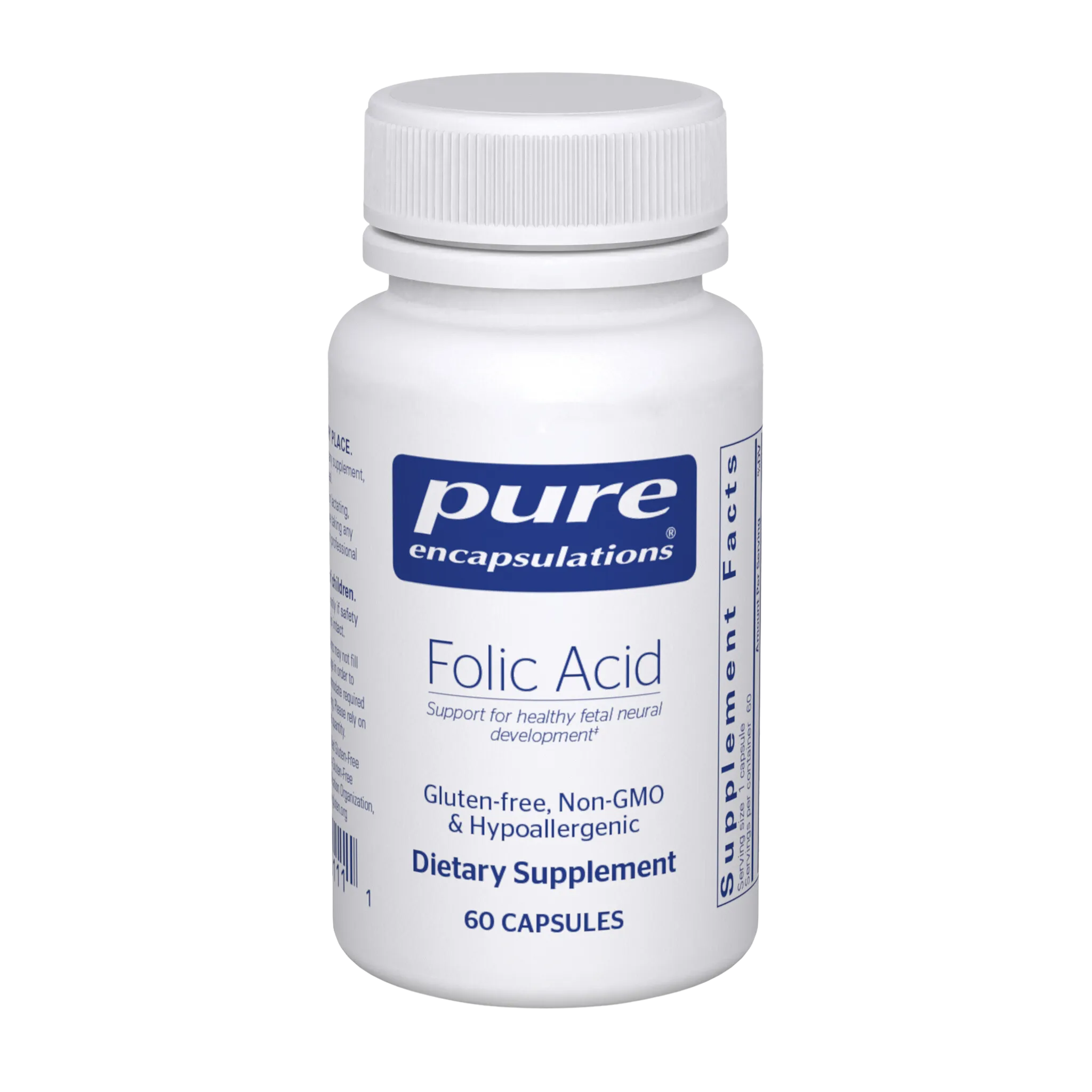
The dosage of L-5-MTHF can vary significantly depending on the clinical goal and the patient's baseline health. For general cellular support, healthy fetal development, and cardiovascular maintenance, a daily dose of 800 mcg to 1,000 mcg (such as the amount found in Pure Encapsulations' Folic Acid) is highly effective and generally well-tolerated. This dosage provides a robust supply of methyl donors to support DNA synthesis and homocysteine clearance without overwhelming a sensitive, chronically ill system. For severe psychiatric conditions or profound cognitive decline, physicians may prescribe much higher doses (up to 15 mg), but these should only be taken under strict medical supervision.
Crucially, L-5-MTHF should rarely be taken in complete isolation. It works in a tight, inseparable biochemical partnership with Vitamin B12. Taking high doses of folate without adequate B12 can actually mask a B12 deficiency (by correcting the macrocytic anemia on blood tests), while allowing irreversible neurological damage to silently progress. Therefore, it is highly recommended to pair L-5-MTHF with an active form of B12 (such as methylcobalamin or adenosylcobalamin). Additionally, pairing active folate with N-acetylcysteine (NAC) can create a powerful synergistic effect, as both compounds work together to boost glutathione production and combat deep-seated oxidative stress.
Potential Interactions and Safety
While L-5-MTHF is a naturally occurring, highly safe nutrient, there are important practical considerations to keep in mind. Because it directly impacts neurotransmitter synthesis and cellular energy, introducing active folate can sometimes cause temporary "activation" or "over-methylation" symptoms in highly sensitive individuals. These symptoms can include mild anxiety, irritability, muscle tension, or insomnia. To mitigate this, many functional medicine practitioners recommend starting with a lower dose and slowly titrating up, allowing the body's biochemical pathways to gently adjust to the influx of methyl donors.
Furthermore, L-5-MTHF has known interactions with certain medications. It can alter the systemic levels of anticonvulsant medications (used for seizures) and interacts with specific chemotherapy agents like methotrexate. There is also a major clinical warning regarding bipolar disorder; because L-5-MTHF significantly boosts monoamine neurotransmitters like dopamine and serotonin, high doses can potentially trigger manic episodes in susceptible individuals. Newer data also suggests that GLP-1 medications and statins may deplete folate and CoQ10 levels, making supplementation even more critical for those patients. Always consult with your healthcare provider before adding L-5-MTHF to your regimen, especially if you are taking prescription medications or exploring What Drugs Are Used for COVID Long Haulers?.

Follow the Science
MTHFR and COVID-19 Severity
The scientific community is increasingly recognizing the pivotal role of folate metabolism in post-viral syndromes. A landmark study published in the Proceedings of the National Academy of Sciences (PNAS) rigorously investigated the relationship between one-carbon metabolism and viral pathogenesis. The researchers found that a patient's MTHFR allele status and their baseline metabolic profile successfully predicted the severity of their acute COVID-19 infection and their likelihood of developing Long COVID.
The study concluded that elevated homocysteine levels, driven by impaired MTHFR activity and a lack of active folate, are central to the severe endothelial dysfunction and systemic inflammation observed in these patients. This research strongly supports the clinical rationale for evaluating methylation status in post-viral patients and utilizing targeted L-5-MTHF supplementation to correct the underlying biochemical deficits that sustain chronic illness.
Microclots and Platelet Pathology
The profound connection between vascular health and Long COVID has been further solidified by pioneering research into amyloid microclots. In a highly influential 2022 study published in Research Square led by Professor Resia Pretorius, researchers evaluated the blood of patients suffering from Long COVID/PASC. They discovered that 100% of the Long COVID patients evaluated exhibited significant fibrin amyloid microclots and severe platelet hyperactivation, which were directly associated with their debilitating cardio-pulmonary and cognitive symptoms.
The researchers noted that addressing the underlying vascular pathology is a vital component of resolving persistent symptoms. In the study, patients treated with a combination of dual antiplatelet therapy and a direct oral anticoagulant saw a resolution of their main symptoms and a decrease in microclots. While this specific trial focused on prescription anticoagulants, supporting overall vascular health and endothelial function through targeted nutrition may also help create a vascular environment that is less prone to clotting, supporting healthy blood flow to oxygen-starved tissues.
Clinical Trials on Fatigue and Cognition
Beyond Long COVID, L-methylfolate has an extensive, well-documented history of clinical efficacy in supporting energy levels and cognitive health. Research highlighted by the National Institutes of Health (NIH) has explored the role of inflammation in mood disorders, demonstrating that targeted treatments can help address underlying neuroinflammation. Supporting the methylation cycle may help reduce neurotoxic homocysteine and quench neuroinflammation, which is vital for protecting cognitive function and mood.
Furthermore, multiple double-blind, placebo-controlled trials have established L-methylfolate as a highly effective adjunctive therapy for major depressive disorder. Studies have shown that adding 15 mg of L-methylfolate to standard antidepressant therapy significantly improves response rates in patients who previously found no relief, proving its powerful ability to cross the blood-brain barrier, reduce neuroinflammation, and support the robust synthesis of mood-regulating and wakefulness-promoting neurotransmitters.
The Path Forward
A Comprehensive Approach to Healing
Living with a complex, invisible illness like Long COVID, ME/CFS, or dysautonomia is an incredibly frustrating and deeply exhausting journey. When your body feels like it is constantly running on empty, and traditional medical tests repeatedly return "normal" results, it is easy to feel invalidated and overwhelmed. However, the emerging science surrounding methylation, microclots, and mitochondrial function validates exactly what you are experiencing: your symptoms are rooted in profound, measurable physiological disruptions. Understanding How Can You Live with Long-Term COVID means recognizing that healing is not about finding a single miracle cure, but rather about slowly and methodically rebuilding your cellular foundation.
Supplements like L-5-MTHF are powerful, targeted tools, but they are most effective when utilized as part of a comprehensive, multi-disciplinary management strategy. Restoring your methylation cycle and lowering toxic homocysteine levels can provide the biochemical breathing room your body desperately needs to begin repairing damaged blood vessels and generating sustainable energy. However, this nutritional support must be paired with aggressive pacing to avoid PEM crashes, meticulous symptom tracking, and targeted medical care to address underlying autonomic and immune dysregulation.
Integrating L-5-MTHF into Your Protocol
As you navigate your recovery, it is crucial to work closely with a healthcare provider who truly understands the nuances of post-viral syndromes, MTHFR mutations, and one-carbon metabolism. They can help you determine the appropriate dosage of L-5-MTHF, monitor your homocysteine and B12 levels, and ensure that your supplement regimen is safely tailored to your unique biochemical needs. By addressing the root causes of cellular dysfunction, you can take an active, empowered step toward reclaiming your health and improving your daily quality of life.
Sources
Proceedings of the National Academy of Sciences (PNAS): MTHFR and COVID-19 Severity
National Institutes of Health (NIH): L-methylfolate and Cognitive Decline
Frontiers in Neurology: Possible Application of Melatonin and Antioxidants in Long COVID
Cambridge University Press: L-methylfolate as Adjunctive Therapy for Depression