Can FidoSpore Support Gut Health for Pets of Long COVID Patients?
March 6, 2026
FidoSporeLong COVIDGut Health
Share:
Disclaimer: The information provided here is for educational purposes only and is not intended as medical advice. It should not be used to diagnose, treat, cure, or prevent any medical condition. Instead, use it as a starting point for discussion with your healthcare provider. Always consult with a qualified healthcare provider before starting any new medication, supplement, device, or making changes to your health regimen.
For individuals living with complex chronic conditions like Long COVID, myalgic encephalomyelitis/chronic fatigue syndrome (ME/CFS), and dysautonomia, pets are often a vital source of emotional support and unconditional love. During long days spent in bed or navigating the unpredictable waves of post-exertional malaise (PEM), a dog’s quiet companionship can be a profound comfort. However, when a beloved pet falls ill with chronic digestive issues, severe itching, or sudden bouts of diarrhea, the physical and cognitive demands of caretaking can quickly overwhelm a chronically ill owner’s fragile energy envelope.
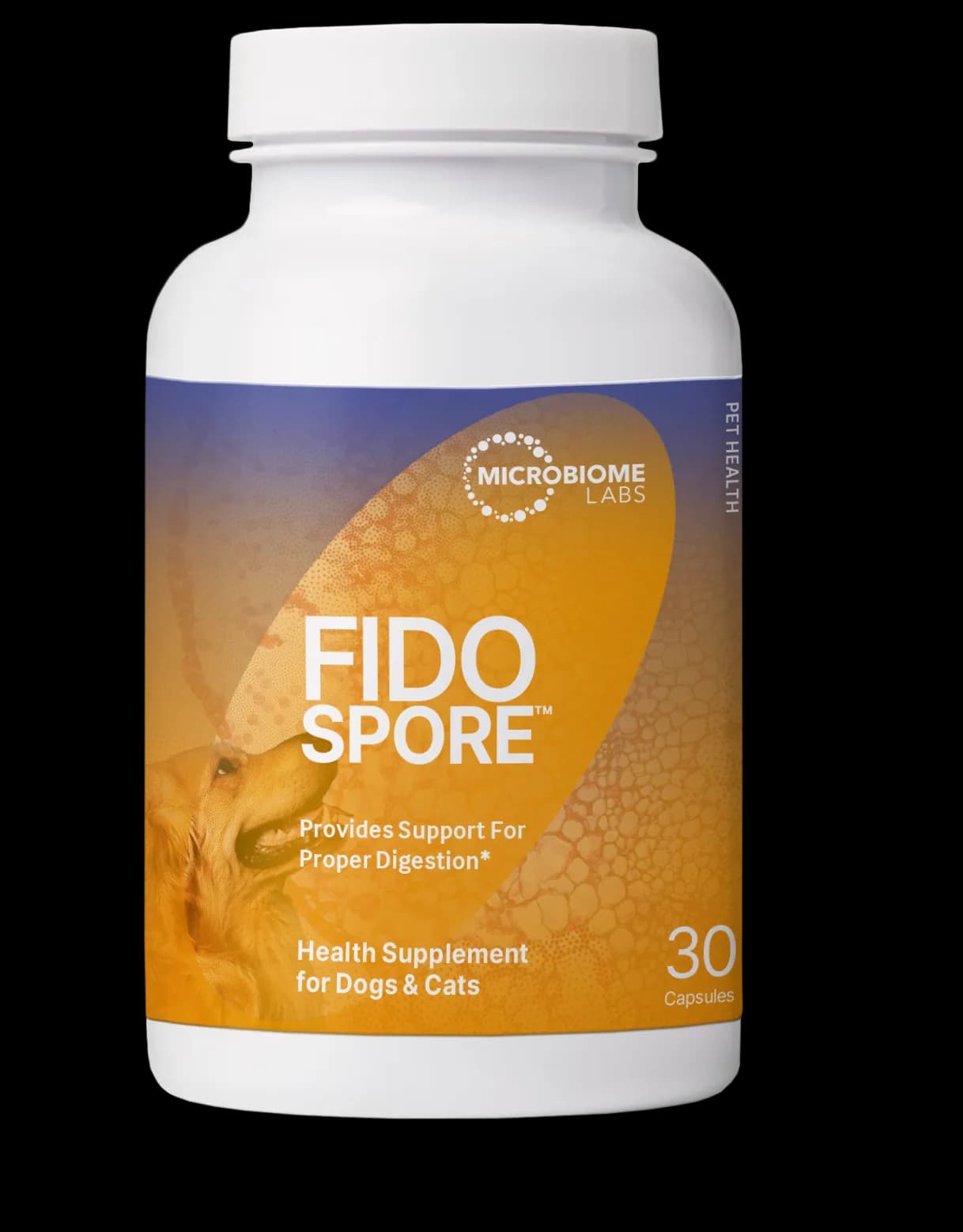
Managing a pet's health crisis—cleaning up accidents, scheduling vet appointments, and administering difficult medications—can trigger severe symptom flares for those already battling debilitating fatigue and autonomic dysfunction. This is where proactive, science-backed veterinary care intersects with human chronic illness management. FidoSpore, a specialized pet probiotic developed by Microbiome Labs, offers a targeted approach to stabilizing canine gut health. By utilizing resilient, spore-based bacterial strains, FidoSpore helps address the root causes of canine dysbiosis, helping to reduce the frequency of gastrointestinal and dermatological issues. In doing so, it not only improves the pet's quality of life but also significantly eases the caretaking burden on owners managing complex chronic illnesses.
TL;DR
Caring for a sick pet can drain the limited energy of owners with chronic illnesses like Long COVID.
FidoSpore is a spore-based probiotic that supports canine gut health and may help manage digestive and skin issues.
Improving your dog's microbiome can reduce caretaking demands, helping protect your own energy and health.
What is FidoSpore?
The Power of Spore-Based Probiotics
To understand how FidoSpore works, it is essential to first understand the unique nature of its primary ingredients: spore-based probiotics. Traditional pet probiotics often rely on vegetative strains like Lactobacillus or Bifidobacterium. While these bacteria can be beneficial, they are inherently fragile. When a dog consumes a standard probiotic, the living bacteria must survive the highly acidic environment of the canine stomach, which is designed to break down raw meat and bone. Consequently, a vast majority of traditional probiotic bacteria are destroyed before they ever reach the lower gastrointestinal tract where they are needed.
Spore-based probiotics, primarily from the Bacillus genus, operate differently. These microorganisms possess the natural ability to form a robust, near-impenetrable protective shell known as an endospore. This biopolymer armor allows the bacteria to remain dormant and survive extreme environmental stressors, including high heat, pressure from commercial pet food extrusion, and the harsh bile salts and stomach acid of the canine digestive system. Once the spores safely bypass the stomach and enter the nutrient-rich, hospitable environment of the small intestine, they germinate into active, vegetative cells that can effectively colonize the gut mucosa.
The Three-Strain Synergistic Blend
FidoSpore is formulated with a precise, clinically studied blend of three specific bacterial strains, delivering a total of 4 billion Colony Forming Units (CFUs) per serving. The first is Bacillus subtilis HU58, a highly researched spore-forming strain originally isolated from a healthy human gastrointestinal tract. In the canine gut, HU58 acts as a powerful immune modulator and competitive excluder. It actively consumes free oxygen in the gut, creating an anaerobic environment that is highly favorable for beneficial indigenous bacteria while simultaneously suppressing the growth of aerobic pathogens like E. coli and Salmonella.
The second key ingredient is Bacillus licheniformis SL-307. This spore-forming strain works in tandem with HU58 to maintain the structural integrity of the intestinal barrier. SL-307 acts as a microscopic factory within the gut, synthesizing a full spectrum of bioavailable B vitamins, including folate and biotin, which are crucial for maintaining healthy canine skin and a shiny coat. Furthermore, it produces powerful digestive enzymes that assist in the breakdown and assimilation of macronutrients, ensuring the dog receives maximum nutritional value from their diet.
The third component is Pediococcus acidilactici PA5051, a novel, plant-based, lactic acid-producing bacterium cultivated from wild switchgrass. Unlike many lactic acid bacteria, PA5051 is exceptionally resilient, capable of surviving extreme temperatures and acidic pH levels. In the canine gut, PA5051 is renowned for its ability to rapidly ease symptoms of diarrhea and constipation. It also plays a critical role in modulating the canine immune system, specifically by lowering the production of allergy-related antibodies, thereby addressing the root cause of chronic skin irritation and itching.
The Role of the Canine Microbiome
Just like humans, dogs rely on a vast, complex ecosystem of trillions of microorganisms residing in their gastrointestinal tract. This microbiome is responsible for far more than just digesting food. It is intimately connected to the dog's immune system, with approximately 70% to 80% of their immune cells located in the gut-associated lymphoid tissue (GALT). When this microbial ecosystem is balanced, the dog experiences robust digestion, clear skin, and stable energy levels.
However, modern canine lifestyles often disrupt this delicate balance. The consumption of highly processed, extruded kibble diets, frequent use of broad-spectrum antibiotics, and exposure to environmental toxins can decimate beneficial bacterial populations. This state of microbial imbalance, known as dysbiosis, compromises the intestinal barrier and sets the stage for chronic, systemic inflammation. By introducing the resilient strains found in FidoSpore, pet owners can actively reseed the gut, restoring balance and fortifying the dog's first line of immune defense.
How Chronic Illness Impacts Pet Care (and Vice Versa)
The Energy Envelope and Pet Caretaking
Living with conditions like Long COVID, ME/CFS, or dysautonomia requires meticulous energy management. Patients must constantly monitor their physical, cognitive, and emotional exertion to avoid triggering post-exertional malaise (PEM), a debilitating exacerbation of symptoms that can last for days or weeks. This concept of pacing, often visualized as living within a strict "energy envelope," means that every daily task has a biological cost. While the companionship of a pet provides immense emotional benefits, the physical realities of pet caretaking can quickly drain a patient's limited energy reserves.
When a dog develops chronic gastrointestinal issues—such as unpredictable bouts of diarrhea, frequent vomiting, or severe gas—the caretaking demands skyrocket. Waking up multiple times in the middle of the night to let a sick dog outside disrupts crucial, restorative sleep, which is already compromised in many patients with dysautonomia and Long COVID. The physical exertion of cleaning soiled carpets, combined with the cognitive load of scheduling sudden veterinary appointments and managing complex medication regimens, can easily push a chronically ill owner beyond their energy threshold, leading to a severe symptom crash.
Canine Dysbiosis and the "Leaky Gut" Cycle
The root cause of many chronic canine health issues lies in a phenomenon known as increased intestinal permeability, commonly referred to as "leaky gut syndrome." In a healthy dog, the cells lining the intestinal tract are held together by tight junction proteins, creating a semi-permeable barrier that allows nutrients to pass into the bloodstream while keeping out harmful pathogens, undigested food particles, and bacterial toxins. However, when a dog experiences gut dysbiosis, this barrier becomes compromised.
As the tight junctions loosen, toxic byproducts from pathogenic bacteria—specifically lipopolysaccharides (LPS), also known as endotoxins—leak from the gut lumen into the systemic circulation. This condition, called endotoxemia, triggers a massive immune response. The dog's immune system identifies these circulating endotoxins as foreign invaders, launching an inflammatory cascade that manifests as chronic diarrhea, food sensitivities, and severe skin allergies. For the chronically ill owner, this means managing a pet that is constantly scratching, licking its paws raw, or experiencing unpredictable digestive distress.
The Shared Human-Animal Microbiome
Interestingly, the health of a pet's microbiome is not entirely separate from the health of the owner's microbiome. Emerging research highlights the concept of the shared household microbiome. Dogs act as environmental vectors, picking up diverse microbes from the outdoors on their fur and paws and bringing them into the home. Through daily interactions—petting, sharing living spaces, and even receiving "dog kisses"—owners and pets continuously exchange microbial life.
For individuals exploring what causes Long COVID and the role of human gut dysbiosis in chronic illness, this shared microbial environment is highly relevant. If a dog is suffering from severe dysbiosis and overgrowth of pathogenic bacteria, they are shedding those microbes into the shared living environment. Conversely, by actively supporting the dog's gut health with a robust probiotic like FidoSpore, owners are indirectly fostering a healthier, more balanced microbial environment within their own home. Supporting the pet's health becomes a vital component of the owner's holistic management strategy.
FidoSpore: Supporting Canine Gut and Immune Function
Bacillus subtilis HU58 and Immune Modulation
The therapeutic efficacy of FidoSpore is driven by the specific biochemical actions of its three probiotic strains. Bacillus subtilis HU58 plays a profound role in modulating the canine immune system. When HU58 germinates in the gut, it interacts directly with the gut-associated lymphoid tissue (GALT). Research demonstrates that HU58 actively downregulates the production of pro-inflammatory cytokines, specifically Interleukin-6 (IL-6) and Tumor Necrosis Factor-alpha (TNF-α). By calming this localized immune response, HU58 helps to extinguish the systemic inflammation that drives chronic canine health issues.
Furthermore, Bacillus subtilis HU58 is a prolific producer of targeted antimicrobial compounds known as bacteriocins. In the competitive environment of the gut microbiome, HU58 secretes over a dozen different bacteriocins that specifically target and neutralize pathogenic bacteria, while leaving beneficial indigenous flora unharmed. This competitive exclusion is crucial for reversing dysbiosis. Additionally, HU58 significantly increases the microbial production of short-chain fatty acids (SCFAs), particularly butyrate. Butyrate serves as the primary fuel source for colonocytes (the cells lining the colon) and is essential for reducing mucosal inflammation and promoting cellular repair.
Bacillus licheniformis SL-307 and Barrier Integrity
While HU58 modulates the immune response, Bacillus licheniformis SL-307 focuses on repairing and maintaining the physical integrity of the gut barrier. SL-307 works synergistically with the SCFA production initiated by HU58 to upregulate the expression of tight junction proteins, such as claudins and occludins. By physically tightening the gaps between intestinal cells, SL-307 helps combat "leaky gut syndrome," supporting the reduction of lipopolysaccharide (LPS) translocation into the bloodstream and helping to manage endotoxemia.
Beyond barrier repair, SL-307 is highly metabolically active within the gastrointestinal tract. It synthesizes a variety of essential nutrients, including a full complex of B vitamins. These microbially synthesized vitamins are highly bioavailable and play a critical role in canine metabolic health, energy production, and the maintenance of a healthy dermal layer. SL-307 also secretes robust digestive enzymes, including amylase, protease, and lipase, which assist the dog's natural digestive processes, ensuring that complex proteins and carbohydrates are fully broken down and assimilated.
Pediococcus acidilactici PA5051 and the Gut-Skin Axis
The inclusion of Pediococcus acidilactici PA5051 in FidoSpore specifically targets the canine gut-skin axis. In veterinary dermatology, it is well understood that chronic itching (pruritus) and atopic dermatitis are often external manifestations of internal gut dysbiosis. When the gut is inflamed, inappropriately programmed immune cells traffic to the skin, triggering localized allergic reactions. PA5051 intervenes in this process by acting as a powerful immune modulator that specifically targets allergic pathways.
Clinical studies have shown that PA5051 significantly lowers the systemic levels of Immunoglobulin E (IgE), the primary antibody responsible for triggering allergic reactions in dogs. By reducing circulating IgE, PA5051 calms the hyperactive immune response that leads to chronic scratching, paw-licking, and recurrent ear infections. Furthermore, as a lactic acid-producing bacterium, PA5051 lowers the overall pH of the gut environment. This mild acidification creates an inhospitable environment for pathogenic yeast species, such as Malassezia, which are frequently responsible for the foul-smelling skin and ear infections that plague dogs with compromised microbiomes.
Symptoms FidoSpore May Help Manage
Targeting Gastrointestinal and Dermatological Distress
By addressing the root causes of dysbiosis, leaky gut, and systemic inflammation, the synergistic strains in FidoSpore can help manage a wide array of distressing canine symptoms. For owners managing the complex symptoms of Long COVID, reducing these pet-related stressors is vital for maintaining their own health and stability.
Occasional Diarrhea and Loose Stools: By competitively excluding pathogenic bacteria and increasing the production of firming short-chain fatty acids, the spore-based strains in FidoSpore help regulate bowel transit time and improve stool consistency, reducing the frequency of emergency bathroom trips.
Chronic Itching and Paw-Licking (Pruritus): Through the modulation of the gut-skin axis and the significant reduction of allergy-triggering IgE antibodies by Pediococcus acidilactici PA5051, FidoSpore helps calm the systemic immune response that causes relentless scratching and skin irritation.
Excessive Gas and Flatulence: By improving the breakdown and assimilation of macronutrients via the secretion of digestive enzymes, and by balancing the microbial populations that produce excess methane and hydrogen sulfide, FidoSpore significantly reduces canine flatulence and associated abdominal discomfort.
Food Sensitivities and Intolerances: By repairing the tight junctions of the intestinal epithelium and halting the leakage of undigested food proteins into the bloodstream, FidoSpore helps the canine immune system develop tolerance to dietary antigens, reducing the severity of food-based allergic reactions.
Bad Breath and Fecal Odor: Dysbiosis often leads to the overproduction of ammonia and other foul-smelling metabolites in the gut. The Bacillus strains in FidoSpore actively utilize and neutralize these compounds, leading to noticeably fresher breath and less pungent fecal odor.
Recurrent Ear and Skin Yeast Infections: By lowering the pH of the gastrointestinal tract through lactic acid production, FidoSpore creates an environment that suppresses the systemic overgrowth of Malassezia yeast, a common culprit behind chronic, smelly ear infections in dogs.
Practical Considerations: Forms, Dosing, and Absorption
Survivability and Bioavailability
When evaluating any probiotic supplement, the most critical factor is survivability. A probiotic is only effective if the bacteria can survive the journey from the capsule to the colon. Because FidoSpore utilizes spore-forming Bacillus strains, it boasts an exceptional survivability rate. The natural endospore protects the bacteria from degradation by light, heat, and moisture, meaning FidoSpore is completely shelf-stable and does not require refrigeration. This makes it incredibly convenient for chronically ill owners who may struggle with the cognitive load of managing complex, temperature-sensitive medications.
Furthermore, the spore structure ensures that the bacteria easily survive the highly acidic environment of the dog's stomach (which can drop to a pH of 1.5 during digestion) and the antimicrobial effects of bile salts in the duodenum. Upon reaching the lower intestines, the spores recognize the nutrient-rich environment and germinate into active, vegetative cells. This high bioavailability ensures that the 4 billion CFUs delivered in each capsule actively colonize the gut, rather than simply passing through the digestive tract as dead organic matter.
Palatability and Ease of Administration
Administering medications or supplements to a reluctant pet can be a physically exhausting and frustrating ordeal, often requiring owners to hide pills in high-calorie treats or physically force the dog to swallow. For an owner experiencing the debilitating fatigue of ME/CFS or living with long-term COVID, this daily struggle is unsustainable. Microbiome Labs specifically addressed this issue by formulating FidoSpore with 180 mg of defatted, grass-fed beef liver extract.
This high-quality beef liver acts as a powerful, natural flavor attractant, providing a savory aroma and taste that dogs find irresistible. FidoSpore is designed for effortless administration: the capsule can be easily pulled apart, and the powdered contents sprinkled directly over the dog's regular wet or dry food. Most dogs will eagerly consume the supplement without any coaxing, transforming a stressful daily chore into a seamless part of the feeding routine.
Dosing Guidelines and Antibiotic Compatibility
Dosing FidoSpore is straightforward and, uniquely, is not dependent on the weight or size of the dog. Because spore-based probiotics work by colonizing the gut and multiplying, rather than overwhelming the system by sheer volume, a Chihuahua and a Great Dane receive the same effective dose. The recommended protocol is to start slowly to allow the dog's microbiome to adjust. Owners should add one capsule to the pet's food every other day for the first week, and then increase to one capsule daily for maintenance.
Another significant practical advantage of the strains in FidoSpore, particularly Pediococcus acidilactici PA5051, is their remarkable tolerance to many common antibiotics. While traditional probiotics are often wiped out by concurrent antibiotic therapy, the resilient nature of FidoSpore allows it to be used alongside necessary veterinary treatments to help protect the gut microbiome from complete decimation, reducing the risk of antibiotic-associated diarrhea. However, as with any supplement, it is always recommended to consult with your veterinarian before introducing FidoSpore to your pet's regimen.
Follow the Science
Clinical Evidence for FidoSpore and Endotoxemia
The efficacy of FidoSpore is not merely theoretical; it is backed by specific, peer-reviewed clinical research. A pivotal 2021 clinical trial published in the journal Animals investigated the effects of the exact three-strain blend found in FidoSpore (Bacillus subtilis, Bacillus licheniformis, and Pediococcus acidilactici) on natural endotoxemia in dogs. The 30-day study monitored both healthy dogs and dogs suffering from apparent gut dysbiosis, characterized by chronic diarrhea and vomiting.
The researchers measured the dogs' blood endotoxin (lipopolysaccharide) levels at multiple intervals post-meal. The results were highly significant. After 30 days of daily supplementation with the FidoSpore blend, endotoxin levels evaluated 12 hours post-meal dropped dramatically. The healthy dogs experienced a 20.60% reduction in circulating endotoxins, while the dogs suffering from dysbiosis saw a massive 44.93% reduction. Furthermore, the veterinarians reported a rapid and complete resolution of gastrointestinal symptoms—including diarrhea and vomiting—in the dysbiotic group within the 30-day window, suggesting the blend's ability to support gut barrier repair and help manage systemic inflammation.
Research on PA5051 and Canine Atopic Dermatitis
The specific impact of Pediococcus acidilactici PA5051 on the canine immune system and skin health has also been rigorously documented. In a clinical study evaluating dogs suffering from severe atopic dermatitis (allergic skin reactions), researchers tracked the dogs' "Itch Score Index" and their systemic levels of Immunoglobulin E (IgE), a primary biomarker for allergic immune responses.
Prior to treatment, the dogs exhibited high IgE levels (averaging over 8,250 ng/ml) and severe visible itching. Following the administration of PA5051, the treatment group experienced a staggering 66% drop in allergy-related IgE antibodies, bringing the average down to 2,787 ng/ml. This massive reduction in systemic allergic markers correlated with a significant decrease in the dogs' visible itching and skin irritation scores. The study concluded that PA5051 may help normalize digestive function while supporting the immune response to help alleviate dermatological distress.
Broader Studies on Spore-Based Probiotics in Dogs
Beyond the specific FidoSpore formulation, the broader scientific literature strongly supports the use of spore-based probiotics in canine health. A recent double-blind, randomized, placebo-controlled trial evaluated a synbiotic blend containing Bacillus subtilis in healthy dogs. The study found that the spore-based supplement led to a statistically significant decrease in fecal calprotectin, a primary biomarker for intestinal inflammation.
Additionally, research published in the Italian Journal of Animal Science demonstrated that supplementation with Bacillus subtilis significantly improved nutrient digestibility and increased the production of Short-Chain Fatty Acids (SCFAs) in the canine gut. The dogs receiving the spore probiotic exhibited firmer stools, a drastic reduction in fecal ammonia levels (resulting in less odor), and a healthier overall microbiome diversity. These findings consistently validate the mechanisms of action utilized by the FidoSpore formulation.
The Path Forward
Protecting Your Energy While Caring for Your Pet
Navigating the daily realities of how long Long COVID lasts or managing the unpredictable crashes of ME/CFS requires immense resilience. For many patients, their pets are a crucial lifeline, providing silent, steadfast companionship through the darkest days of chronic illness. However, it is entirely valid to acknowledge that caring for a sick pet can be overwhelmingly difficult when you are struggling to care for yourself. The physical toll of cleaning up after a dog with GI distress, or the emotional toll of watching them suffer from relentless itching, can rapidly deplete your carefully guarded energy envelope.
By taking a proactive approach to your pet's health with a clinically backed intervention like FidoSpore, you are not only improving their quality of life but also fiercely protecting your own. Stabilizing your dog's gut health means fewer emergency trips outside, fewer costly and exhausting veterinary visits, and a more peaceful, predictable daily routine. This predictability is essential for maintaining the pacing strategies required to manage complex chronic conditions.
A Holistic Approach to Household Health
Healing from chronic illness often requires a holistic view of your entire environment, including the shared microbiome of your home. Supporting your dog's gastrointestinal and immune health with targeted, spore-based probiotics is a powerful step toward creating a healthier, more balanced living space for both of you. While FidoSpore is a highly effective tool, it should be part of a comprehensive care plan discussed with your veterinarian, just as your own supplements are discussed with your healthcare provider.