Can Prebiotic Fiber and Creatine Support Gut Health and Energy in Long COVID?
March 5, 2026
Long COVIDME/CFSGut Health
Share:
Disclaimer: The information provided here is for educational purposes only and is not intended as medical advice. It should not be used to diagnose, treat, cure, or prevent any medical condition. Instead, use it as a starting point for discussion with your healthcare provider. Always consult with a qualified healthcare provider before starting any new medication, supplement, device, or making changes to your health regimen.
Months or even years after recovering from an acute viral infection, millions of individuals find themselves battling a complex web of debilitating symptoms. The profound exhaustion, cognitive dysfunction, and gastrointestinal distress associated with Long COVID, myalgic encephalomyelitis/chronic fatigue syndrome (ME/CFS), and dysautonomia can completely derail a person's quality of life. Patients are often left navigating a medical system that struggles to explain why their bodies suddenly feel like batteries that refuse to hold a charge, or why their digestive systems have become unpredictably reactive.
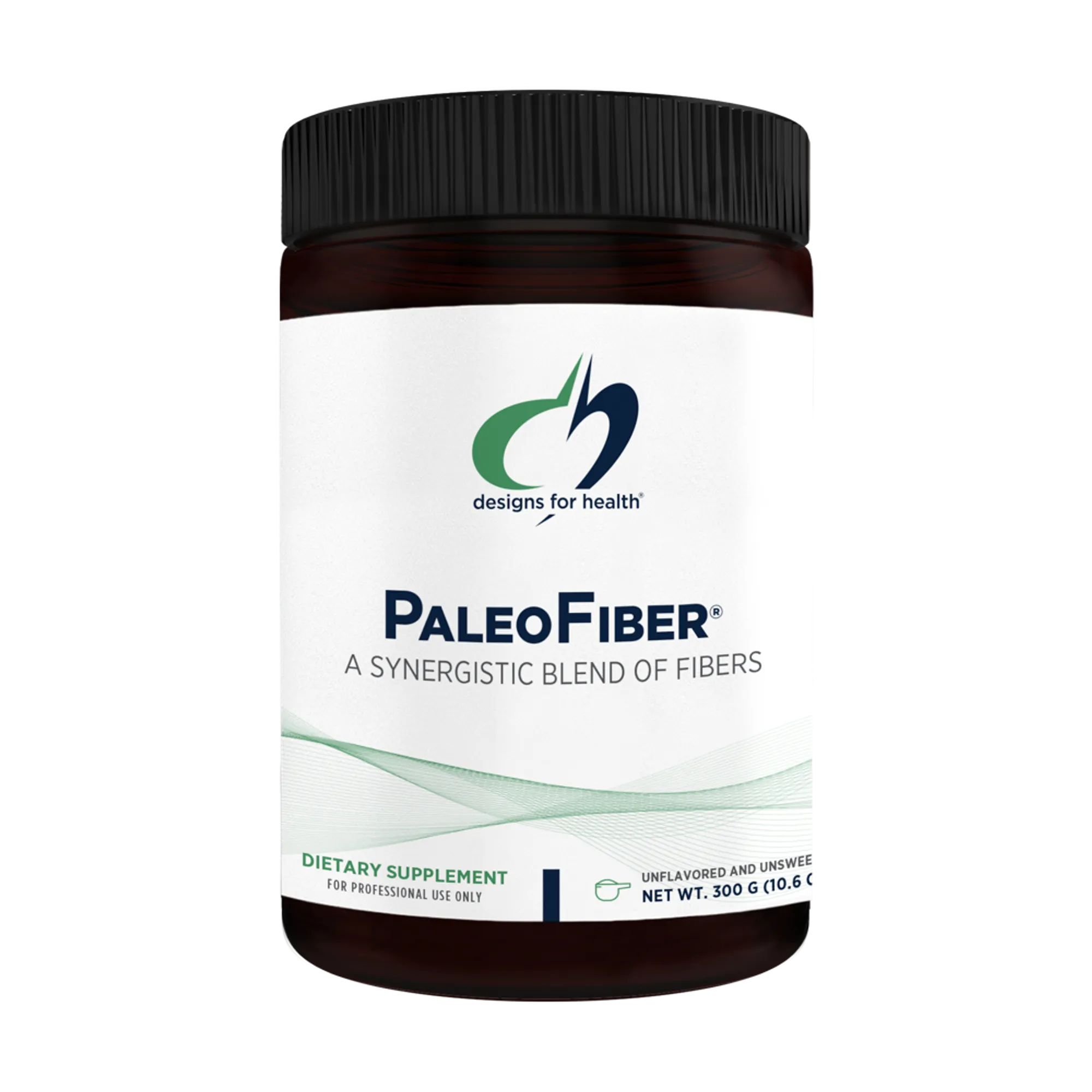
Recent scientific breakthroughs have begun to illuminate the underlying mechanisms driving these invisible illnesses, pointing toward two critical, interconnected systems: the gut microbiome and cellular mitochondria. When acute infection triggers persistent gut dysbiosis and mitochondrial dysfunction, the body enters a vicious cycle of systemic inflammation and bioenergetic failure. Addressing this complex pathophysiology requires targeted nutritional support. Fiber Prebiotic Complete by Designs for Health offers a unique, scientifically grounded approach by combining a diverse blend of prebiotic fibers (inulin, fructooligosaccharides, and resistant starch) with highly bioavailable creatine monohydrate. Together, these compounds work synergistically to nourish beneficial gut bacteria, restore the intestinal barrier, and replenish the cellular energy reserves desperately needed for recovery.
TL;DR
Prebiotic fibers and creatine monohydrate work synergistically to support gut health and cellular energy.
This combination may help manage fatigue, brain fog, and gastrointestinal issues in chronic conditions.
Prebiotics nourish beneficial gut bacteria, while creatine helps replenish depleted cellular energy reserves.
Always consult your healthcare provider before starting new supplements to ensure they fit your needs.
What is Fiber Prebiotic Complete?
The Synergy of Prebiotics and Cellular Energy
To understand how a supplement combining prebiotic fibers and creatine monohydrate functions, we must first look at the natural roles these compounds play in a healthy body. While they might seem like an unusual pairing at first glance, they address two of the most fundamental aspects of human physiology: nutrient fermentation in the lower gastrointestinal tract and energy metabolism at the cellular level. In a healthy individual, the gut microbiome acts as a secondary organ, breaking down complex carbohydrates that human enzymes cannot digest, while mitochondria serve as microscopic power plants, generating the energy required for every biological process.
Fiber Prebiotic Complete is formulated to bridge the gap between these two systems. It provides a comprehensive matrix of non-digestible carbohydrates designed to selectively feed beneficial bacteria in the colon. Simultaneously, it delivers a clinical dose of micronized creatine monohydrate, a nitrogenous organic acid that is naturally synthesized in the liver and kidneys and stored primarily in skeletal muscle and brain tissue. By supporting both the microbiome's ability to produce anti-inflammatory metabolites and the mitochondria's capacity to sustain energy output, this combination offers a multi-targeted approach to systemic health.
The Biochemical Role of Prebiotic Fibers
Prebiotic fibers are structurally complex carbohydrates that resist enzymatic hydrolysis in the human stomach and small intestine. Because human digestive enzymes cannot break their specific polymeric bonds, these fibers arrive intact in the large intestine, where they serve as a fermentable fuel source for the resident microbiota. The specific types of fiber included in this formulation—inulin, fructooligosaccharides (FOS), and resistant starch—are carefully chosen for their distinct fermentation profiles based on their degree of polymerization (DP).
FOS consists of short-chain fructans (DP 2-9) that are highly soluble and rapidly fermented in the proximal (upper) colon. This provides an immediate food source for beneficial bacteria like Bifidobacterium and Lactobacillus. Inulin, conversely, is a longer-chain fructan (DP >10) that ferments more slowly, allowing its benefits to reach the distal (lower) colon. Resistant starch, as the name implies, resists digestion entirely until it encounters specialized bacterial enzymes in the gut. Through the process of anaerobic fermentation, these bacteria break down the prebiotics into secondary metabolites known as short-chain fatty acids (SCFAs), primarily acetate, propionate, and butyrate. These SCFAs are critical signaling molecules that regulate immune function, maintain the integrity of the intestinal lining, and even cross the blood-brain barrier to influence neurological health.
Creatine Monohydrate and the ATP-PCr System
While prebiotics manage the gut ecosystem, creatine monohydrate operates deep within the cellular architecture to manage bioenergetics. The universal currency of cellular energy is adenosine triphosphate (ATP). Whenever a cell performs work—whether it is a muscle fiber contracting, a neuron firing, or an immune cell neutralizing a pathogen—it hydrolyzes ATP into adenosine diphosphate (ADP) and an inorganic phosphate, releasing a burst of usable energy. However, cells can only store enough ATP for a few seconds of intense activity. To help prevent catastrophic cellular failure, the body relies on the ATP-PCr (phosphocreatine) system to rapidly regenerate this energy.
Creatine is stored in the body primarily as phosphocreatine (PCr). The enzyme creatine kinase (CK) catalyzes a reversible reaction that takes the high-energy phosphate group from PCr and donates it directly back to ADP, instantly regenerating ATP without the need for oxygen or the slower processes of glycolysis. This system acts as a temporal energy buffer, ensuring that cells with high metabolic demands, particularly in the brain and skeletal muscles, do not run out of fuel during periods of stress or exertion. By supplementing with creatine monohydrate, individuals can significantly expand their intracellular phosphocreatine reserves, raising the absolute ceiling of their cellular energy capacity.
How Long COVID and ME/CFS Impact the Gut and Energy Systems
Viral-Induced Gut Dysbiosis
In complex chronic conditions like Long COVID, ME/CFS, and mast cell activation syndrome (MCAS), the delicate ecosystems of the body are thrown into a state of persistent chaos. The pathophysiology often begins with an acute viral infection or a severe immune triggering event. During this acute phase, the immune system's aggressive inflammatory response can severely disrupt the gut microbiome. In a healthy scenario, the microbiome eventually recovers its balance. However, in patients who develop post-viral syndromes, this disruption solidifies into a chronic state of gut dysbiosis.
Advanced microbiome sequencing of Long COVID and ME/CFS patients consistently reveals a profound loss of "keystone" bacteria—the foundational species that maintain the health of the entire microbial community. Specifically, researchers observe massive depletions in Bifidobacterium species and Faecalibacterium prausnitzii. Because these specific bacteria are the primary fermenters of prebiotic fibers and the main producers of anti-inflammatory butyrate, their absence creates a metabolic void. Without adequate butyrate, the colonocytes (the cells lining the colon) starve, and the intestinal environment becomes increasingly hostile, allowing opportunistic, pro-inflammatory Gram-negative bacteria to proliferate.
Leaky Gut and Systemic Inflammation
The depletion of butyrate-producing bacteria sets off a dangerous domino effect. Butyrate is essential for maintaining the tight junctions—the protein structures that seal the gaps between intestinal cells. When butyrate levels plummet, these tight junctions degrade, leading to increased intestinal permeability, commonly known as "leaky gut." This compromised barrier allows lipopolysaccharides (LPS), which are toxic structural components of Gram-negative bacterial cell walls, to translocate from the gut lumen directly into the bloodstream.
Once in the bloodstream, LPS triggers a systemic, low-grade inflammatory response. This circulating inflammation heavily impacts the vagus nerve, the primary superhighway of the parasympathetic nervous system. Vagus nerve inflammation disrupts the gut-brain axis and is a primary driver of dysautonomia and Postural Orthostatic Tachycardia Syndrome (POTS), conditions characterized by an abnormally fast heart rate, blood pooling, and severe dizziness upon standing. Furthermore, this systemic inflammation activates mast cells throughout the body, contributing to the unpredictable allergic-type reactions seen in MCAS.
Mitochondrial Dysfunction and the Bioenergetic Crisis
Simultaneously, the systemic inflammation and oxidative stress generated by the gut dysbiosis mount an assault on the body's mitochondria. In Long COVID and ME/CFS, researchers have identified profound mitochondrial dysfunction, where the electron transport chain fails to efficiently produce ATP. The mitochondria become sluggish, structurally damaged, and incapable of meeting the energy demands of the brain and muscles.
This bioenergetic crisis is the physiological root of post-exertional malaise (PEM), the hallmark symptom of ME/CFS where even minor physical or cognitive exertion triggers a debilitating crash. During exertion, patients rapidly deplete their available ATP. In a healthy body, the phosphocreatine system would instantly regenerate it. However, studies show that in post-viral fatigue syndromes, phosphocreatine resynthesis is drastically slowed. The body is forced to rely on inefficient anaerobic glycolysis, leading to a toxic buildup of lactic acid, severe muscle pain, and a profound energy deficit that can take days or weeks to recover from.
Fiber Prebiotic Complete: Supporting the Microbiome and Mitochondria
Restoring the Gut Ecosystem with Short-Chain Fatty Acids
Supplementing with a comprehensive blend of prebiotic fibers provides the exact metabolic fuel required to help reverse gut dysbiosis. By introducing targeted doses of inulin, FOS, and resistant starch, Fiber Prebiotic Complete selectively nourishes the depleted keystone bacteria. As Bifidobacterium and Faecalibacterium prausnitzii populations rebound, they resume the robust production of short-chain fatty acids via the butyryl-CoA pathway. This influx of butyrate provides immediate energy to the colonocytes, allowing them to repair the damaged tight junctions and restore the integrity of the intestinal barrier, helping to halt the leakage of endotoxins into the bloodstream.
Beyond repairing the gut lining, the SCFAs produced through prebiotic fermentation exert profound systemic effects. Propionate, for instance, travels via the portal vein to the liver, where it influences lipid and glucose metabolism. It also crosses the blood-brain barrier to interact with hypothalamic neurons, stimulating the release of hormones like GLP-1, which help regulate systemic metabolism and neuroinflammation. Furthermore, the massive accumulation of SCFAs naturally lowers the pH of the colonic environment. This acidic shift creates a hostile environment for pathogenic, pro-inflammatory bacteria, naturally suppressing their overgrowth without the need for harsh antimicrobial treatments.
The CK/PCr Energy Shuttle and Mitochondrial Stability
While the prebiotics heal the gut-brain axis, the creatine monohydrate component directly addresses the cellular energy crisis. Creatine's mechanism of action extends far beyond simply floating in the cellular fluid; it is intimately integrated into the mitochondrial architecture through the CK/PCr energy shuttle. A specific isoform of the creatine kinase enzyme, known as mitochondrial creatine kinase (mtCK), resides strictly in the mitochondrial intermembrane space. As the mitochondria struggle to produce ATP, mtCK takes whatever ATP is generated and trans-phosphorylates it onto free creatine, forming phosphocreatine (PCr).
This process is vital because ATP is a bulky molecule that diffuses slowly. PCr, being smaller and more mobile, rapidly shuttles the energy out of the mitochondria and into the cytosol, delivering it exactly where it is needed for muscle contraction or neural firing. Furthermore, the mtCK enzyme physically binds to the voltage-dependent anion channel (VDAC) on the outer mitochondrial membrane and the adenine nucleotide translocase (ANT) on the inner membrane. This functional complex structurally stabilizes the mitochondria, helping to prevent mitochondrial permeability transition—an event that leads to cellular death. By reinforcing this structure, creatine protects fragile mitochondria from the oxidative stress rampant in chronic illness.
Stimulating Mitochondrial Biogenesis
Perhaps the most profound mechanism by which creatine supports recovery is through the stimulation of mitochondrial biogenesis—the creation of new, healthy mitochondria. Creatine acts as a metabolic signaling molecule by activating AMP-activated protein kinase (AMPK), a master cellular energy sensor. The activation of AMPK upregulates the PGC-1α pathway, which is the primary genetic regulator of mitochondrial multiplication.
For patients with Long COVID and ME/CFS, whose existing mitochondria are damaged and dysfunctional, the ability to generate entirely new, highly efficient mitochondria is a game-changer. By providing the raw materials for the ATP-PCr buffer and signaling the body to build more cellular power plants, creatine supplementation directly counteracts the bioenergetic depletion that causes severe fatigue and PEM crashes, allowing patients to gradually expand their energy envelope.
Symptoms Prebiotic Fiber and Creatine May Help Manage
Targeted Relief for Complex Symptoms
Because Fiber Prebiotic Complete targets the foundational systems of gut health and cellular energy, its benefits can ripple outward to alleviate a wide array of interconnected symptoms. Patients dealing with post-viral syndromes, dysautonomia, and chronic fatigue often find that addressing these root mechanisms provides more sustainable relief than chasing individual symptoms. Here is how the combination of prebiotic fibers and creatine monohydrate may help manage specific challenges:
Post-Exertional Malaise (PEM) and Physical Fatigue: By expanding intracellular phosphocreatine reserves, creatine provides a larger, more accessible energy buffer. This helps prevent the rapid depletion of ATP during minor physical tasks, delaying the onset of anaerobic glycolysis and lactic acid buildup, which raises the threshold at which a debilitating PEM crash is triggered.
Cognitive Dysfunction ("Brain Fog"): The brain consumes roughly 20% of the body's resting energy. Creatine supplementation increases brain creatine concentrations, supporting the high-energy phosphates required for sustained neural firing, which translates to improved memory, faster reaction times, and reduced mental fatigue.
Gastrointestinal Distress and Irregularity: The diverse blend of inulin, FOS, and resistant starch provides the necessary bulk and fermentation substrates to normalize bowel movements. By increasing SCFA production, prebiotics reduce mucosal inflammation, alleviating the bloating, cramping, and unpredictable bowel habits often associated with dysbiosis.
Dysautonomia and POTS Symptoms: By repairing the intestinal barrier ("leaky gut") and halting the translocation of LPS endotoxins into the bloodstream, prebiotics drastically reduce the systemic inflammation that irritates the vagus nerve. A calmer vagus nerve allows for better regulation of the autonomic nervous system, potentially reducing the severity of tachycardia and dizziness.
Muscle Weakness and Aches: Creatine draws water into muscle cells, promoting cellular hydration and anabolism. Combined with its ability to stabilize mitochondrial membranes against oxidative stress, it helps preserve muscle mass and reduces the deep, systemic body aches frequently reported by Long COVID patients.
Immune Dysregulation and MCAS: The gut microbiome is the command center for the immune system. By fostering a robust population of Bifidobacterium, prebiotics promote a balanced, anti-inflammatory immune response, which can help stabilize hyperactive mast cells and reduce the frequency of allergic-type symptom flares.
Practical Considerations: Forms, Dosing, and Absorption
The Gold Standard: Creatine Monohydrate Bioavailability
When navigating the supplement market, patients are often bombarded with claims about "advanced" or "superior" forms of creatine, such as creatine hydrochloride (HCl) or creatine ethyl ester (CEE). However, decades of rigorous pharmacokinetic research have consistently demonstrated that creatine monohydrate remains the undisputed gold standard. The critical distinction lies in understanding solubility versus bioavailability. While forms like HCl may dissolve more easily in water, creatine monohydrate is already nearly 100% bioavailable, meaning almost the entire dose survives digestion to saturate the muscle and brain tissues.
In fact, forms engineered to bypass digestion, like creatine ethyl ester, have been shown in clinical trials to rapidly degrade into the inactive waste product creatinine in the acidic environment of the stomach, rendering them significantly less effective than standard monohydrate. Fiber Prebiotic Complete utilizes micronized creatine monohydrate. Micronization is a mechanical process that reduces the particle size of the powder, drastically improving its mixability in liquids and eliminating the gritty texture that can sometimes cause gastrointestinal discomfort, all while maintaining its perfect bioavailability profile.
Optimizing Creatine Absorption and Timing
Because creatine functions by maintaining saturated tissue stores over time, the absolute timing of the dose is less critical than daily consistency. However, for patients looking to optimize absorption, taking the supplement alongside a meal or beverage containing carbohydrates can be highly beneficial. Carbohydrates trigger a natural spike in insulin, and insulin actively acts as a transport mechanism, driving creatine out of the bloodstream and into the depleted muscle cells.
For individuals who are able to engage in light, paced physical activity or physical therapy, taking the supplement shortly after exertion can take advantage of exercise hyperaemia—the temporary increase in blood flow to activated muscles. This elevated circulation further facilitates the efficient delivery of creatine to the tissues that need it most for recovery and ATP resynthesis.
Navigating Prebiotic Tolerance
When introducing prebiotic fibers like inulin, FOS, and resistant starch into your daily routine, the golden rule is to "start low and go slow." Because these fibers are actively fermented by gut bacteria, a sudden influx can lead to rapid gas production, resulting in temporary bloating, flatulence, or abdominal discomfort. This is a normal physiological response indicating that the microbiome is actively metabolizing the fibers, but it can be uncomfortable for patients with sensitive digestive systems.
To build tolerance, consider starting with a half-dose of the powder mixed into 8-10 ounces of water, gradually working your way up to the full 5-gram serving over the course of a week or two. Adequate hydration is also crucial when increasing fiber intake, as water helps the soluble fibers form a soothing gel-like consistency in the digestive tract, promoting smooth motility and helping to prevent constipation.
Follow the Science
Clinical Evidence for Prebiotics in Post-Viral Syndromes
The therapeutic potential of modifying the gut microbiome in post-viral illness has moved from theoretical hypothesis to proven clinical reality. Significant evidence is discussed in a recent review published in the International Journal of Molecular Sciences in 2025, which highlights large-scale trials evaluating Long COVID patients who were given a synbiotic formulation containing prebiotic soluble fibers and targeted Bifidobacterium strains for six months. The results were staggering: the intervention group experienced a 62% relative improvement in difficulty concentrating ("brain fog"), a 56% improvement in memory loss, and a 47% improvement in systemic fatigue compared to the placebo group.
Further supporting this, a recent 2024/2025 clinical trial assessed adults formally diagnosed with post-COVID ME/CFS. Participants taking a targeted blend containing 2.5g of prebiotic fructooligosaccharides (FOS) alongside probiotics experienced a significant reduction in post-exertional malaise (PEM) and physical fatigue. The researchers noted objective improvements in tissue metabolism and post-exercise recovery, confirming that feeding the microbiome directly translates to improved systemic energy.
Creatine Trials for Long COVID and ME/CFS
Simultaneously, creatine monohydrate has emerged as a highly promising intervention for the bioenergetic deficits of these conditions. A 2024 randomized, double-blind, placebo-controlled trial conducted by the University of Novi Sad evaluated Long COVID patients receiving 8g of creatine daily combined with 3g of glucose to enhance cellular transport. After 8 weeks, the creatine group showed massive, statistically significant reductions in severe body aches, breathing problems, and difficulties concentrating, alongside a measured increase in brain creatine levels.
In the realm of ME/CFS, a recent 6-week brain magnetic resonance spectroscopy (MRS) trial supplemented patients with 16g of creatine monohydrate daily. The MRS scans revealed that the intervention successfully increased creatine concentrations in key areas of the brain, including the pregenual anterior cingulate cortex and the dorsolateral prefrontal cortex. Clinically, this mapped directly to faster reaction times on cognitive tests and decreased systemic fatigue, proving that replenishing the brain's high-energy phosphates can actively combat the neurological manifestations of post-viral illness.
The Path Forward
Validating the Chronic Illness Experience
Living with a complex chronic illness like Long COVID, ME/CFS, or dysautonomia is an exercise in profound resilience. The daily reality of waking up with an empty "energy envelope," struggling through severe brain fog, and managing unpredictable gastrointestinal symptoms can feel incredibly isolating. It is vital to recognize that your symptoms are not in your head; they are the result of measurable, physiological disruptions in your gut microbiome and cellular mitochondria. Finding ways to survive the holidays with a chronic illness or simply get through a standard workday requires an immense amount of unseen effort.
While there is currently no single definitive cure for these post-viral syndromes, the emerging science offers a very real sense of hope. By understanding the specific biochemical pathways that have been disrupted—from the loss of butyrate-producing bacteria to the stalling of the ATP-PCr energy shuttle—we can begin to implement targeted, science-backed interventions that address the root causes of the dysfunction rather than merely masking the symptoms.
A Comprehensive Management Strategy
Supplements like Fiber Prebiotic Complete are powerful tools, but they are most effective when integrated into a comprehensive, holistic management strategy. Replenishing your cellular energy reserves with creatine and healing your gut barrier with prebiotics should be paired with rigorous symptom tracking, aggressive rest, and strict pacing to avoid triggering PEM crashes. Every small step you take to support your biology helps build a stronger foundation for recovery.
As always, it is crucial to consult with your healthcare provider before introducing any new supplement into your regimen, especially if you have sensitive digestion, kidney concerns, or are managing multiple medications. Together with your medical team, you can determine the optimal dosing and timing to support your unique metabolic needs and take proactive steps toward reclaiming your health.
Sources
Functional Food Applications of Root and Tuber-Based Prebiotics in Gut Microbiota Management
Resistant Starch and Short-Chain Fatty Acids: A Comprehensive Review of Physiologic Mechanisms
Creatine Supplementation and Cellular Energy: The ATP-PCr System
Mitochondrial Dysfunction and the Bioenergetic Crisis in Post-Viral Fatigue
Short-chain fatty acids: nutritional strategies to modulate intestinal microbiota
The SIM01 Trial: Synbiotics for Long COVID Symptoms (The Lancet)
Brain Magnetic Resonance Spectroscopy Trial of Creatine in ME/CFS