Can Ferrochel® Iron Chelate Support Energy Levels in Long COVID and POTS Patients?
March 5, 2026
Ferrochel Iron ChelateLong COVIDME/CFS
Share:
Disclaimer: The information provided here is for educational purposes only and is not intended as medical advice. It should not be used to diagnose, treat, cure, or prevent any medical condition. Instead, use it as a starting point for discussion with your healthcare provider. Always consult with a qualified healthcare provider before starting any new medication, supplement, device, or making changes to your health regimen.
Living with complex chronic conditions like Long COVID, myalgic encephalomyelitis/chronic fatigue syndrome (ME/CFS), and postural orthostatic tachycardia syndrome (POTS) often feels like running a marathon with no finish line. Patients frequently describe a profound, bone-deep exhaustion that doesn't improve with rest, accompanied by a heavy brain fog that makes simple cognitive tasks feel insurmountable. When searching for answers, many patients are told their standard blood work is "normal," leaving them frustrated and without a clear path forward. However, emerging research is shining a spotlight on a critical, often-overlooked piece of the metabolic puzzle: cellular iron metabolism and tissue-level iron stores.
While traditional medicine often looks for overt anemia (low hemoglobin) to diagnose iron issues, patients with dysautonomia and post-viral syndromes frequently suffer from non-anemic iron deficiency—a state where the blood looks fine, but the body's deep iron stores (ferritin) are depleted. This hidden starvation at the cellular level can drastically impair mitochondrial energy production, worsen orthostatic intolerance, and amplify neurological symptoms. For those who do need to replenish their iron stores, traditional supplements often cause severe gastrointestinal distress, leading to a vicious cycle of deficiency and intolerance. This is where advanced formulations like Ferrochel® Iron Chelate come into play, offering a highly bioavailable, gentle mechanism to support cellular energy, oxygen transport, and cognitive clarity without the typical digestive collateral damage.
TL;DR
Non-anemic iron deficiency (low ferritin) is a hidden driver of fatigue in Long COVID and POTS.
Ferrochel® Iron Chelate offers highly absorbable iron that bypasses the gut irritation of traditional supplements.
Replenishing deep tissue iron stores may help support cellular energy, cognitive clarity, and autonomic stability.
Always consult a healthcare provider for a comprehensive iron panel before starting supplementation.
What is Ferrochel® Iron Chelate?
The Anatomy of an Amino Acid Chelate
To understand why Ferrochel® Iron Chelate is structurally unique, we must first look at how iron naturally exists and interacts within the body. In a healthy system, iron is an essential trace mineral required for everything from oxygen transport to DNA synthesis. However, free iron is highly reactive. If left unbound, it can generate dangerous free radicals through a process known as the Fenton reaction, causing oxidative stress and tissue damage. To safely transport and utilize iron, the body relies on complex binding proteins like transferrin and ferritin.
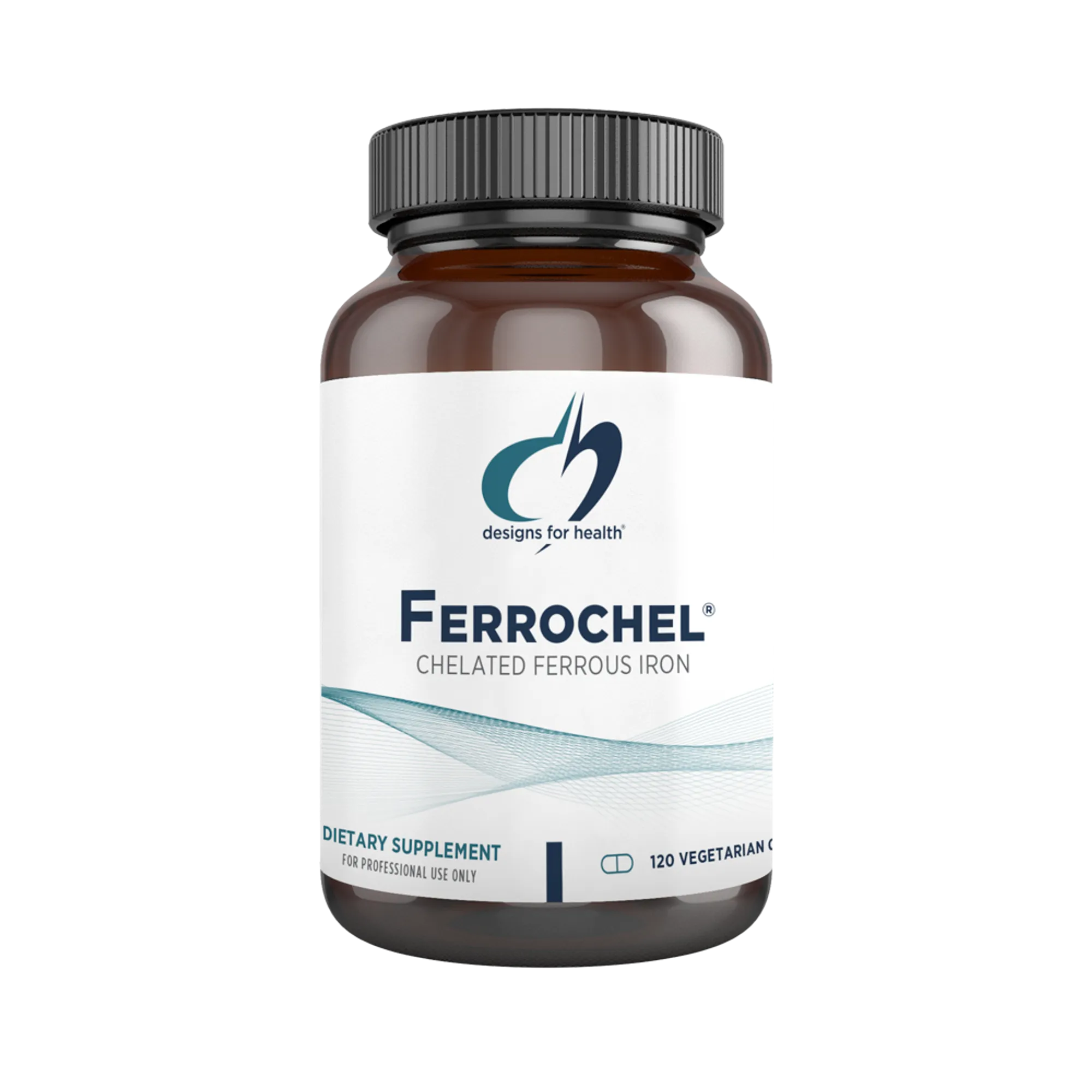
Ferrochel® mimics this natural protective mechanism through a patented process called chelation. Developed by Albion® Advanced Nutrition (now Balchem), this specific formulation takes one ferrous iron ion (Fe²⁺) and tightly binds it between two molecules of the amino acid glycine. This creates a stable, electrically neutral ring structure known as ferrous bisglycinate chelate. The glycine molecules effectively "clamp" around the iron, acting as a protective molecular shield as the compound travels through the digestive tract.
This stable, double-glycine structure is the key to Ferrochel's exceptional tolerability. Traditional iron supplements, such as ferrous sulfate, are inorganic salts that rapidly break apart in the harsh, acidic environment of the stomach. This premature breakdown releases highly reactive free iron ions directly into the gastric mucosa, which is the primary cause of the severe nausea, cramping, and gastric upset that forces many patients to abandon their iron therapy. By remaining intact through the stomach, Ferrochel entirely avoids this localized oxidative damage.
Bypassing the Traditional Iron Bottleneck
The chelated structure of Ferrochel® also fundamentally alters how the mineral is absorbed in the small intestine. Standard inorganic iron relies almost exclusively on a specific transport protein called Divalent Metal Transporter 1 (DMT1) to cross the intestinal lining. Because free iron ions are highly reactive, they readily bind to dietary inhibitors present in the gut—such as phytates in whole grains, tannins in tea and coffee, oxalates in spinach, and even calcium from dairy. Once bound to these compounds, the iron becomes insoluble and is excreted, drastically lowering its bioavailability.
Ferrochel® bypasses this traditional bottleneck entirely. Because the iron is safely encased in glycine, it does not interact with or bind to these dietary inhibitors. The chelated structure generally allows patients to avoid strictly timing their supplementation around meals or avoiding certain foods to ensure efficacy.
Furthermore, because the body recognizes the intact Ferrochel® molecule as a dipeptide (a small protein) rather than a raw mineral, it utilizes alternative absorption pathways. Research indicates that ferrous bisglycinate is actively transported across the intestinal mucosa using peptide transporters like PepT1, alongside the standard DMT1 channels. Once safely inside the intestinal cells (enterocytes), the body's enzymes cleave the glycine bonds, releasing the iron to be stored as ferritin or transported into the bloodstream.
Regulated Absorption and Safety
One of the most remarkable aspects of this absorption mechanism is its autoregulatory nature. The body tightly controls iron uptake based on its current physiological needs. Because Ferrochel® utilizes these sophisticated peptide transport pathways, its absorption rate is inversely correlated with the patient's existing iron stores. If a patient's ferritin levels are severely depleted, the body will upregulate the absorption of the chelate to rapidly restore balance.
Conversely, as tissue iron stores (ferritin) begin to normalize, the intestinal cells downregulate the transport of the bisglycinate molecule. This built-in biological feedback loop makes Ferrochel® an exceptionally safe option, significantly reducing the risk of accidental iron overload (hemochromatosis) in individuals whose levels are already sufficient. It provides a targeted, demand-driven approach to mineral repletion that honors the body's complex metabolic signaling.
How Chronic Illness Impacts Iron Metabolism
The Paradox of Long COVID and Iron Dysregulation
When exploring What Causes Long COVID?, researchers have uncovered a complex and sometimes paradoxical relationship with iron. During an acute viral infection like SARS-CoV-2, the immune system intentionally sequesters iron away from the bloodstream. This is a primitive defense mechanism designed to starve the invading pathogen of the iron it needs to replicate. However, in many Long COVID patients, this temporary sequestration becomes a chronic, maladaptive state.
A landmark March 2024 study published in Nature Immunology by researchers at the University of Cambridge and Oxford revealed that early iron dysregulation is associated with long-term outcomes of COVID-19. The researchers found that iron remains "trapped" inside certain cells long after the virus has cleared, causing a functional anemia in the bloodstream. This localized trapping starves red blood cells and immune cells of the iron required for oxygen transport and energy metabolism, directly contributing to the profound fatigue and exercise intolerance seen in post-viral syndromes.
Crucially, this dysregulation can cause serum ferritin (the storage form of iron) to become artificially elevated as a marker of chronic inflammation, even while the blood itself is functionally starved of iron. This highlights a critical clinical nuance: Long COVID patients with high ferritin driven by inflammation should generally avoid iron supplementation, as it could exacerbate oxidative stress.
The Low Ferritin Paradigm in ME/CFS and POTS
While hyperferritinemia (high ferritin) can be a biomarker for inflammatory Long COVID, classical ME/CFS and dysautonomia—particularly postural orthostatic tachycardia syndrome (POTS)—frequently present with the exact opposite problem: profound, non-anemic iron deficiency. In these conditions, patients often have completely normal hemoglobin and red blood cell counts on a standard Complete Blood Count (CBC), leading doctors to dismiss iron deficiency as a cause of their symptoms.
However, when physicians look deeper at tissue iron stores, a different picture emerges. Data from Mayo Clinic clinical trials investigating POTS in adolescents revealed that nearly 70% of the patients had iron insufficiency or low iron stores, defined as a serum ferritin level below 25 µg/L. In the context of dysautonomia, this low ferritin is devastating. Iron is required to maintain adequate red blood cell volume. When iron stores drop, blood volume decreases, exacerbating the orthostatic cerebral hypoperfusion (lack of blood flow to the brain upon standing) that triggers the rapid heart rate, dizziness, and syncope characteristic of POTS.
For patients asking Can Long COVID Trigger ME/CFS? Unraveling the Connection, understanding this baseline iron status is vital. If a patient's post-viral autonomic dysfunction is compounded by pre-existing or newly developed low ferritin, their mitochondria are effectively starved of the raw materials needed to generate energy, making recovery incredibly difficult without targeted nutritional support.
The Vicious Cycle of Cellular Starvation
When ferritin drops below optimal levels (often considered to be below 50-100 ng/mL by functional medicine practitioners, despite broader conventional reference ranges), a vicious cycle of cellular starvation begins. The body prioritizes whatever little iron it has for essential survival functions, like maintaining hemoglobin for basic oxygen delivery. Consequently, non-essential tissues and enzymes are the first to be deprived.
This triage system means that the mitochondria—the powerhouses of the cell—lose access to the iron needed to run the electron transport chain. Without adequate iron, cellular ATP (energy) production plummets. This energy deficit drives the hallmark symptom of post-exertional malaise (PEM), where even minor physical or cognitive exertion leads to a disproportionate and debilitating crash. Restoring these deep tissue stores with a highly absorbable form like Ferrochel® is often a necessary step to break this cycle of metabolic exhaustion.
Ferrochel®: Supporting Cellular Energy and Oxygen Transport
Powering the Electron Transport Chain
To understand how Ferrochel® supports energy levels, we must look deep inside the mitochondria. Cellular energy is produced in the form of Adenosine Triphosphate (ATP) through a complex biochemical pathway known as the Electron Transport Chain (ETC). The ETC consists of four multi-subunit protein complexes embedded in the inner mitochondrial membrane. This system relies entirely on the transfer of electrons to pump protons and generate the electrochemical gradient that drives ATP synthesis.
Iron is the indispensable electrochemical engine of this entire process. It is integrated into the ETC through two primary structural motifs: Iron-Sulfur (Fe-S) clusters and heme groups. Complex I, which initiates the chain by accepting electrons from NADH, contains eight distinct Fe-S clusters. Because iron is a transition metal, it can rapidly cycle back and forth between an oxidized ferric state (Fe³⁺) and a reduced ferrous state (Fe²⁺). This rapid shape-shifting allows the iron atoms to catch and pass single electrons down the chain like a microscopic bucket brigade.
When a patient suffers from low ferritin, these Fe-S clusters degrade. By providing a highly bioavailable source of iron, Ferrochel® directly supplies the raw materials needed to rebuild these Fe-S clusters and heme groups, restoring the structural integrity of Complexes I, II, III, and IV, and effectively turning the cellular power grid back on.
Neurotransmitter Synthesis and Cognitive Clarity
Beyond physical energy, iron plays a profound role in cognitive function and neurological health. Many patients with complex chronic illnesses suffer from debilitating "brain fog," characterized by poor memory, lack of focus, and mental fatigue. While often attributed solely to neuroinflammation, this cognitive dysfunction is heavily influenced by iron-dependent neurotransmitter synthesis in the brain.
Iron is a mandatory enzymatic cofactor for tyrosine hydroxylase and tryptophan hydroxylase. These are the rate-limiting enzymes responsible for synthesizing dopamine and serotonin, respectively. Dopaminergic pathways in the frontal-striatal circuits of the brain govern executive function, sustained attention, and motivation. When brain iron levels drop, dopamine synthesis is severely bottlenecked. Studies on iron deficiency and cognitive function demonstrate that replenishing iron stores directly correlates with significant improvements in memory, attention, and processing speed.
Furthermore, iron is essential for the function of oligodendrocytes, the specialized cells that produce myelin. Myelin is the fatty protective sheath that insulates nerve fibers, allowing electrical signals to travel rapidly across the brain. Iron deficiency leads to hypomyelination, slowing down neural transmission. By supporting adequate iron levels, Ferrochel® helps maintain this critical neural insulation, promoting faster cognitive processing and reducing the heavy, sluggish feeling of brain fog.
Restoring Red Blood Cell Volume and Autonomic Tone
In the context of dysautonomia and POTS, iron's role in blood volume expansion is a critical therapeutic target. Patients with POTS frequently suffer from hypovolemia (low blood volume), which exacerbates their orthostatic tachycardia. When they stand up, gravity pulls blood into the lower extremities, and because their overall volume is low, the heart must beat excessively fast to maintain blood pressure and cerebral perfusion.
Iron is the core component of hemoglobin, the protein in red blood cells responsible for binding and transporting oxygen. Adequate iron levels are required for erythropoiesis (the production of new red blood cells). By utilizing a highly absorbable form like Ferrochel®, patients can efficiently support red blood cell production. This increase in red blood cell mass directly expands total blood volume, which helps stabilize autonomic tone, improves venous return to the heart, and reduces the severity of orthostatic dizziness and tachycardia.

Symptoms Ferrochel® May Help Manage
Targeted Symptom Relief Through Iron Repletion
When evaluating What Are the Symptoms of Long COVID? and related chronic conditions, it becomes clear that many overlapping symptoms can be driven or exacerbated by underlying tissue iron depletion. By restoring ferritin levels and supporting mitochondrial function, Ferrochel® Iron Chelate may help manage several debilitating symptoms:
Profound Fatigue and Post-Exertional Malaise (PEM): By providing the essential iron required to rebuild Iron-Sulfur (Fe-S) clusters in the mitochondrial electron transport chain, supplementation supports the restoration of cellular ATP production, helping to raise the patient's baseline energy envelope and reduce the severity of crashes.
Brain Fog and Cognitive Dysfunction: Iron acts as a critical cofactor for tyrosine hydroxylase, the enzyme required to synthesize dopamine. Restoring iron levels supports dopaminergic pathways in the brain, which may improve executive function, sustained attention, and memory recall.
Orthostatic Intolerance and Dizziness (POTS): By supporting erythropoiesis (red blood cell production), iron helps expand total blood volume. Increased blood volume improves venous return and cerebral perfusion upon standing, which can significantly reduce the lightheadedness, syncope, and rapid heart rate associated with dysautonomia.
Air Hunger and Shortness of Breath: Iron is the central binding site for oxygen within the hemoglobin molecule. Replenishing iron stores ensures that red blood cells can efficiently pick up oxygen in the lungs and deliver it to oxygen-starved tissues, alleviating the sensation of breathlessness.
Restless Legs Syndrome (RLS) and Sleep Disruption: RLS is heavily linked to low iron levels in the brain's substantia nigra, which disrupts local dopamine signaling. Supplementing with a highly bioavailable iron chelate can help replenish these specific neurological iron stores, calming the nervous system and reducing the uncontrollable urge to move the legs at night.
Hair Loss and Brittle Nails: Chronic iron deficiency forces the body to divert oxygen and nutrients away from non-essential tissues like hair follicles and nail beds to protect vital organs. Restoring systemic iron levels signals the body that it is safe to resume normal cellular turnover in these peripheral tissues.
Practical Considerations: Forms, Dosing, and Absorption
Why Bisglycinate Outperforms Traditional Sulfate
When a healthcare provider recommends iron supplementation, the specific form of iron chosen dictates both the clinical outcome and the patient's quality of life. The most commonly prescribed form, ferrous sulfate, is notorious for its poor absorption and severe side effects. Because it dissociates into free iron in the stomach, much of it is not absorbed and instead travels down into the lower intestines. There, it feeds pathogenic gut bacteria and causes localized oxidative inflammation, leading to severe constipation, bloating, and black stools.
Ferrochel® ferrous bisglycinate chelate offers a radically different pharmacokinetic profile. A comprehensive 2023 systematic review and meta-analysis published in Nutrition Reviews analyzed 17 randomized controlled trials involving over 1,100 patients. The data confirmed that ferrous bisglycinate resulted in a 64% lower rate of gastrointestinal adverse events compared to traditional iron salts. Patients taking the chelate experienced significantly less nausea and constipation, leading to much higher compliance rates.
Furthermore, because of its utilization of peptide transport pathways (PepT1) and its protection from dietary inhibitors, Ferrochel® is vastly more bioavailable. This superior absorption means that patients can take a significantly lower dose of elemental iron (such as the 27 mg found in the Designs for Health formulation) and achieve the same, if not better, clinical increases in hemoglobin and ferritin as they would with massive, gut-irritating doses of traditional iron.
Maximizing Absorption and Timing
While Ferrochel® is uniquely resistant to dietary inhibitors like phytates and tannins, optimizing its absorption can still accelerate clinical recovery. Unlike traditional iron, which must be taken on an empty stomach (often worsening nausea), Ferrochel® is incredibly gentle and can be taken with food. The suggested use is typically one capsule per day with a meal, or as directed by a healthcare practitioner.
To further enhance absorption, it is often recommended to pair iron supplementation with a source of Vitamin C (ascorbic acid). Vitamin C creates a synergistic effect by helping to maintain the iron in its highly absorbable ferrous (Fe²⁺) state and supporting its transport across the intestinal mucosa. Conversely, while Ferrochel® does not bind to calcium as aggressively as free iron salts, it is still best practice to avoid taking iron supplements simultaneously with high-dose calcium supplements or calcium-rich meals, as they can compete for similar cellular uptake mechanisms.
Safety, Contraindications, and the Importance of Testing
The most critical practical consideration when approaching iron supplementation is the absolute necessity of prior laboratory testing. Iron is a "Goldilocks" mineral—both deficiency and excess are highly toxic to the body. Patients should never initiate iron supplementation based on symptoms alone, as the fatigue and brain fog of iron deficiency are identical to the symptoms of iron overload (hemochromatosis) or inflammatory hyperferritinemia.
This is especially vital for patients navigating How Does a Doctor Diagnose Long COVID?. As discussed earlier, Long COVID can cause a paradoxical state where serum ferritin is highly elevated due to systemic inflammation and intracellular iron trapping. In these specific cases, adding supplemental iron can fuel oxidative stress and worsen the condition. A comprehensive iron panel—including Serum Ferritin, Total Iron Binding Capacity (TIBC), Serum Iron, and Transferrin Saturation—must be evaluated by a knowledgeable healthcare provider to confirm true tissue-level deficiency before beginning Ferrochel®.

Follow the Science
Efficacy in Pregnancy and Sensitive Populations
The clinical superiority of ferrous bisglycinate is perhaps best documented in populations with the highest iron demands and the greatest sensitivity to gastrointestinal side effects, such as pregnant women and premature infants. A randomized, non-inferiority trial published in the Journal of Perinatal Medicine compared pregnant women taking 25 mg of elemental iron as ferrous bisglycinate against women taking 50 mg as ferrous sulfate.
The results were striking: the 25 mg bisglycinate dose was just as effective at helping to prevent iron deficiency and anemia as double the dose of the sulfate form. More importantly, the bisglycinate group experienced significantly fewer gastrointestinal complaints (p=0.001) and had a lower frequency of black stools, indicating that the chelated iron was being efficiently absorbed rather than lingering in the gut to cause oxidative damage. This proves that with Ferrochel®, lower doses yield high clinical efficacy with a fraction of the side effects.
Reversing Autonomic Dysfunction and POTS
In the realm of dysautonomia, the scientific focus has increasingly shifted toward iron repletion as a primary therapeutic lever. The Mayo Clinic has conducted extensive research into the prevalence of non-anemic iron deficiency in POTS patients. Their baseline data revealed that nearly 69% of adolescent POTS patients had low iron stores (ferritin < 25 µg/L).
While severe cases in these trials are often treated with intravenous (IV) iron sucrose to rapidly expand blood volume and calm the compensatory rapid heart rate, highly bioavailable oral options like Ferrochel® serve as a critical maintenance therapy. By effectively raising ferritin levels over time, oral bisglycinate helps sustain the red blood cell mass required for adequate cerebral perfusion, directly targeting the physiological root of orthostatic intolerance rather than merely masking the autonomic symptoms.
The Bioavailability and Ferritin Rebound Data
The ultimate goal of iron supplementation is not just to normalize circulating hemoglobin, but to rebuild the deep tissue stores of ferritin that power mitochondrial function. A study by Duque et al. evaluated school children at risk of iron deficiency anemia receiving identical doses of either iron sulfate or iron bisglycinate. After 28 days, while both groups successfully raised their hemoglobin levels, only the group treated with iron bisglycinate showed a statistically significant increase in serum ferritin.
This distinction is crucial for patients with ME/CFS and Long COVID. Raising hemoglobin may help manage clinical anemia, but it is the restoration of ferritin that provides the mitochondria with the Fe-S clusters necessary to help manage post-exertional malaise and brain fog. The data clearly supports that the unique peptide-transport absorption pathway of Ferrochel® makes it vastly superior at penetrating these deep tissue stores.
The Path Forward
Validating the Journey and Managing Expectations
Living with invisible, energy-limiting illnesses requires immense resilience. If you have been told your lab work is "normal" while you continue to struggle with crushing fatigue, brain fog, and dizziness, your frustration is entirely valid. The medical community is only just beginning to fully understand the profound impact that hidden, non-anemic iron deficiency can have on mitochondrial function and autonomic stability. Discovering that your ferritin is depleted can actually be an empowering moment—it provides a tangible, measurable, and highly treatable physiological target.
However, it is important to remember that healing from complex conditions is rarely linear, and no single supplement is a cure-all. Replenishing deep tissue iron stores takes time. While some patients notice improvements in their cognitive clarity and orthostatic tolerance within a few weeks, it typically takes 3 to 6 months of consistent supplementation to fully rebuild ferritin levels and stabilize the mitochondrial electron transport chain. During this time, Ferrochel® should be viewed as one vital component of a broader, comprehensive management strategy that includes aggressive pacing, nervous system regulation, and careful symptom tracking.
Next Steps and Clinical Guidance
As you consider How Long Does Long COVID Last? and look for sustainable ways to support your recovery, addressing foundational cellular health is paramount. If you suspect that low iron stores may be contributing to your post-exertional malaise or dysautonomia, the first step is to advocate for a comprehensive iron panel, including serum ferritin, with your healthcare provider.
If testing confirms that you are a candidate for iron repletion, choosing a highly bioavailable, gentle formulation can make all the difference in your compliance and recovery. By utilizing the advanced chelation technology of ferrous bisglycinate, you can supply your mitochondria with the raw materials they desperately need, without the debilitating gastrointestinal setbacks of traditional iron salts. Always consult with your medical team before starting any new supplement regimen to ensure it aligns safely with your unique clinical picture.