Can Lutein and Zeaxanthin Help Manage Vision Changes in Long COVID and Dysautonomia?
March 5, 2026
EyeProtect BasicsLutein and ZeaxanthinLong COVID Vision Problems
Share:
Disclaimer: The information provided here is for educational purposes only and is not intended as medical advice. It should not be used to diagnose, treat, cure, or prevent any medical condition. Instead, use it as a starting point for discussion with your healthcare provider. Always consult with a qualified healthcare provider before starting any new medication, supplement, device, or making changes to your health regimen.
For many individuals living with complex chronic conditions like Long COVID, myalgic encephalomyelitis/chronic fatigue syndrome (ME/CFS), and dysautonomia, the list of debilitating symptoms often extends far beyond profound fatigue and post-exertional malaise. A frequently overlooked but highly distressing symptom is visual dysfunction. Patients often report sudden light sensitivity (photophobia), blurred vision, visual snow, difficulty focusing on screens, and a general sense of "visual fatigue." When standard eye exams return "normal" results, it can be incredibly invalidating, leaving patients to wonder if these vision changes are just another unexplainable manifestation of their illness.
However, emerging research in the field of "oculomics"—using the eye as a window into systemic health—is proving that these visual symptoms are very real and physiologically grounded. The retina is an extension of the central nervous system, and its delicate microvasculature is highly susceptible to the same endothelial damage, microclots, and autonomic dysregulation that affect the rest of the body in post-viral conditions. Protecting the structural integrity of the eye against this systemic oxidative stress is critical. This is where targeted nutritional support, such as the clinically researched formulation found in EyeProtect Basics, comes into play. By delivering highly bioavailable lutein, zeaxanthin, and a synergistic blend of antioxidant vitamins and minerals, this supplement aims to fortify the retina's natural defenses and support long-term visual health.
TL;DR
Visual symptoms in chronic illnesses are often linked to retinal oxidative stress and microvascular damage.
EyeProtect Basics provides targeted antioxidants like lutein and zeaxanthin to support macular health.
The clinically researched formula acts as an internal filter to help manage light sensitivity and visual fatigue.
What is EyeProtect Basics?
The Anatomy of the Macula and Retinal Defense
To understand how the ingredients in EyeProtect Basics work, it is first essential to understand the unique biological environment of the human eye. The retina, the light-sensitive layer of tissue at the back of the eye, is one of the most metabolically active tissues in the entire human body. It requires a massive and constant supply of oxygen and adenosine triphosphate (ATP) to process visual stimuli and transmit those signals through the optic nerve to the brain. At the very center of the retina lies the macula lutea, a small, highly specialized area responsible for our sharpest, most detailed central vision and our ability to perceive color.
Because the retina is continuously exposed to both high levels of oxygen and focused light radiation, it is uniquely vulnerable to photo-oxidative damage. When high-energy, short-wavelength light (such as blue light and ultraviolet light) strikes the retina, it can interact with oxygen to create reactive oxygen species (ROS), including singlet oxygen and superoxide radicals. In a healthy body, the macula defends itself using a dense concentration of dietary pigments known as the "macular pigment." This pigment is composed entirely of three specific carotenoids: lutein, zeaxanthin, and meso-zeaxanthin. Out of the hundreds of carotenoids found in nature, these are the only ones capable of crossing the blood-retina barrier to accumulate in the eye.
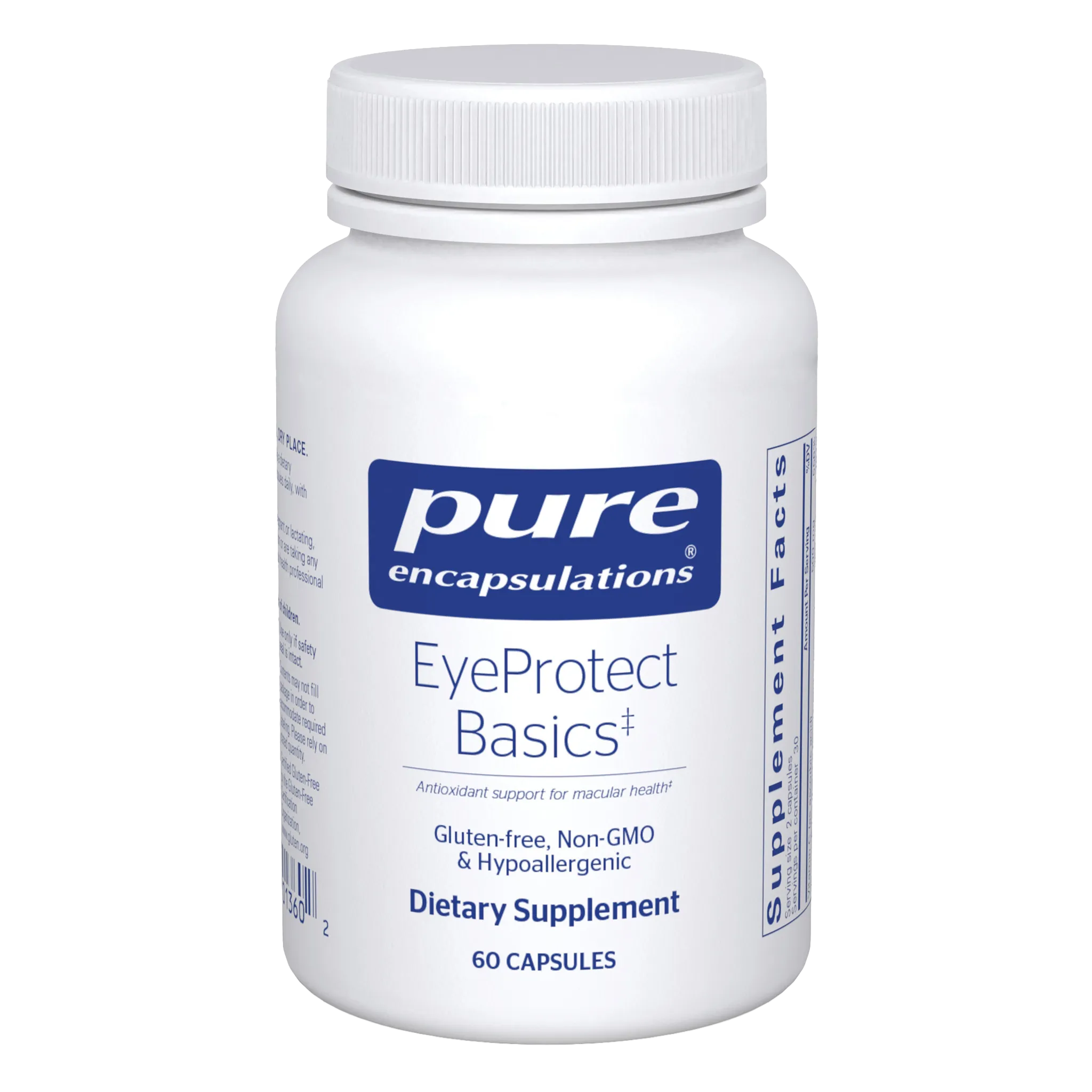
EyeProtect Basics is specifically formulated to replenish this macular pigment and support the broader antioxidant capacity of the eye. It provides a clinically researched blend of 10 mg of FloraGLO® lutein and 2 mg of zeaxanthin, alongside essential vitamins and minerals. These compounds are not synthesized by the human body; they must be acquired through diet, primarily from dark leafy greens and brightly colored vegetables. For individuals with chronic illness, gastrointestinal malabsorption, or restricted diets, achieving the high levels of these nutrients required to maintain optimal macular density can be incredibly challenging without targeted supplementation.
The Synergistic Antioxidant Network
Beyond lutein and zeaxanthin, EyeProtect Basics includes a robust network of supportive antioxidants: vitamin C (500 mg), vitamin E (268 mg), zinc (25 mg), and copper (2 mg). This specific combination is not arbitrary; it is modeled after the formulations used in large-scale, landmark clinical trials designed to protect the aging eye. These ingredients work in a highly coordinated, synergistic manner to neutralize free radicals before they can damage the delicate photoreceptor cells (the rods and cones) of the retina.
Vitamin C (ascorbic acid) is a potent water-soluble antioxidant that circulates in the aqueous humor of the eye, intercepting free radicals in the fluid compartments. Vitamin E (d-alpha tocopherol), on the other hand, is a fat-soluble antioxidant that embeds itself within the lipid-rich cell membranes of the retina. When vitamin E neutralizes a free radical, it becomes oxidized and temporarily inactive. Vitamin C then steps in to donate an electron back to vitamin E, "recharging" it so it can continue to protect the cellular membranes. This elegant biochemical recycling system is crucial for maintaining continuous protection against oxidative stress.
Zinc and copper play a different but equally vital structural and enzymatic role. Zinc is highly concentrated in the eye, particularly in the retina and the choroid (the vascular layer beneath the retina). It is an essential cofactor for superoxide dismutase (SOD), one of the body's most powerful endogenous antioxidant enzymes. SOD acts as a primary defense mechanism, converting highly toxic superoxide radicals into less harmful molecules. Because high doses of zinc can competitively inhibit the absorption of copper in the gastrointestinal tract, copper is included in the formula to help avoid any potential mineral imbalances, ensuring that the body's complex enzymatic pathways continue to function smoothly.
Free-Form Lutein and Zeaxanthin
The specific forms of the ingredients in a supplement dictate how effectively they can be utilized by the body. EyeProtect Basics utilizes FloraGLO® lutein, which is a "free-form" (unesterified) lutein. In nature, lutein is often bound to fatty acids, forming lutein esters. The human digestive system must use pancreatic enzymes and bile salts to cleave these fatty acids away before the lutein can be absorbed. FloraGLO® lutein has already undergone a specialized process to remove these fatty acids, presenting the lutein in the exact free form found in human blood and the macula.
This distinction is particularly important for individuals with conditions like Long COVID or ME/CFS, who frequently experience gastrointestinal dysmotility, exocrine pancreatic insufficiency, or general malabsorption issues. By providing lutein in a form that bypasses the need for enzymatic cleavage in the gut, the supplement ensures that these critical protective compounds can be efficiently absorbed into the bloodstream and transported across the blood-retina barrier, directly to where they are needed most.
How Long COVID and Dysautonomia Impact Vision
Retinal Microvascular Damage and "Oculomics"
The connection between systemic post-viral illness and vision problems is becoming increasingly clear, thanks to the emerging field of oculomics. The retina is the only place in the human body where we can directly, non-invasively visualize the microvascular system (the network of tiny capillaries that deliver blood to tissues). Recent research has demonstrated that the systemic vascular issues seen in Long COVID—such as endothelial dysfunction and the formation of fibrin amyloid microclots—are actively occurring in the eyes as well.
Advanced imaging techniques, specifically Optical Coherence Tomography Angiography (OCTA), have revealed profound structural changes in the retinas of Long COVID patients. A 2023 study found a significant reduction in blood vessel density within the deep capillary plexus of the retina in non-hospitalized Long COVID patients. Furthermore, multiple studies have documented an enlargement of the Foveal Avascular Zone (FAZ)—the capillary-free area in the center of the macula. This enlargement of the FAZ has been directly correlated with the severity of a patient's systemic fatigue, suggesting that the microvascular starvation occurring in the eye mirrors the microvascular starvation occurring in the brain and muscles.
When these tiny retinal blood vessels are damaged or blocked by microclots, the surrounding retinal tissue is deprived of oxygen (hypoxia). This hypoxic state triggers a massive increase in localized oxidative stress, accelerating the degradation of the delicate photoreceptor cells and the retinal nerve fiber layer. This structural damage is a key driver behind the blurred vision, difficulty focusing, and visual fatigue that so many patients experience. If you want to understand more about the systemic vascular impacts of this condition, you can read our detailed guide on What Causes Long COVID?.
Autonomic Dysfunction and Photophobia
Beyond structural vascular damage, vision is heavily regulated by the autonomic nervous system (ANS). The ANS controls pupil dilation, tear production, and the intricate muscles responsible for eye tracking and focus. In conditions like dysautonomia (including Postural Orthostatic Tachycardia Syndrome, or POTS) and ME/CFS, the ANS is in a state of chronic dysregulation. This autonomic failure is the primary mechanism behind one of the most debilitating visual symptoms: severe light sensitivity, or photophobia.
In a healthy individual, the pupils constrict rapidly when exposed to bright light, protecting the retina from photo-oxidative damage. However, studies on ME/CFS and dysautonomia patients frequently reveal pupillary dysfunction. Patients often exhibit a sluggish pupillary response, a rhythmic contraction and dilation under prolonged light, or even a "paradoxical dilation" where the pupil inappropriately widens in bright environments. This allows an overwhelming amount of high-energy light to flood the retina, causing physical pain, glare, and visual snow.
Furthermore, the autonomic nervous system dictates how the brain filters sensory input. The midbrain receives visual signals from the retina and acts as a gatekeeper, filtering out unnecessary background stimuli. In dysautonomia, this neurological filter breaks down, leading to cortical hyperexcitability. The brain becomes overwhelmed by normal ambient light, interpreting it as a noxious, painful stimulus. This sensory overload contributes significantly to the neurological crashes and post-exertional malaise (PEM) seen in these conditions. To learn more about the intersection of these illnesses, explore our article on Can Long COVID Trigger ME/CFS? Unraveling the Connection.
Oxidative Stress and Neuroinflammation in the Eye
Both Long COVID and ME/CFS are characterized by profound, systemic oxidative stress and mitochondrial dysfunction. A recent 2025 study highlighted that oxidative stress is a shared characteristic of both conditions, driving T-cell hyperproliferation and mitochondrial lipid oxidative damage. Because the retina is incredibly rich in mitochondria and polyunsaturated fatty acids, it is highly susceptible to this systemic redox imbalance.
When the body's endogenous antioxidant defenses are depleted by chronic viral infection or persistent immune activation, reactive oxygen species run rampant in the retinal tissue. This unchecked oxidative stress activates inflammatory pathways, such as the NF-κB pathway, leading to the release of pro-inflammatory cytokines (like IL-6 and TNF-alpha) directly into the ocular environment. This localized neuroinflammation further degrades the retinal pigment epithelium (RPE), the layer of cells responsible for nourishing the visual photoreceptors. The resulting vicious cycle of hypoxia, oxidative damage, and inflammation creates an environment where the structural integrity of the macula is severely compromised, necessitating aggressive antioxidant support.
EyeProtect Basics: Supporting Retinal and Macular Health
Optical Filtration and the "Internal Sunglasses" Effect
EyeProtect Basics delivers a concentrated dose of lutein and zeaxanthin, which act as the first line of defense against the visual symptoms exacerbated by chronic illness. Once these carotenoids cross the blood-retina barrier, they accumulate densely in the macula, arranging themselves transversely across the lipid bilayers of the retinal cell membranes. In this specific orientation, they function as highly effective optical filters, often described as "internal sunglasses."
These macular pigments heavily absorb high-energy, short-wavelength blue light (400–500 nm). By physically filtering this phototoxic radiation before it can reach the delicate photoreceptors and the retinal pigment epithelium (RPE), lutein and zeaxanthin may help reduce the initial formation of reactive oxygen species (ROS). For patients with dysautonomia or ME/CFS who suffer from severe photophobia due to pupillary dysfunction, bolstering this internal filtration system is crucial. While it cannot cure the underlying autonomic nerve damage, increasing the macular pigment optical density (MPOD) helps mitigate the sheer volume of phototoxic light that penetrates the retina, potentially reducing glare sensitivity and visual discomfort.
Neutralizing Reactive Oxygen Species and Lipid Peroxidation
Beyond acting as physical light filters, the ingredients in EyeProtect Basics are potent chemical antioxidants. The retina is densely packed with polyunsaturated fatty acids (PUFAs), particularly docosahexaenoic acid (DHA), which are essential for maintaining the fluidity and function of retinal cell membranes. However, DHA is highly susceptible to lipid peroxidation—a destructive chain reaction initiated by free radicals that literally tears the cell membrane apart. This process is heavily accelerated by the systemic oxidative stress seen in Long COVID and ME/CFS.
Lutein, zeaxanthin, and vitamin E work together to halt this destruction. Their unique molecular structures, featuring long chains of conjugated double bonds, allow them to easily donate electrons to unstable free radicals (such as superoxide and hydrogen peroxide) without becoming unstable themselves. Lutein localizes specifically to the membrane domains rich in DHA, acting as a targeted shield against lipid peroxidation. By preserving the structural integrity of these membranes, the supplement ensures that the photoreceptor cells can continue to transmit clear visual signals to the brain, helping to combat the blurred vision and visual fatigue associated with chronic neuroinflammation.
Modulating the Nrf2 Inflammatory Pathway
The therapeutic benefits of lutein and zeaxanthin extend deep into cellular genetics. Oxidative stress inherently triggers inflammation, which accelerates retinal degeneration. Lutein has been shown to disrupt this inflammatory cascade by promoting the nuclear translocation of Nrf2 (Nuclear factor erythroid 2-related factor 2). Nrf2 is a master transcription factor that, when activated, binds to the Antioxidant Response Element (ARE) in the DNA, upregulating the body's production of its own endogenous antioxidant enzymes, including Heme Oxygenase-1 (HO-1) and glutathione.
Simultaneously, lutein inhibits the NF-κB pathway, a primary driver of inflammation that is often chronically activated in post-viral conditions. By downregulating NF-κB, lutein suppresses the release of pro-inflammatory cytokines such as IL-1β, IL-6, and TNF-α within the ocular tissue. This dual action—boosting the body's natural antioxidant defenses while actively suppressing inflammatory signaling—provides a profound level of neuroprotection for the retina, helping to shield the delicate nerve fibers from the systemic immune dysregulation characteristic of Long COVID. If you are navigating the complexities of these symptoms, you may find our guide on What Are the Symptoms of Long COVID? helpful.
Restoring Mineral Balance with Zinc and Copper
The inclusion of zinc and copper in EyeProtect Basics provides essential structural support for the eye's enzymatic defense systems. Zinc is a critical cofactor for over 300 enzymes in the body, including those required for the synthesis of retinol-binding protein, which transports vitamin A from the liver to the retina. In the eye, zinc is highly concentrated in the RPE, where it interacts with taurine to modify photoreceptor plasma membranes and regulate the light-rhodopsin reaction.
Because chronic illness often depletes essential intracellular minerals, supplementing with bioavailable zinc citrate ensures that the retina has the raw materials it needs to maintain these critical visual pathways. Furthermore, the precise 25 mg dose of zinc is carefully balanced with 2 mg of copper glycinate. High doses of zinc can upregulate the production of metallothionein in the gut, a protein that binds copper and prevents its absorption, leading to a secondary copper deficiency. By including copper in a highly bioavailable glycinate form, EyeProtect Basics maintains optimal mineral homeostasis, ensuring that both zinc-dependent and copper-dependent antioxidant enzymes (like Cu/Zn Superoxide Dismutase) can function at peak efficiency to protect the macula.

Symptoms EyeProtect Basics May Help Manage
While EyeProtect Basics is not a cure for systemic autonomic dysfunction or post-viral illness, its clinically researched blend of macular antioxidants and essential minerals targets the localized oxidative stress and structural vulnerabilities in the eye. By fortifying the retina's defenses, this supplement may help manage several distressing visual symptoms associated with these complex conditions:
Light Sensitivity (Photophobia): By increasing the density of the macular pigment (lutein and zeaxanthin), the supplement acts as an "internal sunglass" filter, absorbing high-energy blue light before it hits the photoreceptors. This can help reduce the pain, glare, and sensory overload caused by the pupillary dysfunction common in dysautonomia.
Visual Fatigue and Screen Intolerance: The potent antioxidant network (vitamins C and E, zinc) neutralizes the reactive oxygen species generated by prolonged exposure to digital screens and ambient light, helping to preserve cellular ATP and reduce the rapid exhaustion of the eye muscles and retinal nerves.
Blurred Vision and Focus Issues: By helping to protect against the lipid peroxidation of DHA in the retinal cell membranes, lutein and zeaxanthin help maintain the structural integrity and fluidity of the macula, which is essential for sharp, detailed central vision and accurate gaze stabilization.
Visual Snow and "Static": While visual snow is heavily linked to cortical hyperexcitability in the brain, reducing localized neuroinflammation and oxidative stress in the retina via the Nrf2 pathway may help improve the quality of the visual signals being sent through the optic nerve, potentially reducing the intensity of visual static.
Delayed Glare Recovery: The macular pigments supported by this formula are critical for the visual cycle—the process by which photoreceptors recover after being bleached by bright light (like oncoming headlights). Replenishing these pigments can significantly improve the time it takes for vision to return to normal after a bright flash.
Dry Eye Discomfort: While not a direct tear-producer, the systemic reduction of oxidative stress and the support of healthy cellular membranes can help mitigate the chronic ocular surface inflammation that often accompanies the reduced tear production seen in autonomic failure.
Practical Considerations: Forms, Dosing, and Absorption
The Bioavailability of FloraGLO® Lutein
When selecting a vision supplement, the bioavailability of the active ingredients is just as crucial as the dosage. EyeProtect Basics features FloraGLO® lutein, which is widely considered the industry gold standard for absorption. As discussed earlier, FloraGLO® is a 100% "free-form" (unesterified) lutein. Because it does not require enzymatic cleavage by pancreatic lipases in the gut, it is significantly easier for the body to absorb, particularly for patients with the gastrointestinal dysmotility or malabsorption issues frequently seen in ME/CFS and Long COVID.
Furthermore, FloraGLO® utilizes proprietary Actilease® microencapsulation technology. Lutein is naturally a fat-soluble molecule, which can make it difficult to absorb in the water-based environment of the digestive tract. The microencapsulation process breaks the free lutein down into microscopic particles and coats them in a water-soluble matrix. Clinical trials have demonstrated that this specific microencapsulated form results in a 169% increase in blood lutein biomarkers compared to standard lutein supplements, ensuring that the nutrient successfully reaches the retina to increase macular pigment density.
Optimal Dosing and the AREDS2 Standard
The ingredient dosages in EyeProtect Basics are heavily influenced by the landmark Age-Related Eye Disease Study 2 (AREDS2). This massive clinical trial established the optimal daily ratio of macular antioxidants: 10 mg of lutein to 2 mg of zeaxanthin. EyeProtect Basics provides exactly this clinically validated 5:1 ratio, ensuring that the macula receives the precise balance of carotenoids required for maximum optical filtration and antioxidant defense.
The supplement also provides 25 mg of zinc (as zinc citrate). While the original AREDS trials tested higher doses of zinc (up to 80 mg), subsequent analyses revealed that lower doses of 25 mg were equally effective at supporting retinal health, while significantly reducing the risk of gastrointestinal upset and nausea that often accompany high-dose zinc supplementation. This makes the 25 mg dose in EyeProtect Basics much more tolerable for patients with sensitive stomachs or chronic nausea.
Timing, Absorption Tips, and Safety
The suggested use for EyeProtect Basics is two capsules daily. Because lutein, zeaxanthin, and vitamin E are fat-soluble nutrients, it is highly recommended to take this supplement alongside a meal that contains healthy fats (such as avocado, olive oil, nuts, or fatty fish). The presence of dietary fat stimulates the release of bile, which creates micelles that further enhance the transport and absorption of these critical antioxidants across the intestinal wall.
When it comes to safety, this formulation is exceptionally well-tolerated. A key advancement in the AREDS2 research was the removal of beta-carotene, which had been linked to an increased risk of lung cancer in smokers. By utilizing lutein and zeaxanthin instead of beta-carotene, EyeProtect Basics provides safe, effective antioxidant support for all individuals, regardless of their smoking history. Furthermore, the inclusion of copper glycinate helps mitigate the risk of zinc-induced copper deficiency. As with any new supplement regimen, especially for those managing complex conditions or taking multiple medications, it is essential to consult with your healthcare provider before starting to ensure it aligns with your comprehensive treatment plan. For more on navigating treatment options, see our post on What Drugs Are Used for COVID Long Haulers?.

Follow the Science
The Landmark AREDS2 Clinical Trial
The foundation of the EyeProtect Basics formulation rests on the Age-Related Eye Disease Study 2 (AREDS2), a massive, multicenter, randomized, double-blind clinical trial sponsored by the National Eye Institute (NEI). Tracking over 4,000 participants over a five-year period, the study sought to determine the most effective combination of antioxidants for protecting the macula from degenerative damage. The trial conclusively proved that a specific combination of lutein (10 mg), zeaxanthin (2 mg), vitamin C, vitamin E, zinc, and copper reduced the relative risk of progressing to advanced macular degeneration by approximately 25%.
A subsequent 10-year epidemiological follow-up study published in JAMA Ophthalmology in 2022 confirmed the long-term safety and efficacy of this specific formulation. The researchers noted that substituting lutein and zeaxanthin for beta-carotene not only eliminated the lung cancer risks associated with the original AREDS formula but actually provided a 10% to 20% incremental increase in protective benefits for the retina. This robust, long-term data underscores the critical importance of these specific nutrients in maintaining the structural integrity of the eye against chronic oxidative stress.
Emerging Research on Retinal Biomarkers in Long COVID
While the AREDS2 trials focused on age-related degeneration, modern researchers are now applying these findings to the vascular damage seen in post-viral conditions. A 2025 meta-analysis on Long COVID retinal microvascular changes confirmed that patients exhibit a long-term reduction in the density of the deep capillary plexus of the retina. This microvascular starvation leads directly to localized hypoxia and severe oxidative stress within the ocular tissue.
Furthermore, researchers are exploring the role of mitochondrial reactive oxygen species (mtROS) as a unifying mechanism in Long COVID and ME/CFS. The retina, being highly dense in mitochondria, is particularly vulnerable to this mtROS-driven damage. By supplying the eye with high doses of targeted antioxidants like lutein, zeaxanthin, and zinc—which actively modulate the Nrf2 pathway and scavenge free radicals—clinicians hope to mitigate this localized mitochondrial damage, preserve the retinal nerve fiber layer, and alleviate the visual fatigue and photophobia that plague so many patients.
Bioavailability Studies on Microencapsulated Lutein
The efficacy of any supplement relies entirely on its ability to reach the target tissue. The FloraGLO® lutein used in EyeProtect Basics has been the subject of extensive pharmacokinetic research. A randomized, double-blind crossover study comparing microencapsulated free-form lutein to standard lutein preparations found that the microencapsulated form (utilizing Actilease technology) increased blood lutein levels by 169.7% from baseline, compared to just 34.5% for the standard form.
Additionally, a clinical trial published in PLOS One tracked the actual accumulation of this lutein in the human eye. The researchers measured the Macular Pigment Optical Density (MPOD) of subjects taking 10 mg of FloraGLO® lutein and found that "retinal responders" experienced an average MPOD increase of 46%. This data proves that the specific form of lutein used in EyeProtect Basics is not only absorbed efficiently into the bloodstream but successfully crosses the blood-retina barrier to physically thicken the protective pigment layer in the macula.
The Path Forward
Validating Your Visual Symptoms
If you are living with Long COVID, ME/CFS, or dysautonomia, it is crucial to know that your visual symptoms are valid, real, and rooted in measurable physiological changes. The blurred vision, the agonizing light sensitivity, and the inability to focus on a screen are not in your head—they are the direct result of systemic microvascular damage, autonomic nervous system dysregulation, and profound oxidative stress impacting the delicate structures of your eyes. For many patients, simply understanding the biological mechanisms behind these symptoms can provide a profound sense of relief and validation. If you are wondering about the trajectory of these symptoms, you might find our article on Do Long COVID Symptoms Come and Go? insightful.
A Comprehensive Approach to Eye Health
Managing these complex visual symptoms requires a comprehensive, multi-faceted approach. While pacing, managing your underlying dysautonomia, and utilizing tools like FL-41 tinted glasses are essential strategies, providing your body with the targeted nutritional support it needs to defend itself at a cellular level is equally important. EyeProtect Basics offers a clinically researched, highly bioavailable blend of the exact antioxidants and minerals the retina requires to neutralize free radicals, filter phototoxic light, and maintain its structural integrity against systemic inflammation.
By replenishing your macular pigment with free-form lutein and zeaxanthin, and supporting your enzymatic defenses with synergistic vitamins and minerals, you are actively giving your eyes the tools they need to navigate the heavy oxidative burden of chronic illness. As always, supplements are just one piece of the puzzle. We encourage you to discuss EyeProtect Basics with your healthcare provider to ensure it fits seamlessly into your personalized management plan, helping you protect your vision and improve your daily quality of life.
Sources
Association of foveal avascular zone (FAZ) enlargement with SARS-CoV-2 infection and long COVID-19
Visual dysfunction in ME/CFS and Dysautonomia (Pupillary Dysfunction)
Oxidative stress is a shared characteristic of ME/CFS and Long COVID
Dysregulation of lipid metabolism, energy production, and oxidative stress in ME/CFS
FloraGLO Lutein Bioavailability and Microencapsulation Studies
New Study Confirms Efficacy of AREDS2 Eye Supplement (Beta-Carotene Safety)
Retinal microvascular changes in patients recovered from COVID-19: A meta-analysis
Mitochondrial Reactive Oxygen Species: A Unifying Mechanism in Long COVID
PLOS One: Changes in Macular Pigment Optical Density with Lutein Supplements