Can Vitamin C and Flavonoids Support Immune and Vascular Health in Long COVID and MCAS?
March 5, 2026
Essential-C & FlavonoidsLong COVIDMCAS
Share:
Disclaimer: The information provided here is for educational purposes only and is not intended as medical advice. It should not be used to diagnose, treat, cure, or prevent any medical condition. Instead, use it as a starting point for discussion with your healthcare provider. Always consult with a qualified healthcare provider before starting any new medication, supplement, device, or making changes to your health regimen.
In the wake of a viral infection, many patients find themselves trapped in a bewildering maze of lingering symptoms. Long after the initial acute phase of the virus has passed, debilitating fatigue, brain fog, erratic heart rates, and sudden allergic reactions can persist, profoundly altering daily life. For individuals navigating complex chronic conditions like Long COVID, myalgic encephalomyelitis/chronic fatigue syndrome (ME/CFS), and mast cell activation syndrome (MCAS), the search for underlying causes often points to a chaotic interplay of immune dysregulation and vascular damage. The body’s natural defense systems remain locked in a state of high alert, depleting essential nutrients and driving a continuous cycle of inflammation that leaves patients feeling exhausted and misunderstood.
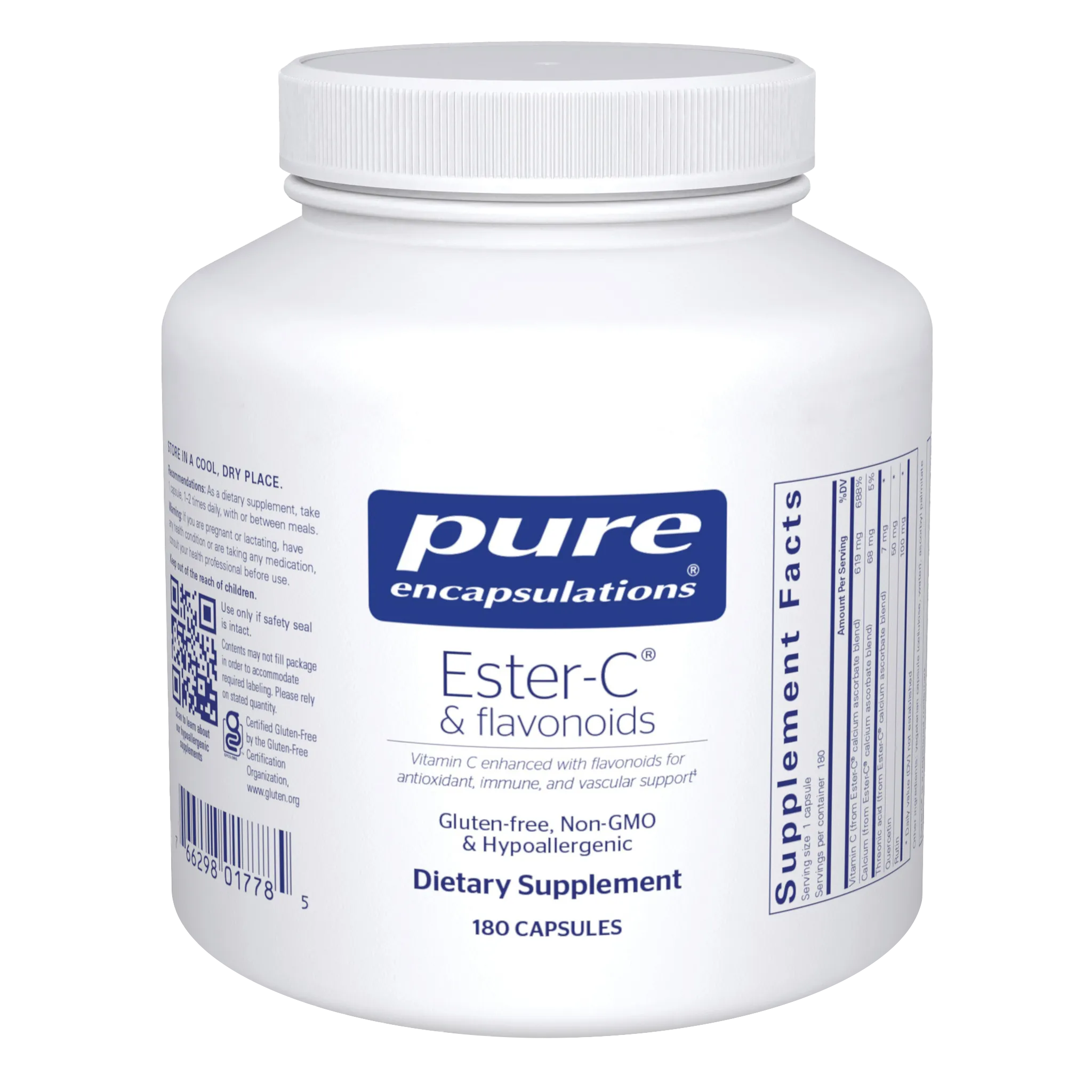
Addressing this complex web of dysfunction requires targeted, science-backed nutritional support. Enter Essential-C & Flavonoids, a specialized supplement that combines highly bioavailable Vitamin C with the potent plant flavonoids quercetin and rutin. By targeting oxidative stress, supporting the integrity of blood vessels, and stabilizing hyperactive mast cells, this unique formulation offers a multi-pronged approach to cellular healing. In this comprehensive guide, we will explore the intricate biological mechanisms behind these ingredients, how chronic illness disrupts these pathways, and how targeted supplementation may help you reclaim your health and improve your quality of life.
TL;DR
Essential-C & Flavonoids combines Vitamin C, quercetin, and rutin to support cellular healing and immune balance.
These ingredients combat oxidative stress and protect blood vessels from endothelial dysfunction in chronic conditions.
Quercetin acts as a natural mast cell stabilizer, which may help manage unpredictable MCAS symptoms.
Targeted nutritional support, alongside pacing and medical therapies, can aid recovery in Long COVID and ME/CFS.
What is Essential-C & Flavonoids?
The Role of Vitamin C in Cellular Health
Vitamin C, or ascorbic acid, is a foundational water-soluble nutrient that plays a critical role in maintaining the structural integrity and immune capacity of a healthy body. At a molecular level, Vitamin C acts as a potent electron donor, which makes it one of the body's primary circulating antioxidants. By donating electrons, it neutralizes highly reactive molecules known as free radicals or reactive oxygen species (ROS) before they can damage cellular DNA, lipids, and proteins. This electron-donating capacity also allows Vitamin C to recycle other essential antioxidants, such as Vitamin E, back into their active states, creating a robust defense network against cellular stress.
Beyond its antioxidant capabilities, Vitamin C is an indispensable enzymatic cofactor in several vital biochemical pathways. Most notably, it is required for the function of prolyl hydroxylase and lysyl hydroxylase, the enzymes responsible for synthesizing and stabilizing collagen. Collagen is the primary structural protein that forms the scaffolding of our skin, bones, and, crucially, the endothelial lining of our blood vessels. Without adequate Vitamin C, this collagen matrix weakens, leading to fragile blood vessels and impaired vascular tone. Furthermore, research demonstrates that Vitamin C acts as a cofactor in the degradation of Hypoxia-Inducible Factor 1-alpha (HIF-1α), a protein that, when left unchecked, drives chronic inflammation and immune dysregulation.
The Power of Bioflavonoids: Quercetin and Rutin
Flavonoids are a diverse group of phytonutrients (plant chemicals) found in many fruits and vegetables, renowned for their intense antioxidant and anti-inflammatory properties. Quercetin is perhaps the most well-researched of these compounds. At the cellular level, quercetin functions as a powerful immunomodulator and a natural mast cell stabilizer. It works by integrating into the lipid bilayers of cell membranes, where it helps regulate the signaling pathways that trigger immune responses. Specifically, quercetin moderates the metabolism of leukotrienes and prostaglandins—lipid compounds that mediate inflammation and allergic reactions—thereby calming an overactive immune system.
Rutin, a glycoside that combines quercetin with the disaccharide rutinose, offers complementary but distinct benefits, particularly for the cardiovascular system. While quercetin excels at modulating immune cells, studies indicate that rutin is exceptionally effective at protecting the vascular endothelium. It achieves this by downregulating Nox4, an enzyme that generates harmful reactive oxygen species within blood vessels, and by blocking the ROS-sensitive NLRP3 inflammasome, a multiprotein complex that triggers severe cellular inflammation. By inhibiting these pathways, rutin helps maintain the structural integrity of capillaries and promotes healthy, unobstructed blood flow throughout the body.
The Synergy of Antioxidant Defense
The combination of Vitamin C, quercetin, and rutin in Essential-C & Flavonoids is not coincidental; these compounds exhibit profound biochemical synergy. While Vitamin C works in the aqueous (water-based) environments of the blood and cellular fluid to scavenge free radicals, the lipophilic (fat-soluble) properties of flavonoids allow them to protect the lipid membranes of the cells themselves. Together, they form a comprehensive shield against oxidative damage.
Furthermore, flavonoids actually enhance the absorption and utilization of Vitamin C within the body. They protect the fragile ascorbate molecules from being prematurely oxidized in the digestive tract and bloodstream, ensuring that a higher concentration of active Vitamin C reaches the tissues that desperately need it. This synergistic relationship mimics how these nutrients naturally occur in whole foods, maximizing their therapeutic potential for individuals dealing with severe nutrient depletion and chronic metabolic stress.
How Long COVID and MCAS Impact the Immune and Vascular Systems
Oxidative Stress and the Depletion of Antioxidants
To understand how What Causes Long COVID? and ME/CFS to persist, we must examine the concept of oxidative stress. When the body is invaded by a pathogen like SARS-CoV-2, the immune system intentionally generates reactive oxygen species (ROS) as a weapon to destroy the virus. In a healthy recovery, once the threat is neutralized, the body's endogenous antioxidants (like glutathione and Vitamin C) step in to "mop up" these free radicals, restoring balance. However, in complex chronic illnesses, this system fails. The immune system remains locked in a hyperactive state, continuously producing massive amounts of ROS.
This relentless production of free radicals rapidly depletes the body’s natural antioxidant stores. As Vitamin C and other protective molecules are exhausted, a state of severe "redox imbalance" occurs. The unneutralized free radicals begin to attack the body's own tissues, damaging mitochondrial membranes and impairing the production of adenosine triphosphate (ATP), the primary energy currency of the cell. This mitochondrial dysfunction is a primary driver of the profound, debilitating fatigue and post-exertional malaise (PEM) experienced by patients, creating a vicious cycle where the body lacks the energy to repair the very damage causing the exhaustion.
Endothelial Dysfunction and Fibrinaloid Microclots
One of the most devastating consequences of this unchecked oxidative stress is its impact on the cardiovascular system, specifically the endothelium. The endothelium is the delicate, one-cell-thick inner lining of our blood vessels. Recent research highlights that in Long COVID, the viral spike protein and chronic inflammation cause severe endothelial dysfunction. The protective layer of the blood vessels, known as the endothelial glycocalyx, is stripped away, leading to a loss of vascular tone and a condition known as "leaky blood vessels."
This endothelial damage triggers a hypercoagulable state. The body, sensing injury to the blood vessel walls, initiates the clotting cascade. However, due to the presence of inflammatory proteins and viral remnants, these clots form abnormally. They develop into "fibrinaloid microclots"—microscopic, highly inflammatory clots that are resistant to the body's normal breakdown processes. As discussed in our guide on Can A.I. Enzymes Help Manage Joint Pain and Microclots in Long COVID and ME/CFS?, these microclots physically block the tiny capillaries, preventing oxygen and vital nutrients from reaching the brain, muscles, and organs. This chronic tissue hypoxia (lack of oxygen) directly contributes to brain fog, muscle pain, and severe exercise intolerance.
Mast Cell Activation Syndrome (MCAS) and Histamine Overload
Parallel to vascular damage, chronic viral infections frequently trigger severe immune dysregulation, prominently featuring mast cells. Mast cells are the sentinels of the immune system, stationed in tissues throughout the body, particularly in the gut, skin, and respiratory tract. When functioning normally, they release chemical mediators like histamine, tryptase, and leukotrienes to orchestrate a localized immune response. However, as detailed in our article on Autoimmunity and Immune Dysregulation in Long COVID, the persistent inflammation of Long COVID can cause these cells to become hypersensitive and unstable.
This condition, known as Mast Cell Activation Syndrome (MCAS), means that mast cells begin to degranulate (release their inflammatory contents) inappropriately in response to everyday triggers like food, temperature changes, or mild stress. The resulting flood of histamine and leukotrienes causes systemic havoc, leading to symptoms such as sudden flushing, rapid heart rate (tachycardia), gastrointestinal distress, and profound neurological inflammation. Studies confirm that this constant barrage of inflammatory mediators further damages the endothelium and exacerbates oxidative stress, tightly linking MCAS, endothelial dysfunction, and Long COVID in a self-perpetuating loop of chronic illness.
Essential-C & Flavonoids: Supporting Immune and Vascular Recovery
Reversing Endothelial Damage with Vitamin C and Rutin
Essential-C & Flavonoids is specifically formulated to interrupt the vicious cycles of oxidative stress and vascular damage. The high-dose, bioavailable Vitamin C acts as a direct intervention for endothelial dysfunction. By flooding the bloodstream with electron donors, Vitamin C rapidly neutralizes the reactive oxygen species that are actively destroying the endothelial glycocalyx. Furthermore, Vitamin C is essential for the synthesis of nitric oxide (NO) in the blood vessels. Nitric oxide is a crucial signaling molecule that tells the blood vessels to relax and dilate, improving blood flow and reducing the cardiovascular strain often seen in dysautonomia and POTS.
Rutin works synergistically with Vitamin C to fortify the vascular walls. Clinical literature indicates that rutin potently suppresses the ROS-sensitive NLRP3 inflammasome and reduces the expression of inflammatory proteins like IL-1β. By blocking these inflammatory pathways, rutin helps protect against endothelial dysfunction and maintain vascular health. This stabilization prevents inflammatory cytokines and immune cells from inappropriately migrating into surrounding tissues, thereby reducing systemic swelling, joint pain, and neuroinflammation. Together, Vitamin C and rutin provide the necessary biochemical tools for the body to physically repair the damaged vascular scaffolding.
Stabilizing Mast Cells with Quercetin
For patients battling the unpredictable and debilitating symptoms of MCAS, quercetin offers a targeted, natural mechanism of action. Unlike traditional antihistamines that merely block histamine from binding to receptors after it has been released, quercetin acts upstream. It physically stabilizes the membrane of the mast cell itself. By modulating the intracellular calcium levels required for degranulation, quercetin helps reduce the likelihood of the mast cell breaking open and releasing its inflammatory payload in the first place. This proactive stabilization is crucial for reducing the overall burden of histamine in the body.
Additionally, quercetin directly inhibits the enzymes lipoxygenase (LOX) and cyclooxygenase (COX). These are the enzymes responsible for converting arachidonic acid into leukotrienes and prostaglandins—highly potent inflammatory lipids that drive asthma-like symptoms, severe allergic reactions, and pain. By downregulating these specific enzymatic pathways, quercetin helps quiet the systemic immune overreaction. This mechanism makes it an excellent complementary approach to pharmaceutical mast cell stabilizers, as explored in our deep dive on Ketotifen: Unveiling Relief for the Hidden Battles of MCAS, Long COVID, ME/CFS, and Dysautonomia.
Interrupting the Clotting Cascade
The formation of fibrinaloid microclots is a major barrier to recovery in Long COVID and ME/CFS. While enzymes like nattokinase are often used to break down existing clots, the ingredients in Essential-C & Flavonoids may help reduce their continuous formation. Recent research highlights that quercetin can inhibit protein disulfide isomerase (PDI), an enzyme directly involved in platelet-mediated thrombin formation. By inhibiting PDI, quercetin reduces the abnormal stickiness of platelets, making them less likely to aggregate and form microclots in the damaged capillaries.
Furthermore, by resolving the underlying oxidative stress and repairing the endothelium, Vitamin C and rutin remove the biological triggers that initiate the clotting cascade. When the blood vessel walls are smooth, healthy, and free of inflammatory lesions, the body no longer receives the false signal that it is bleeding and needs to form clots. This comprehensive approach—addressing both the immune triggers and the physical vascular damage—is essential for restoring proper oxygen delivery to the brain and muscles, ultimately helping to alleviate post-exertional malaise and brain fog.

Symptoms Essential-C & Flavonoids May Help Manage
Targeted Symptom Relief
Because Essential-C & Flavonoids targets foundational mechanisms like oxidative stress, endothelial health, and mast cell stability, it can help manage a wide array of interconnected symptoms experienced by patients with Long COVID, ME/CFS, and MCAS. By addressing the root causes of cellular dysfunction, this supplement supports the body's natural healing processes across multiple systems.
Here are the specific symptoms that the ingredients in Essential-C & Flavonoids may help alleviate:
Brain Fog and Cognitive Dysfunction: By supporting endothelial health and reducing the formation of microclots, Vitamin C and rutin help restore proper cerebral blood flow, delivering essential oxygen and nutrients to the brain.
Severe Fatigue and Post-Exertional Malaise (PEM): Neutralizing massive amounts of reactive oxygen species protects mitochondrial function, allowing cells to resume normal ATP (energy) production without being damaged by oxidative stress.
Unpredictable Allergic Reactions and Flushing: Quercetin acts as a potent mast cell stabilizer, helping to reduce the inappropriate release of histamine and leukotrienes that drive sudden skin flushing, itching, and allergic-type responses.
Shortness of Breath and Chest Tightness: By supporting nitric oxide production and reducing vascular inflammation, Vitamin C helps relax blood vessels and improve oxygen exchange in the pulmonary capillaries.
Gastrointestinal Distress: Stabilizing mast cells in the gut lining with quercetin can reduce the localized inflammation and histamine release that causes bloating, cramping, and food sensitivities common in MCAS.
Joint and Muscle Pain: The comprehensive antioxidant action of Vitamin C, combined with the inhibition of inflammatory prostaglandins by quercetin, helps reduce systemic inflammation that manifests as widespread musculoskeletal pain.
Systemic and Immunological Benefits
Beyond immediate symptom relief, the long-term use of highly bioavailable Vitamin C and flavonoids supports broader immunological resilience. By helping to reduce the depletion of endogenous antioxidants, these nutrients help the immune system return to a state of homeostasis, rather than remaining locked in chronic hyper-activation. This is particularly relevant when considering Can Long COVID Trigger ME/CFS? Unraveling the Connection, as stabilizing the immune response is critical to helping to reduce the risk of progression of post-viral syndromes into lifelong neuroimmune conditions.
Furthermore, the vascular support provided by rutin and Vitamin C is essential for patients managing dysautonomia and POTS. By improving the structural integrity of the blood vessels and enhancing vascular tone, these nutrients help the cardiovascular system respond more effectively to changes in posture, potentially reducing the severity of dizziness, lightheadedness, and rapid heart rate spikes associated with orthostatic intolerance.
Practical Considerations: Forms, Dosing, and Absorption
The ChelaMax® Advantage: Superior Bioavailability
A significant challenge in nutritional supplementation, particularly with Vitamin C, is bioavailability—the actual amount of the nutrient that survives digestion and enters the bloodstream. Standard ascorbic acid is highly susceptible to degradation by stomach acid and rapid clearance by the liver. Essential-C & Flavonoids utilizes ChelaMax® calcium ascorbate, a scientifically formulated compound designed to overcome these exact limitations through a process called mineral chelation.
In the ChelaMax® formulation, the Vitamin C molecule is chemically bound to a calcium ion at multiple points, creating a stable, protective organic ring structure. Industry data confirms that this chelated shell allows the nutrient to survive the harsh, acidic environment of the stomach intact. Because it remains stable and soluble, it passes easily through the microscopic structures of the small intestine, achieving an absolute bioavailability significantly higher than standard non-chelated mineral salts. To ensure this high standard, ChelaMax® undergoes rigorous 3-step verification, including X-ray Diffraction and Fourier Transform Infrared Spectroscopy, to guarantee that the molecules are fully chelated and will deliver maximum absorption.
Overcoming Gastrointestinal Intolerance
For patients with ME/CFS, Long COVID, and MCAS, gastrointestinal sensitivity is a major hurdle. Standard ascorbic acid is highly acidic (low pH), and taking the therapeutic doses required to combat severe oxidative stress often leads to severe stomach upset, acid reflux, cramping, and diarrhea. This GI distress can trigger further mast cell activation in the gut, exacerbating the very symptoms the patient is trying to treat.
Because ChelaMax® calcium ascorbate is a fully buffered, non-acidic form of Vitamin C, it maintains a neutral pH. This makes it exceptionally gentle on the digestive tract, allowing patients with sensitive stomachs or severe gut dysbiosis to tolerate the higher doses necessary for systemic cellular repair. The inclusion of calcium not only buffers the acid but also provides a small, easily absorbed source of a vital mineral, further supporting cellular signaling and bone health without causing the constipation often associated with standard calcium supplements.
Dosing, Timing, and Potential Interactions
The suggested use for Essential-C & Flavonoids is 1 capsule, 1-2 times daily, taken with or between meals. Because Vitamin C is water-soluble, it is generally best absorbed when taken on an empty stomach, but the buffered nature of ChelaMax® means it can be taken with food if preferred. For optimal mast cell stabilization, many functional medicine practitioners recommend taking quercetin-containing supplements about 30 minutes before meals to help preemptively stabilize gut mast cells against potential dietary triggers.
While Vitamin C, quercetin, and rutin are generally recognized as safe and well-tolerated, there are important clinical considerations. Quercetin can interact with certain medications by inhibiting the CYP3A4 enzyme in the liver, which is responsible for metabolizing many common drugs, including certain antihistamines, blood thinners, and cardiovascular medications. This inhibition can cause the medications to remain in the bloodstream longer than intended. Additionally, very high doses of Vitamin C can theoretically increase the risk of kidney stones in susceptible individuals, though buffered forms mitigate this risk. Always consult with your healthcare provider before introducing a new supplement, especially if you are managing a complex chronic illness or taking prescription medications.

Follow the Science
Clinical Trials on Vitamin C and Endothelial Function
The therapeutic potential of Vitamin C in post-viral syndromes is an active area of clinical interest, particularly regarding its connection to endothelial dysfunction and Long COVID. Some clinical observations combining oral Vitamin C with L-Arginine have suggested reductions in Long COVID symptom severity, including asthenia (abnormal physical weakness), dyspnea (shortness of breath), brain fog, and chest tightness, alongside improved tolerance to physical effort.
Furthermore, comprehensive reviews on high-dose Vitamin C highlight its critical role in addressing the hyper-inflammation of COVID-19. The research confirms that viral infections severely deplete systemic Vitamin C levels, leaving the vascular system vulnerable to immune thrombosis (clotting triggered by the immune system) and neuroinflammation. Restoring these levels directly interrupts the immuno-endothelial vicious circle, confirming the necessity of targeted antioxidant therapy in chronic recovery.
Quercetin and Rutin in Viral Recovery and MCAS
The clinical efficacy of flavonoids in modulating the immune response is equally well-documented. Recent clinical trials evaluating oral quercetin for post-viral inflammation demonstrated profound biomarker improvements. In an 80-patient study, individuals receiving quercetin showed a 54.8% drop in C-reactive protein (CRP, a major marker of systemic inflammation) and an 11.9% reduction in D-dimer, a key clinical marker for blood clots and microclotting activity. This data strongly supports quercetin's role in inhibiting the platelet aggregation pathways that drive Long COVID symptoms.
In the context of Mast Cell Activation Syndrome, immunological research highlights that long COVID-19 is deeply associated with mast cell dysregulation. Studies confirm that patients with Long COVID exhibit excessive inflammatory cytokine release identical to MCAS. The literature emphasizes that utilizing mast cell stabilizers like quercetin, alongside mediator synthesis inhibitors, is a crucial therapeutic pathway to alleviate symptoms, reduce systemic complications, and improve the quality of life for those suffering from persistent post-viral immune exhaustion.
Ongoing Research and Future Directions
The scientific community continues to explore the intersections of endothelial senescence, viral persistence, and nutritional interventions. Emerging research models suggest that acute viral infections can induce premature aging (senescence) in endothelial cells, leading to a highly pro-inflammatory and procoagulant state that perfectly mirrors the multisystem features of ME/CFS and Long COVID. As researchers investigate senolytics (compounds that clear senescent cells), powerful flavonoids like quercetin are at the forefront of clinical interest due to their well-documented ability to modulate cellular aging and protect the vascular lining from irreversible damage.
The Path Forward
A Comprehensive Approach to Chronic Illness
Living with complex chronic conditions like Long COVID, ME/CFS, dysautonomia, and MCAS is an incredibly challenging journey. The unpredictable nature of symptoms—from crushing fatigue and brain fog to sudden allergic reactions and racing heart rates—can make you feel as though your body has become an unreliable vessel. It is vital to remember that these symptoms are not in your head; they are the result of measurable, physiological disruptions in your immune and vascular systems. Validating this reality is the first step toward reclaiming your health.
While Essential-C & Flavonoids offers a powerful, science-backed tool for addressing oxidative stress, endothelial dysfunction, and mast cell hyperactivity, it is not a standalone cure. True management of complex chronic illness requires a comprehensive, multi-disciplinary approach. Supplements must be integrated alongside rigorous symptom tracking, aggressive pacing to avoid post-exertional malaise, dietary modifications to support gut health, and targeted medical therapies. By combining highly bioavailable nutrients with holistic lifestyle management, you can begin to rebuild your cellular resilience and interrupt the vicious cycles of inflammation.
Finding the Right Support
Navigating the overwhelming landscape of supplements and treatments can be exhausting, especially when you are already battling severe fatigue. Working with a healthcare provider who deeply understands the nuances of neuroimmune conditions is essential. They can help you tailor your dosing, monitor for potential interactions, and ensure that your nutritional strategy aligns perfectly with your unique biochemical needs and clinical presentation.
If you and your medical team determine that supporting your vascular integrity, neutralizing oxidative stress, and stabilizing your mast cells is the right next step for your recovery journey, high-quality, bioavailable supplementation is key.
Sources
Rutin protects endothelial dysfunction by disturbing Nox4 and ROS-sensitive NLRP3 inflammasome
Immunological dysfunction and mast cell activation syndrome in long COVID
Clinical Approach to Post-acute Sequelae After COVID-19 Infection and Vaccination
Innophos ChelaMax® Proven Mineral Chelation and Bioavailability
Phytochemicals for mitigating the COVID-19 crisis: Quercetin Clinical Data
Virus-Induced Endothelial Senescence as a Cause and Driving Factor for ME/CFS and Long COVID