Can Algae-Derived EPA and DHA Support Cardiovascular Health in Long COVID and Dysautonomia?
March 5, 2026
EPA and DHAAlgal OilLong COVID
Share:
Disclaimer: The information provided here is for educational purposes only and is not intended as medical advice. It should not be used to diagnose, treat, cure, or prevent any medical condition. Instead, use it as a starting point for discussion with your healthcare provider. Always consult with a qualified healthcare provider before starting any new medication, supplement, device, or making changes to your health regimen.
Months or even years after a viral infection, many people find themselves battling a confusing array of debilitating symptoms—from racing heart rates and crushing fatigue to profound brain fog. When you are living with complex chronic conditions like Long COVID, myalgic encephalomyelitis/chronic fatigue syndrome (ME/CFS), or dysautonomia, finding validating answers and effective management strategies can feel like an uphill battle. You might have heard about the benefits of omega-3 fatty acids, but understanding exactly how they work at a cellular level is crucial for making informed decisions about your health.
In the search for therapies that address the root causes of systemic inflammation and cardiovascular strain, eicosapentaenoic acid (EPA) and docosahexaenoic acid (DHA) have emerged as foundational supportive nutrients. While traditionally associated with fish oil, these essential fatty acids actually originate in marine microalgae. By going straight to the source, algal oil provides a sustainable, highly bioavailable, and vegan-friendly way to obtain these critical molecules. But how exactly do EPA and DHA interact with a dysregulated immune system and an overactive autonomic nervous system? Let's explore the science behind algae-derived omega-3s and their role in managing complex chronic illness.
TL;DR
Algae-derived EPA and DHA provide essential building blocks to support cellular health and resolve chronic inflammation.
These omega-3s may help manage autonomic dysfunction by improving heart rate variability and calming the nervous system.
Algal oil offers a highly bioavailable, sustainable, and vegan-friendly alternative to traditional fish oil supplements.
Always consult your healthcare provider before starting high-dose omega-3s, especially if taking blood-thinning medications.
What Are EPA and DHA?
The Essential Building Blocks of Cellular Membranes
To understand how eicosapentaenoic acid (EPA) and docosahexaenoic acid (DHA) function, we must first look at the architecture of our cells. EPA and DHA are long-chain omega-3 polyunsaturated fatty acids (PUFAs). In a healthy body, these molecules are physically incorporated into the phospholipid bilayer—the protective membrane that surrounds every single cell. Their unique, highly flexible molecular structure keeps the cell membrane fluid and dynamic, which is essential for the proper functioning of embedded proteins, ion channels, and receptors. When cells lack adequate EPA and DHA, their membranes become rigid, impairing cellular communication and nutrient transport.
Beyond basic structural support, EPA and DHA play a critical role in organizing "lipid rafts" within the cell membrane. These rafts are specialized microdomains that act as signaling hubs for the immune system. By displacing arachidonic acid (a pro-inflammatory omega-6 fatty acid) from these rafts, EPA and DHA physically interrupt the signaling of Toll-like Receptors (TLRs). This structural alteration helps keep the immune system from overreacting to minor stressors, effectively raising the threshold for inflammatory responses and keeping the body in a state of balanced homeostasis.
The Precursors to Pro-Resolving Mediators
Historically, scientists believed that omega-3s simply "blocked" inflammation, much like an over-the-counter painkiller. However, modern biochemistry has revealed a far more active and sophisticated mechanism. EPA and DHA serve as the raw materials for a class of highly potent, biologically active lipid metabolites known as Specialized Pro-resolving Mediators (SPMs). From EPA, the body synthesizes E-series resolvins, while DHA is converted into D-series resolvins, protectins (including neuroprotectins), and maresins.
These SPMs do not suppress the immune system; rather, they actively signal the body to resolve acute inflammation once a threat has been neutralized. They bind to specific G-protein coupled receptors (such as ALX/FPR2 and GPR32) on the surface of immune cells. This binding reprograms the immune response, halting the influx of inflammatory white blood cells and stimulating macrophages to perform phagocytosis—the process of clearing out cellular debris, dead tissue, and lingering pathogens. Without sufficient EPA and DHA to produce these SPMs, the body struggles to turn off its inflammatory alarms, leading to chronic, smoldering inflammation.
Cardiovascular and Endothelial Regulation
In addition to their immunological roles, EPA and DHA are vital for cardiovascular health. They modulate lipid metabolism in the liver, significantly reducing the production of very-low-density lipoproteins (VLDL) and accelerating the clearance of triglycerides from the bloodstream. High-dose EPA and DHA can reduce serum triglycerides by 15% to 30%, which is crucial for supporting arterial health and maintaining healthy blood flow. Furthermore, once inside the cell, these fatty acids activate a nuclear receptor called PPAR-γ, which physically inhibits NF-κB—the primary transcription factor responsible for switching on pro-inflammatory cytokines like TNF-α and IL-6.
At the level of the blood vessels, EPA and DHA support the endothelium (the inner lining of the arteries). They activate endothelial nitric oxide synthase (eNOS), an enzyme that produces nitric oxide. Nitric oxide is a potent vasodilator, meaning it helps blood vessels relax and expand, improving flow-mediated dilation and arterial compliance. By reducing platelet aggregation and supporting vasodilation, EPA and DHA ensure that oxygen and vital nutrients are efficiently delivered to tissues throughout the body, a process that is often severely compromised in complex chronic illnesses.
How Chronic Illness Impacts Immune and Autonomic Function
The Trap of Unresolved Inflammation in Long COVID
When an individual contracts SARS-CoV-2, the immune system launches a massive inflammatory response to clear the virus. In a healthy recovery, this inflammation is swiftly resolved by SPMs derived from EPA and DHA. However, in Long COVID, researchers believe this resolution pathway becomes fundamentally broken or overwhelmed. Persistent viral remnants, lingering spike proteins, and chronic immune dysregulation keep cellular "fire alarms" like the NLRP3 inflammasome permanently switched on. If you are wondering What Causes Long COVID?, this failure to resolve acute inflammation is a primary driver of the condition's debilitating systemic symptoms.
Because the body is locked in a state of chronic immune activation, it rapidly depletes its stores of EPA and DHA in a desperate attempt to produce enough resolvins and protectins. This depletion creates a vicious cycle: as omega-3 levels plummet, the body loses its ability to generate the very molecules needed to turn off the inflammation. The resulting systemic inflammation can cross the blood-brain barrier, leading to profound neuroinflammation. This neuroinflammatory state disrupts neurotransmitter function and the hypothalamus-pituitary-adrenal (HPA) axis, manifesting clinically as the severe brain fog, memory disorders, and profound fatigue that characterize post-viral syndromes.
Endothelial Dysfunction and Microvascular Starvation
One of the most destructive impacts of Long COVID and related post-viral conditions is profound damage to the endothelium. The SARS-CoV-2 virus directly attacks the endothelial cells lining the blood vessels, leading to a condition known as endothelial dysfunction. This damage disrupts the delicate balance of the renin-angiotensin-aldosterone system (RAAS) and impairs the production of nitric oxide. As a result, blood vessels struggle to dilate properly, and the blood itself becomes hypercoagulable, leading to the formation of persistent microvascular thrombosis (microclots).
These microclots clog the tiny capillaries that feed oxygen to our muscles, brain, and organs. When tissues are starved of oxygen (hypoxia), they cannot produce adequate adenosine triphosphate (ATP) for cellular energy. This microvascular starvation is a key reason why patients experience such severe post-exertional malaise (PEM) and muscle pain after minimal exertion. Understanding What Are the Symptoms of Long COVID? requires recognizing that many of these symptoms stem directly from this cardiovascular and endothelial strain, which desperately requires the anti-thrombotic and vasodilatory support that omega-3 fatty acids provide.
Autonomic Nervous System Dysregulation in POTS
Dysautonomia, particularly postural orthostatic tachycardia syndrome (POTS), frequently co-occurs with Long COVID and ME/CFS. The autonomic nervous system (ANS) controls unconscious bodily functions like heart rate and blood pressure, relying heavily on lipid structures for rapid nerve conduction. In POTS, the ANS is thrown into a state of sympathetic overdrive. When a patient stands up, their damaged blood vessels fail to constrict efficiently, causing blood to pool in the lower extremities. The brain senses this drop in blood flow and triggers a massive release of adrenaline, causing the heart rate to spike dramatically in a desperate attempt to pump blood back up to the brain.
This constant "fight or flight" state severely depletes the body's energy reserves and exacerbates systemic inflammation. The loss of parasympathetic (vagal) tone means the body cannot "rest and digest," leading to gastrointestinal motility issues, chronic anxiety, and unrefreshing sleep. Because DHA is highly concentrated in the central nervous system, a depletion of this vital fatty acid further impairs the brain's ability to regulate autonomic signals, trapping the patient in a relentless cycle of tachycardia, dizziness, and autonomic exhaustion.
EPA and DHA: Supporting Inflammation Resolution and Autonomic Balance
Activating the Immune System's Cleanup Crew
Supplementing with high-quality, algae-derived EPA and DHA provides the body with the exact raw materials it needs to reboot its broken inflammation resolution pathways. By flooding the system with these essential fatty acids, the body can resume the synthesis of Specialized Pro-resolving Mediators (SPMs). Research demonstrates that introducing EPA and DHA significantly lowers the ratio of pro-inflammatory arachidonic acid to anti-inflammatory EPA in the blood. This shift fundamentally alters the body's inflammatory baseline, allowing resolvins and protectins to actively clear out the cellular debris and persistent inflammatory cytokines that drive post-viral fatigue.
Crucially, unlike immunosuppressive medications that simply blunt the immune response, EPA and DHA modulate the immune system without compromising its ability to fight off actual pathogens. By activating PPAR-γ and inhibiting the NF-κB pathway, these fatty acids gently but firmly instruct the immune system to stand down from its state of chronic hyper-vigilance. This targeted resolution of inflammation is particularly vital for addressing the neuroinflammation that causes brain fog, as DHA-derived neuroprotectins can cross the blood-brain barrier to soothe inflamed glial cells and support neuronal repair.
Modulating the Vagus Nerve and Heart Rate Variability
For patients battling dysautonomia and POTS, EPA and DHA offer profound support for the autonomic nervous system. Clinical studies have shown that omega-3 fatty acids directly improve heart rate variability (HRV), which is a key clinical marker of autonomic health. A higher HRV indicates a strong, healthy parasympathetic (vagal) tone. By enhancing vagal modulation, EPA and DHA help calm the overactive sympathetic nervous system, pulling the body out of chronic "fight or flight" mode and promoting a restorative "rest and digest" state.
Furthermore, clinical trials evaluating patients with autonomic dysfunction have demonstrated that omega-3 supplementation can significantly lower both resting and standing heart rates. By stabilizing the electrical activity of the heart muscles and supporting the lipid-rich myelin sheaths that insulate autonomic nerves, EPA and DHA help the nervous system transmit signals more efficiently. This improved signaling, combined with the augmented sympathetic response to physical stressors that omega-3s facilitate, can help POTS patients better manage orthostatic intolerance and reduce the severity of tachycardia episodes upon standing.
Stabilizing Mast Cells and Reducing Histamine Release
Many individuals with Long COVID and dysautonomia also suffer from comorbid mast cell activation syndrome (MCAS). In MCAS, mast cells become hyper-reactive, inappropriately dumping massive amounts of histamine and inflammatory mediators into the bloodstream. EPA and DHA act as potent, natural mast cell stabilizers. They incorporate directly into the mast cell's lipid bilayer, displacing inflammatory omega-6 fatty acids and physically disrupting the localization of the IgE receptor (FcεRI) to lipid rafts.
This structural disruption helps inhibit the signaling kinases required to trigger degranulation from activating. Studies show that EPA and DHA induce a dramatic, dose-dependent decrease in the production of pro-inflammatory interleukins (like IL-4 and IL-13) in activated mast cells. By suppressing the nuclear expression of transcription factors required for mast cell activation, algae-derived omega-3s help calm the systemic allergic responses, hives, and gastrointestinal distress that frequently plague patients with complex chronic illnesses.

Symptoms EPA and DHA May Help Manage
Targeted Symptom Relief Through Cellular Support
Orthostatic Tachycardia and Palpitations: By improving vagal tone and increasing heart rate variability (HRV), EPA and DHA help calm the sympathetic nervous system. Clinical data shows they can significantly lower both resting and standing heart rates, making them a valuable tool for managing the exaggerated heart rate spikes seen in POTS and dysautonomia.
Brain Fog and Cognitive Dysfunction: DHA is a primary structural component of the brain. By crossing the blood-brain barrier and converting into neuroprotectins, these fatty acids actively resolve neuroinflammation, supporting neurotransmitter function and helping to clear the profound cognitive impairment and memory issues associated with Long COVID and ME/CFS.
Post-Exertional Malaise (PEM) and Fatigue: EPA and DHA support endothelial health by activating nitric oxide production, which helps blood vessels dilate. This improved vasodilation, combined with their anti-thrombotic properties, enhances the delivery of oxygen and nutrients to oxygen-starved tissues, potentially reducing the severity of muscular fatigue and PEM crashes.
Joint Pain and Systemic Aches: As precursors to Specialized Pro-resolving Mediators (SPMs), EPA and DHA actively turn off the inflammatory cascades driven by the NF-κB pathway. This targeted resolution of inflammation helps soothe the chronic joint pain, muscle aches, and widespread bodily discomfort triggered by post-viral immune dysregulation.
Histamine Reactions and MCAS Flares: By altering the lipid rafts in mast cell membranes, EPA and DHA disrupt the signaling pathways that cause mast cells to degranulate. This stabilizing effect reduces the inappropriate release of histamine and cytokines, helping to manage the hives, flushing, and gastrointestinal distress common in mast cell activation syndrome.
Practical Considerations: Algal Oil Bioavailability, Dosing, and Safety
The Bioavailability Advantage of Algal Oil
When considering omega-3 supplementation, the source and form of the fatty acids are paramount. Historically, fish oil has been the standard recommendation. However, fish do not produce their own EPA and DHA; they accumulate them by consuming marine microalgae. By utilizing algal oil, we bypass the marine food chain entirely. A landmark 2025 clinical trial published in the International Journal of Molecular Sciences definitively proved that the bioavailability of DHA and EPA from microalgal oil is statistically non-inferior to fish oil. The study found that algal oil effectively raised plasma phospholipid levels of EPA and DHA to the exact same degree as traditional marine sources.
For patients with MCAS or histamine intolerance, algal oil offers a crucial safety advantage. The processing of fish oil can sometimes lead to the rapid development of biogenic amines (histamine) or oxidation (rancidity), both of which can trigger severe mast cell degranulation and oxidative stress. Algal oil is cultivated in controlled, closed-system environments, ensuring exceptional purity and stability. Furthermore, algal oil is often rich in polar lipids (phospholipids and glycolipids), which disperse much more easily in the human digestive tract compared to the triglyceride forms found in fish oil, potentially offering even faster and more efficient cellular absorption.
Optimal Dosing and Synergistic Nutrients
Achieving clinical benefits for complex chronic conditions typically requires therapeutic dosing. While general wellness doses hover around 500 mg, clinical trials targeting cardiovascular health, dysautonomia, and severe inflammation often utilize between 1,000 mg and 3,000 mg of combined EPA and DHA daily. Because these fatty acids are fat-soluble, it is highly recommended to take your algal oil supplement alongside a meal containing healthy fats (such as avocado, olive oil, or nuts) to maximize intestinal absorption and bioavailability.
In functional medicine protocols, EPA and DHA are rarely used in isolation. They work synergistically with other targeted nutrients to support cellular recovery. For example, combining algal oil with Coenzyme Q10 (CoQ10) provides a powerful dual approach to cardiovascular health: while omega-3s improve blood flow and resolve inflammation, CoQ10 directly fuels mitochondrial ATP production. Similarly, pairing omega-3s with high-quality magnesium can further support nerve conduction and heart rhythm regulation, creating a comprehensive foundation for managing dysautonomia and post-viral fatigue.
Safety, Tolerability, and Drug Interactions
Algal oil is remarkably safe and well-tolerated, with a much lower incidence of the gastrointestinal upset or "fishy burps" commonly associated with marine oils. However, because omega-3s naturally inhibit blood platelet aggregation, there has long been a theoretical concern regarding their interaction with blood thinners. Fortunately, a definitive 2024 systematic review and meta-analysis involving over 120,000 patients concluded that standard doses of omega-3 PUFAs are not associated with an increased risk of clinical bleeding, even when taken alongside antiplatelet medications.
Despite this reassuring data, precautions are still necessary. If you are taking prescription anticoagulants (like Warfarin or Eliquis), antiplatelet drugs (like Plavix), or frequently use high doses of NSAIDs (like Ibuprofen), you should consult your healthcare provider before starting high-dose EPA/DHA therapy, as your INR levels may need to be monitored. Additionally, it is a standard medical precaution to discontinue all omega-3 supplements one to two weeks prior to any scheduled surgery or invasive dental procedure to help avoid any potential prolongation of bleeding times.

Follow the Science
Cardiovascular and Triglyceride Clinical Trials
The cardiovascular benefits of EPA and DHA are supported by decades of rigorous clinical data. A continuous dose-response meta-analysis of randomized controlled trials demonstrated that an intake of 2 to 3 grams per day of combined DHA and EPA significantly reduces serum triglycerides by up to 68 mg/dL. These lipid-modulating effects are crucial for supporting arterial health and stabilizing arterial plaques. Furthermore, landmark studies like the REDUCE-IT Trial, which utilized high-dose purified EPA, showed a remarkable 25% relative risk reduction in major adverse cardiovascular events in high-risk patients, cementing the independent cardiovascular value of targeted omega-3 therapy.
Beyond lipid reduction, meta-analyses involving thousands of patients have consistently shown that marine and algal omega-3s significantly decrease both systolic and diastolic blood pressure. By improving flow-mediated dilation and reducing the resting heart rate, EPA and DHA provide profound structural and functional support to the entire cardiovascular system, defending it against the chronic stress and endothelial damage that often accompany complex chronic illnesses.
Omega-3s in Post-Viral and ME/CFS Research
The scientific community is increasingly recognizing the critical role of omega-3s in post-viral recovery. A compelling pilot study by the Fatty Acid Research Institute analyzed patients admitted with acute COVID-19 and found that those with the highest Omega-3 Index (measuring EPA+DHA in red blood cells) were 75% less likely to succumb to the infection, highlighting the powerful ability of these fatty acids to blunt severe cytokine storms. This acute data strongly extrapolates to the post-viral phase, where unresolved inflammation continues to drive symptoms.
In the context of ME/CFS, observational studies consistently show abnormal fatty acid profiles. A 2018 study by Castro-Marrero et al. found that over 92% of ME/CFS patients had a notably low Omega-3 index, which strongly correlated with a pro-inflammatory state and increased cardiovascular risk. While large-scale randomized trials are still needed to establish standardized management protocols, these findings underscore the biological plausibility of using EPA and DHA to replenish depleted cellular stores and support the broken resolution pathways that link these conditions. If you are exploring how these conditions overlap, you can read more about Can Long COVID Trigger ME/CFS? Unraveling the Connection.
Pediatric Dysautonomia and Heart Rate Regulation
Some of the most exciting recent data regarding omega-3s and dysautonomia comes from pediatric research following the COVID-19 pandemic. A highly relevant 2023 study published in Children investigated therapeutic approaches for adolescents who developed POTS or Inappropriate Sinus Tachycardia (IST) after a viral infection. Alongside lifestyle advice, patients were given omega-3 fatty acid supplementation yielding at least 800 mg of combined EPA and DHA daily.
The results were highly significant: omega-3 supplementation successfully modulated heart rate regulation. In the POTS group, the heart rate increase during active standing tests was lowered by an average of 25.6 beats per minute, effectively dropping many patients below the diagnostic threshold for POTS. The researchers concluded that omega-3s are a highly beneficial, low-risk therapeutic tool for regulating excessive heart rate and supporting autonomic function in post-viral dysautonomia, providing a vital, non-pharmaceutical option for symptom management.
The Path Forward
A Foundational Piece of the Puzzle
Living with conditions like Long COVID, ME/CFS, and dysautonomia is an exhausting, unpredictable journey. It is completely valid to feel overwhelmed by the sheer complexity of your symptoms and the lack of straightforward medical answers. While no single supplement is a miracle cure, understanding the cellular mechanisms behind your symptoms empowers you to make targeted, science-backed decisions about your care. Algae-derived EPA and DHA offer a profound, biologically plausible way to support your body's natural inflammation resolution pathways, soothe an overactive autonomic nervous system, and protect your cardiovascular health.
Remember that nutritional supplementation is just one piece of a comprehensive management strategy. Pacing your energy to avoid post-exertional malaise, tracking your symptoms, optimizing your hydration and electrolytes, and working closely with a dysautonomia-literate healthcare provider are all essential components of your recovery journey. If you are looking for more guidance on navigating daily life, explore our resources on How Can You Live with Long-Term COVID and What Drugs Are Used for COVID Long Haulers?.
Taking the Next Step in Your Management Strategy
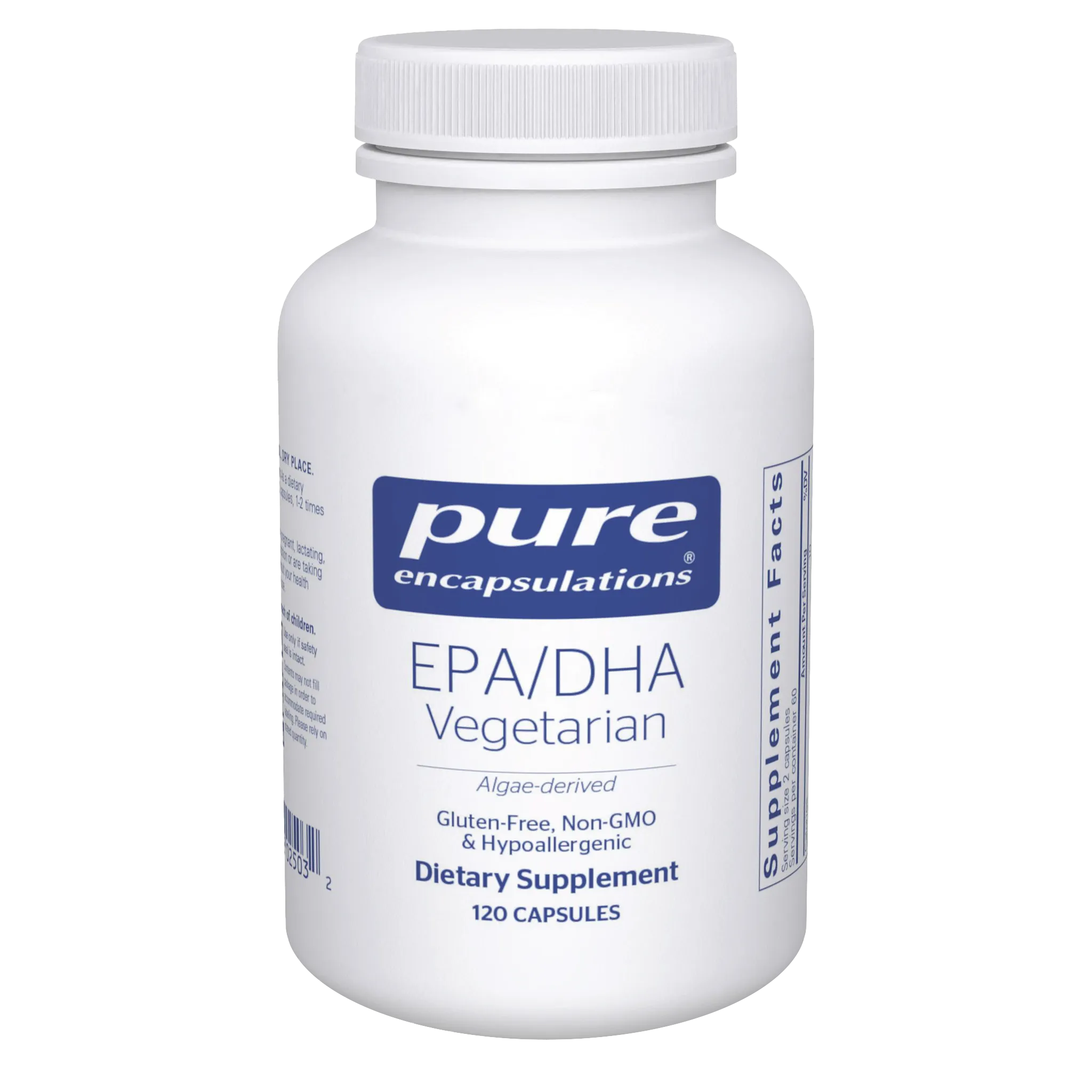
If you are ready to incorporate a high-quality, sustainable, and vegan-friendly source of omega-3s into your daily routine, it is crucial to choose a product with enhanced stability and proven bioavailability. Pure Encapsulations EPA/DHA Vegetarian provides 1050 mg of concentrated algal oil, delivering a potent dose of essential fatty acids without the histamine risks or environmental impact of traditional fish oil. Always consult with your healthcare provider before starting any new supplement, especially if you are taking prescription medications or managing complex chronic conditions.
Sources
Long COVID and long chain fatty acids: Psychoneuroimmunity implication of omega-3
Omega-3 Index and Clinical Outcomes in Myalgic Encephalomyelitis/Chronic Fatigue Syndrome
Efficacy of Omega-3 Fatty Acids in Pediatric Dysautonomia and Heart Rate Regulation
Omega-3 Polyunsaturated Fatty Acids and Mast Cell Activation: Mechanisms and Clinical Implications
Bioavailability of EPA and DHA from Microalgal Oil vs. Fish Oil: A Randomized Clinical Trial
Omega-3 Fatty Acids and Bleeding Risk: A Systematic Review and Meta-Analysis
Cardiovascular Risk Reduction with Icosapent Ethyl (REDUCE-IT Trial)