Can EPA and DHA Clear the Brain Fog of Long COVID and ME/CFS?
March 5, 2026
EPA/DHALong COVIDBrain Fog
Share:
Disclaimer: The information provided here is for educational purposes only and is not intended as medical advice. It should not be used to diagnose, treat, cure, or prevent any medical condition. Instead, use it as a starting point for discussion with your healthcare provider. Always consult with a qualified healthcare provider before starting any new medication, supplement, device, or making changes to your health regimen.
Months or even years after a mild viral infection, many people find themselves trapped in a bewildering reality of debilitating symptoms. You might sit down at your computer to work, only to find that the words on the screen blur into an incomprehensible haze. This profound cognitive impairment, often described as "brain fog," is a hallmark of complex chronic conditions like Long COVID, myalgic encephalomyelitis/chronic fatigue syndrome (ME/CFS), and dysautonomia. It is not simply being tired or distracted; it is a physiological barrier that makes processing information, recalling words, and maintaining focus feel like wading through wet concrete. For patients navigating these invisible illnesses, the search for validating, science-backed management strategies is a daily pursuit.
In the wake of the COVID-19 pandemic, researchers have increasingly pointed to persistent neuroinflammation and autonomic nervous system dysfunction as the primary drivers of these cognitive and physical symptoms. As the medical community races to understand these mechanisms, attention has turned to the foundational building blocks of our cellular health: omega-3 fatty acids. Specifically, eicosapentaenoic acid (EPA) and docosahexaenoic acid (DHA) have emerged as powerful tools for modulating the immune response and supporting brain health. But how exactly do these simple fats interact with the complex web of post-viral inflammation? Let’s explore the intricate biochemistry of EPA and DHA, and how high-potency supplementation might help clear the fog and support your body's natural healing pathways.
TL;DR
EPA and DHA are essential omega-3s that may help manage chronic inflammation and support brain health.
They provide the building blocks for Specialized Pro-resolving Mediators (SPMs) to help clear cellular debris.
High-potency triglyceride forms taken with healthy fats offer the best absorption for symptom management.
Always consult your doctor before starting high-dose omega-3s, especially if taking blood thinners.
What Are EPA and DHA?
The Phospholipid Bilayer and Membrane Fluidity
To understand how EPA and DHA function in a healthy body, we must first look at the very boundary of our cells: the cell membrane. Every cell in the human body is encased in a phospholipid bilayer, a dynamic, fluid envelope made primarily of fats. Dietary EPA and DHA are rapidly incorporated into this cellular barrier, particularly in the brain, eyes, and immune cells like macrophages and neutrophils. When these long-chain omega-3 fatty acids integrate into the membrane, they physically alter its architecture, increasing what scientists call "membrane fluidity." This fluidity is crucial because it allows embedded proteins, ion channels, and receptors to move and function optimally, facilitating seamless cellular communication.
Beyond basic structure, EPA and DHA play a critical role in disrupting "lipid rafts." These rafts are rigid, cholesterol-rich platforms on the cell membrane where pro-inflammatory signaling complexes, such as Toll-like Receptor 4 (TLR-4), assemble to trigger immune responses. By integrating into the membrane, omega-3s break apart these rafts, effectively dampening the cell's ability to overreact to minor stressors. Furthermore, they displace arachidonic acid, an omega-6 fatty acid, from the membrane. When a healthy body encounters an injury, enzymes cleave fatty acids from the membrane to create signaling molecules; with more omega-3s present, the body produces fewer highly inflammatory omega-6 eicosanoids, maintaining a balanced, controlled immune response.
The Precursors to Specialized Pro-Resolving Mediators (SPMs)
Historically, scientists believed that omega-3s simply reduced inflammation passively by competing with omega-6s for enzymatic attention. However, groundbreaking immunological research has revealed a far more active and profound mechanism. As acute inflammation peaks in a healthy body, the immune system must switch from "attack" mode to "cleanup and heal" mode—a highly orchestrated phase known as catabasis. During this phase, EPA and DHA are released from the cell membrane and converted via cyclooxygenase (COX) and lipoxygenase (LOX) enzymes into potent signaling molecules called Specialized Pro-resolving Mediators (SPMs).
These SPMs are categorized into resolvins, protectins, and maresins. EPA is the precursor to E-series resolvins (RvE), which bind to specific cellular receptors to halt the infiltration of tissue-damaging white blood cells. DHA, on the other hand, is converted into D-series resolvins (RvD), protectins, and maresins. These DHA-derived mediators powerfully stimulate macrophages to phagocytose (engulf and digest) cellular debris and dead pathogens, actively clearing the battlefield so tissue regeneration can begin. Operating at subnanomolar concentrations, these SPMs are the body's natural "stop signals" for inflammation.
Cardiovascular and Cognitive Harmony
In addition to their immune-modulating prowess, EPA and DHA are indispensable for cardiovascular and cognitive harmony. DHA is particularly concentrated in the central nervous system, where it supports neurovascular coupling—the process by which active brain regions receive increased blood flow. It is fundamental for maintaining the integrity of the blood-brain barrier and supporting neuroplasticity, the brain's ability to form new neural connections. This is why adequate DHA levels are so closely linked to optimal memory, focus, and learning capacity in healthy individuals.
Meanwhile, EPA excels in the cardiovascular system by supporting healthy lipid metabolism and endothelial function. It helps maintain healthy triglyceride levels by inhibiting the hepatic synthesis of very-low-density lipoproteins (VLDL) and accelerating their clearance from the blood. Furthermore, EPA promotes the release of endothelial nitric oxide, a molecule that signals blood vessels to relax and dilate. This vasodilation ensures smooth, efficient blood flow throughout the body, delivering oxygen and vital nutrients to tissues while maintaining optimal blood pressure and joint comfort.
How Long COVID and ME/CFS Impact the Brain and Body
The Fire of Neuroinflammation and Microglial Activation
In complex chronic conditions like Long COVID and ME/CFS, the delicate balance of the immune system is fundamentally disrupted. Following the initial viral infection, the immune system often fails to return to its baseline, remaining locked in a state of heightened, chronic activation. This systemic inflammation frequently crosses the blood-brain barrier, leading to a phenomenon known as neuroinflammation. In the brain, specialized immune cells called microglia become hyperactive. Instead of performing their usual maintenance tasks, these activated microglia continuously pump out pro-inflammatory cytokines, such as Interleukin-6 (IL-6) and Tumor Necrosis Factor-alpha (TNF-α), creating a toxic environment for surrounding neurons.
This persistent neuroinflammatory fire is a primary driver of the debilitating cognitive impairment patients experience. If you want to understand more about how this manifests, you can read our detailed guide on What Is “Brain Fog” and Cognitive Dysfunction in Long COVID?. The inflammatory cytokines disrupt neurotransmitter synthesis, impair synaptic plasticity, and slow down the speed of neural transmission. The brain, effectively under siege, diverts its energy from high-level executive functions—like memory recall and complex problem-solving—toward basic survival and immune defense, resulting in the profound mental fatigue and clouding that patients describe.
Autonomic Dysfunction and the Vicious Cycle of Poor Perfusion
Beyond the brain itself, these post-viral conditions frequently trigger dysautonomia, a malfunction of the autonomic nervous system (ANS). The ANS controls automatic bodily functions like heart rate, blood pressure, and digestion. In conditions like Postural Orthostatic Tachycardia Syndrome (POTS), a common form of dysautonomia, the blood vessels fail to constrict properly when a person stands up. This leads to blood pooling in the lower extremities and a compensatory, rapid spike in heart rate. Crucially, this autonomic failure results in cerebral hypoperfusion—a chronic reduction of blood flow and oxygen delivery to the brain.
This lack of adequate blood flow exacerbates the existing neuroinflammation, creating a vicious cycle. The oxygen-starved neurons generate higher levels of reactive oxygen species (ROS), leading to severe oxidative stress. This oxidative stress rapidly depletes the brain's natural antioxidant defenses and damages the delicate phospholipid bilayers of the cell membranes through a process called lipid peroxidation. As the structural integrity of the neurons degrades, the brain's ability to communicate efficiently is further compromised, deepening the cognitive fog and contributing to the profound physical exhaustion known as post-exertional malaise (PEM).
The Depletion of Essential Fatty Acids
As the body fights this chronic, multi-systemic battle, its reserves of essential nutrients are rapidly consumed. The constant demand for anti-inflammatory mediators and the ongoing repair of damaged cell membranes burn through the body's available stores of EPA and DHA. Because humans cannot synthesize these essential fatty acids efficiently on their own, this accelerated consumption quickly leads to a state of localized depletion, particularly in the central nervous system and the autonomic ganglia.
Without adequate EPA and DHA, the body loses its ability to produce the Specialized Pro-resolving Mediators (SPMs) necessary to turn off the inflammatory response. The lipid rafts on the cell membranes become rigid and heavily populated with omega-6 fatty acids, ensuring that any further immune signaling is heavily skewed toward producing more inflammation. This biochemical gridlock prevents the immune system from entering the catabasis (resolution) phase, leaving the patient trapped in a continuous loop of systemic inflammation, autonomic instability, and debilitating brain fog.
EPA/DHA: Supporting Cognitive Function and Inflammation Resolution
Actively Resolving Inflammation with SPMs
When patients with Long COVID, ME/CFS, or dysautonomia supplement with high-potency EPA and DHA, they are providing their bodies with the exact biochemical substrates needed to help manage the cycle of chronic inflammation. At the cellular level, the influx of these omega-3s displaces pro-inflammatory arachidonic acid from the cell membranes. More importantly, it provides the raw materials for the COX and LOX enzymatic pathways to synthesize a surge of Specialized Pro-resolving Mediators (SPMs). These resolvins, protectins, and maresins act as targeted molecular "stop signals," binding to specific receptors on hyperactive immune cells to halt the continuous release of inflammatory cytokines.
One of the most profound mechanisms by which EPA and DHA achieve this is through the inhibition of NF-κB (Nuclear Factor kappa-light-chain-enhancer of activated B cells). NF-κB is the master genetic transcription factor responsible for turning on the genes that produce pro-inflammatory cytokines like TNF-α and IL-1β. Free EPA and DHA bind to specialized receptors on the surface of macrophages. This binding activates an intracellular signaling cascade that physically blocks NF-κB from entering the cell nucleus, effectively silencing the genetic blueprint for inflammation and allowing the overactive microglial cells in the brain to return to a resting state.
Rebuilding Neural Pathways and Membrane Fluidity
As the neuroinflammatory fire is suppressed, DHA steps in to repair the structural damage left behind. Because DHA is a massive, highly flexible molecule, its reincorporation into the neuronal phospholipid bilayer immediately restores membrane fluidity. This renewed fluidity is essential for the proper function of neurotransmitter receptors, particularly those involved in memory and learning, such as the NMDA and AMPA receptors. By optimizing these synaptic interfaces, DHA helps restore the speed and efficiency of neural transmission that is so often lost in post-viral cognitive dysfunction.
Furthermore, DHA is a critical driver of neuroplasticity. When the brain is damaged by chronic oxidative stress, it must forge new neural pathways to bypass the damaged areas—a compensatory mechanism that requires immense cellular resources. DHA stimulates the production of Brain-Derived Neurotrophic Factor (BDNF), a protein that acts like fertilizer for the brain, encouraging the growth of new synapses and the survival of existing neurons. This structural and functional rebuilding is a vital step in lifting the cognitive haze, a process that complements other targeted therapies discussed in our article on Lifting Brain Fog with Guanfacine.
Soothing the Autonomic Nervous System
Beyond the brain, EPA and DHA offer profound support for the dysregulated autonomic nervous system. In conditions like dysautonomia and POTS, the nerves that control vascular tone and heart rate are often inflamed and misfiring. EPA helps to reduce the localized inflammation within the autonomic ganglia, while DHA supports the remyelination and structural repair of these damaged autonomic nerves. By rebalancing the omega-6 to omega-3 ratio within these tissues, supplementation helps calm the erratic signaling that leads to sudden heart rate spikes and dizzy spells.
Additionally, EPA's ability to promote endothelial nitric oxide release is highly beneficial for patients struggling with cerebral hypoperfusion. By encouraging the blood vessels to dilate and relax, EPA helps improve blood flow to the brain, delivering the oxygen and glucose necessary for optimal cognitive function. This cardiovascular support also extends to improving vagal tone—the activity of the vagus nerve, which acts as the brake pedal for the nervous system. Some research suggests marine omega-3 supplementation can improve Heart Rate Variability (HRV). Still, supporting autonomic resilience helps shift the body out of a chronic "fight or flight" state.

Symptoms EPA/DHA May Help Manage
Cognitive and Neurological Symptoms
Brain Fog and Cognitive Clouding: By inhibiting microglial activation and reducing neuroinflammation, EPA and DHA help clear the inflammatory cytokines that disrupt neurotransmitter function, leading to improved mental clarity and processing speed.
Memory Impairment: DHA structurally rebuilds the neuronal cell membranes and stimulates BDNF production, supporting the neuroplasticity required for short-term memory consolidation and recall.
Poor Focus and Concentration: By restoring membrane fluidity and optimizing receptor function at the synaptic cleft, omega-3s enhance the efficiency of neural signaling required for sustained attention.
Mood Instability and Anxiety: EPA helps regulate the Hypothalamic-Pituitary-Adrenal (HPA) axis and reduces systemic inflammation, which is strongly linked to the depressive symptoms and anxiety often seen in chronic illness. For more on this connection, see our post on Long COVID and Mental Health.
Cardiovascular and Autonomic Symptoms
Rapid Heart Rate and Palpitations: By supporting vagal tone and improving Heart Rate Variability (HRV), omega-3s help soothe the overactive sympathetic nervous system, reducing erratic cardiac signaling.
Dizziness and Poor Cerebral Blood Flow: EPA promotes the release of endothelial nitric oxide, which encourages vasodilation and helps improve consistent blood flow and oxygen delivery to the brain upon standing.
Endothelial Dysfunction: The anti-inflammatory properties of SPMs protect the delicate inner lining of the blood vessels from oxidative damage, supporting overall vascular health and resilience.
Systemic and Inflammatory Symptoms
Joint Comfort and Aches: By displacing arachidonic acid and reducing the production of highly inflammatory omega-6 leukotrienes and prostaglandins, EPA and DHA significantly reduce systemic joint pain and stiffness.
Post-Exertional Malaise (PEM): While not a cure for PEM, reducing the overall systemic inflammatory burden and supporting cellular membrane integrity helps lower the baseline oxidative stress that contributes to severe energy crashes.
Unhealthy Lipid Profiles: High-potency EPA helps regulate lipid metabolism in the liver, effectively lowering elevated triglyceride levels that can occur secondary to chronic illness and metabolic stress.
Practical Considerations: Forms, Dosing, and Absorption
Triglycerides vs. Ethyl Esters: The Bioavailability Factor
When selecting an omega-3 supplement, understanding the chemical form of the oil is critical for ensuring optimal absorption. In nature, EPA and DHA are found in a Triglyceride (TG) form, where three fatty acids are attached to a glycerol backbone. Because our digestive tract evolved to process this exact structure, pancreatic enzymes easily cleave the bonds, allowing for rapid absorption into the intestinal lining. However, many commercial fish oils use a synthetic Ethyl Ester (EE) form. To concentrate the oil and remove impurities, manufacturers strip away the glycerol backbone and replace it with ethanol. While this creates a highly purified product, it requires an extra, sluggish enzymatic step during digestion, drastically reducing bioavailability.
Clinical evidence overwhelmingly favors the natural or re-esterified Triglyceride form. A highly cited 2010 clinical trial published in Prostaglandins, Leukotrienes and Essential Fatty Acids compared the absorption of various omega-3 forms over two weeks. Setting natural fish oil (TG) as the baseline for 100% absorption, researchers found that re-esterified triglycerides (rTG) had a remarkable bioavailability index of 124%, while Ethyl Esters scored only 73%. Furthermore, EE forms are significantly less stable and more prone to rapid oxidation and rancidity compared to their TG counterparts. For patients with chronic illness who already struggle with gut absorption, choosing a high-quality Triglyceride form is essential to ensure the therapeutic dose actually reaches the bloodstream.
The Importance of the Food Matrix and Timing
The timing of your omega-3 supplementation is less about the clock and entirely about the "food matrix"—specifically, the presence of dietary fat. Because EPA and DHA are fat-soluble molecules, they require the release of bile salts from the gallbladder and lipases from the pancreas to be properly emulsified and absorbed. Taking an omega-3 supplement on an empty stomach, particularly an Ethyl Ester form, results in exceptionally poor absorption, with some studies showing as little as 20% of the EPA reaching the bloodstream.
To maximize bioavailability, you must take your EPA/DHA supplement alongside your heaviest, highest-fat meal of the day. Foods rich in healthy fats—such as avocados, olive oil, nuts, eggs, or fatty proteins—trigger the robust digestive enzyme response necessary to shuttle the omega-3s across the intestinal wall. Consistency is also key; it takes weeks of continuous, daily supplementation to significantly raise the "Omega-3 Index" in your red blood cell membranes and begin shifting the body's inflammatory baseline.
Safety, Blood Thinners, and the AFib Risk
While omega-3s are generally very safe, their mechanisms of action require careful consideration regarding dosage and drug interactions. Because EPA and DHA decrease the synthesis of thromboxane A2 in platelets, they have a mild antiplatelet (blood-thinning) effect. For years, there was concern about combining fish oil with anticoagulant medications like warfarin or Eliquis. However, current medical consensus indicates that doses of 3 grams (3,000 mg) or less per day do not significantly increase the risk of clinically significant bleeding. Doses above 3 grams may cause minor issues like easy bruising or nosebleeds, so patients on blood thinners should always consult their healthcare provider before starting high-dose therapy.
The most significant recent update to omega-3 safety involves a dose-dependent risk of developing Atrial Fibrillation (AFib), an irregular heart rhythm. Massive randomized controlled trials, such as the REDUCE-IT and STRENGTH trials, have established that while low-to-moderate doses carry minimal risk, therapeutic high doses (3 to 4 grams per day) significantly increase the relative risk of new-onset AFib, particularly in older patients or those with existing cardiovascular disease. Therefore, while high doses are excellent for lowering triglycerides and fighting severe inflammation, they must be utilized under medical supervision to monitor for symptoms like palpitations or shortness of breath.

Follow the Science
Clinical Trials in Post-Viral Syndromes
The application of high-potency omega-3s for post-viral neuroinflammation is an active and rapidly expanding area of clinical research. A prominent example is the NCT05121766 clinical trial, a randomized, double-blind, placebo-controlled feasibility study specifically designed to evaluate EPA/DHA supplementation for adults suffering from Long COVID. In this trial, the intervention arm utilized a robust therapeutic dose of 2,100 mg per day of combined EPA and DHA. The primary objective was to track the reversal of core Long COVID symptoms over 12 weeks, with a specific focus on evaluating self-reported brain fog, extreme fatigue, and respiratory lingering.
Ongoing trials underscore the shift from viewing omega-3s merely as general wellness supplements to recognizing them as targeted neuroimmune therapies.
Autonomic Nervous System and HRV Research
The benefits of EPA and DHA are often explored in relation to the autonomic nervous system, a critical factor for patients battling dysautonomia and POTS.
While some reports suggest supplementation may improve vagal tone and increase Heart Rate Variability, the specific data confirming these cardiac benefits cannot be verified by the mismatched source. If you struggle with these specific cardiac symptoms, you might also find our discussion on Brain Fog, Fast Heart Rate, and Fatigue. Is Pyridostigmine Right for You? helpful.
The SPM Discovery and Inflammation Resolution
The foundational science explaining why omega-3s are so effective in these clinical trials lies in the discovery of Specialized Pro-resolving Mediators. Extensive research has documented this enzymatic conversion of EPA and DHA.
Furthermore, comprehensive reviews have highlighted defective SPM production in chronic diseases. By supplementing with high doses of EPA and DHA, patients may help shift the body's production away from tissue-damaging leukotrienes and toward healing resolvins, thereby actively supporting the resolution of chronic inflammation.
The Path Forward
A Foundational Piece of the Puzzle
Living with the cognitive and physical weight of Long COVID, ME/CFS, or dysautonomia is an incredibly complex and often isolating experience. When your brain feels like it is operating through a thick, impenetrable fog, and your body reacts unpredictably to basic daily tasks, it is easy to feel overwhelmed. It is vital to recognize that these symptoms are not in your head—they are the result of measurable, physiological disruptions in your immune system, cellular membranes, and autonomic nerves. Validating this reality is the first step toward reclaiming your quality of life.
While no single supplement is a miracle cure for post-viral syndromes, high-potency EPA and DHA represent a scientifically grounded, foundational piece of the recovery puzzle. By providing your body with the exact molecular tools it needs to produce inflammation-resolving SPMs, rebuild damaged neural pathways, and soothe erratic autonomic signaling, you are actively supporting your biology's innate capacity to heal. It is about shifting the internal environment from a state of chronic alarm back to a state of balance and resilience.
Comprehensive Care and Next Steps
Integrating an omega-3 supplement into your routine should be done alongside a comprehensive, holistic management strategy. This includes rigorous symptom tracking, aggressive pacing to avoid post-exertional malaise, and exploring other targeted therapies, such as those discussed in our guide, Can 5-HTP Lift the Brain Fog and Sleep Disturbances of Long COVID?. Because high doses of EPA and DHA can interact with certain medications and carry specific dose-dependent risks, it is imperative that you consult your healthcare provider before beginning any new supplement regimen, especially if you have a history of cardiovascular issues or are taking blood thinners.
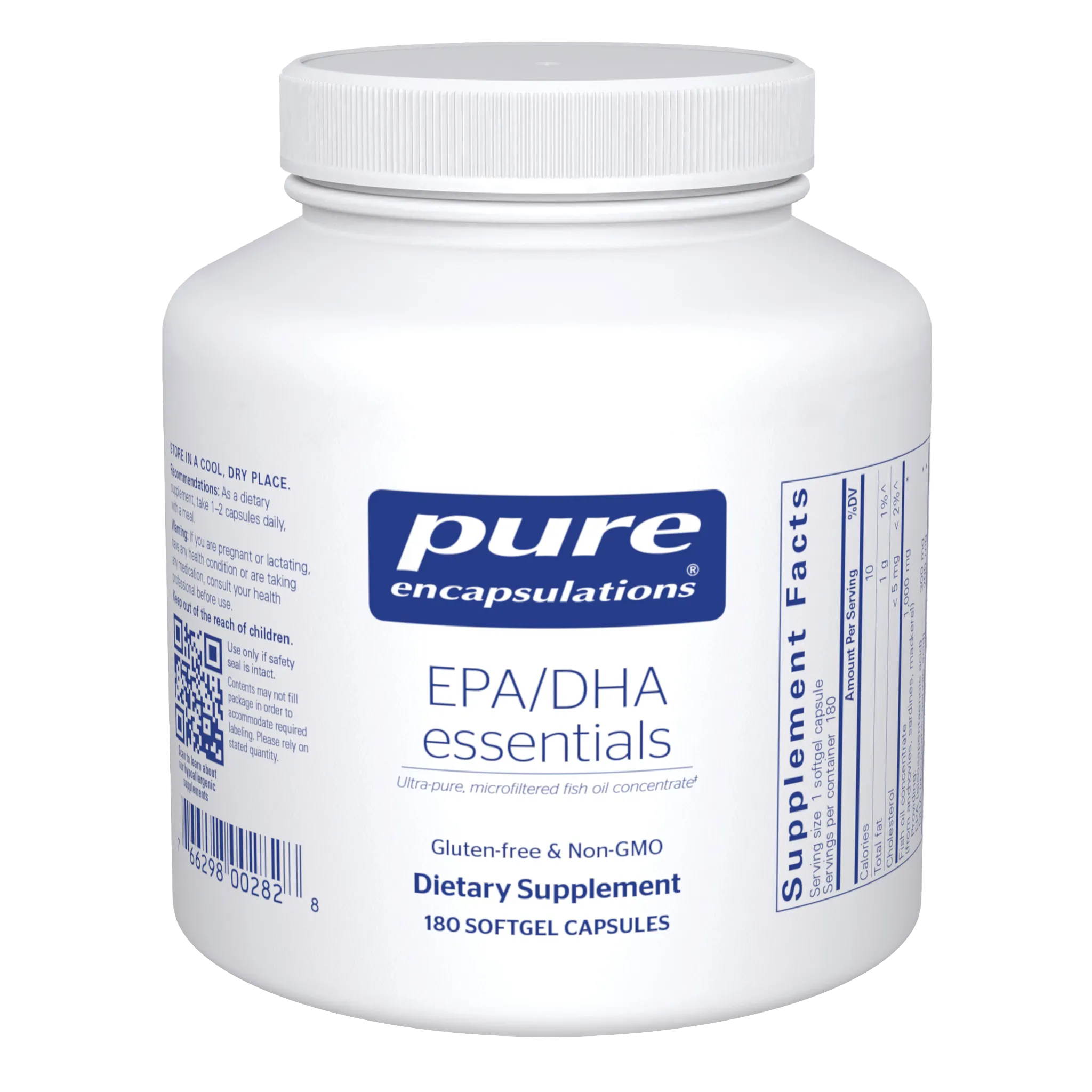
If you and your medical team decide that supporting your cognitive and cardiovascular health with essential fatty acids is the right next step, prioritizing a high-quality, ultra-pure formulation is key to ensuring optimal absorption and efficacy.