Can EPA Fish Oil Support Cardiovascular and Emotional Health in Long COVID and Dysautonomia?
March 5, 2026
EPA UltimateLong COVIDDysautonomia
Share:
Disclaimer: The information provided here is for educational purposes only and is not intended as medical advice. It should not be used to diagnose, treat, cure, or prevent any medical condition. Instead, use it as a starting point for discussion with your healthcare provider. Always consult with a qualified healthcare provider before starting any new medication, supplement, device, or making changes to your health regimen.
Months or even years after a viral infection, many patients find themselves battling a relentless array of symptoms, from debilitating brain fog and unrefreshing sleep to erratic heart rates and profound fatigue. If you are living with Long COVID, myalgic encephalomyelitis/chronic fatigue syndrome (ME/CFS), or dysautonomia, you are likely intimately familiar with the frustration of a body that feels stuck in a state of high alert. The vascular system struggles to deliver oxygen, the nervous system remains locked in a sympathetic "fight or flight" response, and systemic inflammation refuses to subside. In the search for foundational support, researchers and clinicians are increasingly turning their attention to the cellular level, specifically focusing on the therapeutic potential of specialized lipids.
One of the most heavily researched and clinically validated molecules in this space is Eicosapentaenoic Acid (EPA), a highly potent omega-3 fatty acid. While fish oil is often broadly recommended for general wellness, the specific biochemical actions of high-dose, purified EPA offer targeted mechanisms that directly address the pathophysiology of complex chronic illnesses. From healing damaged blood vessel linings to actively resolving neuroinflammation and supporting emotional well-being, EPA is far more than a simple daily vitamin. In this comprehensive guide, we will explore the science behind EPA Ultimate, detailing how its supercritical CO2 extraction maximizes bioavailability, how it competes with pro-inflammatory pathways at a molecular level, and how it can serve as a vital tool in your comprehensive management strategy.
TL;DR
EPA is a potent omega-3 that helps resolve chronic inflammation and supports vascular health.
It competes with arachidonic acid to reduce pro-inflammatory molecules and promote cellular healing.
High-dose EPA may help manage brain fog, mood disorders, and fatigue in complex chronic conditions.
Supercritical CO2 extraction ensures high purity and better absorption for maximum health benefits.
What is EPA (Eicosapentaenoic Acid)?
The Essential Omega-3 Fatty Acid
Eicosapentaenoic acid (EPA) is a highly bioactive omega-3 polyunsaturated fatty acid (PUFA) that plays a foundational role in human health. Because the human body cannot synthesize omega-3s efficiently from scratch, they must be acquired through diet or targeted supplementation. At a cellular level, EPA is incorporated directly into the phospholipid bilayer of cell membranes throughout the body, including the brain, heart, and immune cells. Once embedded in the membrane, EPA influences cellular signaling, membrane fluidity, and the behavior of receptors that dictate how the cell responds to physiological stress.
In a healthy body, EPA acts as a critical regulator of the immune system and cardiovascular network. It maintains the delicate balance between necessary acute inflammation—which helps heal injuries and fight infections—and chronic, systemic inflammation, which damages tissues over time. By modulating the production of lipid mediators, EPA ensures that the immune response does not overshoot its target, protecting the endothelium (the inner lining of blood vessels) and supporting healthy lipid metabolism.
The Arachidonic Acid Competition
The primary mechanism of action for EPA revolves around its dynamic biochemical rivalry with arachidonic acid (AA), an omega-6 fatty acid that serves as the main building block for the body's pro-inflammatory responses. In a typical Western diet, cell membranes are heavily enriched with AA. When an inflammatory trigger occurs, the enzyme cytosolic Phospholipase A2 (cPLA2) cleaves AA from the membrane, feeding it into the cyclooxygenase (COX) and lipoxygenase (LOX) enzymatic pathways to create highly potent, pro-inflammatory molecules like 2-series prostaglandins and 4-series leukotrienes.
When you supplement with high-dose EPA, it physically displaces AA in the cell membrane. Consequently, during an immune response, cPLA2 releases EPA into the cytosol instead of AA. EPA then directly competes with the remaining AA for access to the active sites of the COX and LOX enzymes. Because EPA acts as a "clunky" substrate, it slows down these enzymes, significantly stifling the processing of arachidonic acid. Instead of producing highly inflammatory molecules, the enzymes convert EPA into 3-series prostaglandins and 5-series leukotrienes, which are vastly weaker and promote a net anti-inflammatory, vasodilatory state.
Active Resolution of Inflammation
EPA does not merely suppress or block inflammation; it actively triggers the biological processes required to resolve it. EPA is the direct biosynthetic precursor to a class of Specialized Pro-resolving Mediators (SPMs) known as E-series Resolvins, specifically RvE1, RvE2, and RvE3. These powerful molecules are generated when EPA is oxygenated by enzymes like Cytochrome P450 or 5-LOX, initiating a cascade of healing signals throughout the body.
Once synthesized, resolvins bind to specific G-protein coupled receptors on immune cells to halt further leukocyte infiltration into tissues. They also promote a process called efferocytosis, where macrophages clean up dead cells, cellular debris, and lingering inflammatory cytokines. By facilitating this cleanup phase, EPA helps tissues return to homeostasis, helping to manage the chronic, smoldering inflammation that characterizes many complex chronic illnesses.
How Long COVID and Dysautonomia Impact the Vascular and Nervous Systems
Endothelial Dysfunction and Microclots
To understand why EPA is so relevant for conditions like Long COVID and myalgic encephalomyelitis/chronic fatigue syndrome (ME/CFS), we must first examine the vascular pathology driving these illnesses. SARS-CoV-2 and other severe viral infections are known to attack the endothelium, the delicate inner lining of blood vessels. This viral assault triggers a prolonged immune response and severe oxidative stress, which severely depletes nitric oxide—a molecule required for blood vessels to dilate and function properly. The result is widespread endothelial dysfunction, characterized by poor blood flow, vascular stiffness, and a persistent pro-inflammatory state.
Compounding this issue is the formation of fibrin amyloid microclots. Groundbreaking proteomic research has identified that Long COVID patients often carry a high load of these microscopic clots circulating in their blood. Unlike normal blood clots, fibrin amyloid microclots are highly resistant to the body’s natural breakdown process (fibrinolysis). They trap inflammatory molecules inside them, including von Willebrand factor and platelet factor 4. By blocking microscopic capillaries, these clots prevent tissues and the brain from getting enough oxygen, directly causing core symptoms like severe fatigue, post-exertional malaise (PEM), and shortness of breath.
Neuroinflammation and Autonomic Imbalance
The vascular damage seen in Long COVID does not stop at the body; it profoundly impacts the brain. Vascular dysfunction in the cerebral network is highly correlated with neuroinflammation. When the blood-brain barrier becomes compromised due to systemic inflammation, pro-inflammatory cytokines like Interleukin-6 (IL-6) and Tumor Necrosis Factor-alpha (TNF-α) infiltrate the central nervous system. This neuroinflammatory cascade disrupts neurotransmitter synthesis and alters the function of the hypothalamic-pituitary-adrenal (HPA) axis.
This neurological disruption is a primary driver of dysautonomia, including Postural Orthostatic Tachycardia Syndrome (POTS). The autonomic nervous system loses its ability to regulate heart rate, blood pressure, and vascular constriction effectively. Patients experience erratic heart rates upon standing, blood pooling in the lower extremities, and severe cognitive impairment, commonly referred to as "brain fog." The brain is essentially starved of adequate blood flow while simultaneously battling a localized immune fire.
The Vicious Cycle of Oxidative Stress
In conditions like mast cell activation syndrome (MCAS) and Long COVID, the immune system becomes trapped in a vicious cycle of oxidative stress. Mast cells, which are stationed near blood vessels and nerve endings, become hyper-reactive, constantly degranulating and releasing histamine, prostaglandins, and leukotrienes. This constant chemical barrage further damages the endothelium and keeps the nervous system in a state of hyper-arousal.
Because the body's natural antioxidant defenses are overwhelmed, the lipid membranes of cells undergo lipid peroxidation—a process where free radicals steal electrons from the lipids in cell membranes, causing cellular damage and death. This ongoing cellular destruction signals the immune system to release even more pro-inflammatory cytokines, perpetuating the cycle of illness and preventing the body from entering a restorative, healing state.
EPA Ultimate: Supporting Cardiovascular and Emotional Health
Healing the Endothelium and Vascular Health
EPA Ultimate provides a concentrated, highly bioavailable source of eicosapentaenoic acid designed to intervene directly in these pathological cycles. By incorporating itself into the phospholipid bilayer of endothelial cells, EPA works to restore vascular health. It improves endothelial function by reducing oxidative stress and decreasing the production rates of pro-inflammatory cytokines that damage the blood vessel linings. This helps restore the delicate balance of nitric oxide, promoting healthy vasodilation and improving systemic blood flow.
Furthermore, EPA exerts a potent anti-thrombotic action. In Long COVID and dysautonomia, platelets often become hyperactivated and "sticky," contributing to the formation of microclots. High doses of EPA have been shown to reduce this platelet hyperactivation. By calming down the platelets and competing with arachidonic acid to reduce the production of Thromboxane A2 (a potent platelet aggregator), EPA helps reduce the likelihood of new microclots in the bloodstream, supporting healthy platelet function and overall cardiovascular health.
Modulating Neuroinflammation for Mood Support
One of the most profound benefits of EPA supplementation is its impact on emotional well-being and mood disorders. Clinical trials overwhelmingly point to EPA as a primary supportive agent for managing depressive symptoms and anxiety, which are incredibly common in patients navigating the trauma and physiological burden of chronic illness. EPA achieves this by aggressively targeting neuroinflammation. By reducing the levels of TNF-alpha and IL-6 in the brain, EPA helps extinguish the inflammatory fire that drives post-viral depression.
Additionally, EPA has been shown to enhance serotonin and dopamine signaling pathways. It alters the lipid rafts in neuronal cell membranes, improving the function of neurotransmitter receptors. While EPA's resting concentration in the brain is lower than DHA's, it enters the brain rapidly and is metabolized quickly, triggering dynamic neurotrophic (brain cell-protecting) effects. This makes high-EPA formulations particularly effective for supporting healthy mood and cognitive clarity in patients dealing with the neurological sequelae of Long COVID.
Balancing Lipid Metabolism and Cellular Energy
Chronic illness often brings secondary metabolic challenges, including dyslipidemia and insulin resistance, which can further complicate recovery. EPA supports healthy lipid metabolism by significantly lowering blood triglyceride levels. It achieves this by inhibiting the synthesis of very-low-density lipoproteins (VLDL) in the liver and accelerating the clearance of triglycerides from the bloodstream. This metabolic support is crucial for reducing the overall cardiovascular burden on a body already stressed by autonomic dysfunction.
By displacing arachidonic acid and providing the necessary precursors for E-series Resolvins, EPA Ultimate essentially shifts the body's metabolic machinery away from a state of chronic alarm and towards a state of resolution and repair. This systemic dampening of inflammation allows the mitochondria—the energy-producing powerhouses of the cells—to function more efficiently, as they are no longer constantly battling oxidative damage. Over time, this can translate to improved cellular energy production and a reduction in the severity of post-exertional crashes.
Symptoms EPA May Help Manage
Targeted Symptom Relief
By modulating inflammation, supporting vascular health, and protecting the nervous system, EPA supplementation targets a wide array of symptoms associated with complex chronic conditions. While it is not a standalone cure, it is a powerful tool for managing the physiological drivers of these symptoms.
Brain Fog and Cognitive Impairment: By reducing neuroinflammation and improving cerebral blood flow through enhanced endothelial function, EPA helps clear the mental cloudiness and cognitive fatigue common in Long COVID and ME/CFS.
Depression and Anxiety: High-dose EPA is clinically validated to support emotional well-being by lowering pro-inflammatory cytokines in the brain and enhancing serotonin and dopamine receptor function, directly combating post-viral mood disorders.
Cardiovascular Strain and Tachycardia: By supporting healthy vasodilation and reducing systemic inflammation, EPA eases the workload on the heart, which can help mitigate the severity of autonomic cardiovascular symptoms seen in POTS and dysautonomia.
Severe Fatigue and PEM: By actively resolving cellular inflammation via E-series Resolvins, EPA protects mitochondria from oxidative damage, supporting more stable cellular energy production and potentially reducing the intensity of post-exertional crashes.
Joint Pain and Systemic Aches: EPA directly competes with arachidonic acid, shutting down the COX and LOX pathways that produce the pain-inducing prostaglandins and leukotrienes responsible for widespread joint and muscle pain.
Poor Circulation and Blood Pooling: By improving arterial compliance and reducing platelet hyperactivation, EPA supports healthier blood flow and microcirculation, addressing the vascular stiffness that contributes to blood pooling in the extremities.
Practical Considerations: Supercritical CO2, Bioavailability, and Dosing
Supercritical CO2 Extraction vs. Standard Distillation
Not all fish oil supplements are created equal. The extraction and purification methods used dramatically impact the purity, stability, and bioavailability of the final product. Standard molecular distillation, the most common industry method, uses high heat (up to 160°C) to concentrate the omega-3s. Because fish oil is highly susceptible to heat, this process often causes lipid peroxidation, increasing the oil's Total Oxidation (TOTOX) value. Oxidized fish oil is responsible for the foul odor, gastrointestinal distress, and "fish burps" commonly associated with cheap supplements, and it can actually induce oxidative stress in the body.
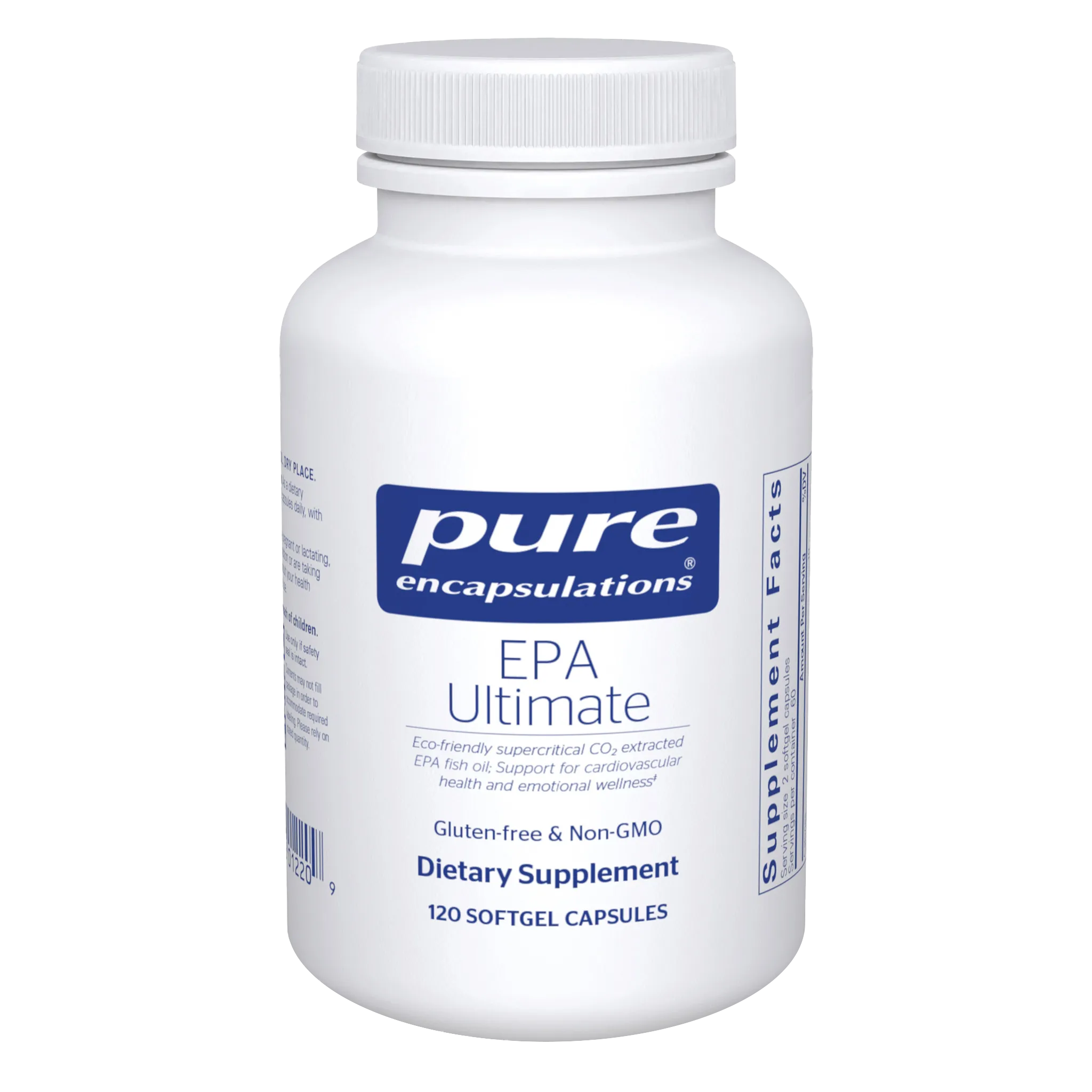
EPA Ultimate utilizes a state-of-the-art Supercritical CO2 (scCO2) extraction process. This "green" technology uses carbon dioxide at low temperatures (35°C to 50°C) in a completely oxygen-free environment to gently separate the fatty acids. This protects the fragile EPA molecules from heat degradation and oxidation, resulting in a remarkably clean, non-oxidized oil. Furthermore, scCO2 extraction effectively eliminates 85-100% of heavy metals (like mercury and lead) without the use of harsh chemical solvents, ensuring an ultra-pure concentrate.
The rTG Advantage for Absorption
The extraction method also dictates the chemical form of the omega-3, which directly determines its bioavailability. Standard molecular distillation typically leaves the oil in a synthetic Ethyl Ester (EE) form to save costs. The human body struggles to absorb Ethyl Esters because they lack a glycerol backbone, which is required for efficient processing by pancreatic enzymes in the digestive tract.
Because scCO2 is a premium process, the purified oil in EPA Ultimate is enzymatically converted back into its natural state, known as a re-esterified Triglyceride (rTG). Clinical studies evaluating the bioavailability of different omega-3 forms have shown that the rTG form is absorbed up to 70% more efficiently than the standard Ethyl Ester form. This means your body can actually utilize the high concentration of EPA provided in each softgel to effectively displace arachidonic acid and initiate the resolution of inflammation.
Dosing, Timing, and Safety
For managing chronic inflammation and supporting mood, clinical guidelines often recommend EPA dosages between 1,000 mg and 2,000 mg per day. EPA Ultimate provides 798 mg of EPA per two-softgel serving, making it easy to achieve therapeutic levels. It is highly recommended to take EPA supplements with a meal that contains healthy fats (like avocado, olive oil, or nuts) to stimulate the release of bile and pancreatic enzymes, further maximizing absorption. The inclusion of Vitamin E (as mixed tocopherols) in this formulation acts as an in-bottle antioxidant, protecting the fish oil from oxidation and maintaining its quality over time.
While EPA is generally very safe, it does possess mild anti-thrombotic (blood-thinning) properties due to its effect on platelets. If you are currently taking prescription blood thinners (like warfarin or apixaban), or if you have an upcoming surgery, you should consult your healthcare provider before starting high-dose EPA. Additionally, because EPA alters cellular membrane composition, it may take 8 to 12 weeks of consistent daily supplementation to reach optimal tissue saturation and notice significant clinical improvements in mood and systemic symptoms.

Follow the Science
EPA for Mood and Depression
The scientific consensus regarding the use of omega-3s for emotional well-being heavily favors EPA over DHA. A landmark 2019 meta-analysis published in Translational Psychiatry analyzed 26 double-blind, randomized, placebo-controlled trials involving over 2,100 participants. The researchers found that formulations containing pure EPA or at least 60% EPA relative to DHA demonstrated significant beneficial effects on depression. Conversely, DHA-pure and DHA-major treatments failed to show any significant efficacy for mood regulation, highlighting the unique neuro-inflammatory modulating power of EPA.
Further supporting this, a clinical trial focused on adults with Major Depressive Disorder who also had high physical inflammation (elevated C-reactive protein) demonstrated profound results. Patients given high-dose EPA achieved a 64% clinical response rate, with reductions in physical inflammation directly correlating with clinical mood improvements. A massive 2025 cross-sectional analysis of the UK Biobank involving over 258,000 adults also found that individuals with the highest non-DHA omega-3 levels (a proxy for EPA) had 15–33% lower odds of a lifetime history of depression, underscoring its potential to support emotional well-being.
Vascular Function and Post-Viral Recovery
In the context of post-viral syndromes, EPA's ability to support vascular health is gaining significant clinical traction. A landmark 2025 study published in the Proceedings of the National Academy of Sciences (PNAS) evaluated treatment outcomes from nearly 4,000 patients with ME/CFS and Long COVID. The study found that supplementation with EPA or highly purified icosapent ethyl yielded significant positive effects, with 44.1% of patients reporting moderate to significant improvement in their complex systemic symptoms.
Additionally, research investigating the biochemical interactions of EPA has mapped out its specific role in resolving inflammation.
The Path Forward
A Comprehensive Approach to Healing
Living with a complex chronic condition like Long COVID, ME/CFS, or dysautonomia is an exhausting journey that requires immense resilience. It is entirely valid to feel overwhelmed by the sheer number of symptoms and the slow pace of recovery. While there is no single magic pill that can instantly reverse these conditions, targeted nutritional interventions like high-dose EPA offer a scientifically grounded way to support your body's innate healing mechanisms. By actively cooling the fires of neuroinflammation, protecting your vascular endothelium, and shifting your cellular machinery away from chronic alarm, EPA provides foundational support for your recovery.
Remember that supplements are most effective when used as part of a comprehensive, integrative management strategy. Pacing to avoid post-exertional malaise, prioritizing radical rest, tracking your symptoms, and working closely with a knowledgeable medical team are all crucial components of the path forward. Diagnosing Long COVID and navigating its complexities takes time, but by providing your cells with the high-quality, bioavailable building blocks they need, you are taking an active, empowering step toward reclaiming your health and emotional well-being.
Disclaimer: This content is for educational purposes only and is not intended as medical advice. Always consult with your healthcare provider before starting any new supplement, especially if you are taking prescription medications, blood thinners, or have a pre-existing medical condition.