Can EnteroMend® Help Heal "Leaky Gut" in Long COVID and ME/CFS?
March 6, 2026
EnteroMendL-GlutamineLong COVID
Share:
Disclaimer: The information provided here is for educational purposes only and is not intended as medical advice. It should not be used to diagnose, treat, cure, or prevent any medical condition. Instead, use it as a starting point for discussion with your healthcare provider. Always consult with a qualified healthcare provider before starting any new medication, supplement, device, or making changes to your health regimen.
For individuals living with complex chronic conditions like Long COVID, myalgic encephalomyelitis/chronic fatigue syndrome (ME/CFS), and mast cell activation syndrome (MCAS), the gastrointestinal tract is often a major source of daily suffering. You might find yourself dealing with unpredictable bloating, sudden food intolerances, or alternating bouts of diarrhea and constipation that seem to have no clear trigger. When a standard medical appointment focuses only on your lungs or your heart, it can be incredibly frustrating to have these debilitating gut symptoms overlooked. Yet, emerging research continues to confirm what many patients already know: the gut is deeply interconnected with systemic inflammation, immune dysregulation, and neurological symptoms like brain fog and profound fatigue.
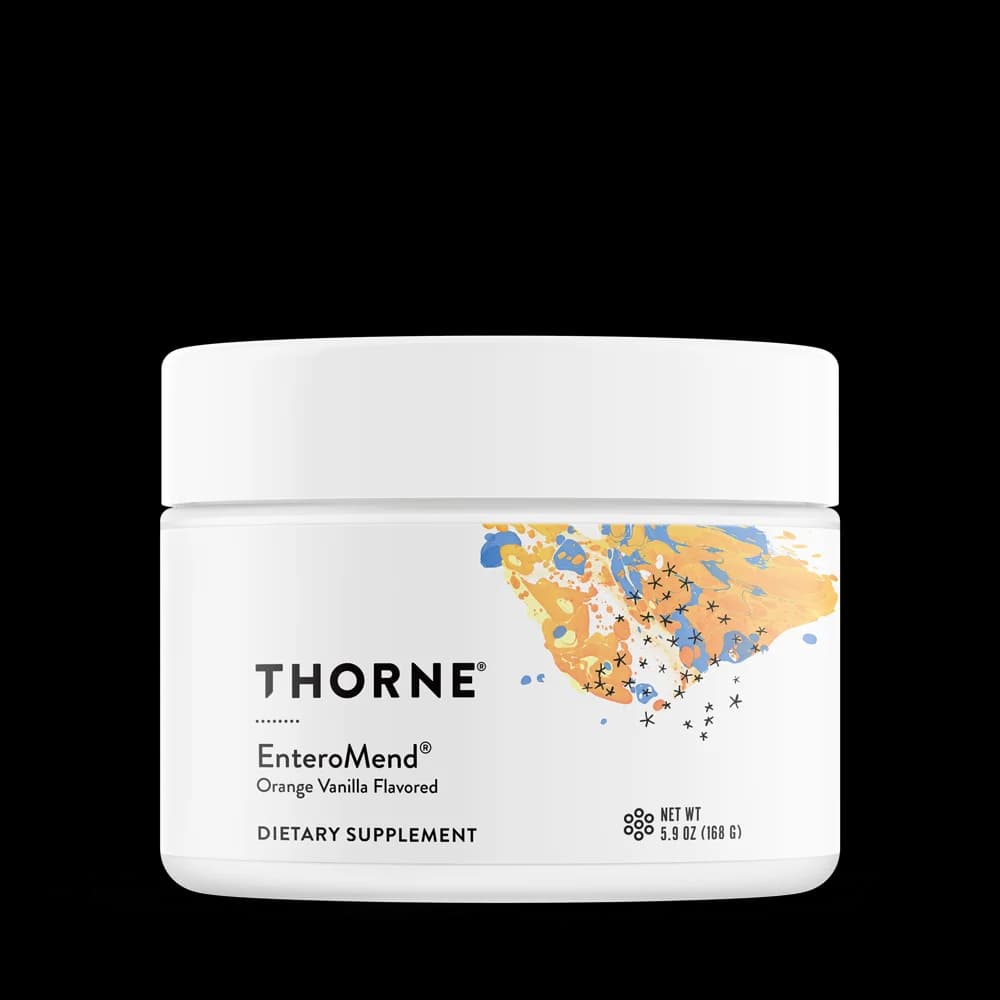
In the search for validating, science-backed management strategies, addressing the integrity of the gut lining has become a cornerstone of functional and integrative recovery protocols. EnteroMend®, a specialized formula by Thorne, is designed to target this exact physiological need. By combining the foundational cellular fuel of L-glutamine with highly bioavailable botanical extracts and specialized prebiotic fibers, this supplement aims to soothe irritated mucus membranes, support the intestinal barrier, and modulate the localized inflammatory response. In this comprehensive guide, we will explore the intricate biological mechanisms behind EnteroMend®, how chronic illness disrupts gastrointestinal function, and what the latest clinical research says about repairing the gut barrier.
TL;DR
EnteroMend® combines L-glutamine, PHGG, and botanical extracts to support gut barrier integrity and soothe inflammation.
Chronic illness can disrupt the gut microbiome and cause leaky gut, driving systemic fatigue and brain fog.
Ingredients like highly bioavailable curcumin and boswellia may help manage bloating, cramping, and irregular bowel movements.
Consistent use for 4 to 8 weeks is typically needed to see structural and symptomatic improvements.
What is EnteroMend®?
To understand how EnteroMend® works, we must first look at its foundational ingredient: L-glutamine. L-glutamine is the most abundant free amino acid in the human body. Under normal, healthy conditions, the body can synthesize enough of it to meet its daily needs, classifying it as a "non-essential" amino acid. However, during times of severe physiological stress, viral infection, or chronic illness, the body's demand for glutamine drastically outpaces its ability to produce it, making it "conditionally essential." In the gastrointestinal tract, L-glutamine serves a paramount, life-sustaining role. It is the primary and preferred metabolic fuel source for enterocytes—the specialized epithelial cells that line the inner surface of the small intestine.
Because the intestinal lining is subjected to constant mechanical stress and chemical breakdown from digestion, enterocytes have an incredibly rapid turnover rate, completely renewing themselves every few days. This rapid cellular regeneration requires a massive, continuous supply of energy. When L-glutamine is abundant, enterocytes can efficiently produce adenosine triphosphate (ATP) to fuel this cellular division and maintain the structural integrity of the gut wall. Furthermore, L-glutamine is critical for the synthesis of secretory immunoglobulin A (sIgA), an antibody that patrols the mucosal lining and neutralizes invading pathogens before they can attach to the intestinal tissue. Without adequate glutamine, the gut lining rapidly atrophies, losing its defensive capabilities and structural soundness.
The second major component of EnteroMend® is Partially Hydrolyzed Guar Gum (PHGG). Traditional guar gum is a highly viscous fiber that can sometimes cause gas and bloating. However, PHGG undergoes a controlled, natural enzymatic process that breaks down its complex molecular structure, resulting in a low-viscosity, water-soluble fiber that is exceptionally gentle on the digestive system. PHGG acts as a powerful prebiotic, meaning it passes through the stomach and small intestine undigested until it reaches the colon. There, it serves as a targeted food source for beneficial native bacteria, particularly strains like Bifidobacterium and Lactobacillus.
As these beneficial microbes ferment the PHGG, they produce metabolic byproducts known as short-chain fatty acids (SCFAs), with butyrate being the most critical. Just as L-glutamine fuels the small intestine, butyrate is the primary energy source for colonocytes—the cells lining the large intestine. Butyrate is generally understood to be essential for maintaining the colon's mucosal barrier, regulating the localized immune response, and keeping the luminal pH at an optimal level to help prevent the overgrowth of pathogenic bacteria. By including PHGG, EnteroMend® ensures that the lower gastrointestinal tract receives the metabolic support it needs to maintain a healthy, resilient environment.
The formula is rounded out by three powerful botanical ingredients: Aloe Vera, Curcumin Phytosome (Meriva®), and Indian Frankincense Phytosome (Boswellia serrata/Casperome®). The inner gel of the aloe plant has been revered for over 5,000 years for its profound tissue-protective and mucilage-rich properties, providing immediate, physical soothing to irritated mucus membranes throughout the entire GI tract. Meanwhile, curcumin (the active antioxidant in turmeric) and boswellia (a resin rich in boswellic acids) are renowned for their ability to modulate inflammatory pathways.
However, raw curcumin and boswellia are notoriously difficult for the human body to absorb. They are lipophilic (fat-loving) molecules that tend to clump together in the watery environment of the gut, resulting in poor bioavailability. EnteroMend® utilizes patented Phytosome® technology to overcome this biological hurdle. By binding the botanical extracts to dietary phospholipids (like sunflower lecithin), the phytosome structure mimics the body's natural cell membranes. This allows the active compounds to easily cross the intestinal barrier and enter the bloodstream and surrounding tissues, delivering potent, localized anti-inflammatory support exactly where the gut needs it most.
How Chronic Illness Impacts the Gastrointestinal System
For patients navigating Long COVID, the gastrointestinal tract is frequently a site of profound, ongoing dysfunction. The SARS-CoV-2 virus gains entry into human cells by binding to the ACE2 receptor. While these receptors are present in the lungs, they are actually found in their highest concentrations on the enterocytes of the small intestine. During the acute phase of COVID-19, the virus actively replicates within the gut lining, causing direct cellular damage and triggering a localized immune response. Recent clinical studies suggest that in many Long COVID patients, viral RNA or viral proteins (like the spike protein) can persist in the gut tissue for months or even years after the initial infection, acting as a constant irritant that prevents the tissue from fully healing.
This viral persistence fundamentally alters the gut microbiome—a state known as dysbiosis. The healthy, diverse ecosystem of the gut is overtaken by opportunistic, pro-inflammatory bacteria, while beneficial, butyrate-producing strains are decimated. Without adequate butyrate, the colonocytes begin to starve, leading to a breakdown in the mucosal defense layer. This dysbiosis is not unique to Long COVID; patients with ME/CFS also exhibit highly specific microbiome signatures characterized by a lack of microbial diversity and an overgrowth of harmful, lactate-producing bacteria. This imbalance can lead to severe bloating, altered motility, and the malabsorption of vital nutrients, leaving patients feeling depleted and malnourished despite eating a balanced diet.
The most devastating consequence of this chronic gut inflammation is the development of intestinal hyperpermeability, colloquially known as "leaky gut." The intestinal lining is only one cell thick. These cells are stitched together by complex protein structures called tight junctions (made of proteins like claudin and occludin). These tight junctions act as a highly intelligent security gate, allowing microscopic nutrients and water to pass into the bloodstream while keeping out larger, harmful molecules. However, when the gut is subjected to chronic inflammation, oxidative stress, or viral damage, these tight junctions degrade and pull apart.
Once the barrier is compromised, the gut becomes "leaky." Undigested food particles, toxins, and bacterial fragments—most notably lipopolysaccharides (LPS), which are structural components of gram-negative bacteria—escape the gut lumen and spill directly into the systemic circulation. The immune system immediately recognizes these rogue molecules as foreign invaders and launches a massive, systemic inflammatory attack. Research into ME/CFS and Long COVID has shown that patients frequently have significantly elevated blood markers of intestinal barrier dysfunction and bacterial translocation, directly correlating with the severity of their physical and cognitive symptoms.
The leakage of LPS and other endotoxins into the bloodstream creates a vicious cycle that extends far beyond the digestive system. As these toxins circulate, they trigger the release of pro-inflammatory cytokines (like TNF-alpha and IL-6) throughout the body. This systemic inflammation can cross the blood-brain barrier, activating microglial cells (the brain's immune cells) and causing neuroinflammation. This gut-brain axis disruption is a primary driver of the severe brain fog, cognitive impairment, and mood disturbances seen in complex chronic illnesses.
Furthermore, this systemic inflammatory burden exhausts the immune system and depletes the body's cellular energy reserves, directly contributing to post-exertional malaise (PEM) and profound fatigue. The body is effectively trapped in a loop: gut damage causes systemic inflammation, which depletes energy and resources, which in turn prevents the gut from healing. Breaking this cycle requires targeted interventions that can simultaneously soothe the localized inflammation, rebuild the tight junctions, and restore the microbiome's balance.
EnteroMend®: Supporting Gut Barrier Integrity and Inflammation
EnteroMend® is specifically formulated to intervene in the vicious cycle of gut permeability and inflammation through multiple, synergistic cellular pathways. The high dose of L-glutamine (2.5 grams per serving) acts as the primary architectural repair mechanism for the intestinal wall. When L-glutamine is introduced to a damaged gut, it does more than just provide ATP for cellular energy; it actively triggers a signaling cascade that forces the tight junctions to close. Mechanistic studies reveal that L-glutamine induces the transactivation of the Epidermal Growth Factor Receptor (EGFR). This activation stabilizes the actomyosin ring—the cellular scaffolding that holds the enterocytes together—effectively pulling the cells tight and sealing the paracellular space against leaks.
Additionally, under physiological stress, L-glutamine activates Heat Shock Factor-1 (HSF-1), leading to the robust expression of Heat Shock Protein 70 (HSP70). HSP70 acts as a molecular chaperone that protects cells against stress and actively stabilizes the tight junction protein occludin. By rescuing occludin expression and inhibiting the pro-inflammatory NF-κB signaling pathway, L-glutamine halts the production of tissue-destroying cytokines like TNF-alpha, allowing the gut barrier to physically rebuild itself and help stop the translocation of endotoxins into the bloodstream.
While L-glutamine repairs the physical barrier, the Curcumin Phytosome and Indian Frankincense Phytosome (Boswellia) work to extinguish the localized inflammatory fire. Curcumin is a master regulator of inflammation, known to inhibit the NF-kB pathway, which is the genetic "master switch" that turns on the production of inflammatory cytokines. By downregulating IL-1β, IL-6, and IL-4, curcumin helps to rapidly soothe the swollen, irritated tissues of the GI tract, reducing the physical sensation of bloating and abdominal pain.
Boswellia serrata operates through a different, highly complementary pathway. The active boswellic acids, particularly AKBA, are highly selective inhibitors of the 5-lipoxygenase (5-LOX) enzyme. In inflammatory bowel conditions, the 5-LOX enzyme produces leukotrienes—potent inflammatory mediators that drive mucosal damage and trigger painful intestinal spasms. By inhibiting 5-LOX, the Casperome® boswellia extract helps prevent the synthesis of these leukotrienes, effectively normalizing intestinal motility and reducing cramping without causing the rebound constipation often associated with pharmaceutical antispasmodics.
The inclusion of Partially Hydrolyzed Guar Gum (PHGG) ensures that the healing process extends all the way down into the large intestine. As a targeted prebiotic, PHGG selectively feeds the beneficial bacteria that have been depleted by chronic illness. As these bacteria ferment the PHGG, they produce copious amounts of butyrate. This short-chain fatty acid is rapidly absorbed by the colonocytes, providing them with the metabolic fuel required to maintain the colon's mucosal barrier.
Beyond its role as cellular fuel, butyrate exerts profound systemic effects. It acts as a histone deacetylase (HDAC) inhibitor, which allows it to suppress inflammatory responses at the epigenetic level. By increasing butyrate production, PHGG helps to lower the luminal pH of the colon, creating an inhospitable environment for opportunistic pathogens while supporting the absorption of essential minerals. Together, the L-glutamine, botanicals, and PHGG in EnteroMend® create a comprehensive, multi-target approach to restoring gastrointestinal health from the stomach down to the colon.
Symptoms EnteroMend® May Help Manage
Because EnteroMend® targets the foundational integrity of the gut barrier and the localized inflammatory response, it may help manage a wide array of both gastrointestinal and systemic symptoms associated with complex chronic illnesses:
Abdominal Pain and Cramping: The Boswellia Phytosome (Casperome®) acts as a 5-LOX inhibitor, reducing the production of inflammatory leukotrienes that cause painful intestinal spasms and smooth muscle contractions.
Bloating and Gas: Unlike traditional heavy fibers, the enzymatically broken-down PHGG provides prebiotic support without excessive fermentation gas, while curcumin helps soothe the mucosal inflammation that contributes to a distended, bloated feeling.
Irregular Bowel Movements (Diarrhea/Constipation): By modulating intestinal motility and supporting a healthy microbiome balance, the combination of PHGG and Boswellia helps normalize stool consistency, alleviating both occasional diarrhea and constipation.
Food Sensitivities and Intolerances: L-glutamine helps rebuild the tight junctions of the intestinal wall, reducing "leaky gut" and helping to prevent undigested food proteins from entering the bloodstream and triggering immune hyper-reactivity.
Brain Fog and Cognitive Fatigue: By sealing the gut barrier, EnteroMend® helps prevent the translocation of lipopolysaccharides (LPS) into the systemic circulation, thereby reducing the neuroinflammation that drives cognitive dysfunction via the gut-brain axis.
Systemic Fatigue and PEM: Repairing the gut lining improves the absorption of vital micronutrients and reduces the systemic inflammatory burden, freeing up cellular energy (ATP) that the body desperately needs to manage post-exertional malaise.
Practical Considerations: Forms, Dosing, and Absorption
When considering botanical supplements like curcumin and boswellia, bioavailability is the most critical factor. Standard extracts of these herbs are notoriously poorly absorbed; you could consume large quantities and still see very little of the active compounds enter your bloodstream. EnteroMend® utilizes Phytosome® technology (specifically Meriva® for curcumin and Casperome® for boswellia) to solve this problem. By complexing the botanical extracts with dietary phospholipids from sunflower, the phytosomes are easily recognized and absorbed by the lipid-based membranes of the human intestinal tract. This ensures that the anti-inflammatory compounds reach therapeutic levels in the tissues without the need for controversial absorption enhancers like black pepper extract (piperine), which can irritate a sensitive gut or alter the metabolism of prescription medications.
The formula also features Aloe Vera in a dehydrated powder form derived from the inner gel of the plant. This is a crucial distinction, as the outer leaf of the aloe plant contains aloin, a harsh laxative compound that can cause severe cramping and diarrhea. By utilizing only the inner gel, EnteroMend® provides the soothing, mucilage-rich benefits of aloe without the risk of gastrointestinal distress, making it safe for daily, long-term use.
The suggested use for EnteroMend® is to mix one scoop with at least 5-6 ounces of water, taken one to two times daily, or as recommended by your healthcare practitioner. The powder has a great-tasting, natural orange-vanilla flavor and dissolves easily. For optimal absorption and to maximize the soothing effects on the stomach and upper GI tract, many practitioners recommend taking it between meals or on an empty stomach, though it can be taken with food if you have a particularly sensitive stomach. Because repairing the gut lining and shifting the microbiome takes time, patients typically need to use the product consistently for 4 to 8 weeks before noticing significant structural and symptomatic improvements.
While EnteroMend® is generally well-tolerated and holds the rigorous NSF Certified for Sport® designation (ensuring it is free of banned substances and contaminants), there are important medical considerations. If you are pregnant, you must consult your healthcare practitioner before using this product. Furthermore, the highly bioavailable curcumin in this formula has specific drug interactions. Animal and in vitro studies have shown that curcumin can reduce the therapeutic efficacy of certain chemotherapy drugs, including cyclophosphamide (Cytoxan), camptothecin, and irinotecan (used to treat colon cancer). If you are undergoing chemotherapy or taking immunosuppressive medications, the concurrent use of curcumin should be strictly avoided. Always consult your primary care doctor or specialist before introducing a new supplement, especially when managing complex chronic conditions.
Follow the Science
The individual ingredients in EnteroMend® have been the subject of rigorous clinical investigation, particularly in the context of post-viral syndromes and inflammatory bowel conditions. One of the most compelling recent developments is a 2024 clinical trial (NCT06423586) investigating the exact phytosome combination found in EnteroMend®—Curcuma Phytosome (Meriva®) and Boswellia Phytosome (Casperome®)—for the management of Post-COVID-19 Irritable Bowel Syndrome (PCIBS). Researchers administered this combination to patients suffering from Long COVID-induced gut issues for 30 days. The results demonstrated a highly statistically significant reduction in both abdominal bloating and diffuse abdominal pain. The anti-inflammatory phytosomes effectively soothed the gut lining, providing tangible physical relief for patients whose GI tracts had been damaged by the SARS-CoV-2 virus.
Interestingly, while the botanical combination rapidly improved the physical symptoms of pain and bloating, the researchers noted that the underlying viral-induced dysbiosis (measured via urinary indican markers) remained stubborn in the Long COVID cohort compared to standard IBS patients. This highlights the complex reality of diagnosing and managing Long COVID: while we can effectively manage the inflammatory symptoms and improve quality of life, rehabilitating the deep viral damage to the microbiome requires a prolonged, multi-faceted approach.
The efficacy of L-glutamine in supporting the reversal of "leaky gut" is strongly supported by clinical data. A landmark randomized, double-blind, placebo-controlled trial published in the journal Gut investigated L-glutamine supplementation in 106 patients with post-infectious diarrhea-predominant IBS who suffered from confirmed intestinal hyperpermeability. Patients were given L-glutamine or a placebo for 8 weeks. The results were striking: nearly 80% of the glutamine group achieved the primary endpoint of significant symptom reduction, compared to just 5.8% in the placebo group. Furthermore, urinary permeability tests confirmed a complete normalization of the intestinal barrier in the glutamine group, proving that the amino acid actively repaired the tight junctions that had been damaged by the initial infection.
The prebiotic component, Partially Hydrolyzed Guar Gum (PHGG), has also demonstrated profound clinical benefits for microbiome restoration. The PAGODA clinical trial administered PHGG to volunteers and utilized advanced nuclear magnetic resonance (NMR) spectroscopy to track changes in stool metabolites. They found that PHGG supplementation led to a massive bloom in beneficial, butyrate-producing bacteria like Faecalibacterium and Ruminococcus. This corresponded with highly significant increases in localized butyrate and acetate levels, confirming that PHGG successfully feeds the colonocytes and enhances the metabolic health of the lower GI tract without causing the severe bloating associated with other dietary fibers.
The Path Forward
Living with the unpredictable and often painful gastrointestinal symptoms of Long COVID, ME/CFS, or dysautonomia can feel incredibly isolating. It is validating to recognize that your gut symptoms are not in your head; they are the result of measurable physiological disruptions, including viral persistence, compromised tight junctions, and systemic inflammation. While there is no overnight cure for these complex conditions, targeted nutritional support can play a vital role in restoring your foundational health and improving your daily quality of life.
EnteroMend® offers a scientifically grounded, multi-mechanistic approach to gut rehabilitation. By providing the essential fuel of L-glutamine to rebuild the intestinal barrier, utilizing PHGG to nourish the microbiome, and delivering highly bioavailable curcumin and boswellia to soothe chronic inflammation, it addresses the core drivers of GI dysfunction. Remember that supplements are most effective when integrated into a comprehensive management strategy that includes pacing, nervous system regulation, and a tailored diet. Always consult with your healthcare provider to ensure this formula aligns with your specific medical needs and treatment plan.
Sources
Role of Glutamine in Protection of Intestinal Epithelial Tight Junctions
Gut microbiota dynamics in a prospective cohort of patients with post-acute COVID-19 syndrome
Effect of Lecithin-based Curcuma and Boswellia on Post-acute COVID-19 IBS (ClinicalTrials.gov)
Prebiotic Effects of Partially Hydrolyzed Guar Gum on the Composition and Function of the Human Microbiota—Results from the PAGODA Trial (source URL incorrect)
Curcumin and Cancer: An "All-In-One" Disease-Targeting Strategy