Can CoQ10, L-Carnitine, and B-Vitamins Support Cellular Energy in Long COVID and ME/CFS?
March 5, 2026
Long COVIDME/CFSCoQ10
Share:
Disclaimer: The information provided here is for educational purposes only and is not intended as medical advice. It should not be used to diagnose, treat, cure, or prevent any medical condition. Instead, use it as a starting point for discussion with your healthcare provider. Always consult with a qualified healthcare provider before starting any new medication, supplement, device, or making changes to your health regimen.
Imagine waking up after a full ten hours of sleep, only to feel as though you have just run a marathon while breathing through a straw. For individuals living with complex chronic conditions like Long COVID, myalgic encephalomyelitis/chronic fatigue syndrome (ME/CFS), and dysautonomia, this profound, unyielding exhaustion is a daily reality. This is not the standard tiredness that follows a busy week; it is a deep, cellular energy crisis often characterized by post-exertional malaise (PEM), where even minor physical or cognitive exertion triggers a debilitating crash. Patients frequently describe a sensation of their internal battery being permanently stuck at one percent, alongside cognitive dysfunction, muscle weakness, and a persistent "brain fog" that makes concentrating nearly impossible.
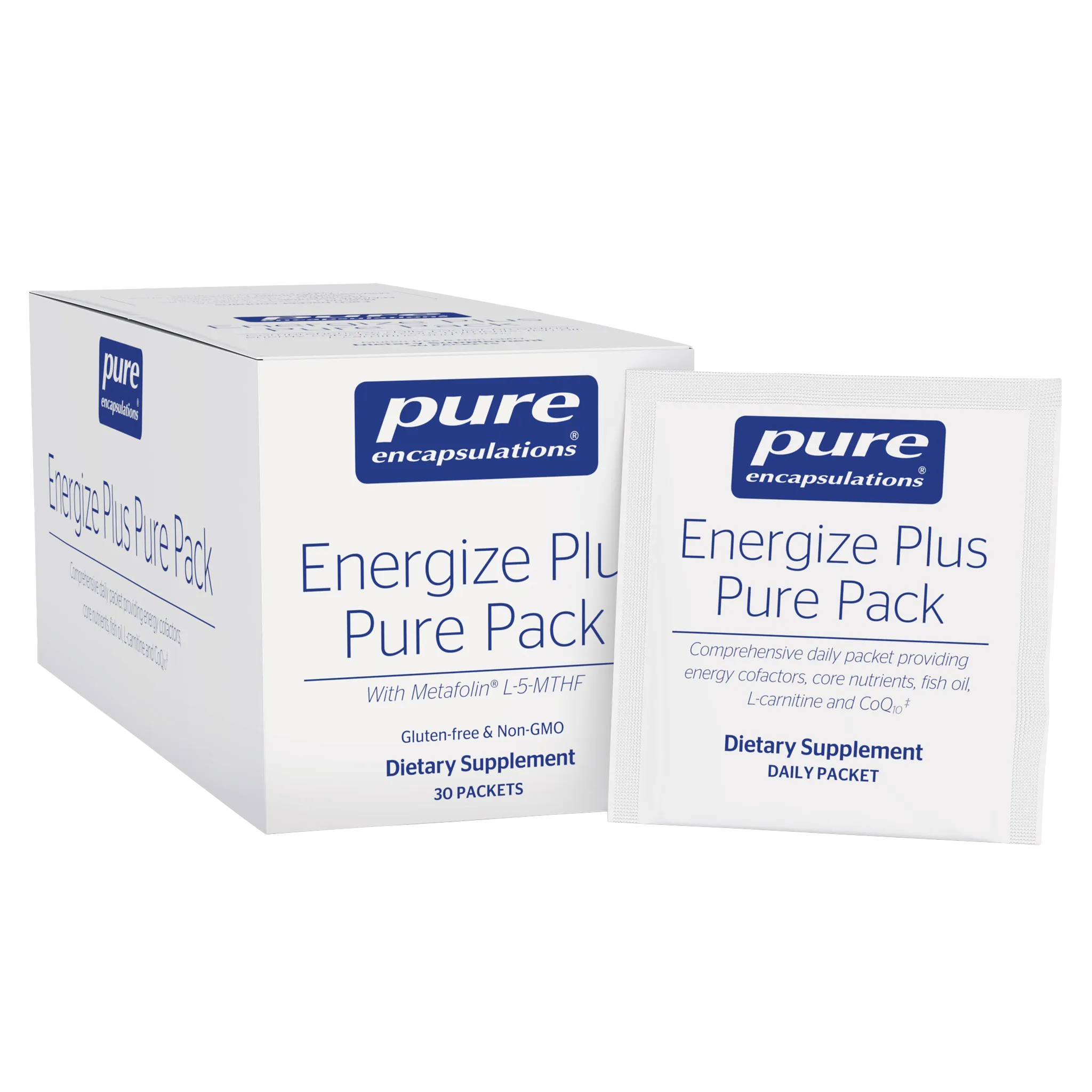
In the search for answers, medical research has increasingly focused on the microscopic powerhouses of our cells: the mitochondria. When viral infections, chronic inflammation, or genetic bottlenecks disrupt mitochondrial function, the body simply cannot produce enough energy to sustain normal physiological processes. This has led many patients and clinicians to explore comprehensive nutritional support designed to bypass these metabolic blockades. One such formulation is the Energize Plus™ Pure Pack by Pure Encapsulations, a targeted blend of Coenzyme Q10 (CoQ10), L-Carnitine, activated B-vitamins, and Omega-3 fatty acids. But how exactly do these specific nutrients interact with our cellular machinery, and what does the latest clinical research say about their role in managing post-viral fatigue? Let’s explore the science behind cellular energy production and how targeted supplementation may offer a supportive piece of the chronic illness puzzle.
TL;DR
Mitochondrial dysfunction drives profound, cellular-level fatigue in conditions like Long COVID and ME/CFS.
Targeted nutrients like CoQ10 and L-Carnitine may support cellular energy production and fatty acid oxidation.
Activated B-vitamins help bypass genetic bottlenecks, supporting the methylation cycle and antioxidant defenses.
Always consult a healthcare provider before starting new supplements to ensure safety and avoid interactions.
What is Energize Plus™ Pure Pack?
The Cellular Powerhouse: Mitochondria and ATP Production
To understand how a comprehensive nutrient packet like the Energize Plus™ Pure Pack functions, we must first look at the natural, healthy state of cellular energy metabolism. At the core of human vitality are the mitochondria, double-membraned organelles found in almost every cell in the body. Their primary job is to convert the food we eat and the oxygen we breathe into adenosine triphosphate (ATP), the universal energy currency of the cell. This complex biochemical conversion occurs through two main interconnected pathways: the Tricarboxylic Acid (TCA) cycle, also known as the Krebs cycle, and the Electron Transport Chain (ETC). When these systems are functioning optimally, a single molecule of glucose can yield up to 36 molecules of ATP, providing abundant energy for everything from cognitive processing to muscle contraction.
The Electron Transport Chain is a series of four protein complexes (Complex I through IV) embedded in the inner mitochondrial membrane. As electrons are passed down this chain, they release energy that is used to pump protons across the membrane, creating an electrochemical gradient. This gradient ultimately drives the ATP synthase enzyme to generate ATP. However, this electron relay race requires specific molecular "shuttles" to move electrons between the complexes. This is where Coenzyme Q10 (CoQ10), a fat-soluble, vitamin-like compound, plays an indispensable role. CoQ10 acts as the primary electron carrier, accepting electrons from Complex I and Complex II and physically transporting them to Complex III. Without adequate CoQ10, the entire electron transport chain stalls, ATP production plummets, and the cell experiences an immediate energy deficit.
The Methylation Cycle and B-Vitamins
While CoQ10 is managing the electron transport chain, a separate but equally critical biochemical process is occurring: the methylation cycle. Methylation is a fundamental biochemical process involving the transfer of a methyl group (one carbon and three hydrogen atoms) from one molecule to another. This cycle is responsible for DNA repair, neurotransmitter synthesis, immune function, and the regulation of homocysteine, a potentially toxic amino acid. The methylation cycle is entirely dependent on a steady supply of specific B-vitamins acting as coenzymes, particularly Vitamin B9 (folate), Vitamin B12 (cobalamin), Vitamin B6, and Vitamin B2 (riboflavin).
In a healthy body, dietary folate is converted through a series of enzymatic steps into its biologically active form, L-5-methyltetrahydrofolate (L-5-MTHF). This conversion is governed by the methylenetetrahydrofolate reductase (MTHFR enzyme). Once active, L-5-MTHF works alongside Vitamin B12 to convert homocysteine into methionine, which is then used to produce S-adenosylmethionine (SAMe), the body's universal methyl donor. Furthermore, the downstream byproducts of this cycle are required to synthesize glutathione, the body's master intracellular antioxidant. Glutathione protects the delicate mitochondrial membranes from being destroyed by the very free radicals (reactive oxygen species) generated during ATP production. Therefore, B-vitamins are not just energy producers; they are the fundamental protectors of the mitochondrial environment.
Fatty Acid Transport and L-Carnitine
While glucose is a primary fuel source, the heart and skeletal muscles rely heavily on the oxidation of long-chain fatty acids for sustained energy. However, these large fatty acid molecules cannot simply diffuse into the mitochondria on their own; they require a specialized transport system. This is the physiological role of L-Carnitine, an amino acid derivative naturally synthesized in the liver and kidneys. L-Carnitine acts as a molecular forklift, binding to long-chain fatty acids in the cellular cytoplasm and shuttling them across the impermeable inner mitochondrial membrane via the carnitine palmitoyltransferase (CPT) enzyme system.
Once inside the mitochondrial matrix, these fatty acids undergo beta-oxidation, a process that chops them into smaller acetyl-CoA molecules. These acetyl-CoA molecules then feed directly into the TCA cycle to generate the electron carriers (NADH and FADH2) that power the Electron Transport Chain. If L-Carnitine levels are depleted, fatty acids accumulate outside the mitochondria, unable to be burned for fuel. This not only starves the cell of a massive potential energy source but also leads to the toxic buildup of lipids in the cytoplasm, which can further impair cellular signaling and insulin sensitivity. In a healthy system, CoQ10, B-vitamins, and L-Carnitine work in perfect, synchronized harmony to ensure a continuous, clean, and efficient supply of ATP.
How Chronic Illness Impacts Cellular Energy
Viral-Induced Mitochondrial Shutdown
When an individual develops Long COVID or ME/CFS, the elegant, synchronized energy production systems described above are thrown into chaos. Current medical research suggests that these chronic conditions are not merely states of being "tired," but rather complex post-viral syndromes characterized by profound, acquired mitochondrial dysfunction. During an acute infection, such as with the SARS-CoV-2 virus, the immune system mounts a massive inflammatory response to neutralize the pathogen. This process, often involving a "cytokine storm," consumes vast quantities of the body's nutritional reserves, rapidly depleting intracellular stores of B-vitamins, Vitamin C, magnesium, and CoQ10.
Furthermore, the virus itself can directly damage the cellular machinery. SARS-CoV-2 enters cells by binding to the ACE2 receptor, a process that triggers widespread endothelial inflammation. Recent studies published in the International Journal of Molecular Sciences indicate that this viral-induced oxidative stress directly attacks the mitochondria. To protect themselves from irreversible damage and prevent the cell from undergoing apoptosis (programmed cell death), the mitochondria initiate a defensive mechanism known as the Cell Danger Response (CDR). During the CDR, the mitochondria intentionally downregulate ATP production, shifting their focus from energy generation to cellular defense. In Long COVID and ME/CFS, it appears that this biological "circuit breaker" gets stuck in the off position long after the initial virus has been cleared, leaving the patient in a state of perpetual, severe energy depletion.
The Microclot and Hypoxia Connection
Another major factor impacting cellular energy in chronic illness is mitochondrial impairment. Researchers have recently identified novel biomarkers of mitochondrial dysfunction in Long COVID patients, highlighting how the cellular energy machinery is compromised. When combined with potential microvascular issues that block the microscopic capillaries delivering oxygen and nutrients to the tissues, this can induce a state of cellular hypoxia (low oxygen), as the mitochondrial Electron Transport Chain requires oxygen to function.
When cells are deprived of oxygen, they are forced to abandon efficient mitochondrial ATP production and rely on a primitive, inefficient process called anaerobic glycolysis. Anaerobic glycolysis produces only a fraction of the ATP and generates high amounts of lactic acid as a byproduct. This lactic acid buildup in the muscles and brain is a primary driver of the heavy, burning muscle pain and profound cognitive fatigue experienced during post-exertional malaise (PEM). The mitochondria are essentially suffocating, unable to utilize the nutrients circulating in the blood because the delivery system is compromised by post-viral vascular damage.
Genetic Bottlenecks: The MTHFR Mutation
The energy crisis in chronic illness is frequently compounded by underlying genetic predispositions, most notably mutations in the MTHFR gene. It is estimated that up to 40% of the population carries at least one variant of the MTHFR gene (such as the C677T polymorphism), which significantly reduces the enzyme's ability to convert dietary folate into its active form, L-5-MTHF. In a healthy individual, this genetic bottleneck might only cause mild, subclinical issues. However, when the body is subjected to the extreme oxidative stress of a viral infection, this bottleneck becomes a critical point of failure.
Without sufficient L-5-MTHF, the methylation cycle stalls. Homocysteine levels rise, causing further damage to the endothelial lining of the blood vessels and promoting more microclotting. More importantly, the inability to complete the methylation cycle means the body cannot synthesize adequate amounts of glutathione. Stripped of its master antioxidant, the mitochondrial membrane is left defenseless against the massive influx of free radicals generated by the immune system's inflammatory response. This creates a vicious cycle: viral inflammation depletes antioxidants, genetic bottlenecks prevent the synthesis of new antioxidants, and the resulting oxidative stress causes the mitochondria to shut down ATP production, leading to the debilitating fatigue that characterizes ME/CFS and Long COVID.
Energize Plus: Supporting Mitochondrial Function and Metabolism
Bypassing the Folate Bottleneck with L-5-MTHF
The Energize Plus™ Pure Pack is formulated to address these specific metabolic blockades by providing nutrients in their most biologically active, easily assimilable forms. One of the most critical interventions in this formula is the inclusion of Metafolin®, a patented, naturally occurring form of L-5-methyltetrahydrofolate (L-5-MTHF). By supplying folate that is already fully methylated, the supplement entirely bypasses the MTHFR enzymatic bottleneck. The body does not need to expend precious energy or rely on compromised genetic pathways to convert it. This immediate influx of active folate effectively "restarts" the stalled methylation cycle.
Once the methylation cycle is running again, the body can efficiently clear toxic homocysteine, reducing the inflammatory burden on the vascular endothelium. Furthermore, the restoration of methylation pathways allows for the renewed synthesis of intracellular glutathione. By replenishing this master antioxidant, the mitochondrial membranes are finally shielded from the relentless oxidative stress that has been keeping them in the defensive Cell Danger Response. This reduction in oxidative stress is a necessary prerequisite for the mitochondria to feel "safe" enough to resume normal ATP energy production.
Restarting the Electron Transport Chain with CoQ10
With the antioxidant defenses recovering, the formula utilizes Coenzyme Q10 (CoQ10) to directly stimulate the Electron Transport Chain. In patients with chronic post-viral fatigue, the intracellular levels of CoQ10 are often severely depleted, meaning electrons cannot efficiently move from Complex I and II to Complex III. Supplementing with exogenous CoQ10 acts like replacing a missing spark plug in an engine. It restores the physical transport mechanism required for the electron relay race to continue.
As CoQ10 shuttles electrons more efficiently, the mitochondrial membrane potential is stabilized, and the ATP synthase enzyme can begin churning out adenosine triphosphate at a higher volume. Research published in the International Journal of Molecular Sciences highlights that CoQ10 supplementation in post-viral fatigue syndromes aims to overcome the acquired mitochondrial blockade, shifting the cell away from inefficient anaerobic glycolysis and back toward high-yield aerobic respiration. Additionally, CoQ10 itself acts as a potent lipid-soluble antioxidant, providing a second layer of defense against lipid peroxidation within the mitochondrial membrane.
Fueling the Fire: L-Carnitine and Fatty Acid Oxidation
To ensure the newly restarted Electron Transport Chain has enough raw fuel to process, the Energize Plus Pure Pack includes a substantial dose of L-Carnitine (340 mg per packet). In the context of ME/CFS and Long COVID, where glucose metabolism is often dysregulated and insulin resistance can develop, the ability to efficiently burn fats for energy becomes paramount. L-Carnitine restores the function of the carnitine shuttle, forcefully transporting long-chain fatty acids across the mitochondrial membrane.
By increasing the rate of beta-oxidation, L-Carnitine provides a massive influx of acetyl-CoA to the TCA cycle. This is particularly crucial for skeletal muscle and cardiac tissue, which are highly dependent on fatty acid oxidation. By clearing the backlog of unburned lipids in the cytoplasm and feeding them into the mitochondrial furnace, L-Carnitine helps alleviate the heavy, leaden feeling in the limbs that patients often experience during a PEM crash. It essentially ensures that the cellular engine is not just running, but running on a high-octane, sustained fuel source.
Modulating Neuroinflammation with Omega-3s
Finally, the formula addresses the systemic and neuroinflammatory components of chronic illness through the inclusion of high-purity Omega-3 fatty acids (EPA and DHA). In a post-viral state, the immune system's microglial cells in the brain often remain hyperactivated, constantly releasing pro-inflammatory cytokines like IL-6 and TNF-alpha. This neuroinflammation is a primary driver of the cognitive dysfunction, or "brain fog," seen in Long COVID.
EPA and DHA serve as the critical biochemical precursors to Specialized Pro-resolving Mediators (SPMs), including resolvins and protectins. These highly potent molecules act as the immune system's "cleanup crew," actively signaling the microglial cells to stand down, halting the inflammatory cascade, and promoting the clearance of cellular debris. By providing a robust daily dose of Omega-3s (600 mg EPA and 400 mg DHA), the supplement aims to shift the body's fatty acid ratio away from pro-inflammatory arachidonic acid and toward a state of active inflammatory resolution, thereby supporting cognitive clarity and protecting delicate neural tissues.
Symptoms This Nutrient Blend May Help Manage
Targeting Core Post-Viral Symptoms
The synergistic blend of nutrients in the Energize Plus Pure Pack is designed to target the downstream clinical manifestations of mitochondrial dysfunction. While no supplement is a cure for complex chronic illnesses, restoring cellular energy pathways can help manage several debilitating symptoms associated with Long COVID and ME/CFS.
Profound Fatigue and Low Energy: By supplying CoQ10 and B-vitamins to restart the Electron Transport Chain, the body can shift back to efficient ATP production, helping to lift the baseline level of daily energy and reduce the sensation of being constantly "drained."
Post-Exertional Malaise (PEM): L-Carnitine helps optimize fatty acid oxidation, providing a more stable, long-lasting fuel source for muscles. This may help raise the anaerobic threshold, potentially delaying the onset of the lactic acid buildup that triggers a PEM crash after minor exertion.
Muscle Weakness and Aching: The inclusion of highly absorbable magnesium glycinate, combined with the ATP-boosting effects of CoQ10, supports normal muscle contraction and relaxation, helping to alleviate the heavy, leaden feeling and cramping often experienced in the limbs.
Cognitive and Systemic Support
Beyond physical energy, the brain is one of the most metabolically demanding organs in the body, consuming roughly 20% of all ATP produced. When mitochondrial function declines, cognitive symptoms are often the first to appear.
Brain Fog and Cognitive Dysfunction: The Omega-3 fatty acids (EPA and DHA) provide the building blocks for anti-inflammatory resolvins, which help downregulate microglial activation and neuroinflammation, potentially improving focus, memory retrieval, and mental clarity.
Cardiovascular Palpitations: CoQ10 is highly concentrated in cardiac tissue. By supporting the heart's massive energy demands, alongside the endothelial-protecting effects of active folate (L-5-MTHF) lowering homocysteine, the formula supports overall cardiovascular stability, which is often dysregulated in post-viral dysautonomia.
Chronic Oxidative Stress: The comprehensive blend of antioxidants, including Vitamin C, Vitamin E, Selenium, and a proprietary carotenoid blend (lutein and zeaxanthin), works synergistically to neutralize free radicals, protecting cellular membranes from ongoing damage caused by a hyperactive immune system.
Practical Considerations: Forms, Dosing, and Absorption
The Importance of Bioavailability and Activated Forms
When dealing with compromised gastrointestinal systems—a common issue in Long COVID and ME/CFS due to gut microbiome dysbiosis—what you swallow is far less important than what you actually absorb. The Energize Plus Pure Pack is specifically formulated with bioavailability as the primary focus. Bioavailability refers to the proportion of a nutrient that successfully enters systemic circulation and reaches the target cells. Pure Encapsulations achieves this by utilizing biologically active, pre-converted forms of vitamins that do not require complex hepatic (liver) processing.
For example, rather than using standard, inactive B-vitamins, the formula includes Riboflavin as riboflavin 5' phosphate and Vitamin B6 as pyridoxal 5' phosphate (P5P). Because these vitamins are already in their active coenzyme states, they are immediately available for cellular use. Similarly, the minerals in the pack are provided as amino acid chelates. Instead of using cheap, poorly absorbed mineral salts like magnesium oxide (which often causes digestive distress and diarrhea), the formula uses magnesium glycinate and zinc picolinate. These chelated forms are bound to amino acids, allowing them to be actively transported across the intestinal wall, ensuring maximum absorption with minimal gastrointestinal irritation.
Optimal Timing and Absorption Tips
To maximize the efficacy of the Energize Plus Pure Pack, timing and dietary context are crucial. The packet contains seven capsules, which include fat-soluble nutrients like CoQ10, Vitamin D3, Vitamin E, and Omega-3 fish oil. Fat-soluble vitamins require the presence of dietary fat to stimulate the release of bile acids, which are necessary for their emulsification and absorption in the small intestine. Therefore, it is highly recommended to take the entire packet with your largest, most fat-containing meal of the day (such as a meal containing avocado, olive oil, nuts, or fatty fish).
Because the primary goal of this supplement is to stimulate mitochondrial ATP production, it is generally best to take the packet in the morning or early afternoon. Taking high doses of energy-synthesizing B-vitamins and CoQ10 late in the evening may lead to overstimulation and interfere with sleep architecture, which is already frequently disrupted in patients with chronic fatigue syndromes. Consistency is also key; while some patients report subtle shifts in energy within a few weeks, it typically takes 2 to 3 months of daily supplementation to sufficiently replenish deep intracellular nutrient deficits and observe meaningful changes in baseline fatigue.
Safety and Potential Interactions
While the ingredients in the Energize Plus Pure Pack are generally recognized as safe and well-tolerated, there are important clinical considerations. Because the formula contains a significant dose of Omega-3 fatty acids (which have mild blood-thinning properties) and Vitamin E, individuals taking prescription anticoagulants (like warfarin) or antiplatelet medications should consult their physician, as the combination may increase the risk of bleeding.
Additionally, CoQ10 structurally resembles Vitamin K and can occasionally interact with blood thinners. The formula is hypoallergenic and free from unnecessary binders, fillers, magnesium stearate, and artificial colors, making it suitable for highly sensitive individuals, including those with Mast Cell Activation Syndrome (MCAS). However, patients with severe fish allergies should avoid this product, as the Omega-3 concentrate is derived from anchovies, sardines, and mackerel. Always work with a healthcare provider to ensure any new supplement fits safely into your comprehensive management plan.
Follow the Science
Clinical Trials on CoQ10 and L-Carnitine
The scientific community has increasingly turned its attention to mitochondrial nutrients as potential therapies for post-viral syndromes. The clinical data from 2023 and 2024 presents a nuanced picture, suggesting that while these nutrients are vital, they often work best in combination. For instance, a rigorous 2023 crossover randomized controlled trial by Hansen et al., published in The Lancet Regional Health, investigated high-dose CoQ10 (500 mg/day) as a standalone treatment for severe Long COVID. The study found that CoQ10 monotherapy did not significantly reduce symptoms compared to a placebo, highlighting that a single nutrient may not be enough to overcome deeply entrenched mitochondrial dysfunction.
However, when CoQ10 and L-Carnitine are used in combination therapies, the results are far more promising, with ongoing research into mitochondrial nutrients continuing to expand across the medical and pharmacological literature.
Real-World Data for ME/CFS and Long COVID
Beyond controlled trials, large-scale patient-reported data provides crucial insights into how these supplements perform in the real world. A major 2024 study published in the Proceedings of the National Academy of Sciences (PNAS) analyzed outcomes for over 3,900 individuals suffering from Long COVID and ME/CFS. The data revealed that patients taking high-dose CoQ10 reported statistically significant positive effects on general fatigue, brain fog, and Post-Exertional Malaise (PEM).
The same PNAS study found that L-Carnitine supplementation (particularly at doses of 500 mg or higher) showed significant clinical benefits, with over 41% of users reporting noticeable relief from core fatigue symptoms. Furthermore, a recent double-blind trial by Modir et al. in the Journal of Acute Disease (2024) demonstrated that L-carnitine administration in severe acute COVID-19 patients successfully lowered markers of muscle damage (creatine phosphokinase) and significantly reduced mortality, underscoring its profound protective effects on cellular integrity during extreme viral stress.
The Evolving Science of Omega-3s
The research surrounding Omega-3 fatty acids for Long COVID is currently undergoing a paradigm shift. Historically, Omega-3s have been championed for their anti-inflammatory properties. However, a rigorous 2024 double-blind pilot trial by Sarkar et al., published in Cureus, tested high-dose EPA and DHA on healthcare workers with Long COVID. While the supplement successfully and dramatically improved the patients' blood inflammatory markers (lowering the pro-inflammatory AA:EPA ratio), it did not result in statistically significant improvements in clinical symptoms like fatigue or shortness of breath.
This disconnect has led researchers to hypothesize that in chronic post-viral states, the body's enzymatic pathways required to convert raw Omega-3s into active Specialized Pro-resolving Mediators (SPMs) may be broken or stalled. While Omega-3s remain foundational for general cardiovascular and cellular membrane health, this data reinforces the concept that managing Long COVID requires a highly comprehensive approach. Relying on a single pathway—whether it be just inflammation modulation or just ATP production—is often insufficient, which is why multi-target formulations like the Energize Plus Pure Pack are increasingly favored in clinical practice.
The Path Forward
A Comprehensive Approach to Energy Recovery
Living with the unpredictable, crushing fatigue of Long COVID, ME/CFS, or dysautonomia is an incredibly isolating and frustrating experience. It is entirely valid to feel overwhelmed when your body no longer responds the way it used to, and when standard medical tests fail to capture the profound cellular exhaustion you experience every single day. The science of acquired mitochondrial dysfunction validates what you already know: your fatigue is not in your head; it is a measurable, biochemical reality rooted in disrupted cellular energy pathways.
While the Energize Plus™ Pure Pack offers a robust, scientifically grounded combination of CoQ10, L-Carnitine, activated B-vitamins, and Omega-3s designed to bypass these metabolic blockades, it is important to remember that supplements are just one piece of the puzzle. True recovery and symptom management require a holistic approach. This includes aggressive radical resting, strict symptom tracking, and learning to pace your physical and cognitive exertion to avoid triggering the lactic acid buildup that leads to PEM crashes. Nutrition can rebuild the engine, but pacing ensures you don't burn it out again.
Next Steps in Your Healing Journey
As research into post-viral syndromes continues to evolve, the focus on restoring mitochondrial integrity and bypassing genetic bottlenecks like the MTHFR mutation offers a hopeful path forward. By providing your cells with the highly bioavailable, activated cofactors they desperately need, you can begin to support your body's innate ability to generate energy and resolve chronic inflammation.
Always consult with your primary healthcare provider or a specialist familiar with complex chronic illnesses before introducing new supplements, especially to ensure they do not interact with your current medications. If you and your medical team determine that comprehensive mitochondrial support is the right next step for your management plan, you can explore targeted nutritional options to help rebuild your cellular foundation.