Can Vitamin D3 and K2 Support Vascular Health in Long COVID and Dysautonomia?
March 5, 2026
Long COVIDDysautonomiaVitamin D3
Share:
Disclaimer: The information provided here is for educational purposes only and is not intended as medical advice. It should not be used to diagnose, treat, cure, or prevent any medical condition. Instead, use it as a starting point for discussion with your healthcare provider. Always consult with a qualified healthcare provider before starting any new medication, supplement, device, or making changes to your health regimen.
Months after recovering from an initial SARS-CoV-2 infection, many individuals find themselves fighting a complex array of debilitating symptoms that we now recognize as Long COVID. For patients navigating this condition, alongside overlapping illnesses like myalgic encephalomyelitis/chronic fatigue syndrome (ME/CFS) and dysautonomia, the search for answers can be deeply frustrating. One of the most critical discoveries in recent post-viral research is the profound impact these conditions have on the vascular system, specifically the delicate inner lining of our blood vessels known as the endothelium. When the endothelium becomes damaged and inflamed, it triggers a cascade of systemic issues, from microclotting and poor oxygen delivery to severe post-exertional malaise (PEM) and autonomic nervous system misfires.
In the pursuit of restoring vascular health and managing these complex symptoms, the synergistic combination of Vitamin D3 and Vitamin K2 has emerged as a scientifically backed, highly targeted intervention. While Vitamin D has long been celebrated for its immune-modulating properties, researchers now understand that without its essential partner, Vitamin K2, its benefits are fundamentally limited—and in some cases, potentially problematic for vascular health. This article explores the intricate biochemistry of EmulsiSorb K2D3 Liquid, detailing how this specific, highly bioavailable emulsified formulation works at the cellular level to support endothelial integrity, balance calcium metabolism, and provide a foundational pillar of support for those living with complex chronic illnesses.
TL;DR
Vitamin D3 and K2 work synergistically to support vascular health and balance calcium metabolism.
Emulsified liquid formulations may improve absorption for patients with chronic illness or gastrointestinal dysfunction.
Research suggests this combination may help manage symptoms of Long COVID, ME/CFS, and dysautonomia.
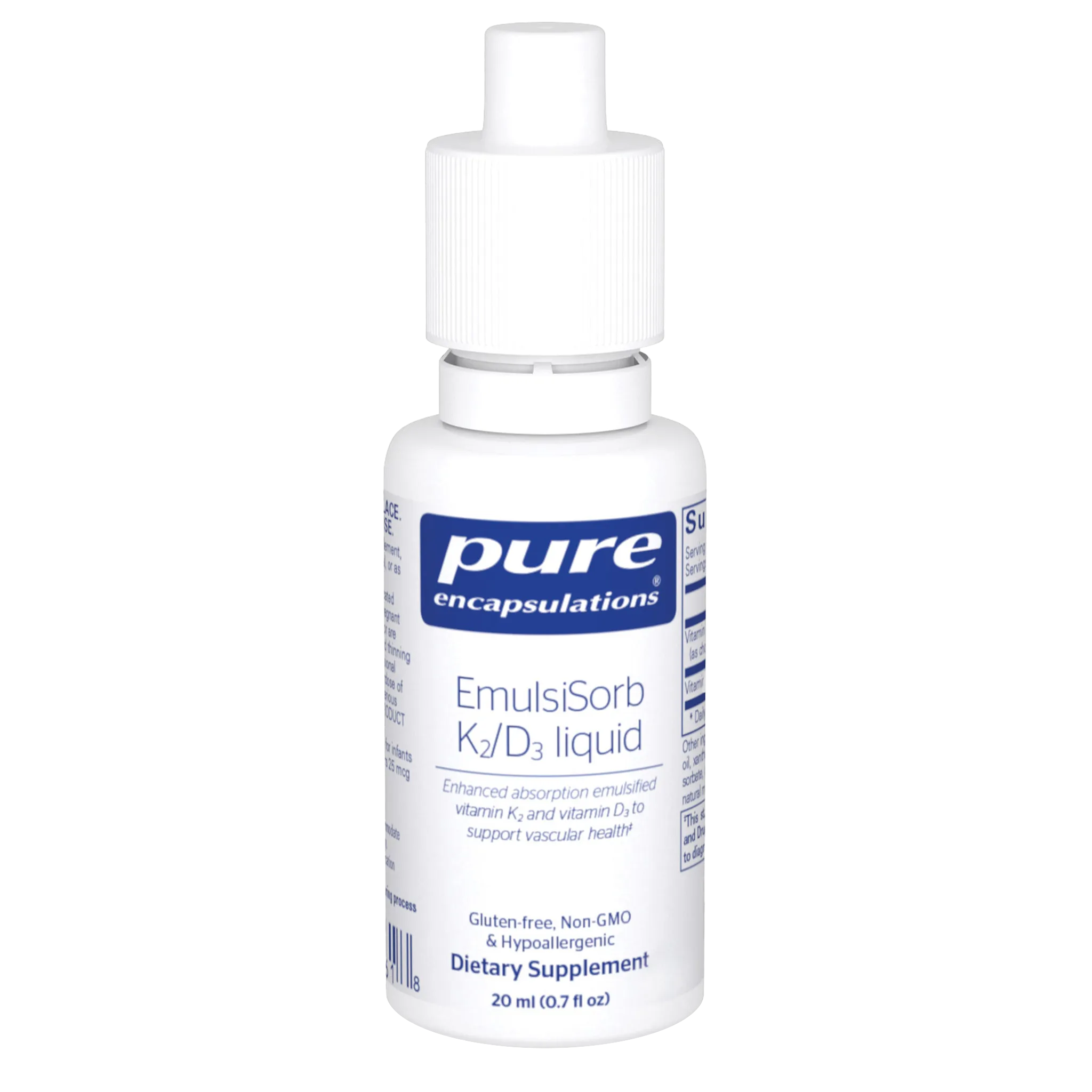
What is EmulsiSorb K2D3 Liquid?
The Essential Roles of Vitamin D3 and K2
To understand the power of EmulsiSorb K2D3 Liquid, we must first explore the natural physiological functions of its two primary components: Vitamin D3 (cholecalciferol) and Vitamin K2 (specifically the menaquinone-7 or MK-7 form). In a healthy human body, Vitamin D3 acts less like a traditional vitamin and more like a potent neuroactive steroid hormone. It is primarily responsible for actively absorbing calcium from the intestines into the bloodstream, ensuring the body has the raw materials necessary for bone mineralization and cellular signaling. Furthermore, at the molecular level, Vitamin D3 binds to Vitamin D Receptors (VDRs) located in almost every tissue in the body, where it upregulates the genetic expression of two crucial Vitamin K-dependent proteins (VKDPs): osteocalcin in the skeletal system and Matrix Gla Protein (MGP) in the vascular smooth muscle cells. You can read more about the systemic effects of post-viral conditions in our guide on What Causes Long COVID?.
However, while Vitamin D3 is the "producer" that synthesizes these vital proteins, it leaves them in a completely inactive, uncarboxylated state. This is where Vitamin K2 becomes absolutely essential. Vitamin K2 acts as an obligatory enzymatic cofactor for the enzyme gamma-glutamyl carboxylase. This specific enzyme is responsible for converting glutamate (Glu) residues on these inactive proteins into gamma-carboxyglutamate (Gla) residues. This post-translational modification, known as carboxylation, fundamentally changes the physical structure of the proteins, giving them a negative electrical charge. This negative charge acts like a chemical "claw," allowing the proteins to actively bind to and transport positively charged calcium ions exactly where they need to go. Without adequate Vitamin K2, the proteins generated by Vitamin D3 remain functionally useless, floating freely in the bloodstream unable to manage calcium distribution.
The Calcium Paradox and Matrix Gla Protein
The intricate dance between these two vitamins helps prevent a dangerous physiological phenomenon known as the "calcium paradox." The calcium paradox occurs when a patient has a systemic calcium deficiency in their skeleton (leading to osteopenia or osteoporosis) simultaneously paired with a destructive accumulation of calcium in their soft tissues, particularly the arterial walls. When a person takes Vitamin D3 alone—or consumes high amounts of dietary calcium without adequate Vitamin K2—the body successfully absorbs the calcium into the blood but lacks the biological instructions on where to deposit it. As a result, the free-floating calcium can precipitate out of the blood and form dangerous calcium-phosphate (hydroxyapatite) crystals inside the delicate endothelial lining of the blood vessels, leading to severe arterial stiffening and cardiovascular dysfunction.
Matrix Gla Protein (MGP) is the body's primary defense against this exact process. Synthesized by vascular smooth muscle cells and chondrocytes, MGP is currently recognized by researchers as the most potent naturally occurring inhibitor of vascular and soft-tissue calcification. When MGP is fully activated (carboxylated) by Vitamin K2, it actively scavenges the bloodstream and arterial walls, binding to free calcium ions and helping to prevent them from crystallizing inside the vascular tissue. By keeping the arteries clear of calcified plaques, activated MGP ensures that blood vessels remain highly elastic, flexible, and capable of dilating properly to deliver oxygen-rich blood to the brain and muscles. In patients with severe systemic inflammation or chronic illness, maintaining this vascular elasticity is a critical component of managing fatigue and cognitive dysfunction.
Osteocalcin and Bone Mineralization
While MGP protects the cardiovascular system, its sister protein, osteocalcin, performs an equally vital role in the skeletal system. Osteocalcin is a bone matrix protein synthesized by osteoblasts, the specialized cells responsible for building new bone tissue. When activated by Vitamin K2, carboxylated osteocalcin (cOC) binds tightly to calcium and integrates it directly into the hydroxyapatite lattice of the bone matrix. This process significantly increases bone mineral density (BMD) and enhances the mechanical strength and flexibility of the skeleton. In healthy individuals, this continuous remodeling process ensures that micro-fractures are repaired and structural integrity is maintained throughout the aging process.
Conversely, when a patient is deficient in Vitamin K2, osteocalcin remains in its uncarboxylated form (ucOC). Uncarboxylated osteocalcin cannot bind to bone minerals and instead leaks out into the systemic circulation. In clinical diagnostics, a high circulating ratio of uncarboxylated to carboxylated osteocalcin is a highly reliable biomarker for severe Vitamin K deficiency and is strongly correlated with accelerated bone loss and an increased risk of fractures. By providing a highly bioavailable, emulsified source of both Vitamin D3 and K2, EmulsiSorb K2D3 Liquid ensures that calcium is efficiently absorbed from the diet and meticulously directed away from the arteries and into the skeletal system, promoting both cardiovascular and structural health simultaneously.
How Chronic Illness Impacts the Vascular and Autonomic Systems
Endothelial Dysfunction in Long COVID
To understand why the cardiovascular support provided by Vitamin D3 and K2 is so relevant, we must examine how chronic illnesses like Long COVID and myalgic encephalomyelitis/chronic fatigue syndrome (ME/CFS) physically damage the vascular system. One of the hallmark pathophysiological features of Long COVID is persistent endothelial dysfunction. The endothelium is the single layer of specialized cells that lines the entire interior surface of our blood vessels, acting as a critical barrier and regulator of blood flow, coagulation, and immune cell trafficking. Following an acute SARS-CoV-2 infection, the virus and its lingering spike proteins can directly infect and damage these endothelial cells, triggering a prolonged state of severe oxidative stress and vascular inflammation. If you are wondering about the duration of these symptoms, you can explore our article on How Long Does Long COVID Last?.
This persistent endothelial inflammation creates a vicious cycle that drives many of the most debilitating symptoms of Long COVID. When the endothelium is inflamed, it loses its ability to produce adequate amounts of nitric oxide, a crucial molecule required for vasodilation (the widening of blood vessels). Without sufficient vasodilation, blood flow to the brain, muscles, and vital organs becomes severely restricted, leading to profound brain fog, muscle pain, and the hallmark symptom of post-exertional malaise (PEM). Furthermore, the damaged endothelium becomes "sticky," promoting the formation of microscopic blood clots (fibrin amyloid microclots) that further obstruct capillary blood flow and trap inflammatory cytokines within the vascular network. Recent clinical trials have demonstrated that this exact type of vascular damage is heavily implicated in the persistence of Long COVID symptoms.
Autonomic Nervous System Dysregulation in POTS
In addition to direct vascular damage, chronic post-viral illnesses frequently trigger severe dysregulation of the autonomic nervous system (ANS), leading to conditions like Postural Orthostatic Tachycardia Syndrome (POTS) and other forms of dysautonomia. The ANS is responsible for controlling involuntary physiological processes, including heart rate, blood pressure regulation, and digestion. In a healthy body, when you stand up, the ANS instantly signals the blood vessels in your lower extremities to constrict, helping to prevent gravity from pulling blood away from your brain. However, in patients with POTS, this baroreflex sensitivity is impaired. The blood vessels fail to constrict properly, leading to severe blood pooling in the legs, dizziness, and a compensatory, abnormally rapid heart rate as the body desperately tries to pump blood back up to the brain.
Emerging neurological research has identified a powerful connection between Vitamin D deficiency and the exacerbation of these autonomic misfires. Vitamin D is now recognized as a vital neuroactive hormone that heavily modulates the function of both the sympathetic ("fight or flight") and parasympathetic ("rest and digest") branches of the nervous system. Studies on pediatric patients with orthostatic intolerance have shown that low serum Vitamin D levels strongly correlate with a significant loss of baroreflex sensitivity upon standing. When Vitamin D levels are depleted—often due to the physical deconditioning and lack of sunlight exposure associated with chronic illness—the body loses a critical regulator of neurotransmitter expression, specifically norepinephrine and nitric oxide, further destabilizing the already fragile autonomic nervous system.
The Vicious Cycle of Inflammation and Oxidative Stress
The intersection of endothelial dysfunction and autonomic neuropathy creates a compounding cycle of systemic inflammation and oxidative stress. As blood vessels stiffen and capillary perfusion drops, the body's tissues enter a state of localized hypoxia (oxygen starvation). This hypoxia triggers the mitochondria—the energy-producing powerhouses of the cells—to generate excessive amounts of reactive oxygen species (ROS), leading to severe oxidative stress. This oxidative stress further damages the endothelial lining, perpetuating the cycle of vascular stiffness and immune hyperactivation. For a deeper understanding of how these overlapping mechanisms interact, you can read our exploration of Can Long COVID Trigger ME/CFS? Unraveling the Connection.
In this highly inflamed, oxidative environment, the body rapidly depletes its stores of essential micronutrients, including Vitamin D3 and Vitamin K2, as it desperately attempts to modulate the immune response and repair vascular damage. Without targeted nutritional intervention, the depletion of these specific vitamins leaves the vascular smooth muscle cells completely unprotected against ectopic calcification. As the arteries become progressively stiffer due to uninhibited calcium deposition, the autonomic nervous system must work increasingly harder to regulate blood pressure, leading to the severe fatigue, exercise intolerance, and chronic body pain that define the daily reality for millions of patients living with complex chronic illnesses.
EmulsiSorb K2D3: Supporting Vascular and Autonomic Function
Activating MGP to Protect Blood Vessels
Supplementing with a highly bioavailable formulation like EmulsiSorb K2D3 Liquid provides a direct, mechanistic intervention to disrupt the cycle of vascular damage seen in Long COVID and dysautonomia. The primary therapeutic mechanism centers on the profound vasoprotective properties of activated Matrix Gla Protein (MGP). By supplying a clinical dose of Vitamin K2 as menaquinone-7 (MK-7), this supplement ensures that the MGP synthesized by the vascular smooth muscle cells is fully carboxylated and activated. Once activated, MGP immediately begins scavenging the endothelial lining, binding to rogue calcium ions and helping to prevent them from forming rigid hydroxyapatite crystals within the arterial walls. This active mitigation of vascular calcification is critical for patients with endothelial dysfunction, as it physically preserves the elasticity and flexibility of the blood vessels.
By maintaining arterial flexibility, activated MGP directly supports healthy vasodilation and optimal capillary perfusion. When blood vessels can expand and contract smoothly without the rigid hindrance of calcified plaques, the autonomic nervous system does not have to work as hard to regulate blood pressure during postural changes. This improved vascular compliance allows for more efficient delivery of oxygen and vital nutrients to the brain and peripheral muscle tissues, directly addressing the localized hypoxia that drives post-exertional malaise (PEM) and cognitive brain fog. Clinical trials have repeatedly demonstrated that daily supplementation with MK-7 significantly reduces circulating levels of inactive MGP, directly correlating with improved arterial stiffness markers.
Modulating the Immune Response and Gut Barrier
Beyond its role in calcium metabolism, the Vitamin D3 component of EmulsiSorb K2D3 Liquid acts as a powerful, broad-spectrum immunomodulator. In patients with Long COVID and Mast Cell Activation Syndrome (MCAS), the immune system is often locked in a state of chronic, hyperactive inflammation, constantly releasing pro-inflammatory cytokines like TNF-alpha and Interleukin-6 (IL-6). Vitamin D3 binds directly to receptors on various immune cells—including macrophages, dendritic cells, and T-cells—and actively downregulates the expression of these inflammatory cytokines while simultaneously upregulating the production of anti-inflammatory molecules like Interleukin-10 (IL-10). This shift from a pro-inflammatory to an anti-inflammatory state is crucial for calming the systemic immune storms that trigger symptom flares and mast cell degranulation.
Furthermore, recent breakthrough research has highlighted the critical role of Vitamin D3 and K2 in repairing the gut-lung axis and restoring mucosal barrier integrity. Many Long COVID patients suffer from increased intestinal permeability ("leaky gut"), which allows fungal elements and bacterial endotoxins to translocate into the bloodstream, driving continuous systemic inflammation. A landmark 2025 randomized controlled trial found that supplementing Long COVID patients with a combination of Vitamin D3 and K2 significantly reduced levels of (1,3)-beta-D-glucan (a marker of fungal translocation) and normalized Zonulin levels (a marker of gut permeability). By physically repairing the tight junctions in the intestinal lining, this synergistic vitamin combination cuts off a major source of chronic immune activation at its root.
Supporting Autonomic Tone and Baroreflex Sensitivity
The neurological benefits of restoring adequate Vitamin D3 levels are particularly relevant for patients managing POTS and other forms of dysautonomia. Because Vitamin D receptors are densely concentrated throughout the central and peripheral nervous systems, maintaining optimal serum levels is essential for the synthesis and regulation of key neurotransmitters, including norepinephrine and nitric oxide. These neurotransmitters are the chemical messengers that the autonomic nervous system relies on to communicate with the cardiovascular system. By ensuring the nervous system has the necessary hormonal support to produce these messengers, Vitamin D3 supplementation helps stabilize autonomic tone and improves the efficiency of nerve signaling.
Clinically, this stabilization translates to improved baroreflex sensitivity (BRS). When the baroreceptors in the neck and chest can accurately detect changes in blood pressure and rapidly transmit that information to the brain, the body can execute the necessary vasoconstriction to help prevent blood pooling upon standing. Research indicates that correcting Vitamin D deficiency in patients with orthostatic intolerance can significantly improve supine measures of heart rate variability (HRV) and reduce the severity of tachycardic episodes. By combining the neurological support of Vitamin D3 with the vascular elasticity provided by Vitamin K2, EmulsiSorb K2D3 Liquid offers a comprehensive, multi-pathway approach to managing the complex physiological dysfunctions inherent in chronic post-viral illnesses.

Symptoms EmulsiSorb K2D3 May Help Manage
Targeted Symptom Relief
The synergistic actions of Vitamin D3 and K2 target several of the most challenging and pervasive symptoms experienced by patients with Long COVID, ME/CFS, and dysautonomia. By addressing underlying endothelial dysfunction, autonomic misfires, and systemic inflammation, this specific combination can provide highly targeted relief. If you are tracking your daily health metrics, you can learn more about identifying these specific patterns in our guide on What Are the Symptoms of Long COVID?.
Post-Exertional Malaise (PEM): By helping to prevent arterial calcification and maintaining vascular elasticity, Vitamin K2 ensures that blood vessels can dilate efficiently during physical or cognitive exertion. This improved capillary perfusion delivers vital oxygen to the mitochondria, helping to mitigate the severe energy crashes and localized hypoxia that trigger PEM.
Orthostatic Intolerance and Dizziness: Vitamin D3 acts as a neuroactive hormone that supports the autonomic nervous system's ability to regulate blood pressure. By improving baroreflex sensitivity and neurotransmitter expression, it helps the body execute the necessary vasoconstriction upon standing, reducing blood pooling, dizziness, and the rapid heart rate associated with POTS.
Brain Fog and Cognitive Dysfunction: The brain requires a massive, uninterrupted supply of highly oxygenated blood to function optimally. By reducing oxidized LDL and clearing microvascular inflammation, the D3/K2 combination protects the delicate endothelial lining of the cerebral blood vessels, improving cerebral blood flow and alleviating the neuroinflammation that drives severe cognitive impairment.
Chronic Muscle and Joint Pain: Vitamin D3 is a potent immunomodulator that actively suppresses the production of pro-inflammatory cytokines like TNF-alpha and IL-6. By calming this systemic immune hyperactivation and reducing the oxidative stress within the vascular network, it helps alleviate the widespread, aching body pain frequently reported by patients with ME/CFS and Long COVID.
Secondary Benefits for Overall Well-being
Beyond targeting the specific pathophysiological mechanisms of chronic post-viral illness, EmulsiSorb K2D3 Liquid provides foundational support for overall physiological resilience. These secondary benefits are crucial for patients whose bodies have been depleted by months or years of chronic illness and physical deconditioning.
Enhanced Bone Mineral Density: By activating osteocalcin, Vitamin K2 ensures that the calcium absorbed by Vitamin D3 is directed straight into the skeletal matrix. This is particularly vital for chronic illness patients who may be experiencing accelerated bone loss due to prolonged periods of bed rest, reduced physical activity, or the use of certain medications like corticosteroids.
Restored Gut Barrier Integrity: Recent clinical trials show that the D3/K2 combination significantly reduces markers of intestinal permeability (such as Zonulin) and fungal translocation. By repairing the "leaky gut" barrier, it cuts off a major source of systemic endotoxin exposure, which is essential for calming mast cell activation and reducing gastrointestinal distress.
Immune System Modulation: Rather than simply "boosting" the immune system—which can be dangerous for patients with autoimmune tendencies or MCAS—Vitamin D3 intelligently modulates it. It enhances the pathogen-fighting capabilities of macrophages while simultaneously suppressing the hyperactive autoimmune responses that cause collateral tissue damage.
Practical Considerations: Forms, Dosing, and Absorption
The Bioavailability Advantage of Emulsified Liquids
When it comes to fat-soluble vitamins like D3 and K2, the delivery mechanism is just as important as the dosage. Because these vitamins are lipophilic (fat-loving), traditional dry powder capsules require the body to produce adequate bile salts and digestive enzymes to break them down and absorb them through the intestinal wall. For patients with chronic illnesses, dysautonomia-induced gastroparesis, or general gastrointestinal dysfunction, this digestive breakdown phase is often severely impaired, leading to poor absorption and wasted supplements. EmulsiSorb K2D3 Liquid bypasses this biological hurdle entirely through the advanced science of emulsification. By pre-suspending the vitamins in microscopic, water-soluble lipid droplets, the emulsification process dramatically increases the surface area of the nutrients, allowing them to be absorbed directly and immediately across the mucosal lining of the digestive tract.
Pharmacokinetic studies comparing different forms of Vitamin K2 have demonstrated a highly significant increase in total bioavailability and peak plasma concentrations for MK-7 compared to MK-4. Because the emulsified liquid is essentially "pre-digested," it does not require the presence of a heavy, high-fat meal to trigger bile release for absorption. This makes it an exceptionally convenient and reliable option for patients who struggle with nausea, lack of appetite, or difficulty swallowing large pills. Furthermore, liquid drops allow for highly precise, easily adjustable micro-dosing, which is crucial for sensitive patients who need to titrate their supplements slowly to avoid triggering symptom flares.
Menaquinone-7 (MK-7) vs. Other Forms of Vitamin K
It is critical to distinguish between the different forms of Vitamin K available on the market, as they possess vastly different pharmacokinetic profiles. Vitamin K1 (phylloquinone) is primarily found in leafy greens and is almost exclusively utilized by the liver for blood clotting; it has very little impact on extrahepatic tissues like blood vessels and bones. Within the Vitamin K2 family, Menaquinone-4 (MK-4) is a synthetic or animal-derived form that has a very short half-life of only 1 to 2 hours, requiring massive, multiple daily doses to maintain therapeutic blood levels. In stark contrast, EmulsiSorb K2D3 utilizes Menaquinone-7 (MK-7), a naturally derived form (often sourced from fermented foods like natto) that boasts an exceptionally long half-life of approximately 72 hours.
Clinical research has definitively shown that MK-7 is vastly superior to MK-4 in terms of bioavailability and steady-state accumulation. Because MK-7 remains circulating in the bloodstream for up to three days, a single daily dose is sufficient to build up consistent, therapeutic levels in the extrahepatic tissues, ensuring that Matrix Gla Protein and osteocalcin remain fully activated around the clock. Additionally, MK-7 has demonstrated exceptional stability when properly formulated in an emulsified liquid matrix, protecting it from the rapid degradation that often plagues unprotected Vitamin K2 when mixed with abrasive minerals in traditional multivitamin tablets.
Dosing Guidelines and Important Contraindications
The suggested use for EmulsiSorb K2D3 Liquid is 5 drops (0.16 ml) daily with a meal, which delivers 1,000 IU (25 mcg) of Vitamin D3 and 90 mcg of Vitamin K2 (MK-7). This precise ratio is designed to provide robust daily maintenance and support the synergistic calcium-balancing mechanisms without risking hypercalcemia. For patients with severe, documented Vitamin D deficiencies, a healthcare provider may recommend a higher initial loading dose before transitioning to this maintenance dose. Because it is an emulsified liquid, it can be dropped directly onto the tongue, mixed into a small glass of water, or added to a smoothie, offering maximum flexibility for daily adherence.
However, there are critical safety considerations and contraindications to be aware of. Because Vitamin K plays a foundational role in the body's coagulation pathways, Vitamin K2 supplementation is strictly contraindicated for patients taking Coumadin (Warfarin) or similar Vitamin K antagonist blood thinners. Taking K2 can directly counteract the life-saving anticoagulant effects of these specific medications. It is important to note that newer direct oral anticoagulants (DOACs) like Eliquis or Xarelto operate on different pathways, but you must always consult your prescribing physician before adding Vitamin K to your regimen. Additionally, accidental overdose of liquid Vitamin D products can lead to serious adverse side effects in infants; this product is explicitly not intended for infants. Always consult with your dysautonomia specialist or primary care provider to ensure this supplement aligns safely with your current medication list and comprehensive treatment plan.

Follow the Science
Breakthrough Clinical Trials in Long COVID
The clinical evidence supporting the use of Vitamin D3 and K2 for complex post-viral conditions has expanded rapidly in recent years, moving from theoretical biochemistry to rigorous human trials. The most definitive data to date comes from a breakthrough randomized, controlled trial published in the journal Nutrients in January 2025 by Dr. Grace McComsey and colleagues. This trial specifically investigated the effects of combined Vitamin D3 (2000 IU) and Vitamin K2 MK-7 (240 mcg) on 151 adults suffering from moderate to severe Long COVID symptoms for over three months. The results were highly significant: over the 24-week intervention period, the active D3/K2 group experienced a 7.1% decrease in the proportion of participants with a severe Long COVID Research Index score, while the control group actually worsened, seeing a 7.2% increase in severe scores.
Beyond subjective symptom reporting, the McComsey trial tracked objective, highly specific biomarkers related to endothelial dysfunction and systemic inflammation. The researchers found that the active supplementation group achieved significant reductions in oxidized LDL (ox-LDL), a primary driver of atherosclerosis and vascular damage. Furthermore, the D3/K2 group showed marked decreases in systemic inflammatory markers like sTNF-RI and sCD163, which are associated with macrophage activation and vascular inflammation. Crucially, the trial also proved that the supplement combination repaired gut barrier integrity, significantly lowering levels of (1,3)-beta-D-glucan (indicating reduced fungal translocation) and normalizing Zonulin levels. These objective biomarker improvements directly correlated with the patients' reported reductions in debilitating symptoms like body pain, persistent cough, and post-exertional malaise.
Evidence for Autonomic and Cardiovascular Support
In the realm of dysautonomia and POTS, research strongly supports the necessity of maintaining optimal Vitamin D levels to preserve autonomic function. A pivotal study conducted by researchers at Wake Forest University evaluated pediatric patients suffering from orthostatic intolerance. The clinical data revealed a powerful correlation between serum Vitamin D levels and autonomic stability. Specifically, the researchers found that low Vitamin D strongly correlated with a greater loss of Baroreflex Sensitivity (BRS) and Heart Rate Variability (HRV) when the patients were tilted upright. The study concluded that Vitamin D deficiency directly contributes to the impaired physiological responses to standing that define conditions like POTS, validating the clinical practice of aggressively identifying and treating Vitamin D deficiency in dysautonomia patients.
Regarding cardiovascular protection, the specific benefits of Vitamin K2 MK-7 have been extensively documented in long-term trials. A landmark 12-week randomized, double-blind, placebo-controlled trial investigated the dose-dependent effects of MK-7 on Matrix Gla Protein (MGP) activation in healthy adults. The data showed that participants taking MK-7 experienced a massive, dose-dependent drop in circulating inactive MGP (dp-ucMGP) by up to 46%. By drastically reducing the levels of inactive MGP, the MK-7 supplementation successfully activated the body's primary defense mechanism against arterial calcification, proving its profound efficacy in preserving vascular elasticity and cardiovascular health.
Bone Health and Long-Term Outcomes
The synergistic effects of D3 and K2 on bone health are perhaps the most universally recognized and heavily researched. A comprehensive 3-year placebo-controlled RCT involving 142 postmenopausal women with osteopenia demonstrated the long-term structural benefits of this combination. The patients were given MK-7 alongside Vitamin D3 and calcium. The combination therapy resulted in a significantly higher carboxylation of osteocalcin and vastly improved bone mineral density compared to the control group taking only Vitamin D3 and calcium. This trial, along with subsequent meta-analyses, firmly establishes that while Vitamin D3 is necessary for calcium absorption, Vitamin K2 is the non-negotiable director that ensures that calcium is safely and effectively integrated into the skeletal system, helping to protect patients from both osteoporosis and ectopic vascular calcification.
The Path Forward
A Comprehensive Approach to Healing
Living with complex chronic conditions like Long COVID, ME/CFS, and dysautonomia is an incredibly challenging journey, often marked by a frustrating lack of clear medical answers and the heavy burden of invisible symptoms. It is completely valid to feel overwhelmed by the sheer complexity of the physiological dysfunctions occurring within your body. However, as the scientific understanding of these conditions rapidly evolves, so too do the targeted, biologically plausible strategies for managing them. The emergence of precise nutritional interventions, like the synergistic combination of Vitamin D3 and K2, represents a significant step forward in our ability to address the root causes of vascular inflammation and autonomic dysregulation, rather than merely masking the downstream symptoms. You can explore more about comprehensive management strategies in our article on How Can You Live with Long-Term COVID.
It is vital to remember that no single supplement is a miracle cure for complex post-viral illnesses. EmulsiSorb K2D3 Liquid is designed to be one powerful tool within a much broader, comprehensive management strategy. True healing and symptom stabilization require a multifaceted approach that includes strict energy pacing to avoid PEM, meticulous symptom tracking, dietary modifications to support gut health, and ongoing collaboration with a dysautonomia-literate healthcare provider. By utilizing a highly bioavailable, emulsified formulation, you are ensuring that your body actually absorbs and utilizes the molecular building blocks it desperately needs to repair damaged endothelium, calm systemic immune storms, and restore autonomic balance.
Taking the Next Step in Your Journey
If you are struggling with the debilitating effects of brain fog, post-exertional malaise, orthostatic intolerance, or widespread body pain, supporting your cardiovascular and autonomic systems with targeted, evidence-based nutrition is a proactive and empowering step. By providing the exact enzymatic cofactors required to activate Matrix Gla Protein and osteocalcin, EmulsiSorb K2D3 Liquid helps protect your blood vessels from calcification while ensuring your skeletal system remains strong and resilient.
Disclaimer: The information provided in this blog is for educational purposes only and is not intended to replace professional medical advice, diagnosis, or treatment. Always consult with your healthcare provider or dysautonomia specialist before starting any new supplement, especially if you are pregnant, nursing, have a complex medical condition, or are taking prescription medications such as blood thinners (e.g., Warfarin).